Hapaka
Domesticated Rahi of Po-Koro
A dog-like Rahi domesticated by the Po-Matoran to guard Mahi and Husi flocks on Mata Nui, valued for loyalty and pack discipline.
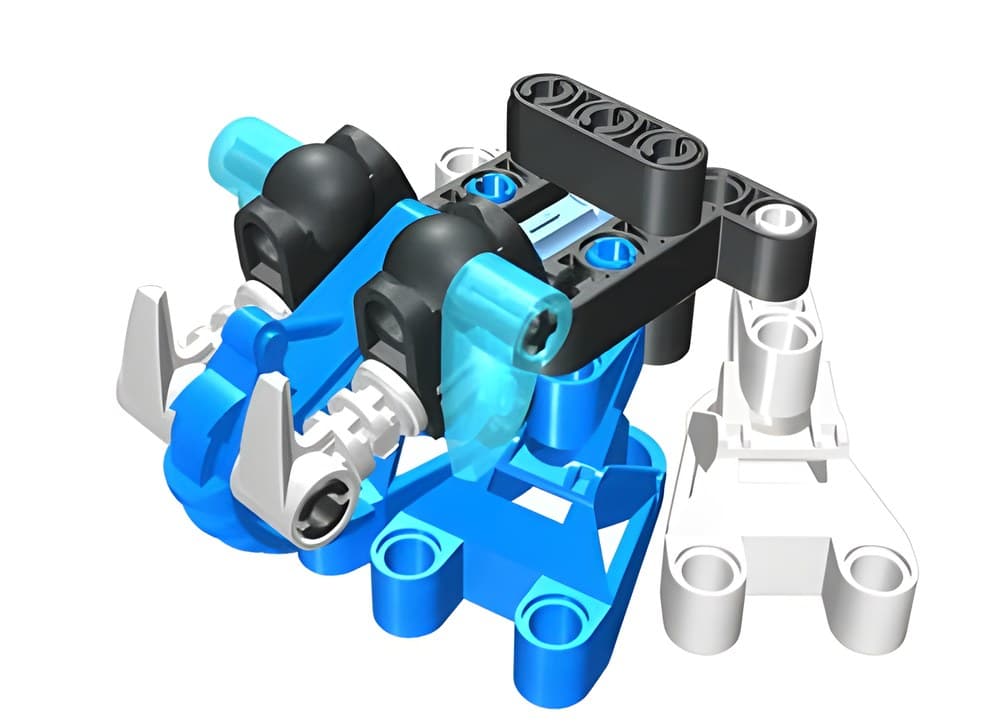
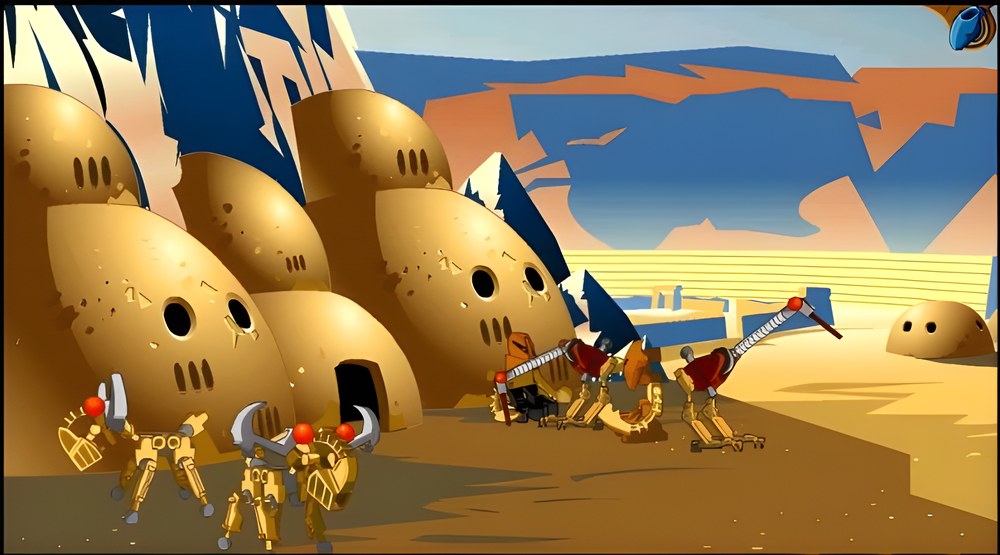
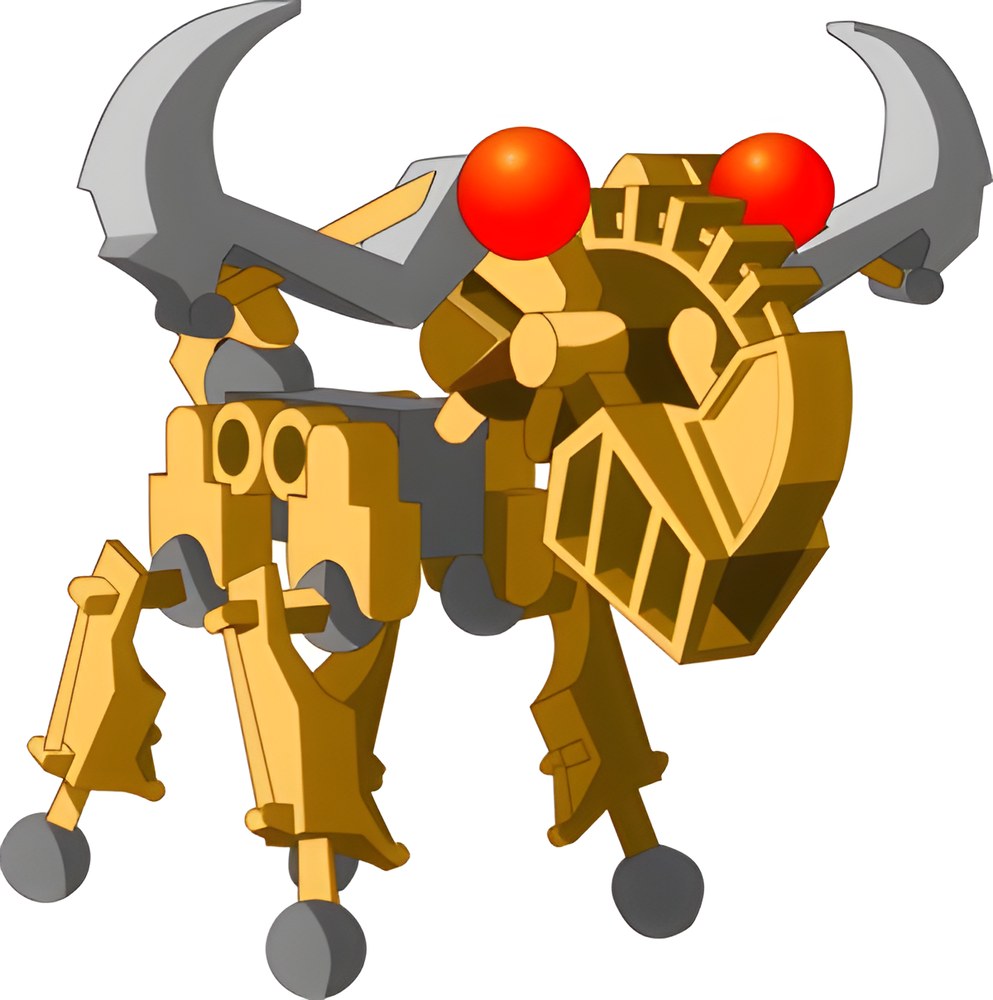
The Hapaka was a hound-like RahiRahiThe Rahi were the biomechanical wildlife of the Matoran Universe, built largely by the Brotherhood of Makuta, ranging from background fauna to engineered war beasts. sometimes tamed by MatoranMatoranThe most abundant species in the Matoran Universe, chosen by Mata Nui to inhabit and maintain his cosmic body.. It once lived in Metru NuiMetru NuiThe city beneath Mata Nui functions as the Great Spirit's brain, housing the Matoran whose labor keeps the god alive. and later made its home in the mountains of Mata NuiMata Nui (Location)An island created by accident on the Great Spirit's face, home to the Matoran for a thousand years., where the Po-MatoranPo-MatoranThe Stone-element Matoran of Po-Metru and Po-Koro, carvers and quarry workers, the most athletic of the Matoran types and the population behind the Kohlii and Akilini circuits. of Po-KoroPo-KoroPo-Koro was the Po-Matoran village in Po-Wahi, led by Turaga Onewa and guarded by Toa Pohatu, reached through a single statue-lined road called the Path of Prophecies. trained it to guard their MahiMahiHorned Rahi of Mata Nui, kept by the Po-Matoran as livestock and magnetised to Pohatu Nuva by the Gahlok-Kal. herds and HusiHusiHusi is a Rahi bearing orange and red coloring and a beak. flocks. Friendly and curious, Hapaka also made loyal pets. (BIONICLE: Encyclopedia Updated; LEGO Club website: Hapaka)
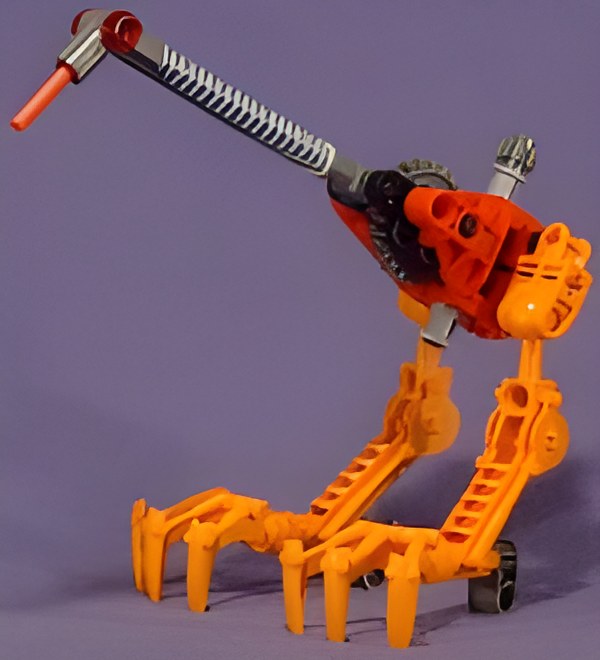
Origins on Metru Nui#
Like many RahiRahiThe Rahi were the biomechanical wildlife of the Matoran Universe, built largely by the Brotherhood of Makuta, ranging from background fauna to engineered war beasts., the Hapaka was created by the Makuta. Some Hapaka lived in Metru NuiMetru NuiThe city beneath Mata Nui functions as the Great Spirit's brain, housing the Matoran whose labor keeps the god alive., where the Ga-MatoranGa-MatoranThe Water-element Matoran of Ga-Metru and Ga-Koro, a female Matoran type, who filled the schools of Metru Nui and crewed the boats of the Mata Nui coast. briefly used them to drive away packs of KavinikaKavinikaWolf-like Rahi guards that became uncontrollable threats after their population mysteriously exploded.. (Makuta's Guide to the Universe; BIONICLE: Encyclopedia Updated)
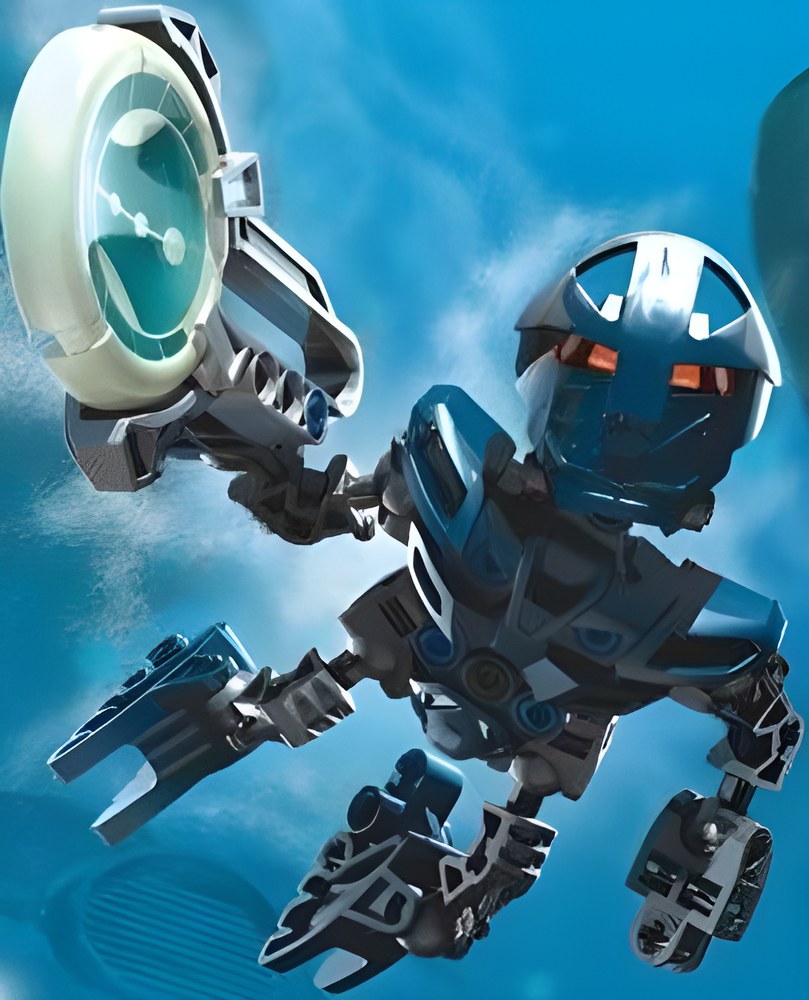
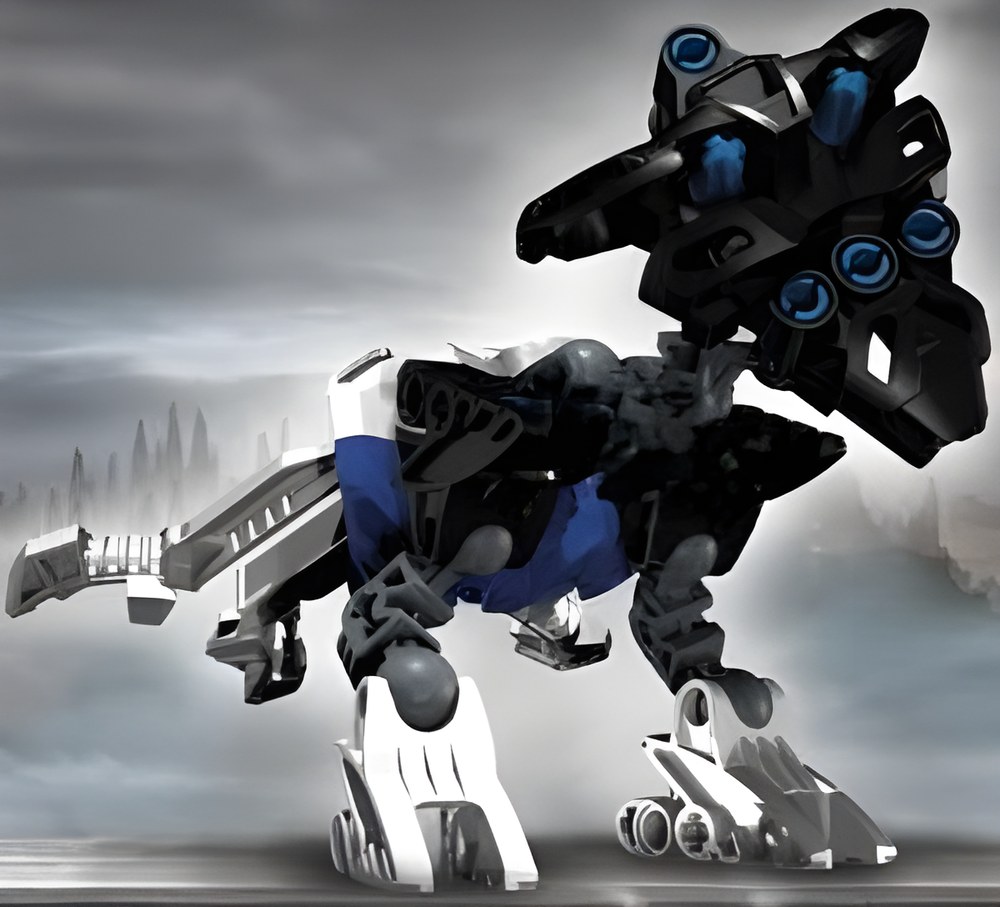
The results were mixed. The Hapaka were certainly fierce enough for the job, but they were too easily distracted by the chance to chase other Rahi. (BIONICLE: Encyclopedia Updated)
Domestication on Mata Nui#
After the Great CataclysmThe Great CataclysmThe day Makuta Teridax put the Great Spirit to sleep, the Great Spirit Robot fell from the sky, Metru Nui flooded, and Voya Nui tore loose from the Southern Continent., Hapaka moved to the mountainous regions of Mata NuiMata Nui (Location)An island created by accident on the Great Spirit's face, home to the Matoran for a thousand years., where they bounded from rock to rock with sure-footed ease. (BIONICLE: Encyclopedia Updated; LEGO Club website: Hapaka)
There the Po-MatoranPo-MatoranThe Stone-element Matoran of Po-Metru and Po-Koro, carvers and quarry workers, the most athletic of the Matoran types and the population behind the Kohlii and Akilini circuits. tamed them and trained them to protect Po-Koro's MahiMahiHorned Rahi of Mata Nui, kept by the Po-Matoran as livestock and magnetised to Pohatu Nuva by the Gahlok-Kal. herds and HusiHusiHusi is a Rahi bearing orange and red coloring and a beak. flocks. (LEGO Club website: Hapaka)
Role in Po-Koro#
Hapaka were natural herders with a sharp, barking cry, which made them well suited to guarding Po-KoroPo-KoroPo-Koro was the Po-Matoran village in Po-Wahi, led by Turaga Onewa and guarded by Toa Pohatu, reached through a single statue-lined road called the Path of Prophecies.'s flocks. (LEGO Club website: Hapaka)
The species was listed in the Encyclopedia Updated as a Rahi sometimes tamed by Matoran, a working companion rather than simply a wild creature. (BIONICLE: Encyclopedia Updated)
Physical Traits and Abilities#
Hapaka were agile, sure-footed hounds able to move easily across rocky mountain ground. (LEGO Club website: Hapaka)
Hapaka carried no KanohiKanohiMasks that grant powers and sustain life, they're the most vital artifact in the Matoran Universe. masks, wielded no tools and had no elemental abilities. Their usefulness came from their agility, their herding instincts and their willingness to work with Matoran. (BIONICLE: Encyclopedia Updated; LEGO Club website: Hapaka)
Pack Behavior#
In Metru Nui they were set against packs of Kavinika, and on Mata Nui they herded flocks, but the same eagerness to chase that made them good herders also made them easy to distract. (BIONICLE: Encyclopedia Updated; LEGO Club website: Hapaka)
That distraction was the reason the Ga-Matoran's experiment in Metru NuiMetru NuiThe city beneath Mata Nui functions as the Great Spirit's brain, housing the Matoran whose labor keeps the god alive. met with only mixed success. (BIONICLE: Encyclopedia Updated)
Place in Po-Matoran Society#
Hapaka held a steady place in Po-Matoran life. They guarded the herds and flocks of Po-KoroPo-KoroPo-Koro was the Po-Matoran village in Po-Wahi, led by Turaga Onewa and guarded by Toa Pohatu, reached through a single statue-lined road called the Path of Prophecies., and because they were friendly and very curious, they were often taken in as pets and companions. (LEGO Club website: Hapaka)
The species did not feature in the major events of the Matoran UniverseMatoran UniverseA civilization of biomechanical beings living inside a colossal robot, destroyed when Teridax seized control.'s recorded history. (BIONICLE: Encyclopedia Updated)
Historical Record#
The Hapaka received only brief treatment in the published material: an entry in the Encyclopedia Updated, a mention in Makuta's Guide to the Universe, and a LEGO Club building model made from two Bohrok Va sets. (BIONICLE: Encyclopedia Updated; Makuta's Guide to the Universe; LEGO Club website: Hapaka)
Its absence from the great conflicts reflected its role. Hapaka were herders and companions, not fighters, and their work guarding Po-Koro's flocks went on quietly through the Matoran's years on Mata Nui. (LEGO Club website: Hapaka)
Frequently asked questions
- What is a Hapaka?
- The Hapaka was a hound-like Rahi sometimes tamed by Matoran. The Po-Matoran of Po-Koro trained Hapaka to guard their Mahi herds and Husi flocks, and the friendly, curious creatures also made loyal pets.
- How well did the Hapaka work against the Kavinika?
- The Hapaka were fierce enough to drive off packs of Kavinika, but they were too easily distracted by the chance to chase other Rahi, so the Ga-Matoran had only mixed success with them.
- What role did Hapaka play in Po-Koro?
- In the mountains of Mata Nui, Po-Matoran trained Hapaka as herders and guards for Po-Koro's Mahi herds and Husi flocks, using their sharp, barking cry and sure-footed agility.
- Did Hapaka have Kanohi masks or elemental powers?
- No. Hapaka had no Kanohi, tools or elemental powers.
- Did Hapaka take part in the major conflicts of the Matoran Universe?
- No. The Hapaka did not feature in the major conflicts of the Matoran Universe; they were herders and companions rather than fighters.
Sources
- BookBIONICLE: Encyclopedia Updated, Greg Farshtey, Scholastic, 2007
- BookMakuta's Guide to the Universe, Greg Farshtey, AMEET, 2008
- WebLEGO Club website: Hapaka, LEGO, club.lego.com, model built from sets 8550 and 8551
Spotted a factual error or a primary source we missed? Email a correction. Every flagged claim gets reviewed.
Followed from this entry
Mahi
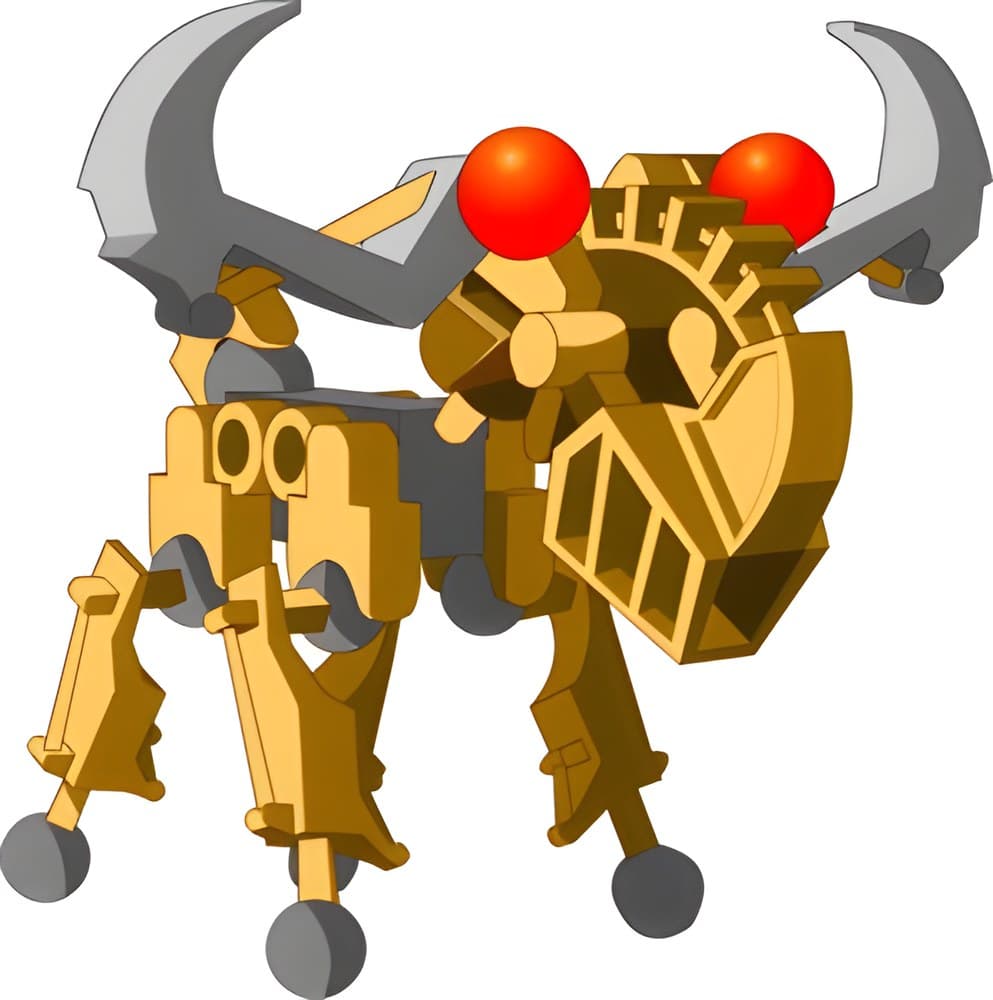
Horned Rahi of Mata Nui, kept by the Po-Matoran as livestock and magnetised to Pohatu Nuva by the Gahlok-Kal.
Rahi
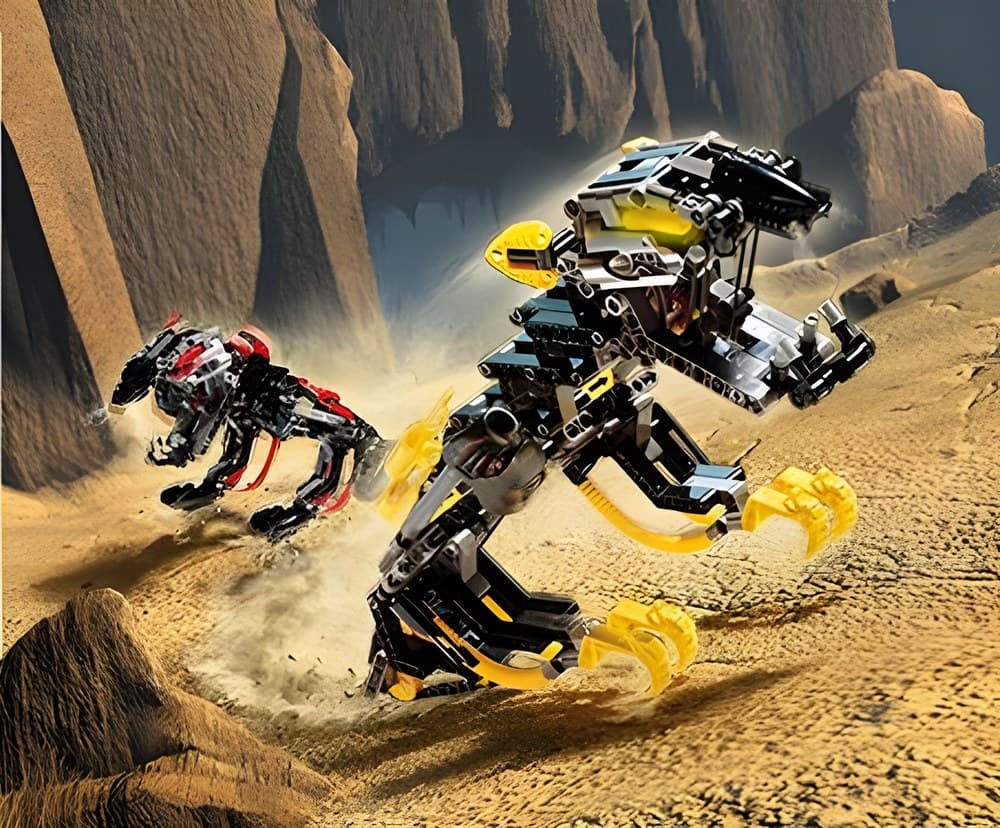
The Rahi were the biomechanical wildlife of the Matoran Universe, built largely by the Brotherhood of Makuta, ranging from background fauna to engineered war beasts.
The Great Cataclysm
The day Makuta Teridax put the Great Spirit to sleep, the Great Spirit Robot fell from the sky, Metru Nui flooded, and Voya Nui tore loose from the Southern Continent.
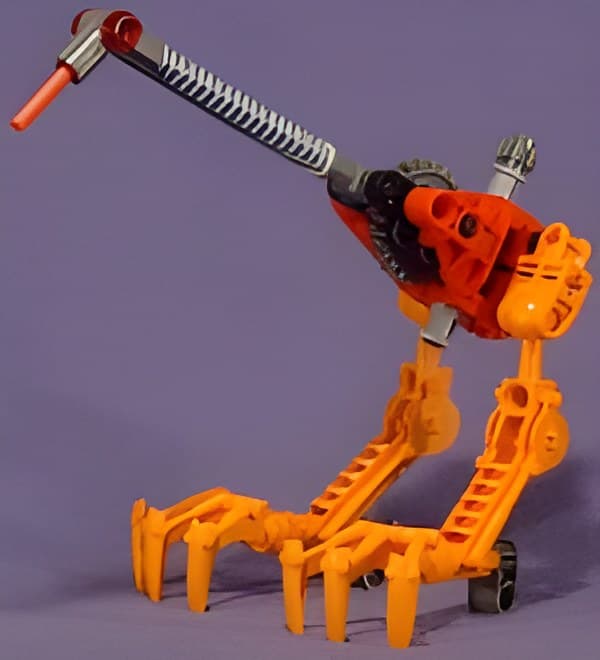
Husi
Husi is a Rahi bearing orange and red coloring and a beak.

Po-Koro
Po-Koro was the Po-Matoran village in Po-Wahi, led by Turaga Onewa and guarded by Toa Pohatu, reached through a single statue-lined road called the Path of Prophecies.
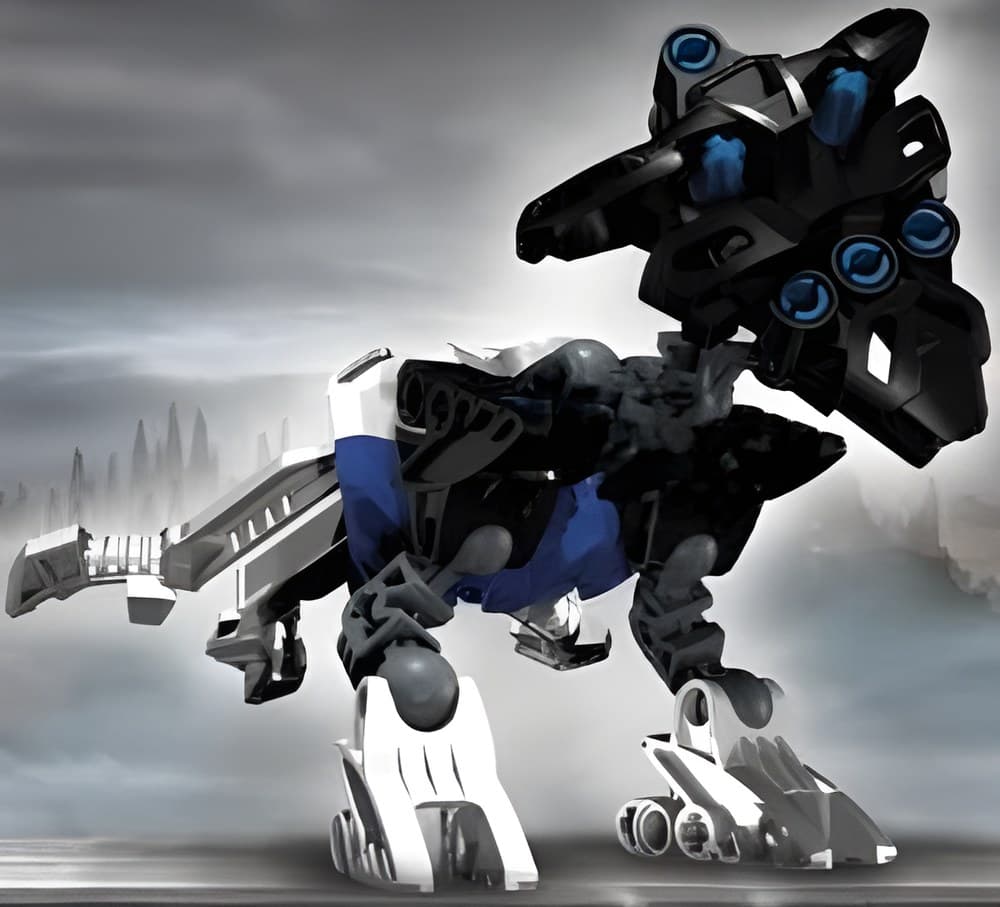
Kavinika
Wolf-like Rahi guards that became uncontrollable threats after their population mysteriously exploded.
Mentioned in2 entries
Get new articles in your inbox
No spam. New lore drops, canon conflicts, and deep dives only when they’re worth reading.
Some links on Lore Fortress are affiliate links. If you buy through them we earn a small commission at no extra cost to you.