Mahi
Horned Rahi of Mata Nui, kept by the Po-Matoran as livestock and magnetised to Pohatu Nuva by the Gahlok-Kal.
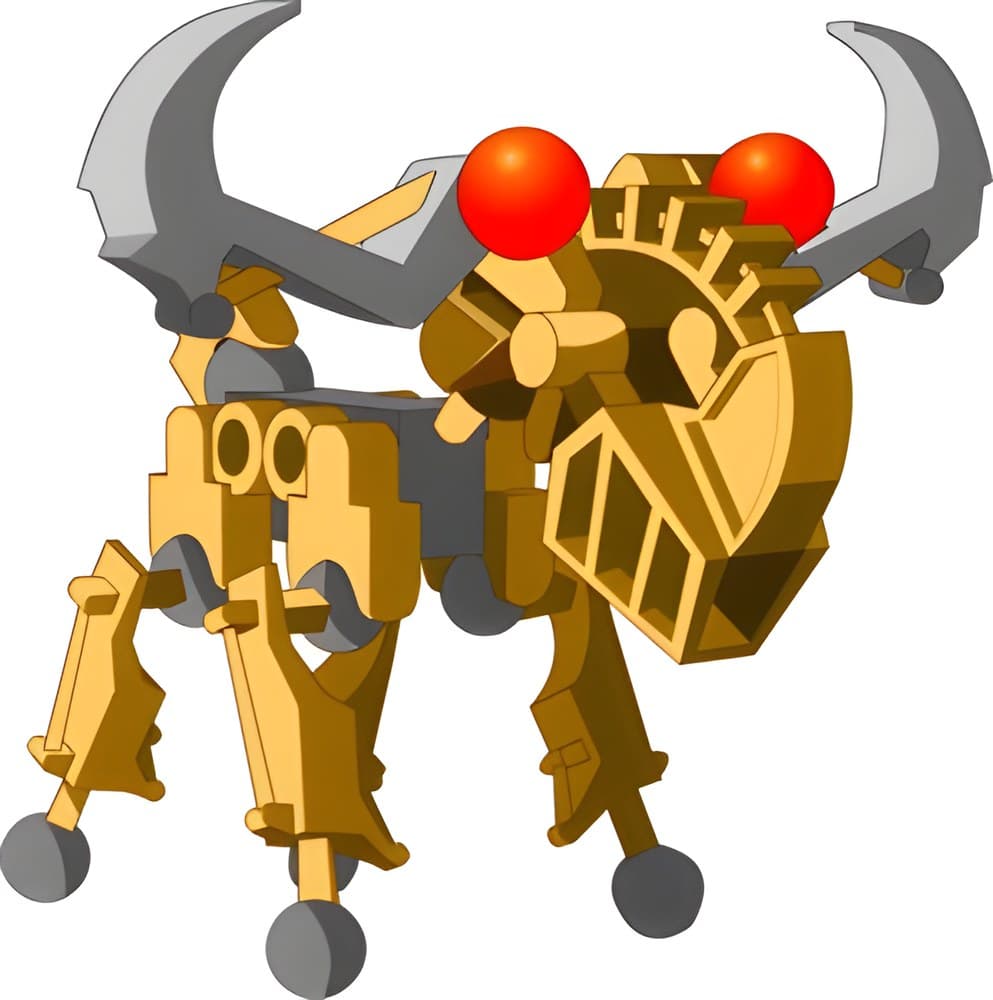
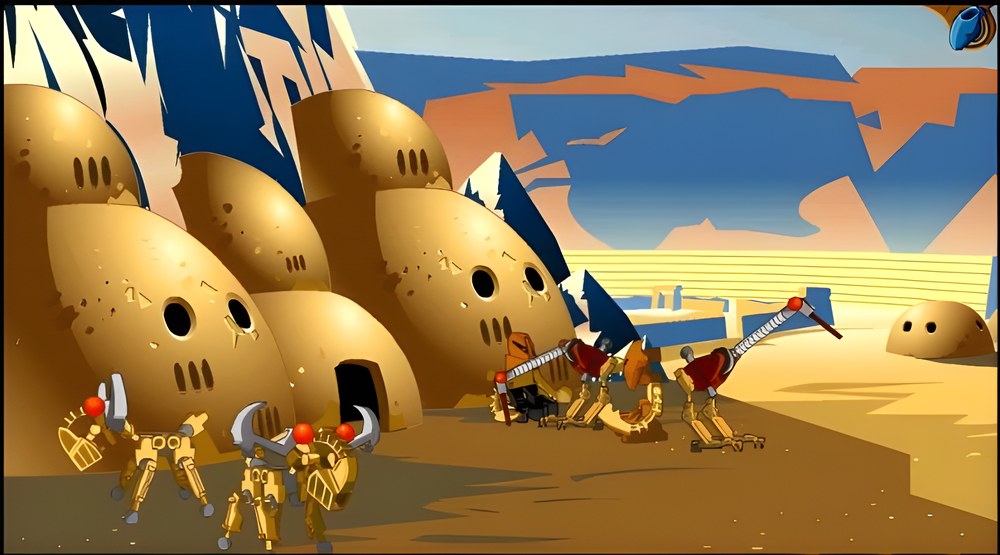
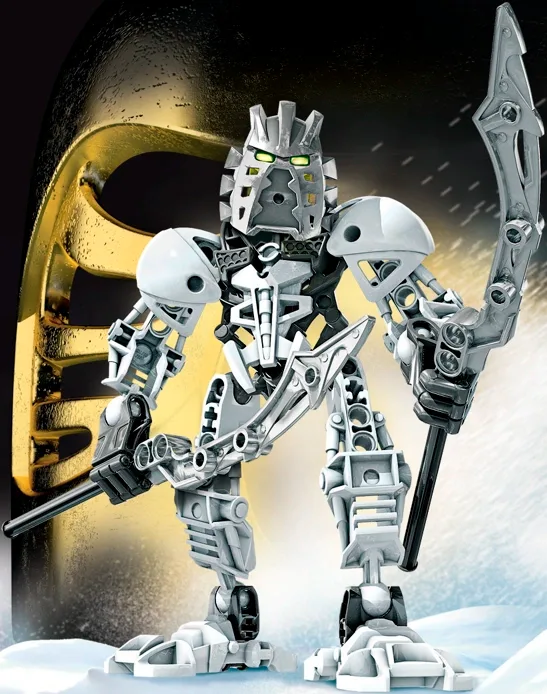
Mahi were a species of horned RahiRahiThe Rahi were the biomechanical wildlife of the Matoran Universe, built largely by the Brotherhood of Makuta, ranging from background fauna to engineered war beasts. found mostly in the Po-WahiPo-WahiPo-Wahi is a region of the island of Mata Nui, inhabited by Po-Matoran and Rahi. The territory formerly fell under the control of Teridax. region of Mata NuiMata Nui (Location)An island created by accident on the Great Spirit's face, home to the Matoran for a thousand years.. Wild Mahi were territorial, but the Po-MatoranPo-MatoranThe Stone-element Matoran of Po-Metru and Po-Koro, carvers and quarry workers, the most athletic of the Matoran types and the population behind the Kohlii and Akilini circuits. of Po-KoroPo-KoroPo-Koro was the Po-Matoran village in Po-Wahi, led by Turaga Onewa and guarded by Toa Pohatu, reached through a single statue-lined road called the Path of Prophecies. domesticated them as livestock. During the Bohrok-KalBohrok-KalSix elite Bohrok designed to free the imprisoned Bahrag, they nearly defeated the Toa Nuva before the Toa turned their own powers against them. attacks, the Gahlok-Kal used its magnetism to pin several Mahi to PohatuPohatuPohatu was the Toa Mata and Toa Nuva of Stone, guardian of Po-Wahi, whose speed and steady humour anchored the team through every era of the Matoran Universe. Nuva and put him out of action. (BIONICLE: Quest for the Toa; Mata Nui Online Game; Mata Nui Online Animations)
Range and Habitat#
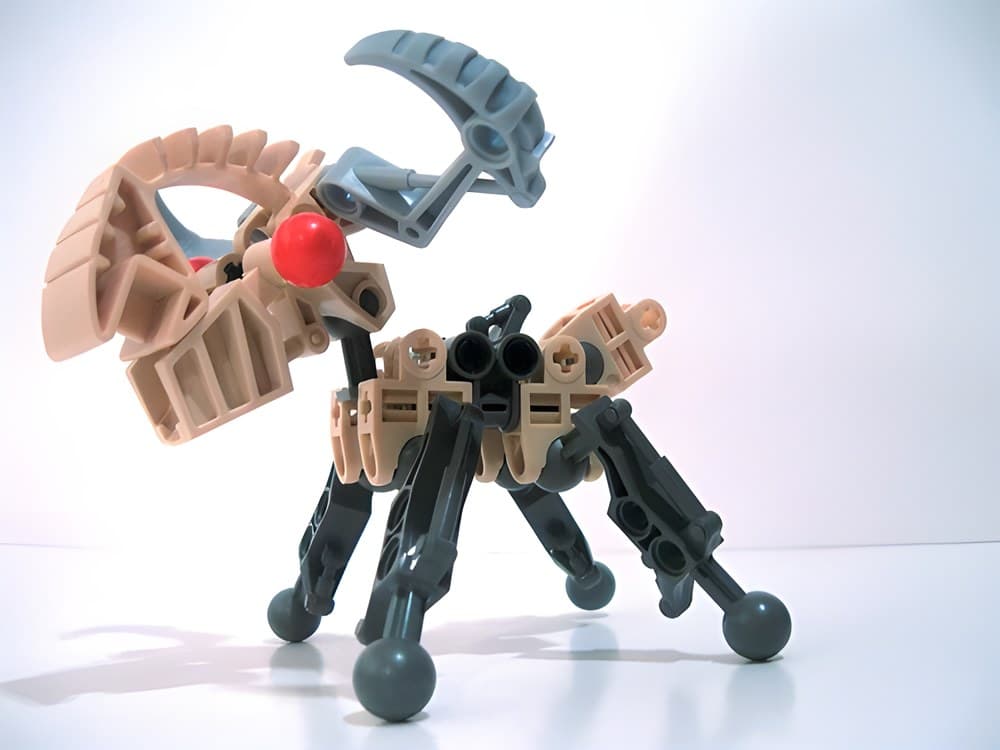
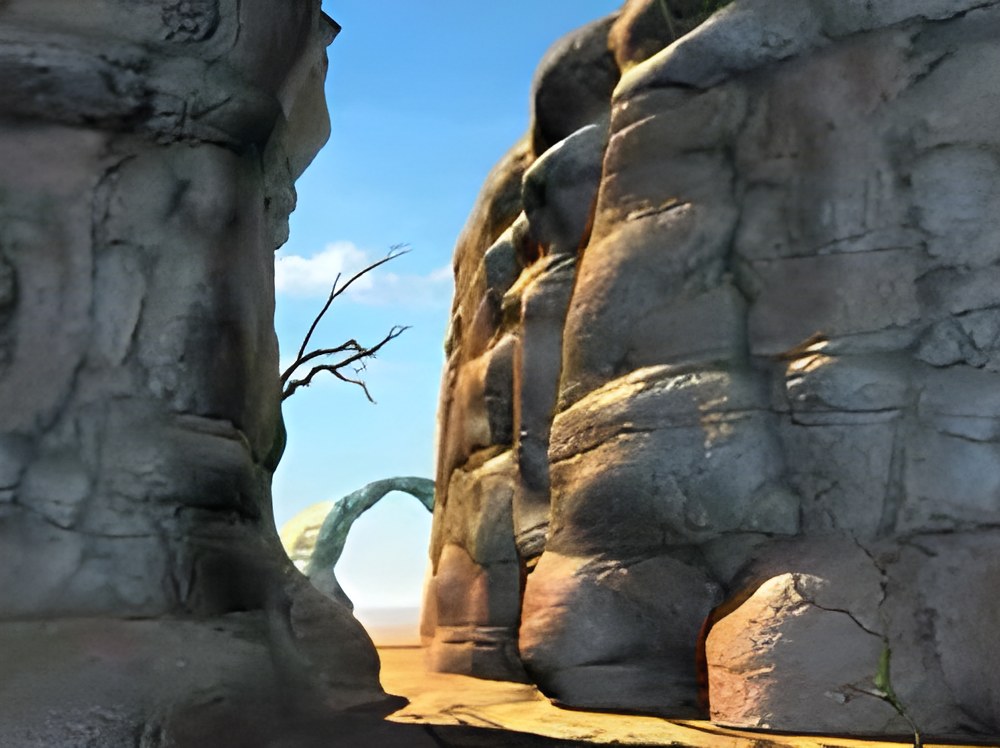
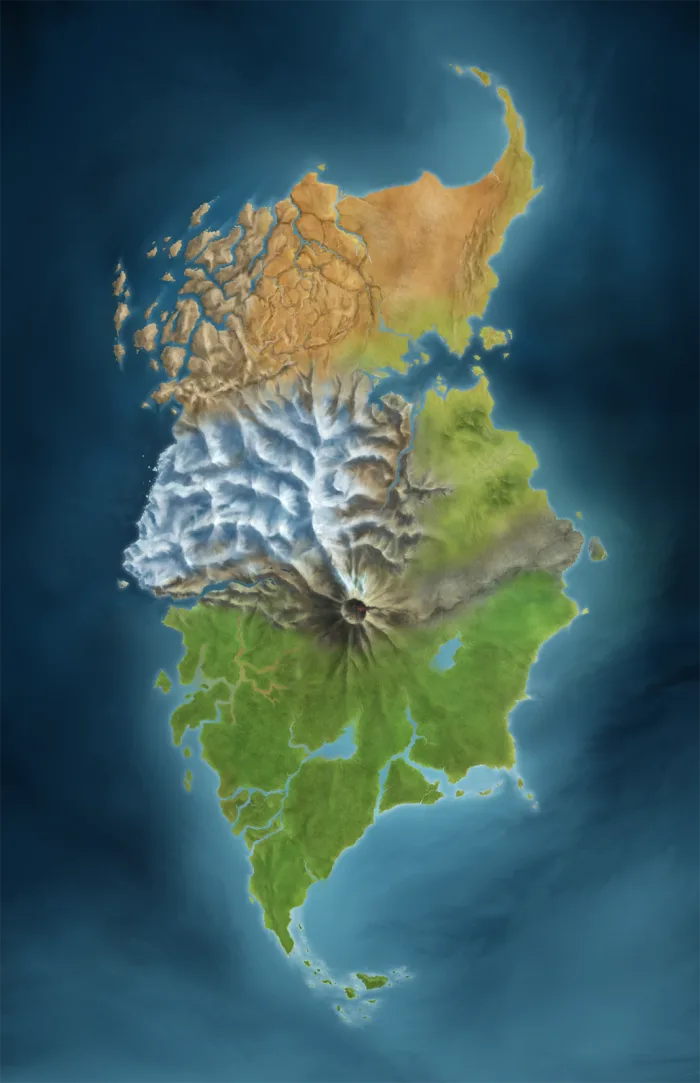
Like other Rahi, the Mahi were created by the MakutaMakuta (Species)Shadowy Antidermis beings and the Brotherhood's elite, Makuta commanded darkness and shaped the Matoran Universe's fate. from viruses and liquid protodermis. On Mata NuiMata Nui (Location)An island created by accident on the Great Spirit's face, home to the Matoran for a thousand years., herds were mostly found in Po-WahiPo-WahiPo-Wahi is a region of the island of Mata Nui, inhabited by Po-Matoran and Rahi. The territory formerly fell under the control of Teridax., the stony region governed from Po-KoroPo-KoroPo-Koro was the Po-Matoran village in Po-Wahi, led by Turaga Onewa and guarded by Toa Pohatu, reached through a single statue-lined road called the Path of Prophecies.. (BIONICLE: Makuta's Guide to the Universe; Mata Nui Online Animations)
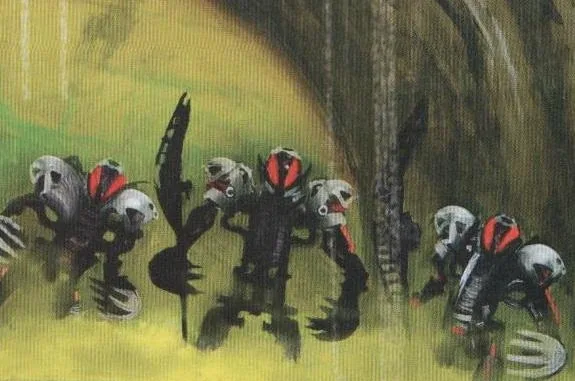
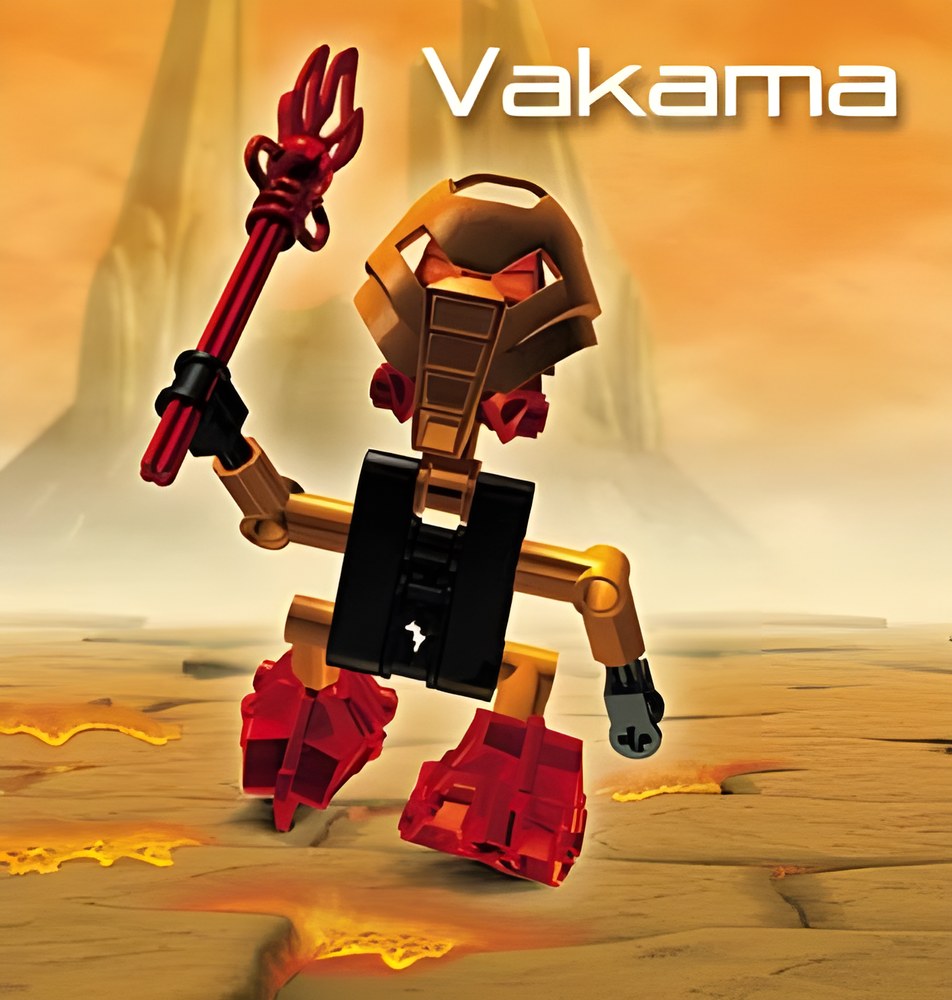
Other breeds lived elsewhere on the island: purple Mahi made their homes in Le-Wahi and Ta-Wahi, red Mahi roamed the snowfields of Ko-Wahi, and a subspecies called fire Mahi lived in Ta-Wahi. A thousand years into the Great War, a group of fire Mahi under TeridaxTeridaxTeridax orchestrated a thousand-year scheme that ended with him occupying the Great Spirit Robot itself before his death on Bara Magna.'s influence abducted Turaga VakamaVakamaA Ta-Metru maskmaker transformed into the Toa Metru of Fire, leader of his team through the Visorak war, and Turaga of Ta-Koro for a thousand years., and TakuaTakuaAn Av-Matoran hidden on Mata Nui as a Ta-Matoran, who gathered the Toa Stones, served as Chronicler, and ultimately accepted the Avohkii to become Takanuva, the Toa of Light. beat them to win the key to Vakama's prison. (BIONICLE: Quest for the Toa)
Behaviour#
Wild Mahi lived alone or in herds. They were territorial, quick to charge anything that came near and ram it with their dangerous horns. (BIONICLE: Quest for the Toa)
Use by the Po-Matoran#
The Po-MatoranPo-MatoranThe Stone-element Matoran of Po-Metru and Po-Koro, carvers and quarry workers, the most athletic of the Matoran types and the population behind the Kohlii and Akilini circuits. of Po-KoroPo-KoroPo-Koro was the Po-Matoran village in Po-Wahi, led by Turaga Onewa and guarded by Toa Pohatu, reached through a single statue-lined road called the Path of Prophecies. recognised the Mahi as useful livestock and domesticated them to pull carts. They were valuable enough to be traded often at the Po-Koro market. (Mata Nui Online Game)
Herding them was hard work, and it doubled as a way to learn the kolhii skill of Strategy. Golyo kept Mahi in a small pen on the outskirts of Po-Koro, and during the Kolhii Tournament HahliHahliA Ga-Matoran scholar who rose to become Chronicler of Mata Nui, then Toa Inika, then Toa Mahri of Water during the final crises of the Matoran Universe. trained in Strategy with him by catching Mahi that escaped. (Mata Nui Online Game II: The Final Chronicle)
The Gahlok-Kal incident#
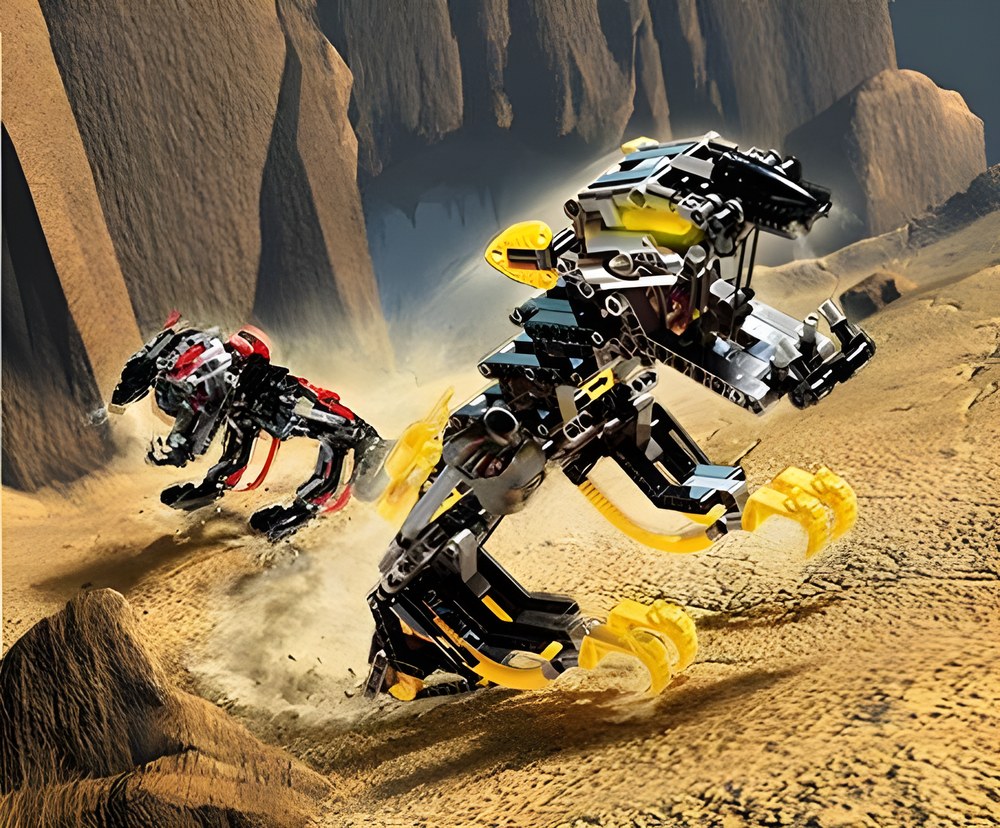
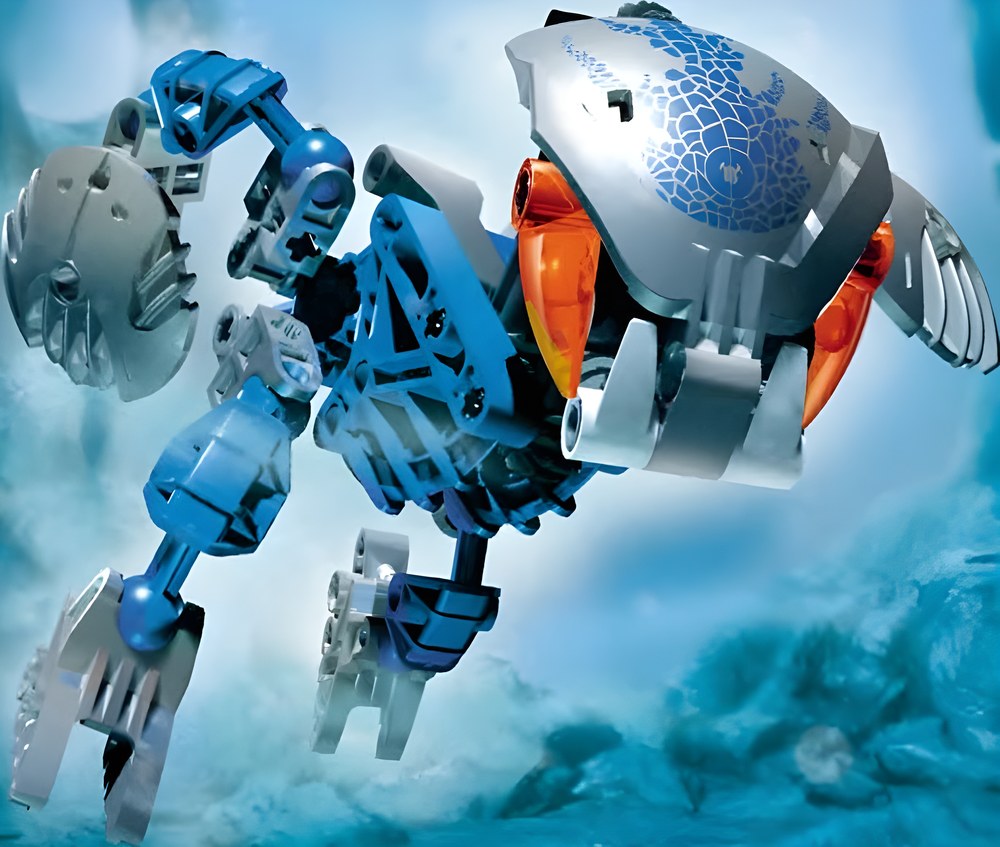
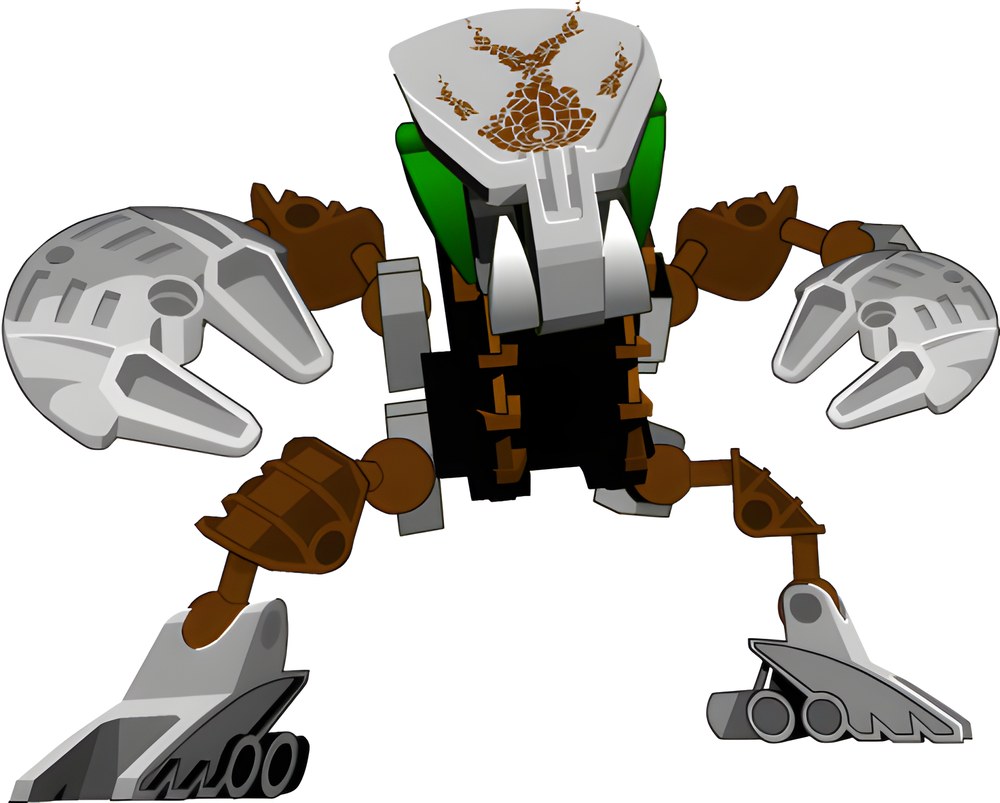
During the Bohrok-KalBohrok-KalSix elite Bohrok designed to free the imprisoned Bahrag, they nearly defeated the Toa Nuva before the Toa turned their own powers against them. attacks, the Gahlok-KalGahlok-KalThe magnetic-powered Bohrok-Kal whose own power became its undoing when victory was within reach. helped Pahrak-KalPahrak-KalThe slowest Bohrok-Kal conceals immense destructive plasma power that grows beyond control and consumes itself. get away from PohatuPohatuPohatu was the Toa Mata and Toa Nuva of Stone, guardian of Po-Wahi, whose speed and steady humour anchored the team through every era of the Matoran Universe. Nuva, who was chasing it to recover his stolen Nuva SymbolNuva SymbolThe six carved emblems in which the Toa Nuva stored their elemental power after sealing the Bahrag, and which the Bohrok-Kal stole one by one.. Gahlok-Kal turned its magnetic shields on the Toa and left him stranded in the desert with several Mahi magnetised to him. (BIONICLE Chronicles 3: Makuta's Revenge; Mata Nui Online Animations)
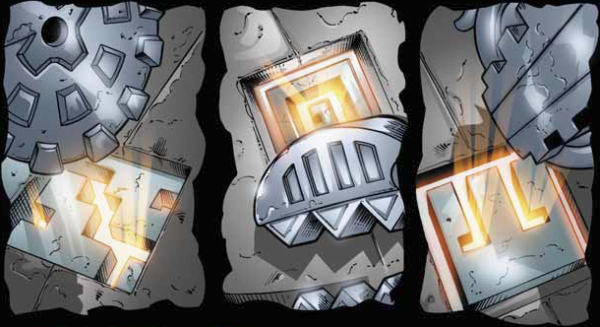
The Mahi were finally pulled off him by TakuaTakuaAn Av-Matoran hidden on Mata Nui as a Ta-Matoran, who gathered the Toa Stones, served as Chronicler, and ultimately accepted the Avohkii to become Takanuva, the Toa of Light. and JallerJallerJaller served as Captain of the Ta-Koro Guard, led the Toa Inika to Voya Nui, and commanded the Toa Mahri through the recovery of the Mask of Life. as the Toa Nuva set out to track down the Bohrok-Kal. (Mata Nui Online Animations)
Anatomy#
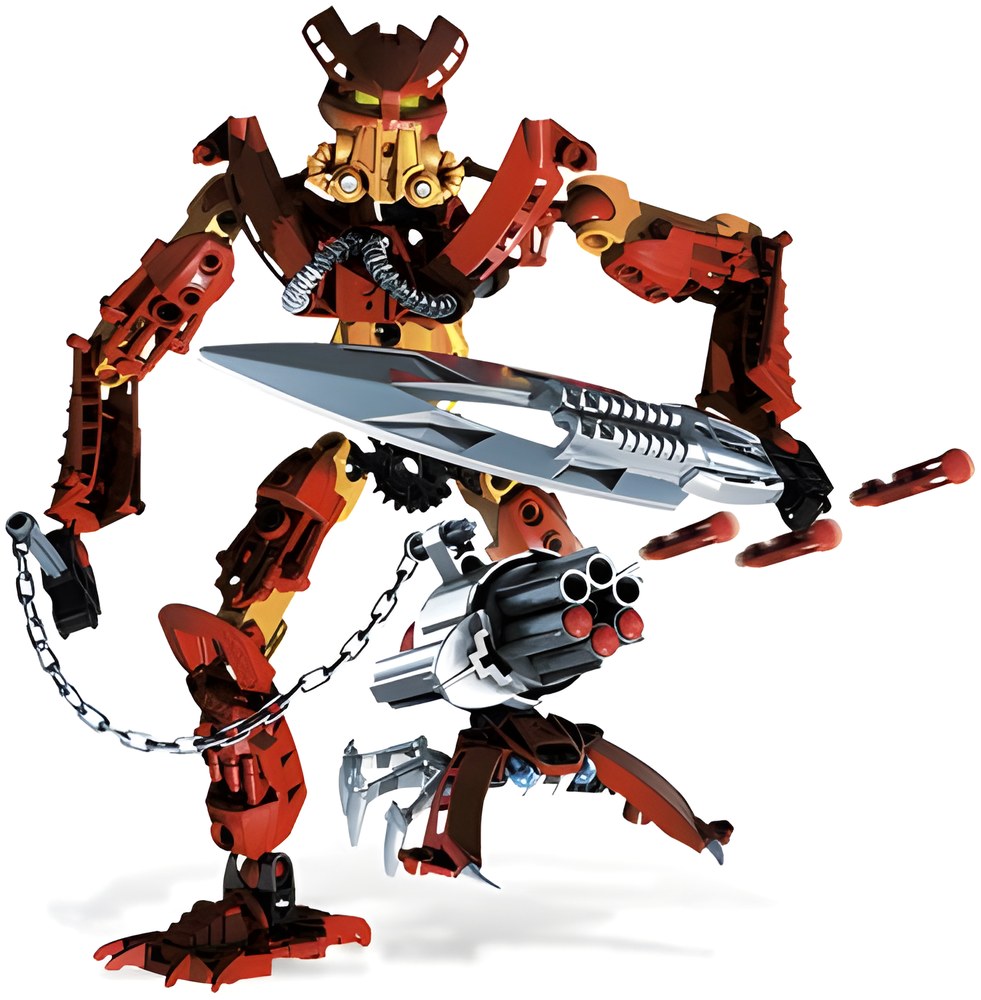
Mahi had curved horns that made them dangerous when they charged. The breeds of the different regions were suited to their surroundings, with some especially equipped for tropical, cold or volcanic conditions. (BIONICLE: Quest for the Toa)
Significance#
The Mahi were a minor species with no central role in any major conflict. They mattered most as working animals in Po-KoroPo-KoroPo-Koro was the Po-Matoran village in Po-Wahi, led by Turaga Onewa and guarded by Toa Pohatu, reached through a single statue-lined road called the Path of Prophecies. and, briefly, as the living weight that pinned PohatuPohatuPohatu was the Toa Mata and Toa Nuva of Stone, guardian of Po-Wahi, whose speed and steady humour anchored the team through every era of the Matoran Universe. during the Bohrok-KalBohrok-KalSix elite Bohrok designed to free the imprisoned Bahrag, they nearly defeated the Toa Nuva before the Toa turned their own powers against them. attacks. (Mata Nui Online Game; Mata Nui Online Animations)
Frequently asked questions
- What are the Mahi in Bionicle?
- The Mahi were horned Rahi found mostly in the Po-Wahi region of Mata Nui, with other breeds in Le-Wahi, Ta-Wahi and Ko-Wahi. Wild Mahi lived alone or in herds and were territorial.
- What did the Po-Matoran use Mahi for?
- The Po-Matoran of Po-Koro domesticated Mahi to pull carts, and the animals were valuable enough to be traded often at the Po-Koro market. Herding them was also a way to learn the kolhii skill of Strategy.
- How did Mahi end up stuck to Pohatu?
- During the Bohrok-Kal attacks, the Gahlok-Kal used its magnetic shields on Pohatu Nuva while he chased Pahrak-Kal, leaving him stranded in the desert with several Mahi magnetised to him. Takua and Jaller later pulled them off.
- How did Mahi behave when threatened?
- Wild Mahi were territorial, quick to charge anything that came near and ram it with their dangerous horns.
- What did Mahi look like?
- Mahi had curved horns that made them dangerous when they charged. Breeds varied by region, including purple Mahi in Le-Wahi and Ta-Wahi, red Mahi in Ko-Wahi and fire Mahi in Ta-Wahi.
Gallery
Images via BIONICLE Wiki (Biosector01)
Sources
- BookBIONICLE: Makuta's Guide to the Universe, Greg Farshtey, AMEET, 2009
- GameBIONICLE: Quest for the Toa, Saffire, Game Boy Advance, 2001
- GameMata Nui Online Game, Templar Studios for The LEGO Group, BIONICLE.com, 2001
- GameMata Nui Online Game II: The Final Chronicle, Templar Studios for The LEGO Group, BIONICLE.com, 2003
- VideoMata Nui Online Animations, Templar Studios for The LEGO Group, BIONICLE.com, 2002 to 2003
- BookBIONICLE Chronicles 3: Makuta's Revenge, C. A. Hapka, Scholastic, 2003
Spotted a factual error or a primary source we missed? Email a correction. Every flagged claim gets reviewed.
Followed from this entry
Rahi
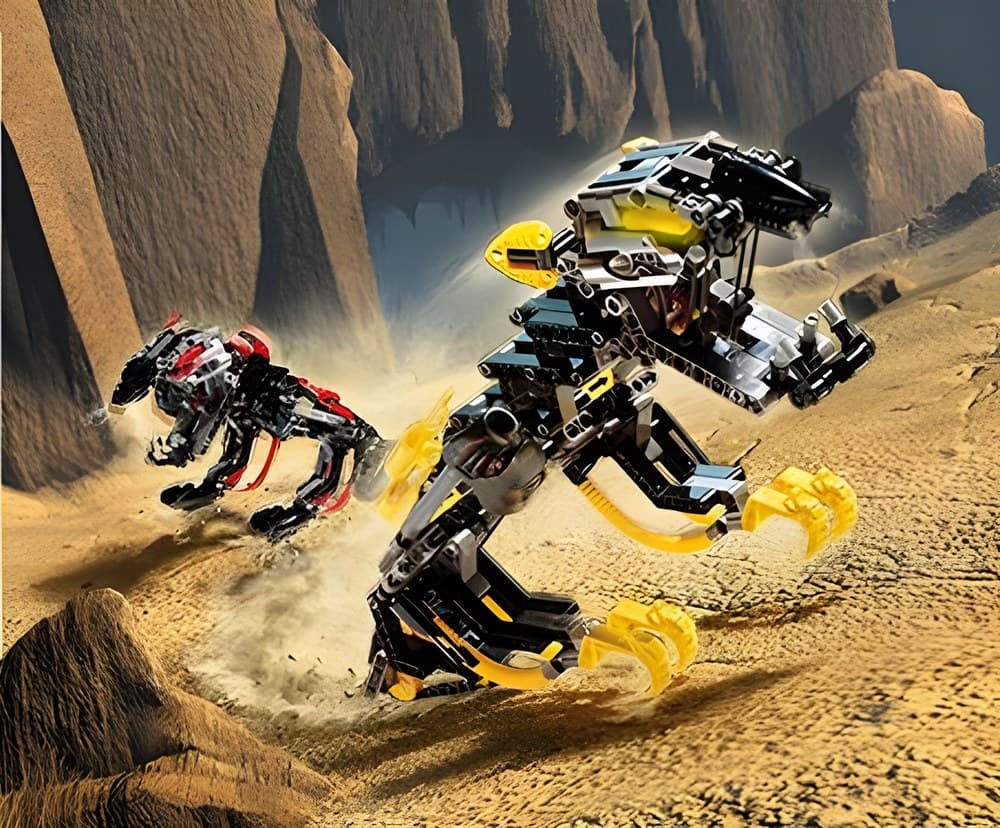
The Rahi were the biomechanical wildlife of the Matoran Universe, built largely by the Brotherhood of Makuta, ranging from background fauna to engineered war beasts.
Nuva Symbol
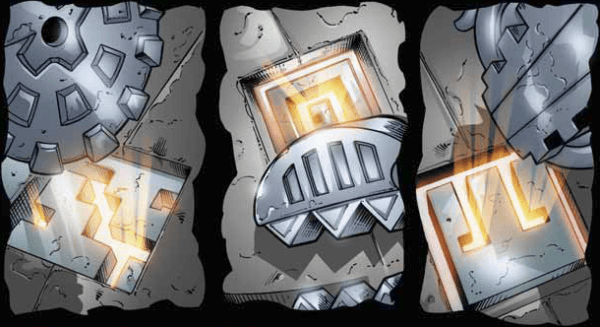
The six carved emblems in which the Toa Nuva stored their elemental power after sealing the Bahrag, and which the Bohrok-Kal stole one by one.
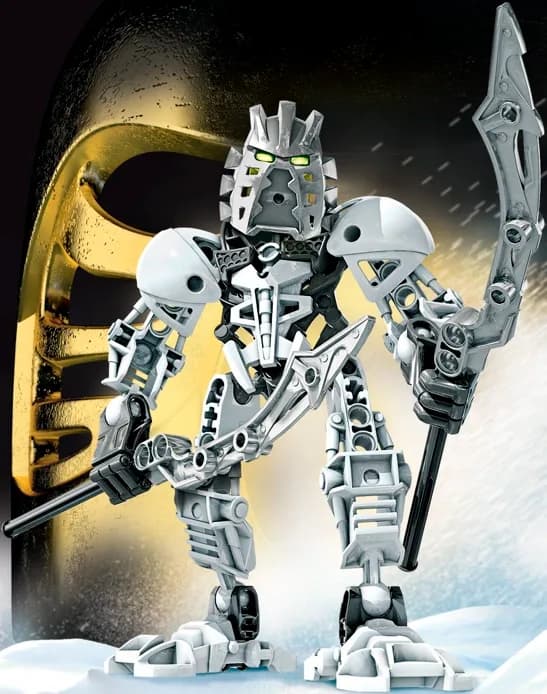
Takua
An Av-Matoran hidden on Mata Nui as a Ta-Matoran, who gathered the Toa Stones, served as Chronicler, and ultimately accepted the Avohkii to become Takanuva, the Toa of Light.

Po-Koro
Po-Koro was the Po-Matoran village in Po-Wahi, led by Turaga Onewa and guarded by Toa Pohatu, reached through a single statue-lined road called the Path of Prophecies.

Hahli
A Ga-Matoran scholar who rose to become Chronicler of Mata Nui, then Toa Inika, then Toa Mahri of Water during the final crises of the Matoran Universe.
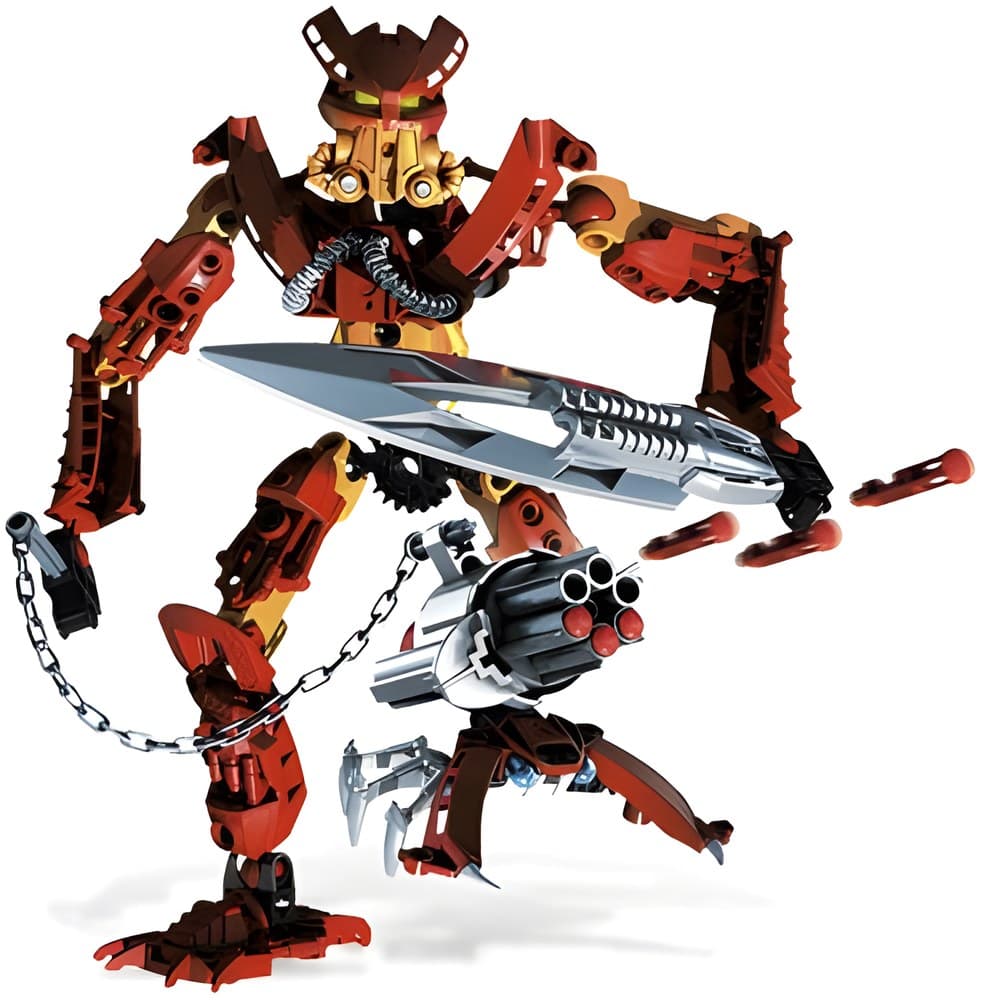
Jaller
Jaller served as Captain of the Ta-Koro Guard, led the Toa Inika to Voya Nui, and commanded the Toa Mahri through the recovery of the Mask of Life.
Mentioned in14 entries
Golyo
Golyo was a Po-Matoran native to Metru Nui who herded Mahi in Po-Koro on Mata Nui, offering his beasts as a way for others to train the Skill of Strategy before the Matoran returned to their rebuilt city.
Hapaka
A dog-like Rahi domesticated by the Po-Matoran to guard Mahi and Husi flocks on Mata Nui, valued for loyalty and pack discipline.
Magnetism: The Elemental Power of Magnetic Force
Magnetism was the elemental power over magnetic force in the Matoran Universe, wielded by Toa of Magnetism such as Jovan and by the Bohrok-Kal Gahlok-Kal.
Motara Desert
The Motara Desert covered eastern Po-Wahi on Mata Nui, served the Po-Matoran trade economy, and was destroyed during the Bohrok swarms.
Nuva Symbol
The six carved emblems in which the Toa Nuva stored their elemental power after sealing the Bahrag, and which the Bohrok-Kal stole one by one.
Po-Matoran
The Stone-element Matoran of Po-Metru and Po-Koro, carvers and quarry workers, the most athletic of the Matoran types and the population behind the Kohlii and Akilini circuits.
Po-Suva
Pohatu's shrine in Po-Koro, repository of his collected Kanohi and the Nuva Symbol the Bohrok-Kal stole from it.
Pohatu
Pohatu was the Toa Mata and Toa Nuva of Stone, guardian of Po-Wahi, whose speed and steady humour anchored the team through every era of the Matoran Universe.
Ta-Wahi
Ta-Wahi was the volcanic region of Mata Nui surrounding the Mangai Volcano, encompassing Ta-Koro, the Lake of Fire, the Charred Forest, and the Ta-Wahi Beach.
Vako
Horned, rhinoceros-like Rahi created by the Brotherhood of Makuta. Roamed Ta-Wahi and Ko-Wahi. Every Po-Matoran taming attempt failed.
Vatuka
The dark-dwelling Rahi of Onu-Wahi that abducted Turaga Whenua and was defeated by the Chronicler Takua at the opening of the quest for the Toa Stones.
Fire Mahi
Aggressive red and orange Rahi of Ta-Wahi, notorious for kidnapping Turaga Vakama under Makuta's control in 2001.
+ 2 more
Get new articles in your inbox
No spam. New lore drops, canon conflicts, and deep dives only when they’re worth reading.
Some links on Lore Fortress are affiliate links. If you buy through them we earn a small commission at no extra cost to you.