Motara Desert
The Sand Expanse of Po-Wahi
The Motara Desert covered eastern Po-Wahi on Mata Nui, served the Po-Matoran trade economy, and was destroyed during the Bohrok swarms.
The Motara Desert was a region of sand and dunes covering the eastern stretch of Po-WahiPo-WahiPo-Wahi is a region of the island of Mata Nui, inhabited by Po-Matoran and Rahi. The territory formerly fell under the control of Teridax. on the island of Mata NuiMata Nui (Location)An island created by accident on the Great Spirit's face, home to the Matoran for a thousand years.. It served as a buffer between Po-KoroPo-KoroPo-Koro was the Po-Matoran village in Po-Wahi, led by Turaga Onewa and guarded by Toa Pohatu, reached through a single statue-lined road called the Path of Prophecies. and the wilder country beyond, supported Po-MatoranPo-MatoranThe Stone-element Matoran of Po-Metru and Po-Koro, carvers and quarry workers, the most athletic of the Matoran types and the population behind the Kohlii and Akilini circuits. trade and quarry operations, and was destroyed during the BohrokBohrokHive-minded mechanical creatures designed to reshape worlds, the Bohrok represent a threat the Toa Mata never expected. swarms.


Geography#
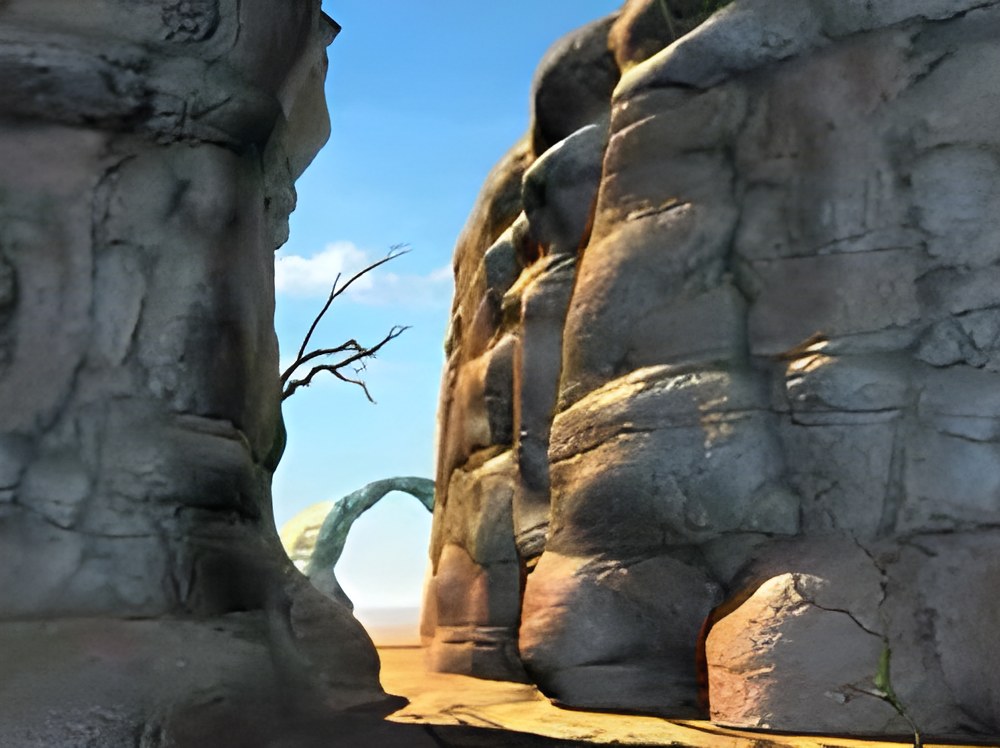
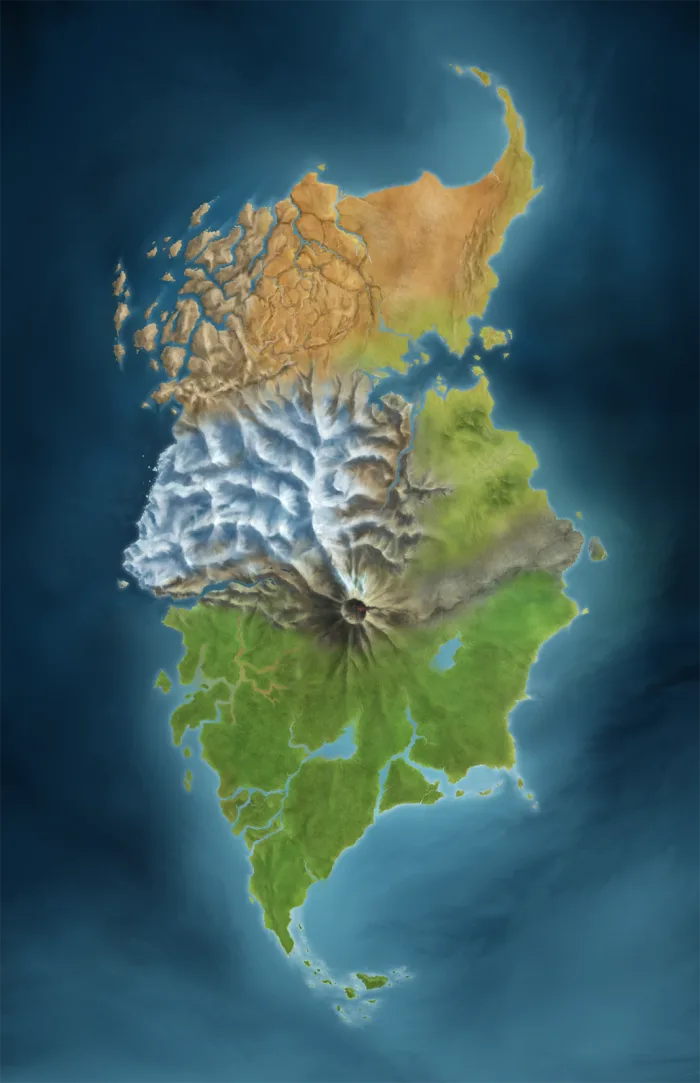
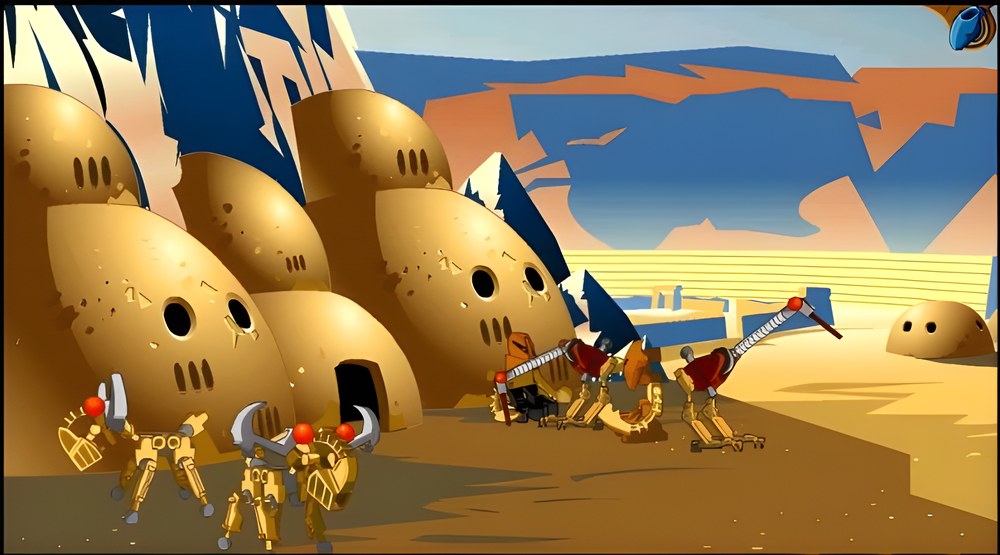
The Motara Desert occupied the eastern portion of Po-WahiPo-WahiPo-Wahi is a region of the island of Mata Nui, inhabited by Po-Matoran and Rahi. The territory formerly fell under the control of Teridax., beginning beyond the stone walls of Po-KoroPo-KoroPo-Koro was the Po-Matoran village in Po-Wahi, led by Turaga Onewa and guarded by Toa Pohatu, reached through a single statue-lined road called the Path of Prophecies. and extending toward the coast. Its surface was characterised by shifting dunes interspersed with firm ground near the village's working quarry. The terrain offered a natural buffer between the settled population of Po-KoroPo-KoroPo-Koro was the Po-Matoran village in Po-Wahi, led by Turaga Onewa and guarded by Toa Pohatu, reached through a single statue-lined road called the Path of Prophecies. and the open country beyond, which was populated by hostile RahiRahiThe Rahi were the biomechanical wildlife of the Matoran Universe, built largely by the Brotherhood of Makuta, ranging from background fauna to engineered war beasts..

Despite its dryness, the desert connected to the coastal infrastructure of Ga-KoroGa-KoroGa-Koro is a village on the island of Mata Nui, inhabited by the Ga-Matoran and associated with both Nokama and Gali. The settlement was formerly under the power of Teridax.. Ga-KoroGa-KoroGa-Koro is a village on the island of Mata Nui, inhabited by the Ga-Matoran and associated with both Nokama and Gali. The settlement was formerly under the power of Teridax. vessels made landfall along the desert's seaward edge, and goods were transferred inland through trade caravans operating between the two villages.
Wildlife#
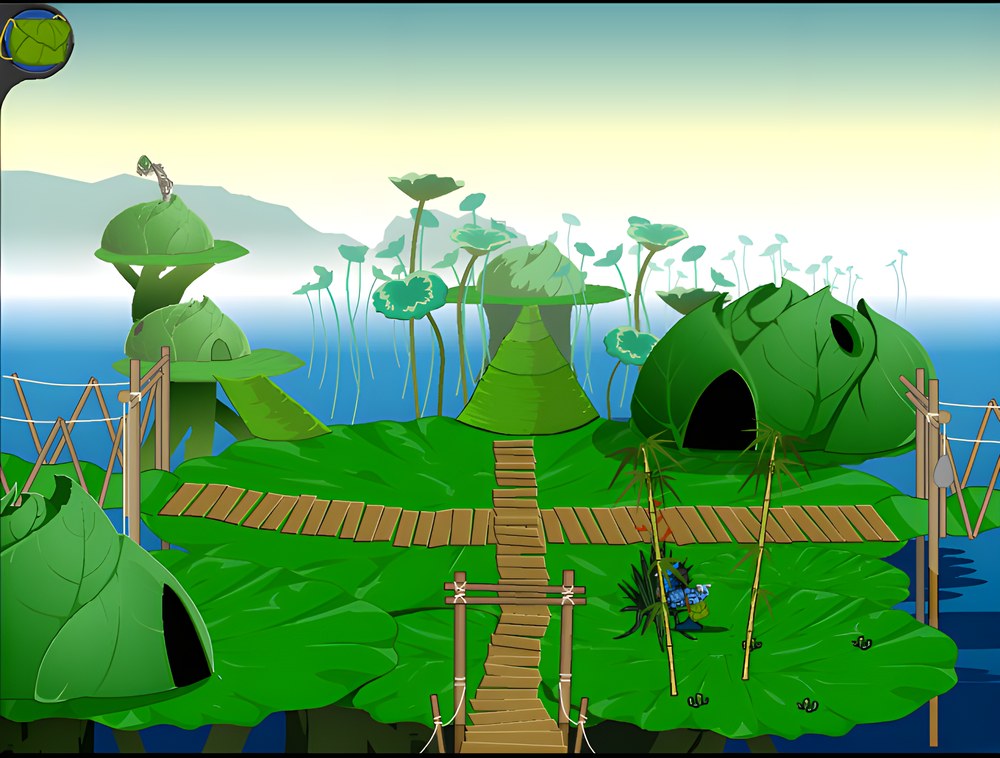
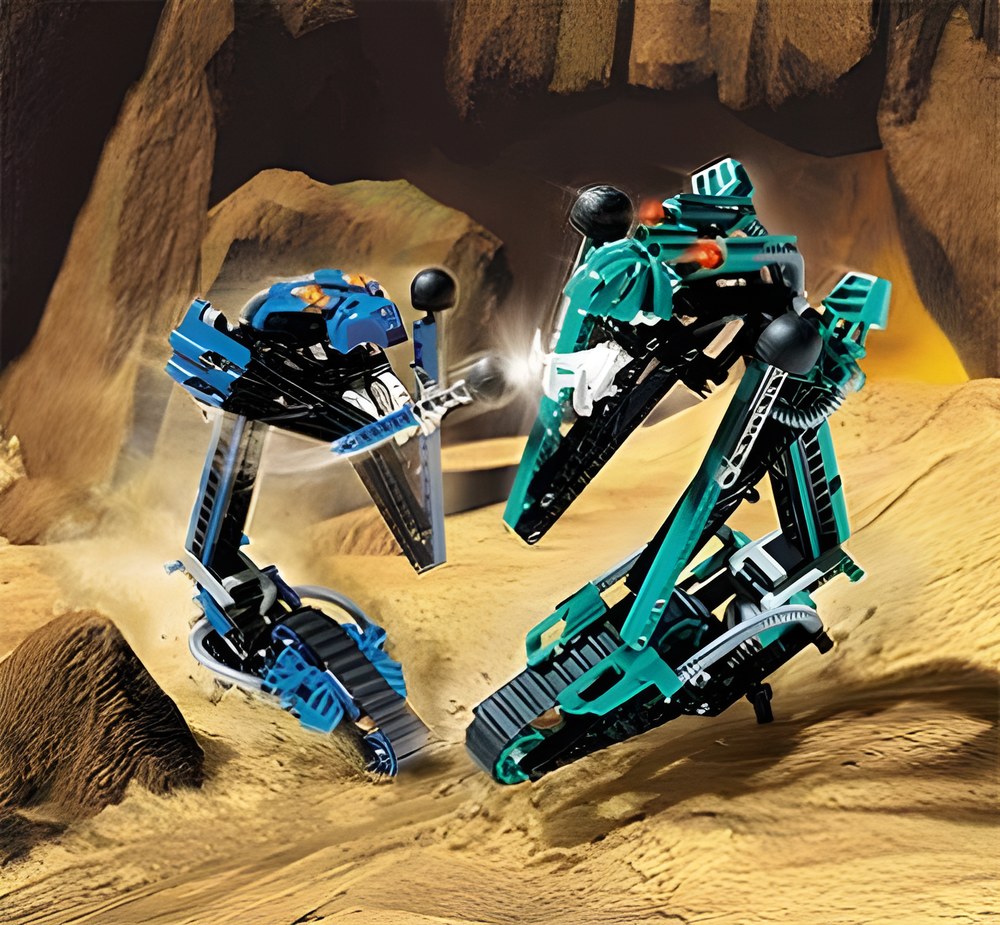
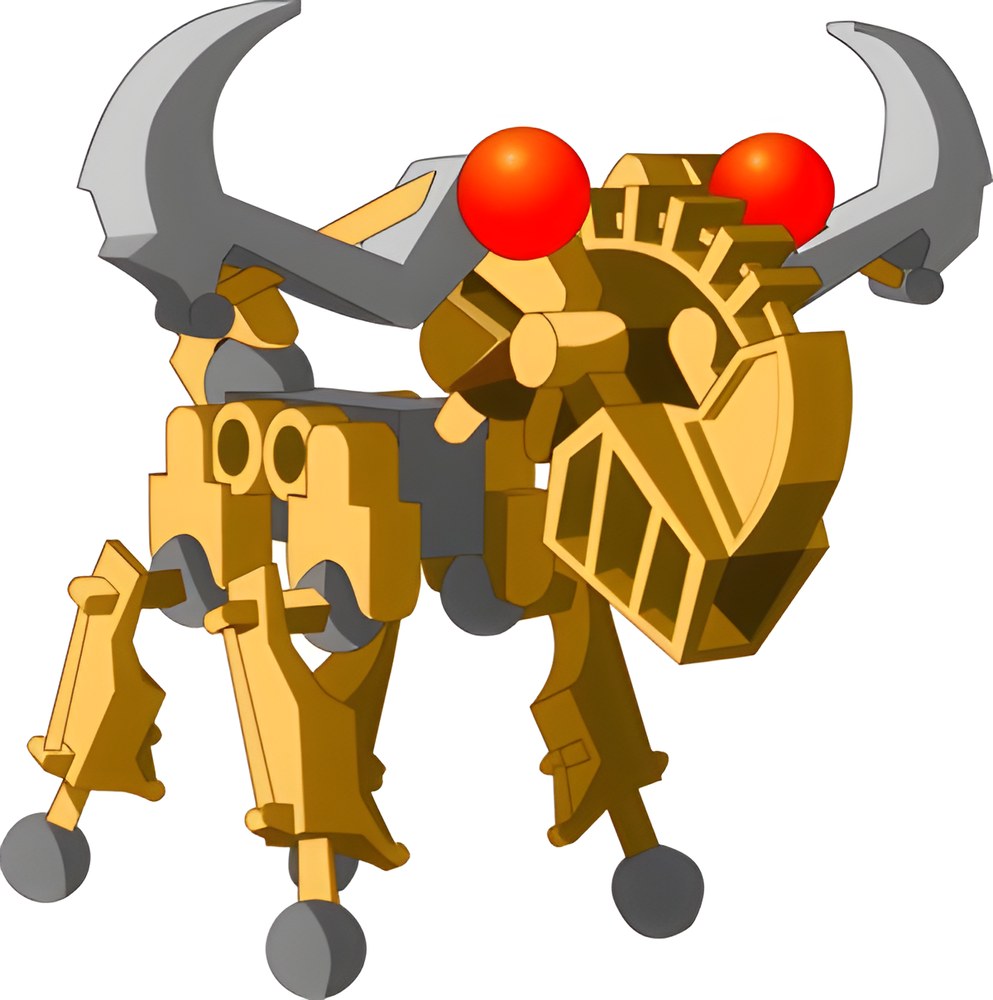
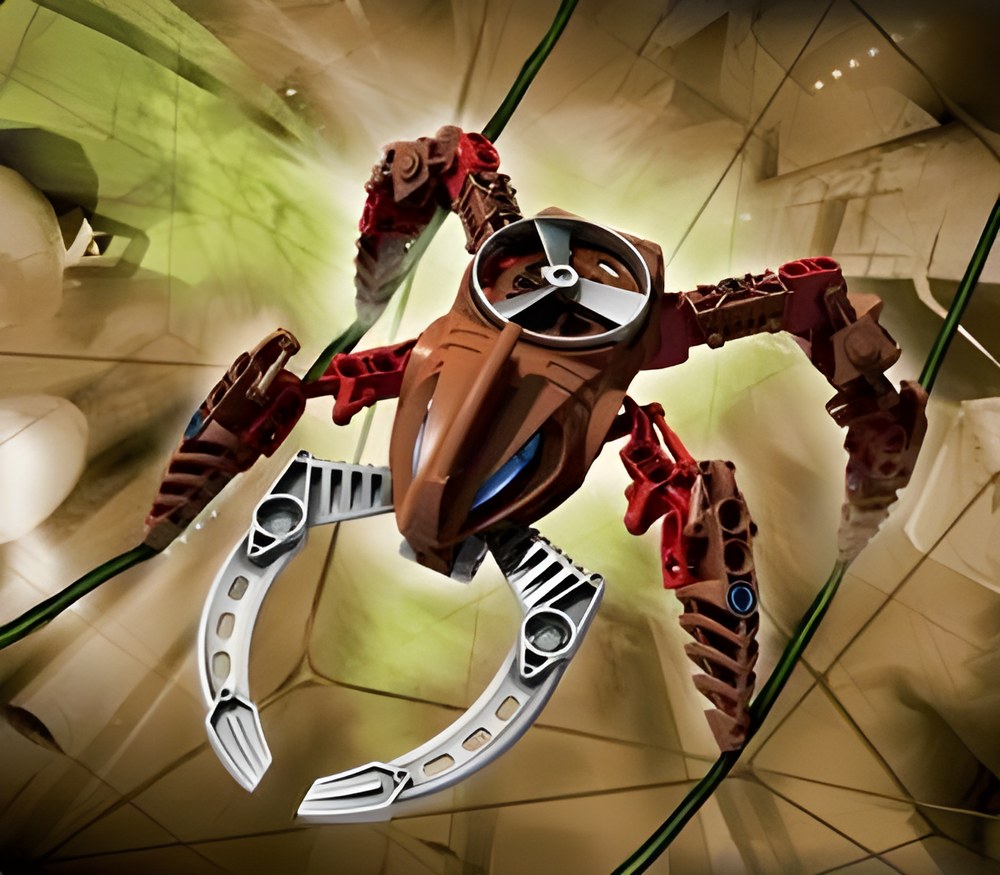
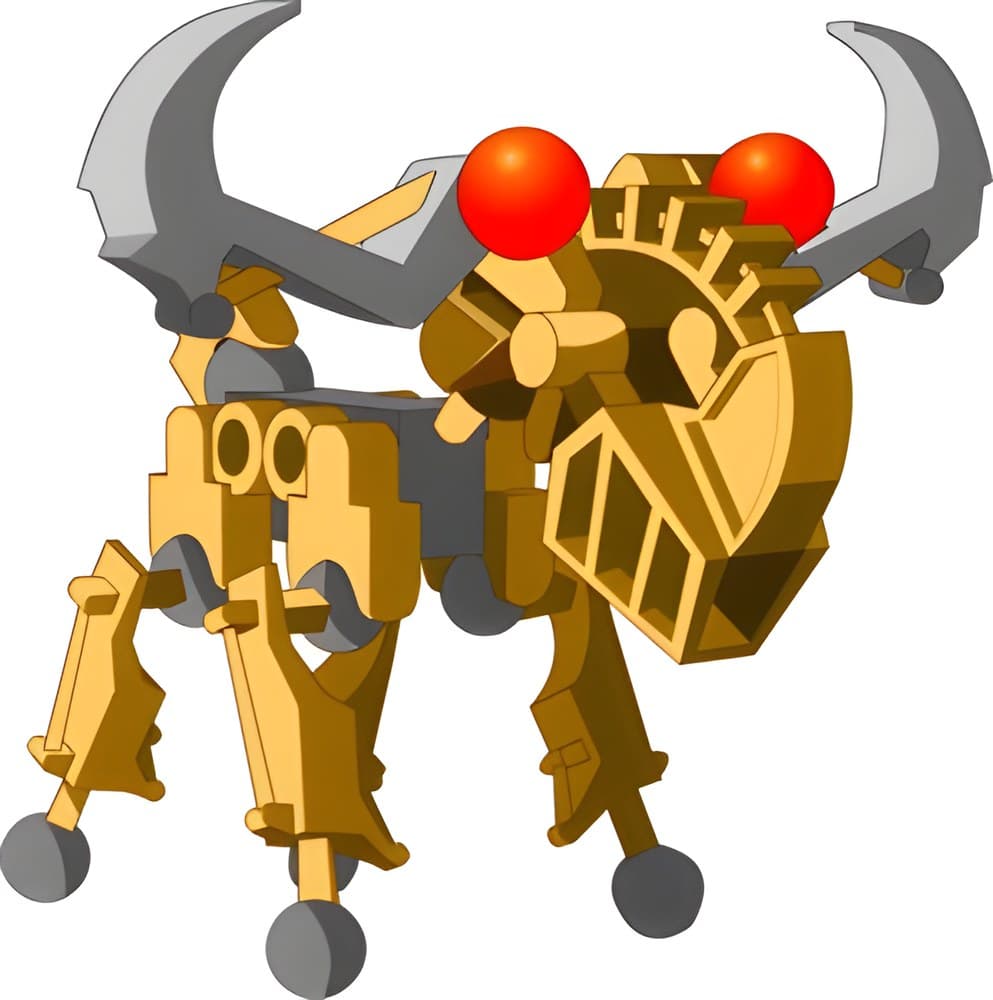
The Motara was home to a number of distinctive RahiRahiThe Rahi were the biomechanical wildlife of the Matoran Universe, built largely by the Brotherhood of Makuta, ranging from background fauna to engineered war beasts.. The Sand TarakavaTarakavaHuge lizard-like Rahi with powerful forelegs, hunted in pairs across Mata Nui and Metru Nui. was a desert-adapted variant of the standard TarakavaTarakavaHuge lizard-like Rahi with powerful forelegs, hunted in pairs across Mata Nui and Metru Nui., with greater tolerance for heat and a tendency to ambush prey from beneath the dunes. The MahiMahiHorned Rahi of Mata Nui, kept by the Po-Matoran as livestock and magnetised to Pohatu Nuva by the Gahlok-Kal., reptilian draft animals of considerable strength, were domesticated by the Po-MatoranPo-MatoranThe Stone-element Matoran of Po-Metru and Po-Koro, carvers and quarry workers, the most athletic of the Matoran types and the population behind the Kohlii and Akilini circuits. and used to haul stone from the quarry. Smaller RahiRahiThe Rahi were the biomechanical wildlife of the Matoran Universe, built largely by the Brotherhood of Makuta, ranging from background fauna to engineered war beasts. documented in the desert included the sand snipe, the rock lion, and the RoporakRoporakOne of six Visorak breeds, Roporak were the horde's infiltrators and scouts during its 2005 assault on Metru Nui..
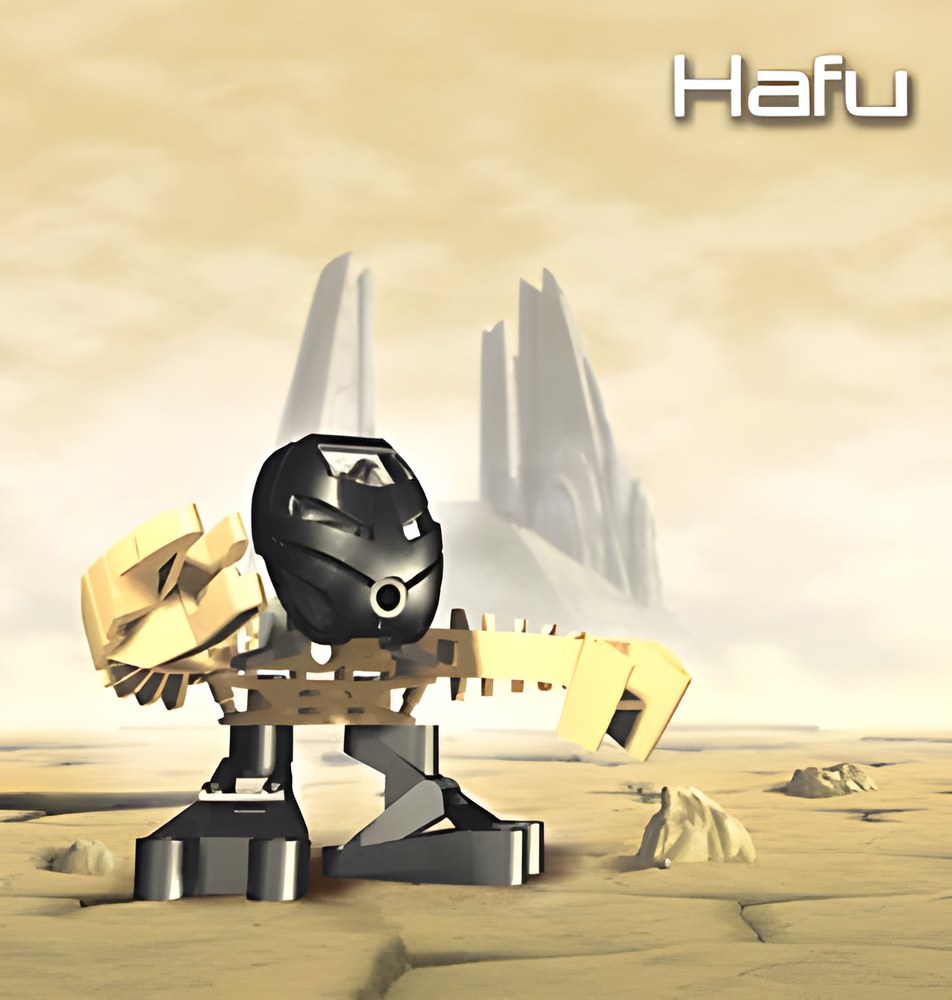
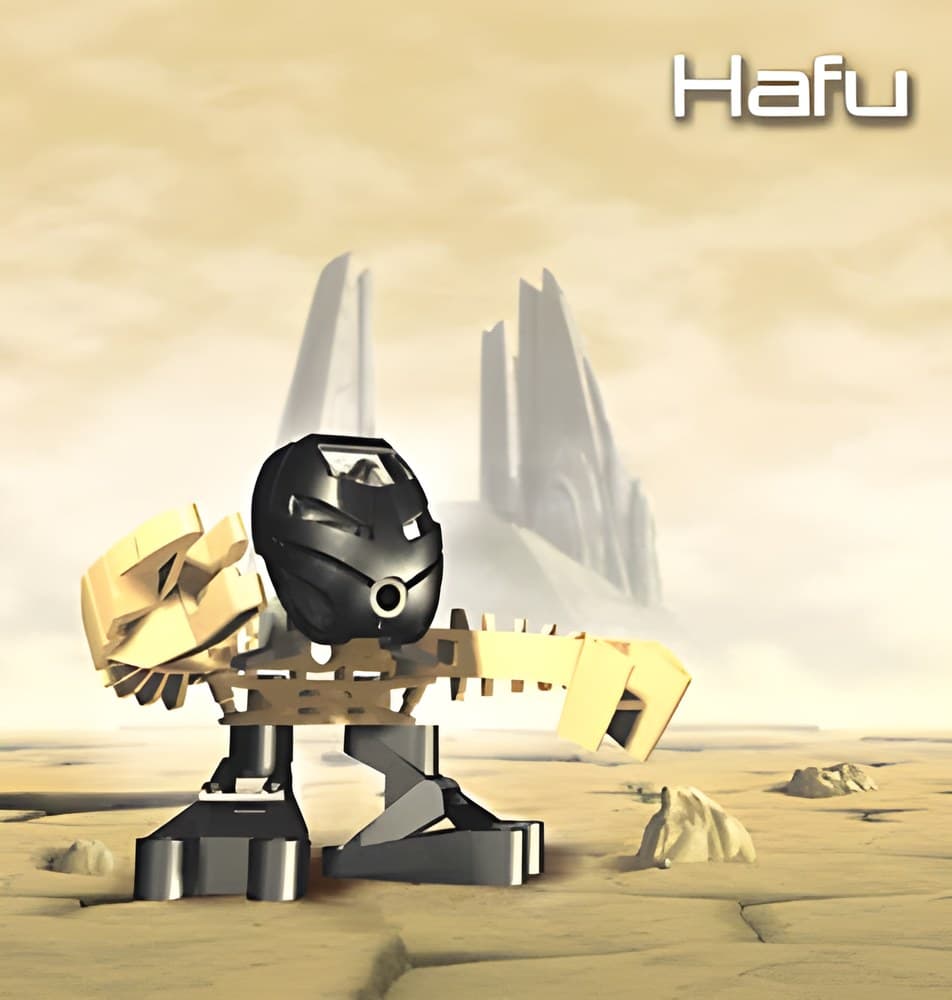
The Po-MatoranPo-MatoranThe Stone-element Matoran of Po-Metru and Po-Koro, carvers and quarry workers, the most athletic of the Matoran types and the population behind the Kohlii and Akilini circuits. chronicler KapuraKapuraKapura was a red Matoran of Fire who served as a member of the Ta-Koro Guard and formerly as part of the Chronicler's Company. A native of Metru Nui, he later worked as a Vat Controller there, wearing a powerless Ruru on Mata Nui and a powerless Pakari on Metru Nui, and ultimately settled on Bota Magna on Spherus Magna. recorded that even experienced desert guides such as HafuHafuHafu was a Po-Matoran Carver of Po-Koro, recognized as a Master Carver, who served in the Chronicler's Company and survived the Reign of Shadows. found long crossings taxing, with risks from sudden sandstorms and RahiRahiThe Rahi were the biomechanical wildlife of the Matoran Universe, built largely by the Brotherhood of Makuta, ranging from background fauna to engineered war beasts. attacks compounding the heat and scarcity of water.

Economy#
The Motara Desert was central to the Po-WahiPo-WahiPo-Wahi is a region of the island of Mata Nui, inhabited by Po-Matoran and Rahi. The territory formerly fell under the control of Teridax. economy. The quarry near Po-KoroPo-KoroPo-Koro was the Po-Matoran village in Po-Wahi, led by Turaga Onewa and guarded by Toa Pohatu, reached through a single statue-lined road called the Path of Prophecies. was the source of the carved stone that formed the basis of Po-MatoranPo-MatoranThe Stone-element Matoran of Po-Metru and Po-Koro, carvers and quarry workers, the most athletic of the Matoran types and the population behind the Kohlii and Akilini circuits. trade, and the desert provided the principal land route by which that stone reached buyers in Ga-KoroGa-KoroGa-Koro is a village on the island of Mata Nui, inhabited by the Ga-Matoran and associated with both Nokama and Gali. The settlement was formerly under the power of Teridax. and further afield. MahiMahiHorned Rahi of Mata Nui, kept by the Po-Matoran as livestock and magnetised to Pohatu Nuva by the Gahlok-Kal. caravans hauled stone across the dunes on a regular schedule, and the same routes carried information, salt, dried kelp from Ga-KoroGa-KoroGa-Koro is a village on the island of Mata Nui, inhabited by the Ga-Matoran and associated with both Nokama and Gali. The settlement was formerly under the power of Teridax., and occasional artefacts in the other direction.
The infrastructure was modest and largely seasonal. No permanent ports or way stations were recorded along the desert's edge, and travel depended on MahiMahiHorned Rahi of Mata Nui, kept by the Po-Matoran as livestock and magnetised to Pohatu Nuva by the Gahlok-Kal. herders and experienced guides familiar with the shifting paths.
Destruction by the BohrokBohrokHive-minded mechanical creatures designed to reshape worlds, the Bohrok represent a threat the Toa Mata never expected.#
The Motara was destroyed during the BohrokBohrokHive-minded mechanical creatures designed to reshape worlds, the Bohrok represent a threat the Toa Mata never expected. swarms that emerged on Mata NuiMata Nui (Location)An island created by accident on the Great Spirit's face, home to the Matoran for a thousand years.. PahrakPahrakStone-aligned Bohrok swarm units that forced the Toa Mata to realize they couldn't win through isolated victories. and KohrakKohrakIce-wielding Bohrok from the 2002 original wave, the foundational design for all subsequent Bohrok variants. clusters surfaced beneath Po-WahiPo-WahiPo-Wahi is a region of the island of Mata Nui, inhabited by Po-Matoran and Rahi. The territory formerly fell under the control of Teridax. and proceeded with their standard reclamation work, dismantling Po-KoroPo-KoroPo-Koro was the Po-Matoran village in Po-Wahi, led by Turaga Onewa and guarded by Toa Pohatu, reached through a single statue-lined road called the Path of Prophecies. block by block and flattening the surrounding terrain. The dunes, the working quarry, and the MahiMahiHorned Rahi of Mata Nui, kept by the Po-Matoran as livestock and magnetised to Pohatu Nuva by the Gahlok-Kal. grazing grounds were levelled in the course of the swarms' advance.
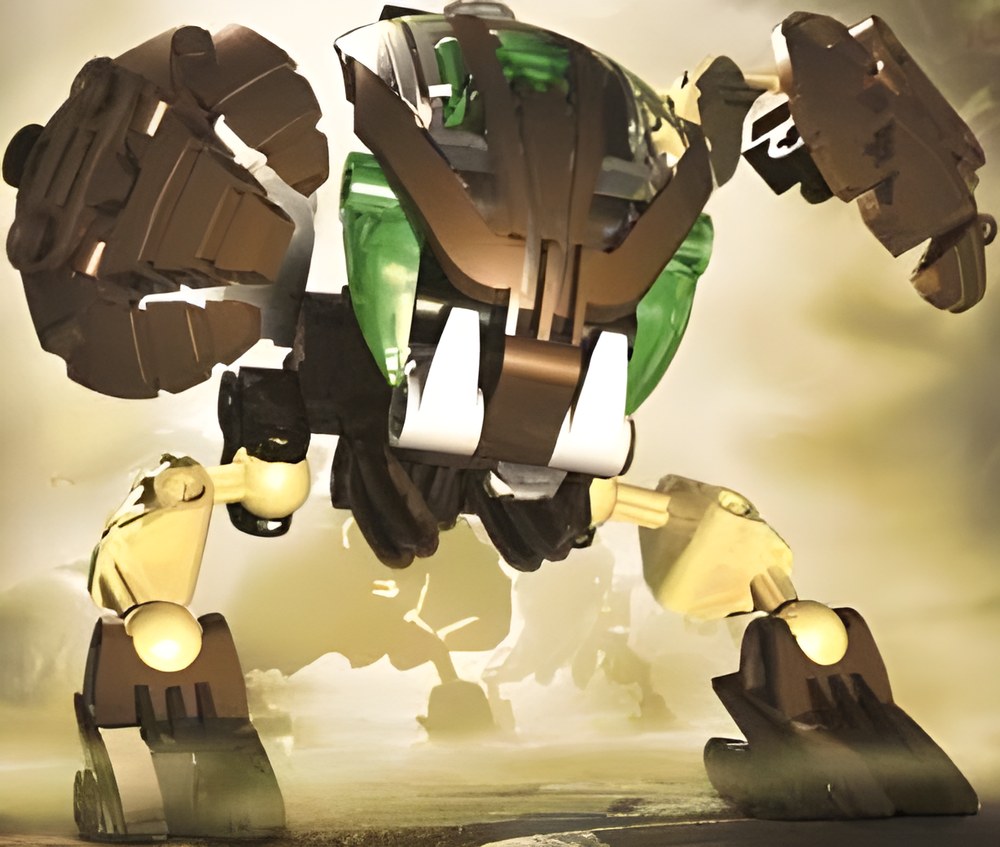

The destruction was thorough. By the time the swarms moved westward, the Motara Desert had effectively ceased to exist as a distinct region. The Po-MatoranPo-MatoranThe Stone-element Matoran of Po-Metru and Po-Koro, carvers and quarry workers, the most athletic of the Matoran types and the population behind the Kohlii and Akilini circuits. lost not only their settlement and quarry but also the navigation lore, oral histories, and trade routes that had been built around the desert over generations.
Status after the swarms#
The Motara was not restored after the BohrokBohrokHive-minded mechanical creatures designed to reshape worlds, the Bohrok represent a threat the Toa Mata never expected. swarms were halted. While the Bohrok VaBohrok VaScouts and support units for the Bohrok swarms, the Bohrok Va operated independently where the hive-mind Bohrok could not. and surviving MatoranMatoranThe most abundant species in the Matoran Universe, chosen by Mata Nui to inhabit and maintain his cosmic body. rebuilt Po-KoroPo-KoroPo-Koro was the Po-Matoran village in Po-Wahi, led by Turaga Onewa and guarded by Toa Pohatu, reached through a single statue-lined road called the Path of Prophecies. and other affected settlements after the defeat of the Bohrok-KalBohrok-KalSix elite Bohrok designed to free the imprisoned Bahrag, they nearly defeated the Toa Nuva before the Toa turned their own powers against them., no record of the desert's reconstruction exists in the chronicles of the period. The Po-MatoranPo-MatoranThe Stone-element Matoran of Po-Metru and Po-Koro, carvers and quarry workers, the most athletic of the Matoran types and the population behind the Kohlii and Akilini circuits. returned to Metru NuiMetru NuiThe city beneath Mata Nui functions as the Great Spirit's brain, housing the Matoran whose labor keeps the god alive. when the island of Mata NuiMata Nui (Location)An island created by accident on the Great Spirit's face, home to the Matoran for a thousand years. was abandoned, removing any further need for the lost region.
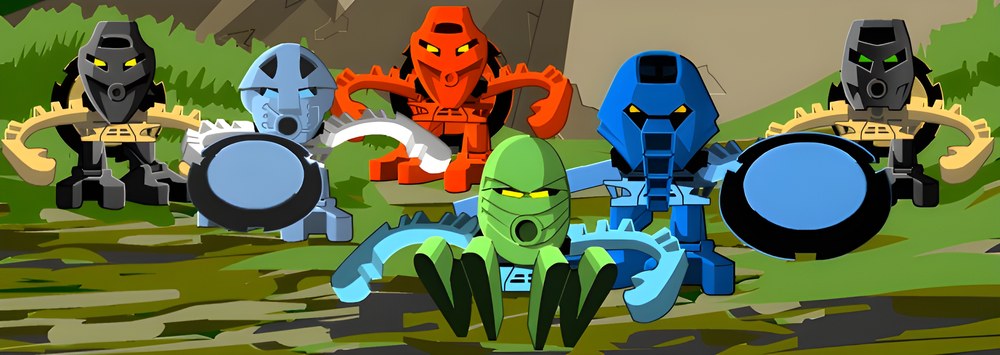
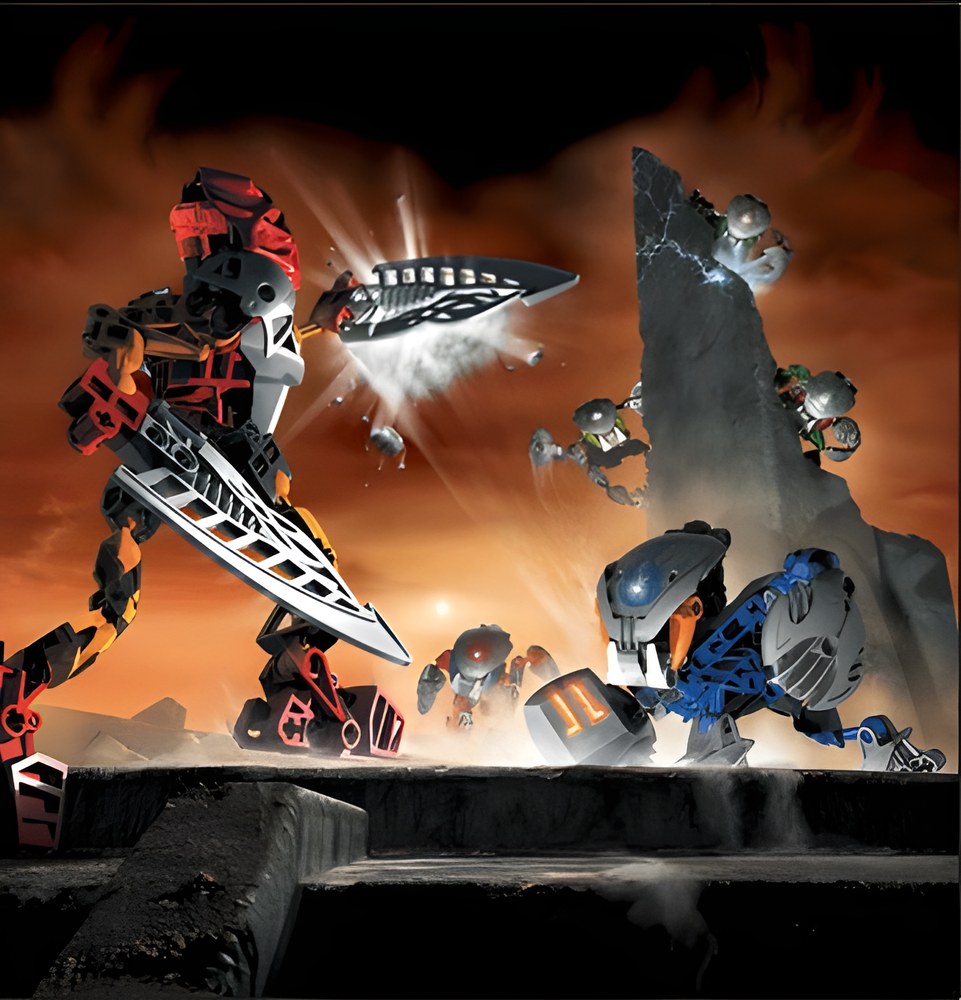
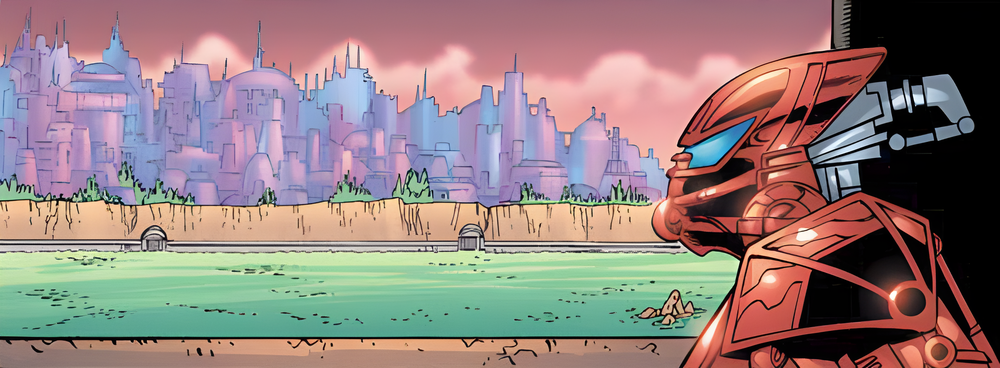
The Motara survived in Po-MatoranPo-MatoranThe Stone-element Matoran of Po-Metru and Po-Koro, carvers and quarry workers, the most athletic of the Matoran types and the population behind the Kohlii and Akilini circuits. memory through the craftsmanship and reserved manner of those who had lived there. HafuHafuHafu was a Po-Matoran Carver of Po-Koro, recognized as a Master Carver, who served in the Chronicler's Company and survived the Reign of Shadows., KapuraKapuraKapura was a red Matoran of Fire who served as a member of the Ta-Koro Guard and formerly as part of the Chronicler's Company. A native of Metru Nui, he later worked as a Vat Controller there, wearing a powerless Ruru on Mata Nui and a powerless Pakari on Metru Nui, and ultimately settled on Bota Magna on Spherus Magna., and other Po-MatoranPo-MatoranThe Stone-element Matoran of Po-Metru and Po-Koro, carvers and quarry workers, the most athletic of the Matoran types and the population behind the Kohlii and Akilini circuits. continued to work stone in their new home, carrying forward the disciplines learned on the desert's edge.
Frequently asked questions
- What was the Motara Desert?
- The Motara Desert was a region of sand and dunes covering the eastern stretch of Po-Wahi on the island of Mata Nui. It served as a buffer between Po-Koro and the wilder country beyond and supported Po-Matoran trade and quarry operations.
- What Rahi lived in the Motara Desert?
- The desert was home to the Sand Tarakava, a heat-tolerant variant that ambushed prey from beneath the dunes, and the Mahi, reptilian draft animals domesticated by the Po-Matoran to haul stone from the quarry. Smaller Rahi documented there included the sand snipe, the rock lion, and the Roporak.
- Why was the Motara Desert important to the Po-Matoran economy?
- The quarry near Po-Koro was the source of the carved stone that formed the basis of Po-Matoran trade, and the desert provided the principal land route by which that stone reached buyers in Ga-Koro and beyond. Mahi caravans hauled stone across the dunes on a regular schedule.
- How was the Motara Desert destroyed?
- The desert was destroyed during the Bohrok swarms on Mata Nui. Pahrak and Kohrak clusters surfaced beneath Po-Wahi and carried out their reclamation work, dismantling Po-Koro block by block and flattening the dunes, the working quarry, and the Mahi grazing grounds.
- Was the Motara Desert ever restored?
- No. The desert was not restored after the Bohrok swarms were halted, and no record of its reconstruction exists in the chronicles of the period. The Po-Matoran later returned to Metru Nui when the island of Mata Nui was abandoned, removing any further need for the lost region.
Sources
- WikiMotara Desert, BS01 character/subject entry
Spotted a factual error or a primary source we missed? Email a correction. Every flagged claim gets reviewed.
Followed from this entry

Po-Koro
Po-Koro was the Po-Matoran village in Po-Wahi, led by Turaga Onewa and guarded by Toa Pohatu, reached through a single statue-lined road called the Path of Prophecies.
Mata Nui (Location)
An island created by accident on the Great Spirit's face, home to the Matoran for a thousand years.
Hafu
Hafu was a Po-Matoran Carver of Po-Koro, recognized as a Master Carver, who served in the Chronicler's Company and survived the Reign of Shadows.

Po-Matoran
The Stone-element Matoran of Po-Metru and Po-Koro, carvers and quarry workers, the most athletic of the Matoran types and the population behind the Kohlii and Akilini circuits.
Mahi
Horned Rahi of Mata Nui, kept by the Po-Matoran as livestock and magnetised to Pohatu Nuva by the Gahlok-Kal.

Rahi
The Rahi were the biomechanical wildlife of the Matoran Universe, built largely by the Brotherhood of Makuta, ranging from background fauna to engineered war beasts.
Mentioned in4 entries
Path of Prophecies
The carved statue road in Po-Wahi that led to Po-Koro's entrance, sculpted by Hafu and the Po-Matoran carvers, used as a defensive barrier in the Bohrok War, and destroyed when the Toa Nuva reawakened the swarms.
Wahi
The Matoran word for region. The six Wahi of Mata Nui were the six elemental territories that made up the island before the Bohrok cleared its surface.
Leva Bay
A forgotten body of water where Pekka's shop stood until Mata Nui's awakening
Tiro Canyon
A remote chasm in Po-Wahi caught in the Bohrok War, existing only in encyclopedic records of Mata Nui's early era.
Get new articles in your inbox
No spam. New lore drops, canon conflicts, and deep dives only when they’re worth reading.
Some links on Lore Fortress are affiliate links. If you buy through them we earn a small commission at no extra cost to you.