Path of Prophecies
The carved statue road in Po-Wahi that led to Po-Koro's entrance, sculpted by Hafu and the Po-Matoran carvers, used as a defensive barrier in the Bohrok War, and destroyed when the Toa Nuva reawakened the swarms.
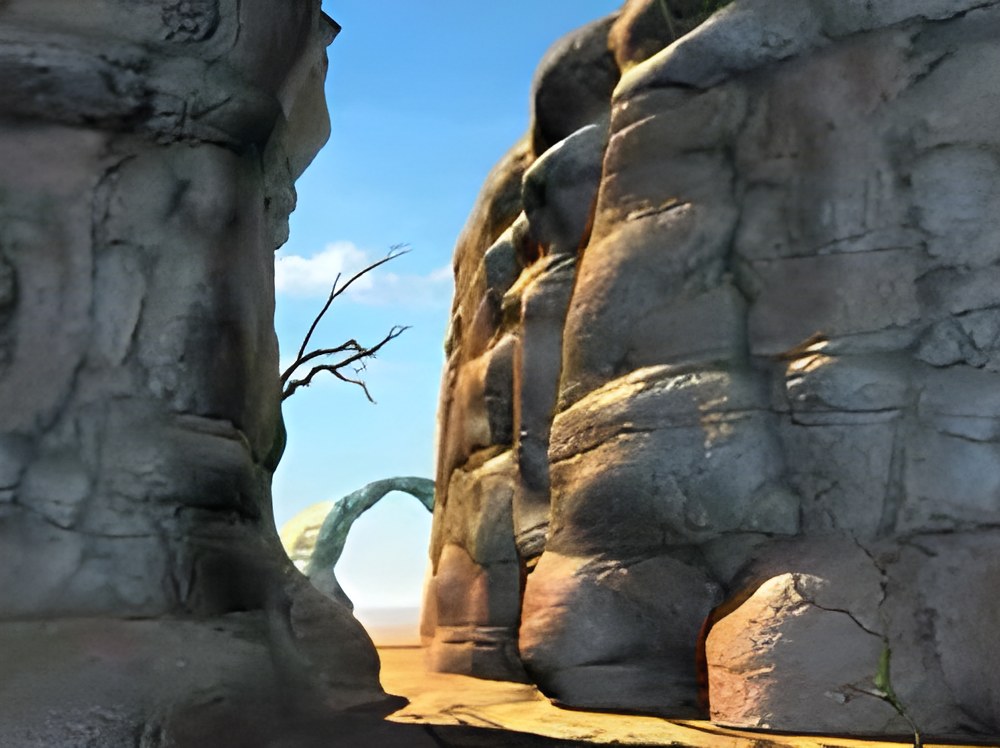
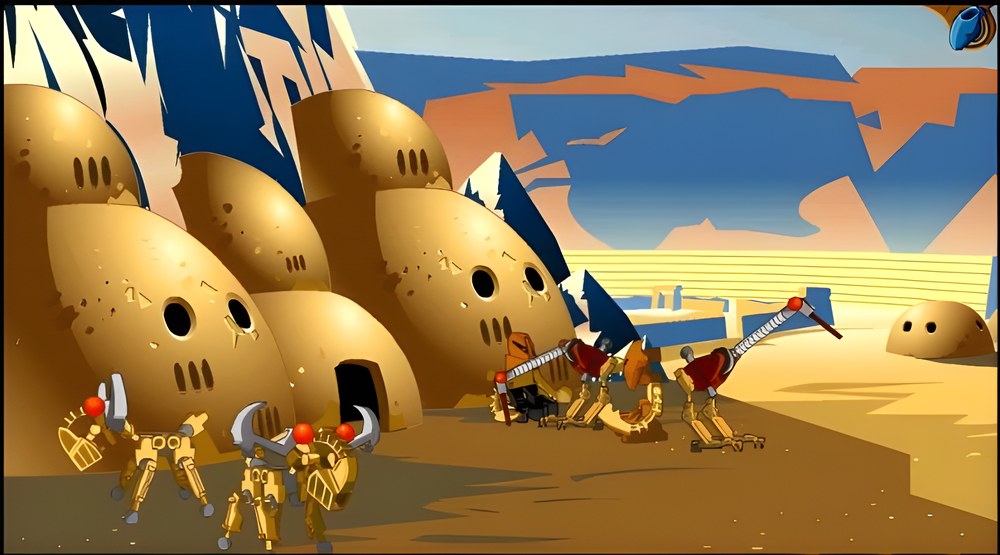
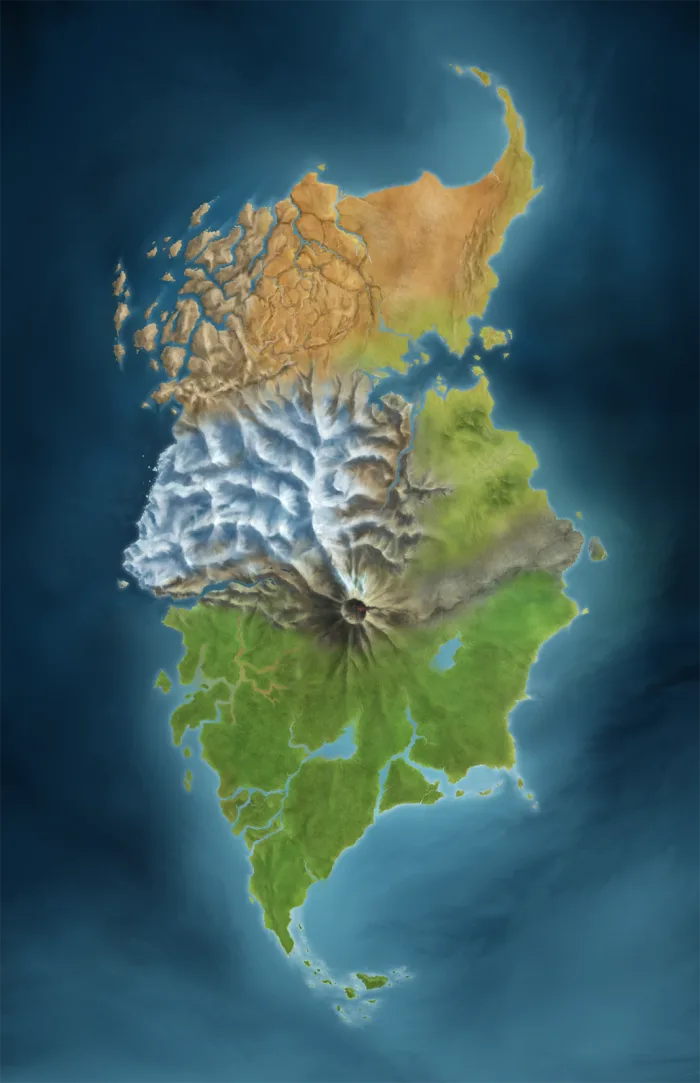
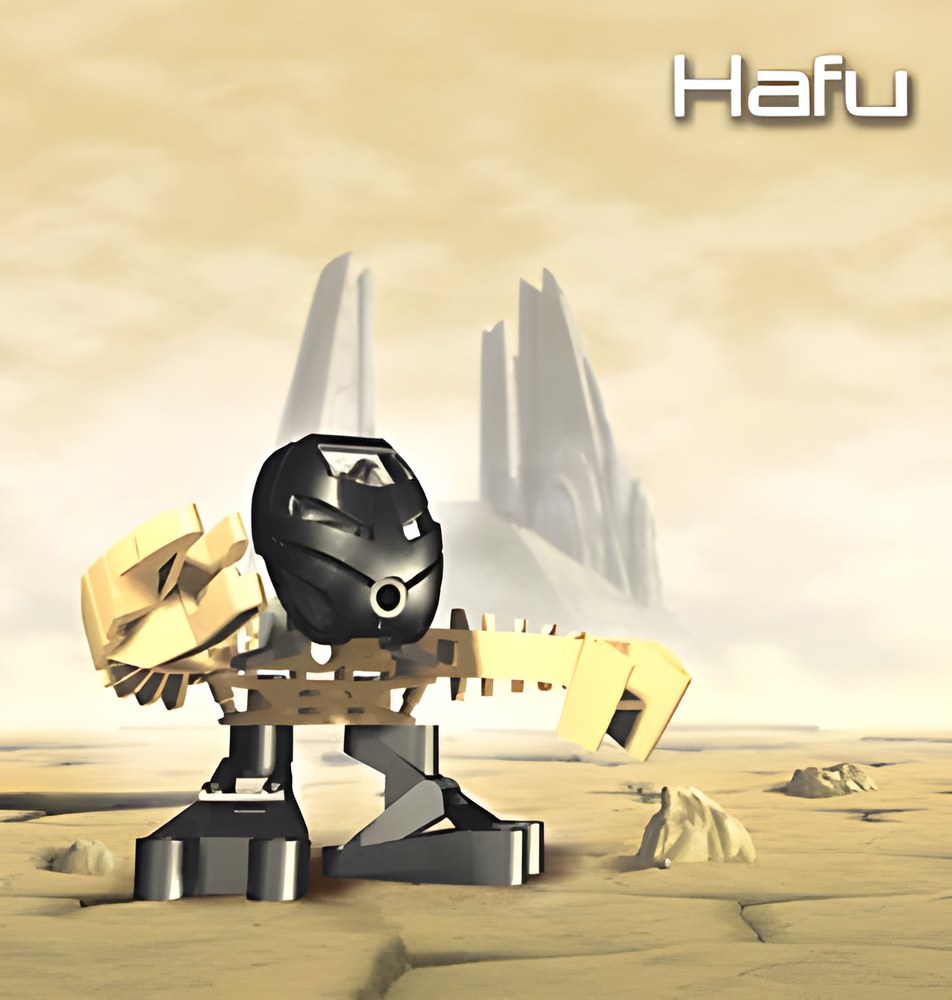
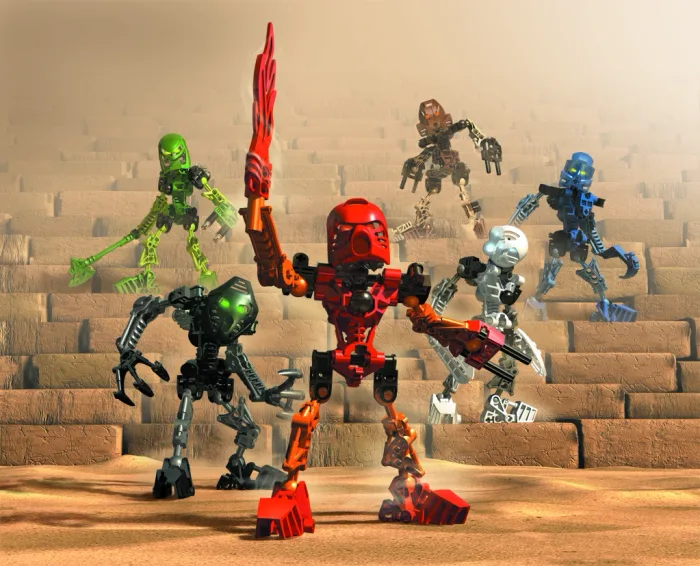
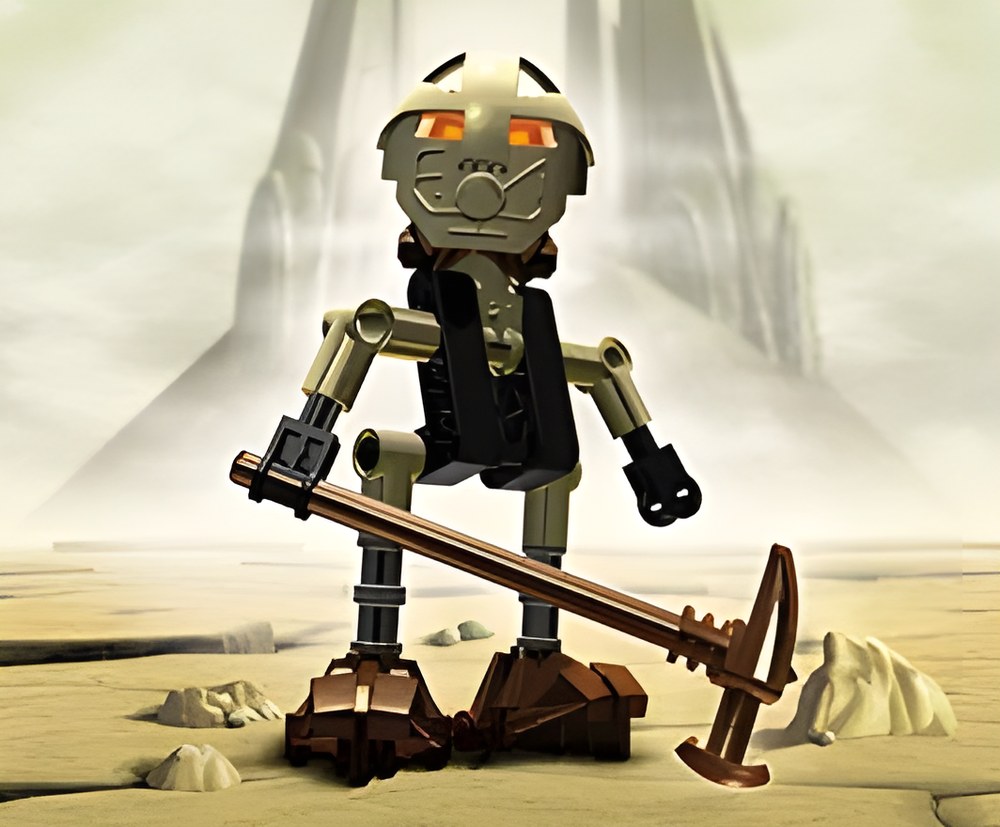
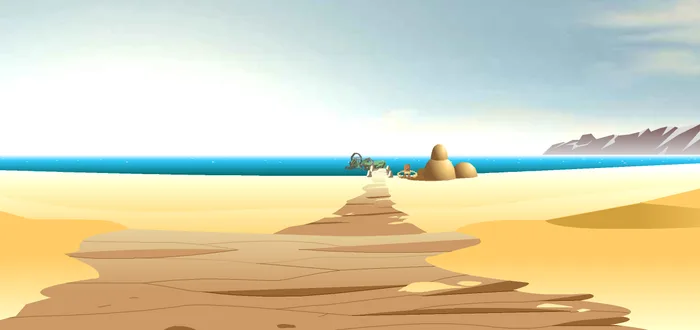
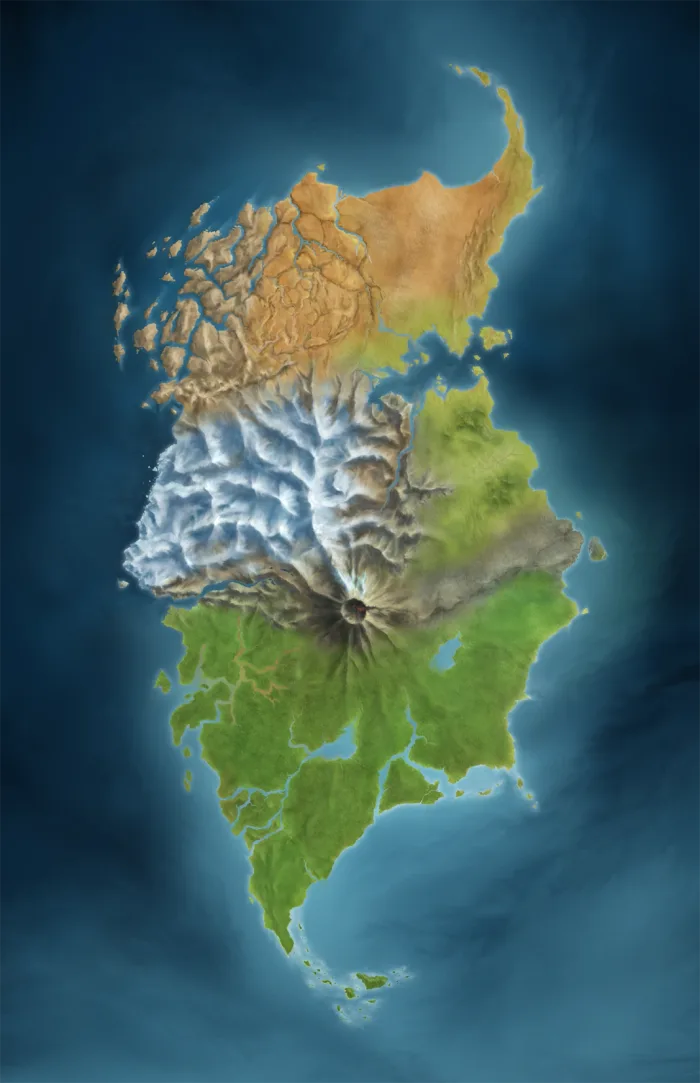
The Path of Prophecies was the sandy road in Po-WahiPo-WahiPo-Wahi is a region of the island of Mata Nui, inhabited by Po-Matoran and Rahi. The territory formerly fell under the control of Teridax. that led to the single entrance of Po-KoroPo-KoroPo-Koro was the Po-Matoran village in Po-Wahi, led by Turaga Onewa and guarded by Toa Pohatu, reached through a single statue-lined road called the Path of Prophecies. on the island of Mata NuiMata Nui (Location)An island created by accident on the Great Spirit's face, home to the Matoran for a thousand years.. On either side of the road stood a row of large carved statues produced by the Po-MatoranPo-MatoranThe Stone-element Matoran of Po-Metru and Po-Koro, carvers and quarry workers, the most athletic of the Matoran types and the population behind the Kohlii and Akilini circuits. Carvers of Po-KoroPo-KoroPo-Koro was the Po-Matoran village in Po-Wahi, led by Turaga Onewa and guarded by Toa Pohatu, reached through a single statue-lined road called the Path of Prophecies., HafuHafuHafu was a Po-Matoran Carver of Po-Koro, recognized as a Master Carver, who served in the Chronicler's Company and survived the Reign of Shadows. chief among them. The Path functioned as the village's ceremonial approach in peacetime and as its outer defensive barrier in wartime, slowing successive attacks against the only opening in the wall of rocks that surrounded the koroKoroThe Koros were the six elemental villages built on Mata Nui after the Great Rescue, on sites the Toa Metru had chosen, each tied to one element and one Turaga.. It was first destroyed during the Bohrok WarBohrok WarThe 2002 swarm that nearly destroyed Mata Nui when Teridax triggered the Bohrok's awakening ahead of schedule. when HafuHafuHafu was a Po-Matoran Carver of Po-Koro, recognized as a Master Carver, who served in the Chronicler's Company and survived the Reign of Shadows. toppled his own work to slow a TahnokTahnokFire-element Bohrok swarms from Mata Nui, controlled by krana and armed with Fire Shields. swarm, rebuilt after the war alongside the carver KamenKamenKamen was a Po-Matoran stonemason who kept the carvings of Po-Koro safe from desert erosion and lived through the Bohrok attacks on Mata Nui., and finally destroyed for good when the Toa NuvaToa Mata and Toa NuvaSix biomechanical heroes created by the Great Beings to awaken Mata Nui and defeat the Brotherhood, transformed once and tested across an entire age. reawakened the BohrokBohrokHive-minded mechanical creatures designed to reshape worlds, the Bohrok represent a threat the Toa Mata never expected. and the abandoned Po-KoroPo-KoroPo-Koro was the Po-Matoran village in Po-Wahi, led by Turaga Onewa and guarded by Toa Pohatu, reached through a single statue-lined road called the Path of Prophecies. was overrun.

Layout, construction, and the carving culture of Po-Koro#
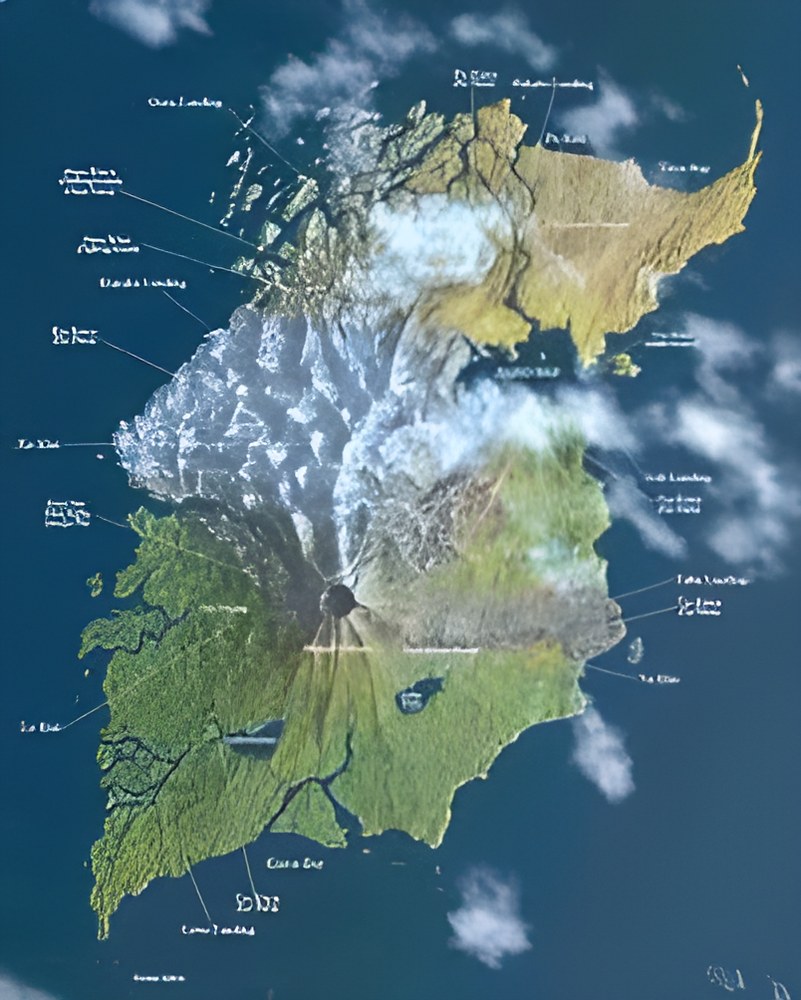
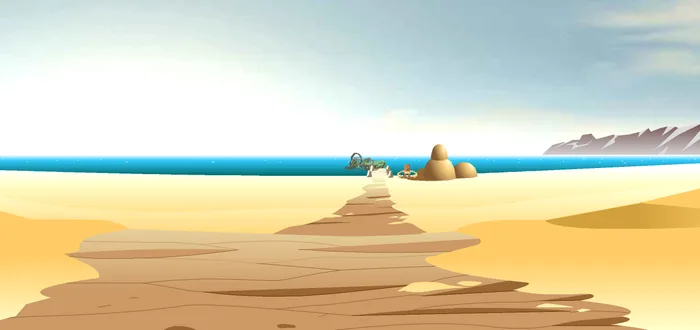
Po-KoroPo-KoroPo-Koro was the Po-Matoran village in Po-Wahi, led by Turaga Onewa and guarded by Toa Pohatu, reached through a single statue-lined road called the Path of Prophecies. was built inside a natural amphitheater in Po-WahiPo-WahiPo-Wahi is a region of the island of Mata Nui, inhabited by Po-Matoran and Rahi. The territory formerly fell under the control of Teridax., surrounded by huge rocks with a single passable entrance carved through the surrounding wall. The Path of Prophecies was the road that approached that entrance. The route was a sandy desert track flanked by two rows of statues, each statue oriented along the road's axis so that a traveller approaching the koroKoroThe Koros were the six elemental villages built on Mata Nui after the Great Rescue, on sites the Toa Metru had chosen, each tied to one element and one Turaga. passed between them on the way in. The combined effect placed the visitor inside a corridor of Po-MatoranPo-MatoranThe Stone-element Matoran of Po-Metru and Po-Koro, carvers and quarry workers, the most athletic of the Matoran types and the population behind the Kohlii and Akilini circuits. carving for the final stretch of the approach.
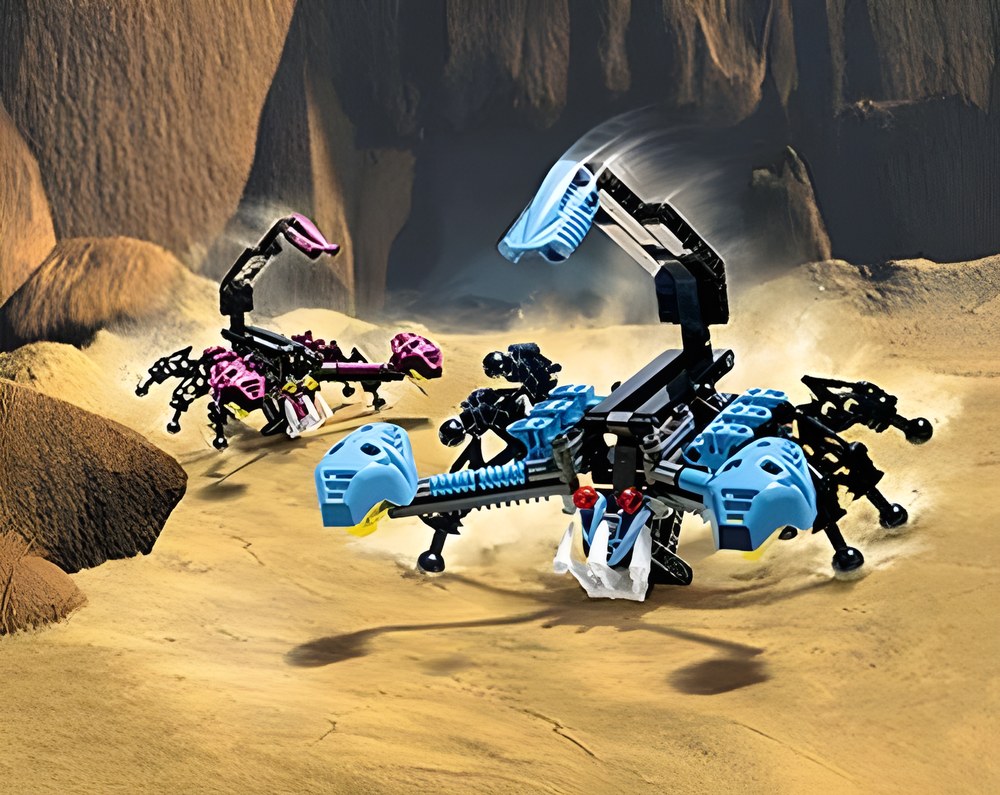
The statues themselves were large enough to function as physical obstacles, not simply decorative pieces. The wiki record describes them as gigantic heads and figures, with at least one bearing a hollow interior large enough for a Nui-JagaNui-JagaGiant scorpions with lethal stingers that were hunted for profit despite a grim death toll. colony to nest beneath it. The scale was a function of the Po-MatoranPo-MatoranThe Stone-element Matoran of Po-Metru and Po-Koro, carvers and quarry workers, the most athletic of the Matoran types and the population behind the Kohlii and Akilini circuits. carving culture, which prized monumental work and treated the road into the village as a showcase of the koroKoroThe Koros were the six elemental villages built on Mata Nui after the Great Rescue, on sites the Toa Metru had chosen, each tied to one element and one Turaga.'s craft.
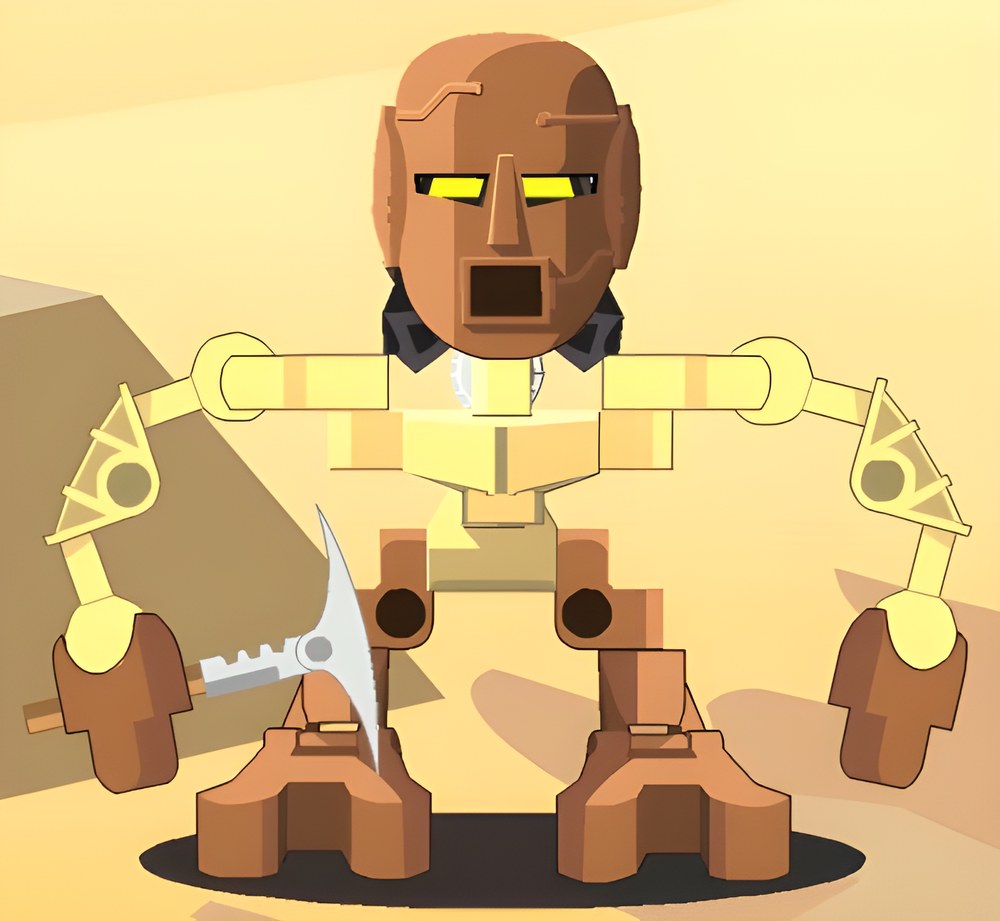
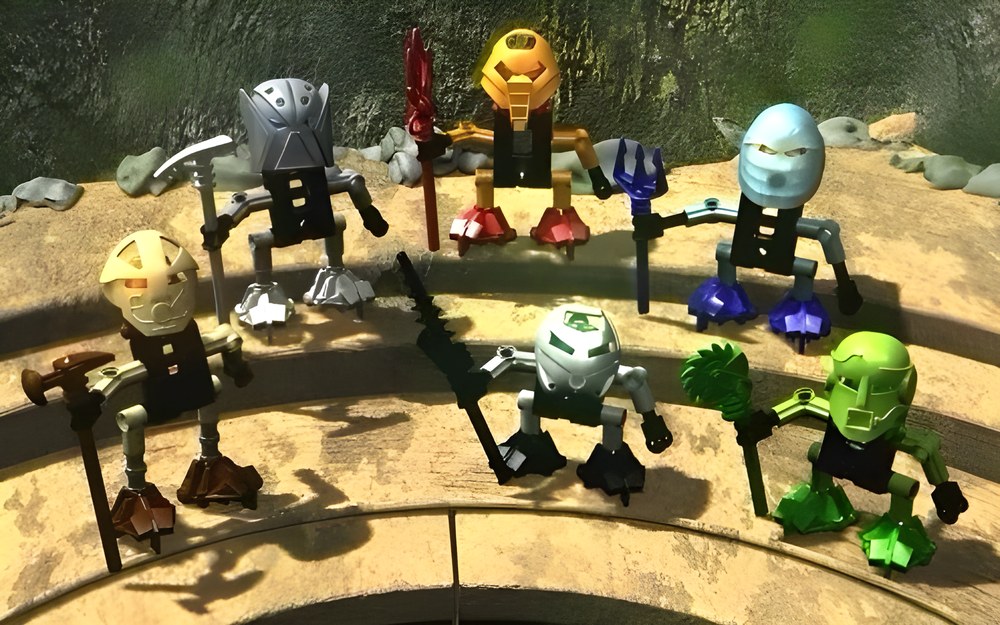
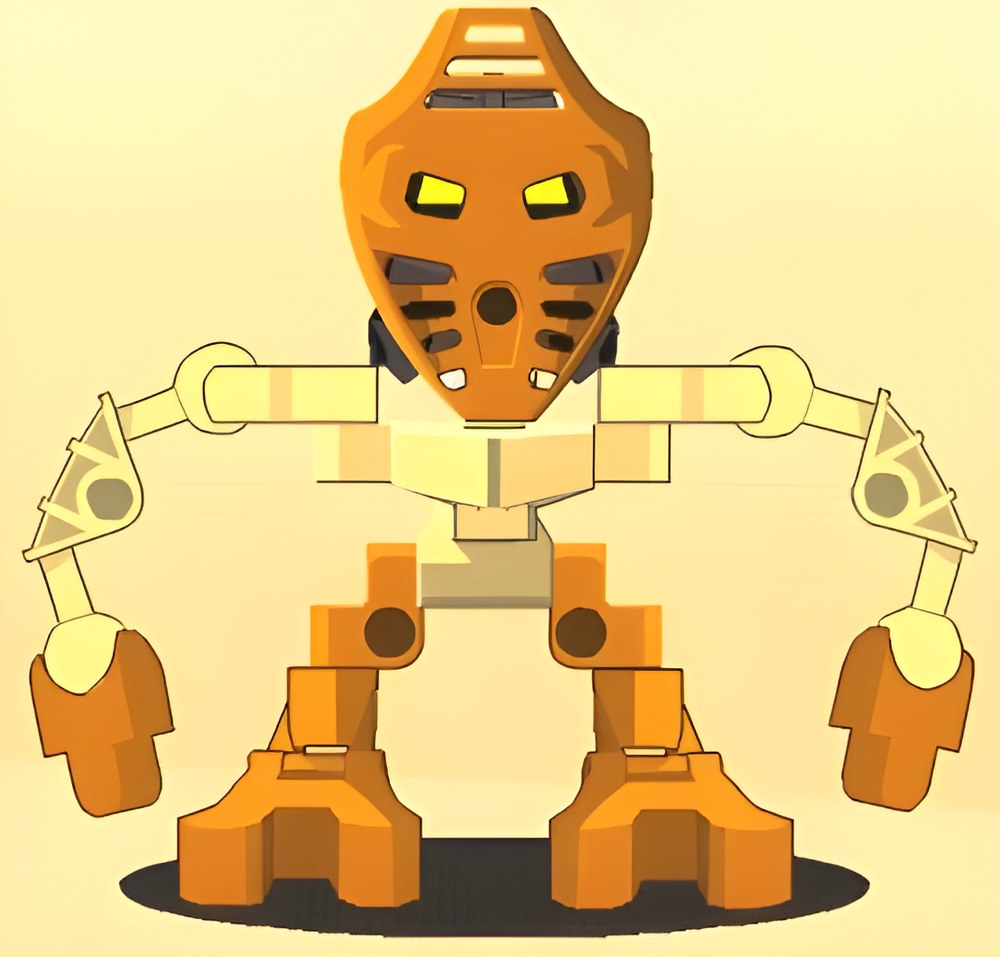
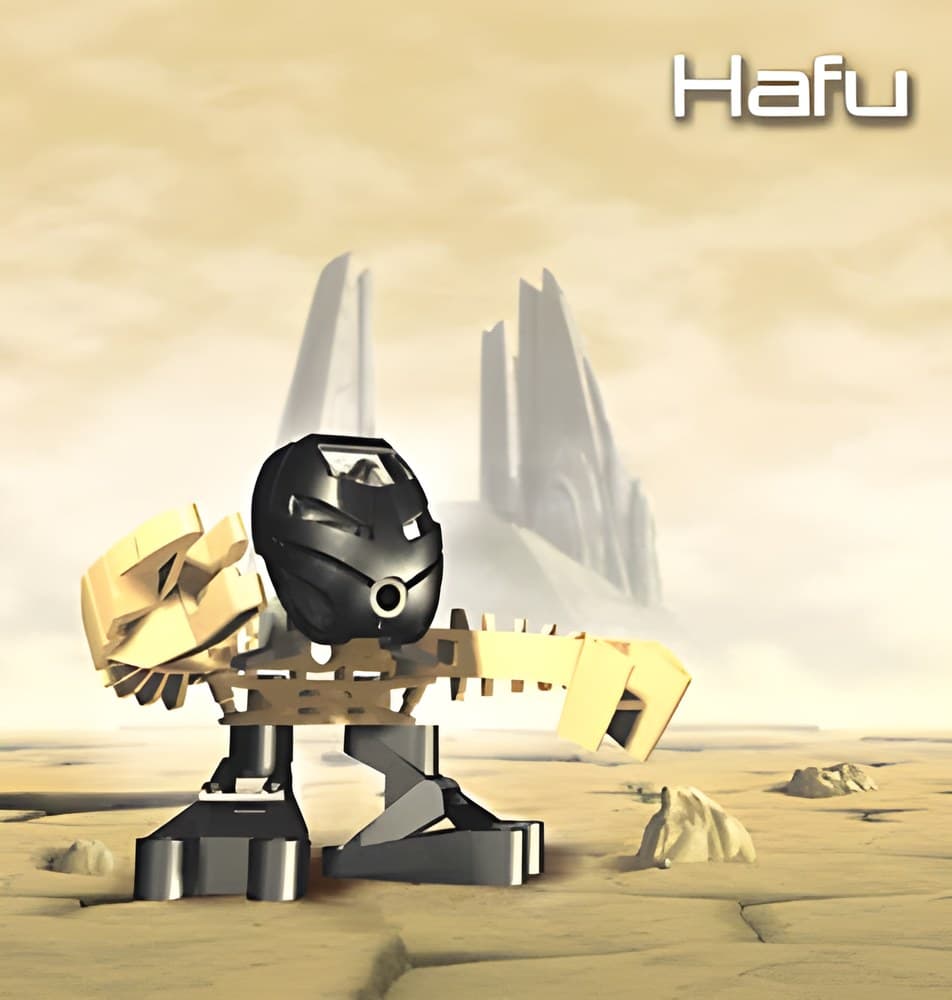
The Path was the responsibility of the Po-MatoranPo-MatoranThe Stone-element Matoran of Po-Metru and Po-Koro, carvers and quarry workers, the most athletic of the Matoran types and the population behind the Kohlii and Akilini circuits. Carvers of Po-KoroPo-KoroPo-Koro was the Po-Matoran village in Po-Wahi, led by Turaga Onewa and guarded by Toa Pohatu, reached through a single statue-lined road called the Path of Prophecies., the village's defining trade alongside athletics and herding. HafuHafuHafu was a Po-Matoran Carver of Po-Koro, recognized as a Master Carver, who served in the Chronicler's Company and survived the Reign of Shadows., TuragaTuragaFormer Toa who fulfilled their destiny and transformed into leaders. Turaga wield Noble Kanohi masks and weakened elemental powers, guiding their communities. OnewaOnewaOnewa served as Toa Metru of Stone, led Po-Koro through the Dark Time, and constructed the Metru Nui statue honoring the fallen Toa Mahri Matoro.'s left-hand MatoranMatoranThe most abundant species in the Matoran Universe, chosen by Mata Nui to inhabit and maintain his cosmic body. and the koroKoroThe Koros were the six elemental villages built on Mata Nui after the Great Rescue, on sites the Toa Metru had chosen, each tied to one element and one Turaga.'s acknowledged Master Carver, produced the bulk of the statues. The carver KamenKamenKamen was a Po-Matoran stonemason who kept the carvings of Po-Koro safe from desert erosion and lived through the Bohrok attacks on Mata Nui., identified in the post-war record as HafuHafuHafu was a Po-Matoran Carver of Po-Koro, recognized as a Master Carver, who served in the Chronicler's Company and survived the Reign of Shadows.'s collaborator during the rebuild, contributed to later stages of the work. Bricklayers including BourBourBour was a Po-Matoran bricklayer who laid the foundations of the carvings of Po-Koro on Mata Nui before returning to Metru Nui with his people. placed the stones that supported the rebuild and maintained the road surface itself.

The Po-MatoranPo-MatoranThe Stone-element Matoran of Po-Metru and Po-Koro, carvers and quarry workers, the most athletic of the Matoran types and the population behind the Kohlii and Akilini circuits. Carvers were a recognised trade across Mata NuiMata Nui (Location)An island created by accident on the Great Spirit's face, home to the Matoran for a thousand years., with their finest pieces shipped to the Onu-KoroOnu-KoroOnu-Koro was the earth engineers' city, where underground isolation created one of Mata Nui's most self-sufficient settlements, until the Bohrok came. bazaar and the kiosks of the Motara DesertMotara DesertThe Motara Desert covered eastern Po-Wahi on Mata Nui, served the Po-Matoran trade economy, and was destroyed during the Bohrok swarms., and the statues of the Path of Prophecies were among the most visible expressions of that trade. Quarry Master EpenaEpenaEpena was a Po-Matoran from Metru Nui who became the quarry master of Po-Koro on the island of Mata Nui. He lived through the Bohrok war and went home to Metru Nui with the other Matoran. supported the carvers with raw stone from the local quarries. The Path was therefore a community work, with the principal carving credit assigned to HafuHafuHafu was a Po-Matoran Carver of Po-Koro, recognized as a Master Carver, who served in the Chronicler's Company and survived the Reign of Shadows. but the construction and maintenance distributed across the village's broader stoneworking, masonry, and quarrying crews.
The name Path of Prophecies appears in the surviving record without an in-canon explanation of its origin. The road's Po-WahiPo-WahiPo-Wahi is a region of the island of Mata Nui, inhabited by Po-Matoran and Rahi. The territory formerly fell under the control of Teridax. location and statue-lined construction are consistent across all references, and the title is treated as the road's standing designation rather than as a ceremonial or one-off label.
Role in the Comet Ball investigation#
The Path of Prophecies appears in the Mata Nui Online GameTakua's Journey Across Mata Nui: The Chronicler's Path to Kini-NuiA wandering Ta-Matoran with no memory of how he reached the beach walked the six villages of Mata Nui, witnessed the Toa Mata's awakening, and organized the defense that held Kini-Nui. record of the Comet BallComet BallAhkmou's infected Kolhii balls spread Makuta's darkness through Po-Koro, nearly destroying the village before Takua uncovered the plot. infection. After TakuaTakuaAn Av-Matoran hidden on Mata Nui as a Ta-Matoran, who gathered the Toa Stones, served as Chronicler, and ultimately accepted the Avohkii to become Takanuva, the Toa of Light. began investigating the mysterious sickness affecting the Po-MatoranPo-MatoranThe Stone-element Matoran of Po-Metru and Po-Koro, carvers and quarry workers, the most athletic of the Matoran types and the population behind the Kohlii and Akilini circuits., the trail led to a Nui-JagaNui-JagaGiant scorpions with lethal stingers that were hunted for profit despite a grim death toll. nest hidden under one of the massive heads HafuHafuHafu was a Po-Matoran Carver of Po-Koro, recognized as a Master Carver, who served in the Chronicler's Company and survived the Reign of Shadows. had sculpted along the Path. The nest was the source of the infected balls used in KoliAkiliniAkilini was the official sport of Metru Nui, in which Matoran surfed on Kanoka disks and threw others through scoring hoops, with tournaments held on the shifting floor of the Coliseum. play in Po-KoroPo-KoroPo-Koro was the Po-Matoran village in Po-Wahi, led by Turaga Onewa and guarded by Toa Pohatu, reached through a single statue-lined road called the Path of Prophecies.. TakuaTakuaAn Av-Matoran hidden on Mata Nui as a Ta-Matoran, who gathered the Toa Stones, served as Chronicler, and ultimately accepted the Avohkii to become Takanuva, the Toa of Light., with assistance from PohatuPohatuPohatu was the Toa Mata and Toa Nuva of Stone, guardian of Po-Wahi, whose speed and steady humour anchored the team through every era of the Matoran Universe. who had been temporarily blinded during the encounter, collapsed the cave under the sculpted head, destroyed the Nui-JagaNui-JagaGiant scorpions with lethal stingers that were hunted for profit despite a grim death toll. nest, and ended the outbreak.
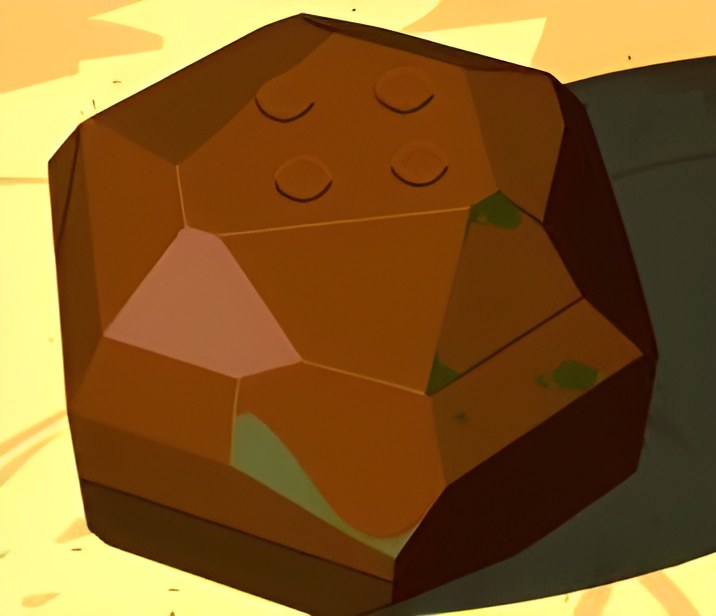
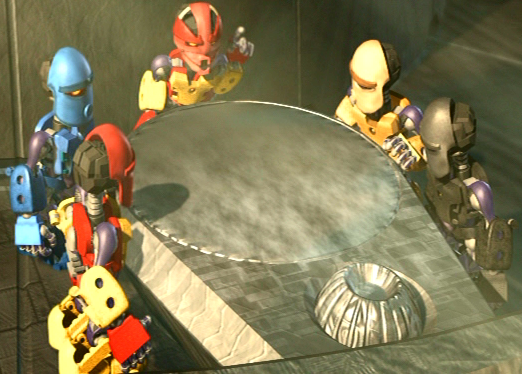

The episode established the Path as more than ceremonial geography. The carved heads were large enough that a RahiRahiThe Rahi were the biomechanical wildlife of the Matoran Universe, built largely by the Brotherhood of Makuta, ranging from background fauna to engineered war beasts. colony could establish itself beneath one without immediate detection from the village above, and the carving work overlapped with the area's natural cave systems in ways the Po-MatoranPo-MatoranThe Stone-element Matoran of Po-Metru and Po-Koro, carvers and quarry workers, the most athletic of the Matoran types and the population behind the Kohlii and Akilini circuits. had not fully surveyed.

The Bohrok War and the destruction of the statues#
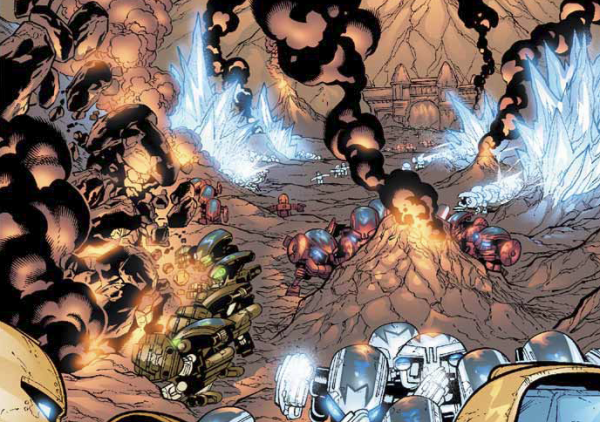
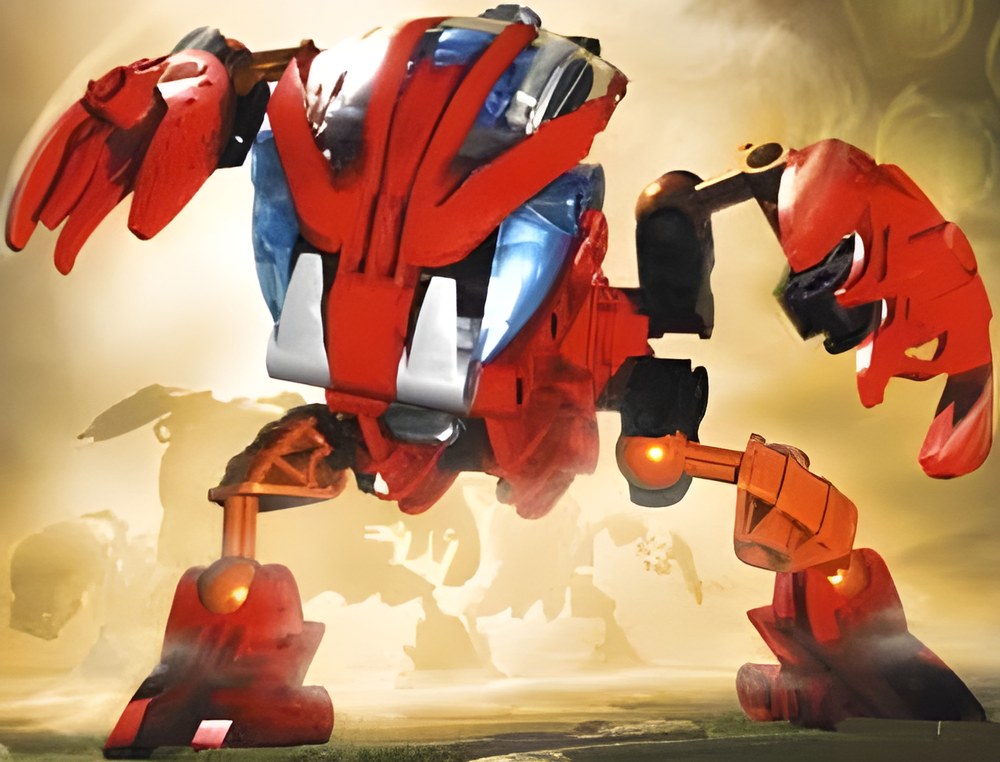
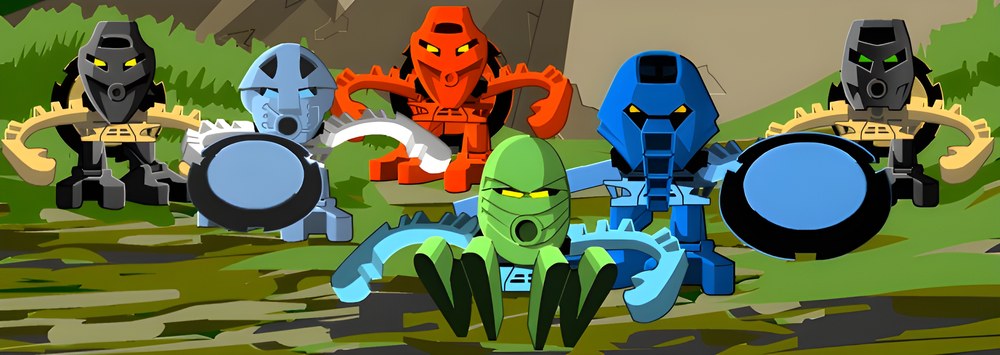
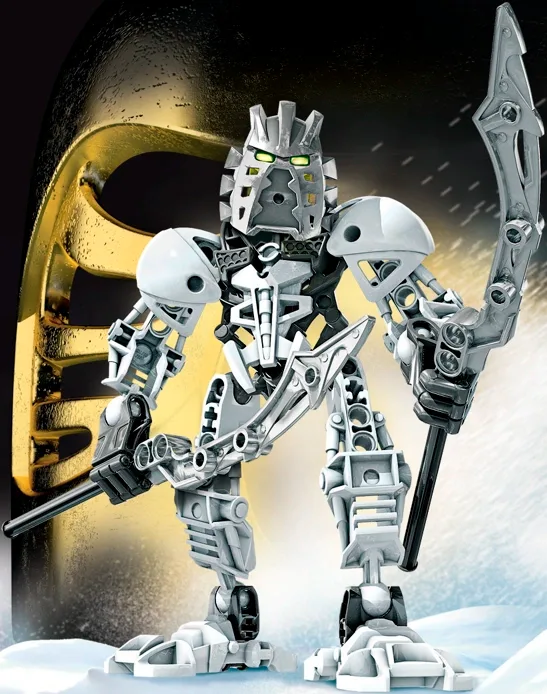
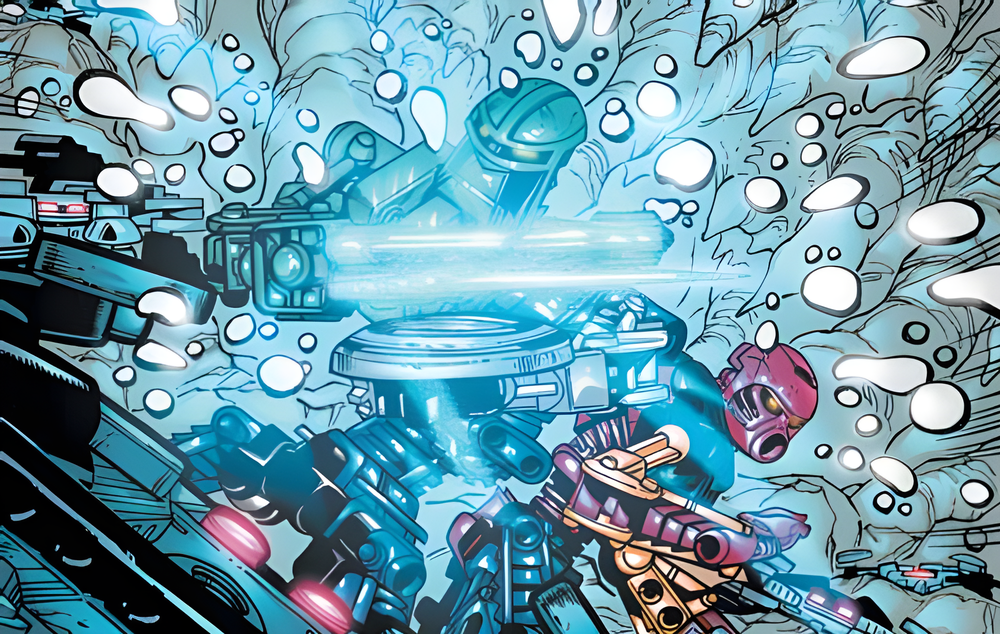
During the Bohrok WarBohrok WarThe 2002 swarm that nearly destroyed Mata Nui when Teridax triggered the Bohrok's awakening ahead of schedule., Po-KoroPo-KoroPo-Koro was the Po-Matoran village in Po-Wahi, led by Turaga Onewa and guarded by Toa Pohatu, reached through a single statue-lined road called the Path of Prophecies. faced two consecutive swarm attacks. PohatuPohatuPohatu was the Toa Mata and Toa Nuva of Stone, guardian of Po-Wahi, whose speed and steady humour anchored the team through every era of the Matoran Universe., OnewaOnewaOnewa served as Toa Metru of Stone, led Po-Koro through the Dark Time, and constructed the Metru Nui statue honoring the fallen Toa Mahri Matoro., and the Po-MatoranPo-MatoranThe Stone-element Matoran of Po-Metru and Po-Koro, carvers and quarry workers, the most athletic of the Matoran types and the population behind the Kohlii and Akilini circuits. repelled an initial PahrakPahrakStone-aligned Bohrok swarm units that forced the Toa Mata to realize they couldn't win through isolated victories. wave. When PohatuPohatuPohatu was the Toa Mata and Toa Nuva of Stone, guardian of Po-Wahi, whose speed and steady humour anchored the team through every era of the Matoran Universe. departed to assist the other Toa, a second swarm of TahnokTahnokFire-element Bohrok swarms from Mata Nui, controlled by krana and armed with Fire Shields. closed on the village. OnewaOnewaOnewa served as Toa Metru of Stone, led Po-Koro through the Dark Time, and constructed the Metru Nui statue honoring the fallen Toa Mahri Matoro. determined that the only means of delaying the swarm long enough for an evacuation was to topple the statues flanking the village entrance, turning the Path into a rubble barrier across the only approach. The task fell to HafuHafuHafu was a Po-Matoran Carver of Po-Koro, recognized as a Master Carver, who served in the Chronicler's Company and survived the Reign of Shadows., the carver who had produced the statues in the first place.
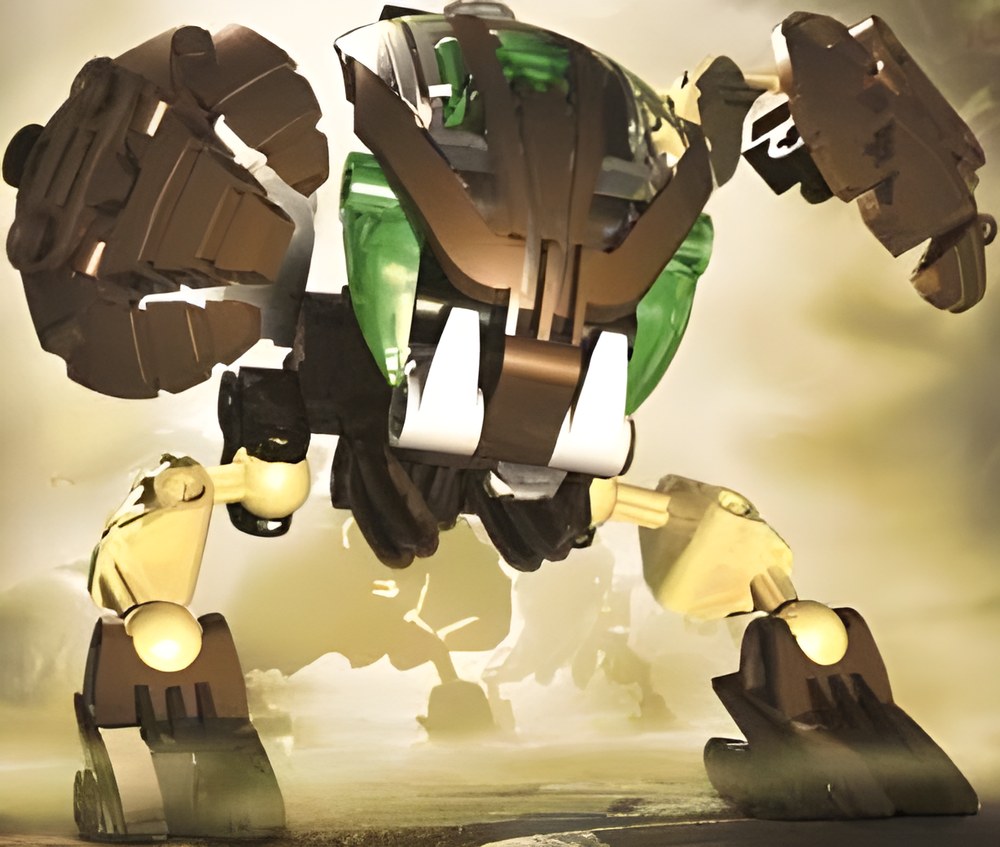
HafuHafuHafu was a Po-Matoran Carver of Po-Koro, recognized as a Master Carver, who served in the Chronicler's Company and survived the Reign of Shadows. refused at first. The statues represented years of his craft and the broader sculpting culture of Po-KoroPo-KoroPo-Koro was the Po-Matoran village in Po-Wahi, led by Turaga Onewa and guarded by Toa Pohatu, reached through a single statue-lined road called the Path of Prophecies.. When the TahnokTahnokFire-element Bohrok swarms from Mata Nui, controlled by krana and armed with Fire Shields. attacked, however, he exited the village ahead of the swarm and began dismantling his own work. The collapsed statues produced exactly the obstacle OnewaOnewaOnewa served as Toa Metru of Stone, led Po-Koro through the Dark Time, and constructed the Metru Nui statue honoring the fallen Toa Mahri Matoro. had predicted, slowing the TahnokTahnokFire-element Bohrok swarms from Mata Nui, controlled by krana and armed with Fire Shields. advance and giving the Po-MatoranPo-MatoranThe Stone-element Matoran of Po-Metru and Po-Koro, carvers and quarry workers, the most athletic of the Matoran types and the population behind the Kohlii and Akilini circuits. the window they needed to evacuate. HafuHafuHafu was a Po-Matoran Carver of Po-Koro, recognized as a Master Carver, who served in the Chronicler's Company and survived the Reign of Shadows. remained in the open beyond the safe interval and was nearly killed; PohatuPohatuPohatu was the Toa Mata and Toa Nuva of Stone, guardian of Po-Wahi, whose speed and steady humour anchored the team through every era of the Matoran Universe. returned in time to retrieve him with the KakamaKakamaThe Mask of Speed granted superhuman velocity but blinded its wearer to the world around them. and catapult him to safety behind the village walls.
Po-KoroPo-KoroPo-Koro was the Po-Matoran village in Po-Wahi, led by Turaga Onewa and guarded by Toa Pohatu, reached through a single statue-lined road called the Path of Prophecies. ultimately fell to the swarms, and the Po-MatoranPo-MatoranThe Stone-element Matoran of Po-Metru and Po-Koro, carvers and quarry workers, the most athletic of the Matoran types and the population behind the Kohlii and Akilini circuits. fled to Ga-KoroGa-KoroGa-Koro is a village on the island of Mata Nui, inhabited by the Ga-Matoran and associated with both Nokama and Gali. The settlement was formerly under the power of Teridax. on a fleet of hidden boats. The Path of Prophecies remained as a field of rubble across the entrance of the empty koroKoroThe Koros were the six elemental villages built on Mata Nui after the Great Rescue, on sites the Toa Metru had chosen, each tied to one element and one Turaga. until the Toa MataWho are the Toa Mata?Six warriors built to order by Artakha, stored in canisters, dropped into the ocean. This is the origin story of Bionicle's heroes and why their first week of work was entirely amnesiac. defeated the BahragBahragCahdok and Gahdok were the twin queens of the Bohrok, sealed in a protodermis cage by the Toa Mata and later released to finish their cleansing of Mata Nui. and the swarms went dormant.
Rebuild, post-war service, and final destruction#
After the Bohrok WarBohrok WarThe 2002 swarm that nearly destroyed Mata Nui when Teridax triggered the Bohrok's awakening ahead of schedule. ended and the subsequent Bohrok-KalBohrok-Kal Kaita ZaA possible fusion of Tahnok-Kal, Pahrak-Kal, and Nuhvok-Kal that was never formed on Mata Nui during the Bohrok-Kal campaign. crisis had passed, HafuHafuHafu was a Po-Matoran Carver of Po-Koro, recognized as a Master Carver, who served in the Chronicler's Company and survived the Reign of Shadows. returned to Po-KoroPo-KoroPo-Koro was the Po-Matoran village in Po-Wahi, led by Turaga Onewa and guarded by Toa Pohatu, reached through a single statue-lined road called the Path of Prophecies. and began rebuilding the Path of Prophecies alongside the carver Kamen. The rebuild used new stone supplied by the Po-KoroPo-KoroPo-Koro was the Po-Matoran village in Po-Wahi, led by Turaga Onewa and guarded by Toa Pohatu, reached through a single statue-lined road called the Path of Prophecies. quarry crews and was overseen by HafuHafuHafu was a Po-Matoran Carver of Po-Koro, recognized as a Master Carver, who served in the Chronicler's Company and survived the Reign of Shadows. in his standing role as OnewaOnewaOnewa served as Toa Metru of Stone, led Po-Koro through the Dark Time, and constructed the Metru Nui statue honoring the fallen Toa Mahri Matoro.'s left-hand MatoranMatoranThe most abundant species in the Matoran Universe, chosen by Mata Nui to inhabit and maintain his cosmic body. and the village's senior carver. BourBourBour was a Po-Matoran bricklayer who laid the foundations of the carvings of Po-Koro on Mata Nui before returning to Metru Nui with his people., a Po-MatoranPo-MatoranThe Stone-element Matoran of Po-Metru and Po-Koro, carvers and quarry workers, the most athletic of the Matoran types and the population behind the Kohlii and Akilini circuits. BricklayerBricklayerPo-Matoran craftspeople who built the foundations for Po-Wahi's monumental architecture. who had been rescued from a Matoran SphereMatoran SpheresThe silver hibernation pods used by Teridax, posing as Turaga Dume, to capture, store, and transport the entire Matoran population of Metru Nui during the Great Cataclysm. during the Great CataclysmThe Great CataclysmThe day Makuta Teridax put the Great Spirit to sleep, the Great Spirit Robot fell from the sky, Metru Nui flooded, and Voya Nui tore loose from the Southern Continent., is recorded in the wiki as having placed stones during the rebuild of the Path at the entrance to Po-KoroPo-KoroPo-Koro was the Po-Matoran village in Po-Wahi, led by Turaga Onewa and guarded by Toa Pohatu, reached through a single statue-lined road called the Path of Prophecies., placing him among the masons who restored the road's surface and supporting plinths after the war.

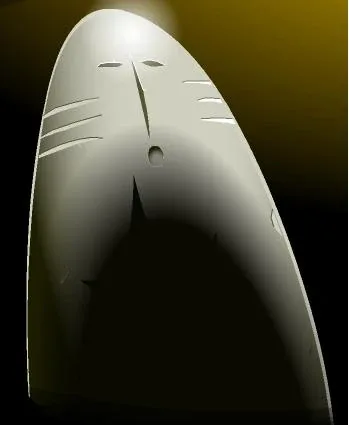
The rebuilt Path served Po-KoroPo-KoroPo-Koro was the Po-Matoran village in Po-Wahi, led by Turaga Onewa and guarded by Toa Pohatu, reached through a single statue-lined road called the Path of Prophecies. through the remainder of the Mata NuiMata Nui (Location)An island created by accident on the Great Spirit's face, home to the Matoran for a thousand years. era. It was again the ceremonial face of the village during the period of the Mask of LightKanohi Mask of Light and ShadowA single fused Kanohi formed in Energized Protodermis when Takanuva and Teridax merged into Takutanuva, holding both light and shadow at once. and the KolhiiKolhiiKolhii was the inter-village sport of Mata Nui, grown out of the older game of koli and played by all six Koro until the Matoran left the island. Tournament, and it remained the route of approach for travellers entering from Po-WahiPo-WahiPo-Wahi is a region of the island of Mata Nui, inhabited by Po-Matoran and Rahi. The territory formerly fell under the control of Teridax..
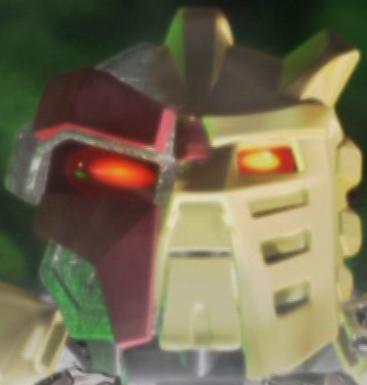
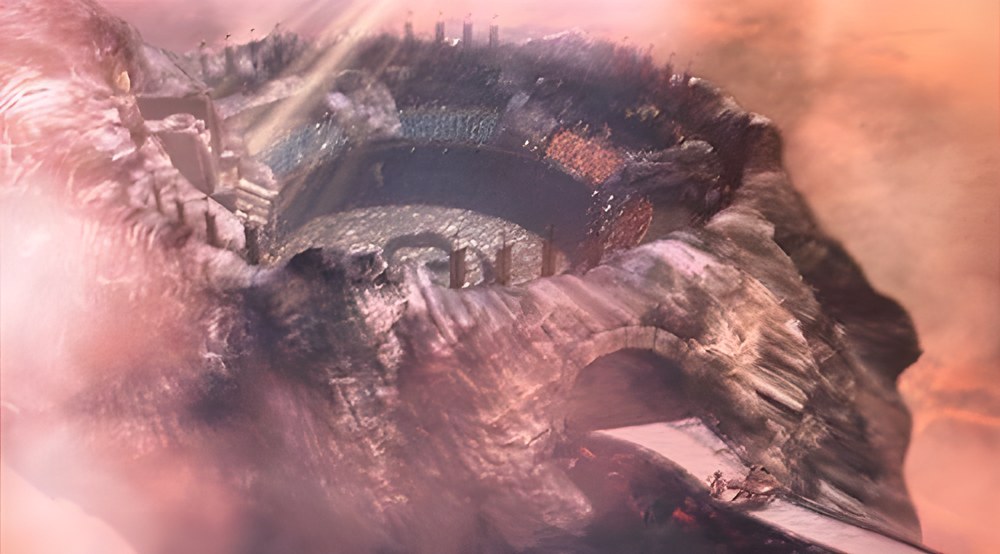
The Path's final destruction came after the Po-MatoranPo-MatoranThe Stone-element Matoran of Po-Metru and Po-Koro, carvers and quarry workers, the most athletic of the Matoran types and the population behind the Kohlii and Akilini circuits. departed Po-KoroPo-KoroPo-Koro was the Po-Matoran village in Po-Wahi, led by Turaga Onewa and guarded by Toa Pohatu, reached through a single statue-lined road called the Path of Prophecies. for the return to Metru NuiMetru NuiThe city beneath Mata Nui functions as the Great Spirit's brain, housing the Matoran whose labor keeps the god alive.. With the village abandoned, the Toa NuvaToa Mata and Toa NuvaSix biomechanical heroes created by the Great Beings to awaken Mata Nui and defeat the Brotherhood, transformed once and tested across an entire age. reawakened the BohrokBohrokHive-minded mechanical creatures designed to reshape worlds, the Bohrok represent a threat the Toa Mata never expected. to resume the cleansing of Mata NuiMata Nui (Location)An island created by accident on the Great Spirit's face, home to the Matoran for a thousand years., the surface having served its purpose as a temporary home for the MatoranMatoranThe most abundant species in the Matoran Universe, chosen by Mata Nui to inhabit and maintain his cosmic body.. The swarms returned to Po-WahiPo-WahiPo-Wahi is a region of the island of Mata Nui, inhabited by Po-Matoran and Rahi. The territory formerly fell under the control of Teridax. and overran Po-KoroPo-KoroPo-Koro was the Po-Matoran village in Po-Wahi, led by Turaga Onewa and guarded by Toa Pohatu, reached through a single statue-lined road called the Path of Prophecies. without resistance, destroying the koroKoroThe Koros were the six elemental villages built on Mata Nui after the Great Rescue, on sites the Toa Metru had chosen, each tied to one element and one Turaga. and the surrounding infrastructure. The Path of Prophecies was destroyed in the same wave.
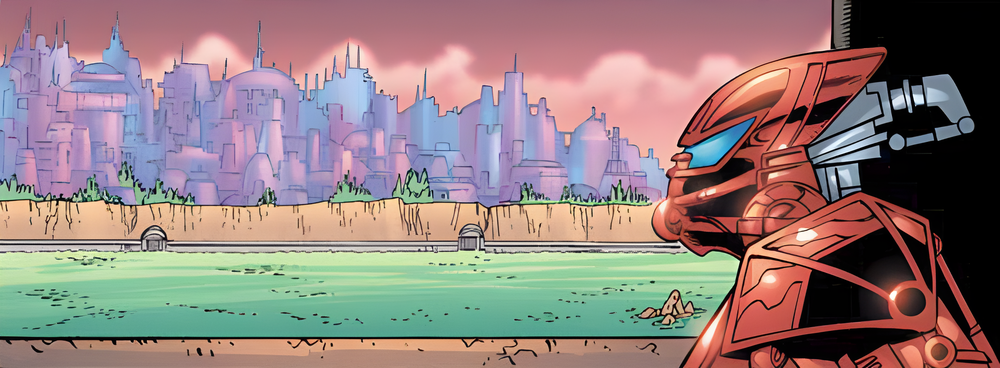
No record describes a second rebuild. The wiki entry on Po-KoroPo-KoroPo-Koro was the Po-Matoran village in Po-Wahi, led by Turaga Onewa and guarded by Toa Pohatu, reached through a single statue-lined road called the Path of Prophecies. lists the Path of Prophecies among the village's Former Locations, alongside OnewaOnewaOnewa served as Toa Metru of Stone, led Po-Koro through the Dark Time, and constructed the Metru Nui statue honoring the fallen Toa Mahri Matoro.'s Hut and the Po-KoroPo-KoroPo-Koro was the Po-Matoran village in Po-Wahi, led by Turaga Onewa and guarded by Toa Pohatu, reached through a single statue-lined road called the Path of Prophecies. KolhiiKolhiiKolhii was the inter-village sport of Mata Nui, grown out of the older game of koli and played by all six Koro until the Matoran left the island. Stadium, all destroyed in the same reawakening event. With the MatoranMatoranThe most abundant species in the Matoran Universe, chosen by Mata Nui to inhabit and maintain his cosmic body. returned to Metru NuiMetru NuiThe city beneath Mata Nui functions as the Great Spirit's brain, housing the Matoran whose labor keeps the god alive., the carving program that had produced the original Path was no longer based in Po-WahiPo-WahiPo-Wahi is a region of the island of Mata Nui, inhabited by Po-Matoran and Rahi. The territory formerly fell under the control of Teridax., and the Po-MatoranPo-MatoranThe Stone-element Matoran of Po-Metru and Po-Koro, carvers and quarry workers, the most athletic of the Matoran types and the population behind the Kohlii and Akilini circuits. Carvers ultimately resumed their craft in the rebuilt Po-MetruPo-MetruMetru Nui's Stone District, home to carvers whose work defined the city and site of an ancient conflict that threatened to divide it. rather than in the destroyed koroKoroThe Koros were the six elemental villages built on Mata Nui after the Great Rescue, on sites the Toa Metru had chosen, each tied to one element and one Turaga..
Significance#
The Path of Prophecies stands in the Mata NuiMata Nui (Location)An island created by accident on the Great Spirit's face, home to the Matoran for a thousand years. record as the clearest example of a piece of MatoranMatoranThe most abundant species in the Matoran Universe, chosen by Mata Nui to inhabit and maintain his cosmic body. civic infrastructure that doubled as a defensive work without having been designed for that role. The statues were carved as showcase pieces of the Po-MatoranPo-MatoranThe Stone-element Matoran of Po-Metru and Po-Koro, carvers and quarry workers, the most athletic of the Matoran types and the population behind the Kohlii and Akilini circuits. carving trade and as the ceremonial approach to Po-KoroPo-KoroPo-Koro was the Po-Matoran village in Po-Wahi, led by Turaga Onewa and guarded by Toa Pohatu, reached through a single statue-lined road called the Path of Prophecies.. When the TahnokTahnokFire-element Bohrok swarms from Mata Nui, controlled by krana and armed with Fire Shields. swarm threatened the village, the same statues, toppled in haste, became the only barrier between the koroKoroThe Koros were the six elemental villages built on Mata Nui after the Great Rescue, on sites the Toa Metru had chosen, each tied to one element and one Turaga. and a swarm advance, and they performed that role exactly as OnewaOnewaOnewa served as Toa Metru of Stone, led Po-Koro through the Dark Time, and constructed the Metru Nui statue honoring the fallen Toa Mahri Matoro. had predicted. The arc from sculpture to rubble, from rubble to rebuild, and from rebuild to final destruction is documented across all of the primary sources, and it tracks the broader story of Po-KoroPo-KoroPo-Koro was the Po-Matoran village in Po-Wahi, led by Turaga Onewa and guarded by Toa Pohatu, reached through a single statue-lined road called the Path of Prophecies. itself across the Bohrok WarBohrok WarThe 2002 swarm that nearly destroyed Mata Nui when Teridax triggered the Bohrok's awakening ahead of schedule., the Bohrok-KalBohrok-Kal Kaita ZaA possible fusion of Tahnok-Kal, Pahrak-Kal, and Nuhvok-Kal that was never formed on Mata Nui during the Bohrok-Kal campaign. crisis, and the return to Metru NuiMetru NuiThe city beneath Mata Nui functions as the Great Spirit's brain, housing the Matoran whose labor keeps the god alive..
Frequently asked questions
- What was the Path of Prophecies?
- The Path of Prophecies was the sandy road in Po-Wahi that led to the single entrance of Po-Koro on the island of Mata Nui. On either side of the road stood rows of large carved statues produced by the Po-Matoran Carvers, most notably Hafu, serving as the village's ceremonial approach in peacetime and its outer defensive barrier in wartime.
- Who built the statues of the Path of Prophecies?
- The statues were the responsibility of the Po-Matoran Carvers of Po-Koro, with Hafu, Turaga Onewa's left-hand Matoran and the koro's Master Carver, producing the bulk of them. The carver Kamen collaborated on the post-war rebuild, and bricklayers including Bour placed the stones that supported the road.
- Why did Hafu destroy his own statues?
- During the Bohrok War, a swarm of Tahnok closed on Po-Koro, and Onewa determined that toppling the statues flanking the entrance was the only way to delay the swarm long enough for an evacuation. Hafu refused at first, but when the Tahnok attacked he dismantled his own work, producing a rubble barrier that slowed the advance and gave the Po-Matoran time to flee.
- How was the Path of Prophecies used during the Comet Ball investigation?
- After Takua began investigating the sickness affecting the Po-Matoran, the trail led to a Nui-Jaga nest hidden under one of the massive heads Hafu had sculpted along the Path, which was the source of the infected Comet Balls. Takua, with assistance from Pohatu, collapsed the cave under the sculpted head, destroyed the nest, and ended the outbreak.
- What happened to the Path of Prophecies?
- After the Bohrok War, Hafu rebuilt the Path alongside the carver Kamen, and it served Po-Koro through the rest of the Mata Nui era. It was destroyed for good after the Po-Matoran departed for Metru Nui, when the Toa Nuva reawakened the Bohrok and the abandoned Po-Koro was overrun.
Sources
- GameMata Nui Online Game, Path of Prophecies appearances during the Comet Ball arc, via BS01
- BookBIONICLE Chronicles 2: Beware the Bohrok, Greg Farshtey, 2003 (primary source via BS01 wiki entry)
- BookBIONICLE Chronicles 4: Tales of the Masks, Greg Farshtey, 2003 (primary source via BS01 wiki entry)
- BookBIONICLE: Encyclopedia, Greg Farshtey, 2006 (primary source via BS01 wiki entry)
- BookBIONICLE: Encyclopedia Updated, Greg Farshtey, 2008 (primary source via BS01 wiki entry)
- WikiPath of Prophecies, BS01 entry on the road into Po-Koro
- WikiPo-Koro, BS01 entry on the village of Po-Koro
Spotted a factual error or a primary source we missed? Email a correction. Every flagged claim gets reviewed.
Followed from this entry

Po-Koro
Po-Koro was the Po-Matoran village in Po-Wahi, led by Turaga Onewa and guarded by Toa Pohatu, reached through a single statue-lined road called the Path of Prophecies.
Motara Desert
The Motara Desert covered eastern Po-Wahi on Mata Nui, served the Po-Matoran trade economy, and was destroyed during the Bohrok swarms.
Mata Nui (Location)
An island created by accident on the Great Spirit's face, home to the Matoran for a thousand years.
Hafu
Hafu was a Po-Matoran Carver of Po-Koro, recognized as a Master Carver, who served in the Chronicler's Company and survived the Reign of Shadows.

Kolhii
Kolhii was the inter-village sport of Mata Nui, grown out of the older game of koli and played by all six Koro until the Matoran left the island.

Po-Matoran
The Stone-element Matoran of Po-Metru and Po-Koro, carvers and quarry workers, the most athletic of the Matoran types and the population behind the Kohlii and Akilini circuits.
Mentioned in5 entries
Bour
Bour was a Po-Matoran bricklayer who laid the foundations of the carvings of Po-Koro on Mata Nui before returning to Metru Nui with his people.
Hafu
Hafu was a Po-Matoran Carver of Po-Koro, recognized as a Master Carver, who served in the Chronicler's Company and survived the Reign of Shadows.
Po-Koro
Po-Koro was the Po-Matoran village in Po-Wahi, led by Turaga Onewa and guarded by Toa Pohatu, reached through a single statue-lined road called the Path of Prophecies.
Po-Koro Kolhii Stadium
Po-Koro's home Kolhii field in the Po-Wahi desert, where Hewkii and Hafu trained and the village team posted its dominant regional results before the Kolhii Tournament at Ta-Koro.
Po-Suva
Pohatu's shrine in Po-Koro, repository of his collected Kanohi and the Nuva Symbol the Bohrok-Kal stole from it.
Get new articles in your inbox
No spam. New lore drops, canon conflicts, and deep dives only when they’re worth reading.
Some links on Lore Fortress are affiliate links. If you buy through them we earn a small commission at no extra cost to you.