Po-Koro Kolhii Stadium
Po-Koro's home Kolhii field in the Po-Wahi desert, where Hewkii and Hafu trained and the village team posted its dominant regional results before the Kolhii Tournament at Ta-Koro.
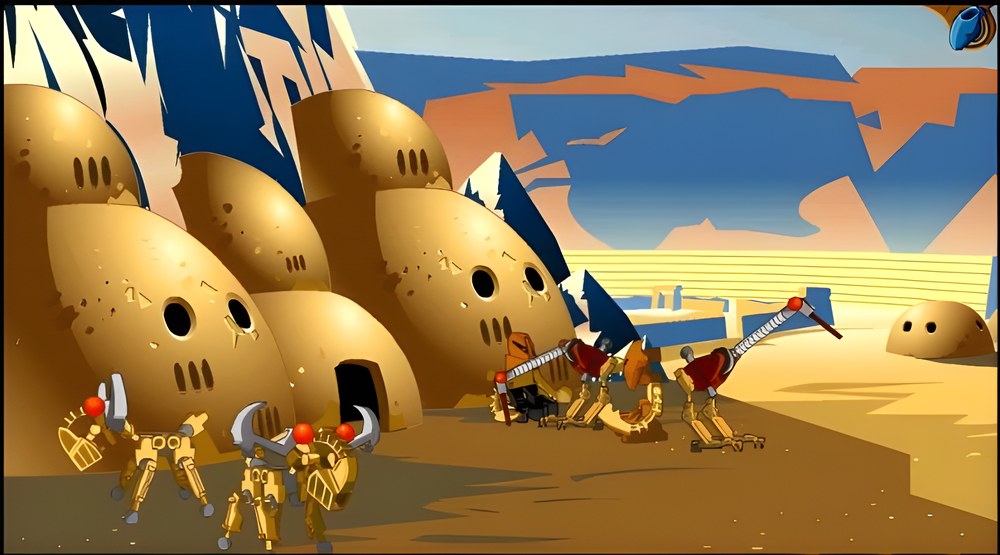
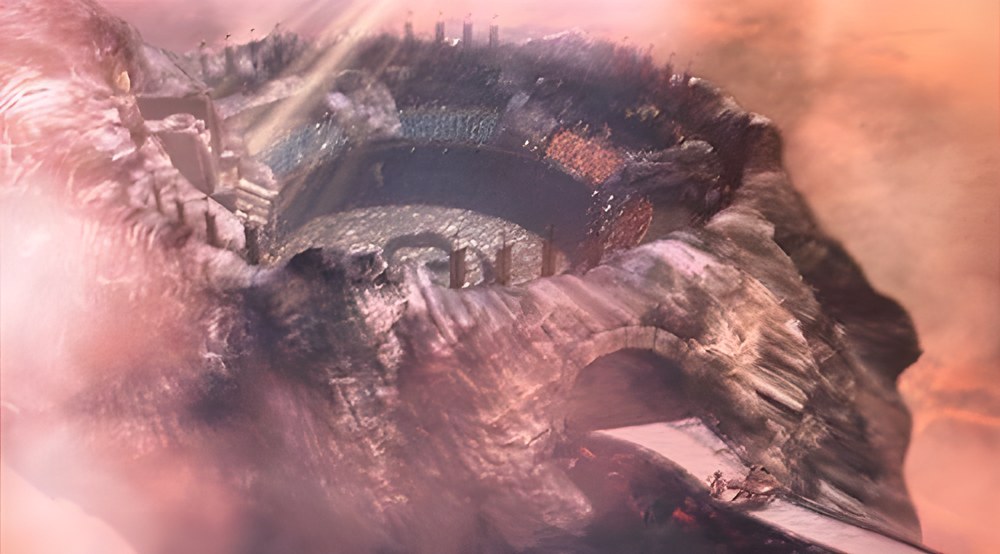
The Po-KoroPo-KoroPo-Koro was the Po-Matoran village in Po-Wahi, led by Turaga Onewa and guarded by Toa Pohatu, reached through a single statue-lined road called the Path of Prophecies. KolhiiKolhiiKolhii was the inter-village sport of Mata Nui, grown out of the older game of koli and played by all six Koro until the Matoran left the island. Stadium was the home KolhiiKolhiiKolhii was the inter-village sport of Mata Nui, grown out of the older game of koli and played by all six Koro until the Matoran left the island. field of Po-KoroPo-KoroPo-Koro was the Po-Matoran village in Po-Wahi, led by Turaga Onewa and guarded by Toa Pohatu, reached through a single statue-lined road called the Path of Prophecies., set within the village in the desert of Po-WahiPo-WahiPo-Wahi is a region of the island of Mata Nui, inhabited by Po-Matoran and Rahi. The territory formerly fell under the control of Teridax.. It served as the regular practice ground for the Po-Koro Kolhii TeamPo-Koro Kolhii TeamHewkii and Hafu were the heavy favourites of the Mata Nui Kolhii Championship, until the Ga-Koro pairing of Hahli and Macku upset them in the final at Ta-Koro. and as the venue at which the village hosted its inter-KoroKoroThe Koros were the six elemental villages built on Mata Nui after the Great Rescue, on sites the Toa Metru had chosen, each tied to one element and one Turaga. fixtures during the post-Bohrok-KalBohrok-KalSix elite Bohrok designed to free the imprisoned Bahrag, they nearly defeated the Toa Nuva before the Toa turned their own powers against them. peace, including the regional victory over the Ko-KoroKo-KoroKo-Koro is a location in Ko-Wahi, home to the Ko-Matoran and associated with both Nuju and Kopaka. Its exact size is unknown. KolhiiKolhiiKolhii was the inter-village sport of Mata Nui, grown out of the older game of koli and played by all six Koro until the Matoran left the island. Team that sent HewkiiHewkiiHewkii rose from Po-Metru Matoran to Mata Nui's foremost kolhii player, then served as Toa Inika and Toa Mahri through the late wars of the universe. and HafuHafuHafu was a Po-Matoran Carver of Po-Koro, recognized as a Master Carver, who served in the Chronicler's Company and survived the Reign of Shadows. to the KolhiiKolhiiKolhii was the inter-village sport of Mata Nui, grown out of the older game of koli and played by all six Koro until the Matoran left the island. Tournament at Ta-KoroTa-KoroTa-Koro was a settlement located in Ta-Wahi, home to the Ta-Matoran, Tahu, and Vakama, and formerly connected to Teridax. The settlement was ultimately destroyed..

Site and construction#
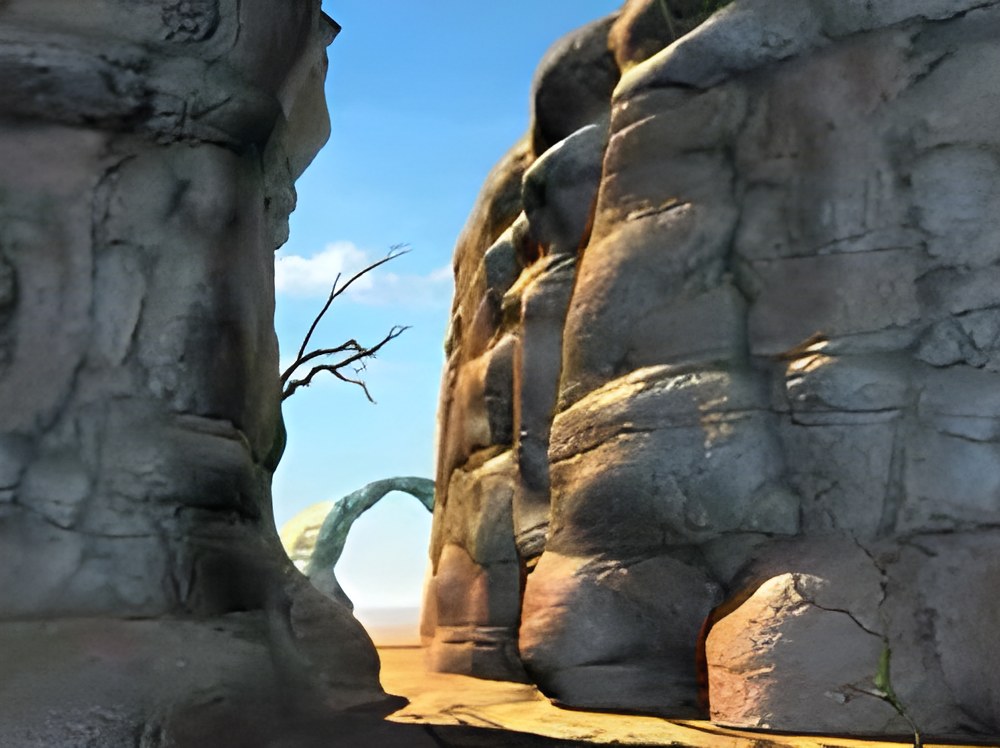
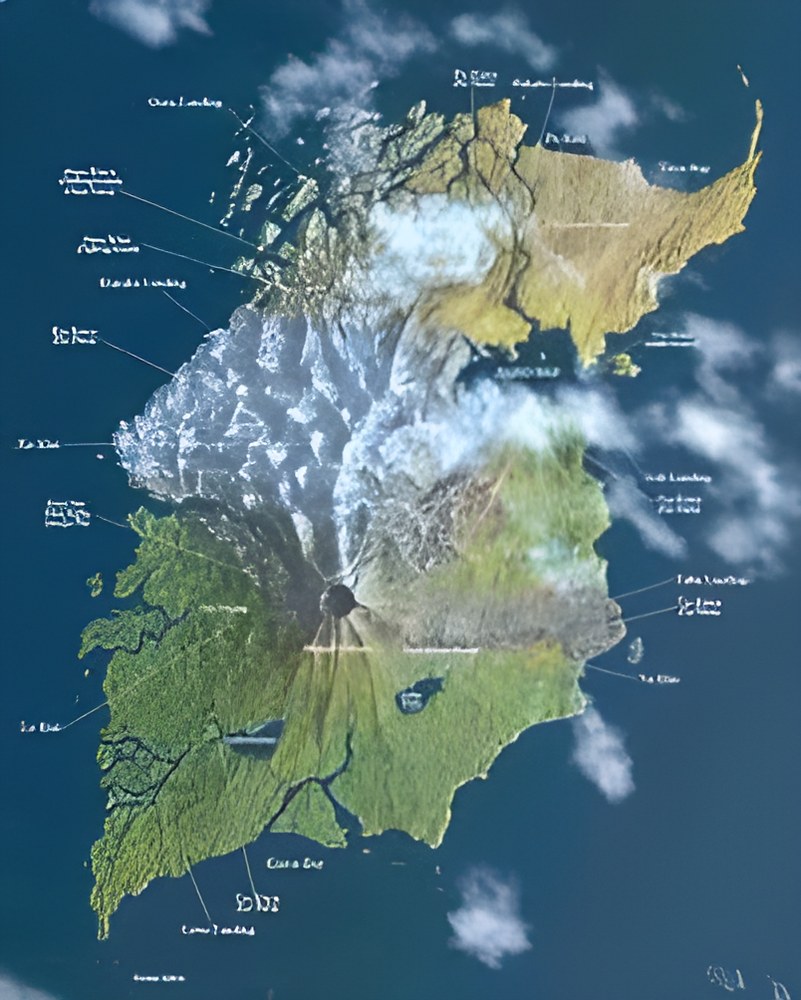
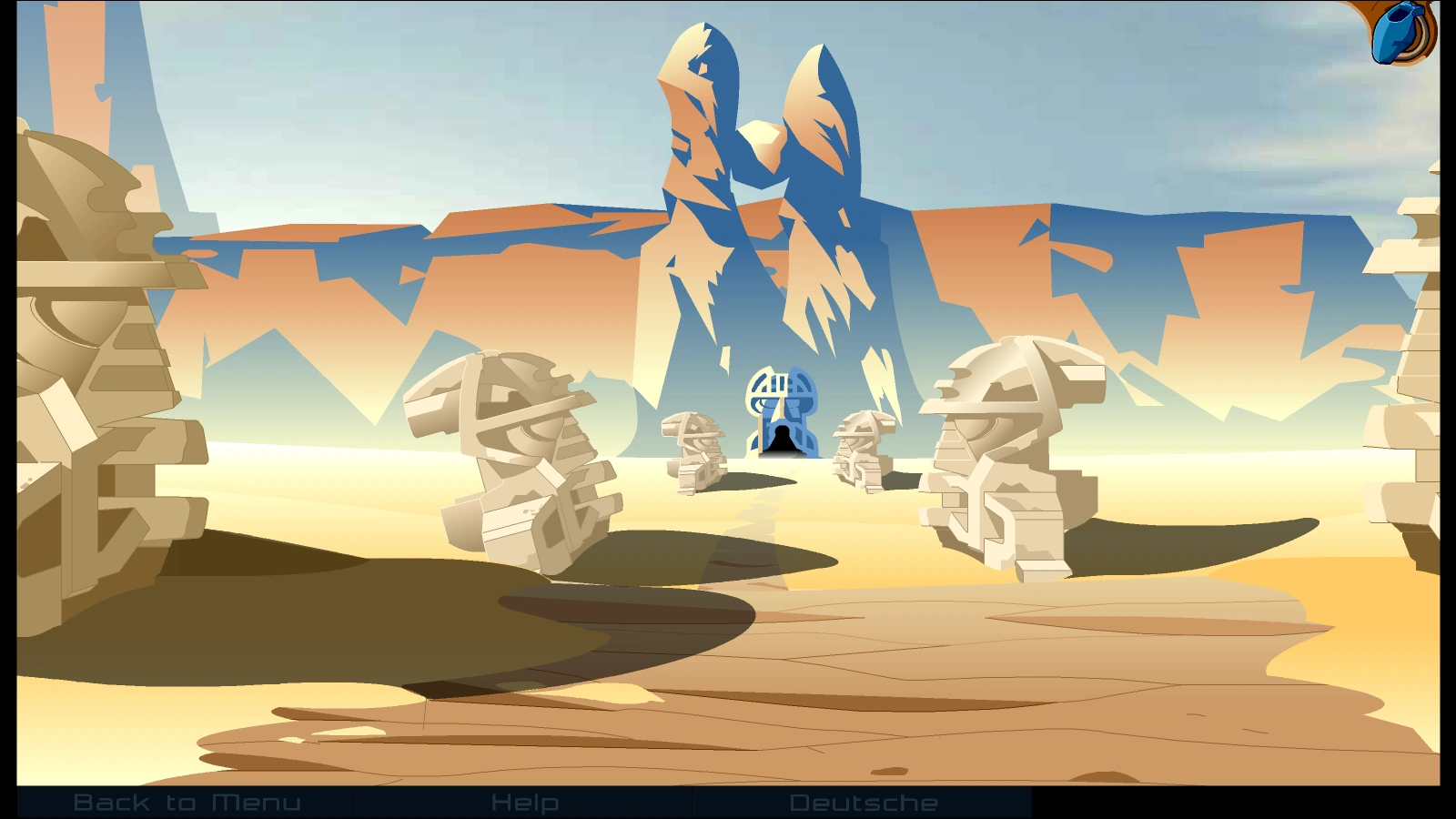
The stadium stood within Po-KoroKoroThe Koros were the six elemental villages built on Mata Nui after the Great Rescue, on sites the Toa Metru had chosen, each tied to one element and one Turaga. itself, the Po-MatoranPo-MatoranThe Stone-element Matoran of Po-Metru and Po-Koro, carvers and quarry workers, the most athletic of the Matoran types and the population behind the Kohlii and Akilini circuits. settlement ringed by the boulder field of Po-WahiPo-WahiPo-Wahi is a region of the island of Mata Nui, inhabited by Po-Matoran and Rahi. The territory formerly fell under the control of Teridax. and reached only by the Path of PropheciesPath of PropheciesThe carved statue road in Po-Wahi that led to Po-Koro's entrance, sculpted by Hafu and the Po-Matoran carvers, used as a defensive barrier in the Bohrok War, and destroyed when the Toa Nuva reawakened the swarms.. As with every fixed structure in the village, the field's construction reflected the local material economy. Po-MatoranPo-MatoranThe Stone-element Matoran of Po-Metru and Po-Koro, carvers and quarry workers, the most athletic of the Matoran types and the population behind the Kohlii and Akilini circuits. carvers worked principally in stone, and the stadium drew on the same tradition that produced the statues of the Path and the great heads ranged along its sides. Cut stone supplied tiered seating, marker posts, and the boundary walls of the playing surface, set within a flat clearing in the village's open ground.
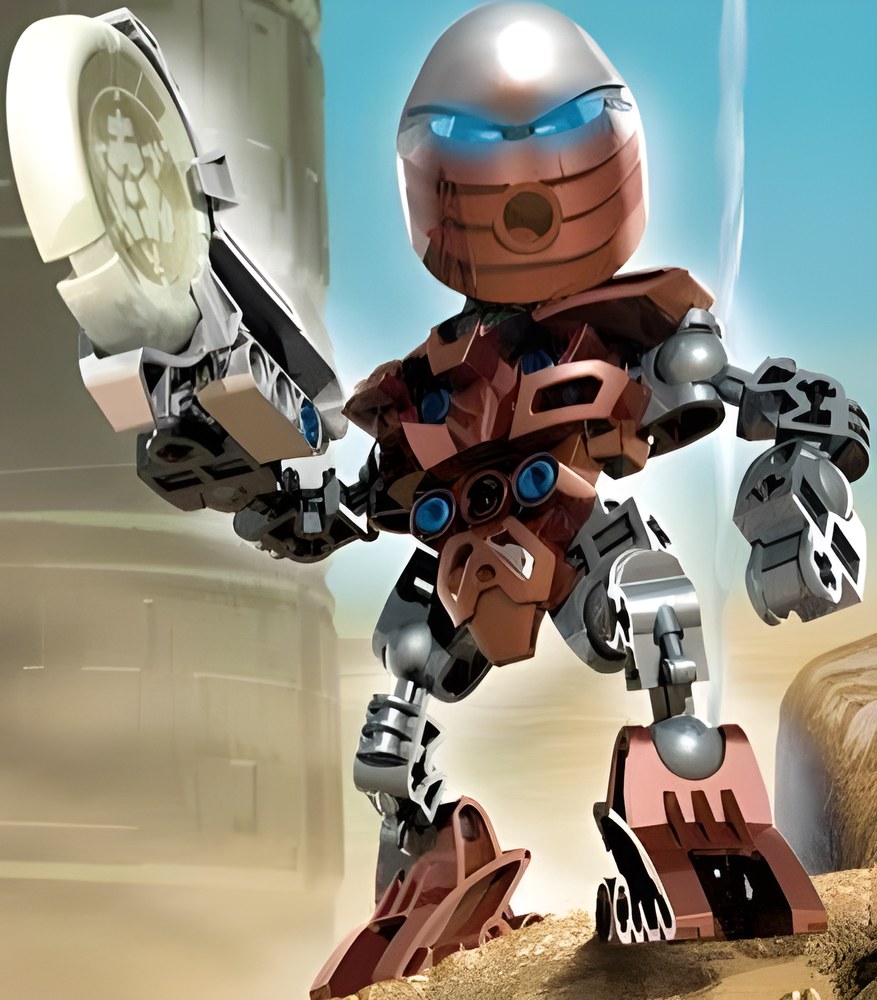
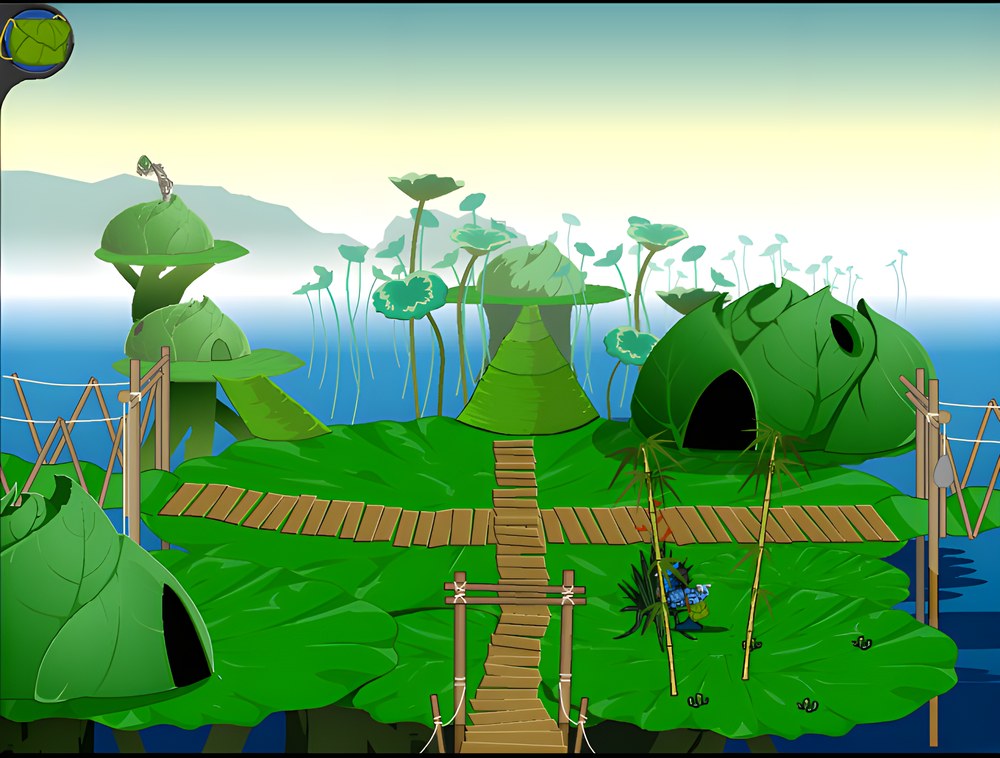
The arena's scale was modest compared with the championship venue eventually built at Ta-KoroTa-KoroTa-Koro was a settlement located in Ta-Wahi, home to the Ta-Matoran, Tahu, and Vakama, and formerly connected to Teridax. The settlement was ultimately destroyed.. Its function was regional rather than island-wide. The field served the Po-MatoranPo-MatoranThe Stone-element Matoran of Po-Metru and Po-Koro, carvers and quarry workers, the most athletic of the Matoran types and the population behind the Kohlii and Akilini circuits. population, accommodated visiting teams from neighbouring koro for scheduled matches, and provided the training surface on which the village's representatives prepared for inter-village play. The combination of a stone-built field and the desert air around it produced playing conditions distinct from those of the lily-pad surfaces at Ga-KoroGa-KoroGa-Koro is a village on the island of Mata Nui, inhabited by the Ga-Matoran and associated with both Nokama and Gali. The settlement was formerly under the power of Teridax., the treetop fields of Le-KoroLe-KoroLe-Koro is a village situated within Le-Wahi, inhabited by the Le-Matoran and home to Turaga Matau and Toa Lewa. The settlement was once held under the control of Teridax., or the cleared mining chambers used by Onu-KoroOnu-KoroOnu-Koro was the earth engineers' city, where underground isolation created one of Mata Nui's most self-sufficient settlements, until the Bohrok came..
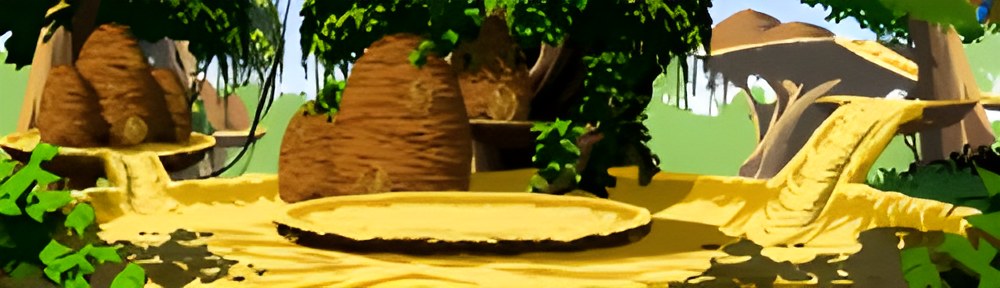
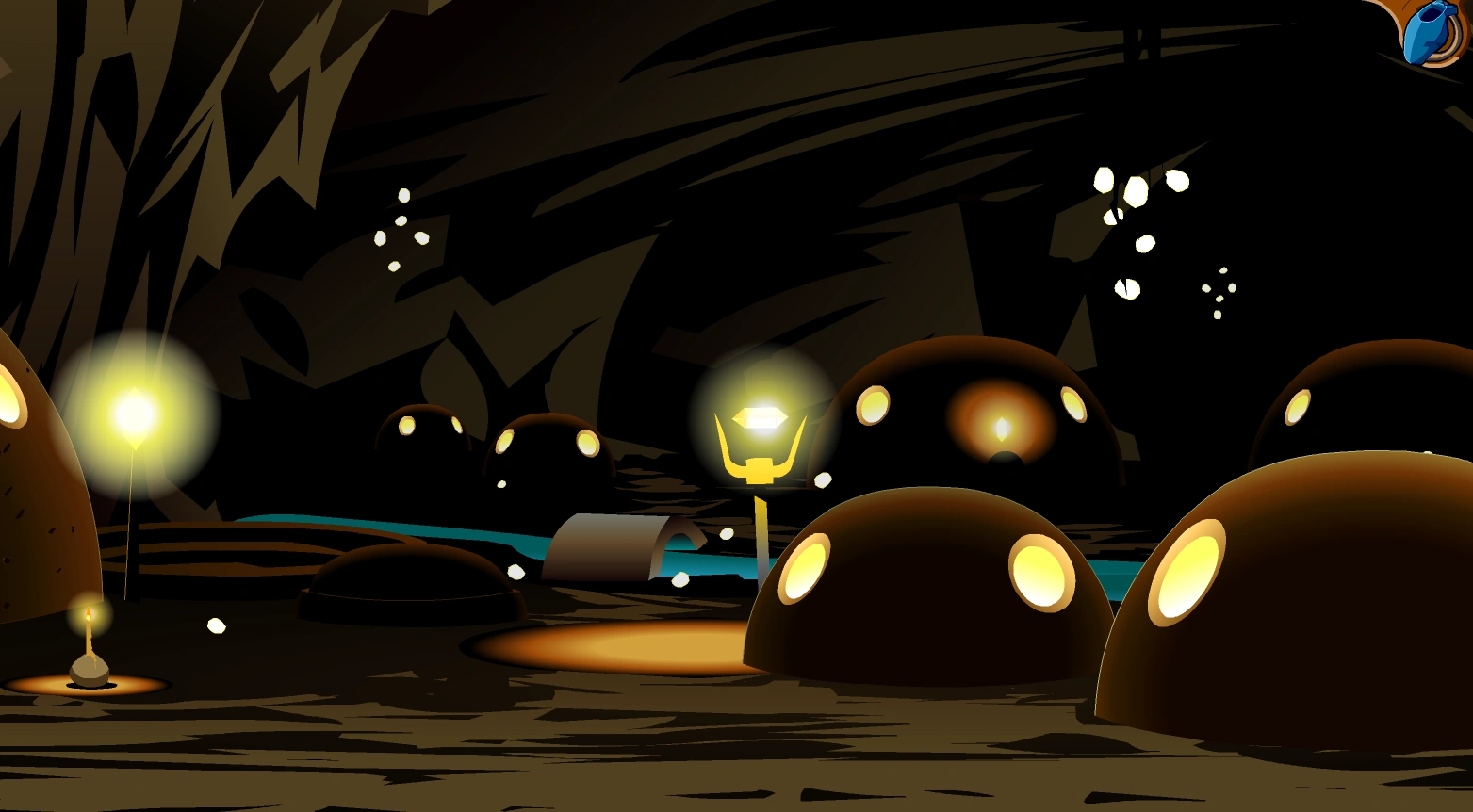
The location within the village walls offered the same defensive cover the rest of Po-KoroPo-KoroPo-Koro was the Po-Matoran village in Po-Wahi, led by Turaga Onewa and guarded by Toa Pohatu, reached through a single statue-lined road called the Path of Prophecies. relied on. The boulder field, the Path's statues, and the single approach road meant that organized matches could be staged in safety even during the periods of unrest that punctuated the surface era.
Training ground for HewkiiHewkiiHewkii rose from Po-Metru Matoran to Mata Nui's foremost kolhii player, then served as Toa Inika and Toa Mahri through the late wars of the universe. and HafuHafuHafu was a Po-Matoran Carver of Po-Koro, recognized as a Master Carver, who served in the Chronicler's Company and survived the Reign of Shadows.#
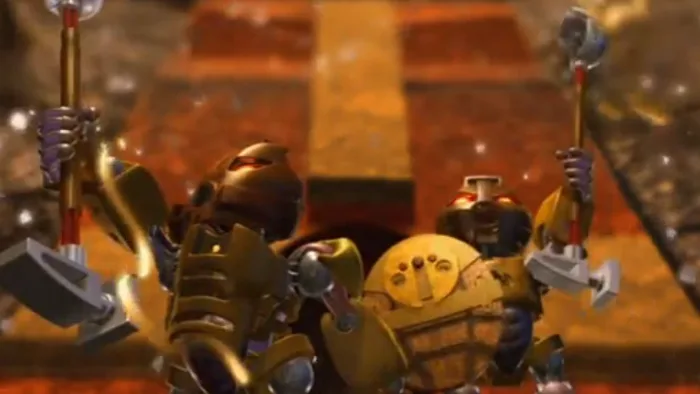
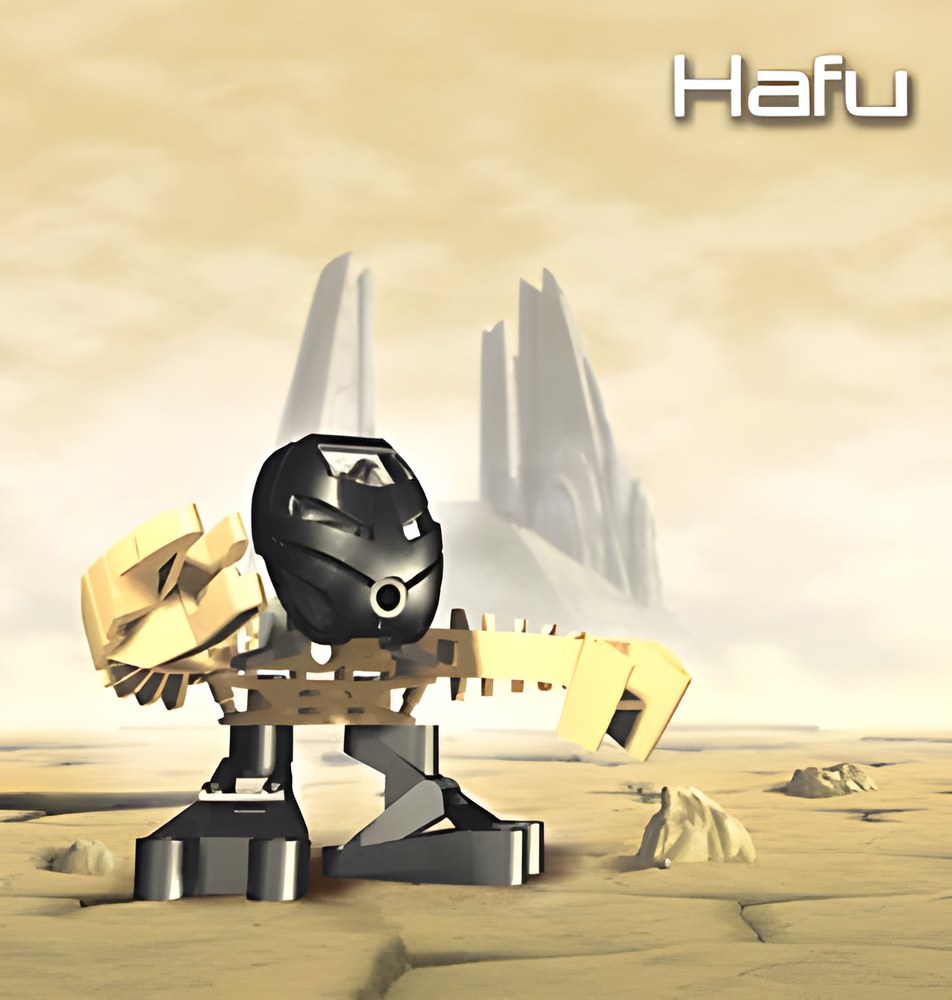
The stadium's principal occupants in the years leading up to the Ta-KoroTa-KoroTa-Koro was a settlement located in Ta-Wahi, home to the Ta-Matoran, Tahu, and Vakama, and formerly connected to Teridax. The settlement was ultimately destroyed. tournament were HewkiiHewkiiHewkii rose from Po-Metru Matoran to Mata Nui's foremost kolhii player, then served as Toa Inika and Toa Mahri through the late wars of the universe. and HafuHafuHafu was a Po-Matoran Carver of Po-Koro, recognized as a Master Carver, who served in the Chronicler's Company and survived the Reign of Shadows., the two Po-MatoranPo-MatoranThe Stone-element Matoran of Po-Metru and Po-Koro, carvers and quarry workers, the most athletic of the Matoran types and the population behind the Kohlii and Akilini circuits. selected by TuragaTuragaFormer Toa who fulfilled their destiny and transformed into leaders. Turaga wield Noble Kanohi masks and weakened elemental powers, guiding their communities. OnewaOnewaOnewa served as Toa Metru of Stone, led Po-Koro through the Dark Time, and constructed the Metru Nui statue honoring the fallen Toa Mahri Matoro. as the village's official KolhiiKolhiiKolhii was the inter-village sport of Mata Nui, grown out of the older game of koli and played by all six Koro until the Matoran left the island. pair. HewkiiHewkiiHewkii rose from Po-Metru Matoran to Mata Nui's foremost kolhii player, then served as Toa Inika and Toa Mahri through the late wars of the universe. carried Po-KoroPo-KoroPo-Koro was the Po-Matoran village in Po-Wahi, led by Turaga Onewa and guarded by Toa Pohatu, reached through a single statue-lined road called the Path of Prophecies.'s reputation as the foremost KolhiiKolhiiKolhii was the inter-village sport of Mata Nui, grown out of the older game of koli and played by all six Koro until the Matoran left the island. player on Mata NuiMata Nui (Location)An island created by accident on the Great Spirit's face, home to the Matoran for a thousand years. in the period leading up to the tournament. HafuHafuHafu was a Po-Matoran Carver of Po-Koro, recognized as a Master Carver, who served in the Chronicler's Company and survived the Reign of Shadows., the village's most prolific carver, was paired with him as Po-KoroPo-KoroPo-Koro was the Po-Matoran village in Po-Wahi, led by Turaga Onewa and guarded by Toa Pohatu, reached through a single statue-lined road called the Path of Prophecies.'s second representative.
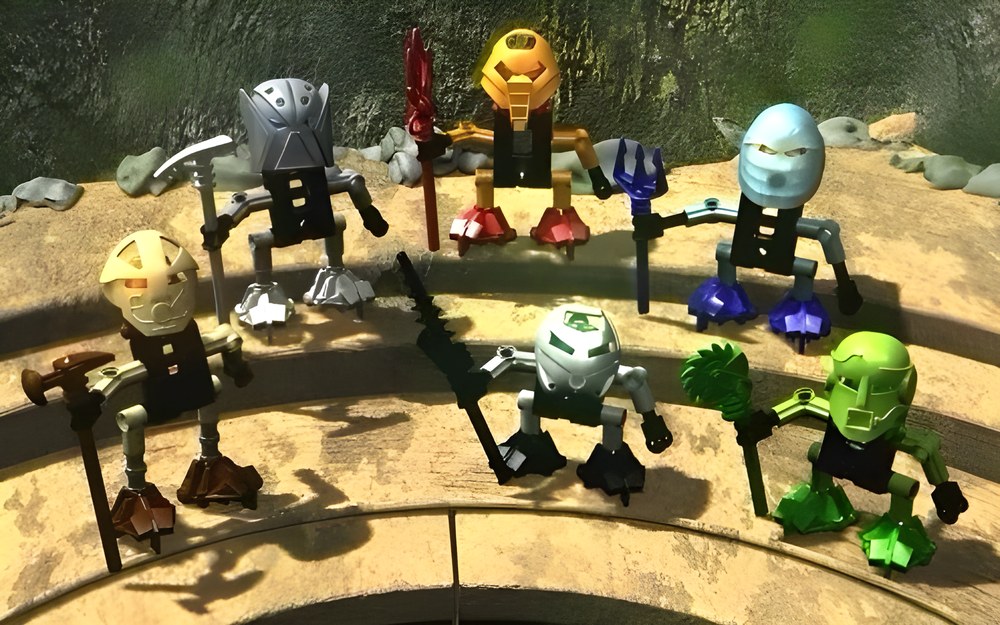
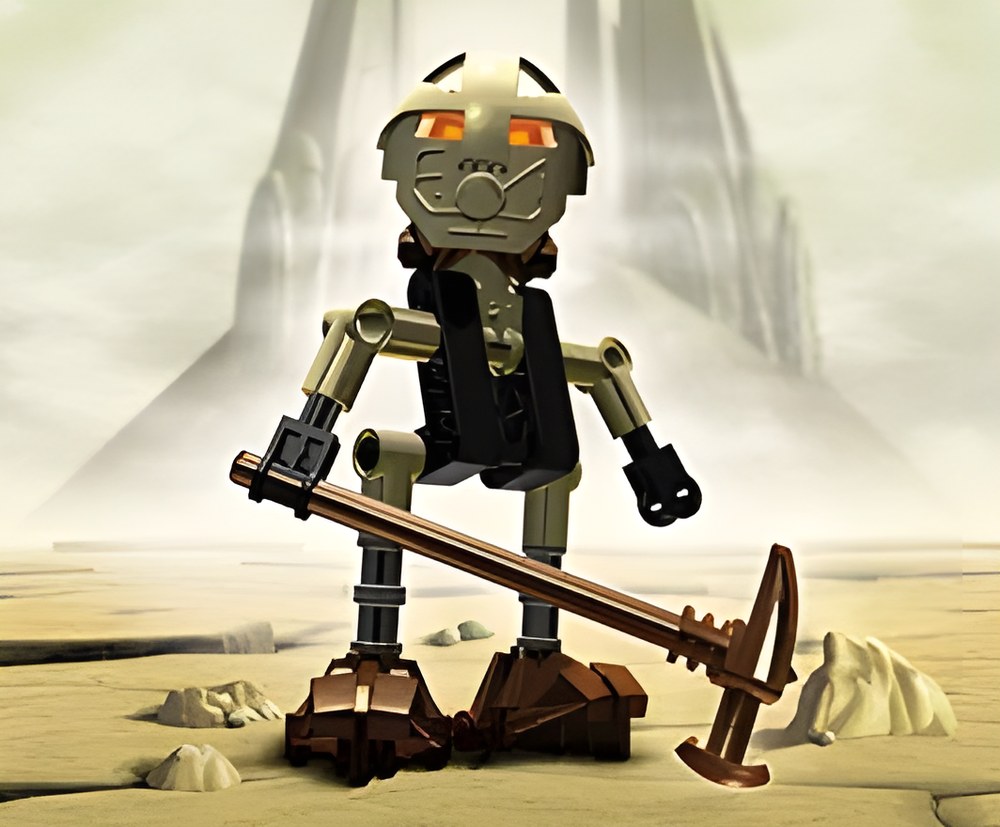
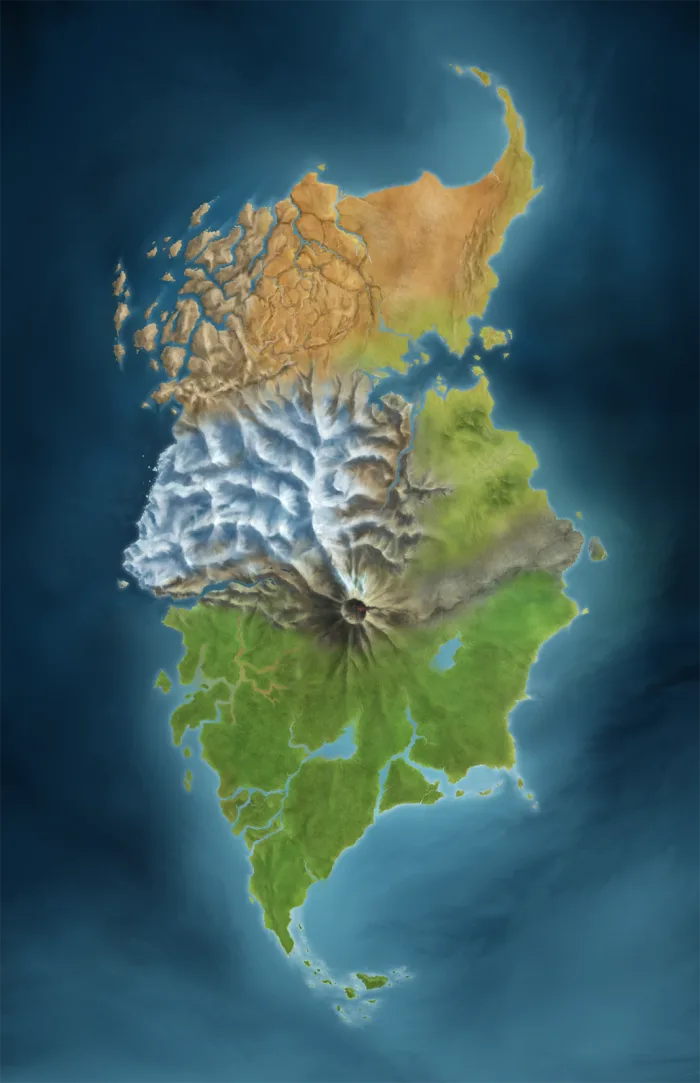
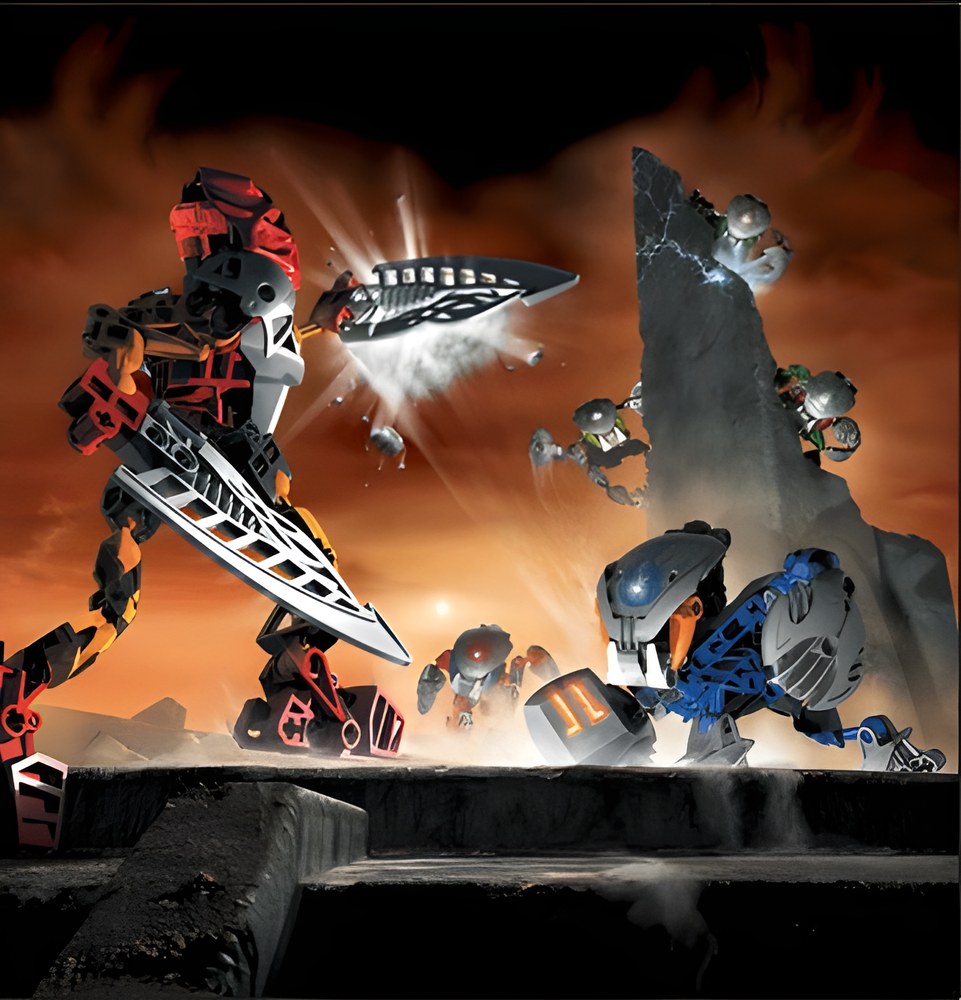
Both players practiced on the home field. The stadium provided the controlled surface on which HewkiiHewkiiHewkii rose from Po-Metru Matoran to Mata Nui's foremost kolhii player, then served as Toa Inika and Toa Mahri through the late wars of the universe.'s hitting and ball handling could be drilled at speed, and HafuHafuHafu was a Po-Matoran Carver of Po-Koro, recognized as a Master Carver, who served in the Chronicler's Company and survived the Reign of Shadows.'s defensive work could be tested against live opposition. Po-MatoranPo-MatoranThe Stone-element Matoran of Po-Metru and Po-Koro, carvers and quarry workers, the most athletic of the Matoran types and the population behind the Kohlii and Akilini circuits.-built equipment featured throughout: the heavier carved-stone staves favoured by the village, the stone-headed KolhiiKolhiiKolhii was the inter-village sport of Mata Nui, grown out of the older game of koli and played by all six Koro until the Matoran left the island. balls preferred in Po-KoroPo-KoroPo-Koro was the Po-Matoran village in Po-Wahi, led by Turaga Onewa and guarded by Toa Pohatu, reached through a single statue-lined road called the Path of Prophecies. regional play, and the reinforced shields permitted to designated defenders under the codified rules.
Training routines drew on the wider athletic culture of the village. Po-MatoranMatoranThe most abundant species in the Matoran Universe, chosen by Mata Nui to inhabit and maintain his cosmic body. were carvers, shepherds, and athletes, and physical conditioning was part of the routines of village work rather than confined to formal sport. The stadium was the venue at which that conditioning was channelled into competitive form.
The Ko-KoroKo-KoroKo-Koro is a location in Ko-Wahi, home to the Ko-Matoran and associated with both Nuju and Kopaka. Its exact size is unknown. fixture#
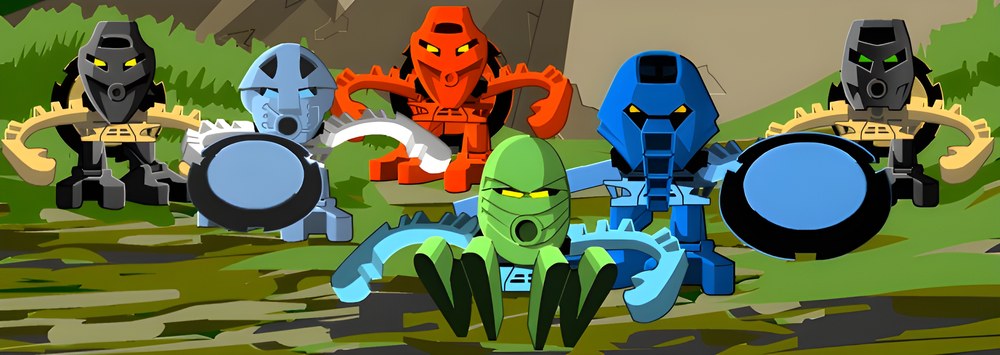
The most prominent match staged at the stadium was the regional fixture between the Po-Koro Kolhii TeamPo-Koro Kolhii TeamHewkii and Hafu were the heavy favourites of the Mata Nui Kolhii Championship, until the Ga-Koro pairing of Hahli and Macku upset them in the final at Ta-Koro. and the Ko-KoroKo-KoroKo-Koro is a location in Ko-Wahi, home to the Ko-Matoran and associated with both Nuju and Kopaka. Its exact size is unknown. KolhiiKolhiiKolhii was the inter-village sport of Mata Nui, grown out of the older game of koli and played by all six Koro until the Matoran left the island. Team. The two villages met on the Po-KoroPo-KoroPo-Koro was the Po-Matoran village in Po-Wahi, led by Turaga Onewa and guarded by Toa Pohatu, reached through a single statue-lined road called the Path of Prophecies. field, and the home side won the match in a landslide. The result reflected the disparity in playing standards between the two koro at that point in the inter-village competition cycle. Po-KoroPo-KoroPo-Koro was the Po-Matoran village in Po-Wahi, led by Turaga Onewa and guarded by Toa Pohatu, reached through a single statue-lined road called the Path of Prophecies. fielded the island's strongest player and a paired carver with extensive field experience; Ko-KoroKo-KoroKo-Koro is a location in Ko-Wahi, home to the Ko-Matoran and associated with both Nuju and Kopaka. Its exact size is unknown.'s roster was less developed, and the home conditions of the Po-WahiWahiThe Matoran word for region. The six Wahi of Mata Nui were the six elemental territories that made up the island before the Bohrok cleared its surface. field offered no compensating advantage to the visitors.
The match served as the qualifying fixture that confirmed Po-KoroPo-KoroPo-Koro was the Po-Matoran village in Po-Wahi, led by Turaga Onewa and guarded by Toa Pohatu, reached through a single statue-lined road called the Path of Prophecies.'s berth in the upcoming island-wide tournament at the new Ta-KoroTa-KoroTa-Koro was a settlement located in Ta-Wahi, home to the Ta-Matoran, Tahu, and Vakama, and formerly connected to Teridax. The settlement was ultimately destroyed. stadium. With the Ko-KoroKo-KoroKo-Koro is a location in Ko-Wahi, home to the Ko-Matoran and associated with both Nuju and Kopaka. Its exact size is unknown. side dispatched in straightforward fashion, HewkiiHewkiiHewkii rose from Po-Metru Matoran to Mata Nui's foremost kolhii player, then served as Toa Inika and Toa Mahri through the late wars of the universe. and HafuHafuHafu was a Po-Matoran Carver of Po-Koro, recognized as a Master Carver, who served in the Chronicler's Company and survived the Reign of Shadows. travelled to Ta-WahiTa-WahiTa-Wahi was the volcanic region of Mata Nui surrounding the Mangai Volcano, encompassing Ta-Koro, the Lake of Fire, the Charred Forest, and the Ta-Wahi Beach. to face the remaining qualified sides. Their selection as the village's representatives had already been made by OnewaOnewaOnewa served as Toa Metru of Stone, led Po-Koro through the Dark Time, and constructed the Metru Nui statue honoring the fallen Toa Mahri Matoro.; the Ko-KoroKo-KoroKo-Koro is a location in Ko-Wahi, home to the Ko-Matoran and associated with both Nuju and Kopaka. Its exact size is unknown. result formalized their competitive standing entering the championship.
Position within the inter-village KolhiiKolhiiKolhii was the inter-village sport of Mata Nui, grown out of the older game of koli and played by all six Koro until the Matoran left the island. circuit#
The stadium occupied a place within a wider network of village-built KolhiiKolhiiKolhii was the inter-village sport of Mata Nui, grown out of the older game of koli and played by all six Koro until the Matoran left the island. venues that had grown up across Mata NuiMata Nui (Location)An island created by accident on the Great Spirit's face, home to the Matoran for a thousand years. in the years following the sport's reformulation at Ga-KoroGa-KoroGa-Koro is a village on the island of Mata Nui, inhabited by the Ga-Matoran and associated with both Nokama and Gali. The settlement was formerly under the power of Teridax.. Each of the six koro maintained a home field appropriate to its terrain and materials, and regular inter-village fixtures were staged at those venues outside of formal tournament cycles.
The Po-KoroPo-KoroPo-Koro was the Po-Matoran village in Po-Wahi, led by Turaga Onewa and guarded by Toa Pohatu, reached through a single statue-lined road called the Path of Prophecies. stadium's distinction within that network rested on two things. First, it served the village that supplied the bulk of carved KolhiiKolhiiKolhii was the inter-village sport of Mata Nui, grown out of the older game of koli and played by all six Koro until the Matoran left the island. equipment to the rest of the island, which placed Po-KoroPo-KoroPo-Koro was the Po-Matoran village in Po-Wahi, led by Turaga Onewa and guarded by Toa Pohatu, reached through a single statue-lined road called the Path of Prophecies. at the centre of the sport's material economy. Stone-headed staves and stone KolhiiKolhiiKolhii was the inter-village sport of Mata Nui, grown out of the older game of koli and played by all six Koro until the Matoran left the island. balls, the older equipment standards preferred in regional play, were produced by Po-MatoranPo-MatoranThe Stone-element Matoran of Po-Metru and Po-Koro, carvers and quarry workers, the most athletic of the Matoran types and the population behind the Kohlii and Akilini circuits. carvers and exported across the koro. Second, it served the village whose representative held continuous standing as the foremost player on Mata NuiMata Nui: Great Spirit of the Matoran UniverseBuilt by the Great Beings as a biomechanical guardian, betrayed by Teridax, and returned in a smaller form to reshape Spherus Magna.. Both factors gave the field a competitive prestige beyond its modest physical scale.
The codified rules of KolhiiKolhiiKolhii was the inter-village sport of Mata Nui, grown out of the older game of koli and played by all six Koro until the Matoran left the island., as preserved in the post-island record, applied at the Po-KoroPo-KoroPo-Koro was the Po-Matoran village in Po-Wahi, led by Turaga Onewa and guarded by Toa Pohatu, reached through a single statue-lined road called the Path of Prophecies. stadium as at any other regulated venue. Matches opened with the formal exchange of "Play well." Teams contained up to two players, defenders alone carried shields, and three goals settled a match. RahiRahiThe Rahi were the biomechanical wildlife of the Matoran Universe, built largely by the Brotherhood of Makuta, ranging from background fauna to engineered war beasts. incursions, an ever-present risk in any outdoor Mata NuiMata Nui: Great Spirit of the Matoran UniverseBuilt by the Great Beings as a biomechanical guardian, betrayed by Teridax, and returned in a smaller form to reshape Spherus Magna. venue, suspended play until the disturbance was cleared.

Abandonment and destruction#
The Po-KoroPo-KoroPo-Koro was the Po-Matoran village in Po-Wahi, led by Turaga Onewa and guarded by Toa Pohatu, reached through a single statue-lined road called the Path of Prophecies. stadium fell out of use with the rest of the village when the MatoranMatoranThe most abundant species in the Matoran Universe, chosen by Mata Nui to inhabit and maintain his cosmic body. began their return to Metru NuiMetru NuiThe city beneath Mata Nui functions as the Great Spirit's brain, housing the Matoran whose labor keeps the god alive. at the close of the surface era. The discovery of the original homeland and the organized evacuation that followed left every fixed structure in the six koro unoccupied. Po-KoroPo-KoroPo-Koro was the Po-Matoran village in Po-Wahi, led by Turaga Onewa and guarded by Toa Pohatu, reached through a single statue-lined road called the Path of Prophecies. itself was abandoned in good repair, the stadium with it.
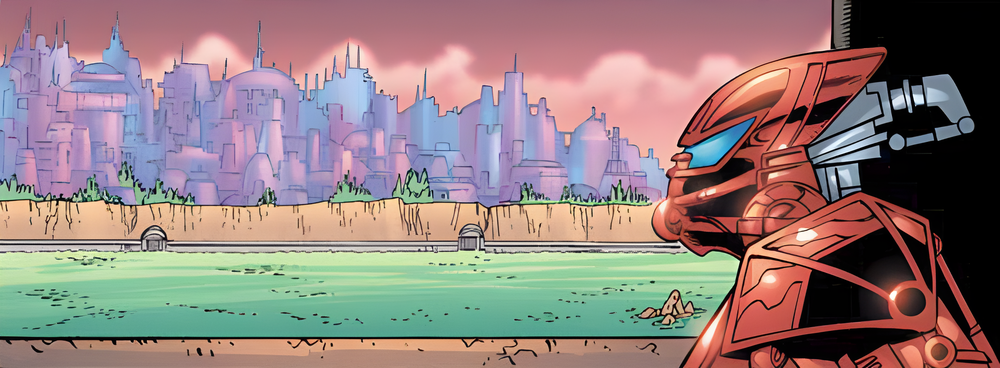
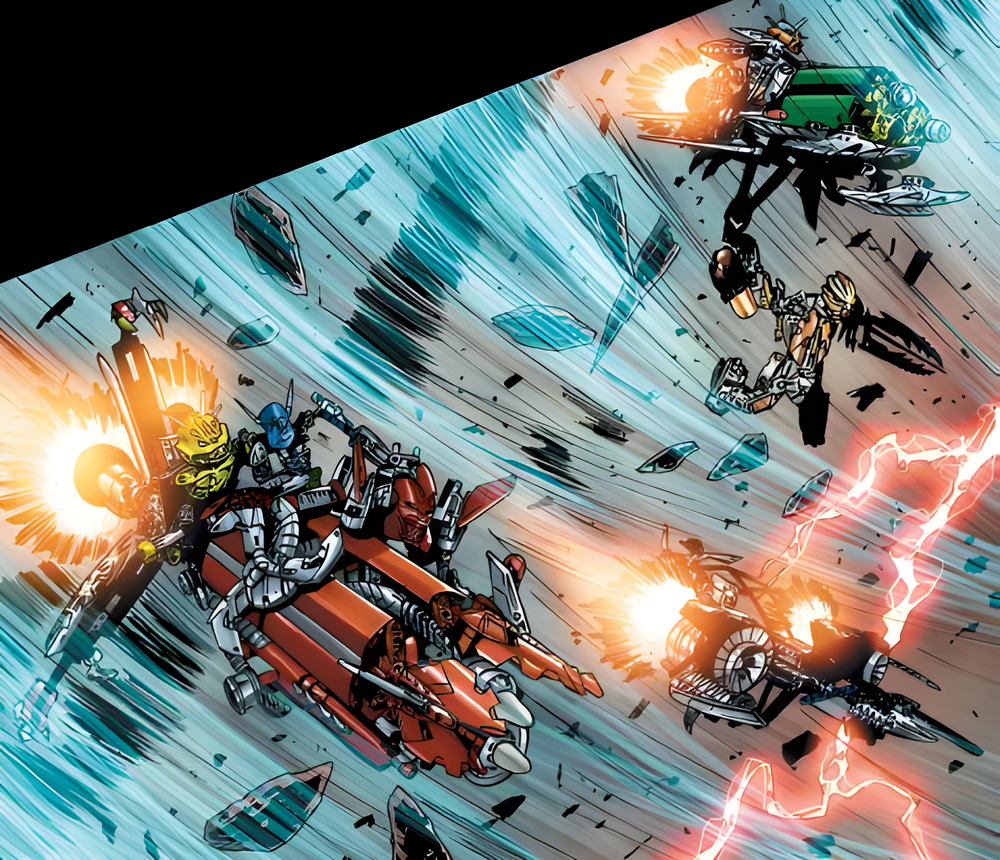
The empty village was destroyed shortly afterward. When the Toa NuvaToa NuvaThe form the Toa Mata took after stepping into the Energized Protodermis beneath the Bahrag, with new masks, new tools, and the elemental scale to fight Karda Nui. travelled to MangaiaMangaia: Teridax's lair beneath Mata NuiMangaia was Teridax's hidden lair beneath the island of Mata Nui. It held a pool of Energized Protodermis used to make Infected Kanohi and Rahkshi. and released the BohrokBohrokHive-minded mechanical creatures designed to reshape worlds, the Bohrok represent a threat the Toa Mata never expected. swarms a second time, the unattended koro were overrun. Po-KoroPo-KoroPo-Koro was the Po-Matoran village in Po-Wahi, led by Turaga Onewa and guarded by Toa Pohatu, reached through a single statue-lined road called the Path of Prophecies. was reduced to ruin by the swarms in the course of their resumed cleansing work, and the stadium fell with the rest of the village's infrastructure. No record indicates any attempt at reconstruction. The MatoranMatoranThe most abundant species in the Matoran Universe, chosen by Mata Nui to inhabit and maintain his cosmic body. population was by that point committed to the rebuilding of Metru NuiMetru NuiThe city beneath Mata Nui functions as the Great Spirit's brain, housing the Matoran whose labor keeps the god alive., and the village-based KolhiiKolhiiKolhii was the inter-village sport of Mata Nui, grown out of the older game of koli and played by all six Koro until the Matoran left the island. structure that the field had served no longer existed in any organized form.
The stadium's significance in MatoranMatoranThe most abundant species in the Matoran Universe, chosen by Mata Nui to inhabit and maintain his cosmic body. memory rested on its continuous role across the surface era as the home field of the most consistently strong village team, the training venue at which HewkiiHewkiiHewkii rose from Po-Metru Matoran to Mata Nui's foremost kolhii player, then served as Toa Inika and Toa Mahri through the late wars of the universe.'s standing as the island's foremost KolhiiKolhiiKolhii was the inter-village sport of Mata Nui, grown out of the older game of koli and played by all six Koro until the Matoran left the island. player was maintained, and the site at which Po-KoroPo-KoroPo-Koro was the Po-Matoran village in Po-Wahi, led by Turaga Onewa and guarded by Toa Pohatu, reached through a single statue-lined road called the Path of Prophecies.'s qualification for the championship at Ta-KoroTa-KoroTa-Koro was a settlement located in Ta-Wahi, home to the Ta-Matoran, Tahu, and Vakama, and formerly connected to Teridax. The settlement was ultimately destroyed. was secured.
Frequently asked questions
- What was the Po-Koro Kolhii Stadium?
- The Po-Koro Kolhii Stadium was the home Kolhii field of Po-Koro, set within the village in the desert of Po-Wahi. It served as the regular practice ground for the Po-Koro Kolhii Team and as the venue for the village's inter-koro fixtures during the post-Bohrok-Kal peace.
- How was the Po-Koro Kolhii Stadium built?
- The field reflected the local material economy, since Po-Matoran carvers worked principally in stone. Cut stone supplied tiered seating, marker posts, and the boundary walls of the playing surface, set within a flat clearing in the village's open ground.
- Who trained at the Po-Koro Kolhii Stadium?
- Hewkii and Hafu, the two Po-Matoran selected by Turaga Onewa as the village's official Kolhii pair, practiced on the home field. The stadium let Hewkii drill his striking and ball handling at speed and let Hafu test his defensive work against live opposition.
- What was the most prominent match held at the Po-Koro Kolhii Stadium?
- The most prominent match staged there was the regional fixture between the Po-Koro Kolhii Team and the Ko-Koro Kolhii Team, which the home side won in a landslide. That result confirmed Po-Koro's berth in the island-wide tournament at the new Ta-Koro stadium.
- What happened to the Po-Koro Kolhii Stadium?
- The stadium fell out of use with the rest of the village when the Matoran began their return to Metru Nui at the close of the surface era. When the Toa Nuva released the Bohrok swarms a second time, the empty Po-Koro was overrun and the stadium was destroyed with the rest of the village, with no record of any reconstruction.
Sources
- WikiKolhii, BS01 entry on the sport and its rules
- WikiPo-Koro, BS01 entry on the village
- WikiHewkii, BS01 entry on the village's foremost player
- WikiHafu, BS01 entry on the carver and second team member
- VideoBIONICLE: Mask of Light, Primary depiction of Po-Koro Kolhii practice and the championship run
Spotted a factual error or a primary source we missed? Email a correction. Every flagged claim gets reviewed.
Followed from this entry
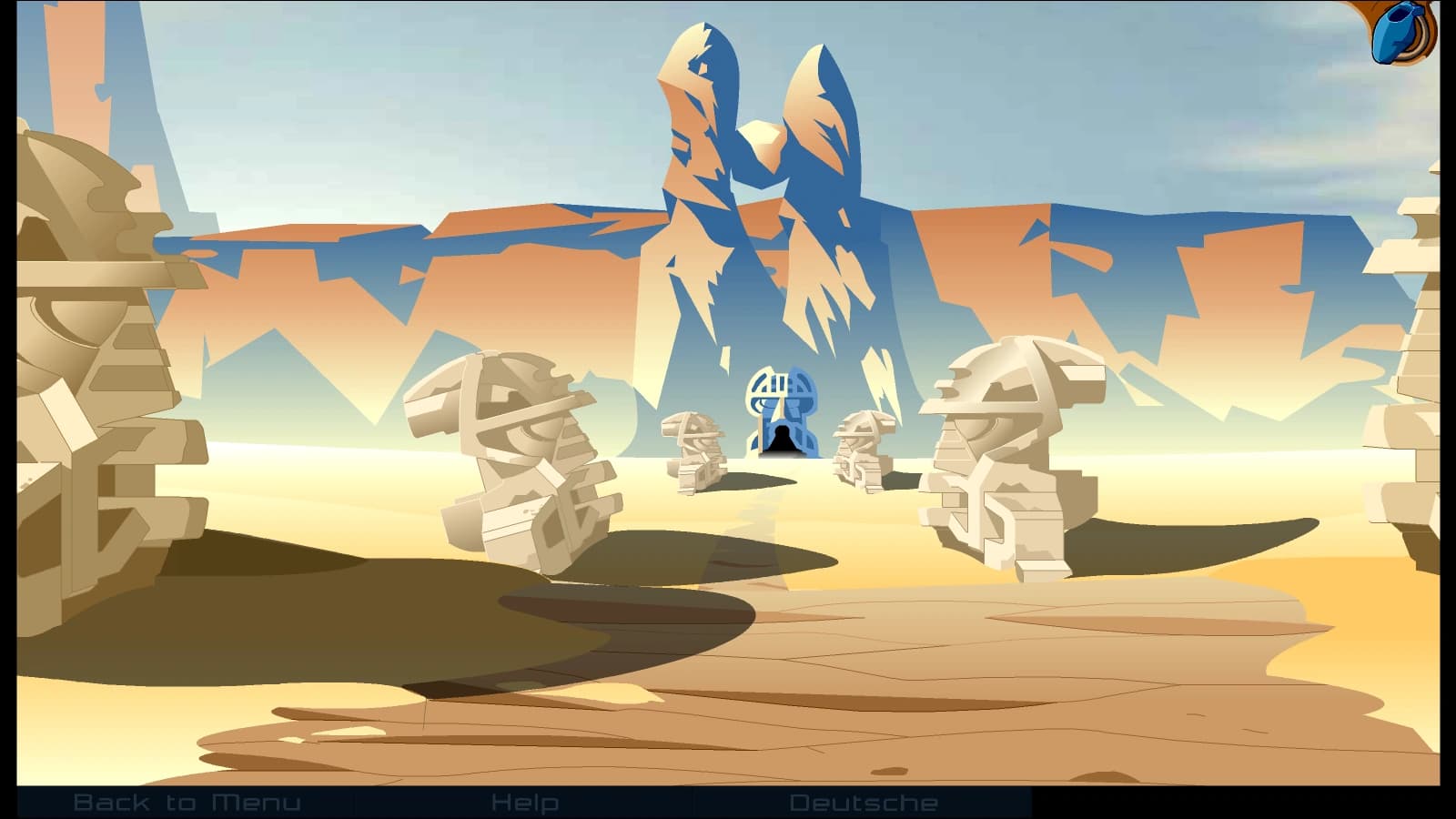
Path of Prophecies
The carved statue road in Po-Wahi that led to Po-Koro's entrance, sculpted by Hafu and the Po-Matoran carvers, used as a defensive barrier in the Bohrok War, and destroyed when the Toa Nuva reawakened the swarms.

Po-Koro
Po-Koro was the Po-Matoran village in Po-Wahi, led by Turaga Onewa and guarded by Toa Pohatu, reached through a single statue-lined road called the Path of Prophecies.
Mangaia: Teridax's lair beneath Mata Nui
Mangaia was Teridax's hidden lair beneath the island of Mata Nui. It held a pool of Energized Protodermis used to make Infected Kanohi and Rahkshi.

Kolhii
Kolhii was the inter-village sport of Mata Nui, grown out of the older game of koli and played by all six Koro until the Matoran left the island.
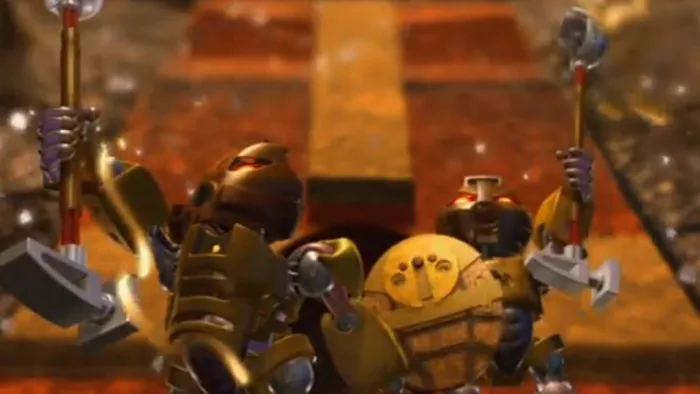
Po-Koro Kolhii Team
Hewkii and Hafu were the heavy favourites of the Mata Nui Kolhii Championship, until the Ga-Koro pairing of Hahli and Macku upset them in the final at Ta-Koro.
Wahi
The Matoran word for region. The six Wahi of Mata Nui were the six elemental territories that made up the island before the Bohrok cleared its surface.
Mentioned in1 entry
Get new articles in your inbox
No spam. New lore drops, canon conflicts, and deep dives only when they’re worth reading.
Some links on Lore Fortress are affiliate links. If you buy through them we earn a small commission at no extra cost to you.