Kolhii
Kolhii was the inter-village sport of Mata Nui, grown out of the older game of koli and played by all six Koro until the Matoran left the island.
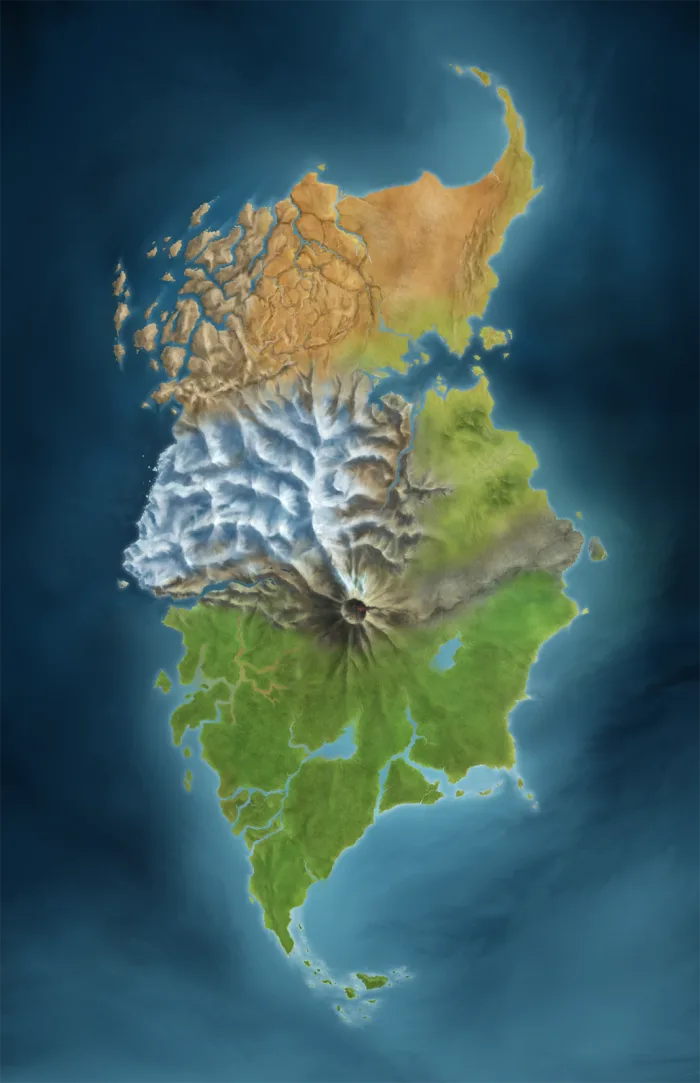
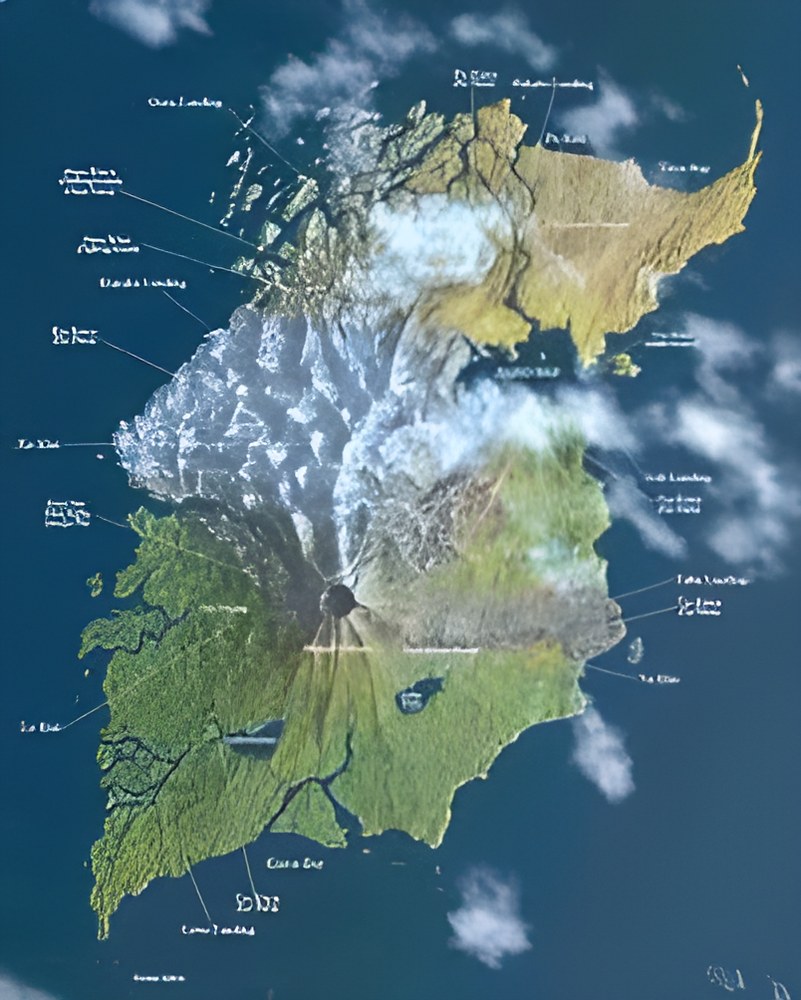
Kolhii was the most popular game played by MatoranMatoranThe most abundant species in the Matoran Universe, chosen by Mata Nui to inhabit and maintain his cosmic body. on the island of Mata NuiMata Nui (Location)An island created by accident on the Great Spirit's face, home to the Matoran for a thousand years., with teams from each village competing in matches and, after the defeat of the Bohrok-KalBohrok-KalSix elite Bohrok designed to free the imprisoned Bahrag, they nearly defeated the Toa Nuva before the Toa turned their own powers against them., a great island-wide tournament. It grew out of koli, an older kicking game, and took the staff-and-ball form it is best known for during the Bohrok invasion. The tournament's final at the Ta-Koro Kolhii StadiumTa-Koro Kolhii StadiumThe largest Kolhii venue on Mata Nui, host to the championship match in which the Mask of Light first appeared before the public eye. was where the AvohkiiAvohkiiThe Avohkii is the Mask of Light, a golden mask that granted its wearer the power of Light and the ability to spread understanding. It was worn by Toa Takanuva. first fell into public view. (Mata Nui Online Game; Mata Nui Online Animations; BIONICLE: Mask of Light)
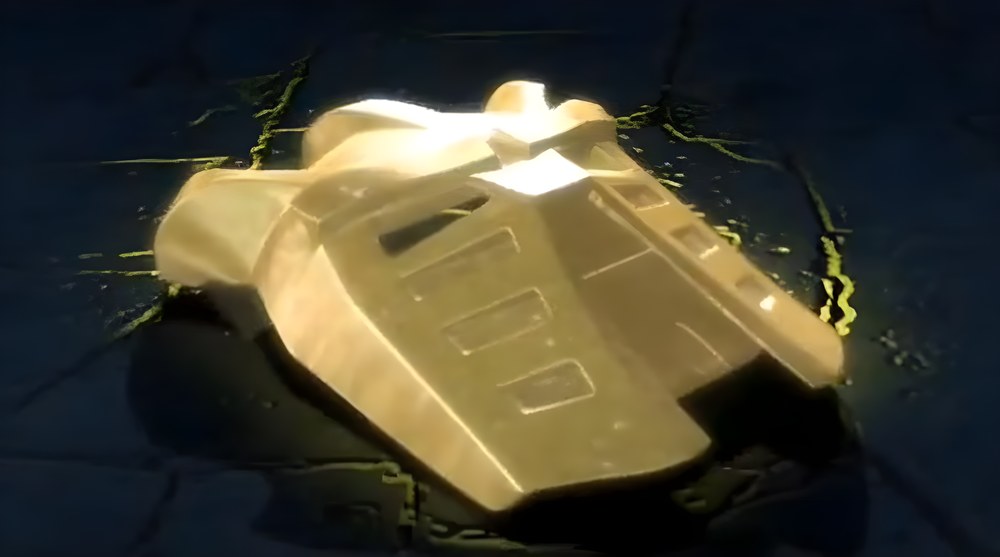
Akilini and koli#
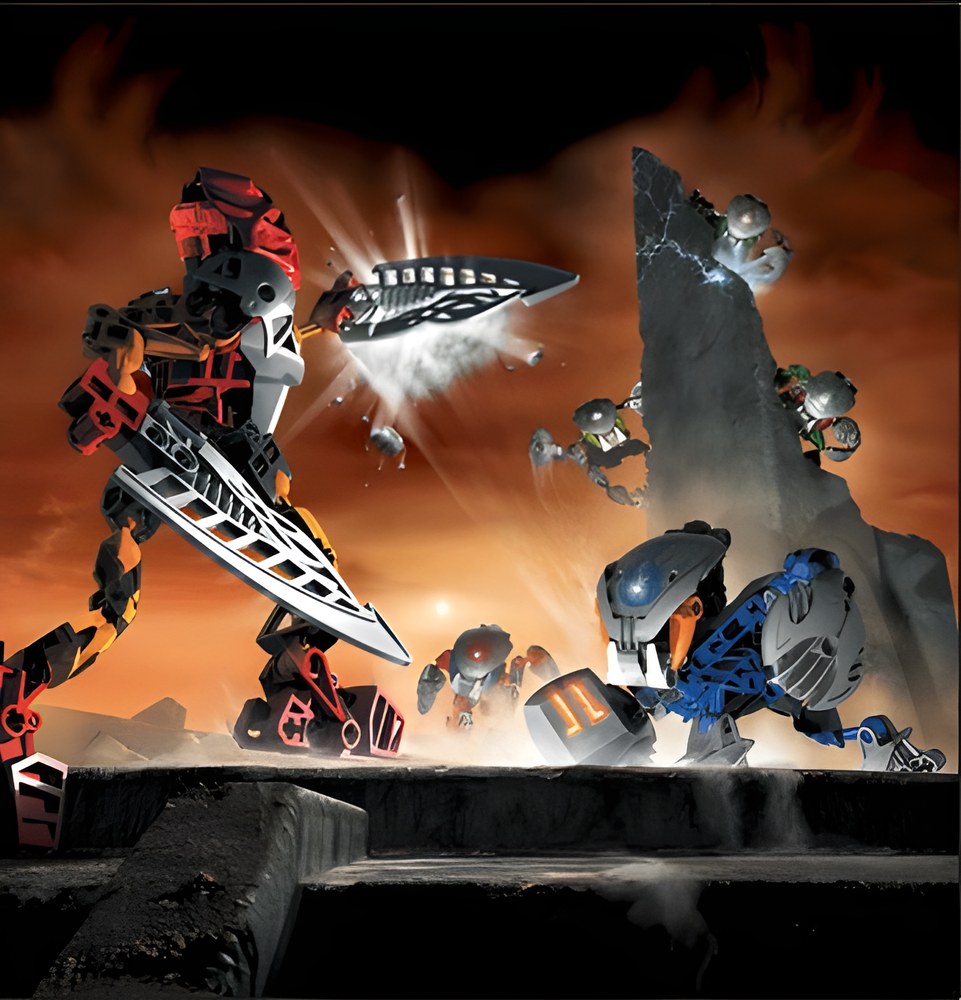
Kolhii wasn't a direct descendant of AkiliniAkiliniAkilini was the official sport of Metru Nui, in which Matoran surfed on Kanoka disks and threw others through scoring hoops, with tournaments held on the shifting floor of the Coliseum., the official sport of Metru NuiMetru NuiThe city beneath Mata Nui functions as the Great Spirit's brain, housing the Matoran whose labor keeps the god alive., in which Matoran surfed on Kanoka disks and threw others through scoring hoops. The two filled the same place in their societies, though, and the Copper Mask of VictoryCopper Mask of VictoryA powerless ceremonial Kanohi first awarded to akilini champions in Metru Nui and later to the champions of the villages of Mata Nui, forged in the shape of a Noble Huna or Komau. linked them: first given to akilini champions, the masks were brought to Mata Nui by the Toa Metru and awarded there to the winners of the villages' games. (BIONICLE: Encyclopedia Updated)
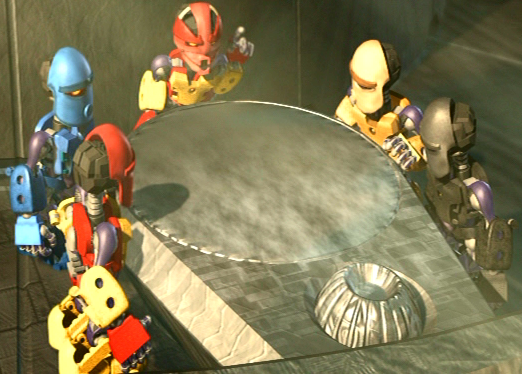
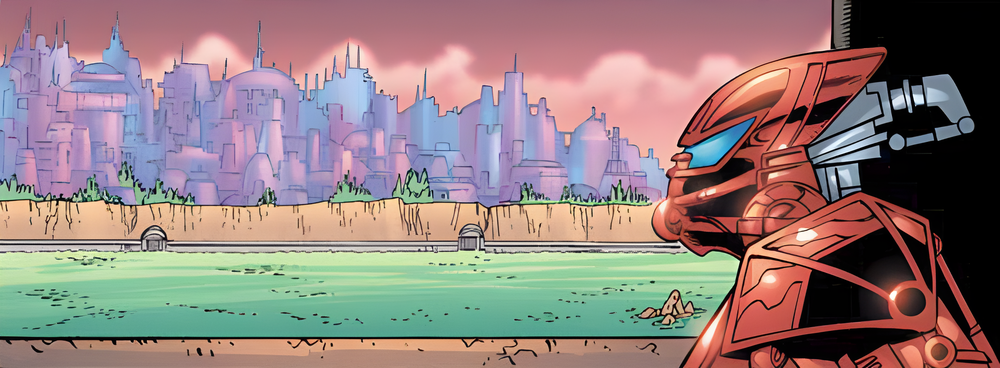
Akilini tournaments were played in the ColiseumThe ColiseumCentral tower of Metru Nui, serving as government seat, akilini arena and, during Teridax's masquerade, the place from which the city's Matoran were rounded up into spheres., whose floor could shift to throw obstacles in the players' way. (BIONICLE 2: Legends of Metru Nui)
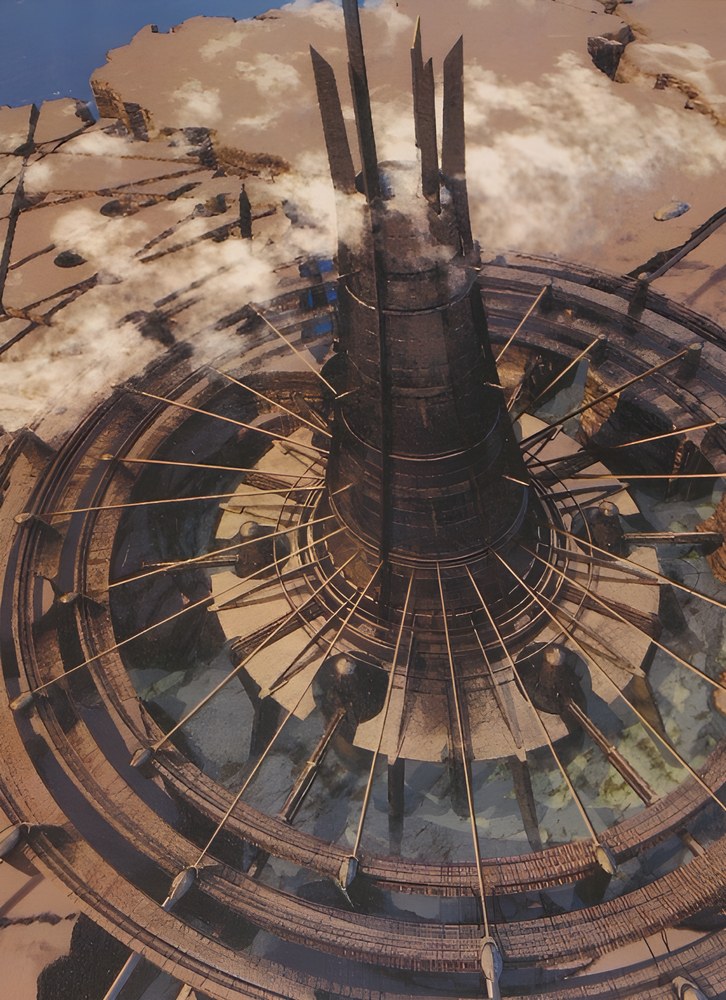
When the MatoranMatoranThe most abundant species in the Matoran Universe, chosen by Mata Nui to inhabit and maintain his cosmic body. were carried from the city to Mata NuiMata Nui (Location)An island created by accident on the Great Spirit's face, home to the Matoran for a thousand years. and woken by the Toa MetruToa Metru and Toa HordikaSix Matoran elevated by Lhikan to save their city, mutated by Visorak venom, and restored in time to deliver the population to safety., they had lost their memories of Metru Nui, akilini included. (BIONICLE: World)
The game that took root on the island was koli, in which players kicked a ball at the goals rather than hitting it. It was above all a Po-KoroPo-KoroPo-Koro was the Po-Matoran village in Po-Wahi, led by Turaga Onewa and guarded by Toa Pohatu, reached through a single statue-lined road called the Path of Prophecies. passion, with fans packing the stands of the village's koli field, and PohatuPohatuPohatu was the Toa Mata and Toa Nuva of Stone, guardian of Po-Wahi, whose speed and steady humour anchored the team through every era of the Matoran Universe. himself was a formidable kicker. (Mata Nui Online Game)
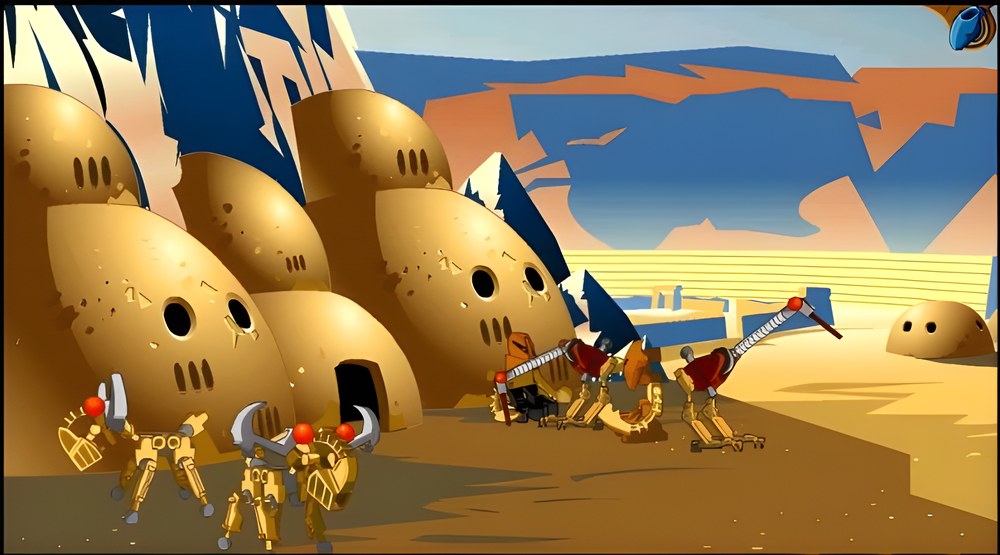
The reinvention at Ga-KoroKoroThe Koros were the six elemental villages built on Mata Nui after the Great Rescue, on sites the Toa Metru had chosen, each tied to one element and one Turaga.#
The modern form of Kolhii came out of the BohrokBohrokHive-minded mechanical creatures designed to reshape worlds, the Bohrok represent a threat the Toa Mata never expected. invasion. Driven out of Po-Koro by the Tahnok, the Po-Matoran fled to Ga-KoroGa-KoroGa-Koro is a village on the island of Mata Nui, inhabited by the Ga-Matoran and associated with both Nokama and Gali. The settlement was formerly under the power of Teridax., and a PahrakPahrakStone-aligned Bohrok swarm units that forced the Toa Mata to realize they couldn't win through isolated victories. swarm attacked almost as soon as they arrived. When a chunk of debris came hurtling at Maku, later MackuMackuMacku was a Ga-Matoran of Metru Nui and later Ga-Koro, attendant to Turaga Nokama, Kolhii partner to Hahli at the championship at Ta-Koro, and a member of the Chronicler's Company., Huki, later HewkiiHewkiiHewkii rose from Po-Metru Matoran to Mata Nui's foremost kolhii player, then served as Toa Inika and Toa Mahri through the late wars of the universe., saved her by catching it in a nearby Ga-MatoranGa-MatoranThe Water-element Matoran of Ga-Metru and Ga-Koro, a female Matoran type, who filled the schools of Metru Nui and crewed the boats of the Mata Nui coast. fishing staff. (Mata Nui Online Animations)
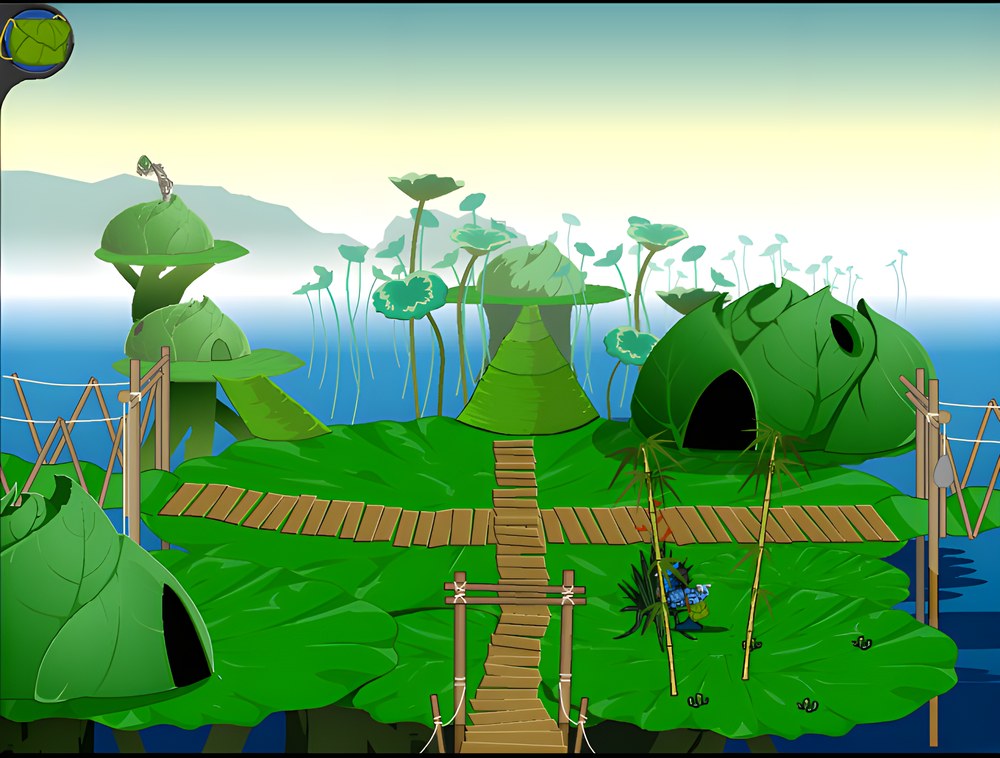
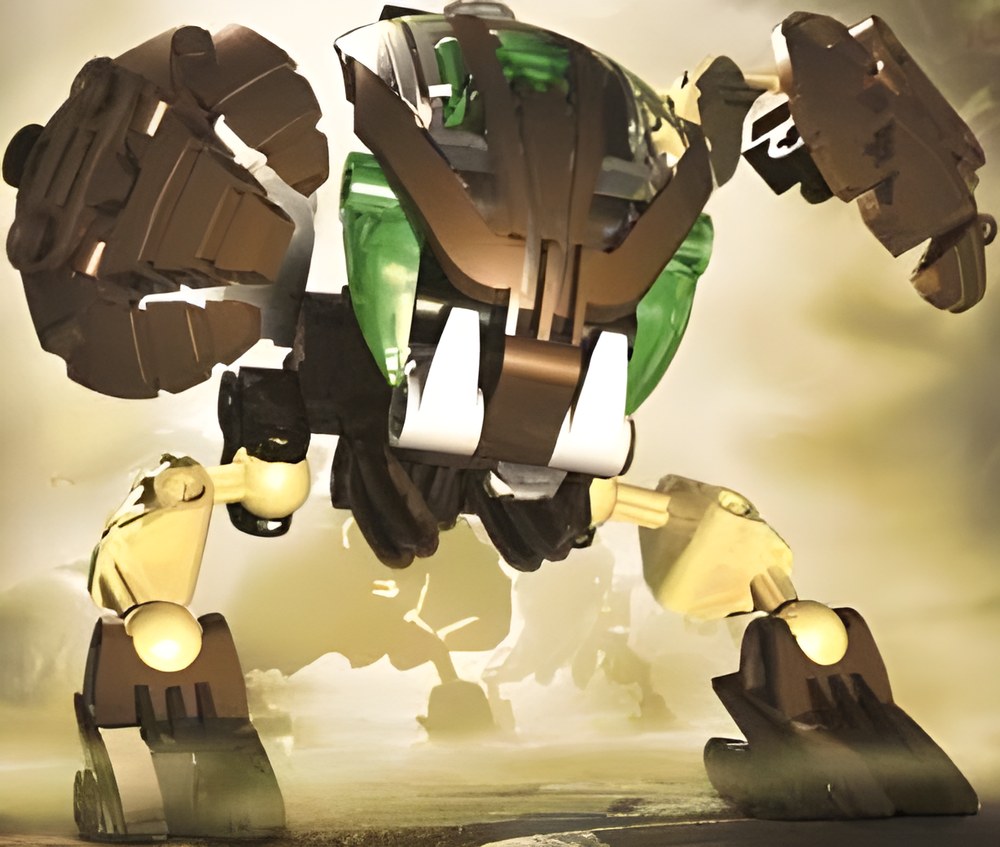
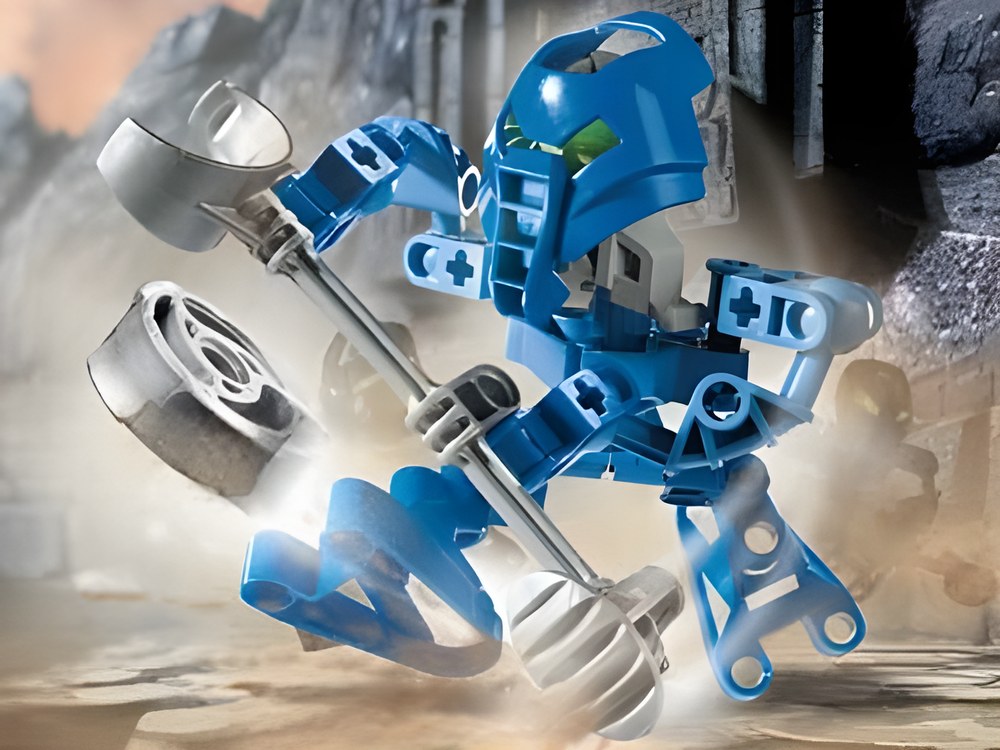
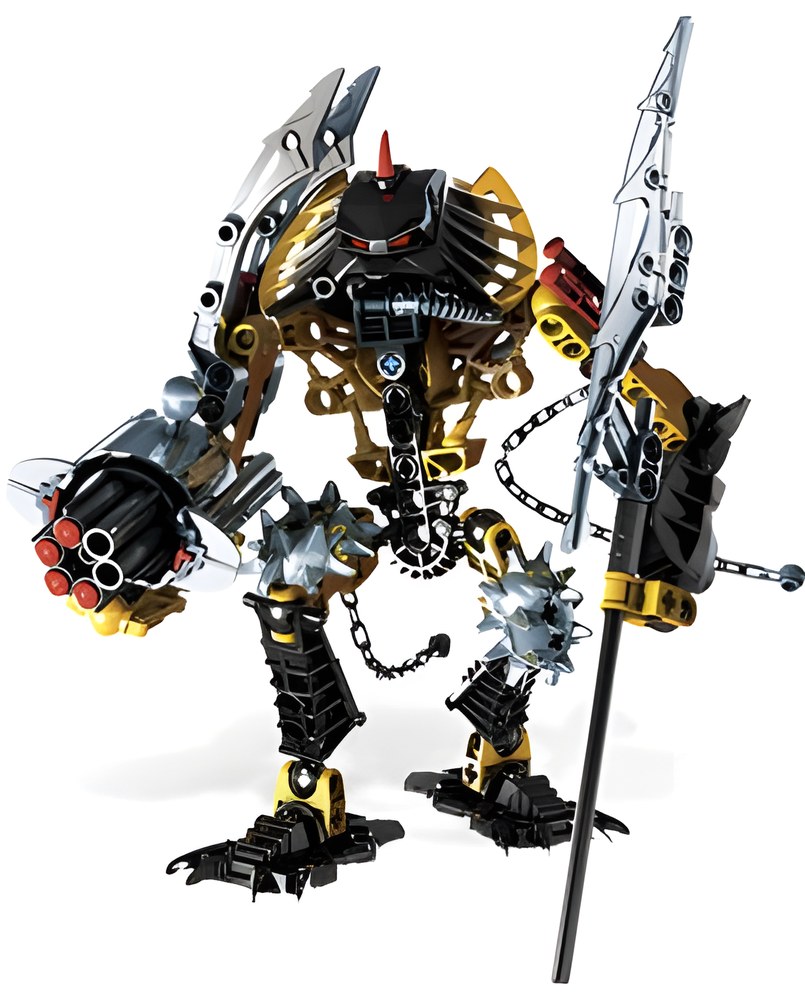
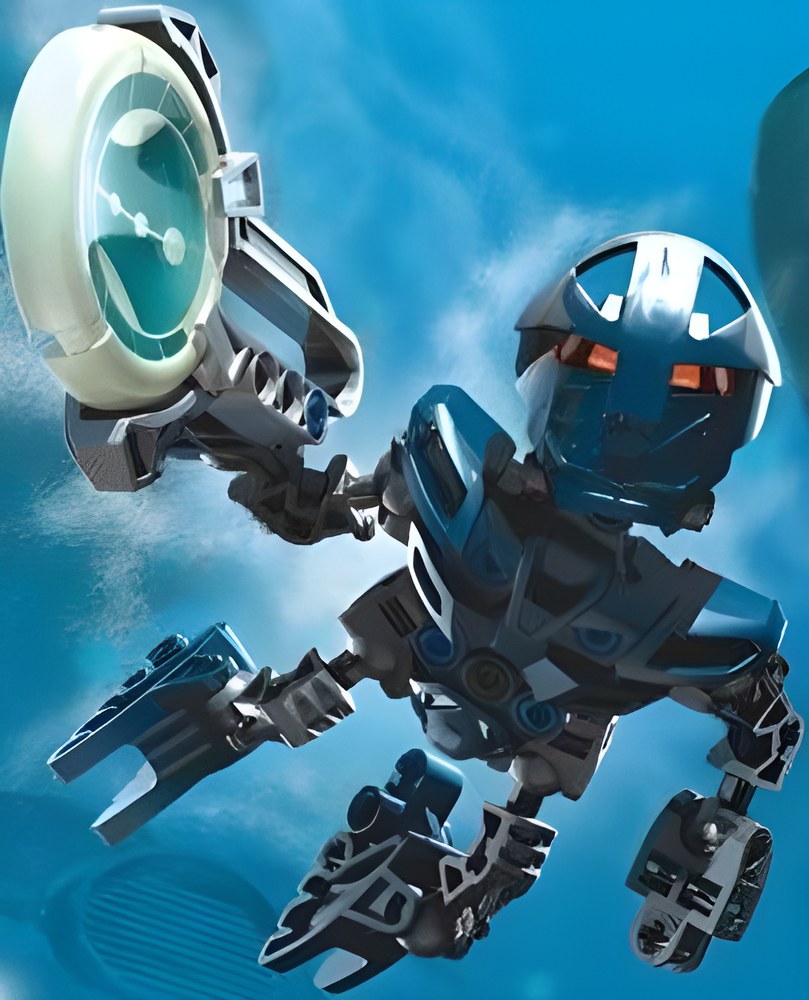
That catch inspired a new form of koli, in which players used staffs instead of kicking the ball. The Kolhii StickKolhii StickFrom Ga-Matoran fishing pole to hero's staff, the Kolhii stick was never meant for combat but excelled at sport. and a new, smaller ball followed. After the Bohrok-Kal were defeated, Turaga OnewaOnewaOnewa served as Toa Metru of Stone, led Po-Koro through the Dark Time, and constructed the Metru Nui statue honoring the fallen Toa Mahri Matoro. announced, after consulting Pohatu Nuva, that the new form of koli played with Ga-Koro net-staffs would become Po-Koro's official sport of Kolhii. (Mata Nui Online Animations; Wall of History)
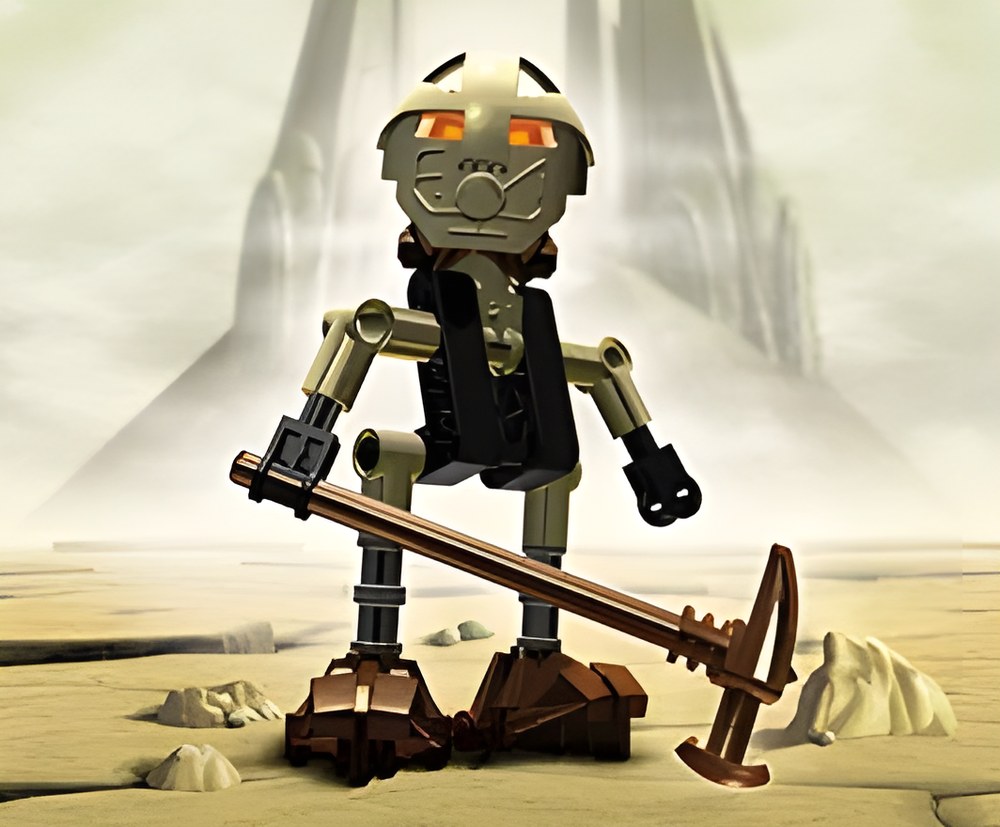
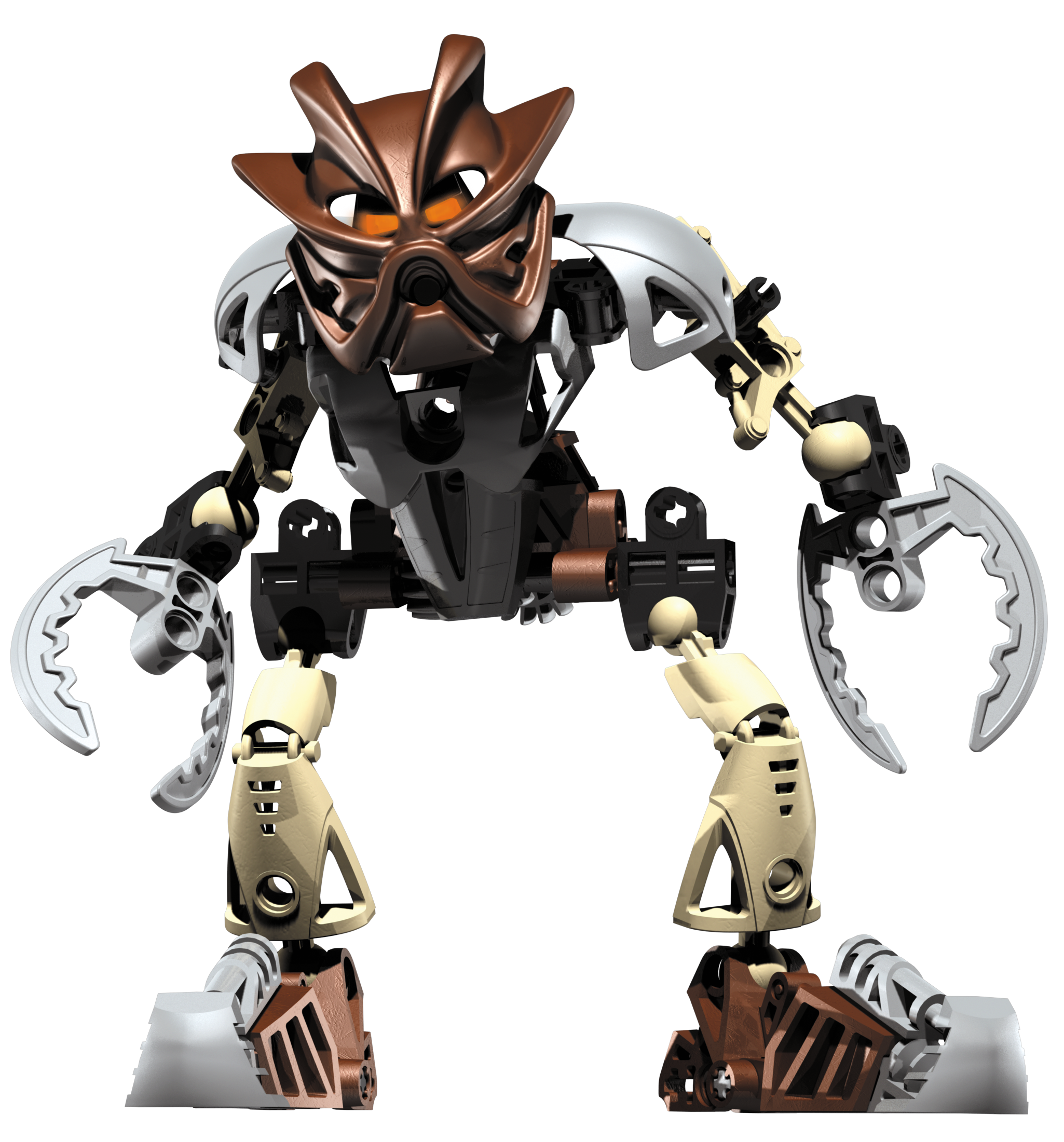
Po-KoroPo-KoroPo-Koro was the Po-Matoran village in Po-Wahi, led by Turaga Onewa and guarded by Toa Pohatu, reached through a single statue-lined road called the Path of Prophecies. stayed the strongest side, undisputed champions season after season, and PohatuPohatuPohatu was the Toa Mata and Toa Nuva of Stone, guardian of Po-Wahi, whose speed and steady humour anchored the team through every era of the Matoran Universe. was the sport's patron Toa. HewkiiHewkiiHewkii rose from Po-Metru Matoran to Mata Nui's foremost kolhii player, then served as Toa Inika and Toa Mahri through the late wars of the universe., Po-Koro's star player and a winner of the Copper Mask, was the island's best-known player going into the tournament. (BIONICLE: Encyclopedia Updated; BIONICLE: Mask of Light (novelisation); Mata Nui Online Game)
The six village teams#
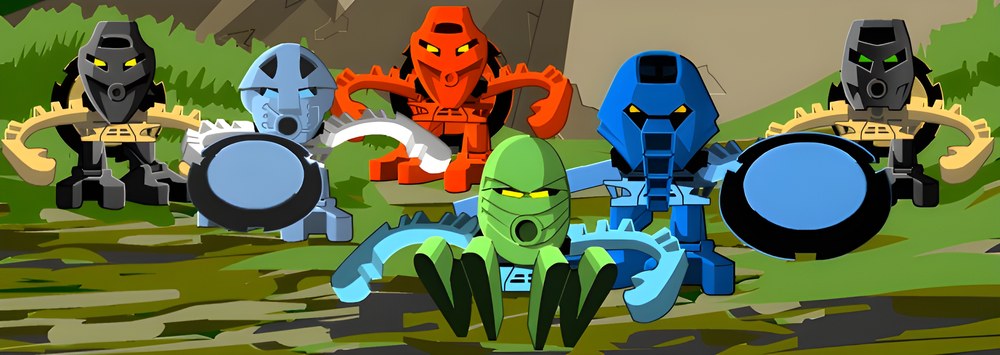
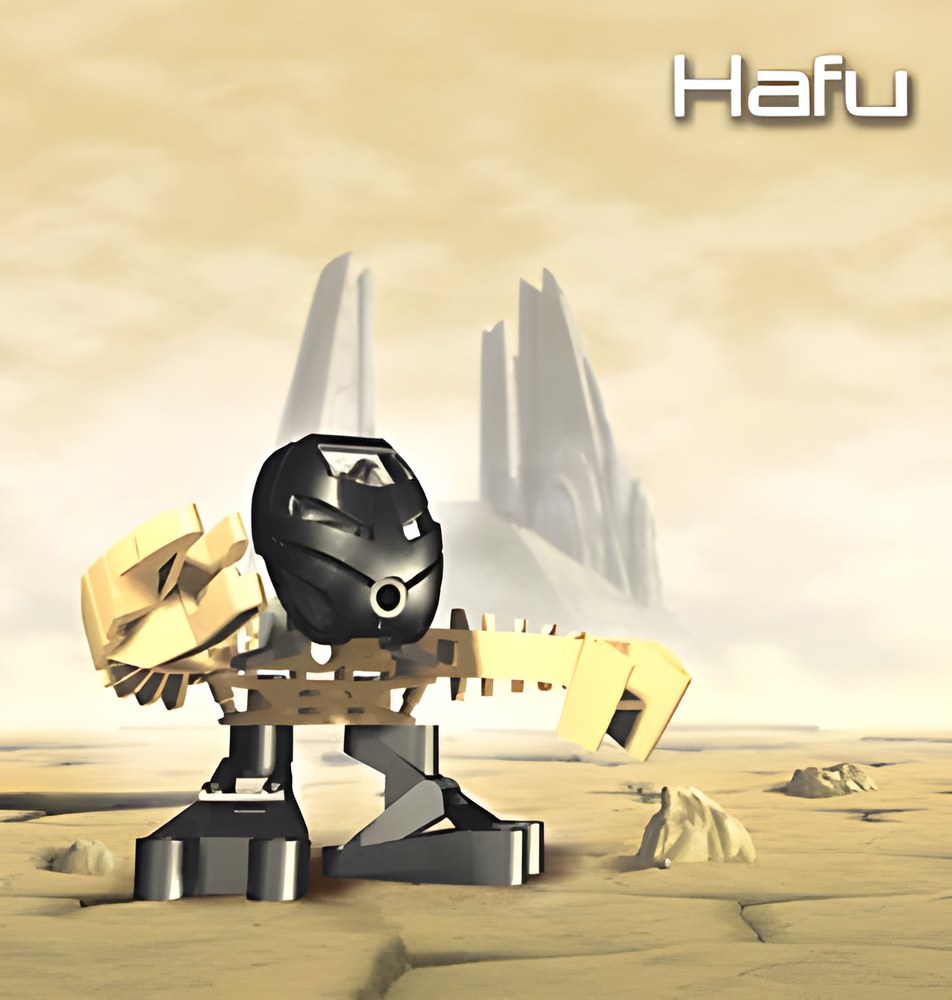
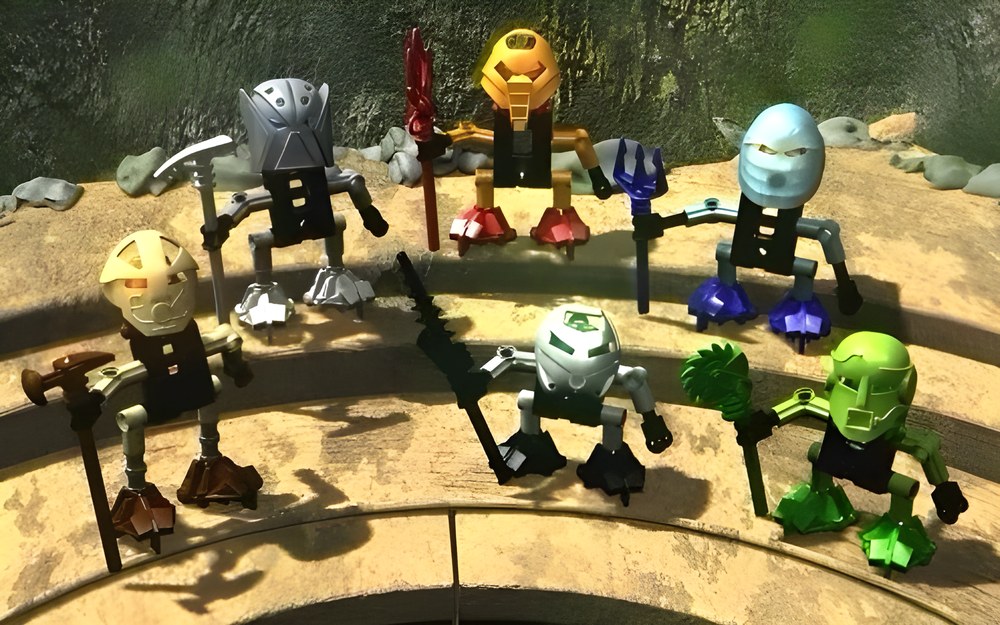
For the tournament, each of the six villages fielded a two-player team, a forward and a goalkeeper. The Po-KoroPo-KoroPo-Koro was the Po-Matoran village in Po-Wahi, led by Turaga Onewa and guarded by Toa Pohatu, reached through a single statue-lined road called the Path of Prophecies. team was HewkiiHewkiiHewkii rose from Po-Metru Matoran to Mata Nui's foremost kolhii player, then served as Toa Inika and Toa Mahri through the late wars of the universe. and HafuHafuHafu was a Po-Matoran Carver of Po-Koro, recognized as a Master Carver, who served in the Chronicler's Company and survived the Reign of Shadows., the village's master carver. The Ga-Koro Kolhii TeamGa-Koro Kolhii TeamThe Ga-Matoran pair that won the Mata Nui kolhii championship at Ta-Koro, after Turaga Nokama picked Hahli for the team over Kotu. paired HahliHahliA Ga-Matoran scholar who rose to become Chronicler of Mata Nui, then Toa Inika, then Toa Mahri of Water during the final crises of the Matoran Universe. and MackuMackuMacku was a Ga-Matoran of Metru Nui and later Ga-Koro, attendant to Turaga Nokama, Kolhii partner to Hahli at the championship at Ta-Koro, and a member of the Chronicler's Company.. The Ta-KoroTa-KoroTa-Koro was a settlement located in Ta-Wahi, home to the Ta-Matoran, Tahu, and Vakama, and formerly connected to Teridax. The settlement was ultimately destroyed. team paired TakuaTakuaAn Av-Matoran hidden on Mata Nui as a Ta-Matoran, who gathered the Toa Stones, served as Chronicler, and ultimately accepted the Avohkii to become Takanuva, the Toa of Light. with the captain of the Ta-Koro GuardTa-Koro GuardThe Ta-Koro Guard was the largest standing Matoran fighting force on Mata Nui, captained by Jaller and active from the early Rahi conflicts through the return to Metru Nui., JallerJallerJaller served as Captain of the Ta-Koro Guard, led the Toa Inika to Voya Nui, and commanded the Toa Mahri through the recovery of the Mask of Life.. (Mata Nui Online Game II: The Final Chronicle; BIONICLE: Mask of Light)
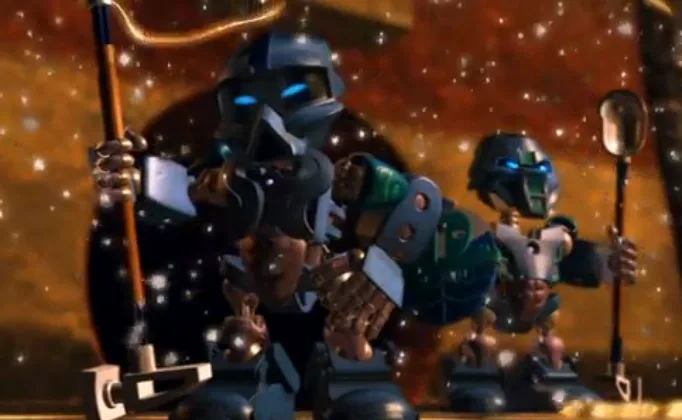
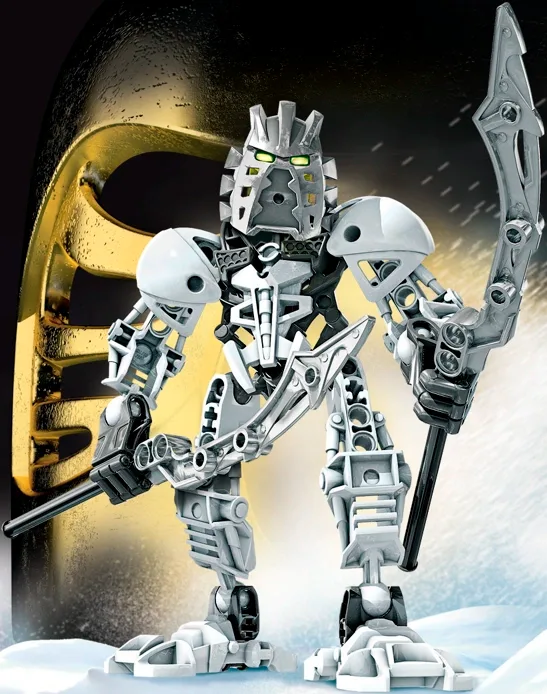
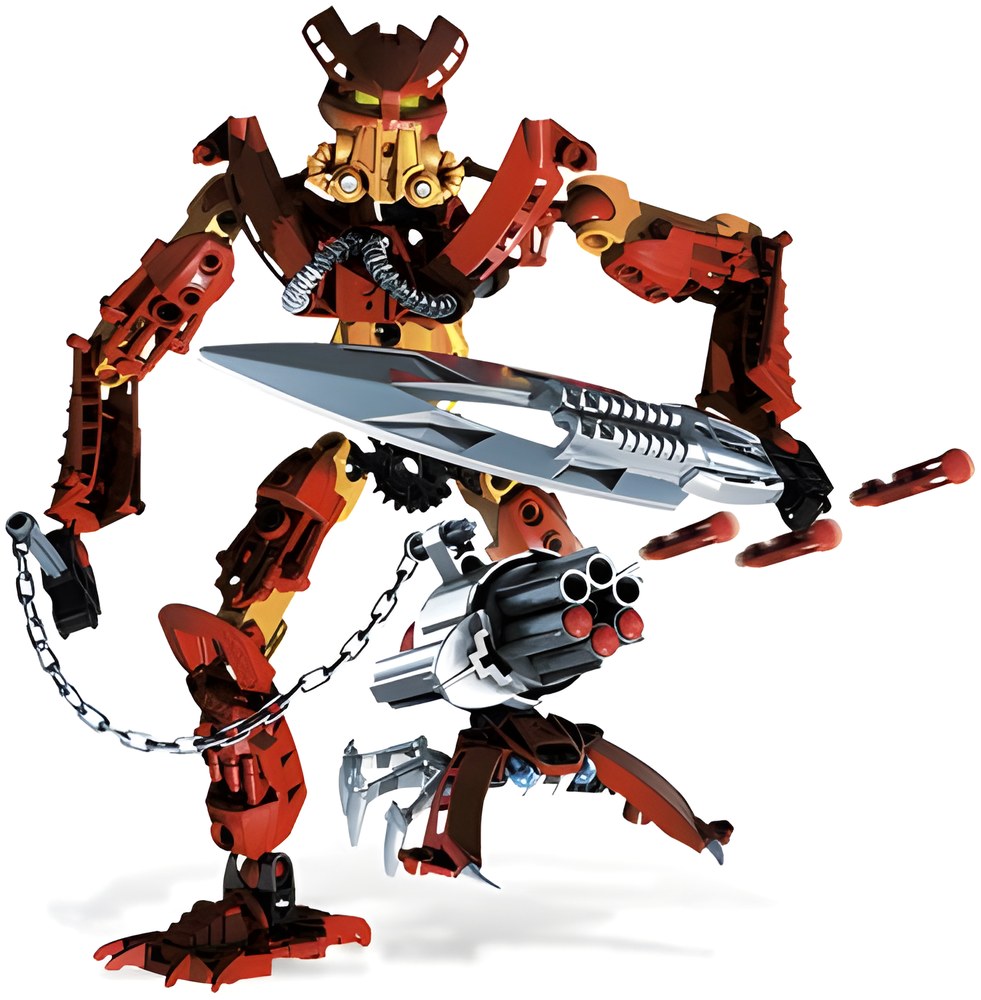
Le-KoroLe-KoroLe-Koro is a village situated within Le-Wahi, inhabited by the Le-Matoran and home to Turaga Matau and Toa Lewa. The settlement was once held under the control of Teridax. fielded KonguKonguKongu captained Le-Koro's Gukko Force before lightning from the red star turned him into a Toa of Air, who later served among the Toa Mahri. and TamaruTamaruTamaru was a Le-Matoran Forest Navigator of Le-Koro, Kongu's Kolhii partner, and the Le-Koro representative in the Chronicler's Company at the Battle of Kini-Nui., Ko-KoroKo-KoroKo-Koro is a location in Ko-Wahi, home to the Ko-Matoran and associated with both Nuju and Kopaka. Its exact size is unknown. fielded MatoroMatoroA quiet Ko-Matoran translator who became a Toa Inika and then a Toa Mahri, Matoro gave his life with the Mask of Life to restore Mata Nui. and KopekeKopekeKopeke was a Ko-Matoran ice carver of Ko-Koro who served in the Chronicler's Company at Kini-Nui and later became Chronicler of Metru Nui after Hahli., and Onu-KoroOnu-KoroOnu-Koro was the earth engineers' city, where underground isolation created one of Mata Nui's most self-sufficient settlements, until the Bohrok came. fielded OnepuOnepuOnepu is an Onu-Matoran and the High Commander of the Ussalry, bearing a Pakari and wearing the purple and black colors of his kind. Connected to the element of Earth, he resides on Spherus Magna. and TaipuTaipuTaipu is a black and tan Onu-Matoran of the element of Earth who resides on Spherus Magna. A miner by trade, he wields a pickaxe and wears the Kanohi Pakari.. (Mata Nui Online Game II: The Final Chronicle)
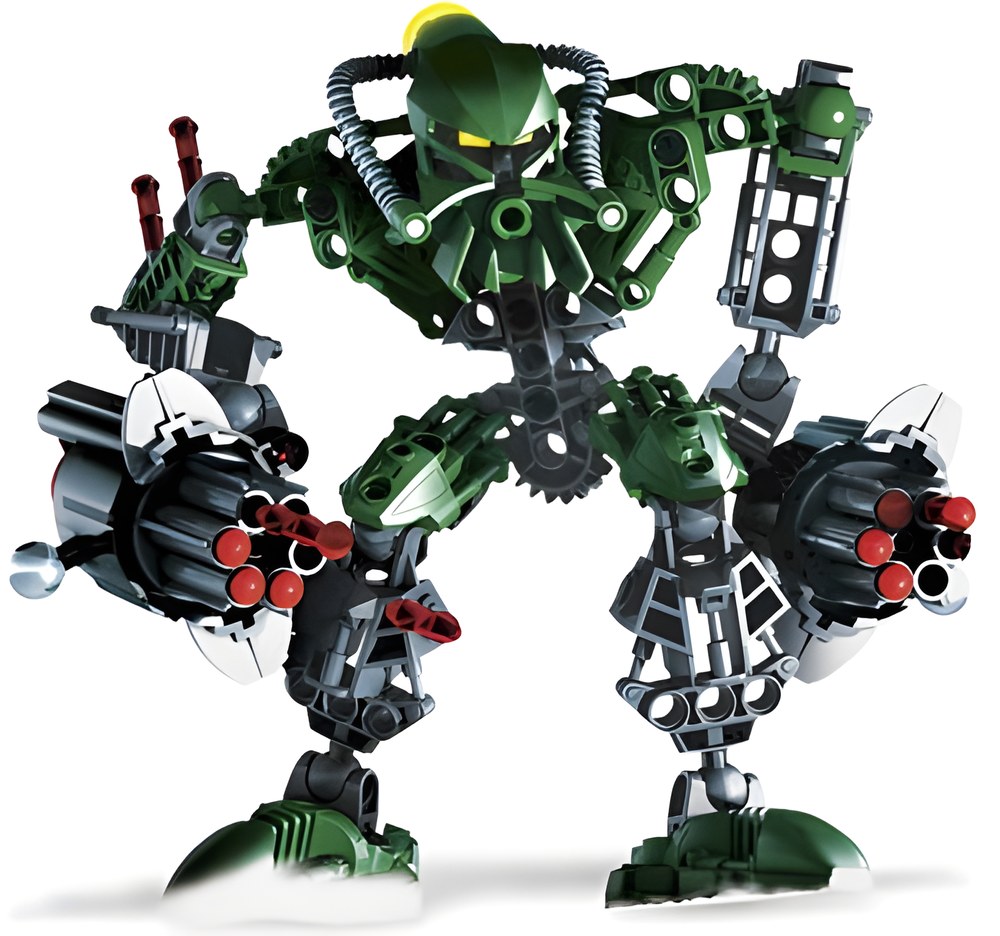
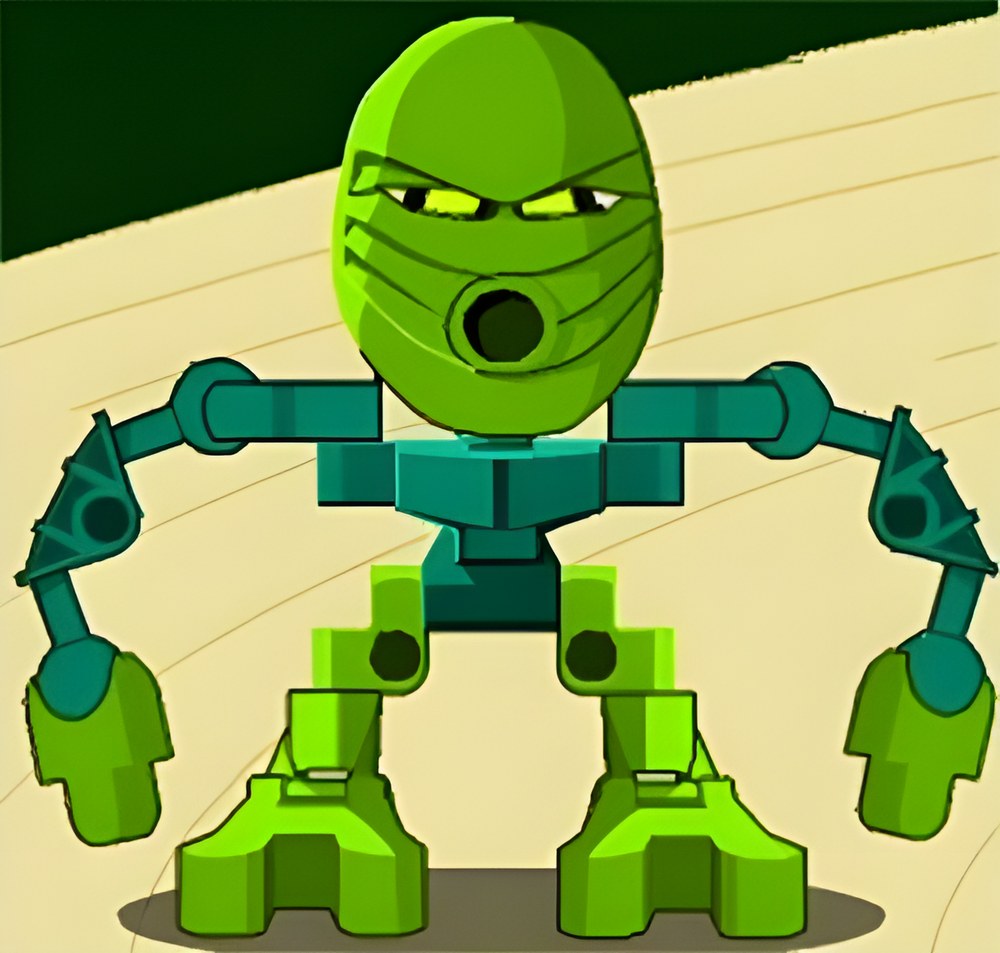
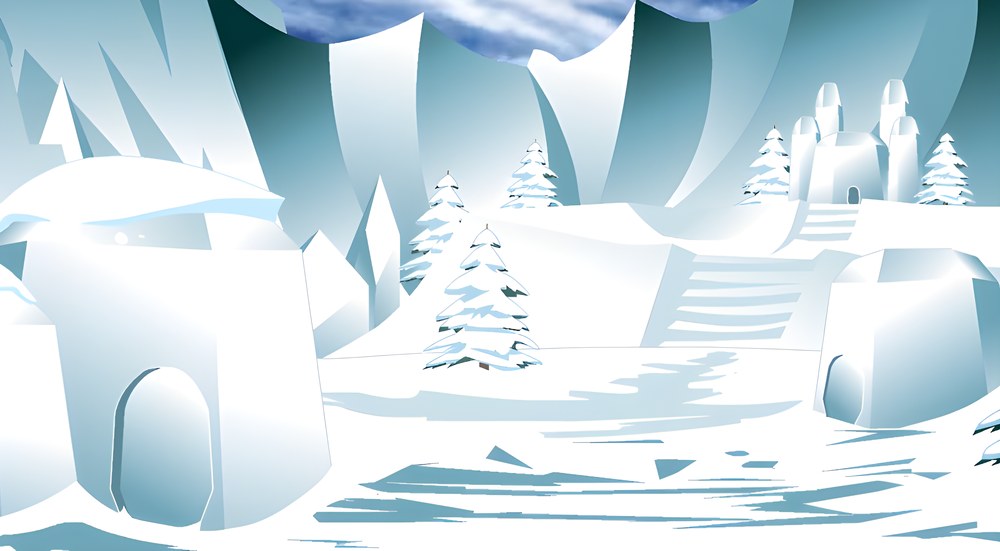
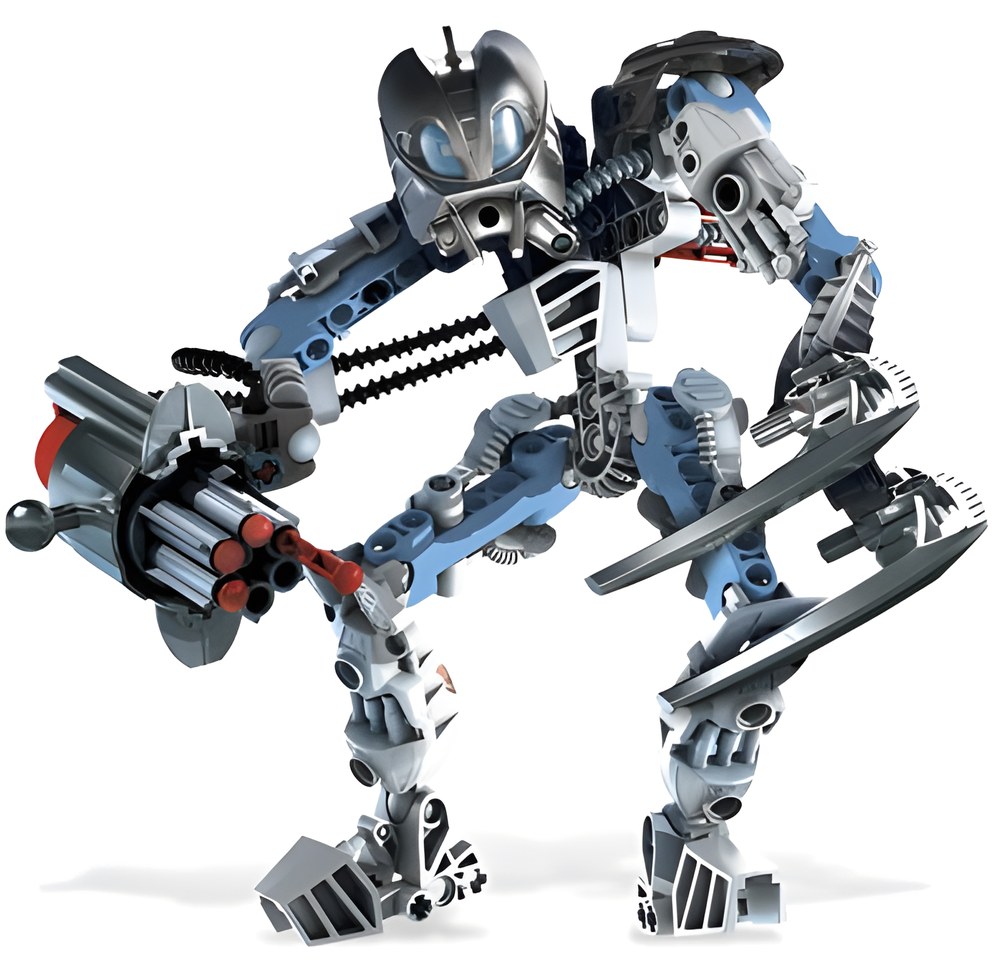
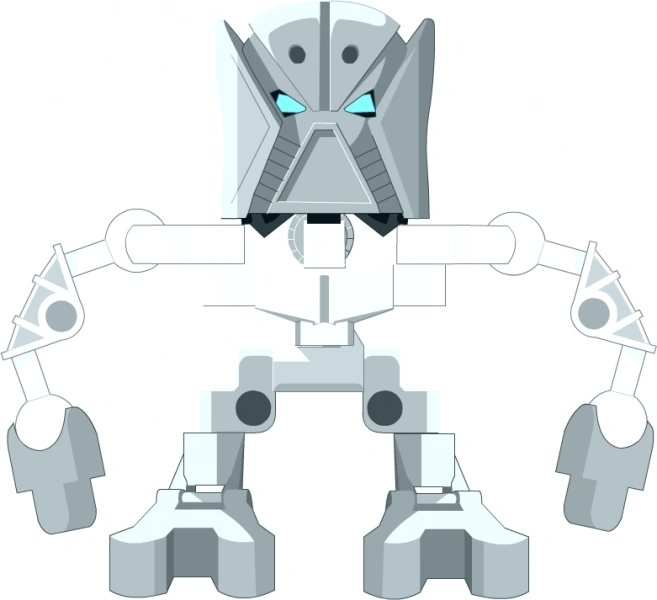
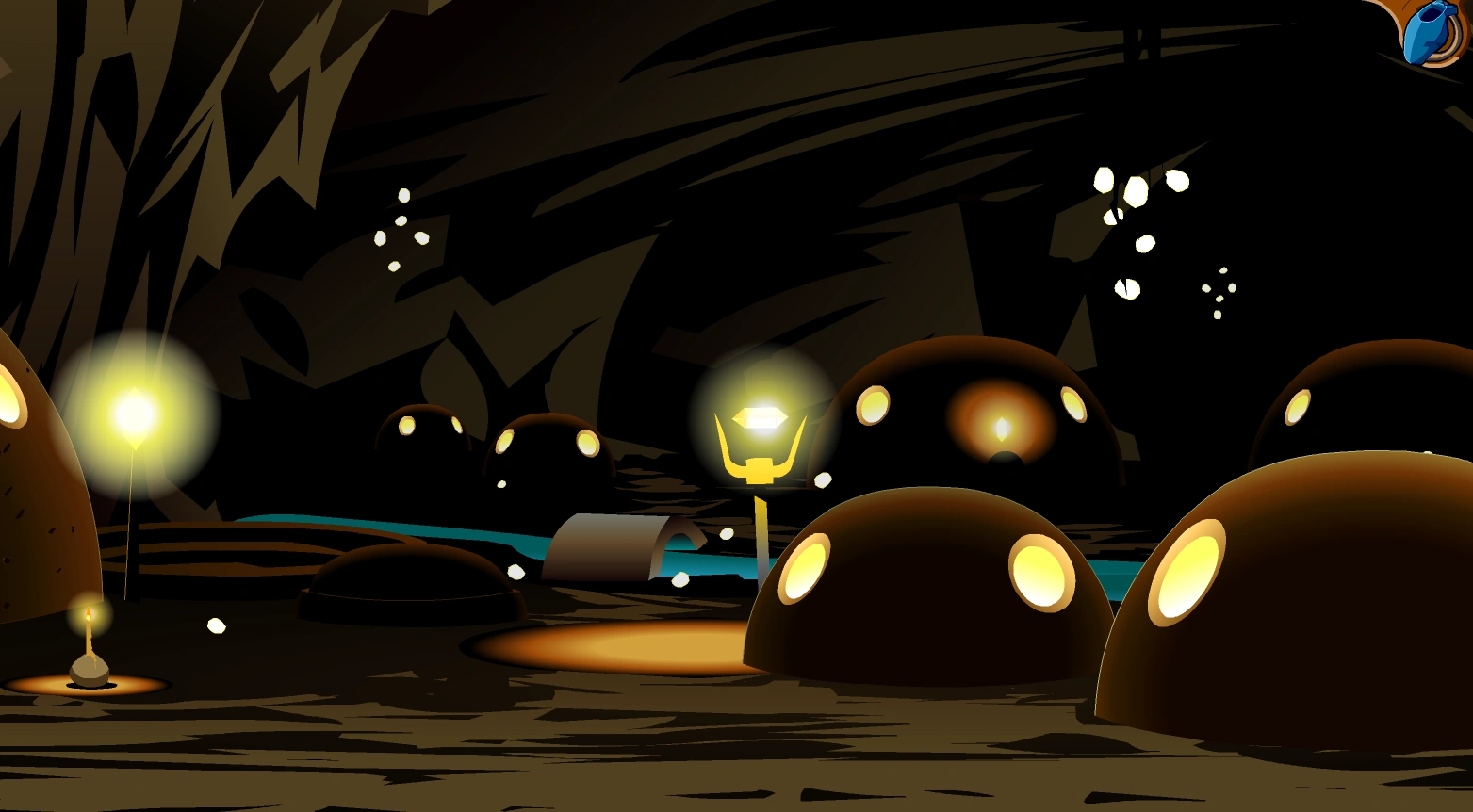
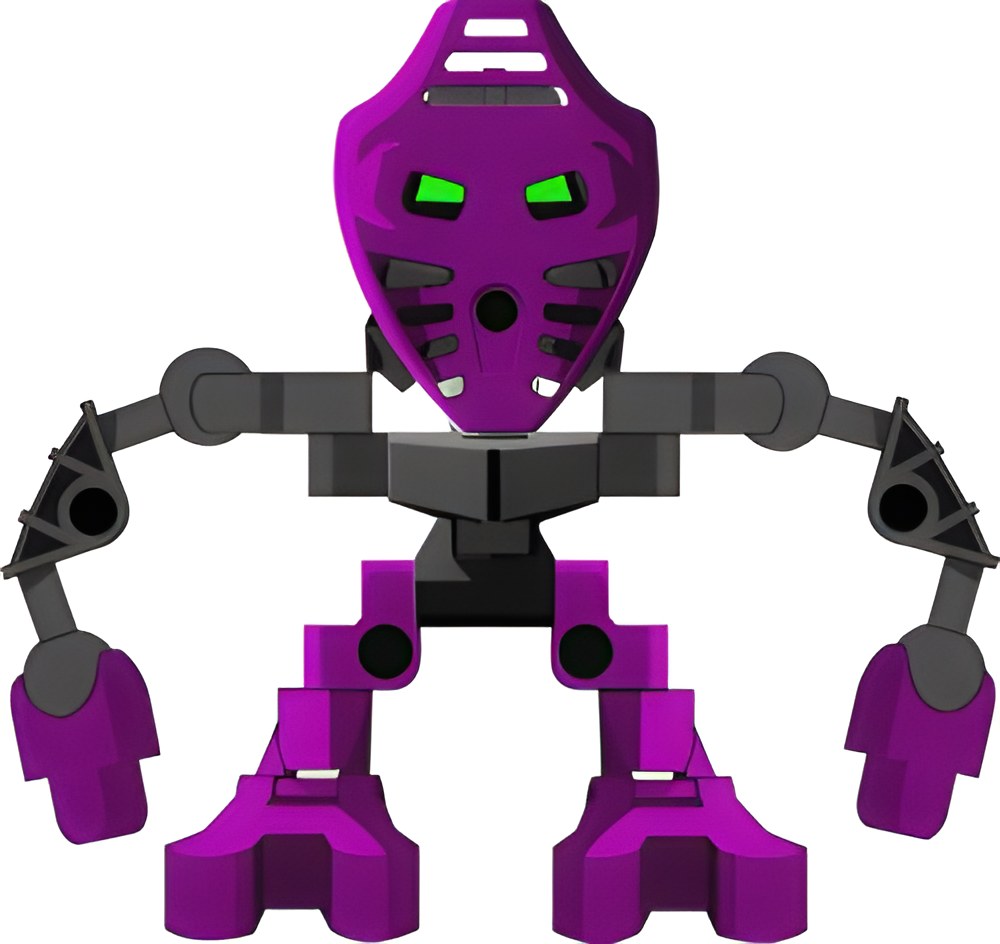
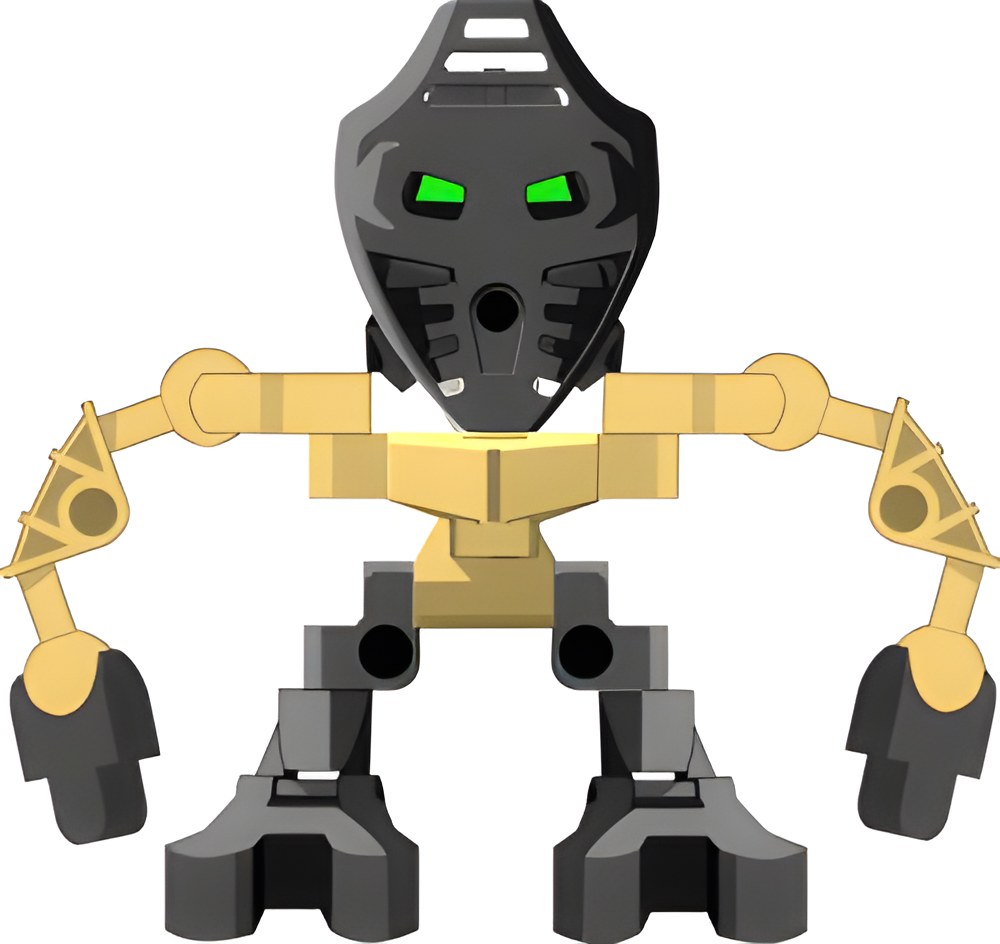
Each village's TuragaTuragaFormer Toa who fulfilled their destiny and transformed into leaders. Turaga wield Noble Kanohi masks and weakened elemental powers, guiding their communities. picked its players. Training meant learning the Kolhii skill tied to each village's principle, and a visiting team would often train with a local expert or carry out a task before a match. The players are sometimes called Kolhii ChampionsKolhii ChampionThe Matoran picked by their Turaga to represent each Koro in the post-Bohrok-Kal Kolhii tournament on Mata Nui, and the Ga-Koro pair who won it., though that was never a formal office. (Mata Nui Online Game II: The Final Chronicle)
Rules of play#
The rules of Kolhii were set down in eleven points. Between two and six teams could take part. Every team had more than one player, and no team could have more players than any other. The teams agreed in advance how many goals would win, and the first to reach that number won the match. (BIONICLE: Encyclopedia Updated)
All goals counted except own goals, which weren't goals at all. Each team could have one defender carrying a shield, and no other player could use it. Every player carried one Kolhii StickKolhii StickFrom Ga-Matoran fishing pole to hero's staff, the Kolhii stick was never meant for combat but excelled at sport., and one only. (BIONICLE: Encyclopedia Updated)
The number of balls was capped by formula. Any number of Kolhii ballsKolhii BallA stone projectile used in the Matoran sport of Kolhii, with a dangerous variant infected by Teridax's influence. could be in play, so long as there were fewer of them than either the number of teams or the number of players per team, whichever was smaller. (BIONICLE: Encyclopedia Updated)
A player who struck another player did not play well, though shield and staff strikes were exempt, since those showed the players were playing well. A player who didn't play well brought dishonour to their village. (BIONICLE: Encyclopedia Updated)
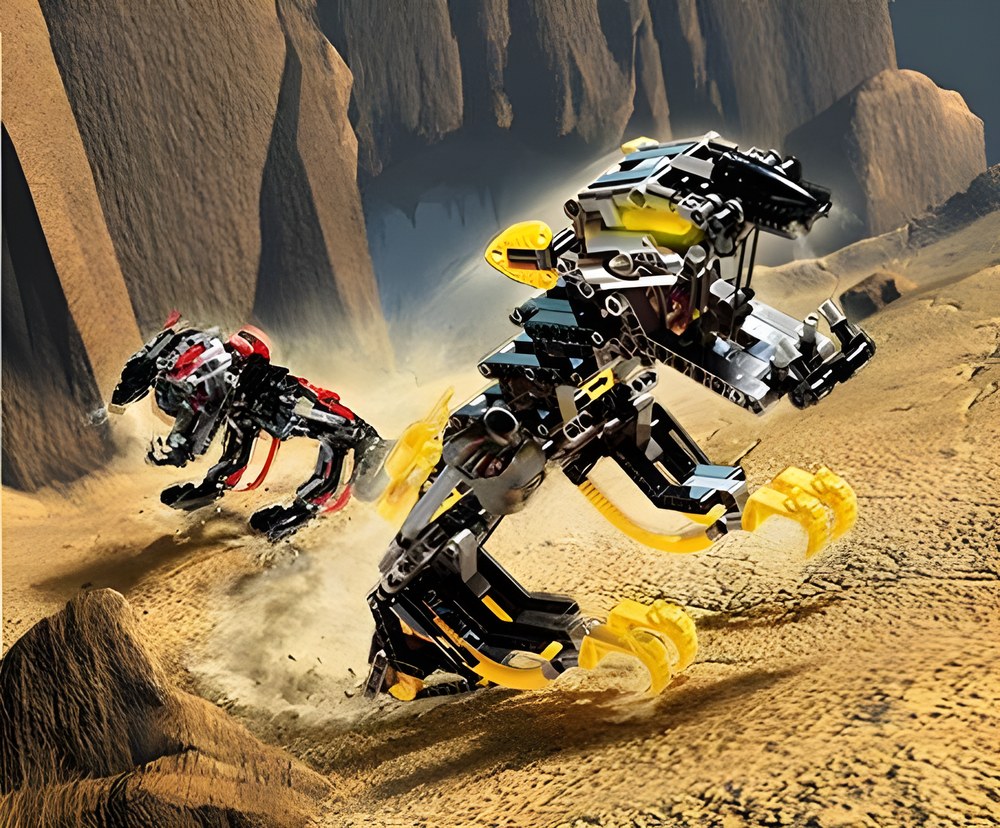
The eleventh rule dealt with RahiRahiThe Rahi were the biomechanical wildlife of the Matoran Universe, built largely by the Brotherhood of Makuta, ranging from background fauna to engineered war beasts.. Any pitch invasion by Rahi or other beasts put the game on hold until the problem was dealt with. Variants of the game included an Onu-Koro version played on UssalUssalSix-legged crustacean Rahi domesticated across Metru Nui and Mata Nui for cargo, mining, and sport. Backbone of Matoran labor. crabs and an aerial version played by Le-Matoran riding Gukko birds. (BIONICLE: Encyclopedia Updated)
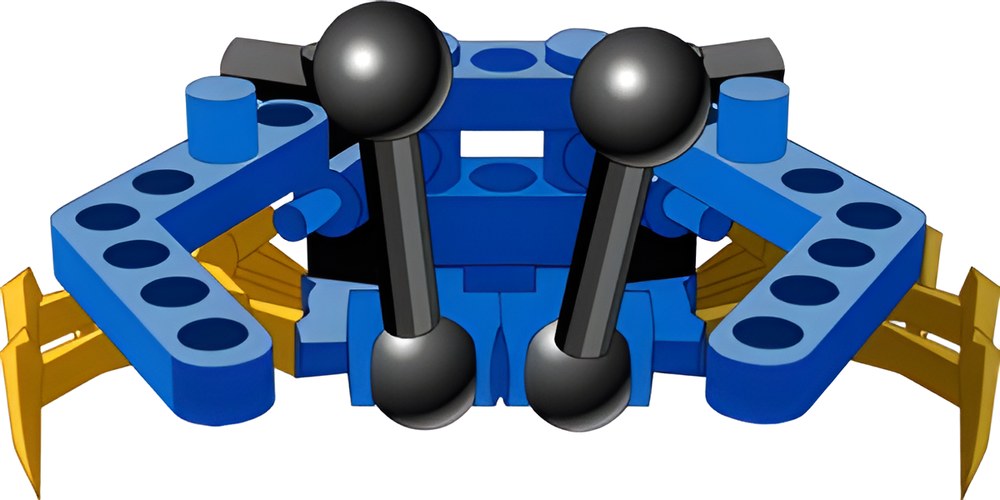
Matches opened with the players calling "play well" to each other. (BIONICLE: Mask of Light)
Equipment#
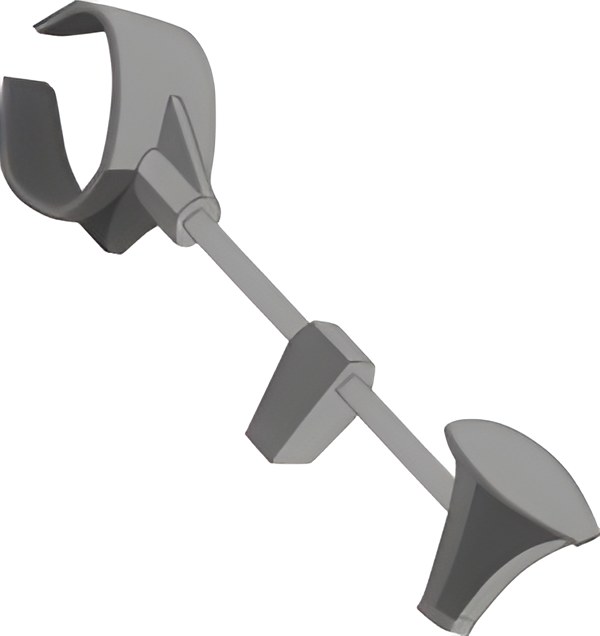
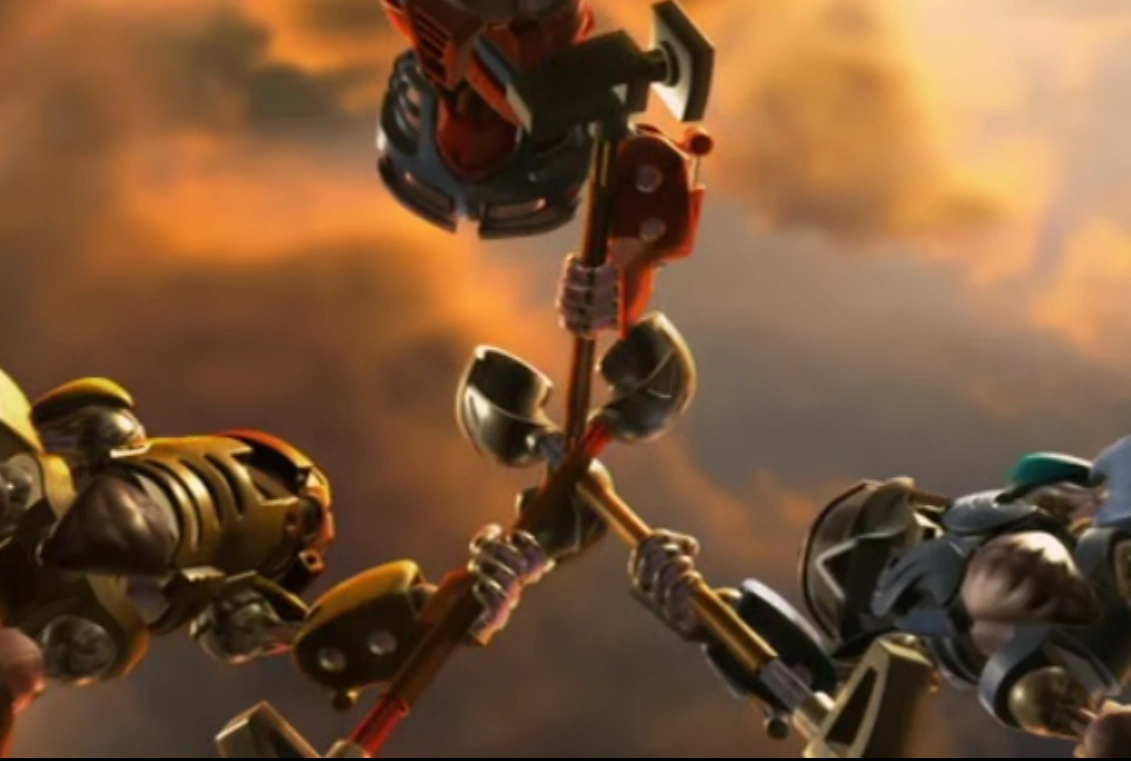
The Kolhii StickKolhii StickFrom Ga-Matoran fishing pole to hero's staff, the Kolhii stick was never meant for combat but excelled at sport. was the main piece of kit, a staff with a hammer at one end and a hurler at the other. Players could use their staffs and any part of their bodies except their hands. (BIONICLE: Mask of Light; BIONICLE: Encyclopedia Updated)
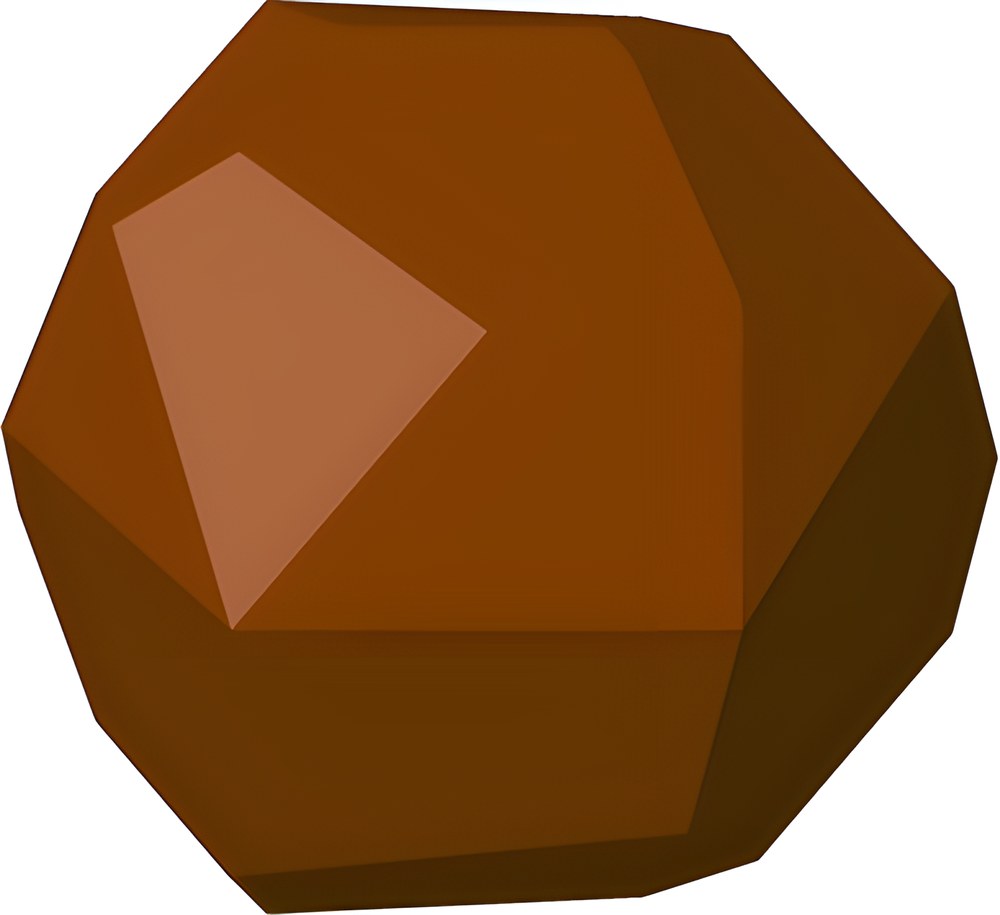
The Kolhii BallKolhii BallA stone projectile used in the Matoran sport of Kolhii, with a dangerous variant infected by Teridax's influence. was made of lightweight airstone bound in steel and was launched from the middle of the field during play, a long way from the heavier balls the old koli players had kicked. (BIONICLE: Encyclopedia Updated; Mata Nui Online Game)
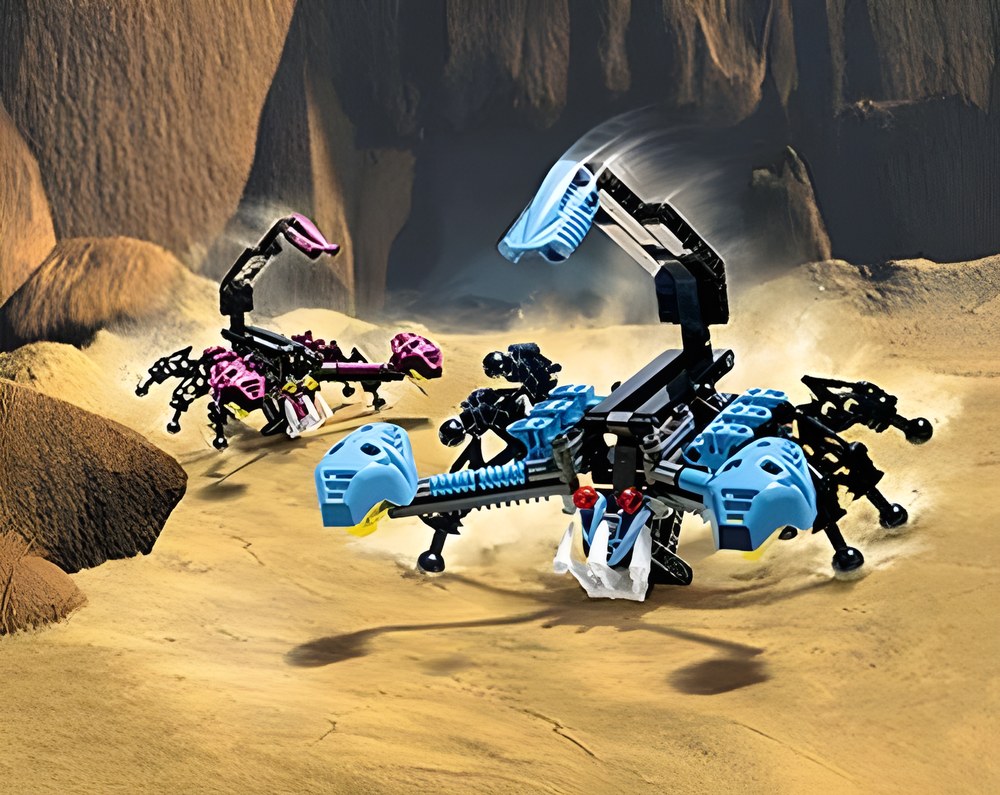
The koli ball had its own dark chapter. The Po-Matoran trader AhkmouAhkmouA Po-Matoran carver of Metru Nui, one of the six Great Disk holders, who betrayed his fellow Matoran to the Dark Hunters, served Makuta Teridax, and became a false Turaga during Teridax's reign. sold a new ball called the Comet, which players loved, but the balls came from a Nui-JagaNui-JagaGiant scorpions with lethal stingers that were hunted for profit despite a grim death toll. nest and carried an infection. Huki and many others fell sick with what came to be called the Madness, until TakuaTakuaAn Av-Matoran hidden on Mata Nui as a Ta-Matoran, who gathered the Toa Stones, served as Chronicler, and ultimately accepted the Avohkii to become Takanuva, the Toa of Light. and PohatuPohatuPohatu was the Toa Mata and Toa Nuva of Stone, guardian of Po-Wahi, whose speed and steady humour anchored the team through every era of the Matoran Universe. found the nest and destroyed it. The remaining Comets were thrown into the sea, and the Po-Matoran recovered. (Mata Nui Online Game)
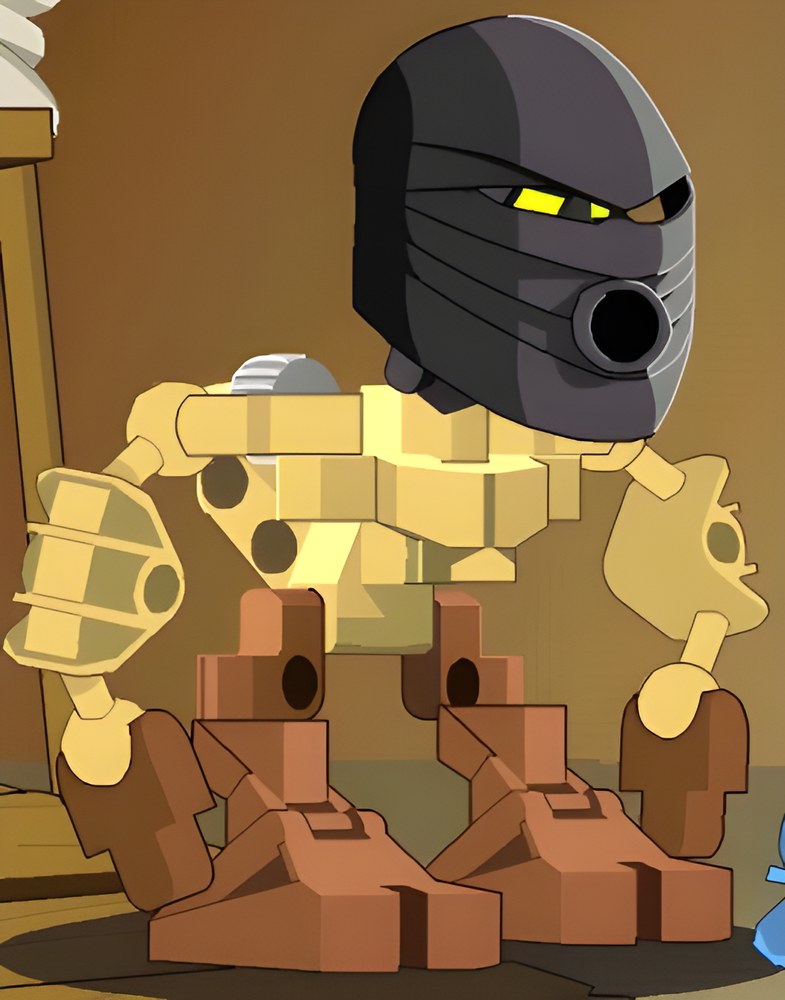
The goalkeeper's shield completed the standard kit, and shields were often marked with the symbol of the player's village. (BIONICLE: Mask of Light)
The Ta-Koro Championship#
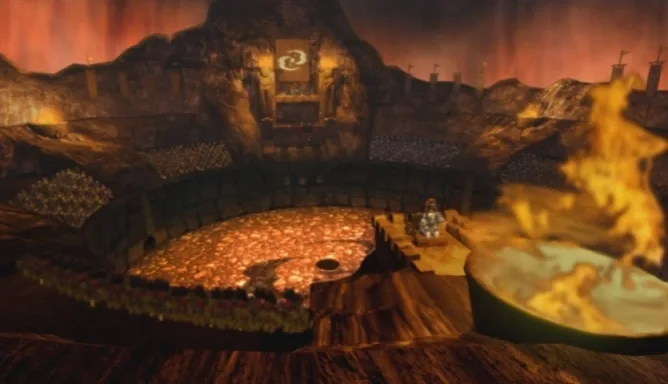
The great tournament was the Turaga's way of celebrating the peace that followed the defeat of the Bohrok-KalBohrok-KalSix elite Bohrok designed to free the imprisoned Bahrag, they nearly defeated the Toa Nuva before the Toa turned their own powers against them.. Matches were played across the island through the season, and the championship was held in the new Ta-Koro Kolhii StadiumTa-Koro Kolhii StadiumThe largest Kolhii venue on Mata Nui, host to the championship match in which the Mask of Light first appeared before the public eye.. (Mata Nui Online Game II: The Final Chronicle)
The final was a three-way match between Po-KoroPo-KoroPo-Koro was the Po-Matoran village in Po-Wahi, led by Turaga Onewa and guarded by Toa Pohatu, reached through a single statue-lined road called the Path of Prophecies., Ga-KoroGa-KoroGa-Koro is a village on the island of Mata Nui, inhabited by the Ga-Matoran and associated with both Nokama and Gali. The settlement was formerly under the power of Teridax., and Ta-KoroTa-KoroTa-Koro was a settlement located in Ta-Wahi, home to the Ta-Matoran, Tahu, and Vakama, and formerly connected to Teridax. The settlement was ultimately destroyed.: TakuaTakuaAn Av-Matoran hidden on Mata Nui as a Ta-Matoran, who gathered the Toa Stones, served as Chronicler, and ultimately accepted the Avohkii to become Takanuva, the Toa of Light. and JallerJallerJaller served as Captain of the Ta-Koro Guard, led the Toa Inika to Voya Nui, and commanded the Toa Mahri through the recovery of the Mask of Life. for Ta-Koro, HewkiiHewkiiHewkii rose from Po-Metru Matoran to Mata Nui's foremost kolhii player, then served as Toa Inika and Toa Mahri through the late wars of the universe. and HafuHafuHafu was a Po-Matoran Carver of Po-Koro, recognized as a Master Carver, who served in the Chronicler's Company and survived the Reign of Shadows. for Po-Koro, and HahliHahliA Ga-Matoran scholar who rose to become Chronicler of Mata Nui, then Toa Inika, then Toa Mahri of Water during the final crises of the Matoran Universe. and MackuMackuMacku was a Ga-Matoran of Metru Nui and later Ga-Koro, attendant to Turaga Nokama, Kolhii partner to Hahli at the championship at Ta-Koro, and a member of the Chronicler's Company. for Ga-Koro. Takua tried a very difficult move and failed spectacularly, sending the ball into the stands to hit VakamaVakamaA Ta-Metru maskmaker transformed into the Toa Metru of Fire, leader of his team through the Visorak war, and Turaga of Ta-Koro for a thousand years.. Po-Koro came second, and Ga-Koro won. (BIONICLE: Mask of Light)
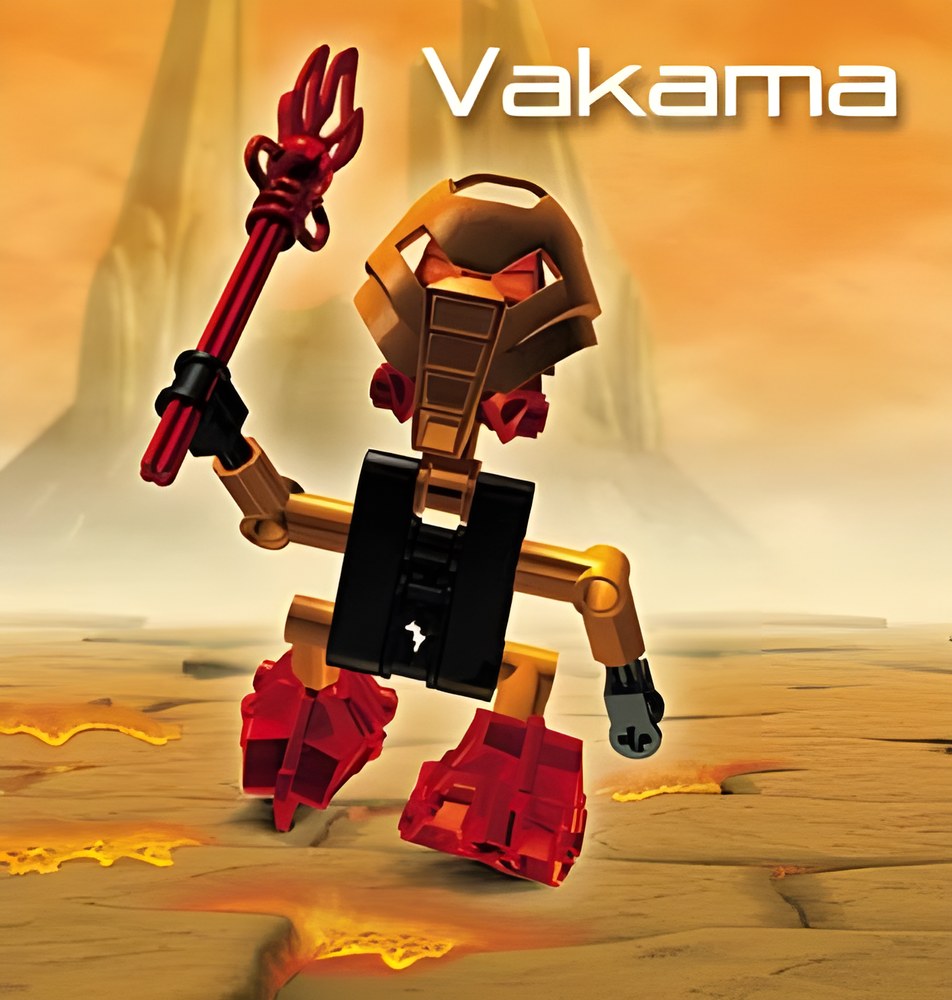
As the teams bowed to the Turaga and Toa, the AvohkiiAvohkiiThe Avohkii is the Mask of Light, a golden mask that granted its wearer the power of Light and the ability to spread understanding. It was worn by Toa Takanuva. slipped out of JallerJallerJaller served as Captain of the Ta-Koro Guard, led the Toa Inika to Voya Nui, and commanded the Toa Mahri through the recovery of the Mask of Life.'s bag and shone on Takua, who quietly shifted it to shine on Jaller. Takua had found the mask earlier that day inside a stone totem in a lava river in Ta-WahiTa-WahiTa-Wahi was the volcanic region of Mata Nui surrounding the Mangai Volcano, encompassing Ta-Koro, the Lake of Fire, the Charred Forest, and the Ta-Wahi Beach.. NokamaNokamaNokama served as Toa Metru of Water, endured the Hordika mutation, and led Ga-Koro and later Ga-Metru as Turaga through three eras. read its inscription and named it the Mask of Light, meant for the Toa of LightToa of LightThe sole Toa wielding the Element of Light through the Avohkii mask, singular and feared by Makuta itself., and Jaller was sent to find that Toa with Takua at his side. (BIONICLE: Mask of Light)
The match in MakutaMakuta (Species)Shadowy Antidermis beings and the Brotherhood's elite, Makuta commanded darkness and shaped the Matoran Universe's fate.'s lair#
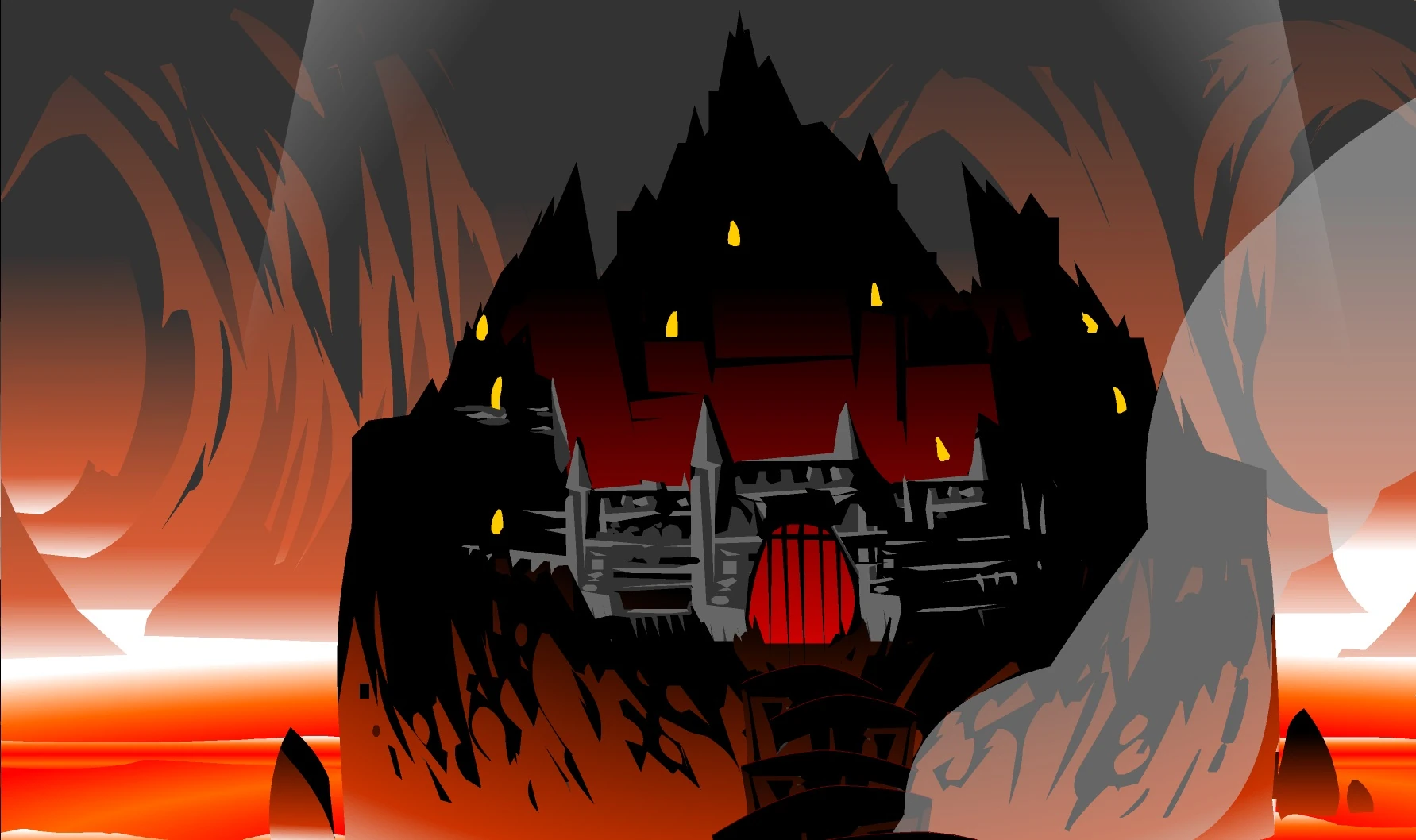
Kolhii came back at the climax of the same story. In MangaiaMangaia: Teridax's lair beneath Mata NuiMangaia was Teridax's hidden lair beneath the island of Mata Nui. It held a pool of Energized Protodermis used to make Infected Kanohi and Rahkshi., TeridaxTeridaxTeridax orchestrated a thousand-year scheme that ended with him occupying the Great Spirit Robot itself before his death on Bara Magna. challenged TakanuvaTakanuvaHidden among the Ta-Matoran as Takua, the disguised Av-Matoran who became Takanuva was the sole Toa of Light produced in the Matoran Universe's full history. to a game, with the Mask of Light or Takanuva's way out at stake, and the two hurled spheres of light and shadow energy with their staffs. When Makuta brought the ceiling down behind the arriving Matoran, Takanuva caught a shadow sphere, turned it to light and threw it back into Makuta's chest, landing the move Takua had failed at the tournament. (BIONICLE: Mask of Light)
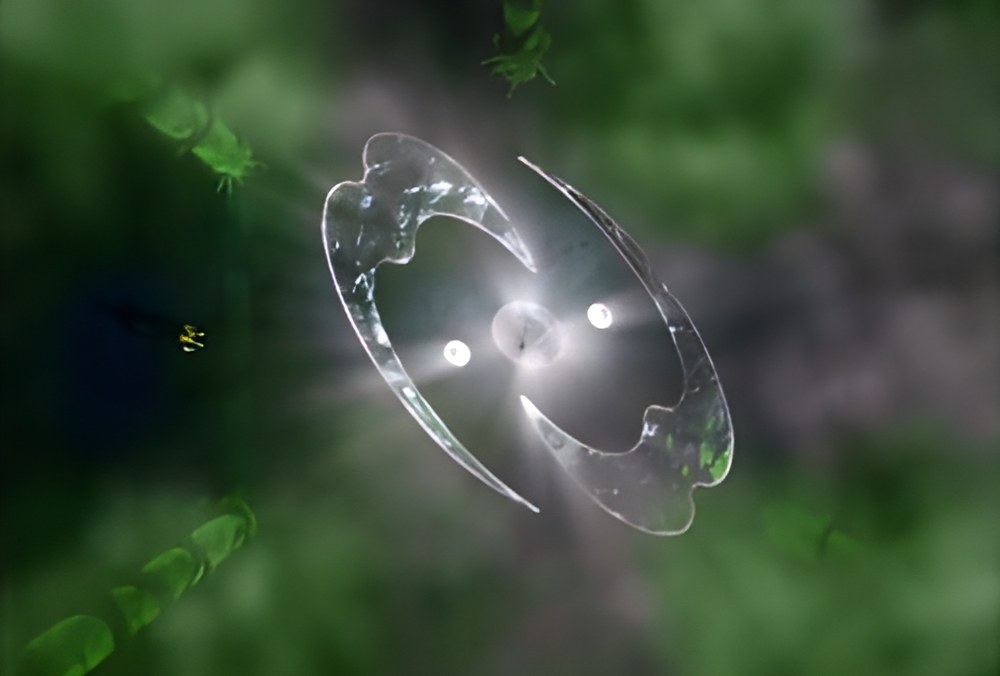
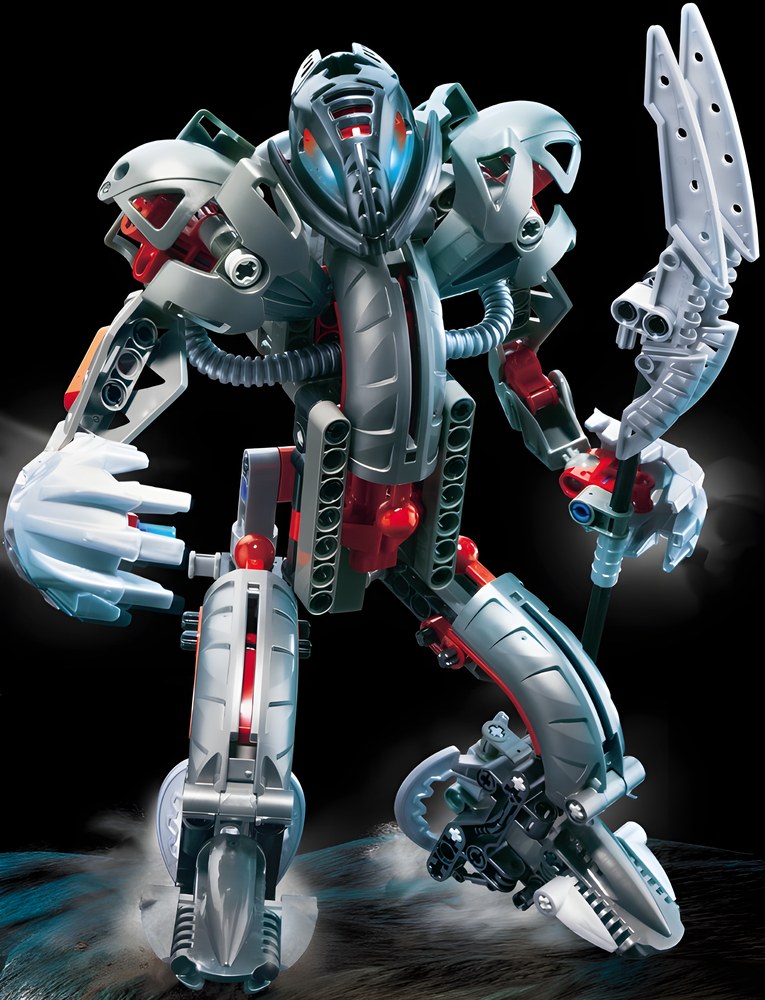
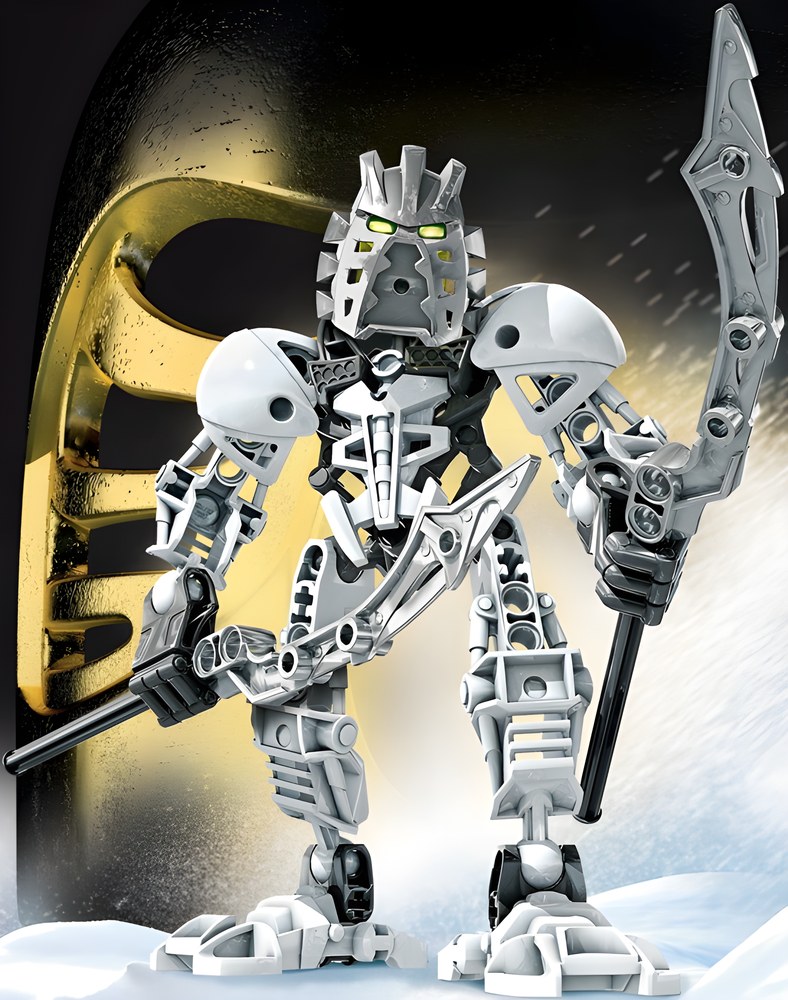
The game didn't end by any rule. Takanuva leapt on Makuta to tear off the Mask of Shadows, and both fell into a pool of Energized ProtodermisEnergized ProtodermisA sentient substance that could remake or annihilate any being that touched it. One of the Matoran Universe's most lethal hazards., from which TakutanuvaTakutanuvaThe temporary fusion of Takanuva and Makuta Teridax, born in Energized Protodermis, wielded light and shadow as one during the climax of Mask of Light. rose. He lifted the gate to let the Matoran through and gave part of his life force to revive Jaller before the gate crashed down on him. (BIONICLE: Mask of Light)
Decline#
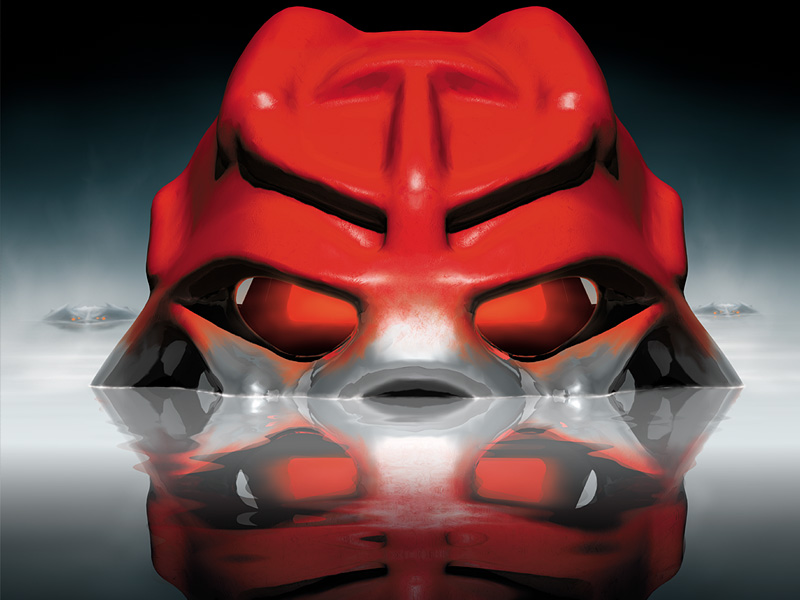
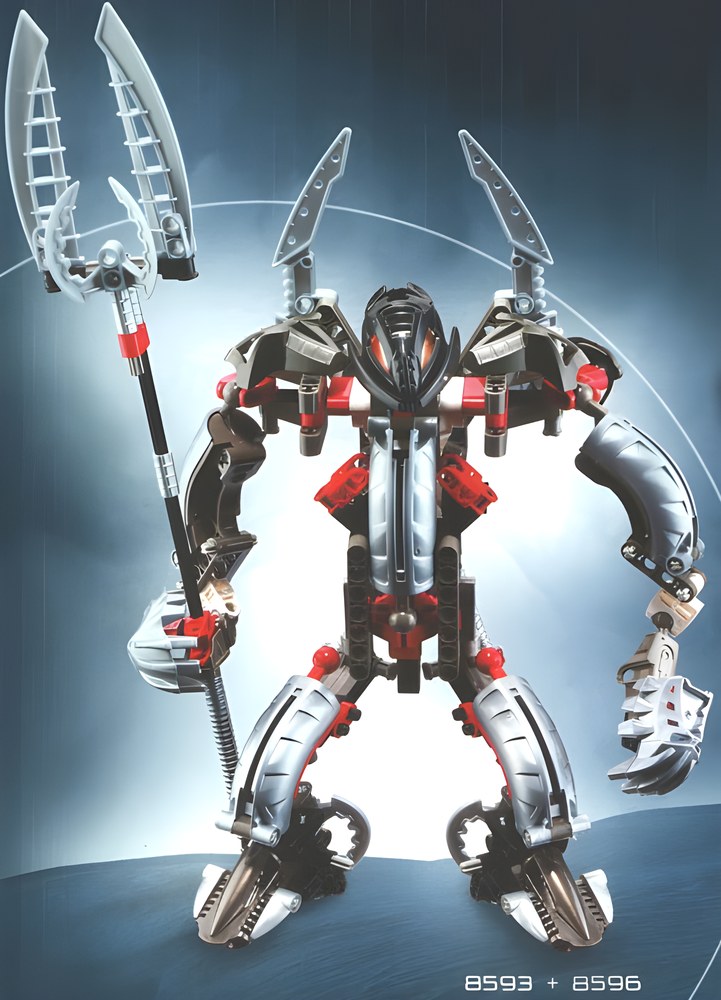
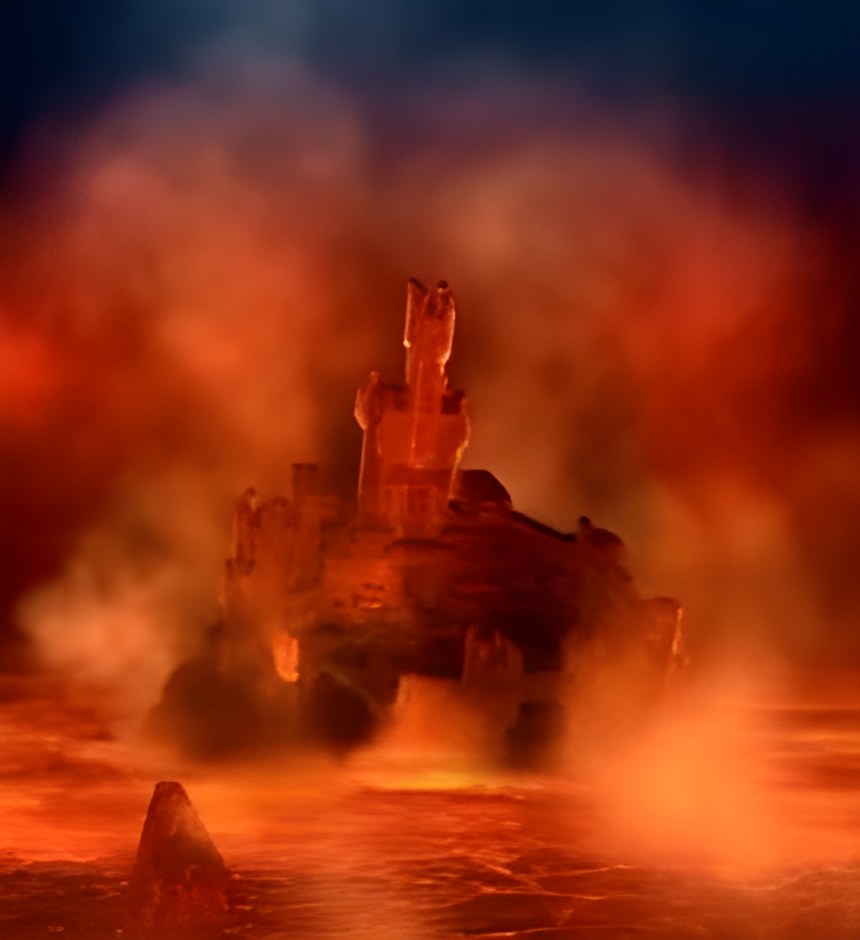
No organised Kolhii is shown after that. The RahkshiBionicle Rahkshi: the Sons of Makuta from Mask of LightRahkshi are armoured hunters made from kraata, the slug-like creatures of the Makuta. Six of them chased the Mask of Light across Mata Nui in 2003. Here's what they are, the different kinds and where they turn up in the films, books and comics. attack on Ta-KoroTa-KoroTa-Koro was a settlement located in Ta-Wahi, home to the Ta-Matoran, Tahu, and Vakama, and formerly connected to Teridax. The settlement was ultimately destroyed. soon after the championship destroyed the Ta-Koro Kolhii StadiumTa-Koro Kolhii StadiumThe largest Kolhii venue on Mata Nui, host to the championship match in which the Mask of Light first appeared before the public eye., the village sank into the Lake of FireLake of FireThe molten protodermis lake that claimed Ta-Koro during the Rahkshi invasion. A natural hazard and narrative turning point in early Bionicle., and after Makuta's defeat the Matoran built boats and left Mata Nui for Metru NuiMetru NuiThe city beneath Mata Nui functions as the Great Spirit's brain, housing the Matoran whose labor keeps the god alive.. (BIONICLE: Mask of Light; BIONICLE Adventures 1: Mystery of Metru Nui)
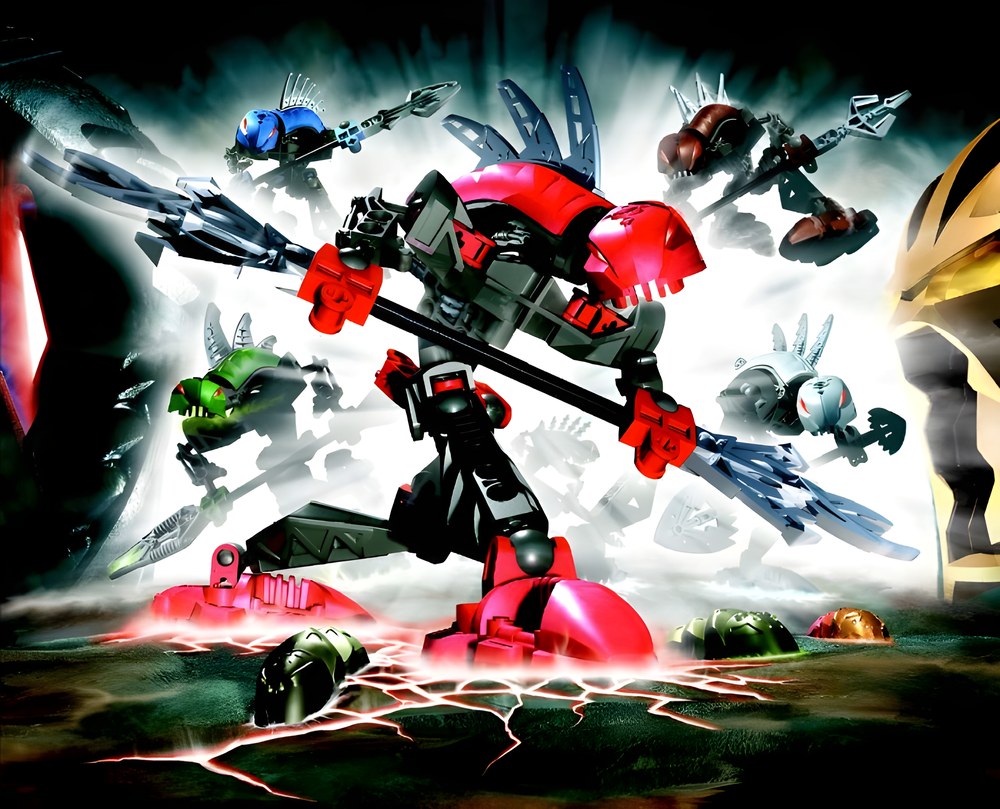
Five of the tournament players, HewkiiHewkiiHewkii rose from Po-Metru Matoran to Mata Nui's foremost kolhii player, then served as Toa Inika and Toa Mahri through the late wars of the universe., HahliHahliA Ga-Matoran scholar who rose to become Chronicler of Mata Nui, then Toa Inika, then Toa Mahri of Water during the final crises of the Matoran Universe., KonguKonguKongu captained Le-Koro's Gukko Force before lightning from the red star turned him into a Toa of Air, who later served among the Toa Mahri., MatoroMatoroA quiet Ko-Matoran translator who became a Toa Inika and then a Toa Mahri, Matoro gave his life with the Mask of Life to restore Mata Nui. and JallerJallerJaller served as Captain of the Ta-Koro Guard, led the Toa Inika to Voya Nui, and commanded the Toa Mahri through the recovery of the Mask of Life., later left Metru Nui with the Onu-MatoranOnu-MatoranEarth-wielding Matoran of the deep who adapted to darkness and built the Matoran Universe's defensive cavalry. inventor NuparuNuparuAn Onu-Matoran engineer from Metru Nui who built the Boxor and rose to become a Toa of Earth despite no warrior destiny. to help the Toa Nuva, and lightning on Voya NuiVoya NuiAn island born from catastrophe and hiding the universe's most powerful artifact, Voya Nui was everything Bionicle 2006 promised: danger, mystery, and a race against time. turned them into the Toa InikaToa Inika and Toa MahriSix ordinary Matoran transformed by lightning from the Red Star into heroes who ultimately revived the Great Spirit itself.. TakuaTakuaAn Av-Matoran hidden on Mata Nui as a Ta-Matoran, who gathered the Toa Stones, served as Chronicler, and ultimately accepted the Avohkii to become Takanuva, the Toa of Light. was already TakanuvaTakanuvaHidden among the Ta-Matoran as Takua, the disguised Av-Matoran who became Takanuva was the sole Toa of Light produced in the Matoran Universe's full history. by then. (BIONICLE Legends 1: Island of Doom; BIONICLE Legends 2: Dark Destiny)
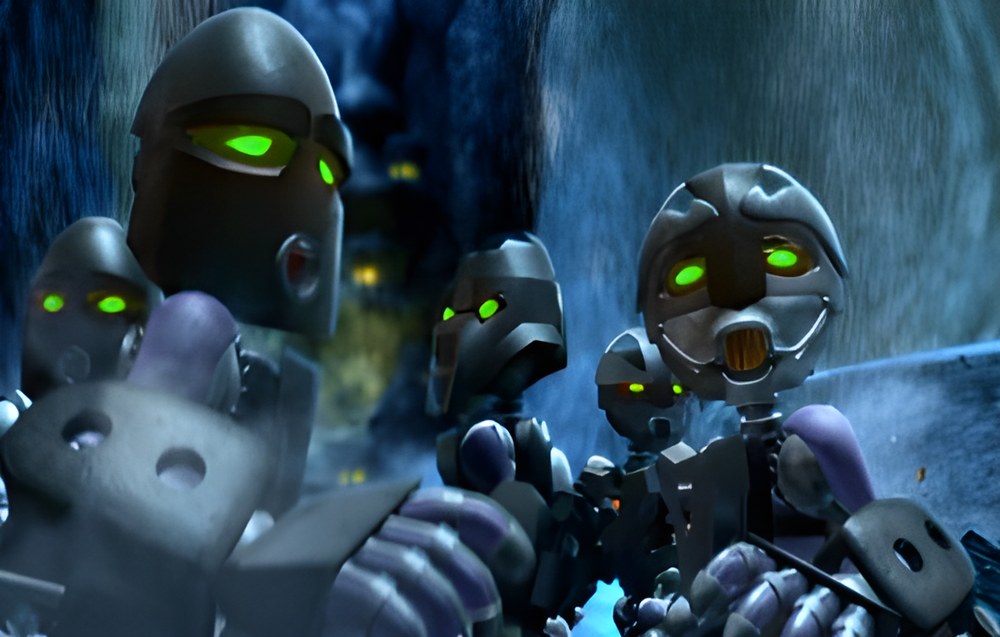
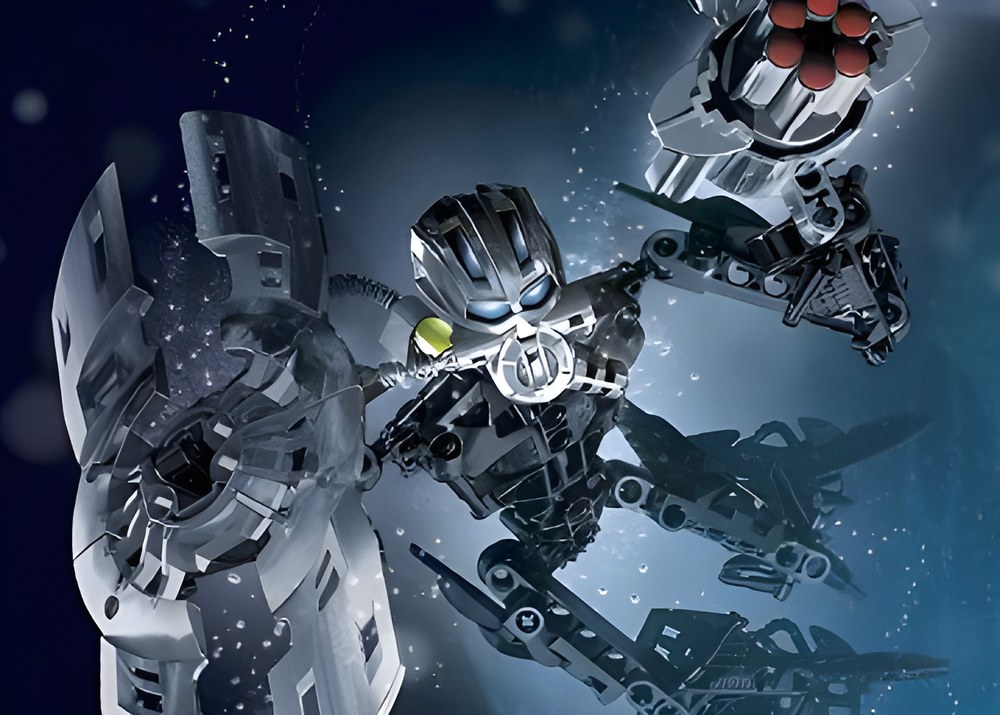
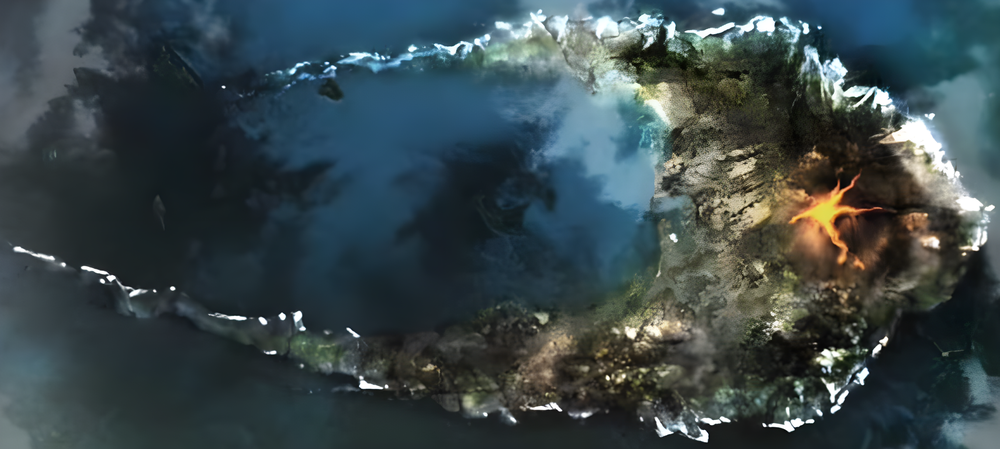
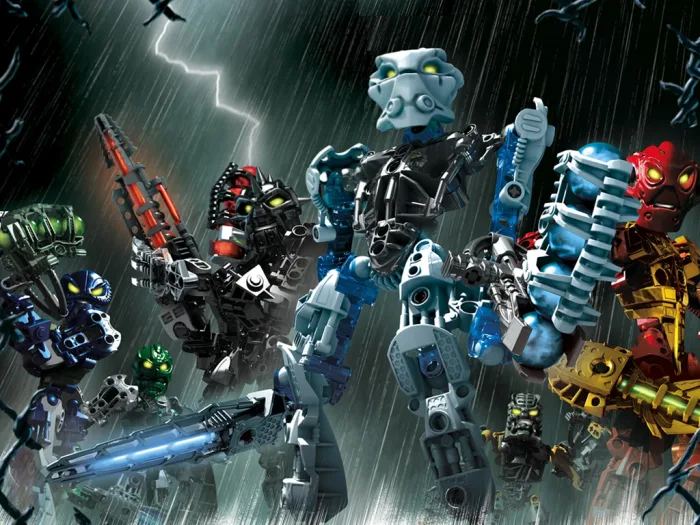
The game didn't leave them, though. Down in the waters of the Pit, the Toa Mahri Hahli started designing an underwater version of Kolhii. (Toa Mahri Rule the Sea!)
Legacy#
Kolhii mattered for a few reasons. It drew villagers across KoroKoroThe Koros were the six elemental villages built on Mata Nui after the Great Rescue, on sites the Toa Metru had chosen, each tied to one element and one Turaga. lines during the short peace after the Bohrok-KalBohrok-KalSix elite Bohrok designed to free the imprisoned Bahrag, they nearly defeated the Toa Nuva before the Toa turned their own powers against them., it set the scene for the first public appearance of the AvohkiiAvohkiiThe Avohkii is the Mask of Light, a golden mask that granted its wearer the power of Light and the ability to spread understanding. It was worn by Toa Takanuva., and it gave the stage to Matoran who would later become Toa. HewkiiHewkiiHewkii rose from Po-Metru Matoran to Mata Nui's foremost kolhii player, then served as Toa Inika and Toa Mahri through the late wars of the universe. wore the SanokSanokThe Sanok was the Kanohi Mask of Accuracy, granting its wearer the power to strike any target with any thrown object, most famously worn by Toa Inika Hewkii., the Great Mask of Accuracy, as a Toa Inika, and HahliHahliA Ga-Matoran scholar who rose to become Chronicler of Mata Nui, then Toa Inika, then Toa Mahri of Water during the final crises of the Matoran Universe. was named Chronicler by Nokama after the tournament. (Mata Nui Online Game II: The Final Chronicle; BIONICLE Legends 2: Dark Destiny; BIONICLE: Mask of Light)
The sport also carried a thread of continuity across the gap between Metru NuiMetru NuiThe city beneath Mata Nui functions as the Great Spirit's brain, housing the Matoran whose labor keeps the god alive. and Mata NuiMata Nui (Location)An island created by accident on the Great Spirit's face, home to the Matoran for a thousand years.. The Matoran forgot akilini, but the Copper Masks of VictoryCopper Mask of VictoryA powerless ceremonial Kanohi first awarded to akilini champions in Metru Nui and later to the champions of the villages of Mata Nui, forged in the shape of a Noble Huna or Komau. came with them, and on Mata Nui they went to village champions such as Hewkii and Hafu. (BIONICLE: Encyclopedia Updated; BIONICLE: Mask of Light (novelisation))
Frequently asked questions
- What is Kolhii?
- Kolhii was the most popular Matoran game on the island of Mata Nui, played between village teams with staffs, a ball and a goalkeeper's shield. It grew out of an older kicking game called koli, and it filled the place on Mata Nui that akilini had held in Metru Nui.
- How was Kolhii invented?
- The staff version came out of the Bohrok invasion of Ga-Koro. When debris came flying at Maku, Huki caught it in a Ga-Matoran fishing staff to save her, and that catch inspired a new form of koli played with staffs instead of kicks.
- What are the rules of Kolhii?
- Between two and six teams can play, with the same number of players on each. The teams agree how many goals win the match, own goals don't count, each team gets one shield-carrying defender, every player carries exactly one staff, and a Rahi invading the pitch stops play until it's dealt with. Matches open with the call "Play well."
- Who was the best Kolhii player?
- Hewkii of Po-Koro was the island's best koli and Kolhii player, and Po-Koro won season after season. In the great tournament after the Bohrok-Kal, though, Hahli and Macku of Ga-Koro beat him in the final.
- Why did Kolhii decline?
- The Rahkshi attack on Ta-Koro soon after the championship destroyed the Ta-Koro Kolhii Stadium and sank the village into the Lake of Fire, and before long the Matoran left Mata Nui for Metru Nui. No later tournament is shown, though Hahli was still sketching out an underwater version of the game as a Toa Mahri.
Gallery
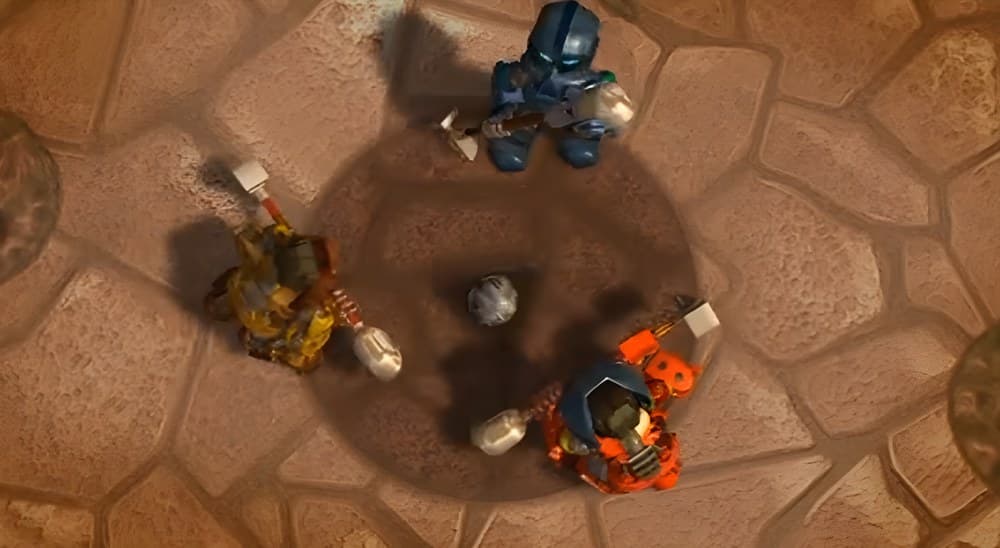
Images via BIONICLE Wiki (Biosector01)
Sources
- GameMata Nui Online Game, Templar Studios for The LEGO Group, BIONICLE.com, 2001
- VideoMata Nui Online Animations, Templar Studios for The LEGO Group, BIONICLE.com, 2002 to 2003
- GameMata Nui Online Game II: The Final Chronicle, Templar Studios for The LEGO Group, BIONICLE.com, 2003
- FilmBIONICLE: Mask of Light, Directed by David Molina and Terry Shakespeare, The LEGO Group and Miramax Home Entertainment, 2003
- BookBIONICLE: Mask of Light (novelisation), C. A. Hapka, Scholastic, 2003
- FilmBIONICLE 2: Legends of Metru Nui, Directed by David Molina and Terry Shakespeare, Miramax and the LEGO Group, 2004
- BookBIONICLE: Encyclopedia Updated, Greg Farshtey, Scholastic, 2007
- SerialWall of History, BIONICLE.com, 2003 (Naming Day chapter)
- BookBIONICLE: World, Greg Farshtey, Scholastic, 2007
- BookBIONICLE Adventures 1: Mystery of Metru Nui, Greg Farshtey, Scholastic, 2004
- BookBIONICLE Legends 1: Island of Doom, Greg Farshtey, Scholastic, 2006
- BookBIONICLE Legends 2: Dark Destiny, Greg Farshtey, Scholastic, 2006
- ComicToa Mahri Rule the Sea!, Greg Farshtey, centrefold in BIONICLE Ignition 9: Battle in the Deep!, LEGO / DC Comics, 2007
Spotted a factual error or a primary source we missed? Email a correction. Every flagged claim gets reviewed.
Followed from this entry
Akilini
Akilini was the official sport of Metru Nui, in which Matoran surfed on Kanoka disks and threw others through scoring hoops, with tournaments held on the shifting floor of the Coliseum.
Ga-Matoran
The Water-element Matoran of Ga-Metru and Ga-Koro, a female Matoran type, who filled the schools of Metru Nui and crewed the boats of the Mata Nui coast.
Kopeke
Kopeke was a Ko-Matoran ice carver of Ko-Koro who served in the Chronicler's Company at Kini-Nui and later became Chronicler of Metru Nui after Hahli.
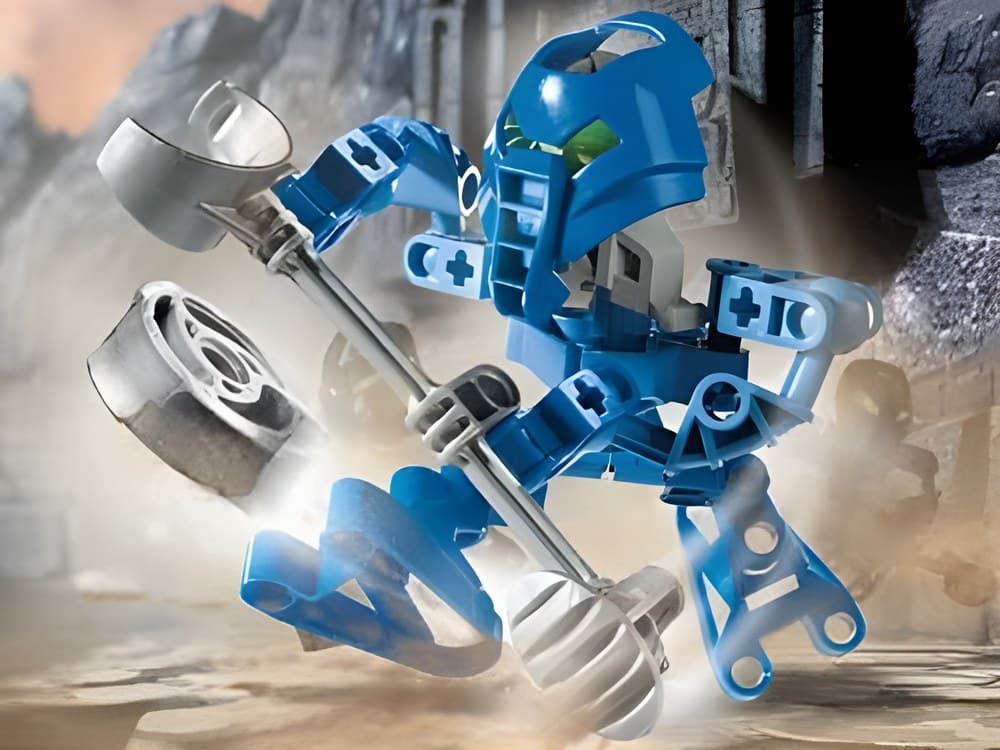
Macku
Macku was a Ga-Matoran of Metru Nui and later Ga-Koro, attendant to Turaga Nokama, Kolhii partner to Hahli at the championship at Ta-Koro, and a member of the Chronicler's Company.
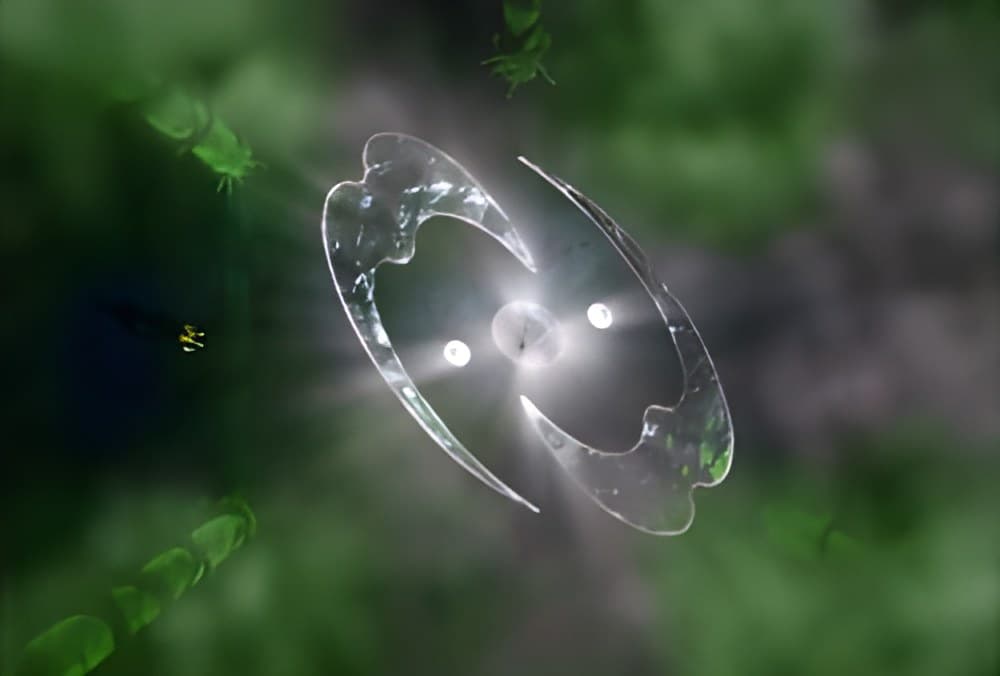
Mangaia: Teridax's lair beneath Mata Nui
Mangaia was Teridax's hidden lair beneath the island of Mata Nui. It held a pool of Energized Protodermis used to make Infected Kanohi and Rahkshi.
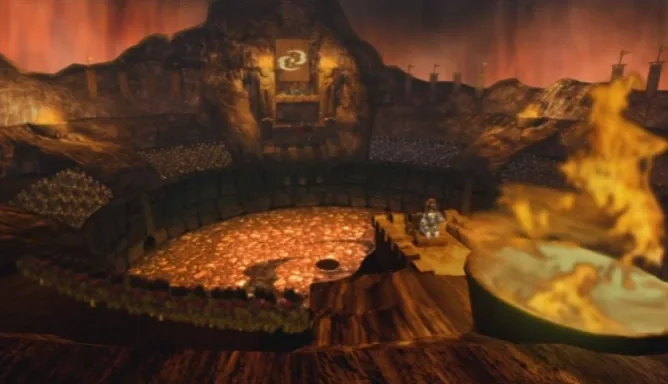
Ta-Koro Kolhii Stadium
The largest Kolhii venue on Mata Nui, host to the championship match in which the Mask of Light first appeared before the public eye.
Mentioned in62 entries
Akilini
Akilini was the official sport of Metru Nui, in which Matoran surfed on Kanoka disks and threw others through scoring hoops, with tournaments held on the shifting floor of the Coliseum.
Azibo
Azibo was an Onu-Matoran prospector of Onu-Koro, the Chief Prospector's most trusted hand and a student of the Principle of Prosperity.
Charms
Small carved stones inscribed with the Three Virtues, the six Principles, and the six Kolhii Skills, used as keys to the six Wahi temples on the island of Mata Nui.
Ga-Koro Kolhii Field
The lily pad in rebuilt Ga-Koro where Hahli and Macku trained for the kolhii championship the Ga-Koro team went on to win at Ta-Koro.
Ga-Koro Kolhii Team
The Ga-Matoran pair that won the Mata Nui kolhii championship at Ta-Koro, after Turaga Nokama picked Hahli for the team over Kotu.
Ga-Matoran
The Water-element Matoran of Ga-Metru and Ga-Koro, a female Matoran type, who filled the schools of Metru Nui and crewed the boats of the Mata Nui coast.
Golyo
Golyo was a Po-Matoran native to Metru Nui who herded Mahi in Po-Koro on Mata Nui, offering his beasts as a way for others to train the Skill of Strategy before the Matoran returned to their rebuilt city.
Hafu
Hafu was a Po-Matoran Carver of Po-Koro, recognized as a Master Carver, who served in the Chronicler's Company and survived the Reign of Shadows.
Hahli
A Ga-Matoran scholar who rose to become Chronicler of Mata Nui, then Toa Inika, then Toa Mahri of Water during the final crises of the Matoran Universe.
Keahi
Keahi was a Ta-Matoran of Ta-Koro and a member of the Ta-Koro Guard, the patroller of the ledge above the lava break that bore his name, and the instructor who trained Hahli in the Kolhii skill of Strength before the championship at Ta-Koro.
Keahi's Cliff
A ledge over a lava break in Ta-Wahi, reached by a single ladder near the Ta-Koro Kolhii Stadium, where the Ta-Koro Guard Keahi patrolled and trained the Ga-Matoran Hahli in the Kolhii skill of Strength.
Kokkan
Kokkan was a Ko-Matoran native to Ko-Metru who became a Trader on Mata Nui, running a shop in Ko-Koro that supplied rope, sailcloth, and other practical goods before the Matoran returned to Metru Nui.
+ 50 more
Get new articles in your inbox
No spam. New lore drops, canon conflicts, and deep dives only when they’re worth reading.
Some links on Lore Fortress are affiliate links. If you buy through them we earn a small commission at no extra cost to you.