Po-Koro Kolhii Team
Hewkii and Hafu were the heavy favourites of the Mata Nui Kolhii Championship, until the Ga-Koro pairing of Hahli and Macku upset them in the final at Ta-Koro.
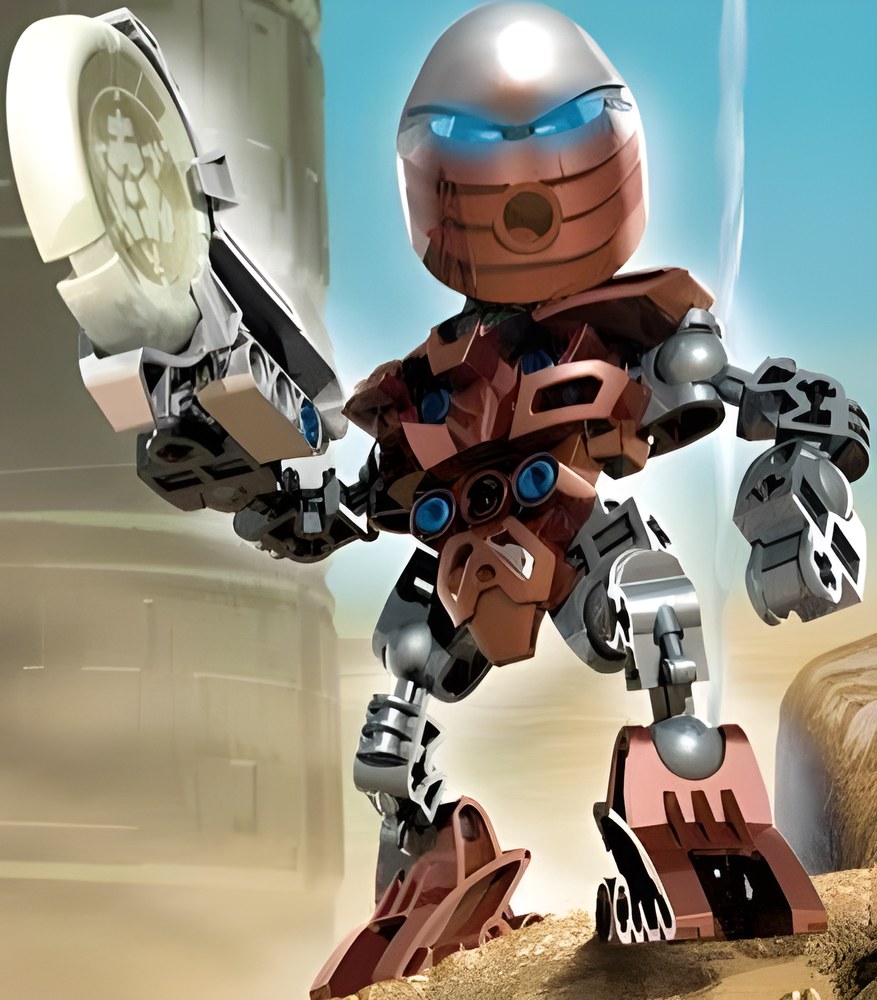
The Po-KoroKoroThe Koros were the six elemental villages built on Mata Nui after the Great Rescue, on sites the Toa Metru had chosen, each tied to one element and one Turaga. KolhiiKolhiiKolhii was the inter-village sport of Mata Nui, grown out of the older game of koli and played by all six Koro until the Matoran left the island. Team was the Po-MatoranPo-MatoranThe Stone-element Matoran of Po-Metru and Po-Koro, carvers and quarry workers, the most athletic of the Matoran types and the population behind the Kohlii and Akilini circuits. entry in the Mata NuiMata Nui (Location)An island created by accident on the Great Spirit's face, home to the Matoran for a thousand years. KolhiiKolhiiKolhii was the inter-village sport of Mata Nui, grown out of the older game of koli and played by all six Koro until the Matoran left the island. Championship organised after the defeat of the Bohrok-KalBohrok-KalSix elite Bohrok designed to free the imprisoned Bahrag, they nearly defeated the Toa Nuva before the Toa turned their own powers against them.. The team consisted of the carver HafuHafuHafu was a Po-Matoran Carver of Po-Koro, recognized as a Master Carver, who served in the Chronicler's Company and survived the Reign of Shadows. and the Kolhii ChampionKolhii ChampionThe Matoran picked by their Turaga to represent each Koro in the post-Bohrok-Kal Kolhii tournament on Mata Nui, and the Ga-Koro pair who won it. HewkiiHewkiiHewkii rose from Po-Metru Matoran to Mata Nui's foremost kolhii player, then served as Toa Inika and Toa Mahri through the late wars of the universe., and it was widely regarded across the island as the heavy favourite to win the tournament. Po-KoroKoroThe Koros were the six elemental villages built on Mata Nui after the Great Rescue, on sites the Toa Metru had chosen, each tied to one element and one Turaga. had produced the sport's original stone equipment, retained the older KoliAkiliniAkilini was the official sport of Metru Nui, in which Matoran surfed on Kanoka disks and threw others through scoring hoops, with tournaments held on the shifting floor of the Coliseum. tradition, and had in HewkiiHewkiiHewkii rose from Po-Metru Matoran to Mata Nui's foremost kolhii player, then served as Toa Inika and Toa Mahri through the late wars of the universe. the player generally considered the foremost KolhiiKolhiiKolhii was the inter-village sport of Mata Nui, grown out of the older game of koli and played by all six Koro until the Matoran left the island. athlete on Mata NuiMata Nui (Location)An island created by accident on the Great Spirit's face, home to the Matoran for a thousand years.. They were defeated in the final by the Ga-Koro Kolhii TeamGa-Koro Kolhii TeamThe Ga-Matoran pair that won the Mata Nui kolhii championship at Ta-Koro, after Turaga Nokama picked Hahli for the team over Kotu. in one of the most discussed upsets in the sport's short history on the island.
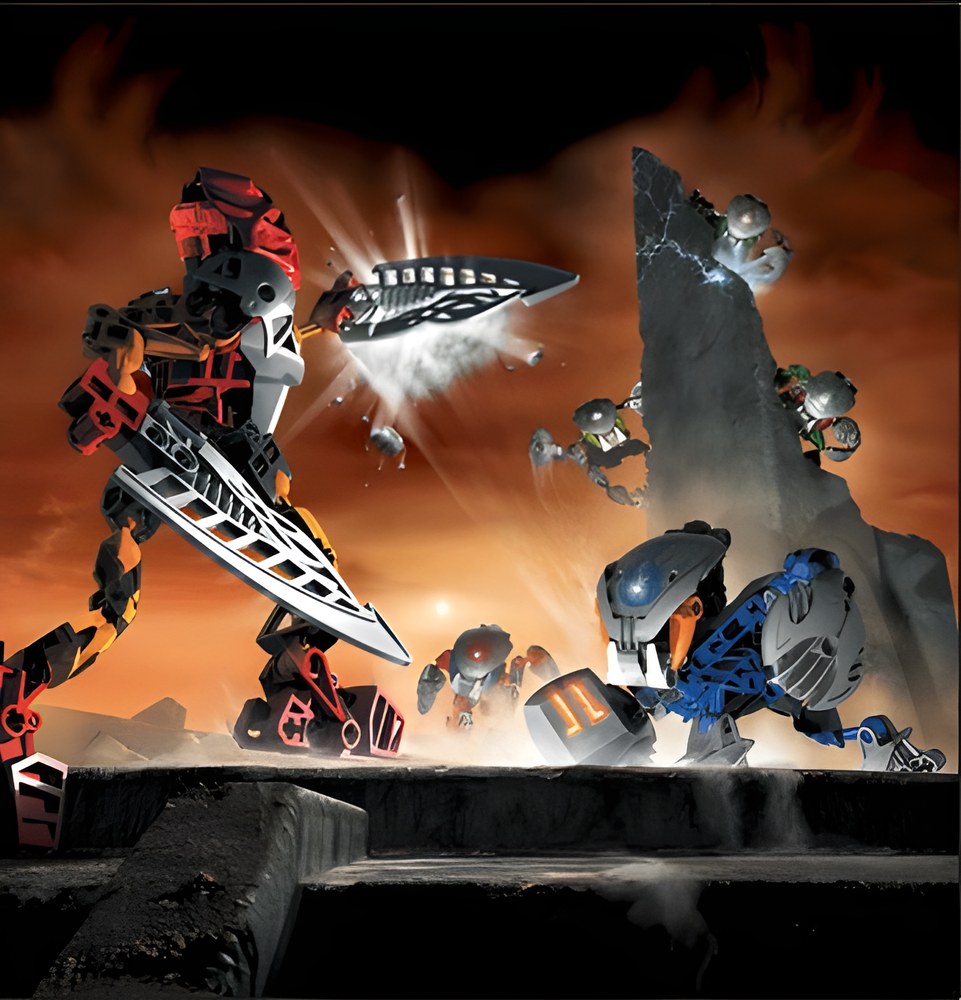
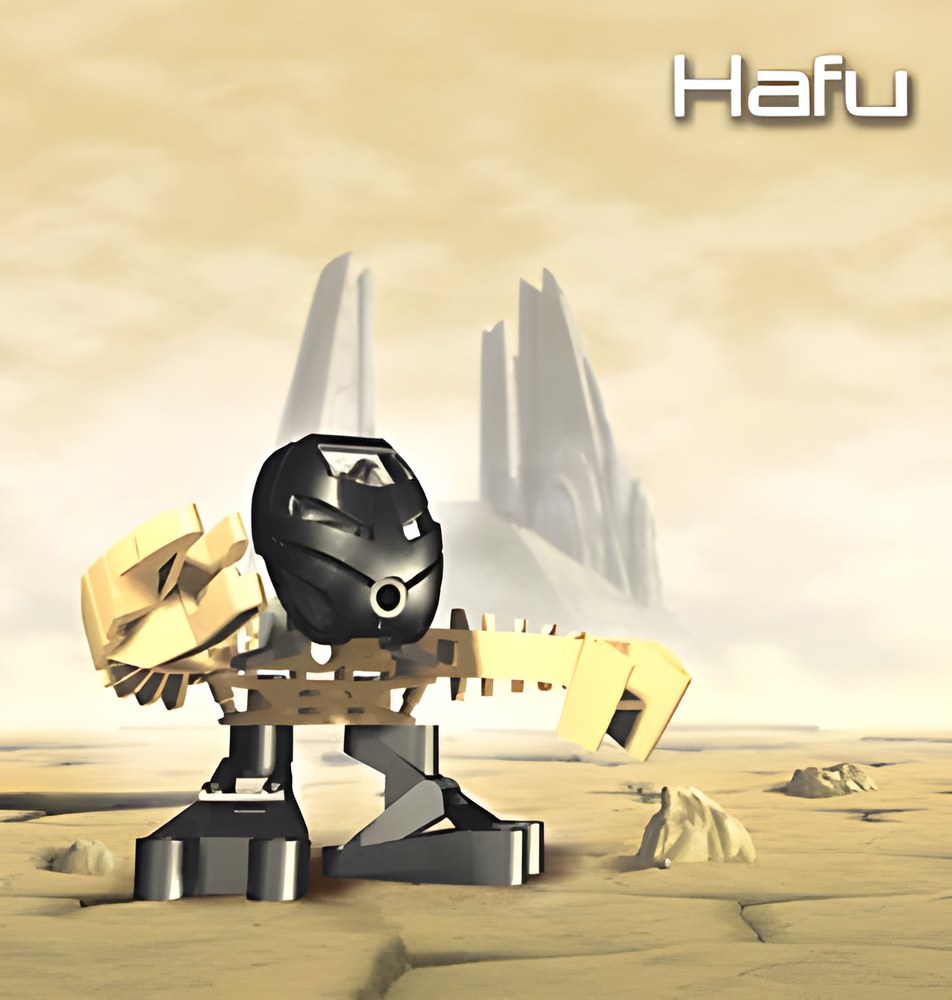
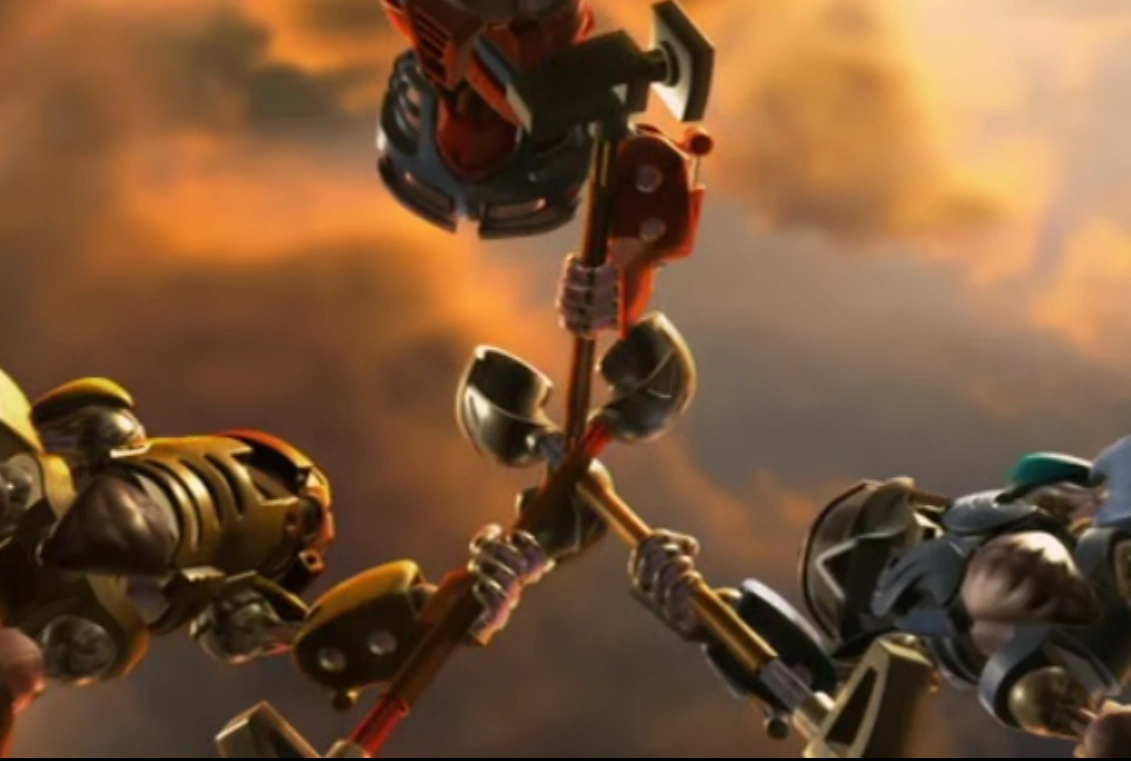
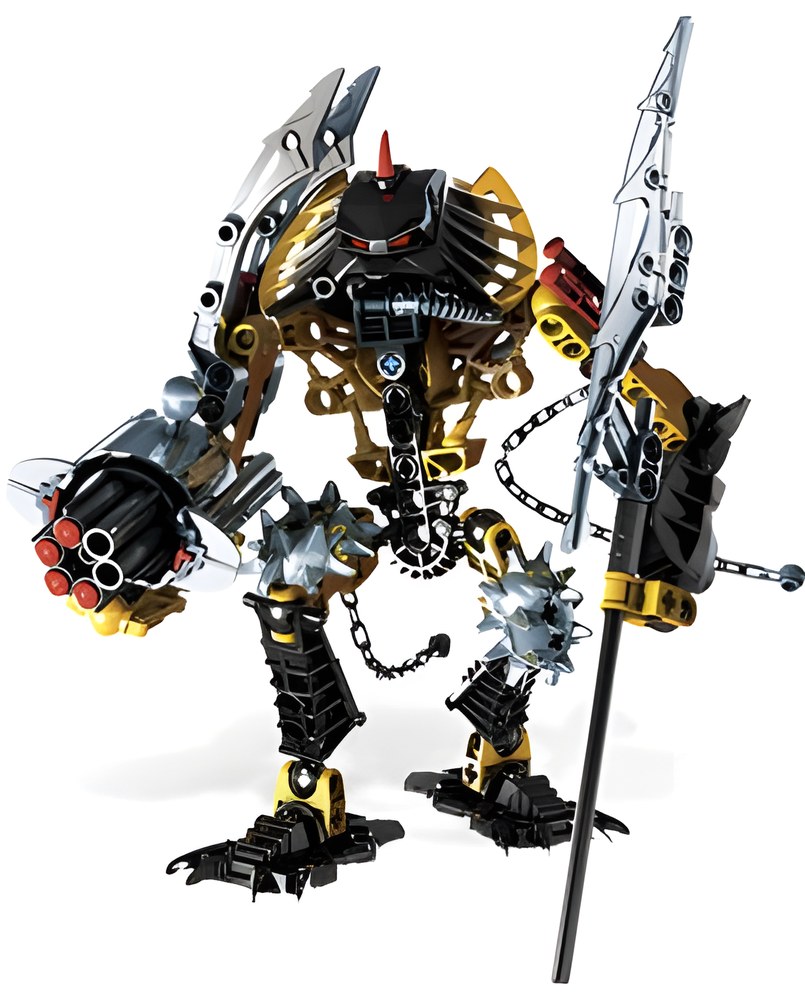
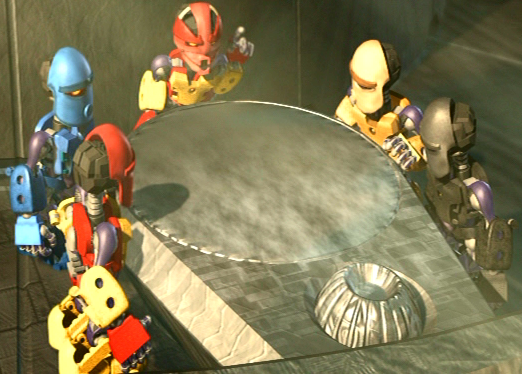
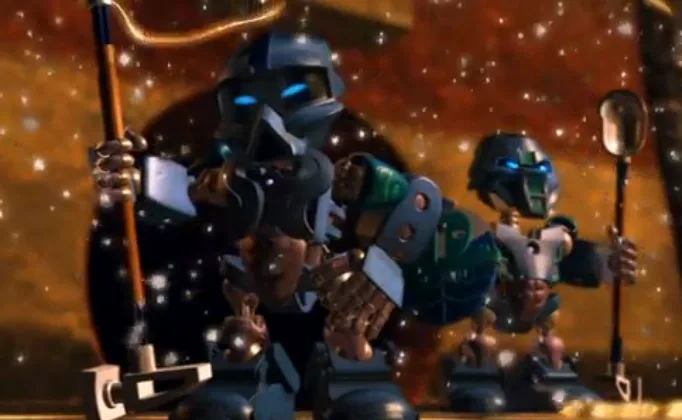
Selection at Po-KoroKoroThe Koros were the six elemental villages built on Mata Nui after the Great Rescue, on sites the Toa Metru had chosen, each tied to one element and one Turaga.#
The two team positions were filled by TuragaTuragaFormer Toa who fulfilled their destiny and transformed into leaders. Turaga wield Noble Kanohi masks and weakened elemental powers, guiding their communities. OnewaOnewaOnewa served as Toa Metru of Stone, led Po-Koro through the Dark Time, and constructed the Metru Nui statue honoring the fallen Toa Mahri Matoro. in accordance with the prerogative every TuragaTuragaFormer Toa who fulfilled their destiny and transformed into leaders. Turaga wield Noble Kanohi masks and weakened elemental powers, guiding their communities. held over the selection of their village's Kolhii ChampionKolhii ChampionThe Matoran picked by their Turaga to represent each Koro in the post-Bohrok-Kal Kolhii tournament on Mata Nui, and the Ga-Koro pair who won it. holders. The choices were straightforward. HewkiiHewkiiHewkii rose from Po-Metru Matoran to Mata Nui's foremost kolhii player, then served as Toa Inika and Toa Mahri through the late wars of the universe., known on Mata NuiMata Nui (Location)An island created by accident on the Great Spirit's face, home to the Matoran for a thousand years. at the time by his island name Huki, was the foremost KolhiiKolhiiKolhii was the inter-village sport of Mata Nui, grown out of the older game of koli and played by all six Koro until the Matoran left the island. player not only in Po-KoroKoroThe Koros were the six elemental villages built on Mata Nui after the Great Rescue, on sites the Toa Metru had chosen, each tied to one element and one Turaga. but across the island, and his appointment was effectively automatic. He had been the central figure in the sport's modern reinvention, having struck the boulder aside with a Ga-MatoranGa-MatoranThe Water-element Matoran of Ga-Metru and Ga-Koro, a female Matoran type, who filled the schools of Metru Nui and crewed the boats of the Mata Nui coast. fishing pole that had supplied the template for the Kolhii StickKolhii StickFrom Ga-Matoran fishing pole to hero's staff, the Kolhii stick was never meant for combat but excelled at sport., and had retained his standing as the best player through the years that followed.
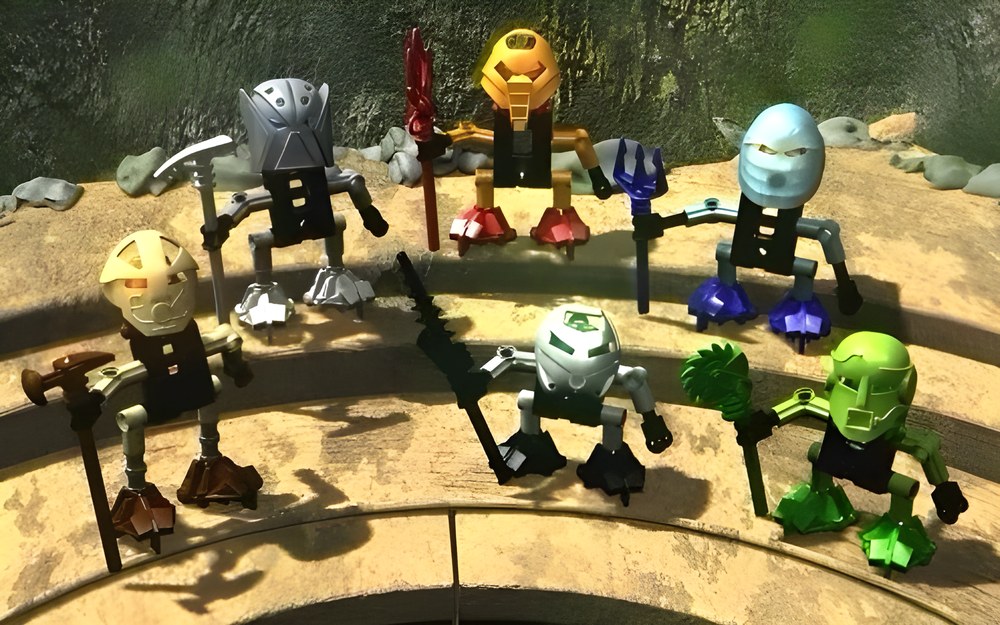
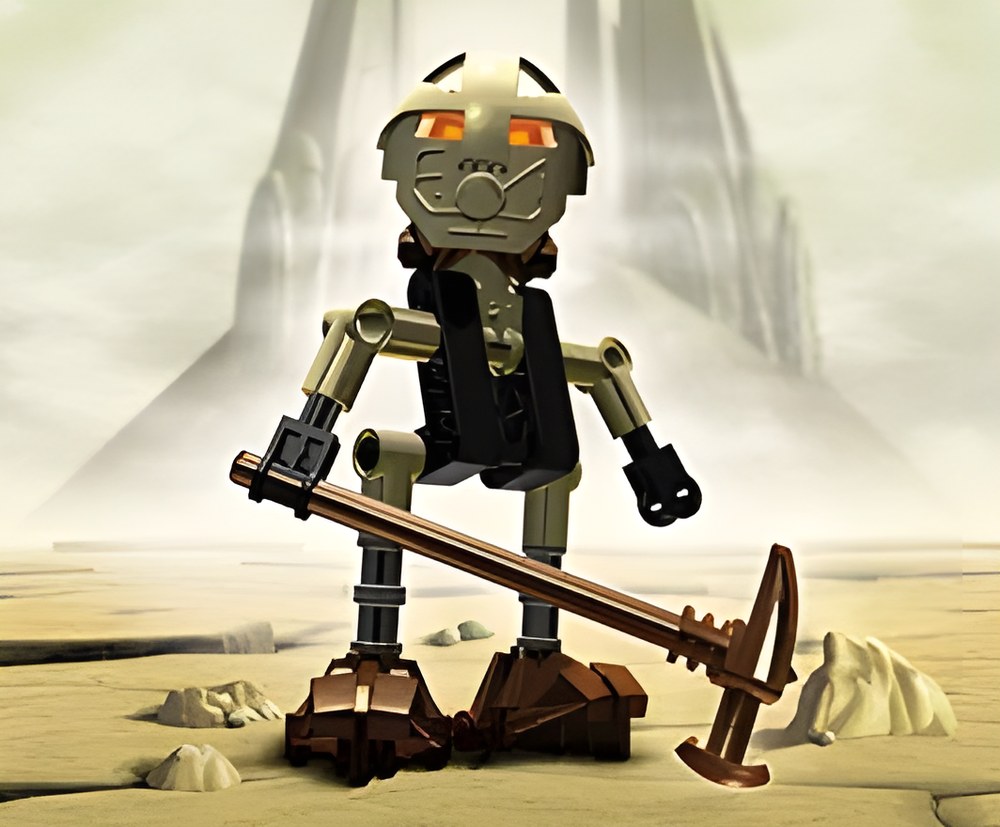
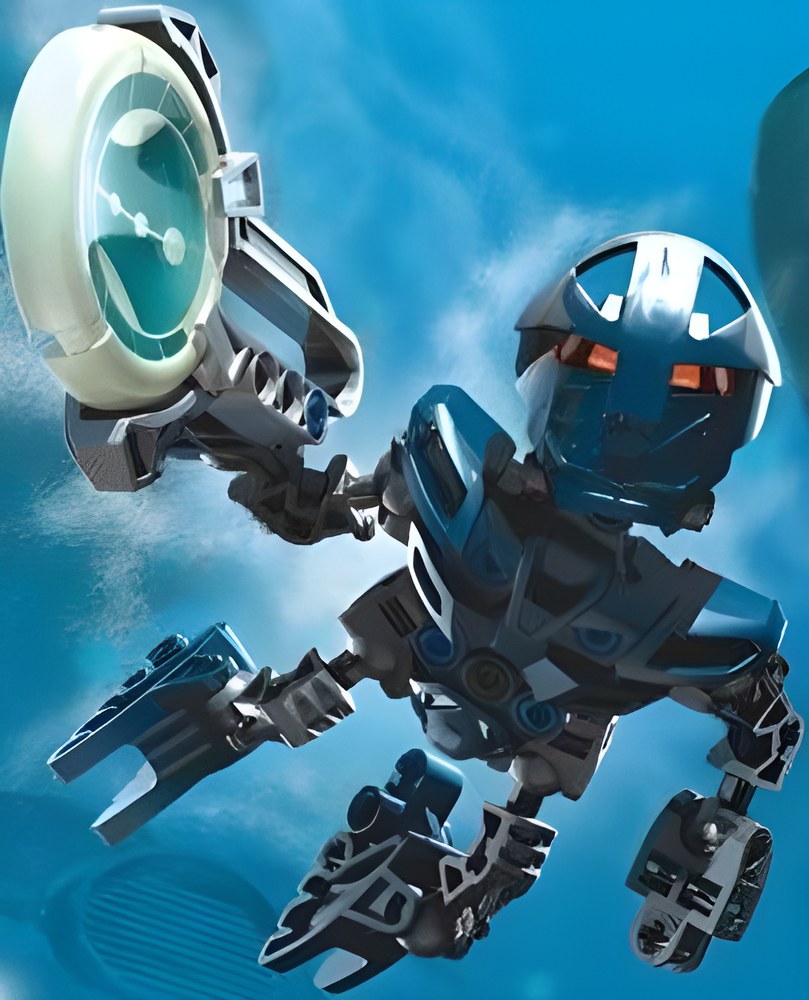
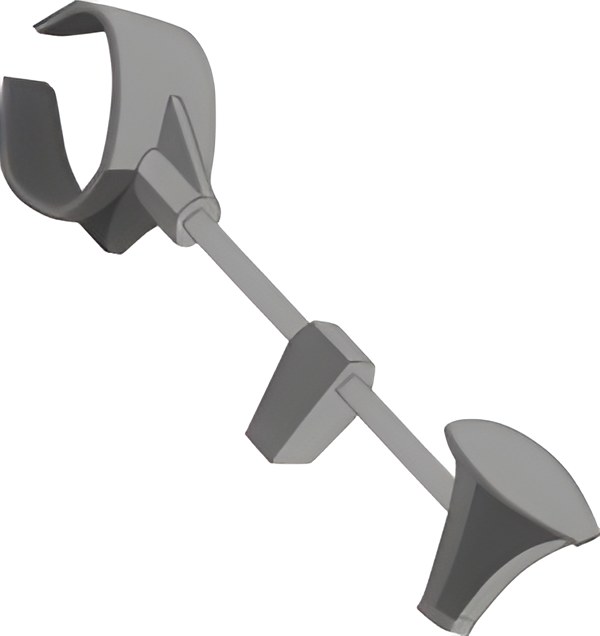
The defender's slot went to HafuHafuHafu was a Po-Matoran Carver of Po-Koro, recognized as a Master Carver, who served in the Chronicler's Company and survived the Reign of Shadows., the village's foremost carver. The choice carried symbolic weight in addition to its competitive merit. HafuHafuHafu was a Po-Matoran Carver of Po-Koro, recognized as a Master Carver, who served in the Chronicler's Company and survived the Reign of Shadows. was the most publicly recognisable Po-MatoranPo-MatoranThe Stone-element Matoran of Po-Metru and Po-Koro, carvers and quarry workers, the most athletic of the Matoran types and the population behind the Kohlii and Akilini circuits. outside of HewkiiHewkiiHewkii rose from Po-Metru Matoran to Mata Nui's foremost kolhii player, then served as Toa Inika and Toa Mahri through the late wars of the universe. himself, and his selection placed two of the village's three most visible figures, with OnewaOnewaOnewa served as Toa Metru of Stone, led Po-Koro through the Dark Time, and constructed the Metru Nui statue honoring the fallen Toa Mahri Matoro. being the third, in the tournament side. HafuHafuHafu was a Po-Matoran Carver of Po-Koro, recognized as a Master Carver, who served in the Chronicler's Company and survived the Reign of Shadows.'s carving discipline translated reasonably well into the defender role, which depended on precise positioning and on the controlled use of the team's single permitted shield rather than on raw athleticism.
Po-KoroKoroThe Koros were the six elemental villages built on Mata Nui after the Great Rescue, on sites the Toa Metru had chosen, each tied to one element and one Turaga.'s KolhiiKolhiiKolhii was the inter-village sport of Mata Nui, grown out of the older game of koli and played by all six Koro until the Matoran left the island. tradition#
Po-KoroKoroThe Koros were the six elemental villages built on Mata Nui after the Great Rescue, on sites the Toa Metru had chosen, each tied to one element and one Turaga.'s authority within the sport rested on practice and on production. The village had been the foundational supplier of stone Kolhii BallKolhii BallA stone projectile used in the Matoran sport of Kolhii, with a dangerous variant infected by Teridax's influence. equipment from the sport's earliest organised play, and its carvers produced the heavy carved-stone staves that the village's own players preferred. The older KoliAkiliniAkilini was the official sport of Metru Nui, in which Matoran surfed on Kanoka disks and threw others through scoring hoops, with tournaments held on the shifting floor of the Coliseum. tradition, which had been attributed to TuragaTuragaFormer Toa who fulfilled their destiny and transformed into leaders. Turaga wield Noble Kanohi masks and weakened elemental powers, guiding their communities. WhenuaWhenuaToa Metru of Earth and later Turaga of Onu-Koro, formerly an Onu-Metru archivist whose career in the Archives shaped his role across the rescue of Metru Nui and the long residency on Mata Nui. and OnewaOnewaOnewa served as Toa Metru of Stone, led Po-Koro through the Dark Time, and constructed the Metru Nui statue honoring the fallen Toa Mahri Matoro. in the early years on the surface, survived more visibly in Po-KoroKoroThe Koros were the six elemental villages built on Mata Nui after the Great Rescue, on sites the Toa Metru had chosen, each tied to one element and one Turaga. than anywhere else, and continued to be played informally in the village even after the codified KolhiiKolhiiKolhii was the inter-village sport of Mata Nui, grown out of the older game of koli and played by all six Koro until the Matoran left the island. rules had been adopted across the island.
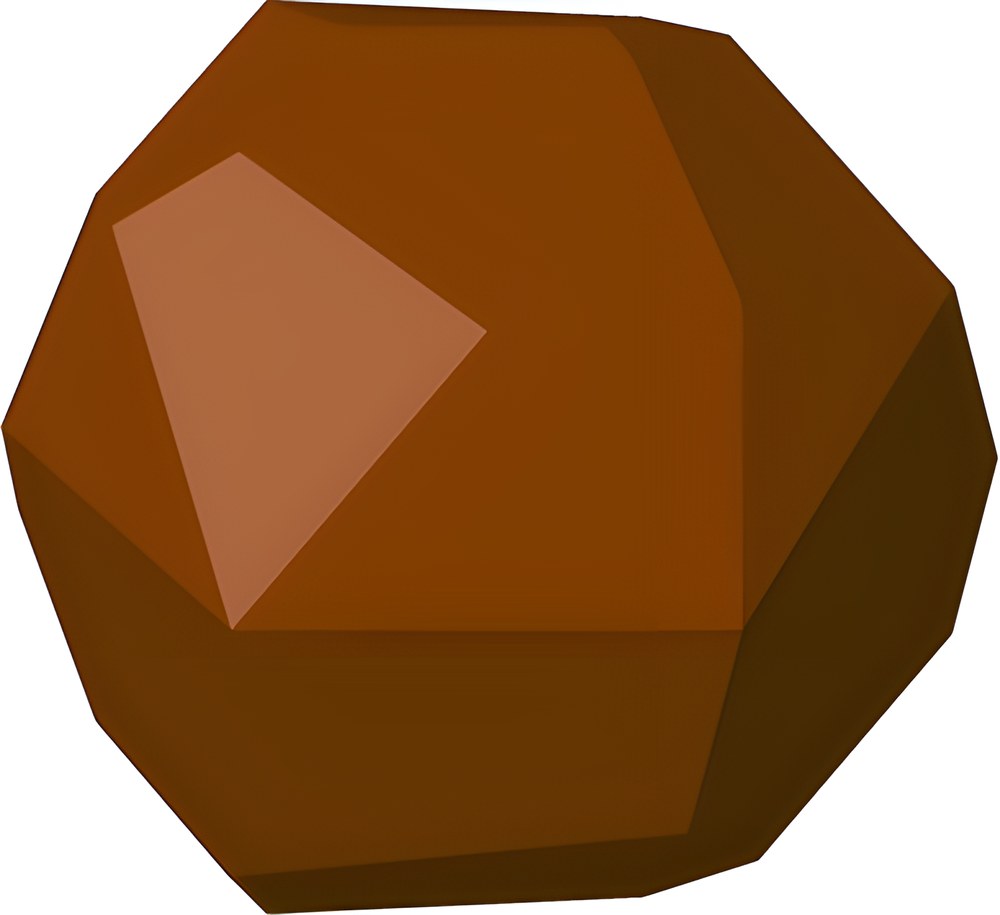
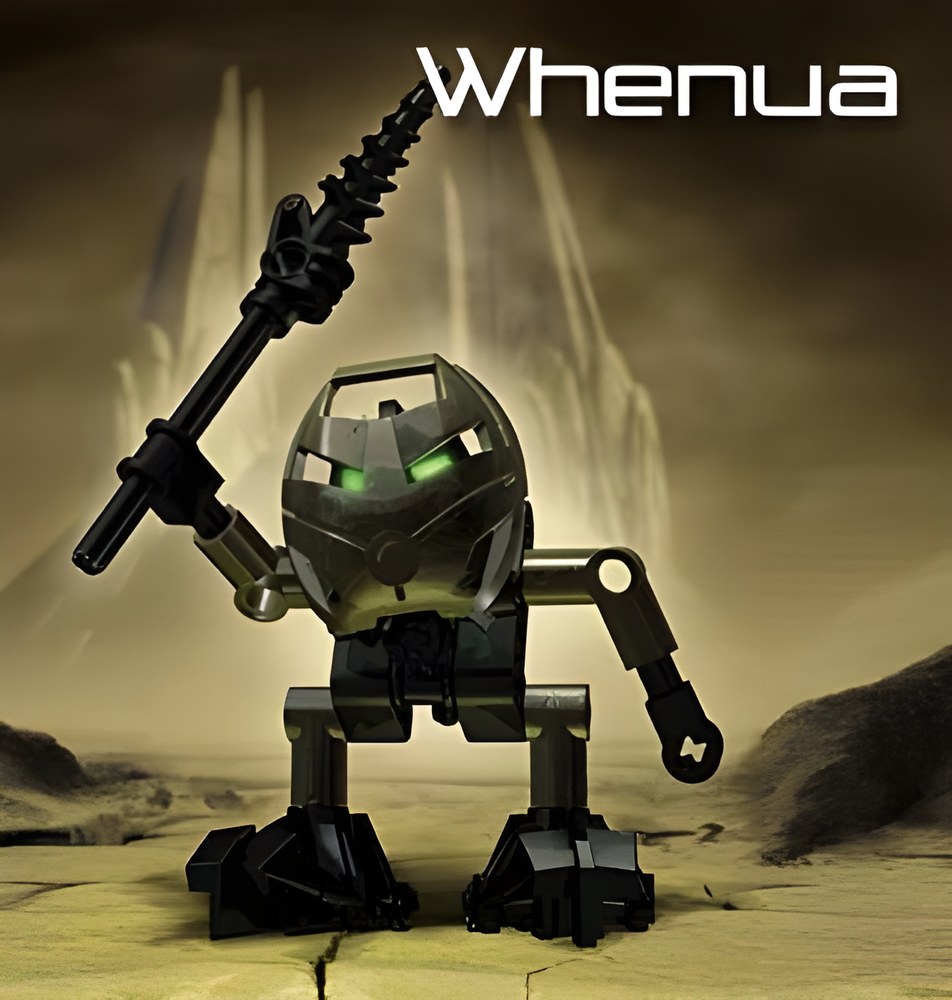
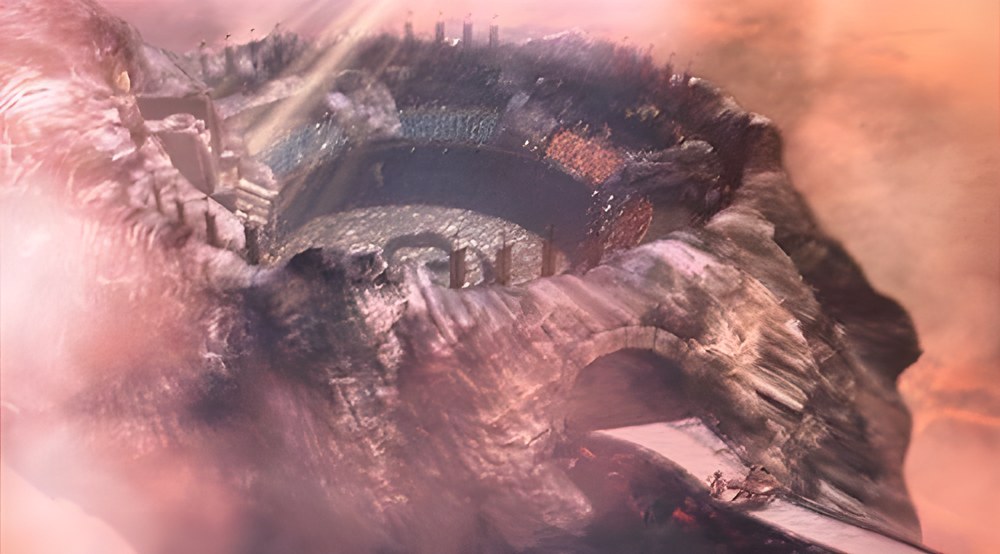
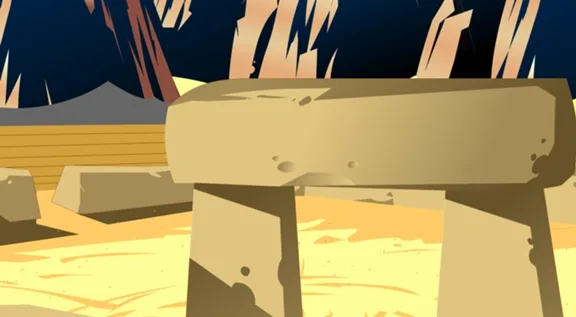
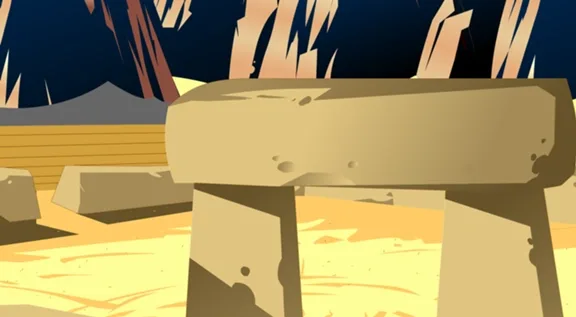
The Po-Koro Kolhii StadiumPo-Koro Kolhii StadiumPo-Koro's home Kolhii field in the Po-Wahi desert, where Hewkii and Hafu trained and the village team posted its dominant regional results before the Kolhii Tournament at Ta-Koro. was the team's home field. It was a substantial arena by the standards of the village, used for both regulation tournament play and for the older KoliAkiliniAkilini was the official sport of Metru Nui, in which Matoran surfed on Kanoka disks and threw others through scoring hoops, with tournaments held on the shifting floor of the Coliseum. demonstrations. HewkiiHewkiiHewkii rose from Po-Metru Matoran to Mata Nui's foremost kolhii player, then served as Toa Inika and Toa Mahri through the late wars of the universe. and HafuHafuHafu was a Po-Matoran Carver of Po-Koro, recognized as a Master Carver, who served in the Chronicler's Company and survived the Reign of Shadows. practiced there in the lead-up to the championship, and the stadium hosted the team's earlier inter-village fixture against the Ko-KoroKoroThe Koros were the six elemental villages built on Mata Nui after the Great Rescue, on sites the Toa Metru had chosen, each tied to one element and one Turaga. KolhiiKolhiiKolhii was the inter-village sport of Mata Nui, grown out of the older game of koli and played by all six Koro until the Matoran left the island. Team. The match was a landslide. Po-KoroKoroThe Koros were the six elemental villages built on Mata Nui after the Great Rescue, on sites the Toa Metru had chosen, each tied to one element and one Turaga. defeated the MatoroMatoroA quiet Ko-Matoran translator who became a Toa Inika and then a Toa Mahri, Matoro gave his life with the Mask of Life to restore Mata Nui. and KopekeKopekeKopeke was a Ko-Matoran ice carver of Ko-Koro who served in the Chronicler's Company at Kini-Nui and later became Chronicler of Metru Nui after Hahli. pairing without serious difficulty, in a result that confirmed the village's standing as the tournament's pre-match favourite.
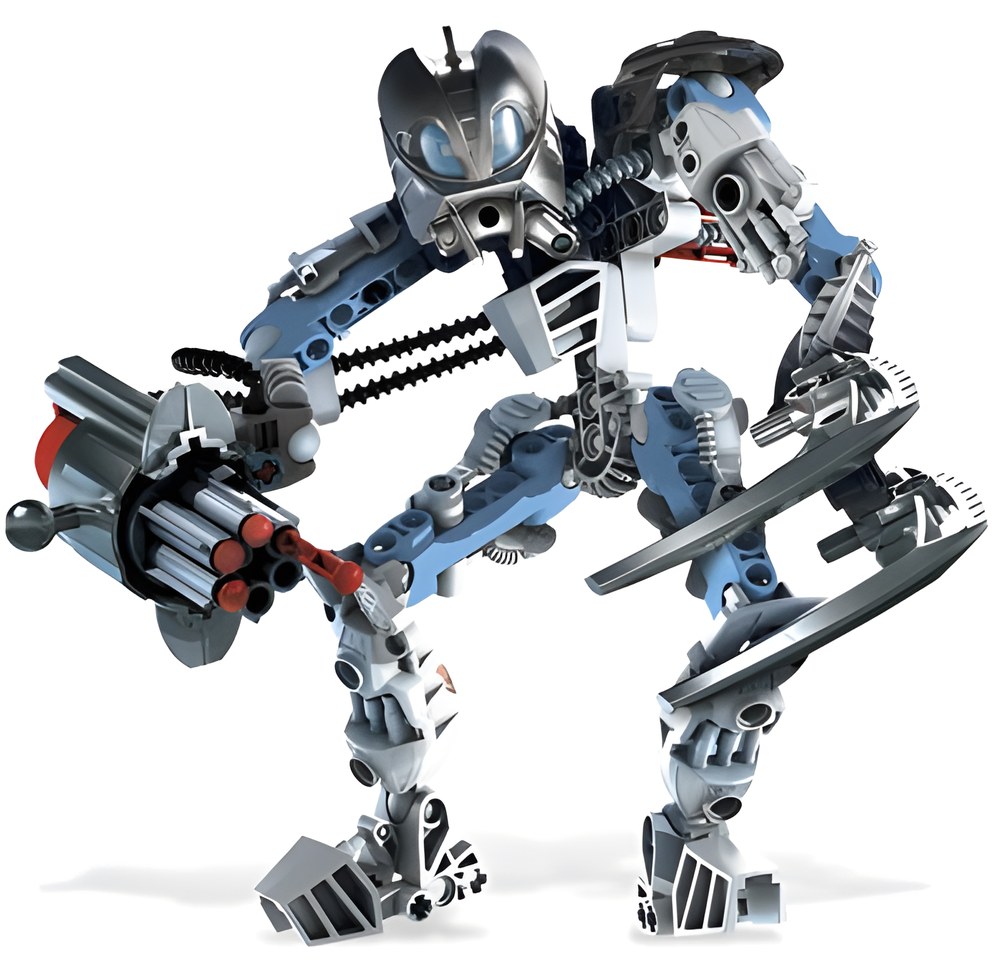
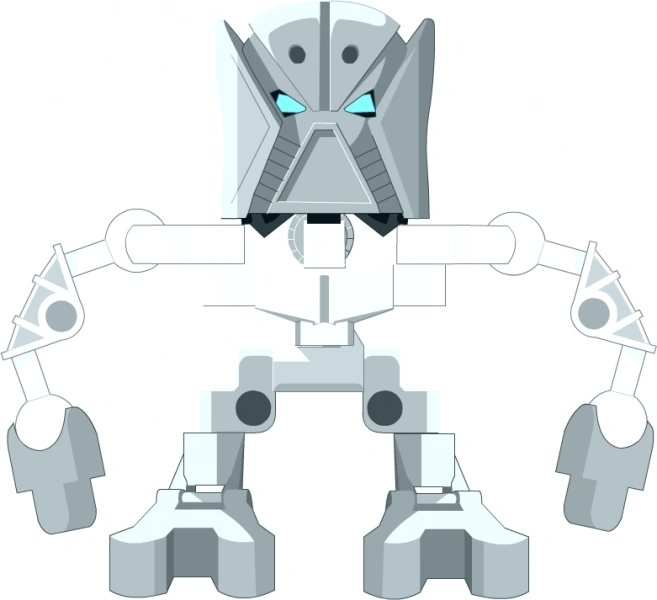
The villages's KolhiiKolhiiKolhii was the inter-village sport of Mata Nui, grown out of the older game of koli and played by all six Koro until the Matoran left the island. culture also fed into HewkiiHewkiiHewkii rose from Po-Metru Matoran to Mata Nui's foremost kolhii player, then served as Toa Inika and Toa Mahri through the late wars of the universe.'s wider athletic reputation. He had been the greatest goal-scorer in Mata NuiMata Nui (Location)An island created by accident on the Great Spirit's face, home to the Matoran for a thousand years. KolhiiKolhiiKolhii was the inter-village sport of Mata Nui, grown out of the older game of koli and played by all six Koro until the Matoran left the island. by an established margin, and was one of the few Po-MatoranPo-MatoranThe Stone-element Matoran of Po-Metru and Po-Koro, carvers and quarry workers, the most athletic of the Matoran types and the population behind the Kohlii and Akilini circuits. able to crush boulders with both his feet and his head, a skill he had developed after MackuMackuMacku was a Ga-Matoran of Metru Nui and later Ga-Koro, attendant to Turaga Nokama, Kolhii partner to Hahli at the championship at Ta-Koro, and a member of the Chronicler's Company. had soaked his mask during a practical joke at Ga-KoroGa-KoroGa-Koro is a village on the island of Mata Nui, inhabited by the Ga-Matoran and associated with both Nokama and Gali. The settlement was formerly under the power of Teridax.. His precision with a thrown Kolhii BallKolhii BallA stone projectile used in the Matoran sport of Kolhii, with a dangerous variant infected by Teridax's influence. was the trait most often cited by his rivals, and the trait that would later translate directly into his use of the SanokSanokThe Sanok was the Kanohi Mask of Accuracy, granting its wearer the power to strike any target with any thrown object, most famously worn by Toa Inika Hewkii., Mask of Accuracy, in his Toa InikaToa Inika and Toa MahriSix ordinary Matoran transformed by lightning from the Red Star into heroes who ultimately revived the Great Spirit itself. form.
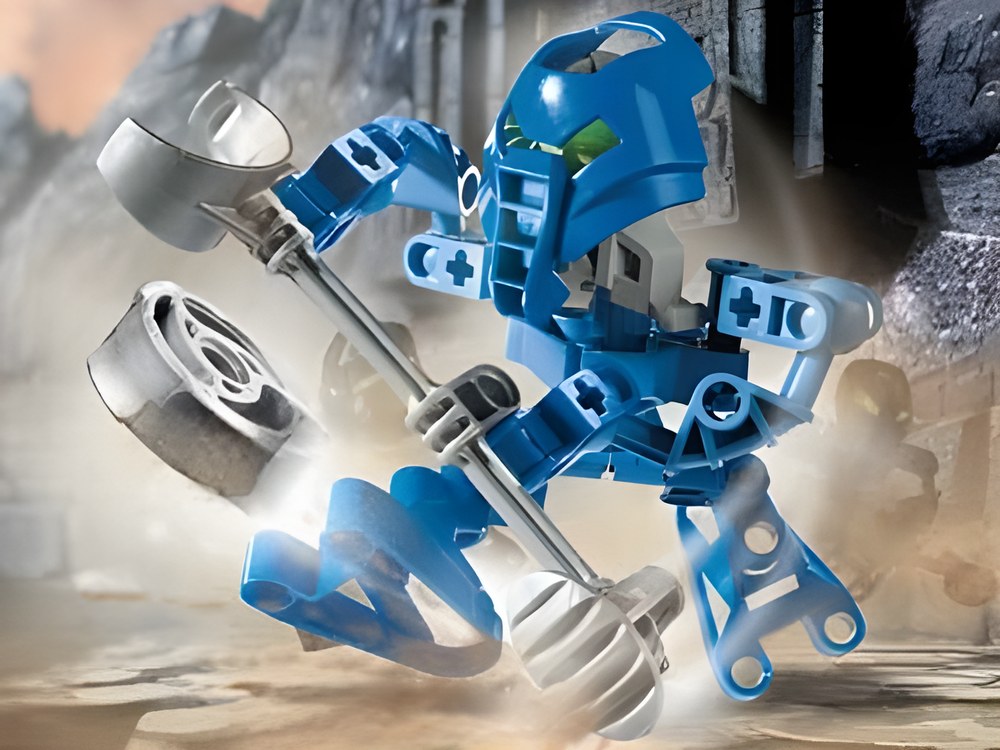
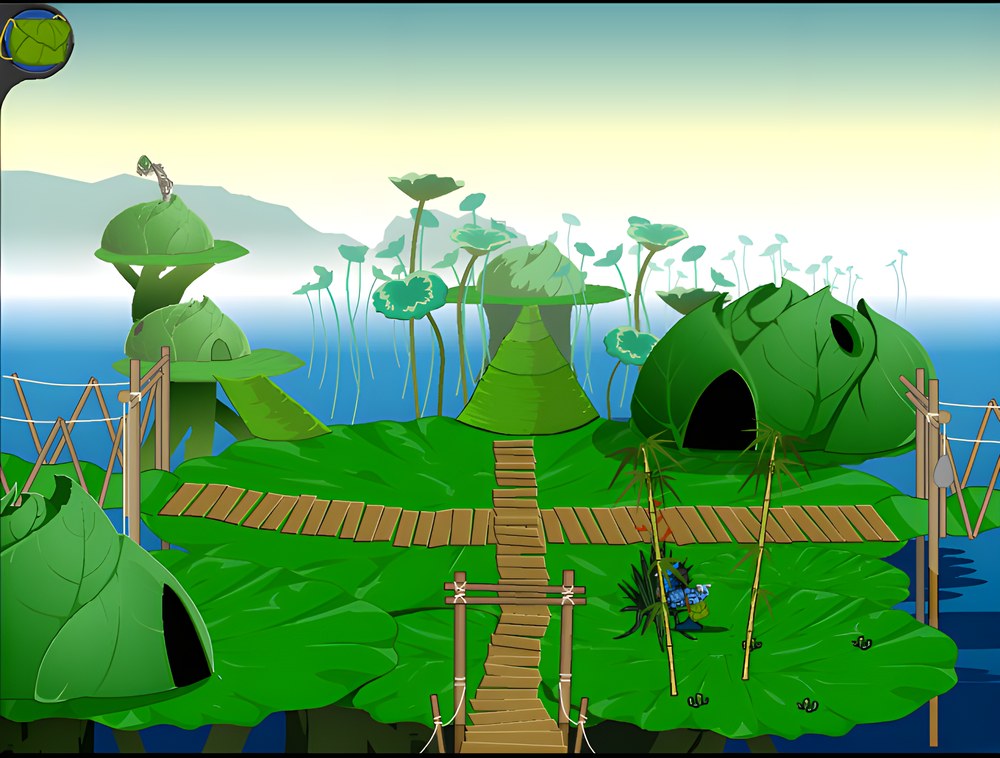
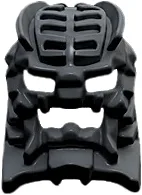
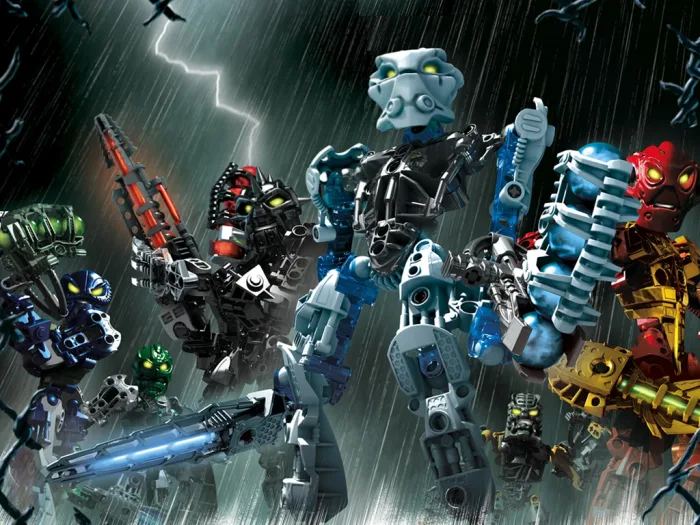
The team played with the heavy stone-headed staves that Po-KoroKoroThe Koros were the six elemental villages built on Mata Nui after the Great Rescue, on sites the Toa Metru had chosen, each tied to one element and one Turaga. carvers produced for the village. The staves were denser and slower to swing than the wooden equivalents preferred by Le-KoroLe-KoroLe-Koro is a village situated within Le-Wahi, inhabited by the Le-Matoran and home to Turaga Matau and Toa Lewa. The settlement was once held under the control of Teridax. or the polished sea-material staves of Ga-KoroGa-KoroGa-Koro is a village on the island of Mata Nui, inhabited by the Ga-Matoran and associated with both Nokama and Gali. The settlement was formerly under the power of Teridax., but they delivered substantially more force on impact. A Po-KoroKoroThe Koros were the six elemental villages built on Mata Nui after the Great Rescue, on sites the Toa Metru had chosen, each tied to one element and one Turaga. hammer strike could drive a Kolhii BallKolhii BallA stone projectile used in the Matoran sport of Kolhii, with a dangerous variant infected by Teridax's influence. on a long, low trajectory that no other village's equipment could replicate, and on the carved stone surface of the Po-Koro Kolhii StadiumPo-Koro Kolhii StadiumPo-Koro's home Kolhii field in the Po-Wahi desert, where Hewkii and Hafu trained and the village team posted its dominant regional results before the Kolhii Tournament at Ta-Koro. the resulting bounce was hard and predictable.
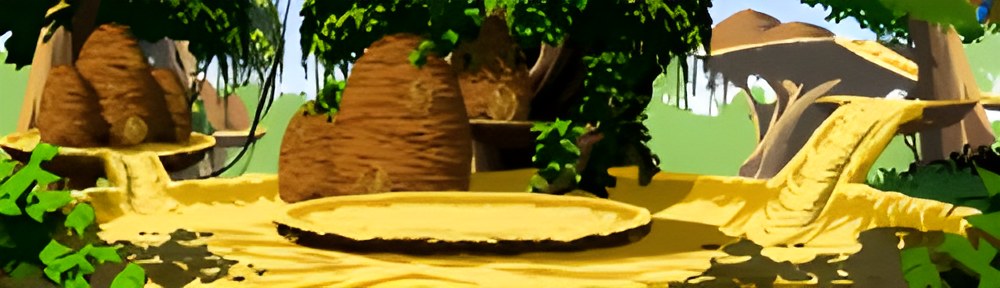
The team's style reflected the equipment. HewkiiHewkiiHewkii rose from Po-Metru Matoran to Mata Nui's foremost kolhii player, then served as Toa Inika and Toa Mahri through the late wars of the universe. led with long-range hitting and aggressive aerial play, working the ball forward in heavy strokes that were difficult for a defender to redirect. HafuHafuHafu was a Po-Matoran Carver of Po-Koro, recognized as a Master Carver, who served in the Chronicler's Company and survived the Reign of Shadows. anchored the defensive end with shield play tightly drilled into the same positional discipline he applied to carving. The combination was effective on hard surfaces and against opposing teams whose play was built around carry rather than strike, but it was vulnerable to yielding fields and to defenders willing to absorb close-range contact, a vulnerability not visible during the Ko-KoroKoroThe Koros were the six elemental villages built on Mata Nui after the Great Rescue, on sites the Toa Metru had chosen, each tied to one element and one Turaga. match and not anticipated before the trip to Ta-KoroTa-KoroTa-Koro was a settlement located in Ta-Wahi, home to the Ta-Matoran, Tahu, and Vakama, and formerly connected to Teridax. The settlement was ultimately destroyed..
The championship final#
The team travelled to Ta-KoroTa-KoroTa-Koro was a settlement located in Ta-Wahi, home to the Ta-Matoran, Tahu, and Vakama, and formerly connected to Teridax. The settlement was ultimately destroyed. for the island-wide tournament. The final, played in the Ta-Koro Kolhii StadiumTa-Koro Kolhii StadiumThe largest Kolhii venue on Mata Nui, host to the championship match in which the Mask of Light first appeared before the public eye., pitted Po-KoroKoroThe Koros were the six elemental villages built on Mata Nui after the Great Rescue, on sites the Toa Metru had chosen, each tied to one element and one Turaga. against the home Ta-Koro Kolhii TeamTa-Koro Kolhii TeamJaller and Takua were the host pair at the Mata Nui Kolhii Championship, the team whose tournament run ended in a missed deflection and whose Chronicler carried the Mask of Light into public view. of JallerJallerJaller served as Captain of the Ta-Koro Guard, led the Toa Inika to Voya Nui, and commanded the Toa Mahri through the recovery of the Mask of Life. and TakuaTakuaAn Av-Matoran hidden on Mata Nui as a Ta-Matoran, who gathered the Toa Stones, served as Chronicler, and ultimately accepted the Avohkii to become Takanuva, the Toa of Light. and against the Ga-Koro Kolhii TeamGa-Koro Kolhii TeamThe Ga-Matoran pair that won the Mata Nui kolhii championship at Ta-Koro, after Turaga Nokama picked Hahli for the team over Kotu. of HahliHahliA Ga-Matoran scholar who rose to become Chronicler of Mata Nui, then Toa Inika, then Toa Mahri of Water during the final crises of the Matoran Universe. and MackuMackuMacku was a Ga-Matoran of Metru Nui and later Ga-Koro, attendant to Turaga Nokama, Kolhii partner to Hahli at the championship at Ta-Koro, and a member of the Chronicler's Company.. The pre-tournament expectation across the island was that the final would resolve in Po-KoroKoroThe Koros were the six elemental villages built on Mata Nui after the Great Rescue, on sites the Toa Metru had chosen, each tied to one element and one Turaga.'s favour, with Ta-KoroTa-KoroTa-Koro was a settlement located in Ta-Wahi, home to the Ta-Matoran, Tahu, and Vakama, and formerly connected to Teridax. The settlement was ultimately destroyed. most likely to challenge them for the championship and Ga-KoroGa-KoroGa-Koro is a village on the island of Mata Nui, inhabited by the Ga-Matoran and associated with both Nokama and Gali. The settlement was formerly under the power of Teridax. considered the weakest of the three sides.
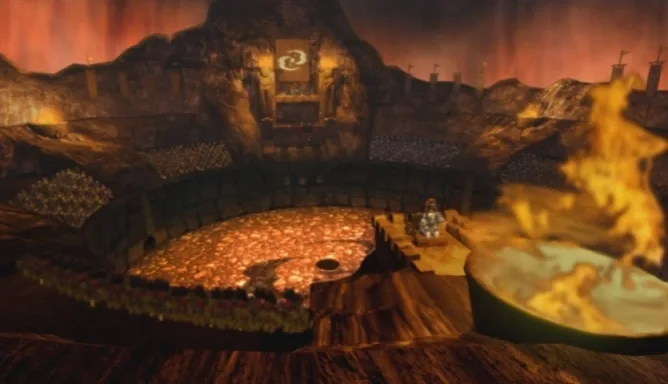
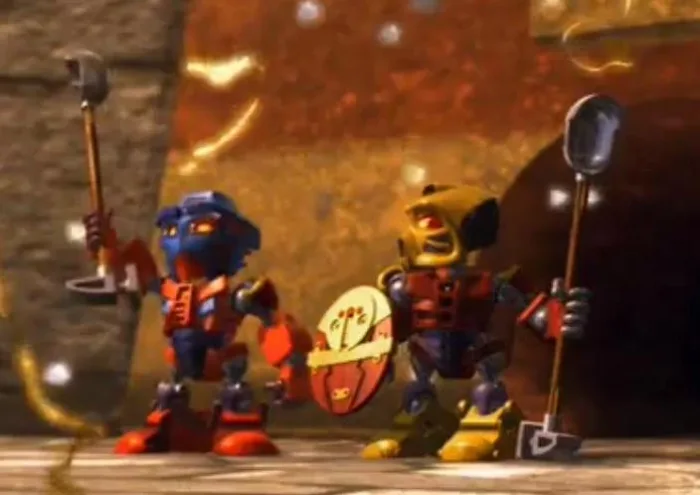
The match did not produce that result. TakuaTakuaAn Av-Matoran hidden on Mata Nui as a Ta-Matoran, who gathered the Toa Stones, served as Chronicler, and ultimately accepted the Avohkii to become Takanuva, the Toa of Light. attempted a difficult manoeuvre early in the match and failed spectacularly, a moment that effectively eliminated Ta-KoroTa-KoroTa-Koro was a settlement located in Ta-Wahi, home to the Ta-Matoran, Tahu, and Vakama, and formerly connected to Teridax. The settlement was ultimately destroyed. from contention. The Po-KoroKoroThe Koros were the six elemental villages built on Mata Nui after the Great Rescue, on sites the Toa Metru had chosen, each tied to one element and one Turaga. side took second place. HahliHahliA Ga-Matoran scholar who rose to become Chronicler of Mata Nui, then Toa Inika, then Toa Mahri of Water during the final crises of the Matoran Universe. and MackuMackuMacku was a Ga-Matoran of Metru Nui and later Ga-Koro, attendant to Turaga Nokama, Kolhii partner to Hahli at the championship at Ta-Koro, and a member of the Chronicler's Company., playing on the unfamiliar stadium surface but accustomed by their training to the close-quarters precision the championship rewarded, defeated the favoured Po-KoroKoroThe Koros were the six elemental villages built on Mata Nui after the Great Rescue, on sites the Toa Metru had chosen, each tied to one element and one Turaga. team in the final and were declared the reigning champions of Mata NuiMata Nui (Location)An island created by accident on the Great Spirit's face, home to the Matoran for a thousand years..
The upset was decisive on the day. HewkiiHewkiiHewkii rose from Po-Metru Matoran to Mata Nui's foremost kolhii player, then served as Toa Inika and Toa Mahri through the late wars of the universe.'s long-range hitting had been blunted by MackuMackuMacku was a Ga-Matoran of Metru Nui and later Ga-Koro, attendant to Turaga Nokama, Kolhii partner to Hahli at the championship at Ta-Koro, and a member of the Chronicler's Company.'s defensive play, and HafuHafuHafu was a Po-Matoran Carver of Po-Koro, recognized as a Master Carver, who served in the Chronicler's Company and survived the Reign of Shadows.'s shield discipline had been forced into reactive rather than anchoring posture by the pace of the Ga-KoroGa-KoroGa-Koro is a village on the island of Mata Nui, inhabited by the Ga-Matoran and associated with both Nokama and Gali. The settlement was formerly under the power of Teridax. offence. The Po-KoroKoroThe Koros were the six elemental villages built on Mata Nui after the Great Rescue, on sites the Toa Metru had chosen, each tied to one element and one Turaga. team had been outplayed rather than outclassed, and the result reflected on the day's match rather than on any underlying weakness in the village's KolhiiKolhiiKolhii was the inter-village sport of Mata Nui, grown out of the older game of koli and played by all six Koro until the Matoran left the island. tradition.
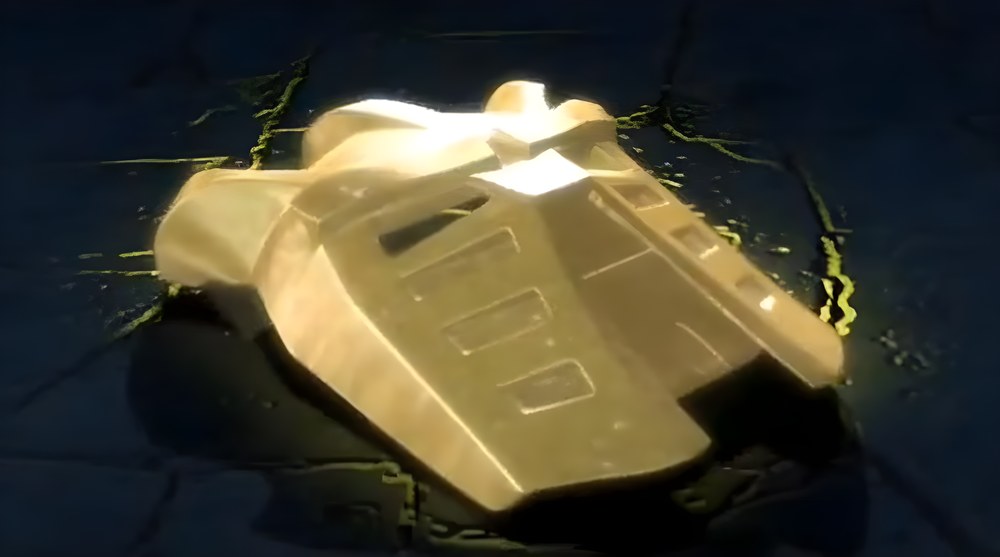
In the immediate aftermath of the match, as the assembled villagers gathered for the post-tournament ceremony, the AvohkiiAvohkiiThe Avohkii is the Mask of Light, a golden mask that granted its wearer the power of Light and the ability to spread understanding. It was worn by Toa Takanuva. slipped from JallerJallerJaller served as Captain of the Ta-Koro Guard, led the Toa Inika to Voya Nui, and commanded the Toa Mahri through the recovery of the Mask of Life.'s pack and fell into view of the crowd. The exposure of the Mask of LightKanohi Mask of Light and ShadowA single fused Kanohi formed in Energized Protodermis when Takanuva and Teridax merged into Takutanuva, holding both light and shadow at once. ended the tournament's place in the day's public attention, and the Po-KoroKoroThe Koros were the six elemental villages built on Mata Nui after the Great Rescue, on sites the Toa Metru had chosen, each tied to one element and one Turaga. team's second-place finish was overshadowed by the immediate uproar over what had been revealed.
Aftermath and dispersal#
The team did not play together competitively again. The RahkshiBionicle Rahkshi: the Sons of Makuta from Mask of LightRahkshi are armoured hunters made from kraata, the slug-like creatures of the Makuta. Six of them chased the Mask of Light across Mata Nui in 2003. Here's what they are, the different kinds and where they turn up in the films, books and comics. attack on Ta-KoroTa-KoroTa-Koro was a settlement located in Ta-Wahi, home to the Ta-Matoran, Tahu, and Vakama, and formerly connected to Teridax. The settlement was ultimately destroyed. shortly after the championship destroyed the Ta-Koro Kolhii StadiumTa-Koro Kolhii StadiumThe largest Kolhii venue on Mata Nui, host to the championship match in which the Mask of Light first appeared before the public eye. and ended the inter-village structure on which the tournament had depended. The Po-KoroKoroThe Koros were the six elemental villages built on Mata Nui after the Great Rescue, on sites the Toa Metru had chosen, each tied to one element and one Turaga. team returned to the village without an obvious successor fixture to prepare for, and informal play resumed on the home field without the championship calendar that had organised the preceding period.
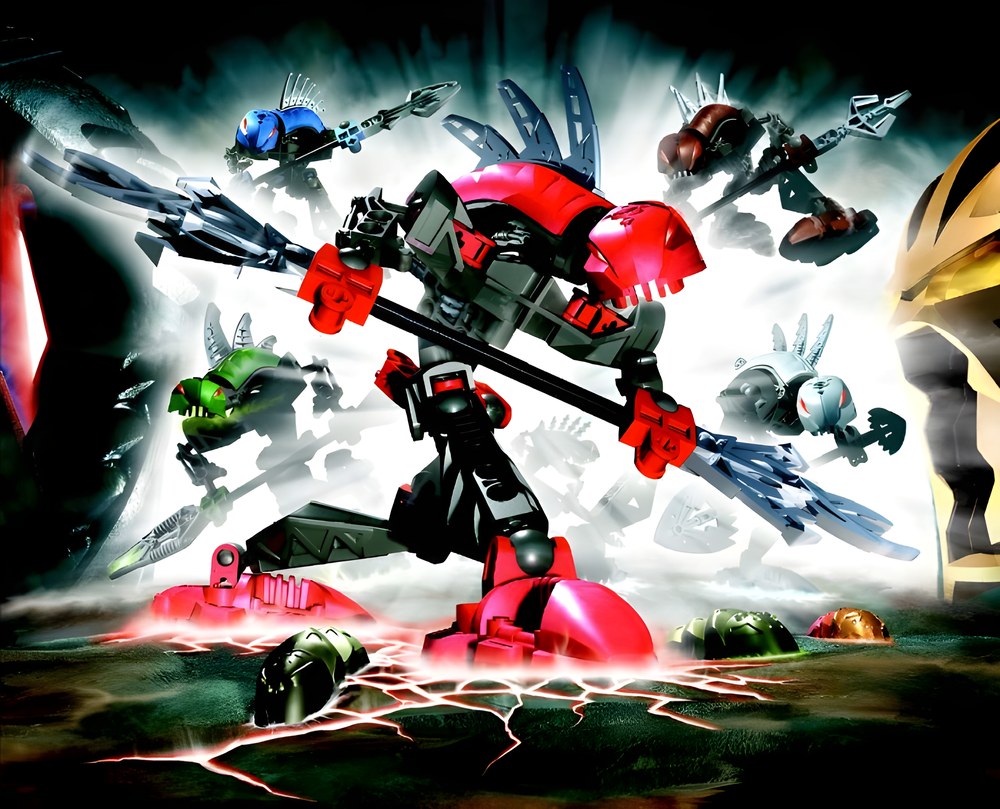
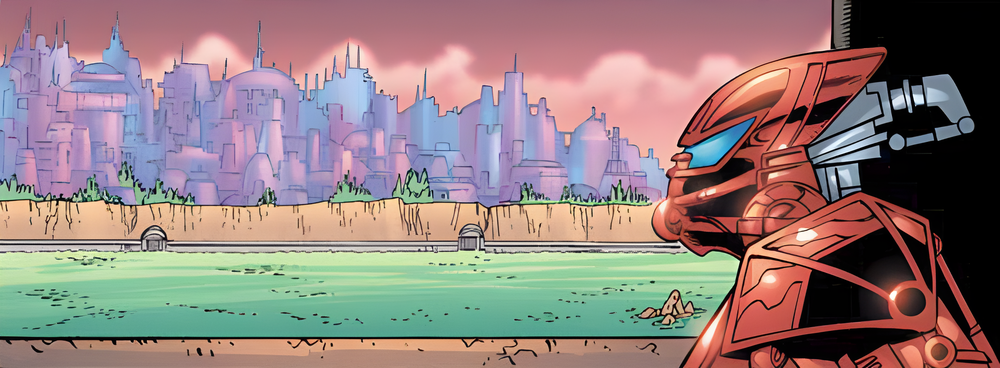
HewkiiHewkiiHewkii rose from Po-Metru Matoran to Mata Nui's foremost kolhii player, then served as Toa Inika and Toa Mahri through the late wars of the universe. was later summoned by the Mask of LifeThe Mask of Life (Kanohi Ignika), explainedA failsafe forged by the Great Beings to recharge a god. It curses everyone who touches it, and by the end of Bionicle it had learned how to be a hero. and transformed into one of the Toa InikaToa Inika and Toa MahriSix ordinary Matoran transformed by lightning from the Red Star into heroes who ultimately revived the Great Spirit itself., and later into the Toa MahriToa Inika and Toa MahriSix ordinary Matoran transformed by lightning from the Red Star into heroes who ultimately revived the Great Spirit itself. form he carried during the recovery of the Kanohi IgnikaThe Mask of Life (Kanohi Ignika), explainedA failsafe forged by the Great Beings to recharge a god. It curses everyone who touches it, and by the end of Bionicle it had learned how to be a hero.. His departure from the MatoranMatoranThe most abundant species in the Matoran Universe, chosen by Mata Nui to inhabit and maintain his cosmic body. ranks ended the team's existence as a competitive unit. HafuHafuHafu was a Po-Matoran Carver of Po-Koro, recognized as a Master Carver, who served in the Chronicler's Company and survived the Reign of Shadows. remained a MatoranMatoranThe most abundant species in the Matoran Universe, chosen by Mata Nui to inhabit and maintain his cosmic body., returning to Metru NuiMetru NuiThe city beneath Mata Nui functions as the Great Spirit's brain, housing the Matoran whose labor keeps the god alive. with the rest of the Po-MatoranPo-MatoranThe Stone-element Matoran of Po-Metru and Po-Koro, carvers and quarry workers, the most athletic of the Matoran types and the population behind the Kohlii and Akilini circuits. and resuming his carving work in the rebuilt city.
Legacy#
The Po-KoroKoroThe Koros were the six elemental villages built on Mata Nui after the Great Rescue, on sites the Toa Metru had chosen, each tied to one element and one Turaga. KolhiiKolhiiKolhii was the inter-village sport of Mata Nui, grown out of the older game of koli and played by all six Koro until the Matoran left the island. Team's significance in the sport's history rested on three things: the standing of HewkiiHewkiiHewkii rose from Po-Metru Matoran to Mata Nui's foremost kolhii player, then served as Toa Inika and Toa Mahri through the late wars of the universe. as the player against whom all other KolhiiKolhiiKolhii was the inter-village sport of Mata Nui, grown out of the older game of koli and played by all six Koro until the Matoran left the island. athletes were measured, the village's foundational role in supplying the equipment and the KoliAkiliniAkilini was the official sport of Metru Nui, in which Matoran surfed on Kanoka disks and threw others through scoring hoops, with tournaments held on the shifting floor of the Coliseum. tradition from which the modern sport had grown, and the championship final in which the team's pre-match favourite status was overturned by the Ga-KoroGa-KoroGa-Koro is a village on the island of Mata Nui, inhabited by the Ga-Matoran and associated with both Nokama and Gali. The settlement was formerly under the power of Teridax. upset. The Po-Koro Kolhii StadiumPo-Koro Kolhii StadiumPo-Koro's home Kolhii field in the Po-Wahi desert, where Hewkii and Hafu trained and the village team posted its dominant regional results before the Kolhii Tournament at Ta-Koro. was abandoned during the Mata NuiMata Nui (Location)An island created by accident on the Great Spirit's face, home to the Matoran for a thousand years. evacuation and was eventually destroyed when the BohrokBohrokHive-minded mechanical creatures designed to reshape worlds, the Bohrok represent a threat the Toa Mata never expected. were released across the surface island. No comparable arena was reconstructed in Metru NuiMetru NuiThe city beneath Mata Nui functions as the Great Spirit's brain, housing the Matoran whose labor keeps the god alive.. The team's record, of a Ko-KoroKoroThe Koros were the six elemental villages built on Mata Nui after the Great Rescue, on sites the Toa Metru had chosen, each tied to one element and one Turaga. landslide followed by a championship second place, remained the closing chapter of Po-MatoranPo-MatoranThe Stone-element Matoran of Po-Metru and Po-Koro, carvers and quarry workers, the most athletic of the Matoran types and the population behind the Kohlii and Akilini circuits. organised competitive play.
Frequently asked questions
- Who was on the Po-Koro Kolhii Team?
- The Po-Koro Kolhii Team was the Po-Matoran entry in the Mata Nui Kolhii Championship, consisting of the carver Hafu as defender and the Kolhii Champion Hewkii as the offending player. Both were selected by Turaga Onewa.
- Why was the Po-Koro Kolhii Team the favourite to win?
- The team was widely regarded across the island as the heavy favourite. Po-Koro had produced the sport's original stone equipment, retained the older Koli tradition, and had in Hewkii the player generally considered the foremost Kolhii athlete on Mata Nui.
- Who did the Po-Koro Kolhii Team beat before the final?
- The team defeated the Ko-Koro Kolhii Team, the pairing of Matoro and Kopeke, in a landslide at the Po-Koro Kolhii Stadium. The result confirmed the village's standing as the tournament's pre-match favourite.
- Why did the Po-Koro Kolhii Team lose the championship final?
- The favoured Po-Koro side was beaten in the final at the Ta-Koro Kolhii Stadium by the Ga-Koro Kolhii Team of Hahli and Macku, finishing in second place. Hewkii's long-range striking was blunted by Macku's defensive play and Hafu's shield discipline was forced into a reactive posture by the pace of the Ga-Koro offence, so the team was outplayed rather than outclassed.
- What happened to Hewkii and Hafu after the team's final match?
- The team never played together competitively again, especially after the Rahkshi attack on Ta-Koro destroyed the Ta-Koro Kolhii Stadium and ended the inter-village structure. Hewkii was later transformed into a Toa of Stone, while Hafu remained a Matoran and resumed his carving work in the rebuilt Metru Nui.
Sources
- WikiHewkii, BS01 entry on the team's offending player and Po-Koro Kolhii champion
Spotted a factual error or a primary source we missed? Email a correction. Every flagged claim gets reviewed.
Followed from this entry
Ta-Koro Kolhii Team
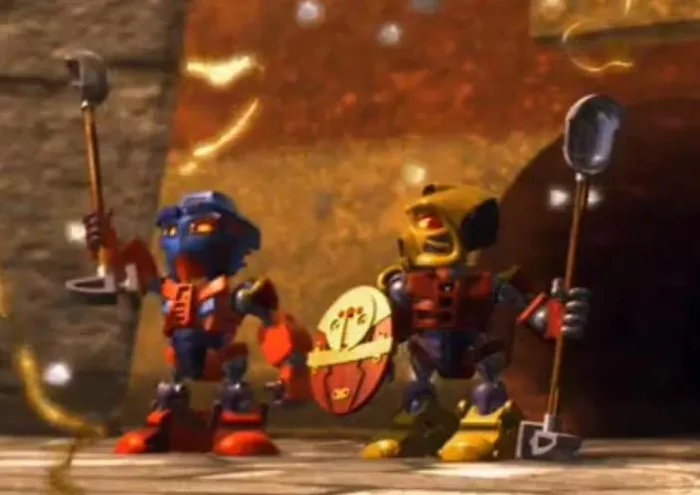
Jaller and Takua were the host pair at the Mata Nui Kolhii Championship, the team whose tournament run ended in a missed deflection and whose Chronicler carried the Mask of Light into public view.

Kolhii
Kolhii was the inter-village sport of Mata Nui, grown out of the older game of koli and played by all six Koro until the Matoran left the island.
Akilini
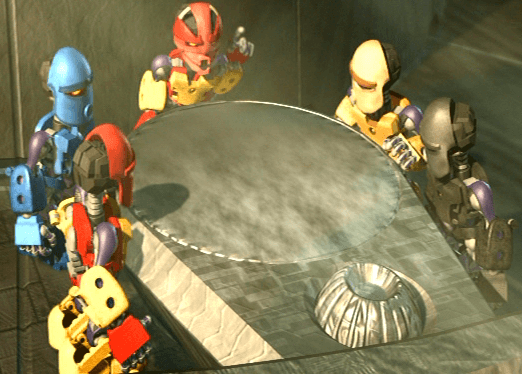
Akilini was the official sport of Metru Nui, in which Matoran surfed on Kanoka disks and threw others through scoring hoops, with tournaments held on the shifting floor of the Coliseum.
Ga-Matoran
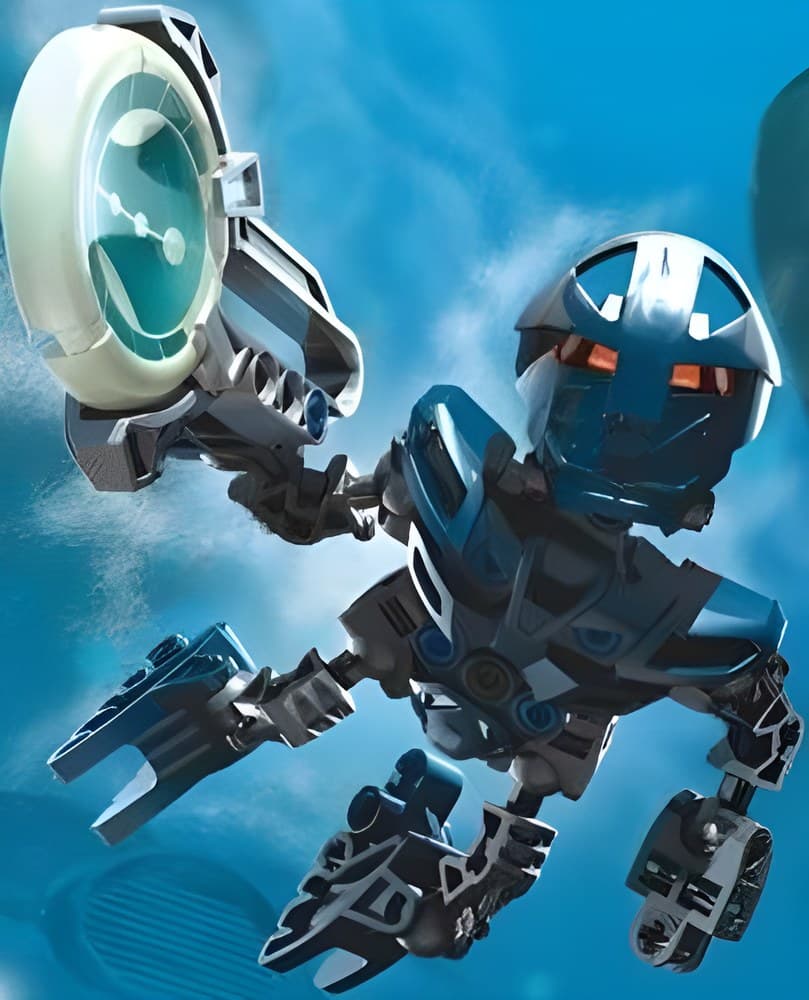
The Water-element Matoran of Ga-Metru and Ga-Koro, a female Matoran type, who filled the schools of Metru Nui and crewed the boats of the Mata Nui coast.
Po-Koro Kolhii Stadium
Po-Koro's home Kolhii field in the Po-Wahi desert, where Hewkii and Hafu trained and the village team posted its dominant regional results before the Kolhii Tournament at Ta-Koro.
Po-Matoran
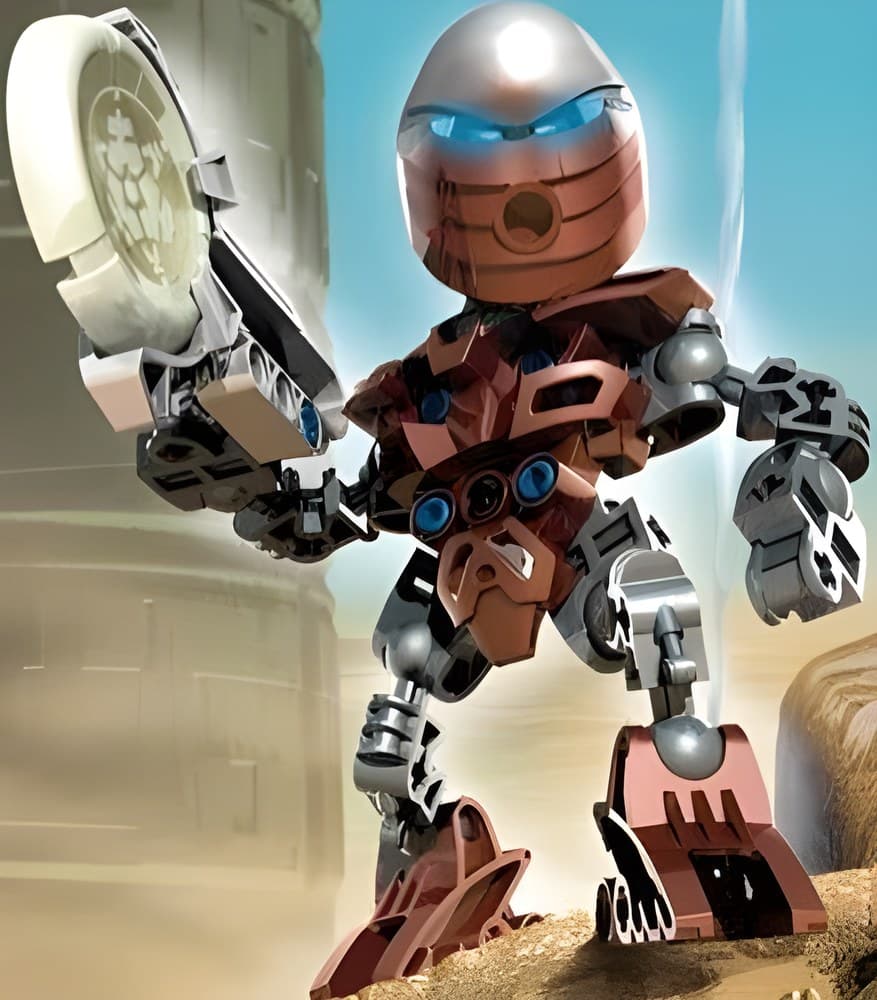
The Stone-element Matoran of Po-Metru and Po-Koro, carvers and quarry workers, the most athletic of the Matoran types and the population behind the Kohlii and Akilini circuits.
Mentioned in5 entries
Le-Koro Kolhii Team
Kongu and Tamaru were Le-Koro's Kolhii pair in the Mata Nui Kolhii Tournament, a side that did not make it through to the Championship.
Onu-Koro Kolhii Stadium
The underground Kolhii field cut into the galleries of Onu-Wahi, home venue of the Onu-Koro Kolhii Team of Onepu and Taipu.
Onu-Koro Kolhii Team
Onepu and Taipu were Onu-Koro's Kolhii pair at the Mata Nui championship, beaten in their opening fixture by the Ga-Koro side that went on to take the title.
Po-Koro Kolhii Stadium
Po-Koro's home Kolhii field in the Po-Wahi desert, where Hewkii and Hafu trained and the village team posted its dominant regional results before the Kolhii Tournament at Ta-Koro.
Ta-Koro Kolhii Team
Jaller and Takua were the host pair at the Mata Nui Kolhii Championship, the team whose tournament run ended in a missed deflection and whose Chronicler carried the Mask of Light into public view.
Get new articles in your inbox
No spam. New lore drops, canon conflicts, and deep dives only when they’re worth reading.
Some links on Lore Fortress are affiliate links. If you buy through them we earn a small commission at no extra cost to you.