Madu
The Explosive Fruit of Mata Nui
The volatile coconut-like fruit that grew on the Madu trees of Mata Nui, whose ripe form detonated at the slightest disturbance and whose unripe Cabolo form became a Matoran improvised weapon.
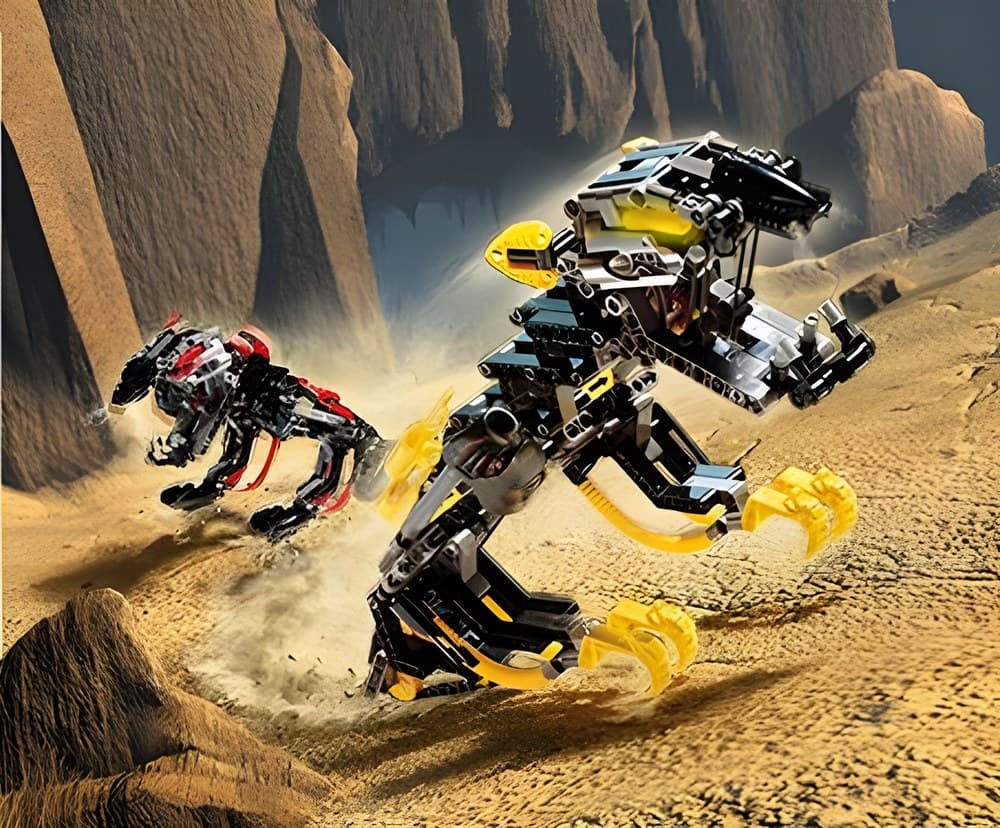
A Madu was a coconut-like fruit that grew on Madu trees on the island of Mata NuiMata Nui (Location)An island created by accident on the Great Spirit's face, home to the Matoran for a thousand years.. Its juices were somewhat volatile and the fruit was known to explode, which made it useful against hostile RahiRahiThe Rahi were the biomechanical wildlife of the Matoran Universe, built largely by the Brotherhood of Makuta, ranging from background fauna to engineered war beasts.. The unripe form, even more volatile, was called the Madu Cabolo. (BIONICLE: Encyclopedia Updated; BIONICLE: Quest for the Toa)
The fruit and its tree#
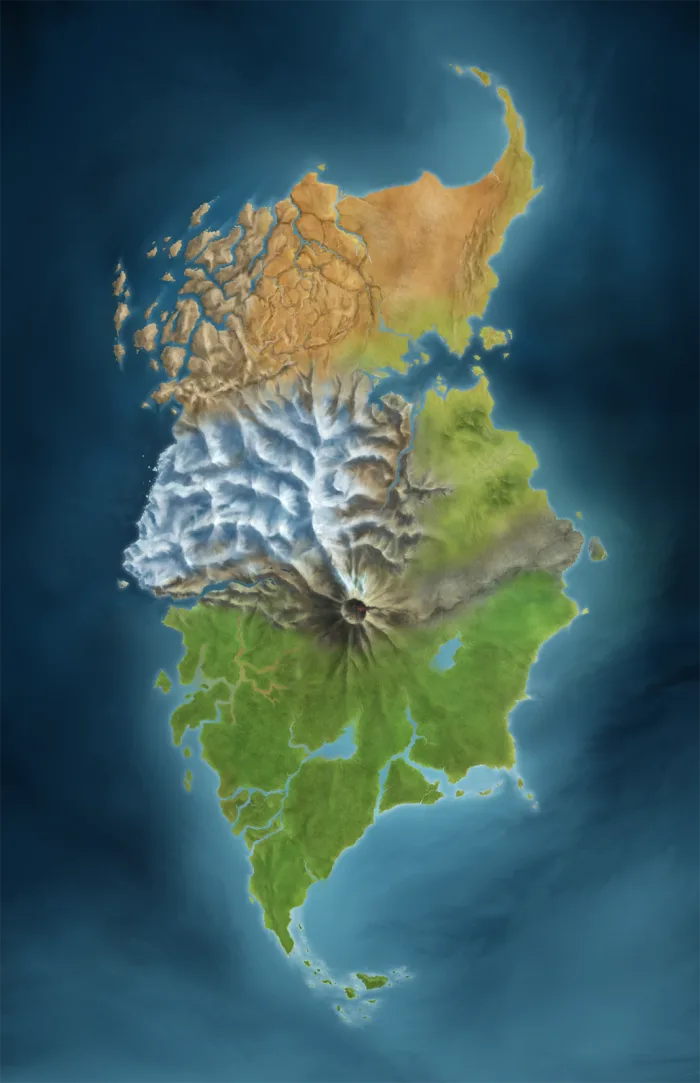
The Madu grew on Madu trees among the varied plant life of Mata NuiMata Nui (Location)An island created by accident on the Great Spirit's face, home to the Matoran for a thousand years.. The fruit looked like a coconut. It was common enough on the island to be part of everyday Matoran life: in Le-Wahi, Le-MatoranLe-MatoranGreen-powered Matoran obsessed with thrills and transport. They're basically Bionicle's daredevils. threw Madu at one another in the game of Kewa bird riding, trying to knock opponents off their birds, and Matoran practised their aim by throwing Madu at the Papa Nihu Reef. (BIONICLE: Quest for the Toa; BIONICLE Chronicles 2: Beware the Bohrok)
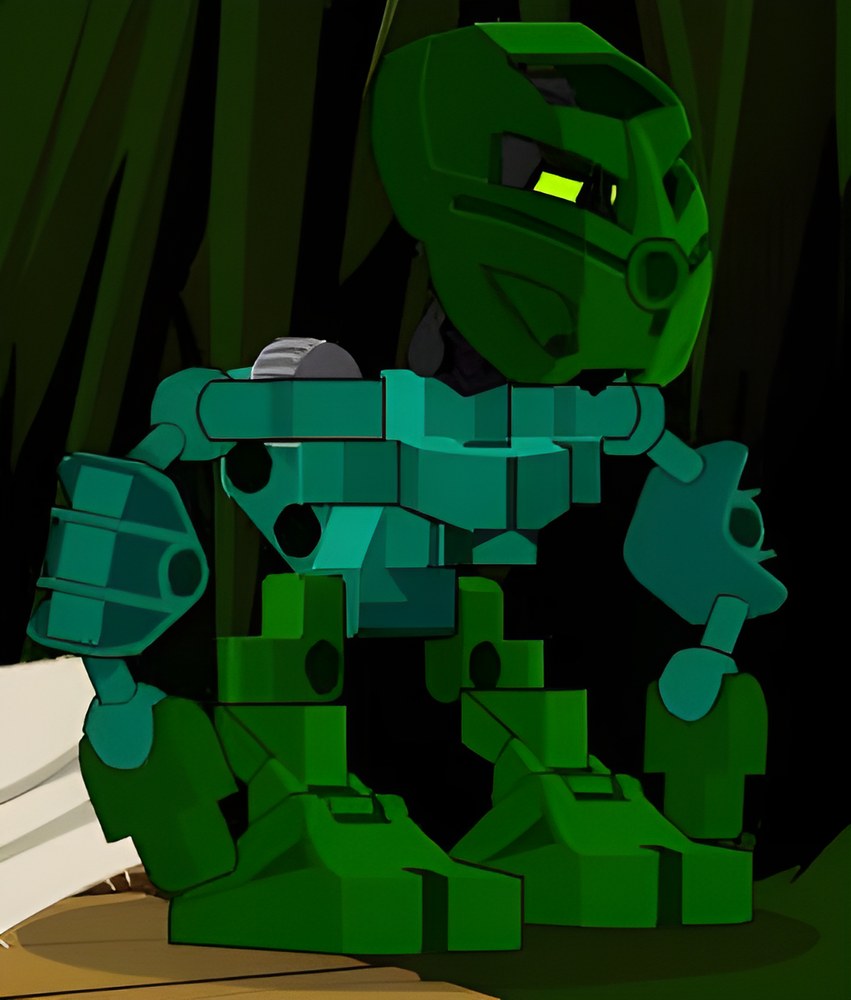
The fruit's defining trait was the volatility of its juices. A Madu could explode, and that made it an effective weapon against creatures such as Rahi. (BIONICLE: Encyclopedia Updated)
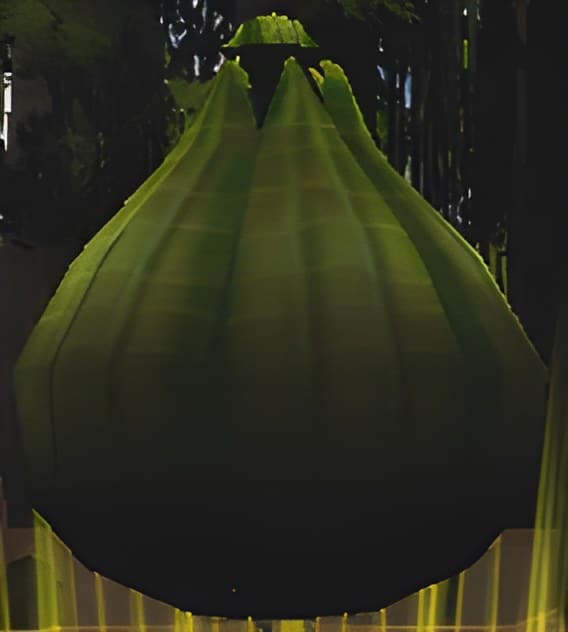
The Madu CaboloMadu CaboloAn unripe Madu Fruit with a selective trigger: it explodes only on elemental contact, then releases a gas that drives Kane-Ra bulls away.#
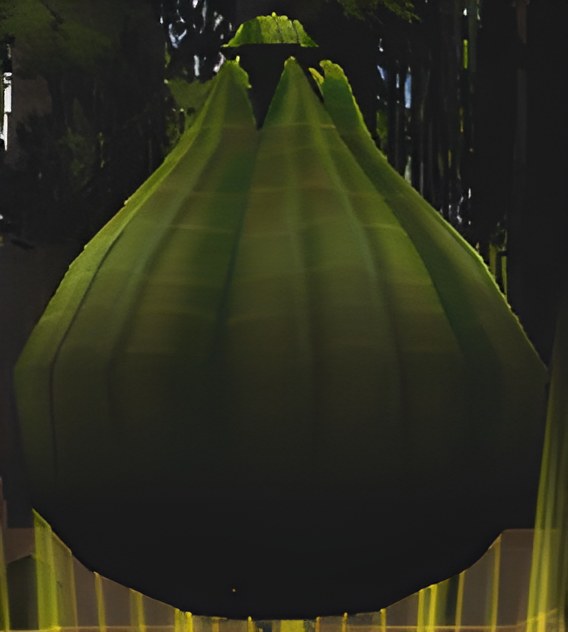
An unripe Madu was called a Madu Cabolo. Far from being the safer form, the Cabolo was even more volatile than a ripe Madu and was known to explode on rough impact. (BIONICLE: Encyclopedia Updated)
When a Cabolo burst, it released a foul-smelling gas that repelled Kane-RaKane-RaBuffalo-like territorial Rahi that roamed Mata Nui's plains and Metru Nui's corridors, best known for encounters with the Toa. bulls, one of the heavy horned RahiRahiThe Rahi were the biomechanical wildlife of the Matoran Universe, built largely by the Brotherhood of Makuta, ranging from background fauna to engineered war beasts. of Mata NuiMata Nui (Location)An island created by accident on the Great Spirit's face, home to the Matoran for a thousand years.. (BIONICLE: Encyclopedia Updated)
Use against RahiRahiThe Rahi were the biomechanical wildlife of the Matoran Universe, built largely by the Brotherhood of Makuta, ranging from background fauna to engineered war beasts. and hostile flora#
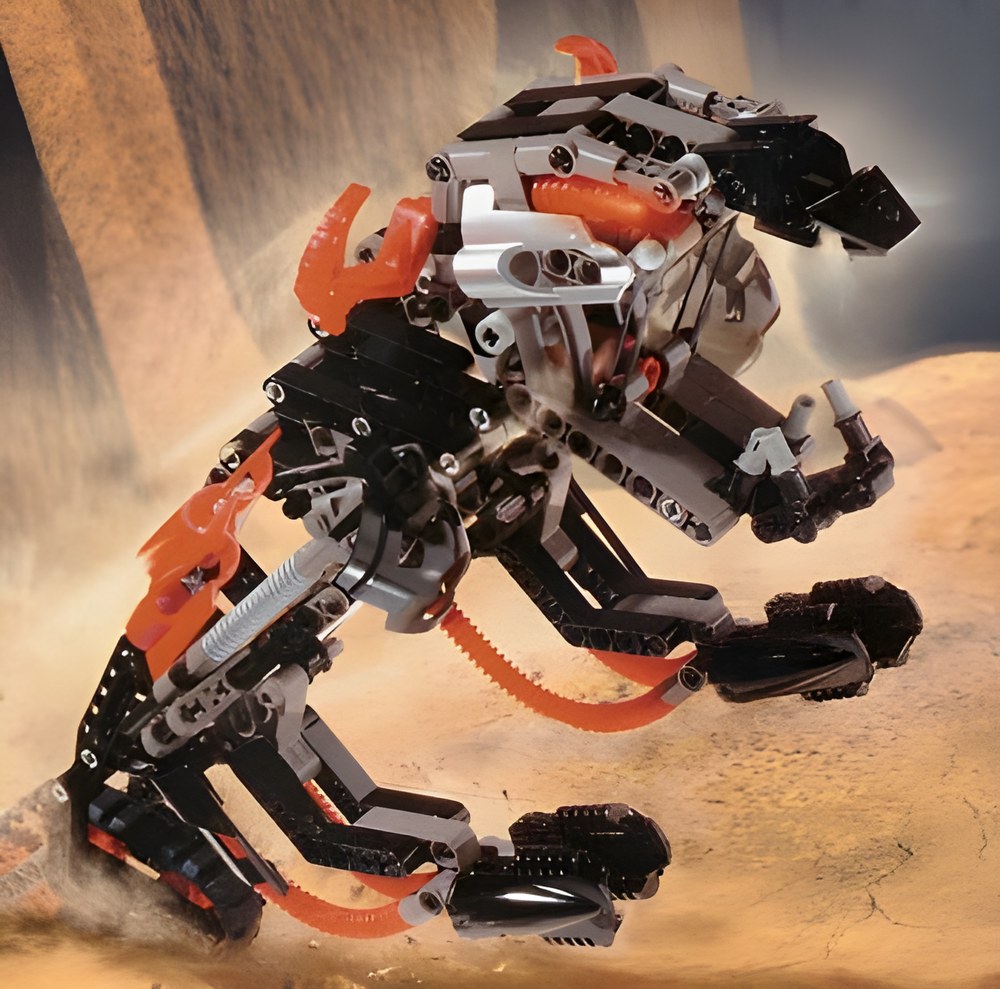
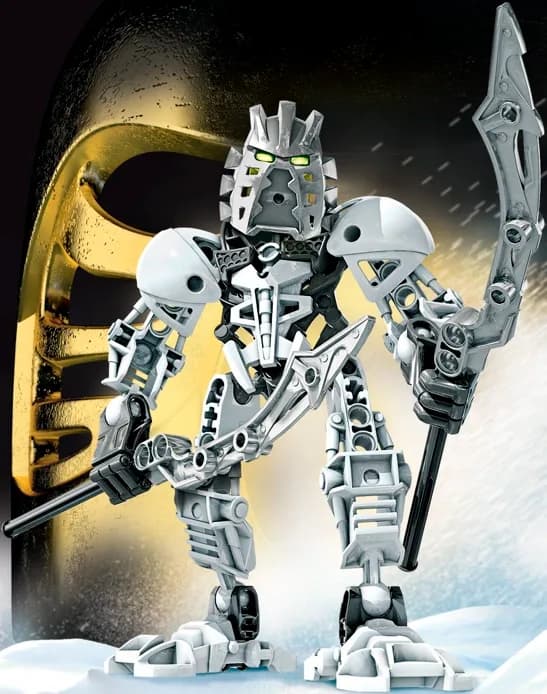
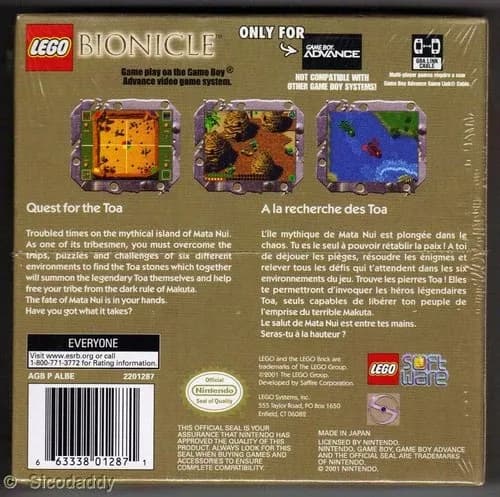
The wandering TakuaTakuaAn Av-Matoran hidden on Mata Nui as a Ta-Matoran, who gathered the Toa Stones, served as Chronicler, and ultimately accepted the Avohkii to become Takanuva, the Toa of Light. used both Madu and Madu Cabolo to get past Rahi and other obstacles while he searched for the Toa stones in BIONICLE: Quest for the ToaTakua's Quest for the Toa StonesThe 2001 Game Boy Advance game in which Takua, banished from Ta-Koro, crosses Mata Nui to rescue the Turaga, recover the six Toa Stones and summon the Toa Mata.. The DaikauDaikauThe Daikau was a carnivorous plant found around the island of Mata Nui, mostly in Ga-Wahi. Matoran wrongly counted it as a Rahi because of its vague sentience., a carnivorous plant of the island, was one of the hazards the fruit could clear. (BIONICLE: Quest for the Toa)
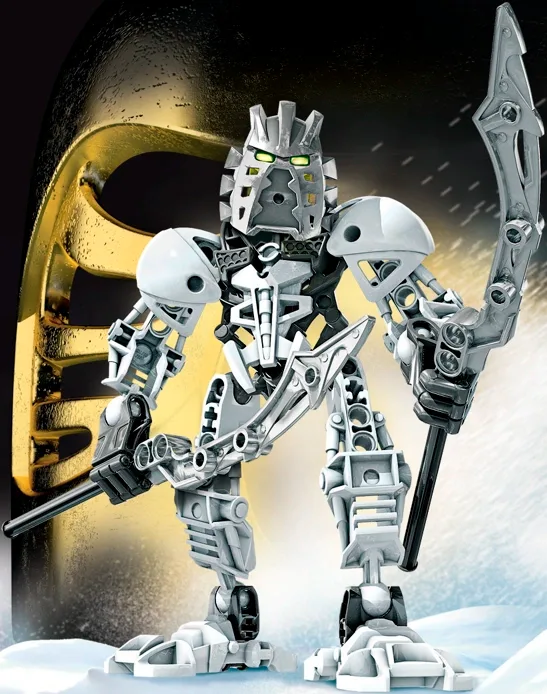
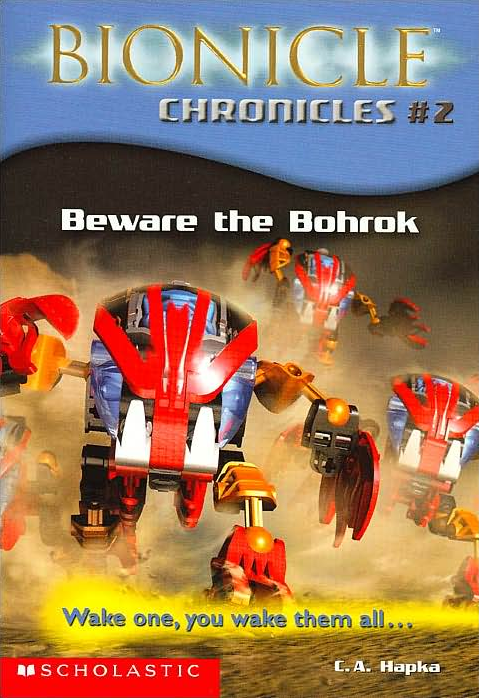
The trees turned up in the Toa's story too. On his way to save his village from the BohrokBohrokHive-minded mechanical creatures designed to reshape worlds, the Bohrok represent a threat the Toa Mata never expected., LewaLewaToa of Air, member of the Toa Mata and Toa Nuva, whose career was marked by repeated possession, body theft, and aerial campaigns from Le-Wahi to Karda Nui. jumped onto a Madu tree, saw smoke rising from Le-KoroLe-KoroLe-Koro is a village situated within Le-Wahi, inhabited by the Le-Matoran and home to Turaga Matau and Toa Lewa. The settlement was once held under the control of Teridax., and rushed home. (BIONICLE Chronicles 2: Beware the Bohrok)
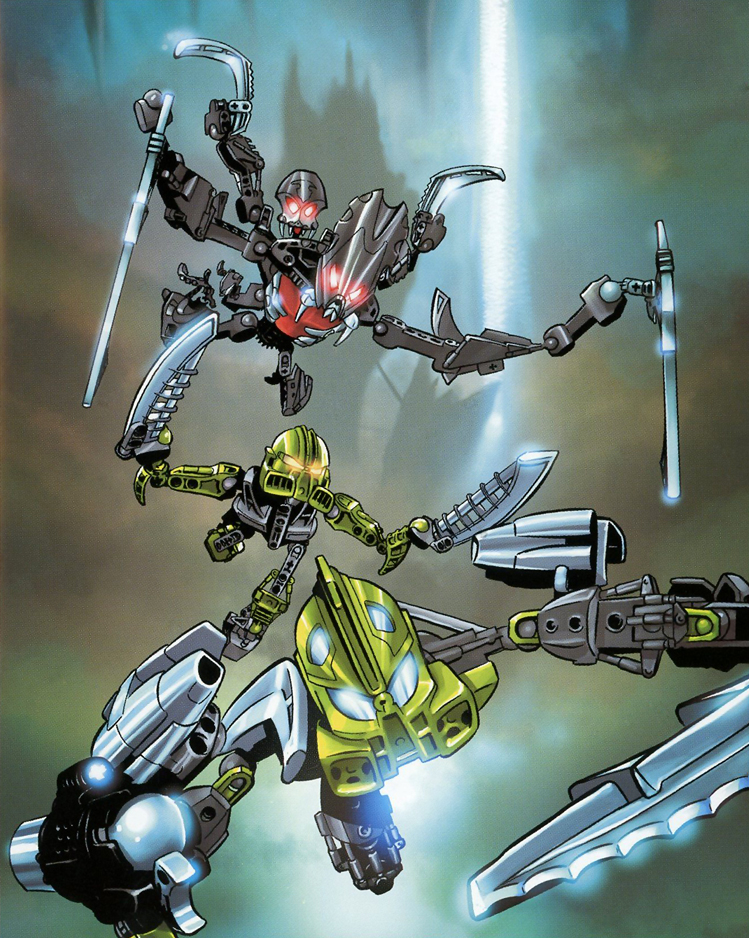
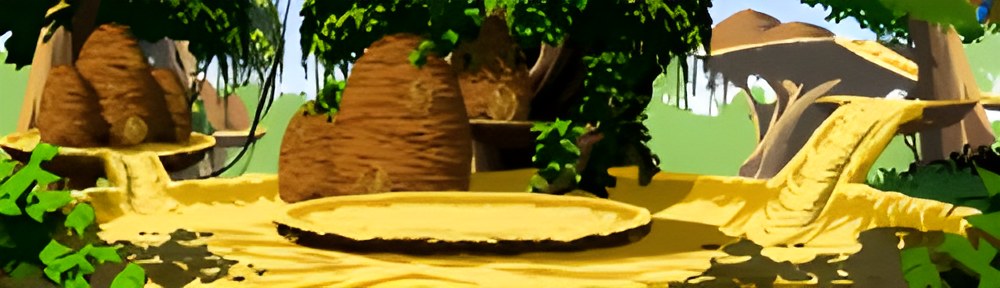
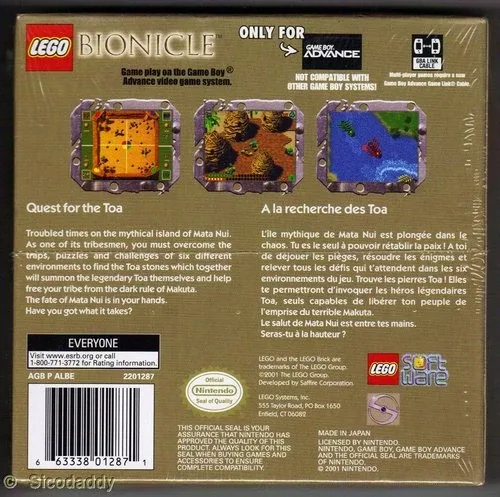
In BIONICLE: Quest for the ToaTakua's Quest for the Toa StonesThe 2001 Game Boy Advance game in which Takua, banished from Ta-Koro, crosses Mata Nui to rescue the Turaga, recover the six Toa Stones and summon the Toa Mata., Madu fruit and Madu Cabolo were items the player could collect and use alongside other tools. (BIONICLE: Quest for the Toa)
Source record#
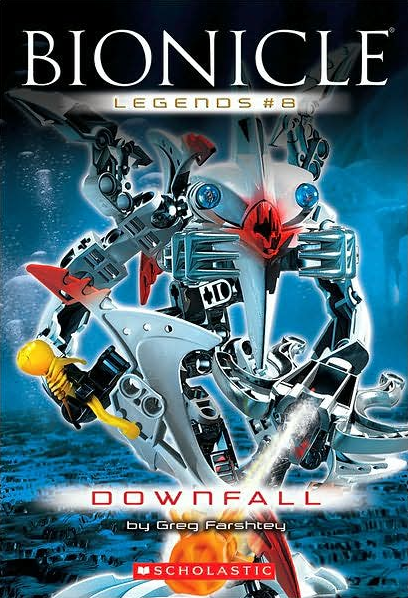
The Madu first appeared, with both its ripe and unripe forms, in BIONICLE: Quest for the ToaTakua's Quest for the Toa StonesThe 2001 Game Boy Advance game in which Takua, banished from Ta-Koro, crosses Mata Nui to rescue the Turaga, recover the six Toa Stones and summon the Toa Mata.. It also appears in BIONICLE Chronicles 2: Beware the BohrokThe Bohrok WarThe campaign of the Toa Mata against the six Bohrok swarms on the island of Mata Nui, ending in the sealing of the Bahrag and the Toa's transformation into the Toa Nuva. and BIONICLE Chronicles 3: Makuta's RevengeMakuta's Revenge: The Toa Mata, the Manas, and the First Confrontation in MangaiaThe chronicle of how the Toa Mata penetrated the chamber beneath Mata Nui, overcame the awakened Manas as the merged Toa Kaita, and stood for the first time in the lair of Makuta Teridax., has entries in the BIONICLE Encyclopedia and its updated edition, and is mentioned in BIONICLE Legends 8: DownfallThe Death of Matoro and the Revival of Mata NuiThe sacrifice of the Toa of Ice that restored the dying Great Spirit, exposed a Barraki traitor, and opened the second front of the war inside Karda Nui. and BIONICLE Legends 11: The Final Battle. (BIONICLE: Quest for the Toa; BIONICLE Chronicles 2: Beware the Bohrok; BIONICLE Chronicles 3: Makuta's Revenge; BIONICLE: Encyclopedia; BIONICLE: Encyclopedia Updated; BIONICLE Legends 8: Downfall; BIONICLE Legends 11: The Final Battle)
Frequently asked questions
- What is a Madu in BIONICLE?
- A Madu was a coconut-like fruit that grew on Madu trees on the island of Mata Nui. Its juices were somewhat volatile and the fruit was known to explode, which made it useful against Rahi.
- What is a Madu Cabolo?
- The Madu Cabolo was the unripe Madu. It was even more volatile than the ripe fruit and was known to explode on rough impact.
- How was the Madu used as a weapon?
- Matoran threw Madu in the Le-Matoran game of Kewa bird riding and for target practice at the Papa Nihu Reef, and in BIONICLE: Quest for the Toa, Takua used Madu and Madu Cabolo to get past Rahi and other obstacles.
- What happens when a Madu Cabolo bursts?
- When a Madu Cabolo burst, it released a foul-smelling gas that repelled Kane-Ra bulls.
- Did the Madu really explode?
- Yes. The BIONICLE Encyclopedia describes the fruit's juices as somewhat volatile and says Madu are known to explode, which is why they worked as weapons against Rahi.
Sources
- GameBIONICLE: Quest for the Toa, Saffire, Game Boy Advance, 2001
- BookBIONICLE Chronicles 2: Beware the Bohrok, C. A. Hapka, Scholastic, 2003
- BookBIONICLE Chronicles 3: Makuta's Revenge, C. A. Hapka, Scholastic, 2003
- BookBIONICLE: Encyclopedia, Greg Farshtey, Scholastic, 2005
- BookBIONICLE: Encyclopedia Updated, Greg Farshtey, Scholastic, 2007
- BookBIONICLE Legends 8: Downfall, Greg Farshtey, Scholastic, 2007
- BookBIONICLE Legends 11: The Final Battle, Greg Farshtey, Scholastic, 2008
Spotted a factual error or a primary source we missed? Email a correction. Every flagged claim gets reviewed.
Followed from this entry
Daikau
The Daikau was a carnivorous plant found around the island of Mata Nui, mostly in Ga-Wahi. Matoran wrongly counted it as a Rahi because of its vague sentience.
Madu Cabolo
An unripe Madu Fruit with a selective trigger: it explodes only on elemental contact, then releases a gas that drives Kane-Ra bulls away.
Takua
An Av-Matoran hidden on Mata Nui as a Ta-Matoran, who gathered the Toa Stones, served as Chronicler, and ultimately accepted the Avohkii to become Takanuva, the Toa of Light.
Takua's Quest for the Toa Stones
The 2001 Game Boy Advance game in which Takua, banished from Ta-Koro, crosses Mata Nui to rescue the Turaga, recover the six Toa Stones and summon the Toa Mata.
Rahi
The Rahi were the biomechanical wildlife of the Matoran Universe, built largely by the Brotherhood of Makuta, ranging from background fauna to engineered war beasts.

Kane-Ra
Buffalo-like territorial Rahi that roamed Mata Nui's plains and Metru Nui's corridors, best known for encounters with the Toa.
Mentioned in6 entries
Bula Berry
The green berry of Mata Nui famous for restoring energy on contact, carried by Matoran travellers on long trips and used as a healing item in the chronicled record of the island.
Daikau
The Daikau was a carnivorous plant found around the island of Mata Nui, mostly in Ga-Wahi. Matoran wrongly counted it as a Rahi because of its vague sentience.
Makika
Large, poisonous toad-like Rahi created by the Makuta, found in Ga-Metru and later the caves of Po-Wahi, whose acidic venom Matoran valued for mining.
Papa Nihu Reef
Papa Nihu Reef is the beach in Onu-Wahi where Onua's canister landed, and where Takua got his first plot hook of the 2001 story.
Madu Cabolo
An unripe Madu Fruit with a selective trigger: it explodes only on elemental contact, then releases a gas that drives Kane-Ra bulls away.
Madu Fruit
A volatile coconut-like fruit from Mata Nui that explodes when disturbed, turning simple harvest into lethal hazard.
Get new articles in your inbox
No spam. New lore drops, canon conflicts, and deep dives only when they’re worth reading.
Some links on Lore Fortress are affiliate links. If you buy through them we earn a small commission at no extra cost to you.