Tram System
Monorail network of the USG Ishimura
The Tram System was the USG Ishimura's automated monorail, which carried crew between the decks of the vast mining vessel. Built around a single rail, it linked the ship's major sections through a network of stations and a central maintenance bay.
The Tram System was the USG Ishimura's monorail network, an automated transit line that carried crew quickly between the sections of the immense Concordance Extraction Corporation mining vessel. Because it was built around a single rail, a single damaged tram could prevent travel across the entire ship. (Dead Space; Dead Space: Extraction)
Operation#
The Tram System ran on an automatic schedule that provided fast and easy access to each section of the mammoth vessel. Its single-rail design meant that one damaged tram could halt travel throughout the ship, although in an emergency the floor of the tram's railway could be traversed on foot. The network was governed from a Tram Control Room, which held the computer that controlled the system and could call a tram to the Flight Deck station. That computer required a data board in order to function. (Dead Space; Dead Space: Extraction)
Maintenance#
The trams were serviced in a large Maintenance Bay, where they were hoisted up by a crane so that work could be carried out on them. A separate Tram Repair Room allowed individual trams to be removed from the system entirely for maintenance and repair. (Dead Space; Dead Space: Extraction)
Stations#
Tram Stations were waiting areas located throughout the USG Ishimura, where passengers could wait for a tram to arrive and where they boarded and disembarked. Stations served the Bridge, the Crew Deck, the Engineering Deck, the Flight Deck, the Hydroponics Deck, the Maintenance Deck, the Mining Deck, and the Ore Storage Deck, with the line connected through the tram tunnel that ran between them. The Medical Deck was unusual in possessing two stations rather than one. (Dead Space; Dead Space: Extraction)
Frequently asked questions
- What was the Ishimura's Tram System?
- The Tram System was a monorail network aboard the USG Ishimura that ran on an automatic schedule and provided fast access between the sections of the enormous CEC vessel. Because it used a single rail, one damaged tram could halt travel across the whole ship, though the floor of the railway could be crossed on foot.
- Which decks did the Tram System connect?
- The system linked stations on the Bridge, Crew Deck, Engineering Deck, Flight Deck, Hydroponics Deck, Maintenance Deck, Medical Deck, Mining Deck, and Ore Storage Deck. The Medical Deck was unusual in having two stations.
- How were the trams maintained?
- The trams were serviced in a large Maintenance Bay, where a crane hoisted them up for work. A Tram Control Room held the computer that ran the system and could call a tram to the Flight Deck station, while a Tram Repair Room allowed trams to be removed from the line for repair.
Sources
- GameDead Space, EA Redwood Shores, 2008
- GameDead Space: Extraction, Visceral Games and Eurocom, 2009
Spotted a factual error or a primary source we missed? Email a correction. Every flagged claim gets reviewed.
Followed from this entry
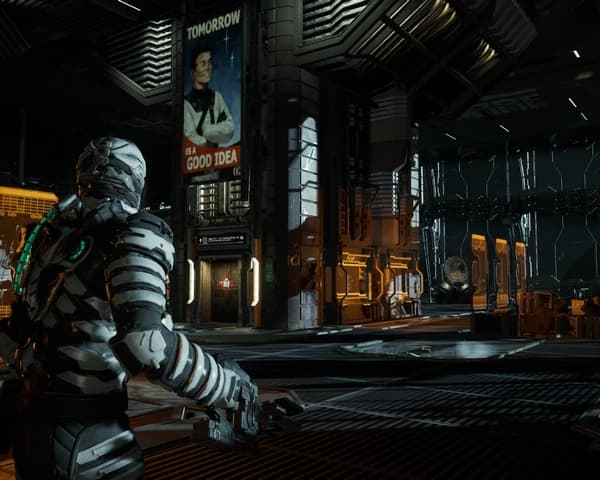
Bridge
The Bridge of the USG Ishimura was the command and control center of the Planet Cracker, a large open section at the front of the ship from which its crew ran the vessel and its mining operations. By the outbreak its displays read only System Failure.
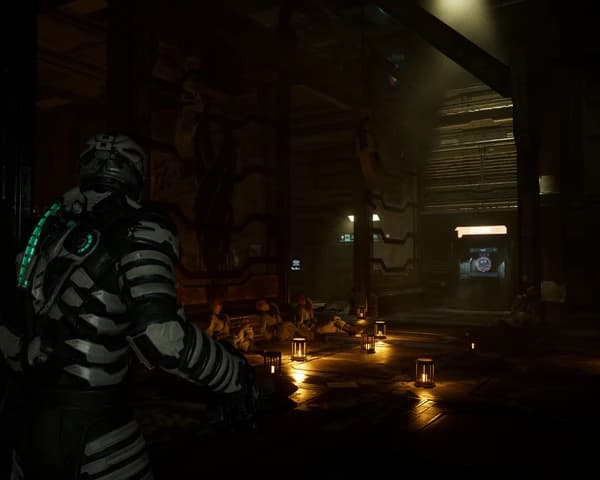
Crew Deck
The Crew Deck was the residential section of the USG Ishimura, a self contained district of sleeper bunks, mess halls and recreation built so that miners and technicians could live aboard the Planet Cracker. During the Necromorph outbreak it became a slaughterhouse and a site of mass Unitologist suicide.
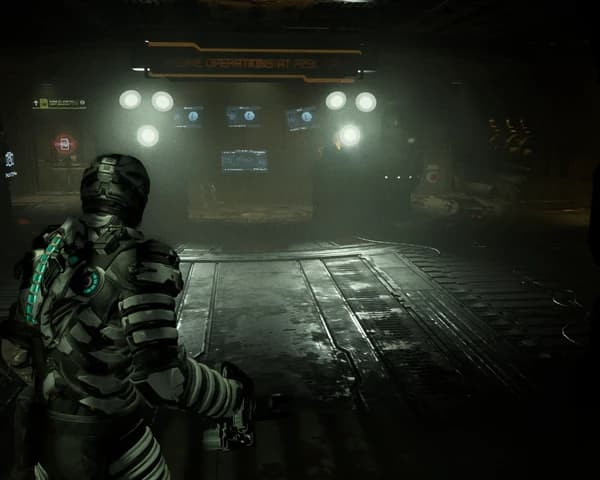
Engineering Deck
The Engineering Deck was the section at the stern of the USG Ishimura where engineers maintained the ship's engines, fuel systems, ShockPoint Drive and Gravity Centrifuge. A dark and hazardous area open only to senior engineers, it was overrun by the Corruption and the Necromorphs during the 2508 outbreak.
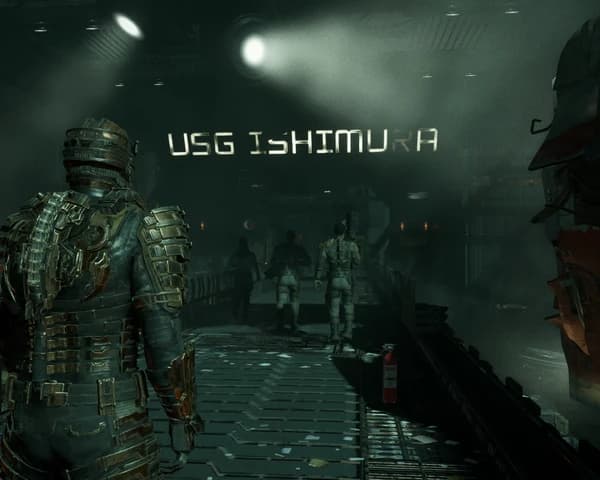
Flight Deck
The Flight Deck was the central port complex of the USG Ishimura, where shuttles arrived and departed and the ship's tram system was operated. It was where the USG Kellion crashed and Isaac Clarke's ordeal aboard the ship began.
Hydroponics Deck
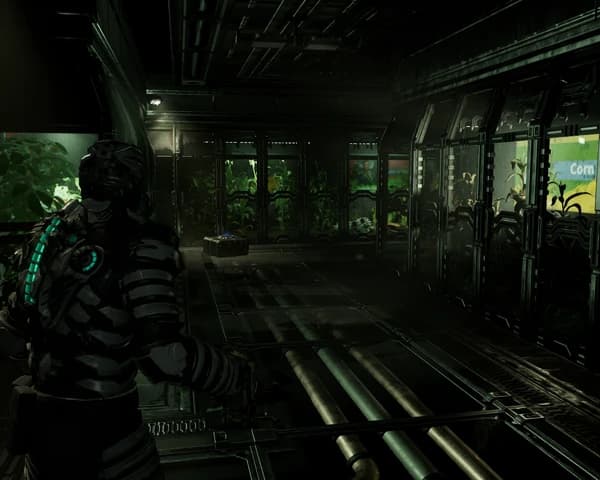
The Hydroponics Deck was the USG Ishimura's internal farm, growing the food and producing the oxygen needed to sustain the ship's crew. During the 2508 outbreak the deck was overtaken by the Leviathan, which polluted its air and destroyed the ship's food supply.
Maintenance Deck
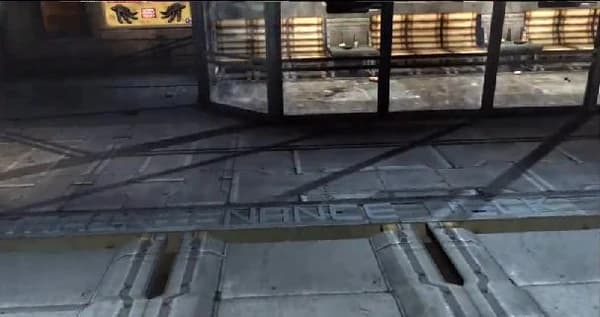
The Maintenance Deck of the USG Ishimura was where the ship's shuttles were serviced and its maintenance shuttles were docked. Its hangars could be opened by hand if their control rooms failed, and it held crew sleeping quarters on a separate floor.
Mentioned in4 entries
Dead Space Chapters: the Story of All 12 Chapters
Dead Space has 12 chapters, from New Arrivals to Dead Space, and the 2023 remake keeps the same names and order. This is what happens in each one, with full spoilers and notes on where the remake tells it differently.
Dead Space Story Explained: Plot Summary and Ending
The full story of Dead Space, from the Kellion's crash on the Ishimura to Isaac Clarke's escape from Aegis VII, with the ending explained and every way the 2023 remake changes it.
Jacob Temple: the Ishimura's acting chief engineer
Jacob Temple was a Concordance Extraction Corporation engineer aboard the USG Ishimura who inherited the chief engineer's post after the outbreak killed Ariel Rousseau. He held the ship together, built a sanctuary on the Mining Deck, and in the 2023 remake was lured away by a false distress call from Challus Mercer, who executed him once his work on the Marker failed.
Solar Array: Titan Station's Decommissioned Power Plant
The Solar Array was the original power source of Titan Station, a ring of collector dishes left to decay after fusion reactors replaced it. Isaac Clarke reactivated it during the Necromorph outbreak, and Hans Tiedemann then turned its focused beam into a weapon that cut the station in two.
Get new articles in your inbox
No spam. New lore drops, canon conflicts, and deep dives only when they’re worth reading.
Some links on Lore Fortress are affiliate links. If you buy through them we earn a small commission at no extra cost to you.