Polyphemus
the giant Cyclops son of Poseidon
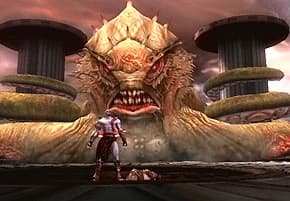
Polyphemus was a gigantic one-eyed Cyclops and a son of Poseidon. Famed in Homer for his clash with Odysseus, in God of War he appears only in the multiplayer of Ascension, bound in chains within the Desert of Lost Souls.
Polyphemus was a gigantic one-eyed Cyclops, a son of Poseidon. Renowned in older legend for his clash with the hero Odysseus, in God of War he appears only in the multiplayer of Ascension, held bound in chains within the Desert of Lost Souls. (God of War: Ascension; Odyssey)
A son of Poseidon#
Polyphemus was a Cyclops of immense size, towering above ordinary giants, with a single eye set in his brow. He was a son of Poseidon, the god of the sea, born to the sea nymph Thoosa. Ascension calls him a Titan, and he is certainly built like one. (Odyssey; God of War: Ascension)
In Ascension's multiplayer, Polyphemus is held bound in chains within the Desert of Lost Souls, the boss of the map where the warriors of Sparta and Troy fight. Though enchained, he is still a threat to any who drew near, lashing out with his great hands and pounding the ground hard enough to throw warriors from their feet. (God of War: Ascension)
The legend of the blinded eye#
Outside the games, Polyphemus is remembered as the Cyclops who had once trapped the hero Odysseus. Returning from war, Odysseus and his men came ashore at the island of the Cyclopes and entered a vast cave filled with sheep and goats. There Polyphemus found them, sealed them within, and devoured several of the crew. (Odyssey)
To escape, Odysseus offered the Cyclops strong, undiluted wine until Polyphemus grew drunk and unwary, and when the giant asked his name, the hero answered that he was called Nobody. Once the Cyclops had passed out, Odysseus and his men drove a flaming stake into his single eye and blinded him. When Polyphemus cried out, his fellow Cyclopes asked who had harmed him, and he answered that Nobody had hurt him, so they left him alone. In the morning the giant let his sheep out to graze, feeling their backs for the hidden men but never their bellies, and so Odysseus and his crew slipped free clinging beneath the rams. As the hero sailed away and named himself at last, the blinded Polyphemus hurled a great rock after the ship and, missing, prayed to his father Poseidon to make Odysseus pay for taking his eye. (Odyssey)
Frequently asked questions
- Who was Polyphemus in God of War?
- Polyphemus was a gigantic one-eyed Cyclops, a son of the sea god Poseidon and the sea nymph Thoosa. In God of War he turns up only in the multiplayer of Ascension, chained in the Desert of Lost Souls as the boss of that map.
- Who were the parents of Polyphemus?
- Polyphemus was the son of Poseidon, the god of the sea, and the sea nymph Thoosa.
- What is Polyphemus known for in older legend?
- In the older tales Polyphemus trapped the hero Odysseus and his crew in his cave and devoured several of his men. Odysseus made the Cyclops drunk on strong wine, blinded his single eye with a flaming stake, and escaped beneath the bellies of the giant's sheep, after which Polyphemus begged Poseidon for vengeance.
Sources
- GameGod of War: Ascension, Santa Monica Studio, 2013
- BookOdyssey, Homer, around the 8th century BC
Spotted a factual error or a primary source we missed? Email a correction. Every flagged claim gets reviewed.
Followed from this entry
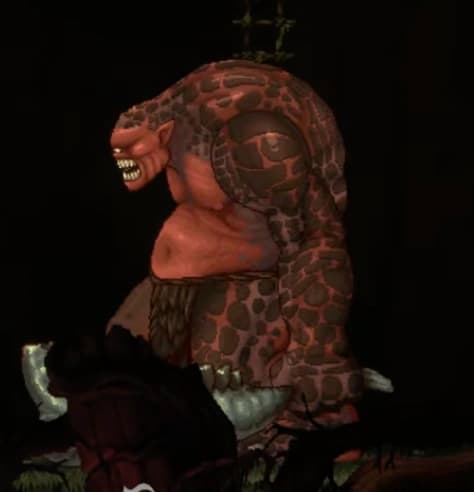
Cyclopes: the one-eyed giants of Greece
The Cyclopes were a race of burly, one-eyed giants of the Greek world. Once peaceful shepherds, they were dragged into the first War of the Titans and used thereafter as beasts of war in the armies of the gods.
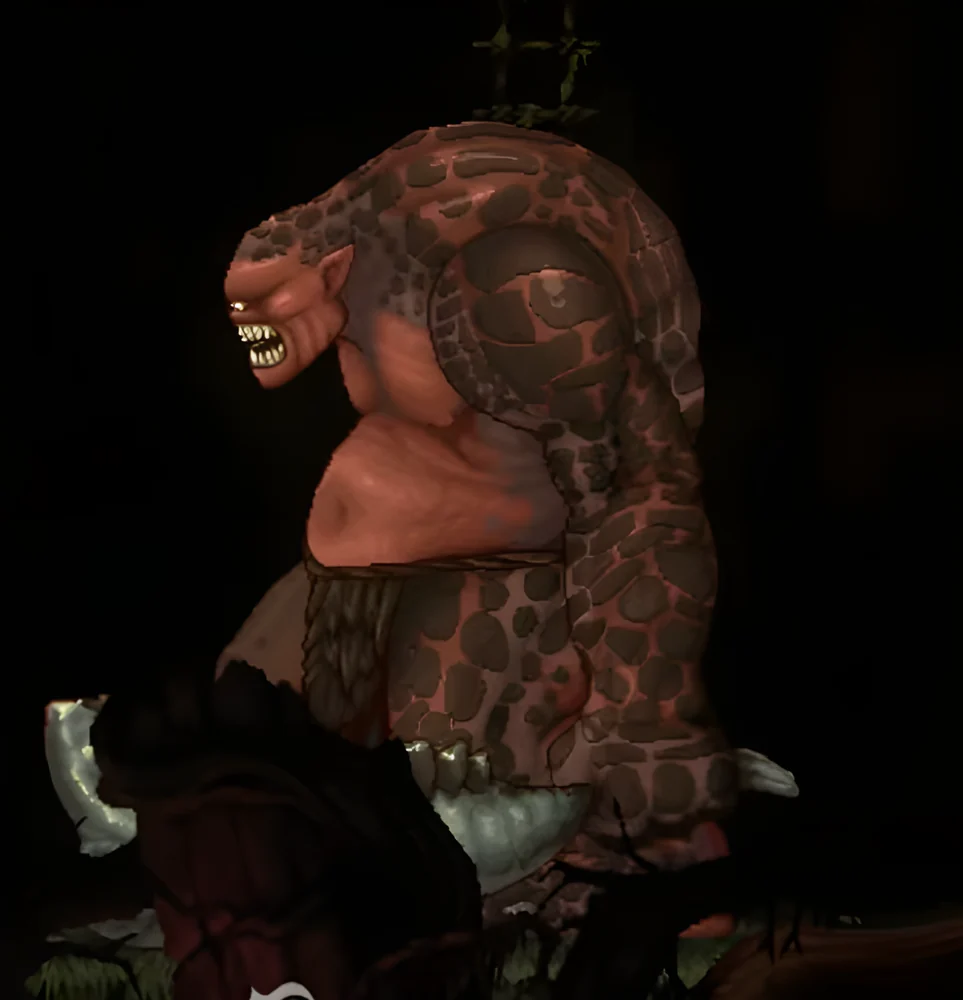
Cyclops
The Cyclopes were burly, one-eyed giants who fought as beasts of war across the Greek games, from Ares's siege of Athens to the fall of Olympus. In the old myth the series draws on, they were sons of Heaven and Earth whom Zeus freed to fight the Titans.

Poseidon: the sea god who drowned Greece
Brother to Zeus and Hades, Poseidon was second only to the King of Olympus. Kratos gouged out his eyes and broke his neck, and the seas swallowed Greece.
Also in Greek Era
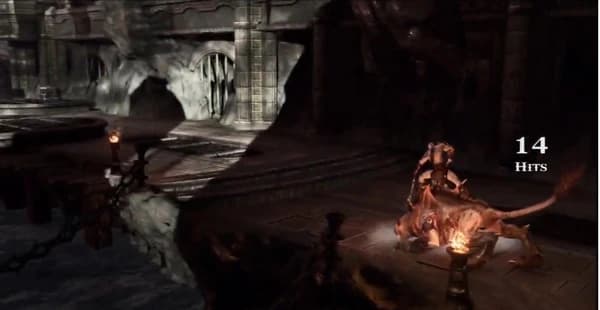
Cerberus Mongrel: the lesser hounds of the Underworld
The Cerberus Mongrels were the weakest breed of the Cerberi, gaunt three-headed hounds that served the lord of the dead. Kratos beat them into submission across two eras of his life, riding them as living weapons and turning the fire of one upon Peirithous to claim the Bow of Apollo.
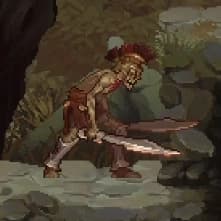
Hoplite: the undead soldiery of the dead lands
The Hoplites were undead soldiers of the Greek world, skeletal corpses clad in the armor of Greece that fought with twin swords. Kratos cut through their ranks in Asphodel, in the depths of Tartarus, and even in the Elysium Fields, where their stronger breeds bore shields of bronze and iron.
Kraken: the sea beast of the Island of Creation
The Kraken was a giant meat-eating sea monster, an octopus-like horror of armored tentacles and a fanged maw. One rose against Kratos on the Island of Creation after the death of the Last Spartan and nearly crushed him before he impaled her through the mouth, while in the Norse realms a hatchling of the same breed lived as the pet of the dwarf Durlin.
Mentioned in3 entries
Cyclopes: the one-eyed giants of Greece
The Cyclopes were a race of burly, one-eyed giants of the Greek world. Once peaceful shepherds, they were dragged into the first War of the Titans and used thereafter as beasts of war in the armies of the gods.
Cyclops
The Cyclopes were burly, one-eyed giants who fought as beasts of war across the Greek games, from Ares's siege of Athens to the fall of Olympus. In the old myth the series draws on, they were sons of Heaven and Earth whom Zeus freed to fight the Titans.
Desert of Lost Souls: the wasteland east of Athens
The Desert of Lost Souls was a vast, monster haunted desert far to the east of Athens, the place where Zeus condemned the Titan Cronos to wander with Pandora's Temple chained to his back. Kratos crossed its sands in his quest for Pandora's Box, and there Ares struck him down with a pillar hurled from the ruins of Athens.
Get new articles in your inbox
No spam. New lore drops, canon conflicts, and deep dives only when they’re worth reading.
Some links on Lore Fortress are affiliate links. If you buy through them we earn a small commission at no extra cost to you.