Drell
Reptilian Clients of the Hanar
The drell were a reptile-like species rescued from their dying homeworld of Rakhana by the hanar, to whom they remained bound by a tradition of service called the Compact. They were known for their eidetic memory and deep religious belief in the separation of body and soul.
The drell were a reptile-like species who had emerged from the arid deserts of the dying world Rakhana before being rescued by the hanar and resettled on the ocean-covered world of Kahje. Bound to their benefactors by gratitude, the drell fit comfortably into galactic civilization and served the hanar in a tradition of obligation known as the Compact. They were noted for their wiry strength, their eidetic memory, and a polytheistic faith that held the body and soul to be separate entities. (Mass Effect 2)
Biology#
The drell were omnivorous reptile-like humanoids with an average lifespan of around 85 galactic standard years. In appearance they resembled asari and humans, but their muscle tissue was slightly denser, giving them a wiry strength. Each hand bore what appeared to be five fingers, though the ring and middle fingers were fused. Their skin was said to carry a venom mild enough to be served in drinks, which could cause mild hallucinations on oral contact. They possessed two sets of eyelids akin to the nictitating membrane of certain reptiles: an inner milky-white lid that closed from the sides, and an outer black lid that closed from top to bottom. Like humans and asari they could shed tears, and sexual dimorphism among them was roughly analogous to humans, with females bearing more pronounced head frills. (Mass Effect 2; Mass Effect 3: Citadel)
Because the drell had evolved in arid, rocky deserts, the humid, ocean-covered hanar homeworld of Kahje was tolerable only when they remained inside a climate-controlled dome city. The leading cause of death for drell on Kahje was Kepral's Syndrome, a noncommunicable affliction caused by cumulative exposure to the humid climate. It eroded the lungs' ability to take in oxygen before spreading to other organs, and no cure was known, though hanar scientific authorities worked toward a genetic adaptation. (Mass Effect 2)
The drell also possessed eidetic memory, an adaptation to a world where survival depended on recalling the location of every resource across vast distances. Their memories were so strong that an external stimulus could trigger a vivid, involuntary recall, so detailed that some drell mistook it for reality. The assassin Thane Krios remembered every killing he had performed and could describe each in flawless detail. (Mass Effect 2)
History#
The drell ancestors emerged from the dry, rocky deserts of the barren world Rakhana. Centuries before Shepard's time the already-arid homeworld began a swift descent into lifelessness brought on by disastrous industrial expansion. Lacking interstellar flight and burdened with a population of eleven billion, the drell faced certain doom. Roughly two centuries before Shepard's era the hanar made first contact, and over the following decade transported a total of 375,000 drell to their homeworld of Kahje. The billions who remained on Rakhana perished, warring over diminishing resources, while the rescued drell thrived alongside the hanar into the era of Commander Shepard. (Mass Effect 2)
During the Reaper invasion of 2186, drell served in combat roles against the machines. If Kahje was saved through Shepard's efforts, the hanar repaid the deed by sending their best drell combat specialists to aid the wider war. (Mass Effect 3)
Culture#
The debt of gratitude the drell owed the hanar was known as the Compact, fulfilled by taking on tasks the hanar found difficult, such as combat. Any drell could refuse to serve, but because being asked was regarded as a great honor, few declined. Most drell were content to live on Kahje, where the hanar afforded them every opportunity to thrive, and although some outsiders regarded them as second-class citizens, they had in fact integrated into every level of hanar society as respected, productive members. Those who left Kahje tended to be solitary adventurers who sought out new species and adopted their cultures, numbering in the thousands and scattered across the galaxy in quiet, integrated lives. (Mass Effect 2)
Some drell formed bonds with the hanar close enough that the hanar would tell them their poetic "soul name." To communicate with the hanar, drell received implants in their eyes allowing them to perceive the bioluminescence the hanar used to speak, though this could alter their color vision. (Mass Effect 2)
Religion#
Most drell were deeply religious, believing they possessed souls separate from their bodies. They saw death as a departure from the body and held that body and soul together formed a Whole; when the soul was traumatized or the body ill or injured, a person was no longer Whole. They also believed the body could be directed as a separate entity from the self, which led Thane Krios to take no personal responsibility for the killings ordered of him by the hanar. (Mass Effect 2)
The drell faith was polytheistic, with multiple gods prayed to in different situations, among them Amonkira, Lord of Hunters; Arashu, Goddess of Motherhood and Protection; and Kalahira, Goddess of Oceans and Afterlife. Many older traditions had begun to die out, as younger generations no longer believed the old ways could help them, and many drell instead embraced the hanar reverence for the Enkindlers or asari philosophies. (Mass Effect 2; Mass Effect 3)
Language#
Little was known about the drell language beyond a few non-translatable terms. Drala'fa referred to "the ignored"; sere was an honorific for adult males; siha named a warrior-angel of the goddess Arashu and was used as a term of endearment for one "fierce in wrath" and a "tenacious protector"; and tu-fira described being unable to forget someone, "lost in another." (Mass Effect 2; Mass Effect 3)
Frequently asked questions
- What are the drell in Mass Effect?
- The drell were a reptile-like, omnivorous species who originated in the arid deserts of the dying world Rakhana before being rescued by the hanar and resettled on the ocean world of Kahje. They became a respected client people of the hanar, bound to them by a tradition of service called the Compact.
- Why did the drell leave Rakhana?
- Centuries before Shepard's time Rakhana, already arid, began a swift descent into lifelessness brought on by disastrous industrial expansion. With no faster-than-light capacity and a population of eleven billion, the drell faced extinction, and the hanar transported roughly 375,000 of them to Kahje, while the billions left behind perished in resource wars.
- What is Kepral's Syndrome?
- Kepral's Syndrome was a noncommunicable lung disease and the leading cause of death for drell living on Kahje, caused by cumulative exposure to the humid climate. It eroded the lungs' ability to take in oxygen before spreading to other organs, and no cure was known, though hanar scientists worked toward a genetic adaptation.
- What is the Compact between the drell and the hanar?
- The Compact was the debt of gratitude the drell owed the hanar, fulfilled by taking on tasks the hanar found difficult, such as combat and assassination. Any drell could refuse to serve, but because being asked was regarded as a great honor, few declined.
- What did the drell believe about the body and soul?
- Most drell were deeply religious and held that body and soul were separate entities that together formed a Whole. They believed the body could be directed as a separate entity from the self, which led the assassin Thane Krios to take no personal responsibility for the killings ordered of him by the hanar.
Sources
- GameMass Effect 2, BioWare, 2010
- GameMass Effect 3, BioWare, 2012
- GameMass Effect 3: Citadel, BioWare, 2013
Spotted a factual error or a primary source we missed? Email a correction. Every flagged claim gets reviewed.
Followed from this entry
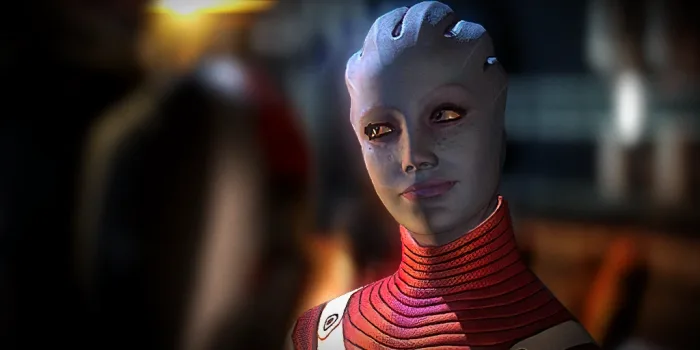
Every Mass Effect Species and Race, With Lifespans
A field guide to every sapient species in Mass Effect, from the Council races and their clients to the krogan, the geth, the Protheans and the peoples of the Heleus Cluster. Each entry gives the homeworld, the lifespan where the games actually state one, and where the species stood with the Citadel.
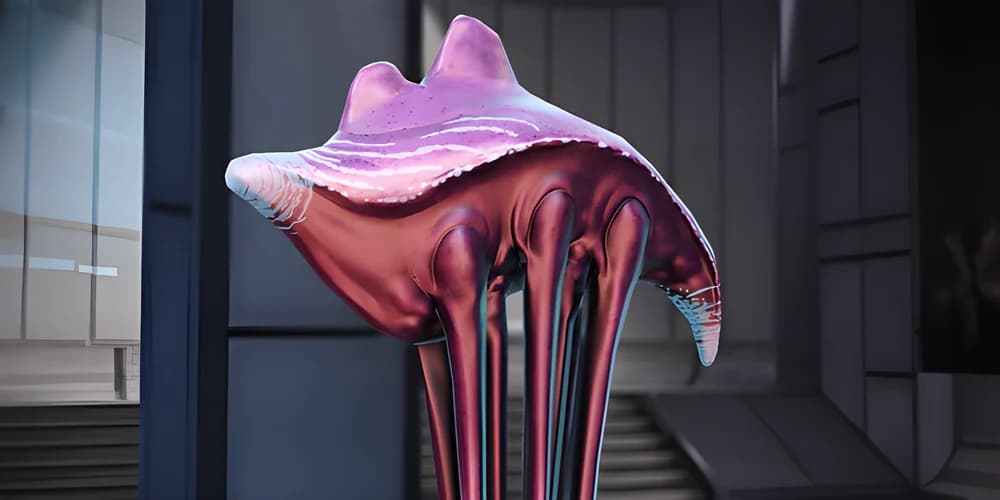
Hanar
The hanar were a jellyfish-like Citadel species from the ocean world of Kahje, among the few non-bipedal races in galactic society. They were renowned for their scrupulous politeness, their two-name custom of face and soul names, and their fervent worship of the Protheans, whom they called the Enkindlers.
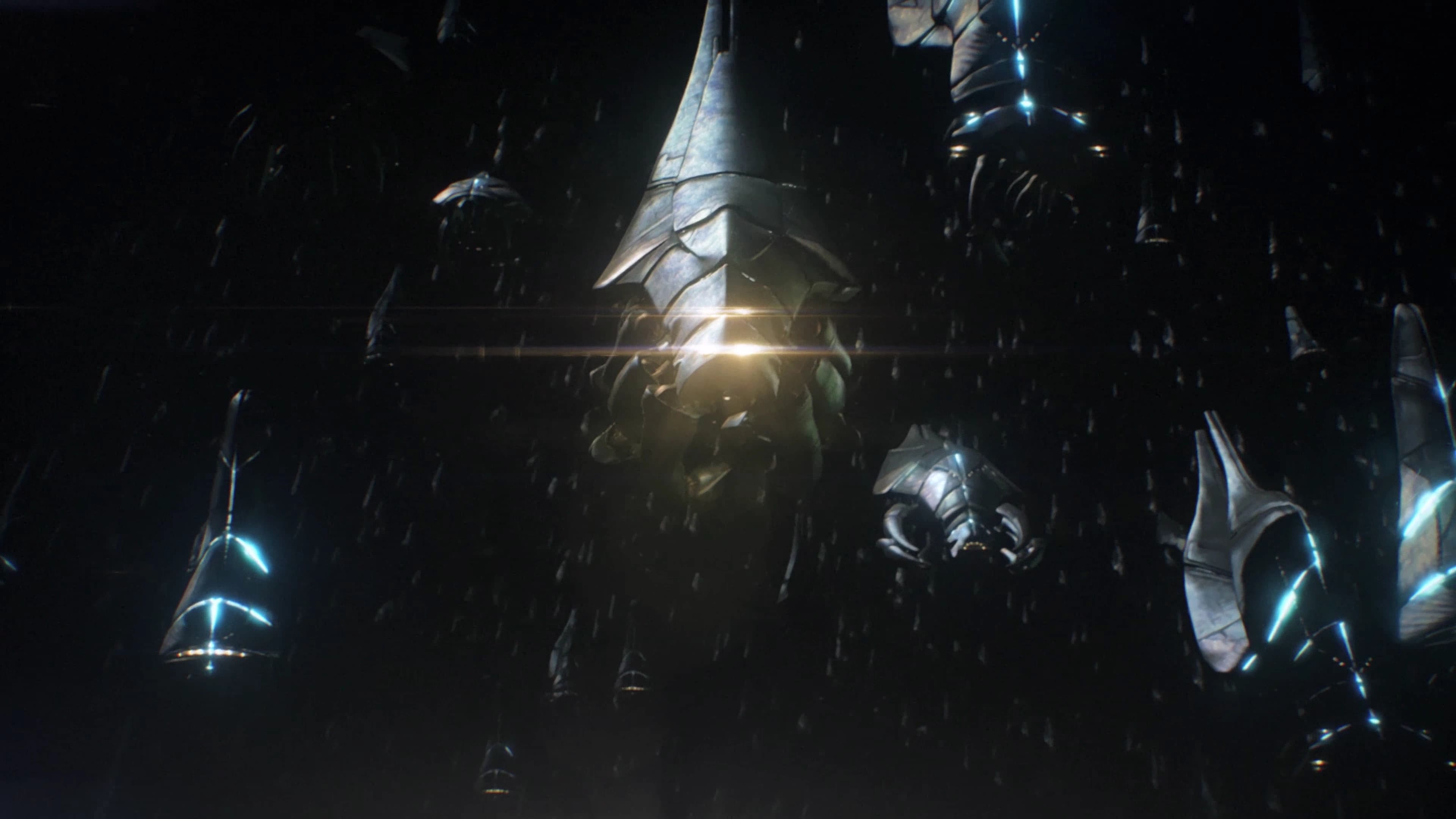
Reaper
The Reapers were an ancient race of synthetic-organic starships that hibernated in dark space and returned once every fifty thousand years to harvest the galaxy's advanced life. They built the Citadel and the mass relay network to guide civilization down a predictable path, then reaped it to preserve organic life from synthetic destruction.
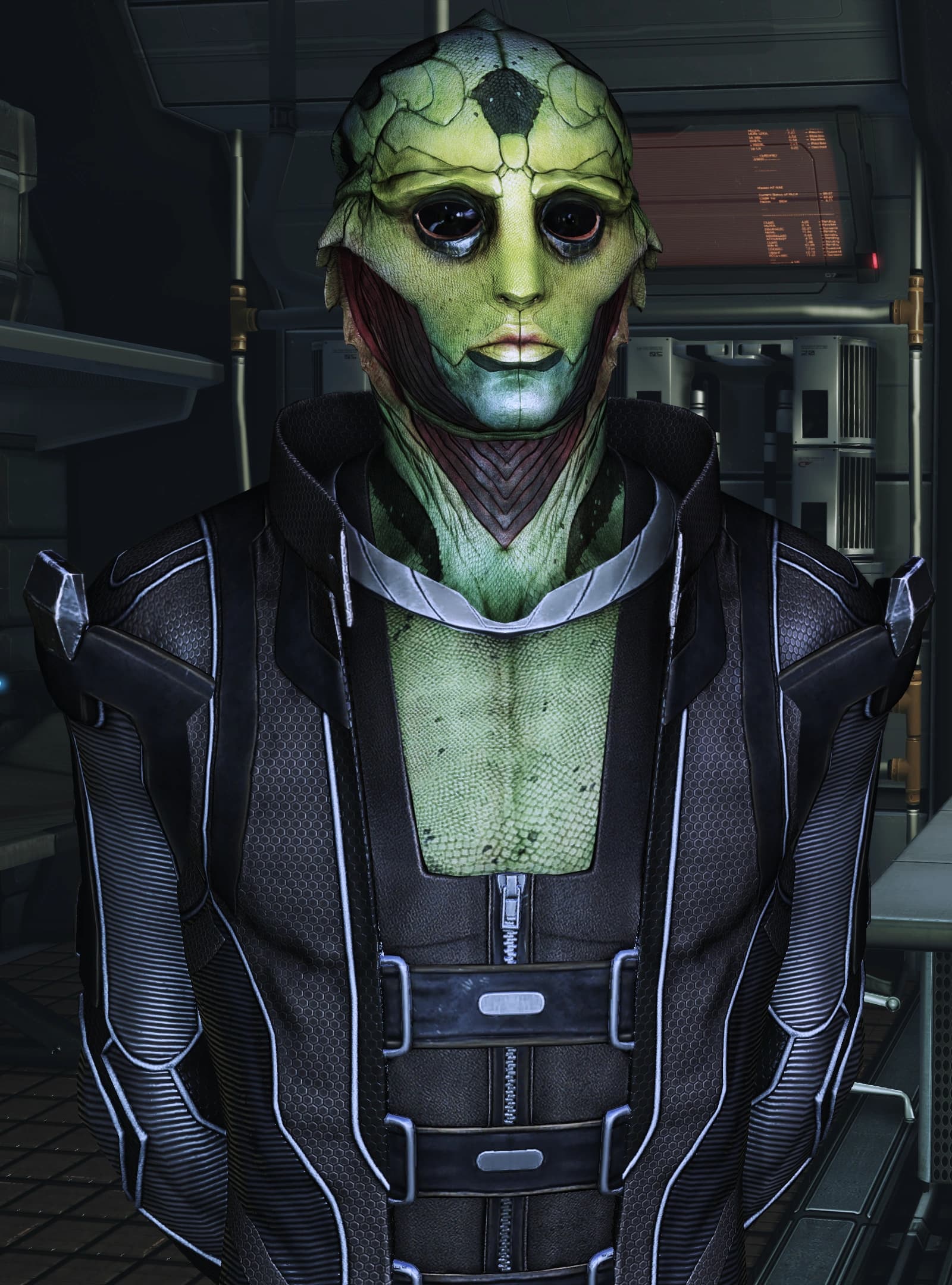
Thane Krios
Thane Krios was a drell assassin, reputed to be among the most skilled in the galaxy, a deeply spiritual man dying of an incurable disease who joined Commander Shepard's campaign against the Collectors as an act of penance.
Commander Shepard
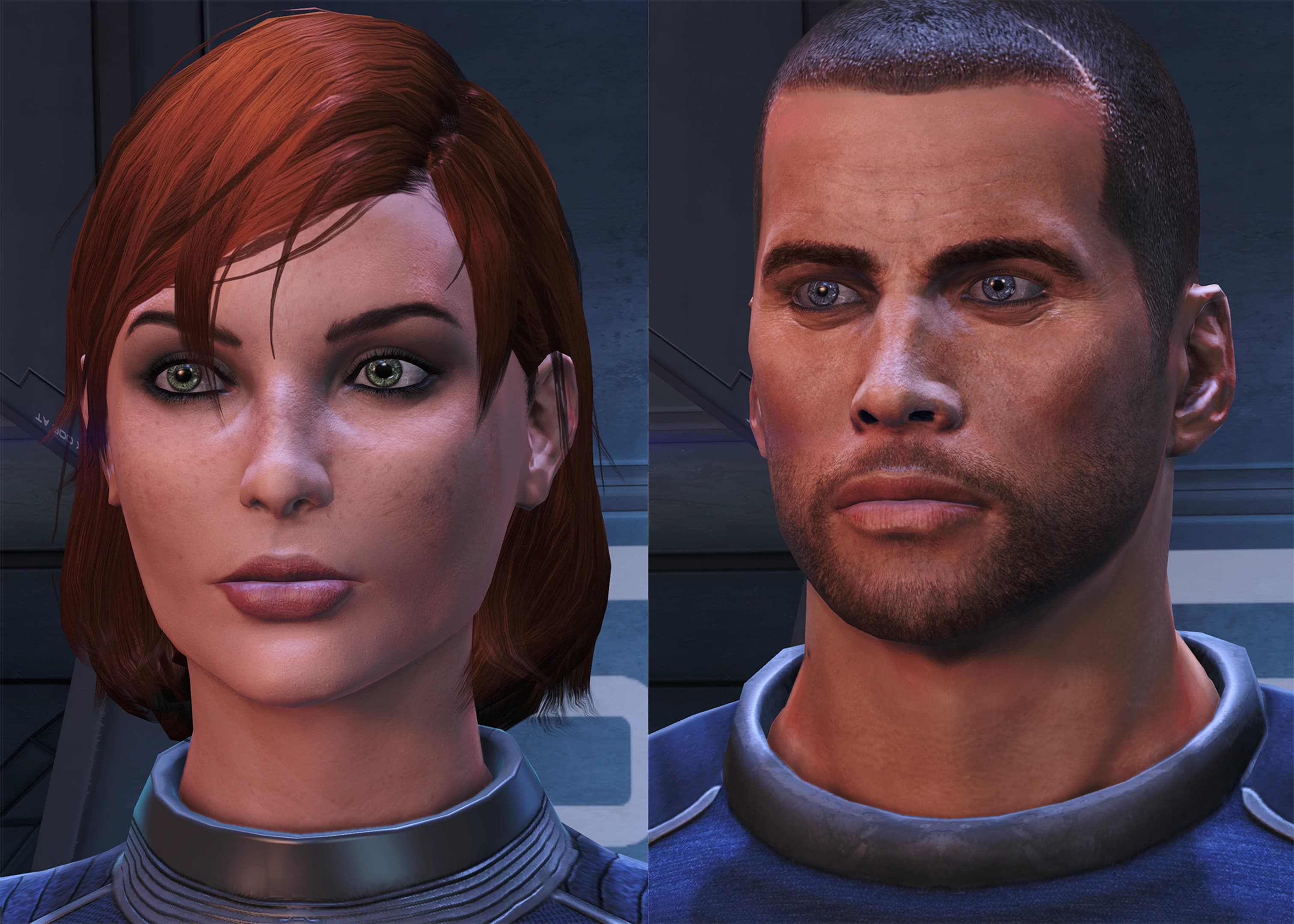
Commander Shepard was a Systems Alliance N7 marine who became the first human Spectre, exposed the rogue agent Saren Arterius, and led the galaxy's resistance against the Reapers. Shepard's gender, history, and many of the choices that shaped the war were never fixed, and the final fate of the cycle turned on the Commander's own decisions.
Mentioned in10 entries
Anax Therion: Drell Analyst of the Keelah Si'yah
Anax Therion was a drell analyst and former data dealer who travelled to Andromeda aboard the ark Keelah Si'yah. Clinical, guarded, and quietly lethal, she had spent her life trading in secrets, and when a plague began killing the ark's sleepers she turned her investigator's mind to uncovering the cause.
Drugs: the narcotics and medicines of the galaxy
Drugs were chemical substances that altered the normal bodily functions of an organism, and the galactic market for them was lucrative enough that criminal enterprises produced, sold, and smuggled them despite legal restrictions. They ranged from lifesaving antibiotics to red sand, a narcotic refined from element zero that granted brief biotic power, and to suppressants engineered to strip a biotic of that power entirely.
Every Mass Effect Romance Option, Game by Game
Every romance in Mass Effect, Mass Effect 2, Mass Effect 3 and Andromeda: who each character is, whether a male or female Shepard or Ryder can romance them, how the relationship plays out and what happens to it in the next game. Fates that depend on choices are given as choices.
Every Mass Effect Species and Race, With Lifespans
A field guide to every sapient species in Mass Effect, from the Council races and their clients to the krogan, the geth, the Protheans and the peoples of the Heleus Cluster. Each entry gives the homeworld, the lifespan where the games actually state one, and where the species stood with the Citadel.
Every Mass Effect Squadmate and Companion, Game by Game
Every squadmate in Mass Effect, Mass Effect 2, Mass Effect 3 and Andromeda, with their species, how they join, what their story is about and how they can die. Fates that depend on player choices are given as choices, because the series never picks one canon.
Feron: the drell double agent who lost Shepard's body on Omega
Feron was a drell information trafficker who worked for the Shadow Broker, Cerberus and Liara T'Soni at once while hunting Commander Shepard's corpse. He spent two years strapped to the Broker's torture rig for it.
Hanar
The hanar were a jellyfish-like Citadel species from the ocean world of Kahje, among the few non-bipedal races in galactic society. They were renowned for their scrupulous politeness, their two-name custom of face and soul names, and their fervent worship of the Protheans, whom they called the Enkindlers.
Irit Non: Volus Design Engineer of the Keelah Si'yah
Irit Non was a volus design engineer aboard the Andromeda Initiative ark Keelah Si'yah, a celebrated maker of custom environmental suits who left a thriving career in the Milky Way to follow her dissident father to a new galaxy. Quick to take offense yet a consummate professional, she served on the ark's Sleepwalker crew during the plague that swept its sleepers.
Keelah Si'yah
The Keelah Si'yah was an Andromeda Initiative ark, a quarian vessel uniquely engineered to carry six different species across the 600-year void between galaxies. Bearing some twenty thousand colonists in cryosleep, it survived a catastrophic plague during its long voyage toward a new home in the Heleus Cluster.
Kolyat Krios: Thane's son and the hit he was stopped from finishing
Kolyat Krios took his inheritance early, hired himself out as an assassin on the Citadel, and was contracted to kill the turian politician Joram Talid. Whether he goes through with it depends on Shepard and Thane keeping in touch.
Get new articles in your inbox
No spam. New lore drops, canon conflicts, and deep dives only when they’re worth reading.
Some links on Lore Fortress are affiliate links. If you buy through them we earn a small commission at no extra cost to you.