Rannoch
Lost Homeworld of the Quarians
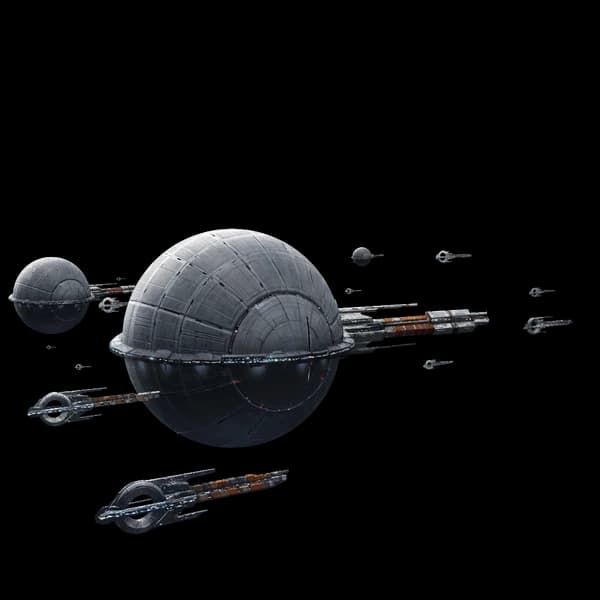
Rannoch was the arid homeworld of the quarians, a walled garden of rivers and deserts lost to the geth in the war that drove its people into exile. For generations it lay watched over by a vast swarm of geth space stations.
Rannoch was the homeworld of the quarians, an arid world of rivers and deserts that its people lost to the geth and were forced to abandon, beginning generations of exile aboard the Migrant Fleet. Its very name, meaning walled garden, reflected the importance of shade and plant life in ancient quarian culture. By the era of the Reaper War the planet lay watched over by a vast artificial swarm of geth constructions, a contested prize at the heart of the long conflict that touched Commander Shepard's efforts to unite the galaxy. (Mass Effect; Mass Effect 3)
A walled garden#
Rannoch orbited an orange sun only about ninety percent the mass of Earth's star and roughly half as luminous. Despite the dimmer light, the world was arid by Earth's standards, having formed closer to its star and possessing slightly less ocean coverage. Photosynthetic life concentrated around its rivers and oceans, while vast expanses of desert stretched between them. The scarcity of greenery shaped the culture of the quarians who arose there, and the importance they placed on plant life and shade was preserved in the name of the world itself, which translated as walled garden. (Mass Effect 3)
The planet harbored a range of distinctive native lifeforms. Among them was the qorach, an animal comparable to a carnivorous bighorn sheep whose belly was perpetually dusted with blue-green fern pollen and seed casings, its blind newborn offspring known as the ke'sed. The lemek worm, a small and slender creature covered in metallic rose-colored scales, could regenerate into new worms after being cut to pieces. The fa'yin, an edible nut, dated back to the time of the first proto-quarian beasts, a reminder of how ancient the world's ecology was. (Mass Effect: Andromeda: Annihilation)
The geth swarm#
By the era of the Reaper War, what an approaching starship noticed first about Rannoch was not the planet itself, but the many heat sources arrayed in its orbit. Thousands of geth space stations watched over the world, the legacy of the war in which the geth had risen against their quarian creators and driven them from their homeworld into generations of exile. Somewhere within this artificial swarm lurked the geth armada, holding its position and waiting for its moment to counterattack. The contested fate of Rannoch, and of the two peoples who laid claim to it, became one of the great unresolved questions Shepard confronted in the course of rallying the galaxy against the Reapers, an outcome that could fall in more than one direction depending on the choices made. (Mass Effect 3)
Frequently asked questions
- What is Rannoch?
- Rannoch was the homeworld of the quarians, an arid world of rivers and deserts. Its people lost it to the geth and were forced to abandon it, beginning generations of exile aboard the Migrant Fleet.
- What does the name Rannoch mean?
- The name Rannoch translated as walled garden. It reflected how deeply ancient quarian culture prized plant life and shade, since the world's photosynthetic life clustered around its rivers and oceans with vast deserts in between.
- What is Rannoch's environment like?
- Rannoch orbited an orange sun roughly ninety percent the mass of Earth's star and about half as luminous. Despite the dimmer light it was arid by Earth's standards, having formed closer to its star with slightly less ocean coverage.
- Why were there geth space stations around Rannoch?
- By the era of the Reaper War, thousands of geth space stations watched over Rannoch, the legacy of the war in which the geth rose against their quarian creators and drove them into exile. The geth armada lurked within this swarm, waiting for its moment to counterattack.
- What native lifeforms lived on Rannoch?
- Rannoch's native life included the qorach, comparable to a carnivorous bighorn sheep whose newborns were called the ke'sed, and the lemek worm, which could regenerate into new worms after being cut to pieces. The fa'yin, an edible nut, dated back to the time of the first proto-quarian beasts.
Sources
- GameMass Effect, BioWare, 2007
- GameMass Effect 3, BioWare, 2012
- BookMass Effect: Andromeda: Annihilation, Catherynne M. Valente, 2018
Spotted a factual error or a primary source we missed? Email a correction. Every flagged claim gets reviewed.
Followed from this entry
Migrant Fleet
Known to its people as the Flotilla, the Migrant Fleet was the vast collection of starships that became home to the quarians after the geth drove them from their world. Some fifty thousand vessels carried seventeen million quarians across the galaxy in a centuries-long exile.
Commander Shepard
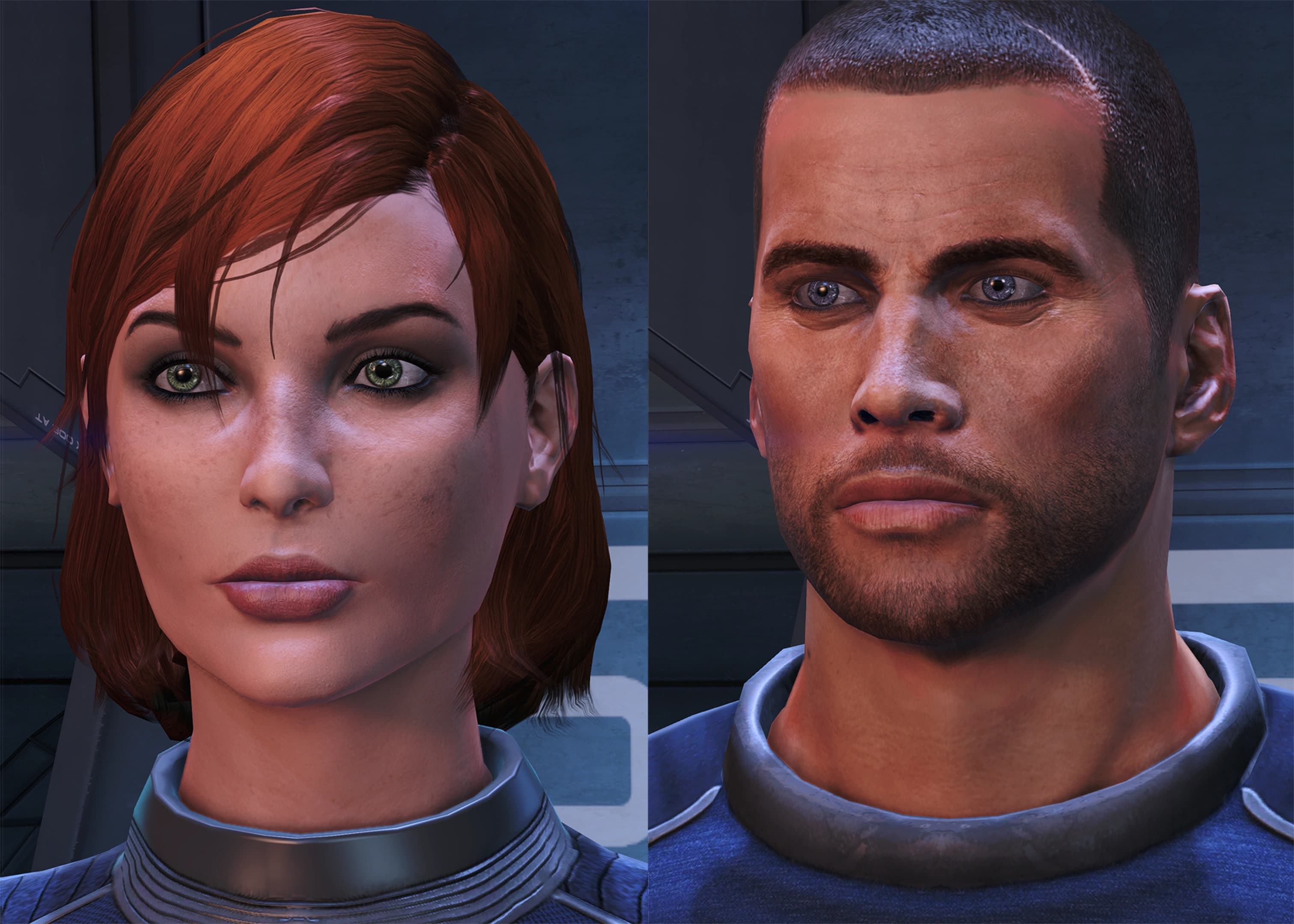
Commander Shepard was a Systems Alliance N7 marine who became the first human Spectre, exposed the rogue agent Saren Arterius, and led the galaxy's resistance against the Reapers. Shepard's gender, history, and many of the choices that shaped the war were never fixed, and the final fate of the cycle turned on the Commander's own decisions.
Reaper War
The Reaper War was the galaxy-wide conflict that began in 2186 when the Reapers emerged from dark space to harvest all advanced organic life. It saw the fall of Earth, Palaven, and Thessia, the forging of unlikely alliances, and a final battle over Earth that decided the fate of every species.
Reaper
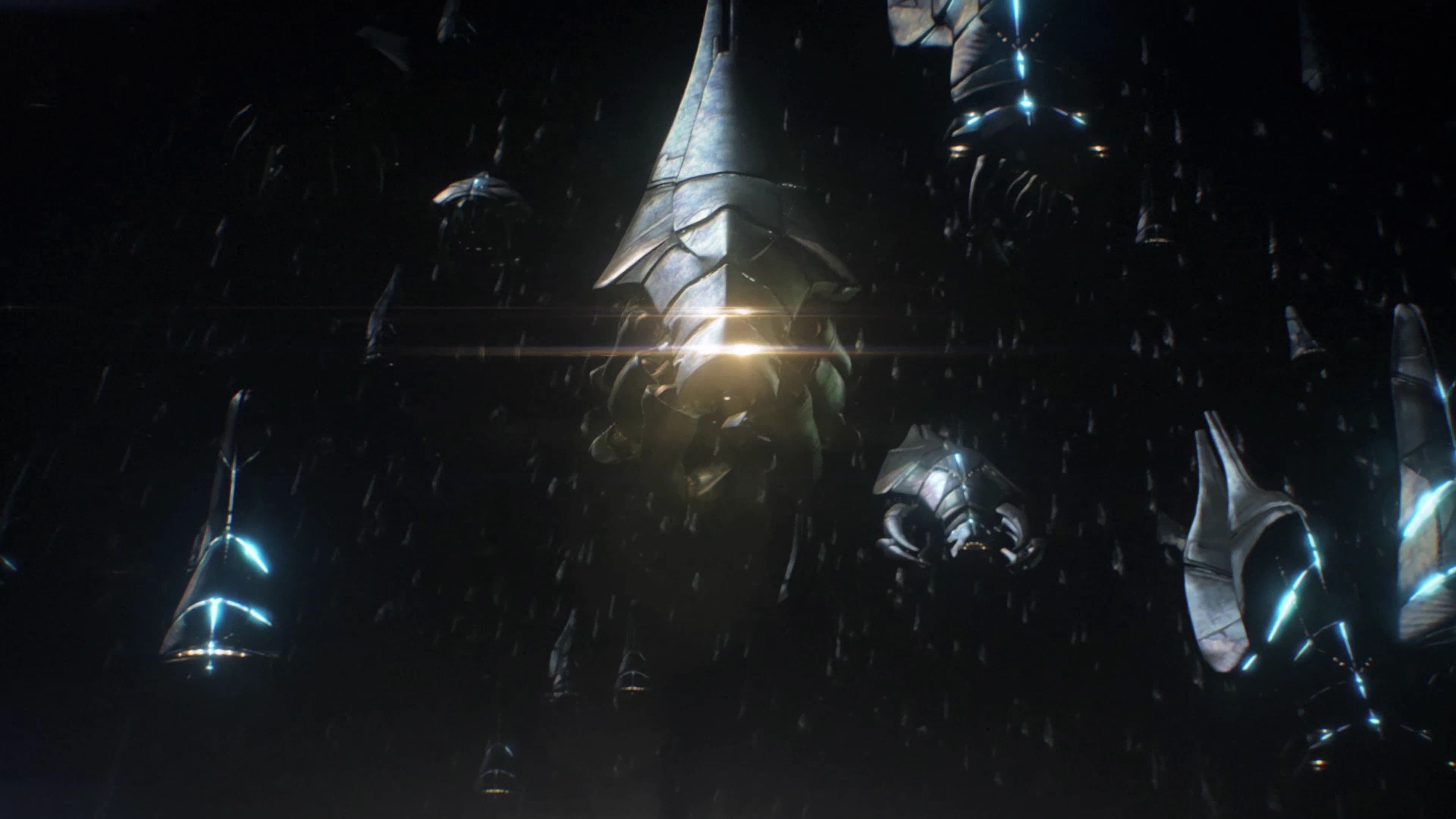
The Reapers were an ancient race of synthetic-organic starships that hibernated in dark space and returned once every fifty thousand years to harvest the galaxy's advanced life. They built the Citadel and the mass relay network to guide civilization down a predictable path, then reaped it to preserve organic life from synthetic destruction.
Elsewhere in this wiki
Elysium: the colony attacked in the Skyllian Blitz of 2176
Elysium was humanity's oldest colony in the Skyllian Verge, founded in 2160 in the Vetus system with 8.3 million people by the game's present. In 2176 a pirate and mercenary force under Elanos Haliat attacked it and was thrown off.
Kal'Reegar: the Migrant Fleet marine who held the bridge on Haestrom
Kal'Reegar was a quarian Migrant Fleet Marine who fought a geth platoon alone on Haestrom to keep Tali'Zorah alive, then spoke for her at her treason trial before the Admiralty Board. The Reegar Carbine is named for his family.
Mentioned in26 entries
Daro'Xen vas Moreh: Quarian Admiral and Geth Researcher
Admiral Daro'Xen vas Moreh sat on the quarian Admiralty Board and led its Special Projects group. A coldly brilliant scientist, she viewed the geth as machines to be studied and controlled rather than enemies or equals.
Diana Allers: Alliance War Correspondent
Diana Allers was a human war correspondent for the Alliance News Network and a regular presence on its program Battlespace. Originally from the colony of Bekenstein, she sought to report the war against the Reapers from the front lines and could embed aboard the Normandy to chronicle the conflict firsthand.
Every Mass Effect Romance Option, Game by Game
Every romance in Mass Effect, Mass Effect 2, Mass Effect 3 and Andromeda: who each character is, whether a male or female Shepard or Ryder can romance them, how the relationship plays out and what happens to it in the next game. Fates that depend on choices are given as choices.
Every Mass Effect Species and Race, With Lifespans
A field guide to every sapient species in Mass Effect, from the Council races and their clients to the krogan, the geth, the Protheans and the peoples of the Heleus Cluster. Each entry gives the homeworld, the lifespan where the games actually state one, and where the species stood with the Citadel.
Every Mass Effect Squadmate and Companion, Game by Game
Every squadmate in Mass Effect, Mass Effect 2, Mass Effect 3 and Andromeda, with their species, how they join, what their story is about and how they can die. Fates that depend on player choices are given as choices, because the series never picks one canon.
Geth
The geth were a race of networked artificial intelligences built by the quarians as laborers. When they gained sentience and questioned their makers, the quarians tried to exterminate them; the geth won the resulting Morning War and withdrew behind the Perseus Veil to build their own future.
Geth Armory: Arsenal of the Synthetics
The Geth Armory was the name organic markets gave to the weapons and armor manufacture of the geth, a source of equipment of the highest quality whose workings remained almost entirely unknown. Its pulse rifles armed the geth military from common platforms to Juggernauts, its krogan armor lines were prized across Tuchanka, and its products reached organic hands only through rare trade licenses sold on the Citadel.
Geth Prime
Geth Primes were the largest and most powerful geth infantry platforms, heavy units that served as command and control nodes on the battlefield. Sheathed in armor and heavy shielding, a Prime carried a punishing pulse weapon and a combat intelligence that sharpened the fire of every geth around it.
Han'Gerrel vas Neema: Quarian Admiral of the Heavy Fleet
Admiral Han'Gerrel vas Neema sat on the quarian Admiralty Board and commanded the Heavy Fleet. A lifelong hawk, he pressed for the reclamation of the homeworld and for war against the geth, often at reckless cost.
Javelin: Geth Ferrofluid Sniper Rifle
The Javelin was the name Alliance marines gave to a geth sniper rifle that fired a jet of superheated ferrofluid capable of cutting through nearly anything it struck. The same name belonged to the Alliance Navy's own disruptor torpedo ordnance, from the ship mounted launchers carried by frigates to the Mk.II missiles that batarian radicals turned against the colony on Watson.
Legion
Legion was the name taken by a gestalt of over a thousand geth programs housed in a unique mobile platform, sent beyond the Perseus Veil to find Commander Shepard and the first of its kind to speak and reason as an individual.
Mass Effect 3 Story and Ending Explained: Destroy, Control, Synthesis and Refuse
The Mass Effect 3 story in order and every ending explained: what the Catalyst is, what Destroy, Control, Synthesis and Refuse each do, and what the Extended Cut changed.
+ 14 more
Get new articles in your inbox
No spam. New lore drops, canon conflicts, and deep dives only when they’re worth reading.
Some links on Lore Fortress are affiliate links. If you buy through them we earn a small commission at no extra cost to you.