Vorcha
The Adaptive Scavengers of Heshtok
The vorcha were a short-lived, savagely aggressive species from the depleted world of Heshtok, regarded across the galaxy as pests and scavengers. Their unique cellular biology let them adapt rapidly to any environment, making them prized as mercenary muscle by the krogan Blood Pack.
The vorcha were a primitive, aggressive species from Heshtok who lived among the galaxy's darker and more dangerous places, such as Omega. Their unique biology allowed them to adapt rapidly to nearly any environment, and many were trained as mercenaries by the krogan-led Blood Pack for their savagery and resilience. The rest of galactic civilization regarded the vorcha as pests and scavengers, and their presence was generally seen as a blight. (Mass Effect 2)
Biology#
The vorcha were the shortest-lived sapient species known, with an average lifespan of only twenty years. Their biology cut both ways: they possessed clusters of non-differentiated cells, similar to those found in the planarian worm of Earth, which granted them limited regeneration and the ability to adapt rapidly to their environment. When a vorcha was injured or in distress, these cells migrated to the affected area and within roughly a week matured into specialized forms to address the problem. A vorcha that was cut or burned developed thicker skin; one placed in a barely breathable atmosphere developed lungs that used the available gases more efficiently; one under high gravity quickly grew stronger heart and leg muscles. This adaptability also made the vorcha nearly immune to disease and able to regrow lost limbs over a period of months. (Mass Effect 2)
The cell clusters replenished only slowly, so a vorcha could generally adapt to only a single environment within its brief life. As a consequence the species no longer evolved as other races did; the vorcha equivalent of DNA had remained unchanged for millions of years, since there was no need for the species to evolve when the individual could adapt. (Mass Effect 2)
History#
The vorcha originated on Heshtok, a small, hostile, overcrowded planet largely stripped of natural resources by successive generations of the fast-breeding species. The lack of resources produced a tight-knit, clan-based society in which rival clans waged constant war for control of what remained. This incessant warfare made each generation stronger and more aggressive than the last while their perpetual scarcity kept their society extremely primitive. The vorcha did not invent space travel on their own but were discovered by another spacefaring species, after which they spread rapidly through the Terminus Systems, often serving as foot soldiers for mercenary groups, the Blood Pack chief among them. (Mass Effect 2)
In 2185 some vorcha on Omega allied with the Collectors in an attempt to raise their quality of life, hoping to become the rulers of the station, and deactivated its life support to kill all other inhabitants. During the Reaper invasion of 2186, the Reapers encountered difficulties harvesting Heshtok: the vorcha were not cowed by the machines' intimidation tactics, and the destruction of resources such as water had little effect on a species that could adapt to survive. The Reapers therefore devoted their efforts to immobilizing Heshtok's population and preventing the vorcha from contributing to the galactic war. (Mass Effect 2; Mass Effect 3)
Culture#
Vorcha society was built around combat, which the vorcha used, both individually and in groups, as their default form of communication, making their interactions primarily non-verbal. They were a clan-based people who preferred living communally with their own kind, and when a clan grew too large its younger members departed to found a new one elsewhere. They were extremely aggressive toward rivals of their own species and toward any alien who stood in their way, and those who escaped Heshtok tended to occupy the uninhabited corners of space stations and large ships, often arriving as stowaways. (Mass Effect 2)
Seeing the potential in the vorcha's adaptability, krogan Blood Pack mercenaries often swept up pockets of vorcha and literally beat them into soldiers, producing fighters stronger, faster, and more resilient than ordinary members of the race; even a few vorcha magnified a gang's combat ferocity. Shortly after the species' discovery, several asari mining corporations adopted vorcha orphans from Heshtok and raised them to nonviolent lives in the mining industry, demonstrating that the habit of communicating through violence was not wholly innate, though the orphans' short lifespans kept their careers brief. (Mass Effect 2)
Government and military#
The vorcha had no recognized single government, and their alliances between bloodlines were tenuous at best, their short and violent lives leaving few lasting institutions. They likewise had no formal military; their lack of government precluded armies and fleets, and it had never been in other races' interest to allow them to build dreadnoughts. Many vorcha served as cannon-fodder troops in gangs such as the Blood Pack, where inexperience further shortened their lives. During the Reaper War other races tried to aid them by supplying ships and officers to lead vorcha forces, with mixed results: a fighter group of vorcha pilots trained by humans and turians fought hard and retreated with discipline at Heshtok, but an alien-led vorcha fleet was wiped out at Lihrat for insufficient firepower. (Mass Effect 2; Mass Effect 3)
Frequently asked questions
- What are the vorcha?
- The vorcha were a primitive, aggressive species from Heshtok, regarded across the galaxy as pests and scavengers. Their unique biology let them adapt rapidly to nearly any environment, and many were trained as mercenaries by the krogan-led Blood Pack for their savagery and resilience.
- How do vorcha adapt to their environment?
- Vorcha carried clusters of non-differentiated cells, similar to those of Earth's planarian worm, which gave them limited regeneration and rapid adaptation. When injured or in distress, these cells migrated to the affected area and within roughly a week matured into specialized forms, producing thicker skin after a burn, better lungs in a thin atmosphere, or stronger muscles under high gravity.
- How long do vorcha live?
- The vorcha were the shortest-lived sapient species known, with an average lifespan of only twenty years. Because their cell clusters replenished slowly, a vorcha could generally adapt to only a single environment within its brief life.
- Why are the vorcha so closely tied to the Blood Pack?
- The vorcha did not invent space travel themselves but spread through the Terminus Systems after being discovered, often serving as foot soldiers for mercenary groups, the Blood Pack chief among them. Krogan Blood Pack mercenaries swept up pockets of vorcha and beat them into soldiers stronger, faster, and more resilient than ordinary members of the race.
- What happened to the vorcha during the Reaper War?
- During the Reaper invasion of 2186, the Reapers had difficulty harvesting Heshtok because the vorcha were not cowed by intimidation and could adapt to survive the destruction of resources. The Reapers therefore focused on immobilizing the population to keep the vorcha from contributing to the galactic war.
Sources
- GameMass Effect 2, BioWare, 2010
- GameMass Effect 3, BioWare, 2012
Spotted a factual error or a primary source we missed? Email a correction. Every flagged claim gets reviewed.
Followed from this entry

Every Mass Effect Species and Race, With Lifespans
A field guide to every sapient species in Mass Effect, from the Council races and their clients to the krogan, the geth, the Protheans and the peoples of the Heleus Cluster. Each entry gives the homeworld, the lifespan where the games actually state one, and where the species stood with the Citadel.
Collectors
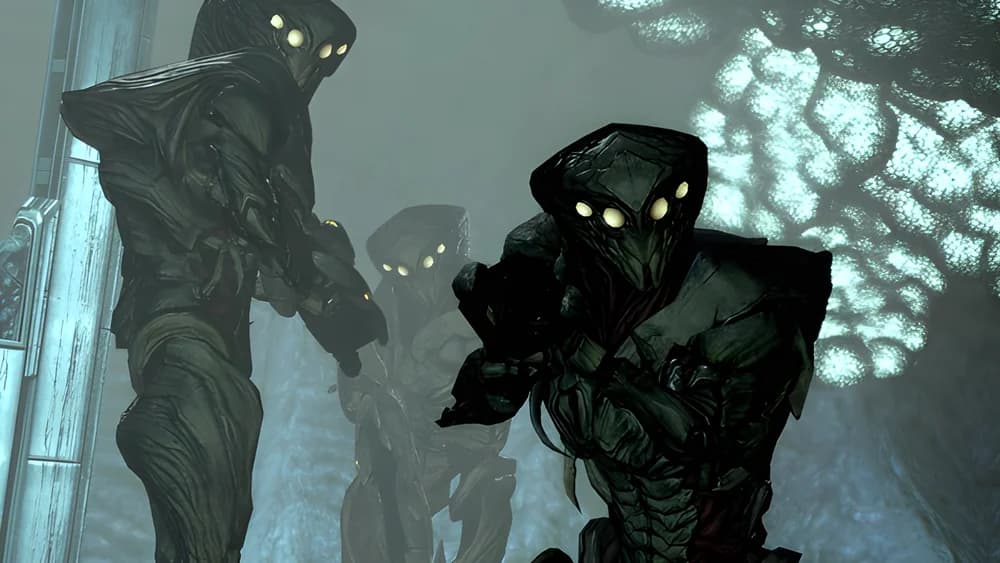
The Collectors were an enigmatic insectoid race dwelling beyond the Omega 4 Relay, long dismissed as myth. In truth they were the last of the Protheans, genetically rewritten and cybernetically enslaved by the Reapers, who used them to abduct human colonies and build a Human-Reaper.

Krogan
The krogan were a hardy, long-lived reptilian species from the brutal world of Tuchanka, uplifted by the salarians to win the Rachni Wars before their explosive growth made them a threat in turn. The turian-deployed genophage crippled their fertility and left them a scattered, fatalistic people.
Reaper
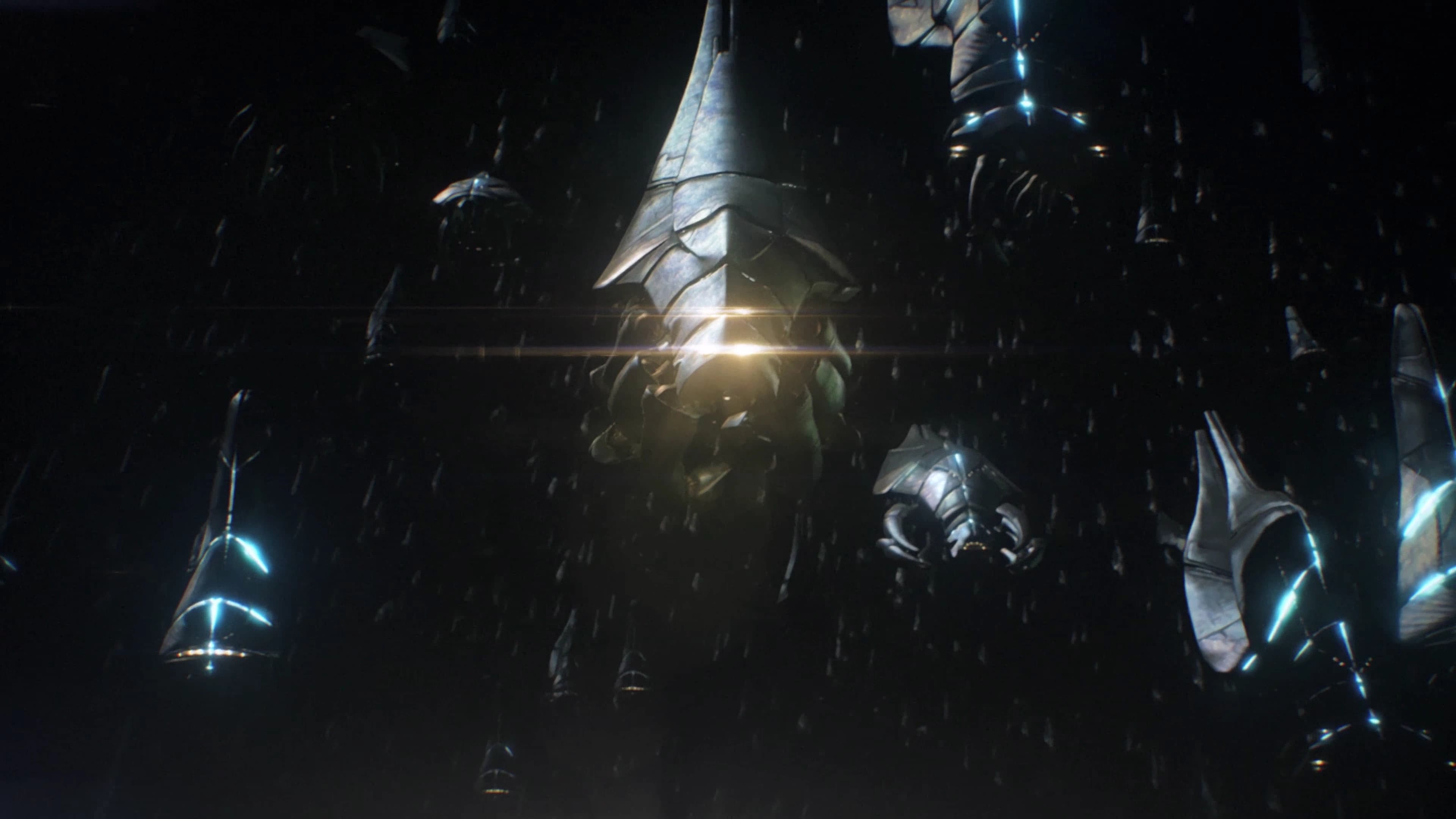
The Reapers were an ancient race of synthetic-organic starships that hibernated in dark space and returned once every fifty thousand years to harvest the galaxy's advanced life. They built the Citadel and the mass relay network to guide civilization down a predictable path, then reaped it to preserve organic life from synthetic destruction.
Blood Pack
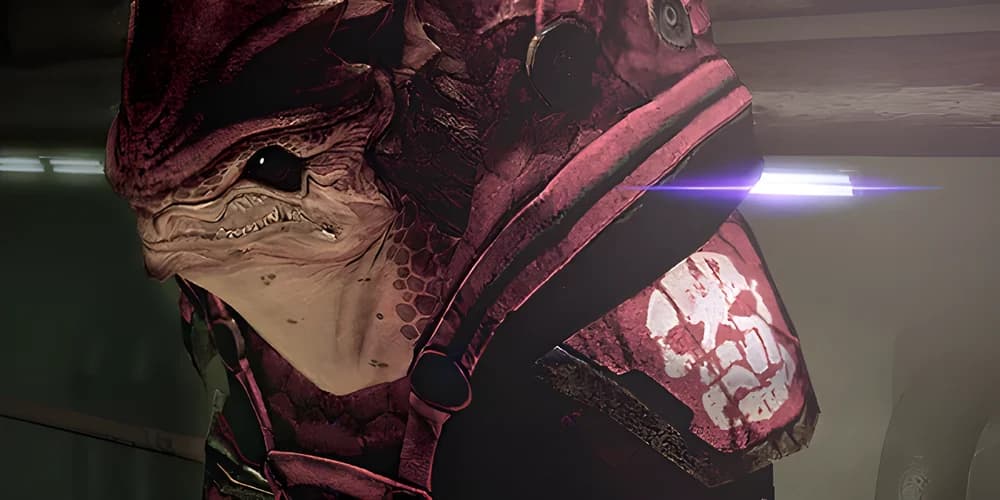
The Blood Pack was a brutal mercenary group built around krogan muscle and vorcha cannon fodder, founded by the exiled Battlemaster Ganar Wrang and based in the Terminus Systems. Banned from Citadel space, they took the contracts no other gang would touch, favoring overwhelming violence over discretion.
Omega
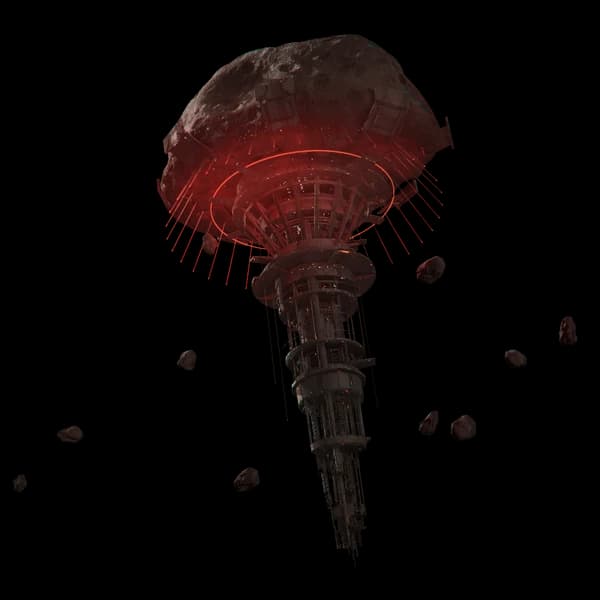
Omega was a sprawling space station built in the hollowed husk of an asteroid in the Terminus Systems, a haven for criminals and outcasts ruled by the asari warlord Aria T'Loak. Often called the dark counterpart to the Citadel, it had no central government and changed hands only through violence.
Mentioned in1 entry
Get new articles in your inbox
No spam. New lore drops, canon conflicts, and deep dives only when they’re worth reading.
Some links on Lore Fortress are affiliate links. If you buy through them we earn a small commission at no extra cost to you.