SCV
Terran Space Construction Vehicle
The T-280 space construction vehicle, or SCV, was the terran general-purpose engineering walker used across the Koprulu sector to build outposts, maintain space platforms, and harvest resources, and was regarded as a foundational unit of terran forces.
The T-280 space construction vehicle, almost universally known as the SCV, was a terran general-purpose engineering walker used to construct and maintain everything from remote outposts to orbital space platforms, as well as to harvest raw resources and carry out general reconstruction work. Used by both military and civilian interests throughout the Koprulu sector, the SCV was prized for its versatility and reliability and was regarded as a foundational unit for terran forces. Its pilots called themselves "SceeVees," and the vehicle remained in service from the era of the Terran Confederacy through the Terran Dominion. (StarCraft (manual); Units: SCV; StarCraft: Frontline Volume 2; The Fightin' SceeVees)
Design and equipment#
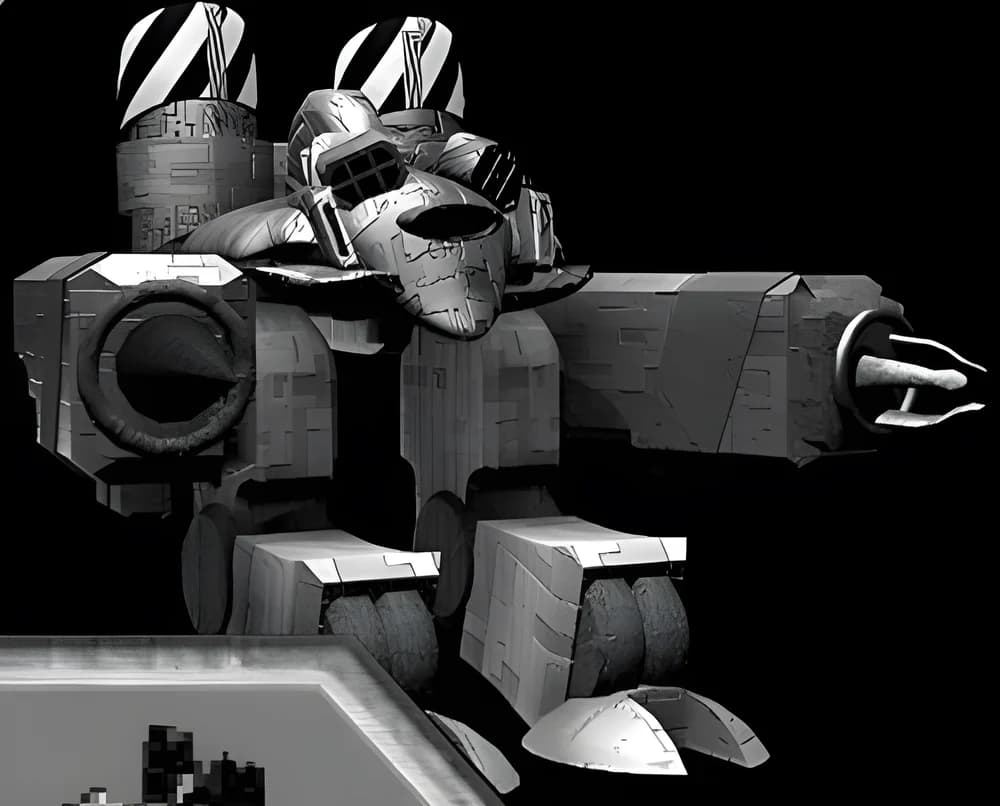
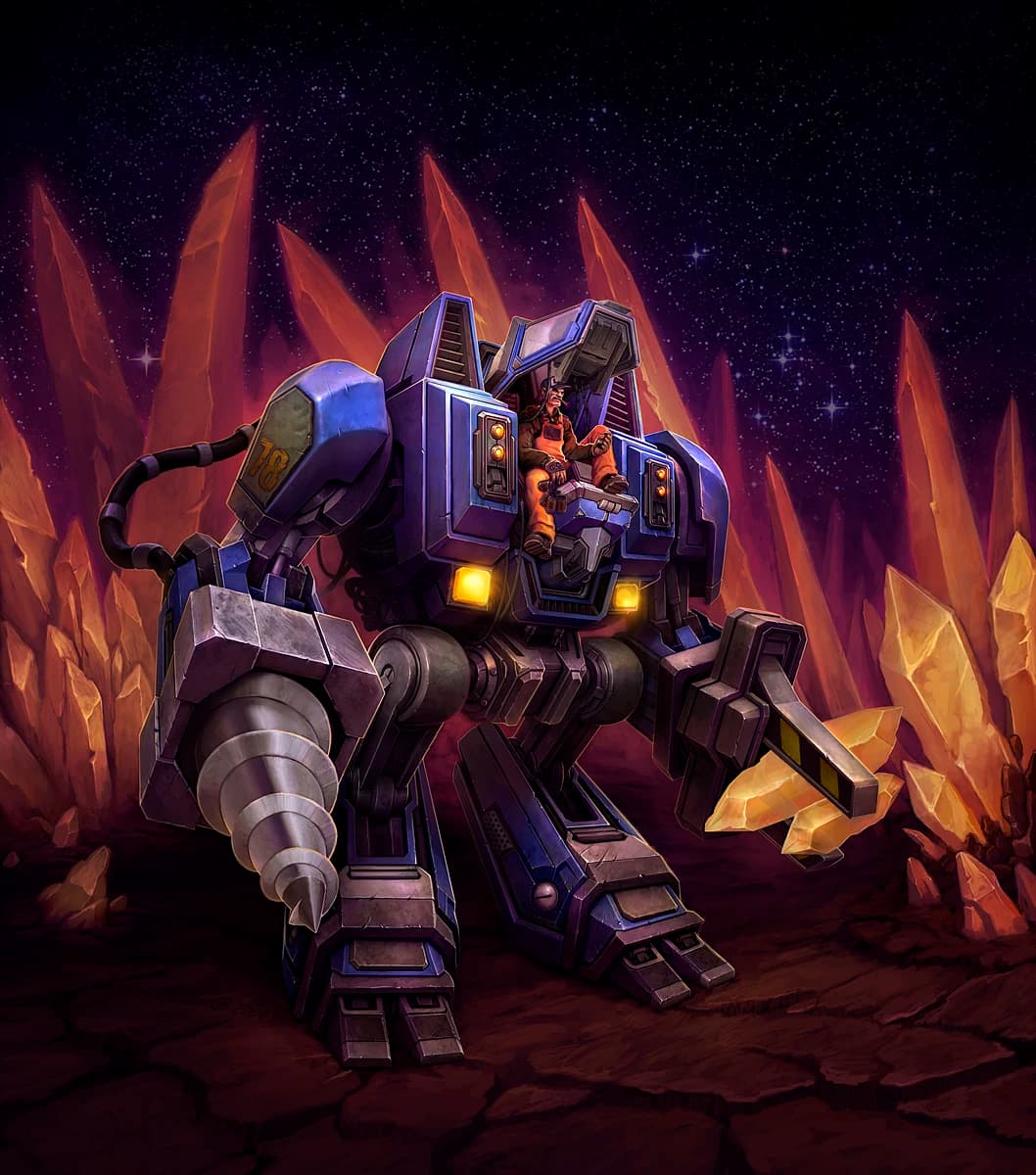
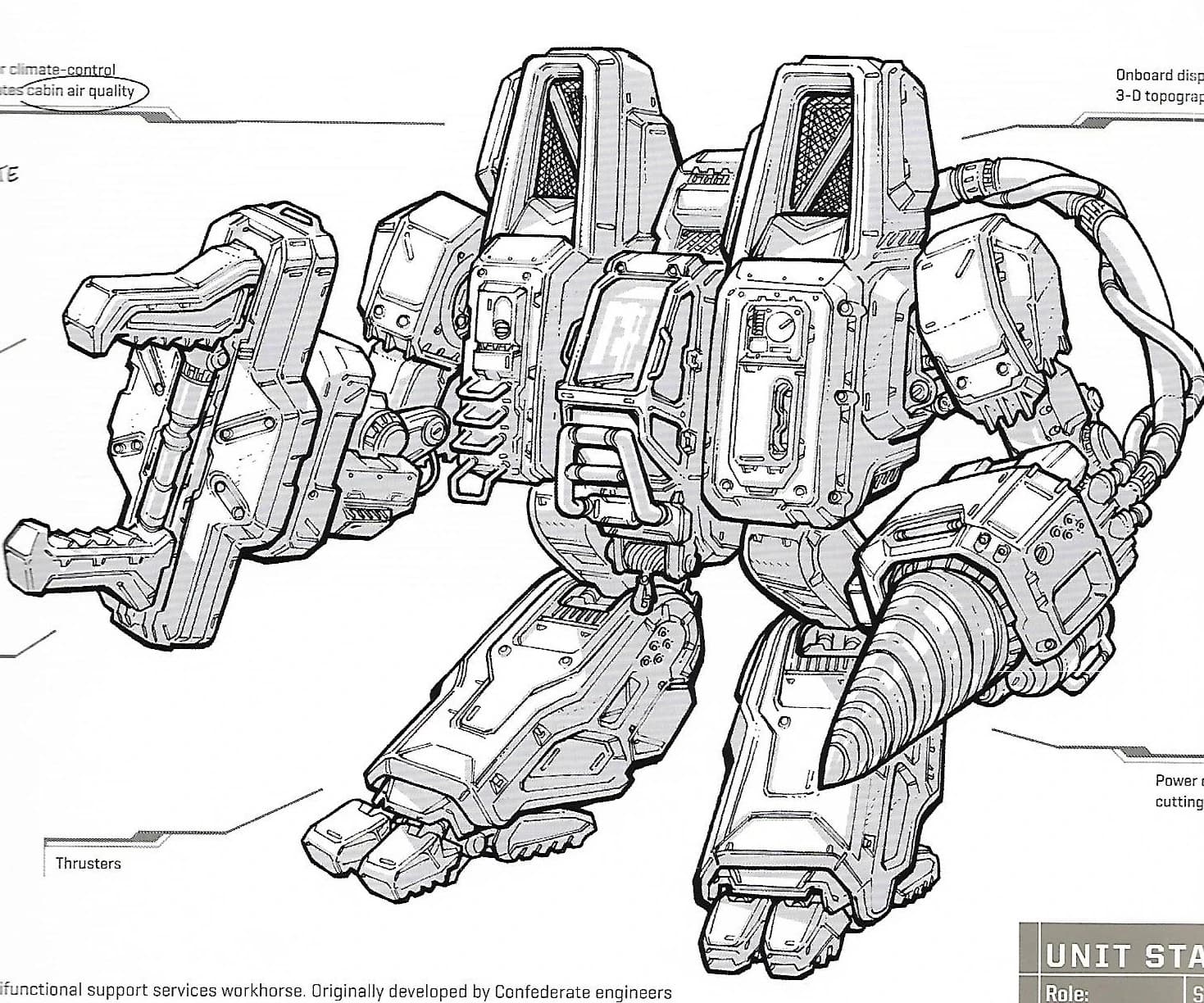
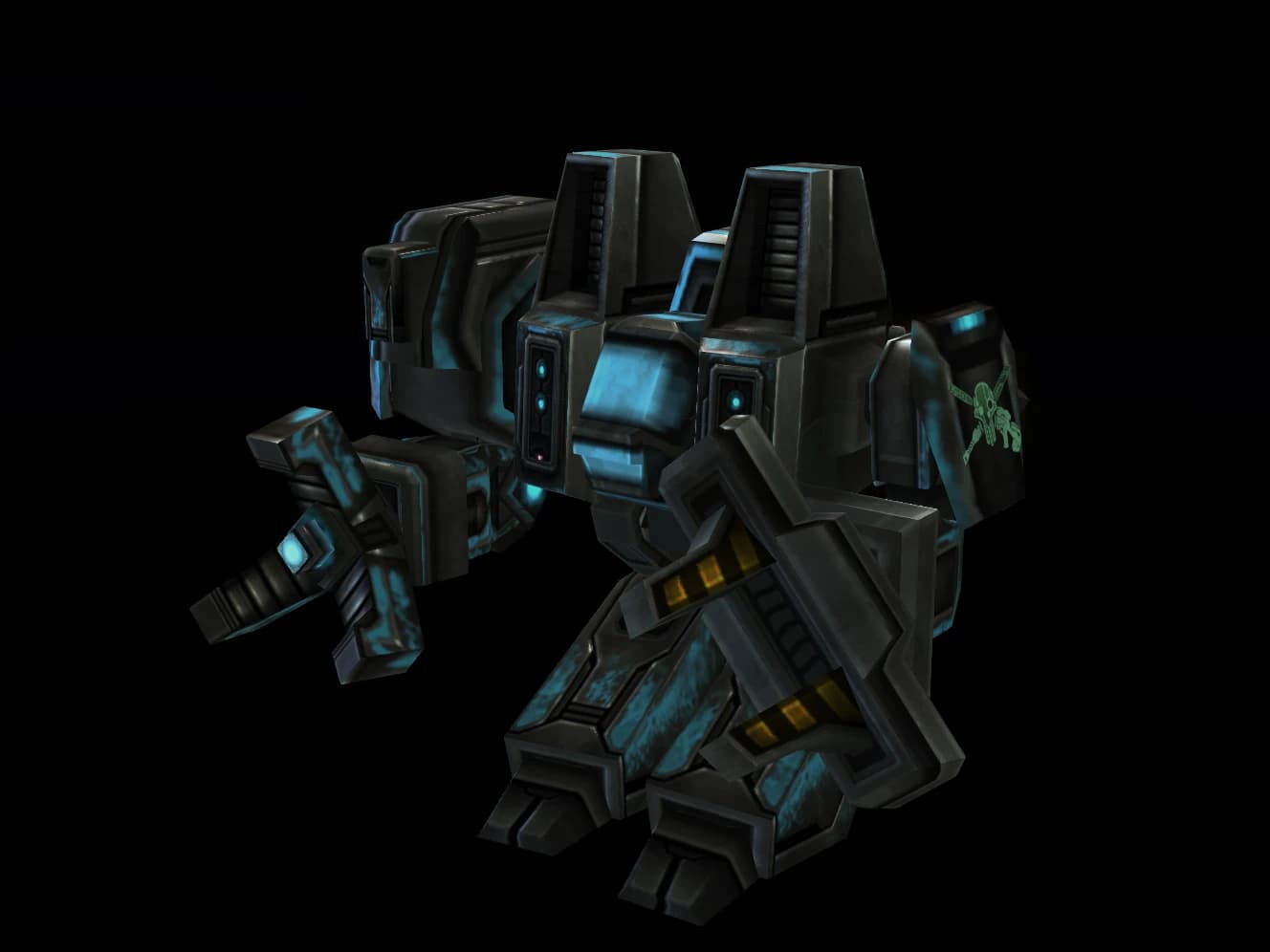
The T-280 was a bipedal walker into which the pilot's arms and legs extended to drive the exoskeleton directly. It stood just over twelve feet tall and was constructed out of neosteel with a plasteel view hatch. SCVs were observed equipped with fusion cutters, plasma welders, a power drill, a utility clamp, and heavy-duty thrusters. The thrusters allowed the SCV to hover and were added after early prototypes proved unable to keep up with projected efficiency rates. Because they were integrated at the last minute, the thrusters were barely optimized for day-to-day operation and were prone to overloading whenever set to high burn. The manufacturer began work on more energy-efficient thrusters but abandoned the project after learning that SCV races had become popular in some parts of the sector, and pilots continued to make their own "personal" adjustments regardless. The power reserves on an SCV rig could be charged with solar energy. (Units: SCV; Command Performance; StarCraft: Speed of Darkness; The Fightin' SceeVees; StarCraft (manual))
Older SCVs carried reinforced plating until the manufacturer cut it back as an unnecessary expense. The decision proved deeply unpopular among pilots and even spurred riots on one or two remote worlds, which were put down fatally by security forces. The casualties from those protests were dwarfed by a 58.8 percent increase in casualty rates that followed from the flimsier vehicle plating. The cockpit was equipped with multiple displays providing fuel readouts, structural integrity data, and real-time 3D topography mapping. All SCVs carried the COMFORtroller climate control system, which regulated, cycled, and purified the cabin air and allowed the vehicle to operate for up to two weeks in a vacuum. Even so, jury-rigged SCVs held together with components as unusual as gardening equipment or beer cans were a common sight in the field. (Units: SCV)
Service and operators#
The T-280 model became prominent for its performance during the construction of Tarsonis' space platforms, and it was widely adopted to become a staple of terran engineering by 2489. During the reign of the Terran Confederacy, volunteering to pilot an SCV appeared to be an alternative to formal military service, with the preferred background being hostile-environment engineering and combat experience counted as a plus. The risks of SCV operation did little to slow recruitment, as the Terran Dominion found no shortage of pilots who, fearful of the front lines, were willing to work overtime on distant planets for low wages. The long hours and low pay led some pilots to take up mercenary work instead, and most never looked back. (StarCraft (manual); StarCraft: I, Mengsk; StarCraft Compendium: SCV; Specialist Fields (StarCraft beta website); Units: SCV; StarCraft II: Legacy of the Void)
Different factions fielded specialized SCVs. The Dominion Special Forces used SCVs with advanced hardware including a stronger utility clamp and a laser extraction claw, while Umojan Protectorate SCVs carried laser drills that cut perfectly clean even through the densest mineral. In one notable case, an engineer named Yakov Iliev modified SCVs with combat apparatuses to defend a backwater world, and that design was later taken up by the Axiom Corporation to create the warhound, a combat walker built to fight heavy armor. (StarCraft II: Legacy of the Void; Command Performance)
Frequently asked questions
- What is an SCV in StarCraft?
- The T-280 space construction vehicle, known as the SCV, was a terran general-purpose engineering walker used to construct and maintain everything from remote outposts to orbital space platforms, as well as to harvest raw resources and carry out reconstruction work. Used by both military and civilian interests throughout the Koprulu sector, it was regarded as a foundational unit for terran forces.
- What equipment does an SCV carry?
- SCVs were observed equipped with fusion cutters, plasma welders, a power drill, a utility clamp, and heavy-duty thrusters that allowed the vehicle to hover. The cockpit had multiple displays providing fuel readouts, structural integrity data, and real-time 3D topography mapping, and all SCVs carried the COMFORtroller climate control system that let the vehicle operate for up to two weeks in a vacuum.
- How big is an SCV and how is it operated?
- The T-280 was a bipedal walker standing just over twelve feet tall, constructed out of neosteel with a plasteel view hatch. The pilot's arms and legs extended into the exoskeleton to drive it directly, and pilots called themselves SceeVees.
- How did the SCV inspire the warhound?
- An engineer named Yakov Iliev modified SCVs with combat apparatuses to defend a backwater world. That design was later taken up by the Axiom Corporation to create the warhound, a combat walker built to fight heavy armor.
- Why was reduced SCV plating controversial?
- Older SCVs carried reinforced plating until the manufacturer cut it back as an unnecessary expense. The decision was deeply unpopular among pilots and even spurred riots on one or two remote worlds, which were put down fatally by security forces, and the flimsier plating led to a 58.8 percent increase in casualty rates.
Gallery
Images via StarCraft Wiki
Sources
- GameStarCraft II: Legacy of the Void, Blizzard Entertainment, 2015
- BookStarCraft (manual), Peter Underwood, Bill Roper, Chris Metzen and Jeffrey Vaughn, Blizzard Entertainment, 1998
- BookStarCraft: Speed of Darkness, Tracy Hickman, Pocket Books, 2002
- BookStarCraft: I, Mengsk, Graham McNeill, Pocket Star, 2008
- ComicStarCraft: Frontline Volume 2, Tokyopop, 2009
- WebThe Fightin' SceeVees, Kal-El Bogdanove, Blizzard Entertainment short story, 2013
- WebSpecialist Fields (StarCraft beta website), Blizzard Entertainment, 1998
- WebUnits: SCV, Blizzard Entertainment, StarCraft II website, 2010
- WebCommand Performance, Alex Irvine, Blizzard Entertainment short story, 2013
- WebStarCraft Compendium: SCV, Blizzard Entertainment, classic.battle.net, 1998
Spotted a factual error or a primary source we missed? Email a correction. Every flagged claim gets reviewed.
Followed from this entry

Tarsonis: the world Mengsk fed to the zerg
Arcturus Mengsk lured the Swarm to the Confederate capital with psi emitters in 2500, then left Sarah Kerrigan there to be taken by the zerg.

Terran Confederacy
The Terran Confederacy, also called the Confederacy of Man, was the dominant human government of the Koprulu sector before the Great War, ruled by the Old Families of Tarsonis and brought down by the zerg invasion and the Sons of Korhal rebellion.

Terran Dominion
The Terran Dominion was the human empire founded by Arcturus Mengsk on the ruins of the Terran Confederacy, crowned from Korhal and ruled first through oppression and propaganda, then reformed under his son Valerian after the Second Great War.
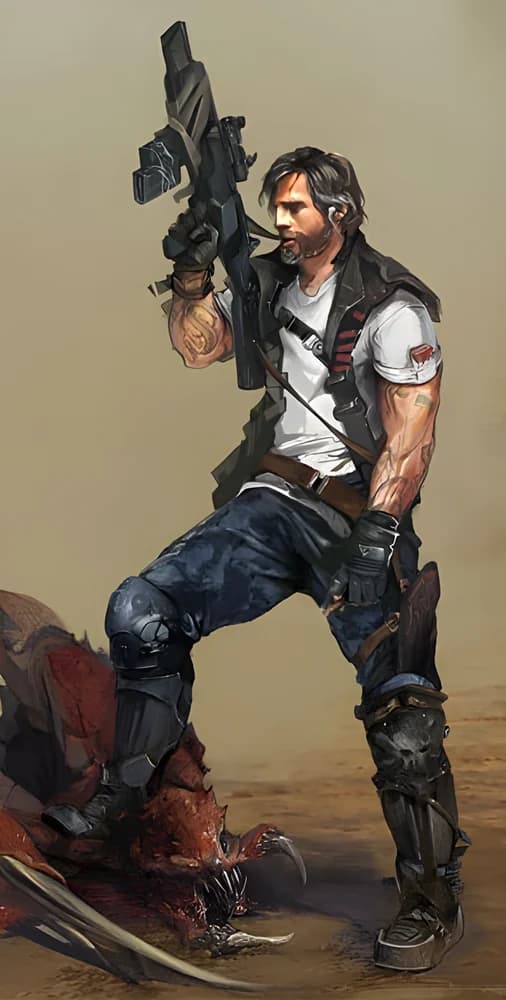
Terran
The terrans are the descendants of a failed 23rd century colony mission from Earth, a young and highly factionalized species with latent psionic potential. Despite endless wars among themselves and with their alien neighbors, they stand as one of the three dominant species of the galaxy.
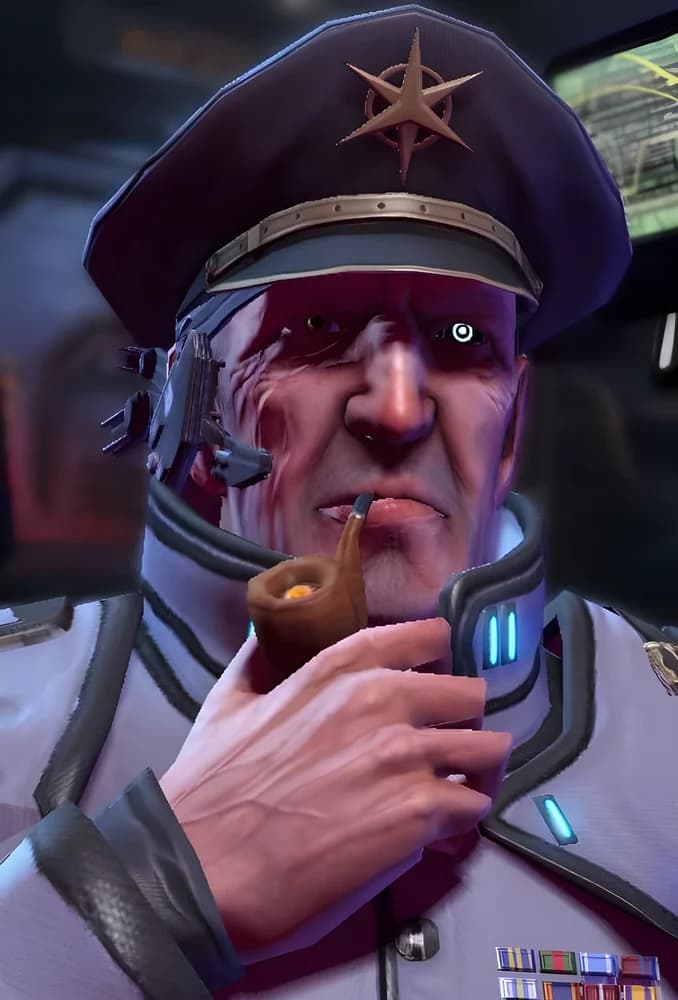
Umojan Protectorate: the neutral power
Smaller than the Confederacy or the Dominion, Umoja held both off with advanced technology and espionage, and sheltered the dissidents they wanted.

Koprulu Sector: where three races met
A fringe region sixty thousand light years from Earth, settled by exiled humans. The Great War and the Brood War were both fought across its worlds.
Mentioned in7 entries
Aal Cistler
Aal Cistler was the privileged son of a Terran Dominion Treasury Ministry leader, pushed into the Ghost Academy on his father's influence despite a low psionic index, where his drug trafficking and self-interest made him a recurring problem across three training teams.
Bunker: fortified strongpoint of the terrans
The bunker was a low domed terran defensive structure, plated in paristeel or neosteel and pierced by weapon ports on every side. Soldiers called them battlefield coffins for their ubiquity and lack of amenities, yet the squat shelters anchored terran lines from the Confederacy through the wars of the Dominion.
Command Center: mobile heart of every terran outpost
The command center was the core structure of every terran outpost, a mobile resource processor that manufactured SCVs and anchored new colonies wherever minerals and vespene gas were plentiful. Heavily armored and able to fly on jump jets, it evolved from a Confederate prospecting platform into a fortified military headquarters.
Corbin Phash: the senator who defied the Dominion
Corbin Phash was a Terran Dominion senator from Maltair IV who hid his son Colin's psionic gifts from the Ghost Program. When the secret broke he fled to the Umojan Protectorate, survived a ghost assassin, and waged a propaganda war against Arcturus Mengsk from exile.
Every Terran Unit in StarCraft and StarCraft II, Explained
Every terran unit from StarCraft, Brood War and the three StarCraft II campaigns, sorted into infantry, vehicles and starships. Each entry covers who built it, what it was for and which games it appears in.
Factory: armored heart of terran vehicle production
The factory was the automated terran structure that served as the primary production center for ground vehicles, structures, and ammunition. Behind walls of reinforced neosteel it housed elite vehicle crews in first class quarters, assembled war machines with interior cranes, and could lift off on ventral thrusters to follow the front wherever it moved.
Probe: the Protoss Worker Drone of StarCraft
The probe is the small robotic drone the protoss use to gather resources and warp in their buildings. It was built by the Khalai for worlds too dangerous for living workers, and it has served every protoss faction since the Second Age.
Get new articles in your inbox
No spam. New lore drops, canon conflicts, and deep dives only when they’re worth reading.
Some links on Lore Fortress are affiliate links. If you buy through them we earn a small commission at no extra cost to you.