PFM-100 Hydrazine Torch Flamethrower
The Mining Blowtorch Turned Weapon
The PFM-100 Hydrazine Torch Flamethrower was an industrial tool built to melt the ice that trapped ore inside comets and frozen meteors. Survivors of the Necromorph outbreaks repurposed its long cone of hydrazine flame as a weapon.
The PFM-100 Hydrazine Torch Flamethrower, known simply as the Flamethrower, was an industrial mining tool used in the extraction of ores and minerals, of the same repurposed family as the Plasma Cutter and the other cutting equipment carried by survivors of the Necromorph outbreaks. Built as an oversized blowtorch for freeing ore from ice, it was commonly turned into a weapon when the outbreaks left survivors reaching for whatever tools were at hand. (Dead Space; Dead Space 2; Dead Space (2023))
Design and intended use#
The PFM-100 Hydrazine Torch Flamethrower was built to project a liquid hydrazine flame, reaching from several hundred to several thousand degrees Celsius, onto the layers of ice that trapped valuable ore within comets. Turned against a frozen meteor, the flame melted the solidified water held in the rock's cracks, splitting it into pieces with little trouble so that the ore inside could be recovered. It was, in effect, an oversized blowtorch, and despite its later reputation it had never been intended for combat. (Dead Space; Dead Space 2)
The tool ran on hydrazine, a hypergolic fuel, carried in a canister clipped to the underside of the torch by a series of metal braces. When needed, that canister could be forcefully ejected from the tool and thrown as a makeshift fire grenade, a use the equipment lent itself to readily when survivors had to improvise. (Dead Space 2)
Use against the Necromorphs#
Repurposed as a weapon during the outbreaks, the Flamethrower put its long cone of flame to grim use. The fire could ignite several creatures at once and could be played across individual limbs, and the flames clung to the dead for a short time and forced them back. This made the torch best suited to immolating swarms of smaller Necromorphs in close quarters, where its broad, lingering flame could overwhelm a crowd. At any distance it suffered, as the cone of fire reached only so far, and a survivor had to take care not to step into his own flames. (Dead Space; Dead Space 2; Dead Space (2023))
The torch had a clear weakness. Because the flame needed oxygen to burn, it would not function in the vacuum of space, nor, in the original game, in air fouled by the gas of a Wheezer, which left it useless in some of the very places a survivor most needed a weapon. Even so, against close packed creatures it remained one of the more effective tools a survivor could turn on the Necromorphs, and it carried a secondary use as well, ejecting its fuel canister or laying down a wall of flame to weaken creatures pressing in. By the time of the outbreaks on Tau Volantis, the Flamethrower was assembled from a blueprint alongside the other improvised arms that survivors built from salvaged mining and engineering gear. (Dead Space; Dead Space 2; Dead Space 3; Dead Space (2023))
Frequently asked questions
- What was the PFM-100 Hydrazine Torch Flamethrower?
- The PFM-100 Hydrazine Torch Flamethrower, called the Flamethrower for short, was an industrial mining tool used in the extraction of ores and minerals. It was built to project a liquid hydrazine flame onto the ice that trapped valuable ore within comets, and was commonly repurposed as a weapon during the Necromorph outbreaks.
- What was the Flamethrower built to do?
- It was designed to project a liquid hydrazine flame, reaching extreme temperatures, onto layers of ice that locked ore inside comets and frozen meteors. The heat melted the solidified water in a rock's cracks, splitting it into pieces so the ore could be extracted.
- How did survivors use the Flamethrower against Necromorphs?
- Its long cone of flame could ignite several creatures at once and target individual limbs, making it best suited to burning swarms of smaller Necromorphs at close quarters. The flames clung to the dead for a short time and forced creatures back, though the tool was poorly suited to fighting at range.
- Why could the Flamethrower not be used in a vacuum?
- Without oxygen the flame could not sustain itself, so the tool was useless in the vacuum of space and in areas where Wheezers had poisoned the air. Despite hydrazine being a hypergolic fuel, survivors found the torch simply would not function in those conditions.
- What was the fuel canister used for besides the flame?
- The hypergolic fuel canister was clipped to the underside of the torch by a series of metal braces. When needed, the canister could be forcefully ejected from the tool and used as a makeshift fire grenade.
Sources
- GameDead Space, EA Redwood Shores, 2008
- GameDead Space 2, Visceral Games, 2011
- GameDead Space 3, Visceral Games, 2013
- GameDead Space (2023), Motive Studio, 2023 (remake)
Spotted a factual error or a primary source we missed? Email a correction. Every flagged claim gets reviewed.
Followed from this entry
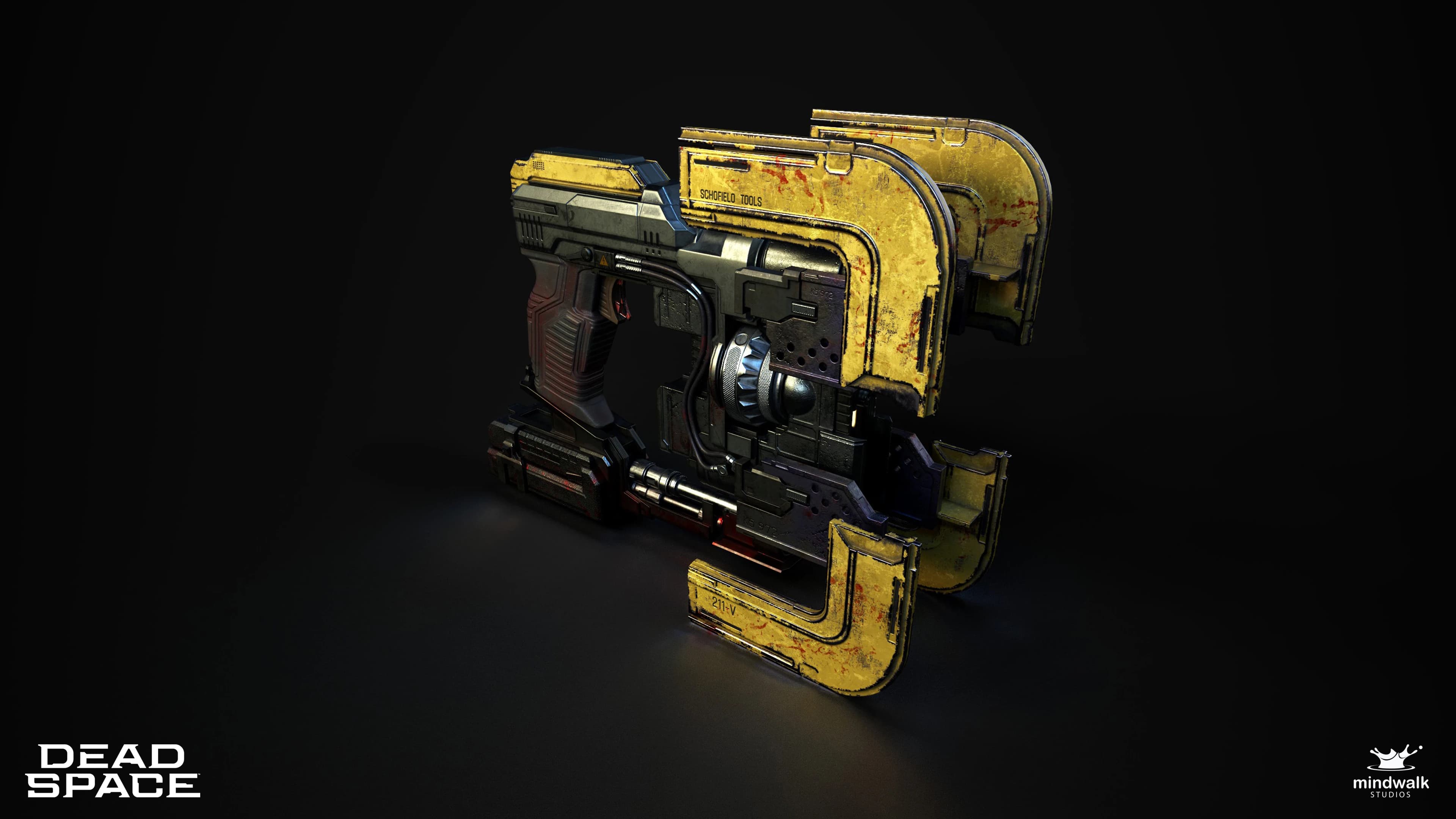
Plasma Cutter
The Plasma Cutter was a family of handheld mining tools built to cut through ore and rock with a focused bolt of ionized plasma. Compact and precise, it became the most common improvised weapon of survivors during the Necromorph outbreaks.
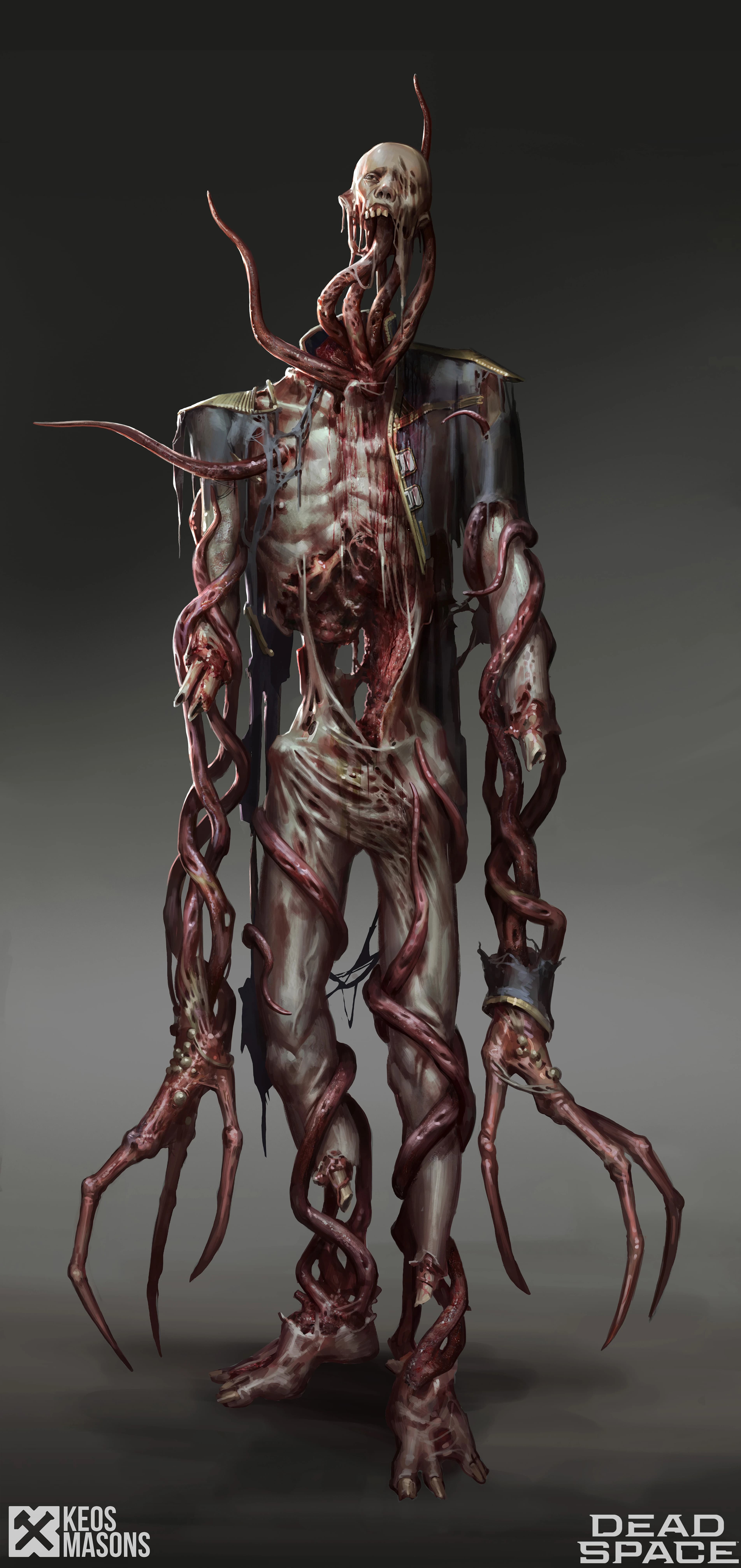
Necromorph
Necromorphs were aggressive creatures formed when the Markers' electromagnetic signal reshaped dead tissue into monstrous new forms. Driven to kill the living and gather corpses for Convergence, they were the recurring plague that destroyed the Aegis VII colony, the USG Ishimura, and Titan Station.
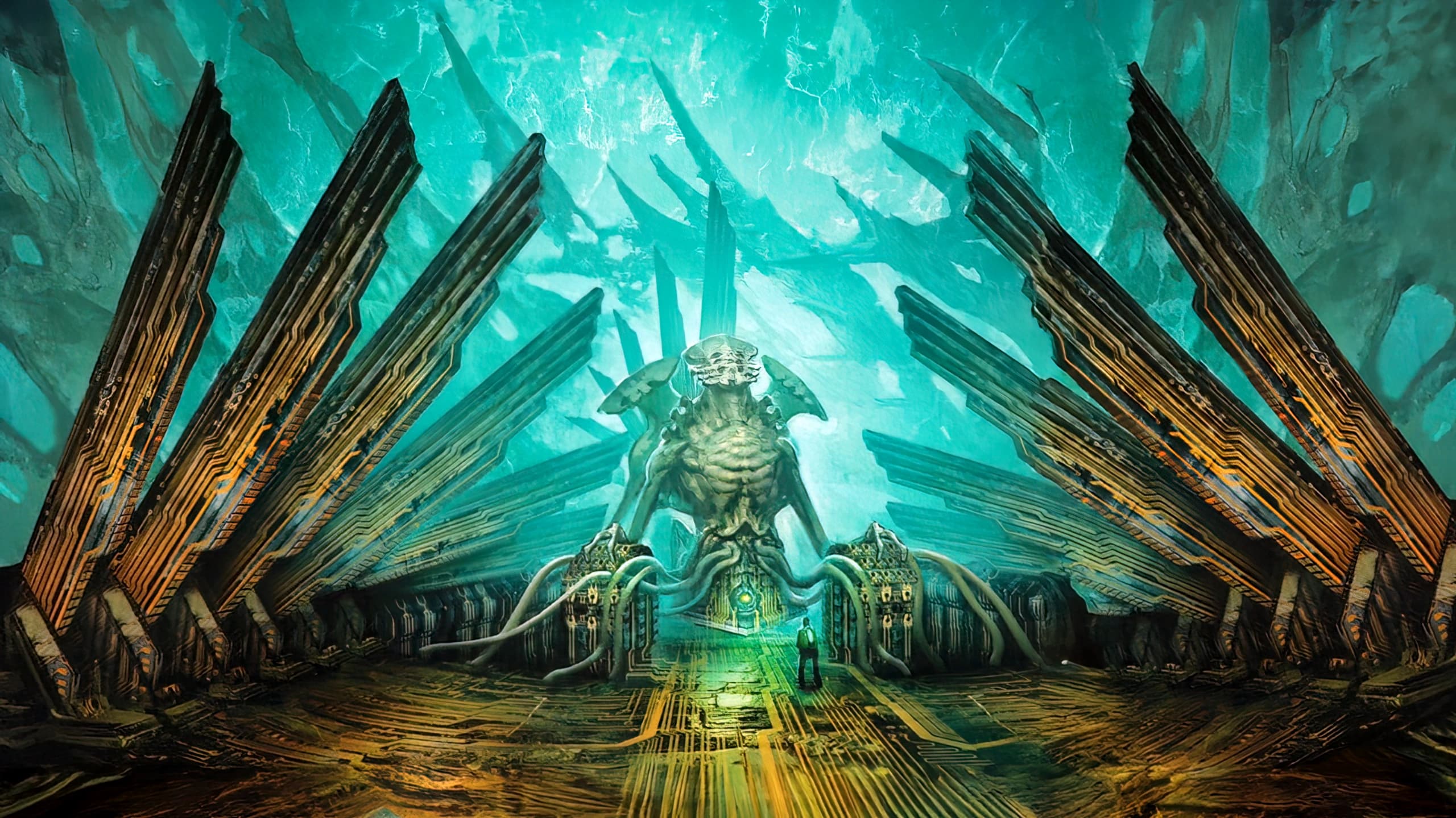
Tau Volantis
Tau Volantis was a frozen planet where, two million years ago, an alien civilization flash-froze their own world to halt a Convergence Event. Mistaken for the Marker homeworld, it became the site of the final clash over the Brethren Moons.

Wheezer
The Wheezer was a stationary Necromorph that generated and exhaled poisonous gas, fouling the air around it without ever attacking directly. Its gas made whole rooms toxic to the living.
Also in Weapons
Weapon Parts: how Dead Space 3 builds a gun out of frames, tools and tips
Weapon parts are the crafting materials scattered around Dead Space 3. A frame, a tool part and a tool tip combine into a working weapon, and the same three slots rebuild almost every gun from the earlier games.
Arc Welder: The Schofield Tools Welding Gun
The Arc Welding Gun was an engineering tool designed by Schofield Tools to repair structural damage by welding metal with a concentrated electrical arc. During the Second Aegis VII Incident, survivors of the Necromorph outbreak turned its arcing discharge on the dead and found it strong enough to dismember them.
Mentioned in1 entry
Get new articles in your inbox
No spam. New lore drops, canon conflicts, and deep dives only when they’re worth reading.
Some links on Lore Fortress are affiliate links. If you buy through them we earn a small commission at no extra cost to you.