 Lore Fortress
Why Are Computers Banned in Dune? The Butlerian Jihad
Computers are outlawed in Dune because humanity once fought a holy war against thinking machines and won. The Butlerian Jihad left behind one religious commandment, and trained human minds took over the work the machines used to do.
Computers are banned in Dune because of the Butlerian Jihad, the crusade against thinking machines that Dune's glossary dates from 201 BG to 108 BG. Humanity won, and the commandment it left behind in the Orange Catholic Bible is blunt: "Thou shalt not make a machine in the likeness of a human mind." (Dune, glossary)
Why are computers banned in Dune?#
Because the last time people trusted machines to think for them, it went badly. Dune gives the history in a handful of lines. In chapter 1, Reverend Mother Gaius Helen Mohiam tells Paul that handing over your thinking was meant to set you free, and in practice it just gave other men, the ones with the machines, a way to enslave you. The Dune Wiki sums up the background: as humanity spread across the stars it built machines to decide things, and their makers became a technocratic class ruling ordinary people. (Dune, chapter 1; Dune Wiki, Butlerian Jihad entry)
Appendix II of Dune calls the Jihad two generations of chaos. The "god of machine-logic" was overthrown among the masses, and the war raised a new idea: man may not be replaced. When it ended, people turned that same suspicion on their old gods and rituals, and saw fear being used to control them there too. Only then did religious leaders start meeting, warily at first, which led to the Commission of Ecumenical Translators. (Dune, Appendix II)
The Orange Catholic Bible that the Commission produced carries the commandment against thinking machines. Paul quotes it in chapter 1 of Dune, after Mohiam has tested him with the gom jabbar, using the wording "a man's mind" where the glossary says "a human mind." (Dune, chapter 1 and glossary)
What is the Butlerian Jihad, explained simply?#
Machines ran people's lives, so people smashed every last one and made it a sin to build another.
That's the whole thing at newcomer level. The glossary's target list is computers, conscious robots and thinking machines, and the war also goes by the Great Revolt. The Dune Wiki says the war finished in 108 BG with every intelligent machine humans had built destroyed. (Dune, glossary; Dune Wiki, Butlerian Jihad entry)
The name has a real-world echo too. The wiki points out it could easily be a nod to Samuel Butler and Erewhon, his 1872 novel about a country that wrecked its own machinery for fear the machines would evolve past their makers. The wiki only calls it likely, so treat it as a probable allusion rather than a confirmed one. (Erewhon; Dune Wiki, Butlerian Jihad entry)
Why is there no technology in Dune?#
There is, plenty of it. The Jihad targeted machines that think, and machines that don't kept working. Over the following centuries two fringe worlds became the technology specialists of the Imperium: Ix, which builds mechanical devices that stop short of thinking, and Tleilax, whose Bene Tleilax offer biological technology in place of the old thinking hardware. (Dune Wiki, Butlerian Jihad entry)
There's also a writer's reason. The wiki's behind-the-scenes note argues that a universe without computers let Frank Herbert keep his story on people and their beliefs rather than on gadgets. It also links the ban to Heidegger's warning that technology teaches people to think like machines. (Dune Wiki, Butlerian Jihad entry)
Why no computers in Dune, not even a calculator?#
Because the ban covers any machine that computes, however simple. According to the Dune Wiki, the ban reached the most basic computers, calculators included, and anyone caught building or owning one faced trial and immediate death. (Dune Wiki, Butlerian Jihad and Mentat entries)
The best in-universe statement of the philosophy comes in Children of Dune, from a Jihad minister-companion. He argues that people have to write their own rules. Reasoning, in his view, lives in the program and not the hardware, and no program beats a human one. He calls the Jihad a "dump program", a way of throwing out the things that destroy people as people. (Children of Dune)
What replaced computers in Dune?#
Humans did, trained very hard. The big one is the mentat, a human computer whose memory and perception go well beyond arithmetic. Mentats can sift huge amounts of data and give probable outcomes, which is why Great Houses hire them as advisers. Thufir Hawat served House Atreides, and the Tleilaxu condition some, like Piter de Vries, to work without any ethical limits. Chapterhouse: Dune credits the founding of the order to Gilbertus Albans. (Dune Wiki, Mentat entry; Chapterhouse: Dune)
Other jobs the machines once did passed to the Spacing Guild and the Bene Gesserit. Our page on the Guild Navigators explains how they handle the work of guiding ships through space. (Dune Wiki, Butlerian Jihad and Mentat entries)
The pressure never quite went away. Late in Leto II's reign, on Parella and on the planets of Dan, people start talking about a second Butlerian Jihad. Leto writes it off as empty dreams, and it doesn't happen. (God Emperor of Dune)
What the prequels add: Omnius#
Up to here it's Frank Herbert's universe. The war itself, with battles and a villain, is told in the expanded books by Brian Herbert and Kevin J. Anderson, and their version is different in kind. (Dune Wiki, Omnius entry)
In those novels the enemy is Omnius, an evermind that grew in 1182 BG out of an AI network the Titan Barbarossa had programmed. It runs the Synchronized Empire as copies of itself on many worlds, kept in sync so closely that they're usually treated as one being. A slave rebellion on Earth in 201 BG starts the Jihad. In 108 BG the evermind releases the Omnius Scourge plague with help from the robot Erasmus and the Tlulaxa, the League answers with the Great Purge, and the last machines fall at the Battle of Corrin in 88 BG. Omnius then comes back for the final war in Sandworms of Dune and is destroyed. (Dune: The Butlerian Jihad; Dune: The Battle of Corrin; Sandworms of Dune)
The same books make Gilbertus Albans a pupil of Erasmus. Dune: Prophecy's first episode, The Hidden Hand, puts a human and machine battle on screen, and it's built on the expanded version rather than on Frank Herbert's. (Dune: Prophecy; Dune Wiki, Mentat and Butlerian Jihad entries)
My read: Frank Herbert's version is the sharper one. His warning is about people, the men who used machines to rule other men, and the cure was to make humans more capable. Turning the enemy into an evil AI makes for better battles, but it lets the humans off the hook, and that's the part of the lesson Herbert cared about.
Frequently asked questions
- Why are computers banned in Dune?
- Because of the Butlerian Jihad, a war against thinking machines that Dune dates from 201 BG to 108 BG. Afterwards the Orange Catholic Bible made it a religious law: "Thou shalt not make a machine in the likeness of a human mind."
- What is the Butlerian Jihad in simple terms?
- People handed their decisions to machines, and the people who owned those machines ended up ruling everyone else. Humanity rose up, destroyed every thinking machine over two generations of fighting, and then made building another one a sin.
- Is there any technology in Dune?
- Yes. The ban covers machines that think, not machines in general. Ix builds mechanical devices that stay on the right side of the line, and the Bene Tleilax sell biological technology instead.
- What replaced computers in Dune?
- People. Mentats are trained to do the calculating and analysis that computers used to do, and the Bene Gesserit and the Spacing Guild took over other jobs the machines once handled.
- Is Omnius in Frank Herbert's Dune books?
- No. Omnius, the machine mind that rules the thinking machines, comes from the prequel and sequel novels by Brian Herbert and Kevin J. Anderson. Frank Herbert never names an enemy machine.
Sources
- BookDune, Frank Herbert, 1965; chapter 1, the glossary (Terminology of the Imperium) and Appendix II
- BookChildren of Dune, Frank Herbert, 1976
- BookGod Emperor of Dune, Frank Herbert, 1981
- BookChapterhouse: Dune, Frank Herbert, 1985
- BookDune: The Butlerian Jihad, Brian Herbert and Kevin J. Anderson, 2002 (expanded books)
- BookDune: The Battle of Corrin, Brian Herbert and Kevin J. Anderson, 2004 (expanded books)
- BookSandworms of Dune, Brian Herbert and Kevin J. Anderson, 2007 (expanded books)
- VideoDune, Film, directed by David Lynch, 1984; extended television version
- VideoDune: Prophecy, HBO series, 2024; episode 1, The Hidden Hand
- BookErewhon, Samuel Butler, 1872
- WikiDune Wiki, Butlerian Jihad, Orange Catholic Bible, Mentat and Omnius entries, dune.fandom.com, CC BY-SA
Spotted a factual error or a primary source we missed? Email a correction. Every flagged claim gets reviewed.
Followed from this entry
Battle of Corrin
The Battle of Corrin was the space battle of 88 BG from which the Imperial House Corrino took its name. Fought near Sigma Draconis, it settled the ascendancy of the ruling House from Salusa Secundus and gave rise to the feud between House Harkonnen and House Atreides.
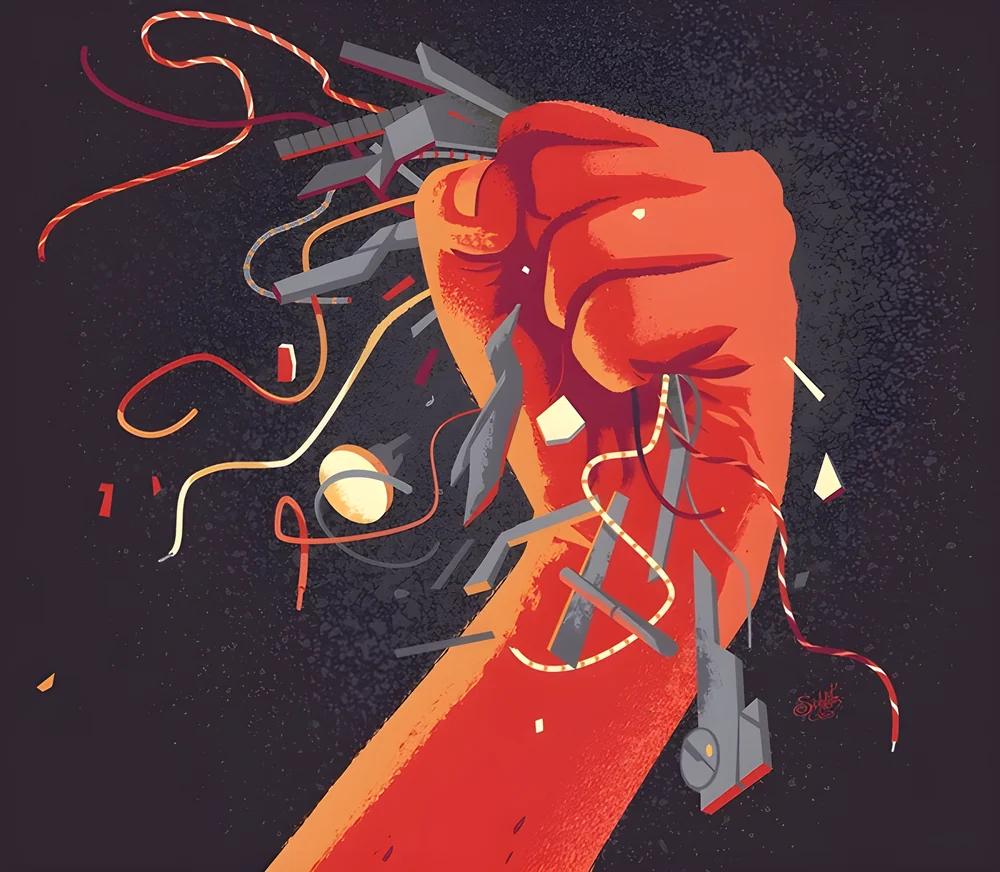
Butlerian Jihad: the war on thinking machines
It began with a slave rebellion on Earth in 201 BG and ended at Corrin in 88 BG. Out of it came the ban on machines in the likeness of a mind.
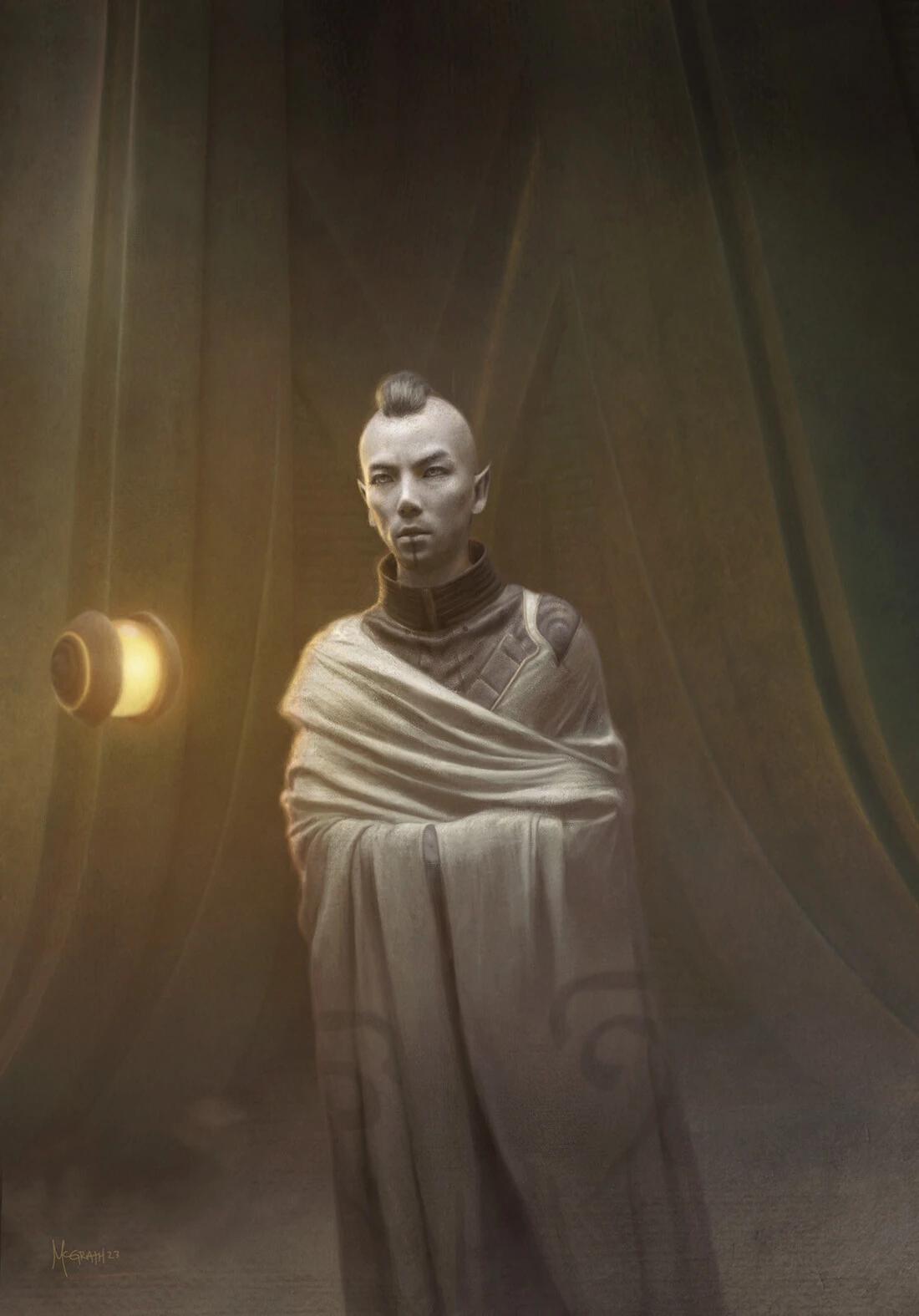
Bene Tleilax: gholas, Face Dancers, tanks
Reviled across the Imperium and needed by every part of it. The Tleilaxu axolotl tanks produced gholas, Face Dancers and Twisted Mentats to order.
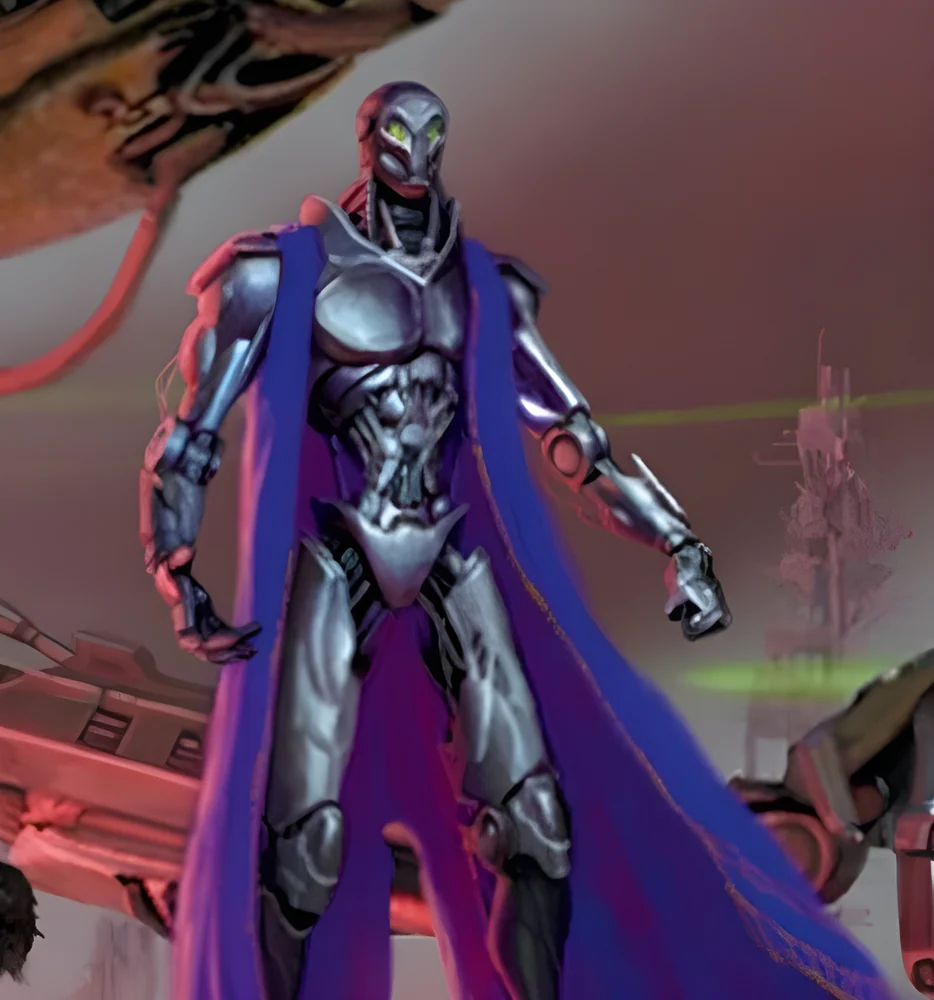
Erasmus
Erasmus was an independent and eccentric robot who served the evermind Omnius while pursuing his own study of humanity. His murder of Serena Butler's infant son helped ignite the Butlerian Jihad, and millennia later his manipulations shaped the final battle of Kralizec.
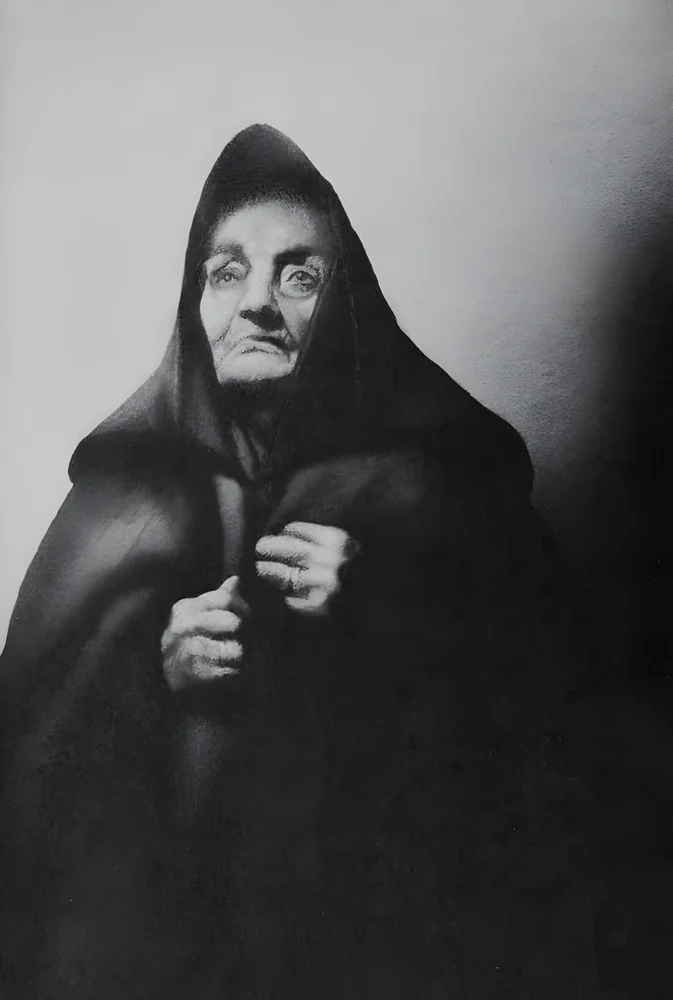
Gaius Helen Mohiam
Gaius Helen Mohiam is the Bene Gesserit Reverend Mother who taught Lady Jessica, serves as Truthsayer to Emperor Shaddam IV and tests the young Paul Atreides with the gom jabbar. In Dune Messiah she joins the conspiracy against Paul and is executed for it.
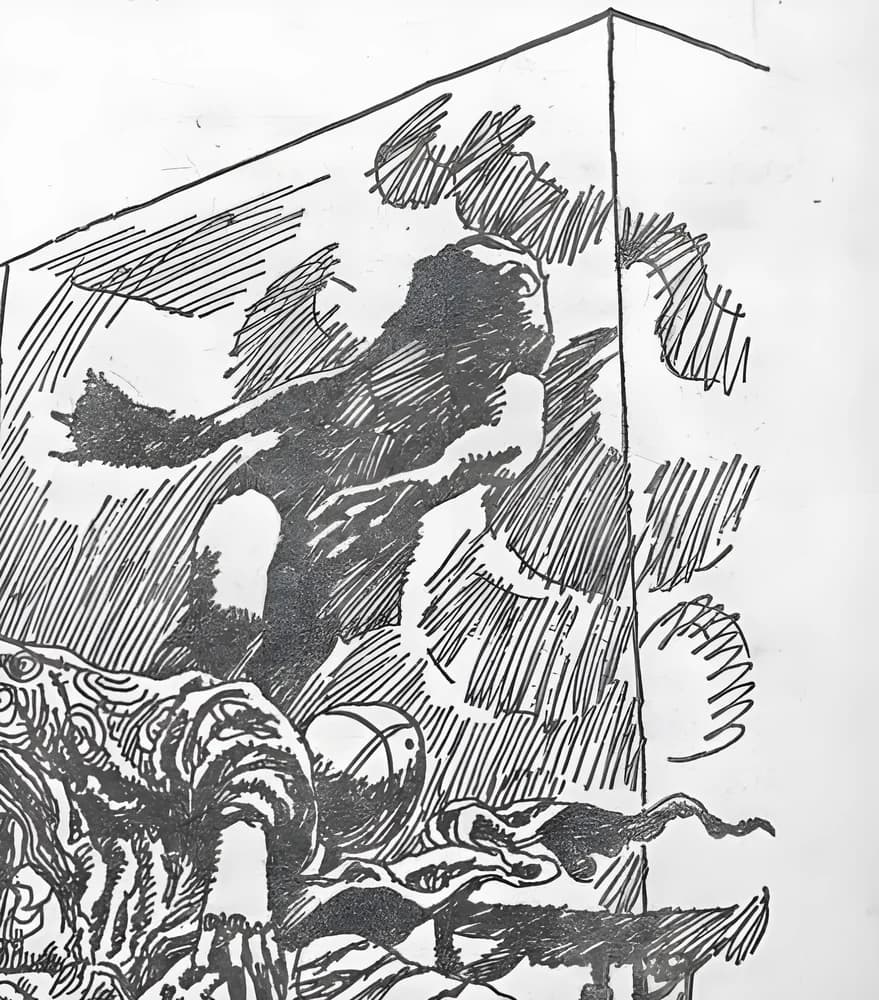
Guild Navigator
A Guild Navigator, also called a Steersman, was a spice-transformed human at the highest rung of Spacing Guild ambition. Saturated in melange within antigravity tanks, Navigators used prescience to guide Heighliners safely across the folds of space.
Mentioned in1 entry
Get new articles in your inbox
No spam. New lore drops, canon conflicts, and deep dives only when they’re worth reading.
Some links on Lore Fortress are affiliate links. If you buy through them we earn a small commission at no extra cost to you.