What Happened in the Twelve Years Between Dune and Dune Messiah
Frank Herbert skips twelve years between Dune and Dune Messiah, and they are the bloodiest in the saga. Here is what the novels say happened: the holy war and its toll, the priesthood that grew around Paul, and the empire he was left ruling.
Between the end of Dune and the start of Dune Messiah, Frank Herbert lets twelve years go by off the page. In that time Paul Atreides became Emperor, his Fremen legions carried a holy war across the universe, and a priesthood turned him into a god. Herbert never shows the war directly. Messiah tells it through the cost, the people who survived it and the man who started it. This page pulls together what the two novels say, with spoilers for both. (Dune; Dune Messiah)
How Dune ends#
Dune closes with Shaddam IV beaten in the Battle of Arrakeen. Paul took the throne by demanding the hand of Shaddam's daughter, Princess Irulan, and sent the old Emperor into exile on Salusa Secundus. His real power was the spice. He had shown he could destroy it, and with it the Spacing Guild's ability to cross space, so the Guild and the Great Houses had to deal with him. Chani stayed at his side as his true partner. (Dune)
All through Dune, Paul saw a jihad coming: fanatic legions carrying the Atreides banner and his name across the stars. He searched his visions for a way to stop it, and in the end he understood that even his death would not, because his followers would fight on for a martyr. The war was already moving when the book ends. (Dune)
The appendix to Dune gives one date from these years: by the Almanak en-Ashraf, Shaddam IV died in 10202 AG. The same entry's birth date for him clashes with the rest of the book, so treat it with care. The Dune timeline sets out the dates. (Dune (appendix))
The holy war and its toll#
Muad'Dib's Jihad was fought by the Fremen legions, led by the Fedaykin who had followed Paul in the desert. Herbert gives almost no battle-by-battle history. What Dune Messiah gives instead is the bill. (Dune Messiah)
Paul puts the figures plainly. At a conservative estimate, he says, he has killed sixty-one billion people, sterilised ninety planets, completely demoralised five hundred others, and wiped out the followers of forty religions. He sets this beside the great killers of human history, Genghis Khan and Hitler among them, and their totals look small next to his. (Dune Messiah)
Paul doesn't claim the war is out of his hands in a simple sense. He can see the futures that branch from it, and every path he finds that ends the jihad leads somewhere worse. So he stays on the throne and lets it run, hating it. That choice, and the guilt behind it, is what Dune Messiah is about. (Dune Messiah)
The war also came home to Arrakis. Veterans like Otheym, dying of a disease caught on another world, and Farok, home from campaigns on other worlds, came back changed. The fighters who had conquered worlds found the desert life they had fought for slipping away. (Dune Messiah)
The Qizarate and the religion of Muad'Dib#
The Qizarate is the priesthood that grew up around Paul. The glossary to Dune names its priests the Qizara Tafwid, the Fremen priests who came after the Mahdi. Many were men who had fought for him in the desert. (Dune (appendix); Dune Messiah)
During the jihad its missionaries travelled with the armies and preached Muad'Dib on conquered worlds, part of the war aimed at belief rather than territory. By Dune Messiah it has become an arm of the state. Pilgrims crowd into Arrakeen on the Hajj, the priests run the rituals and the official story of Paul's life, and the former Fedaykin Korba is Paul's Panegyrist, the priest whose job is to sing his praises. (Dune Messiah)
The priesthood also judged heresy. Dune Messiah opens with words from the historian Bronso of Ix, speaking from a death cell after he was condemned for writing about Paul as a man. Paul looks at what has been built in his name with something close to horror, but he knows the myth is holding his empire together. (Dune Messiah)
Paul's empire#
By the time Dune Messiah opens, Paul rules from a vast keep in Arrakeen. Stilgar, the Fremen leader who once sheltered him, is his minister of state. His sister Alia, now fifteen, is a priestess of his religion. Irulan is his wife in name only, and Chani is still the woman he loves, still childless. His mother, Lady Jessica, has gone back to Caladan, uneasy with what her son's rule has become. (Dune Messiah)
Paul's wealth reaches into CHOAM, the great trading company, and his hold on the spice still keeps the Guild in check. The old powers survived the war but lost their freedom of action: the Bene Gesserit, who wanted his bloodline back under their control, the Guild, and the Bene Tleilax. Twelve years in, they came together with Irulan in the last conspiracy against Muad'Dib. (Dune Messiah)
What the expanded books add#
Frank Herbert left these years as a gap. Brian Herbert and Kevin J. Anderson's Paul of Dune (2008) is set in them and adds battles, plots and new characters, including attempts on Paul's life. It belongs to the expanded books, which don't always agree with Frank Herbert's novels, and this page doesn't use it for anything above. The timeline marks which dates come from which books. (Paul of Dune)
The story picks up in Dune Messiah, and on screen in Dune: Part Three. For who's who when it does, see the Dune Messiah characters. (Dune Messiah)
Frequently asked questions
- How many years pass between Dune and Dune Messiah?
- Twelve. Dune Messiah opens twelve years into Paul's reign, which began with his victory in 10193 AG. The novel itself gives no year.
- How many people died in Paul's jihad?
- In Dune Messiah Paul says that, at a conservative estimate, he has killed sixty-one billion people, sterilised ninety planets, completely demoralised five hundred more and wiped out the followers of forty religions.
- Did Paul want the jihad?
- No. In Dune he sees it coming and looks for a way to stop it, until he realises it would happen even if he died. In Dune Messiah he says that every path he can see that ends it leads somewhere worse.
- What is the Qizarate?
- The priesthood of Muad'Dib's religion. Its priests were mostly Fremen who had fought for Paul, its missionaries followed the armies, and by Dune Messiah it runs the faith and the pilgrimage to Arrakis.
- Is there a book set between Dune and Dune Messiah?
- Not by Frank Herbert. Brian Herbert and Kevin J. Anderson's Paul of Dune (2008) is set in these years, but it belongs to the expanded books, which some readers don't count as canon.
Sources
- BookDune, Frank Herbert, 1965
- BookDune (appendix), Frank Herbert, 1965; the appendices and Terminology of the Imperium printed with Dune
- BookDune Messiah, Frank Herbert, G. P. Putnam's Sons, 1969
- BookPaul of Dune, Brian Herbert and Kevin J. Anderson, 2008 (expanded books)
Spotted a factual error or a primary source we missed? Email a correction. Every flagged claim gets reviewed.
Followed from this entry
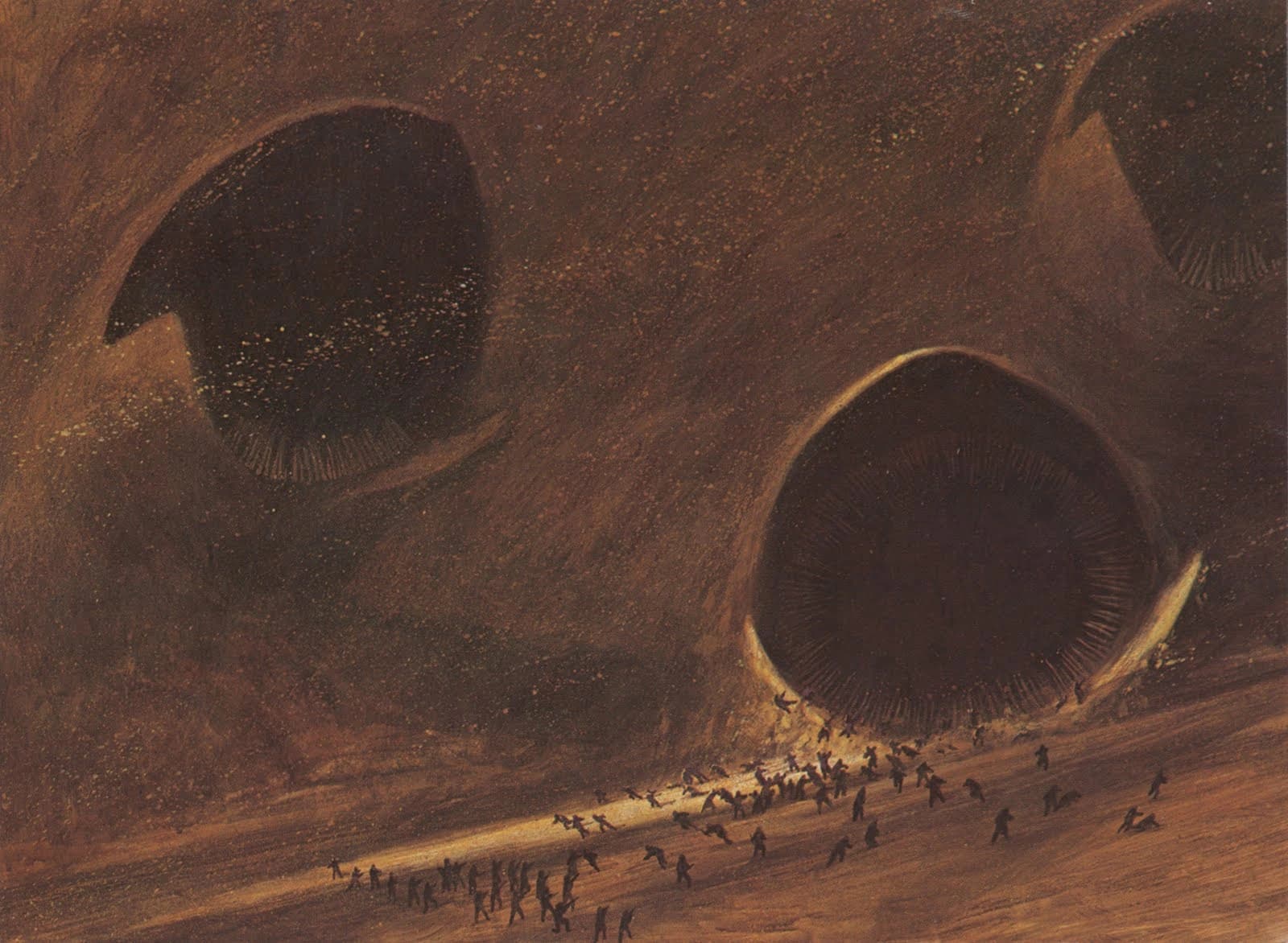
Battle of Arrakeen
The Battle of Arrakeen was the pivotal engagement of the Arrakis Revolt, fought between Muad'Dib Paul Atreides's Fremen and the Sardaukar of Padishah Emperor Shaddam Corrino IV. The Fremen routed the Imperial forces, and in the surrender that followed Paul won control of the known universe.
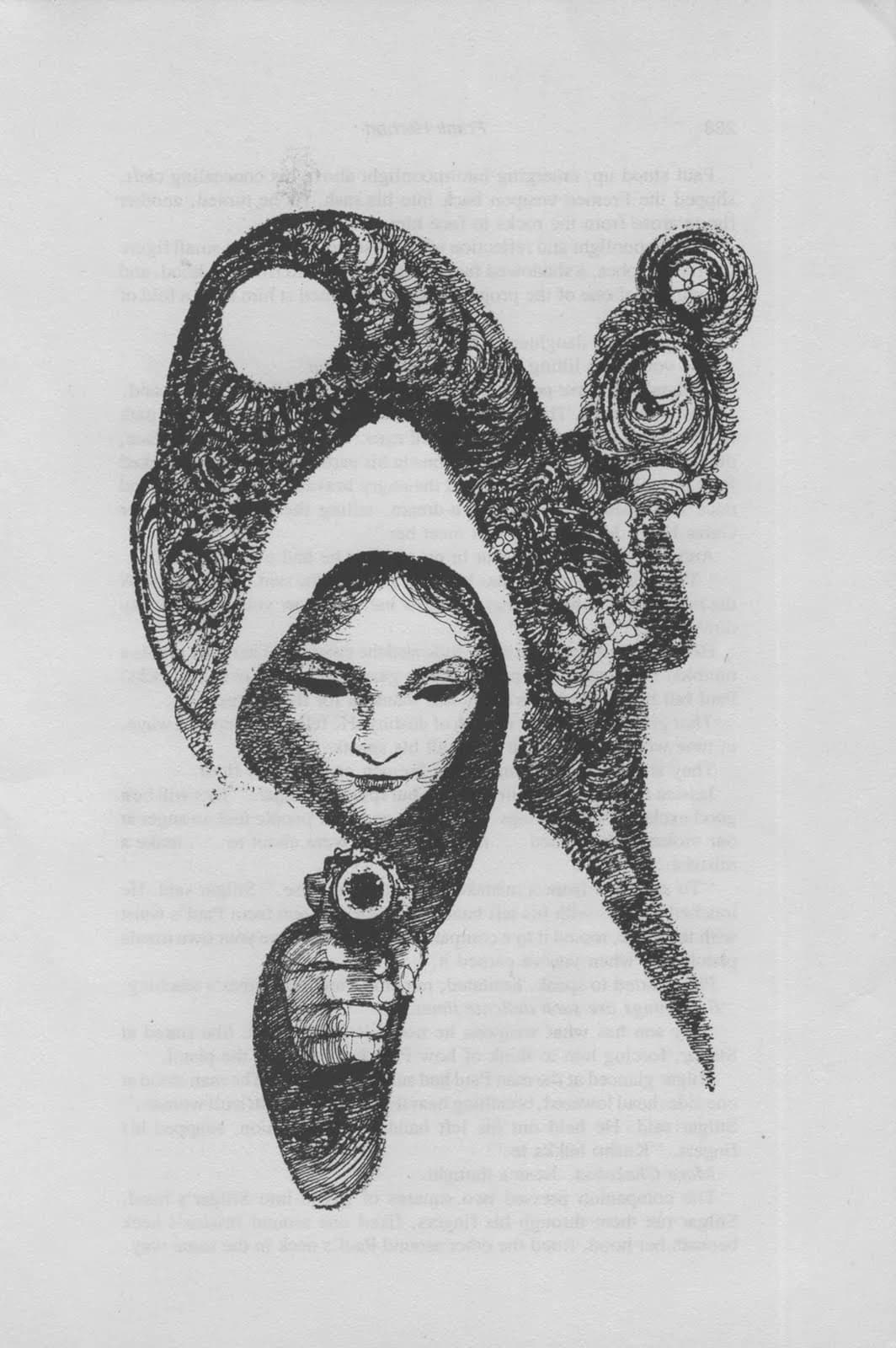
Chani
Chani was a Fremen warrior and Sayyadina, daughter of the planetologist Liet-Kynes, and the royal concubine and only true love of Emperor Paul Muad'Dib Atreides. She mothered his children before dying in childbirth at Sietch Tabr.
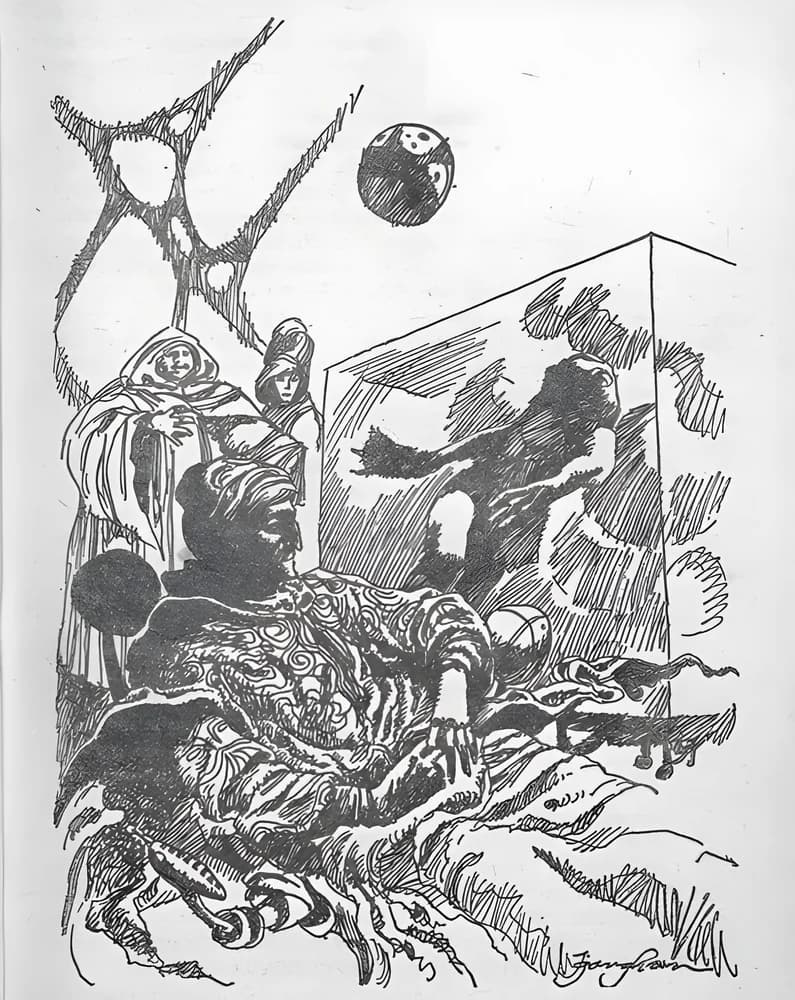
Last conspiracy against Muad'Dib
The last conspiracy against Muad'Dib was the alliance formed twelve years into Paul's reign to bring down the Padishah Emperor Paul Atreides. It ended with the blinded Emperor walking into the desert and the regency of his sister Alia.
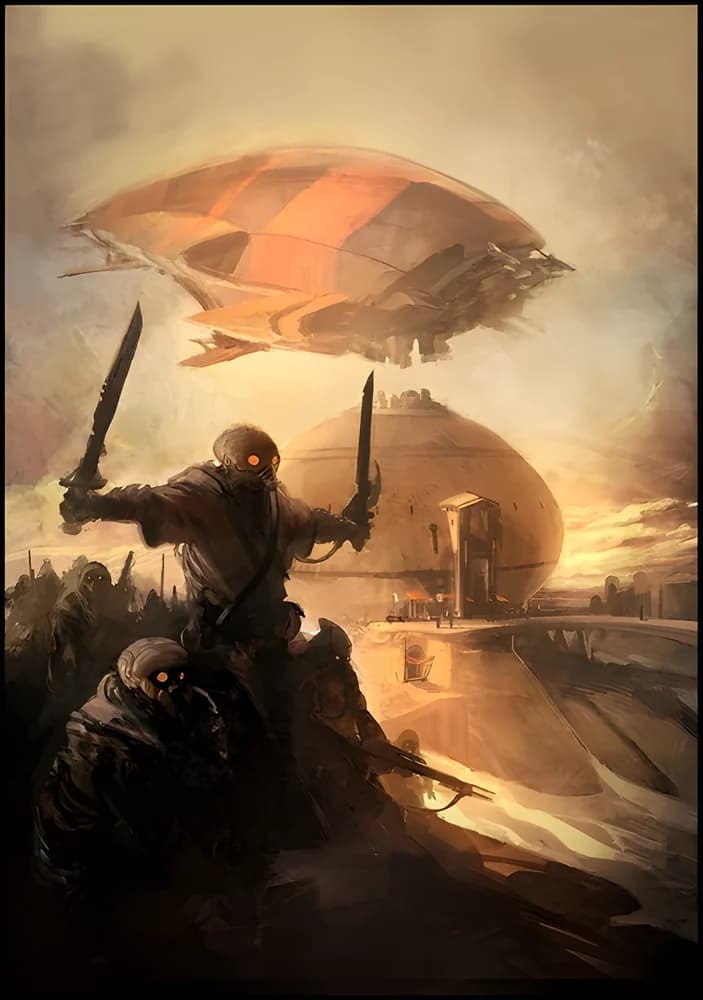
Muad'Dib's Jihad: the holy war that remade the Imperium
Muad'Dib's Jihad is the holy war fought by the Fremen legions in Paul Atreides's name. Paul foresees it all through Dune, and when Dune Messiah opens twelve years later it is still being fought, with sixty-one billion dead by his own count.
Paul Atreides
Paul Atreides was the last Duke of House Atreides and the prophet Muad'Dib of the Fremen. The long-awaited Kwisatz Haderach of the Bene Gesserit, he toppled Emperor Shaddam IV, founded the Atreides Empire, and unleashed a jihad across the Known Universe before walking blind into the desert.
Stilgar
Stilgar is the Fremen Naib of Sietch Tabr who takes in Paul Atreides and Lady Jessica, becomes Paul's governor of Arrakis and his most loyal Fremen, and later helps raise the Atreides twins Leto II and Ghanima.
Mentioned in8 entries
Dune Messiah Explained: Plot Summary and Ending
The full plot of Frank Herbert's Dune Messiah in order, from the conspirators' meeting to Paul's walk into the desert, with the ending explained: why Paul leaves, what happens to Alia and the twins, and how Children of Dune picks it up.
Dune Timeline: from the thinking machines to the end of Kralizec
A dated chronology of the Dune universe, from the first age of space travel and the Butlerian Jihad to Paul Atreides, the God Emperor, the Scattering and the last war with the machines. Events run oldest first, era by era, and every entry says which book it comes from.
Dune: Part Three: Release Date, Cast and What the Film Covers
Denis Villeneuve's Dune: Part Three opens in North American cinemas and IMAX on 18 December 2026. Here is what Warner Bros. and Legendary have confirmed about the cast, the crew and the story, what the novel it adapts covers, and what is still only rumour.
How Did Paul Atreides Become Emperor?
Paul became Emperor by beating Shaddam IV on Arrakis, threatening to destroy the spice, and marrying Princess Irulan to take the throne through her claim. Here is how he won, why the Guild gave in and how the films tell it.
How Dune: Part Two Sets Up Dune Messiah
Dune: Part Two ends differently from Frank Herbert's novel. Chani walks away, Alia is still unborn and the holy war starts on screen. Here is what the film changed, how it lines up with Dune Messiah, and what that might mean for Dune: Part Three.
Muad'Dib's Jihad: the holy war that remade the Imperium
Muad'Dib's Jihad is the holy war fought by the Fremen legions in Paul Atreides's name. Paul foresees it all through Dune, and when Dune Messiah opens twelve years later it is still being fought, with sixty-one billion dead by his own count.
Qizarate: the Priesthood of Muad'Dib in Dune Messiah
The Qizarate was the priesthood of Paul Atreides's religion, Fremen priests who turned Muad'Dib into a god and carried his faith across the Imperium behind the armies of the jihad. By Dune Messiah it had become a wealthy bureaucracy that Paul himself could barely steer, and some of its leaders plotted his death.
Should You Read Dune Messiah Before Dune: Part Three?
A spoiler-light guide to Frank Herbert's Dune Messiah for anyone heading into Dune: Part Three: how long it is, what it feels like, how it changes the way you see Paul, what you can skip, and what to read next.
Get new articles in your inbox
No spam. New lore drops, canon conflicts, and deep dives only when they’re worth reading.
Some links on Lore Fortress are affiliate links. If you buy through them we earn a small commission at no extra cost to you.