Bronso of Ix: the Historian Executed for Doubting Muad'Dib
Bronso of Ix was the Ixian historian whose condemned words open Dune Messiah, a scholar put to death for writing about Paul Atreides as a man rather than a god. Frank Herbert gave him only a death cell interview and a book title. The later novels by Brian Herbert and Kevin J. Anderson turned him into Paul's childhood friend and secret ally.
Bronso of Ix is a historian from the machine world of Ix who wrote Analysis of History: Muad'Dib, a book that treated Paul Atreides as a man who failed rather than a god who could not. In Dune Messiah he is already condemned: the novel opens with his words, recorded in a death cell before his execution for heresy against Muad'Dib's religion. (Dune Messiah)
Who is Bronso of Ix in Dune Messiah?#
In Frank Herbert's novel Bronso is a voice, not a character. The first chapter opens with an excerpt from his Analysis of History: Muad'Dib, which notes that Muad'Dib's reign produced more historians than any era before it, most of them partisan. Bronso sets himself apart from that crowd, and his sceptical voice suits a novel about what worship does to its object. (Dune Messiah)
Most editions open even earlier, with "Excerpts from the Death Cell Interview with Bronso of Ix." Some early printings went without it, which is why not every reader has seen it. In it a priest questions Bronso in his cell and promises to preserve his words, a bargain Bronso recognises as the one appeal no historian can refuse. (Dune Messiah)
What Bronso argued, and why the priests killed him#
Bronso's complaint in the interview is that the popular picture of Arrakis is shallow. People call the planet Dune and see only the desert, the stillsuits and the sandworms. He wants a history that looks under that surface, at the people and the forces that made Muad'Dib, instead of repeating the official story. (Dune Messiah)
That made him dangerous. Paul's Qizarate existed to turn Muad'Dib into scripture, and a scholar who wrote about Paul's mistakes and limits was attacking the faith itself. The interview is framed as the last record of a condemned man, and his priestly questioner comes away more certain the sentence is right. Herbert never dates the execution or shows it. (Dune Messiah)
Bronso fits a pattern in the series. Chapters in Dune and its sequels open with quotes from in-world writers, most often Princess Irulan, who wrote the authorised version of Muad'Dib's life. Bronso is the dissenting historian set against her, the outsider from a world of machines who refused to see a god. (Dune Messiah)
Bronso in Paul of Dune and The Winds of Dune#
Everything in this section comes from the expanded novels by Brian Herbert and Kevin J. Anderson, not from Frank Herbert.
Paul of Dune makes him Bronso Vernius, son of Rhombur Vernius and Tessia Vernius of the restored House of Ix. As a boy he was at Castle Caladan with his parents for Duke Leto's wedding to Ilesa Ecaz, the day the War of Assassins began. (Paul of Dune)
The Winds of Dune tells the rest in flashbacks. Bronso and Paul became close while Paul stayed on Ix in 10188 AG, and when Bronso learned something painful about his own birth the two boys ran off together and fell in with a troupe of jongleurs, travelling performers. The searchers found them on Balut, but Rhombur was killed there saving the planet's governor from an assassin. His last words asked after Paul, not his son, and Bronso turned his back on the Atreides for years. (The Winds of Dune)
The twist comes later. During Paul's reign Bronso published attack after attack on Muad'Dib, and the Qizarate, the Fremen and Alia Atreides all wanted him caught. Paul had asked him to do it. He wanted someone to cut the myth down to size, so that people would never again hand one man the kind of blind faith they had given him. Bronso was once caught and locked up on Arrakis, and Paul quietly let him go. (The Winds of Dune)
After Paul walked into the desert, Alia hunted Bronso in earnest without knowing what her brother had arranged. Duncan Idaho and Gurney Halleck tracked him down, Gurney with little enthusiasm, and Bronso was executed in a deathstill, his body's water drawn off. Lady Jessica, who knew the truth, stood by him to the end. (The Winds of Dune)
Frank Herbert's Bronso vs the expanded books#
The two versions are worth keeping apart. Frank Herbert's Bronso has no family name, no friendship with Paul and no backstory at all. He is simply a heretic historian condemned by the priesthood, and his value is as a sceptical voice framing a novel about the danger of heroes. (Dune Messiah)
The expanded books keep those facts but change what they mean. The name Vernius, the Ixian noble family, the boyhood with Paul and the secret commission all belong to Paul of Dune and The Winds of Dune. Their Bronso is condemned under Alia's regency rather than by an anonymous priest, and his heresy becomes a service to Paul instead of an act of defiance. If you only read Frank Herbert's six novels, none of that is there. For where these events fall, see the Dune timeline. (Paul of Dune; The Winds of Dune)
Frequently asked questions
- Who is Bronso of Ix in Dune?
- Bronso of Ix is a historian from the planet Ix who wrote Analysis of History: Muad'Dib, a critical account of Paul Atreides. In Dune Messiah he speaks from a death cell, condemned by Muad'Dib's priests for his work.
- Is Bronso of Ix in Dune Messiah?
- Yes, but only on the page edges. An excerpt from his Analysis of History opens the first chapter, and most editions start with a prologue, the Death Cell Interview with Bronso of Ix. He never appears in the main story.
- How did Bronso of Ix die?
- Frank Herbert only says he was condemned to death for heresy. The Winds of Dune shows the execution: Bronso was caught during Alia's regency and killed in a deathstill, the water drawn from his body.
- Was Bronso Paul Atreides's friend?
- Not in Frank Herbert's books, which give them no personal link. In Paul of Dune and The Winds of Dune, Bronso Vernius is the son of Rhombur Vernius and Paul's boyhood friend, and his attacks on Paul turn out to be a task Paul gave him.
Sources
- BookDune Messiah, Frank Herbert, 1969; most editions open with the prologue Excerpts from the Death Cell Interview with Bronso of Ix
- BookPaul of Dune, Brian Herbert and Kevin J. Anderson, 2008
- BookThe Winds of Dune, Brian Herbert and Kevin J. Anderson, 2009
Spotted a factual error or a primary source we missed? Email a correction. Every flagged claim gets reviewed.
Followed from this entry
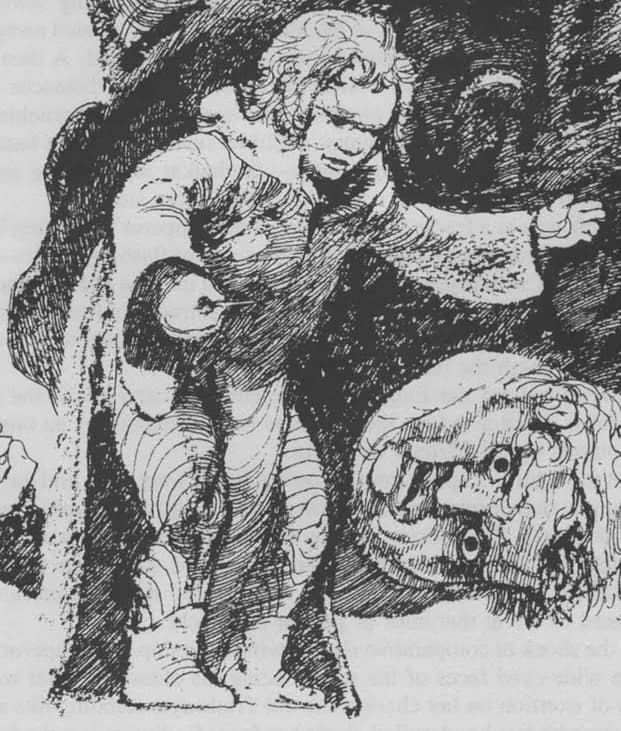
Alia Atreides
Alia Atreides was the preborn daughter of Duke Leto Atreides and Lady Jessica, sister to Paul. Granted full ancestral memory in the womb, she ruled the Atreides Empire as Regent before succumbing to possession by her Harkonnen grandfather and taking her own life.
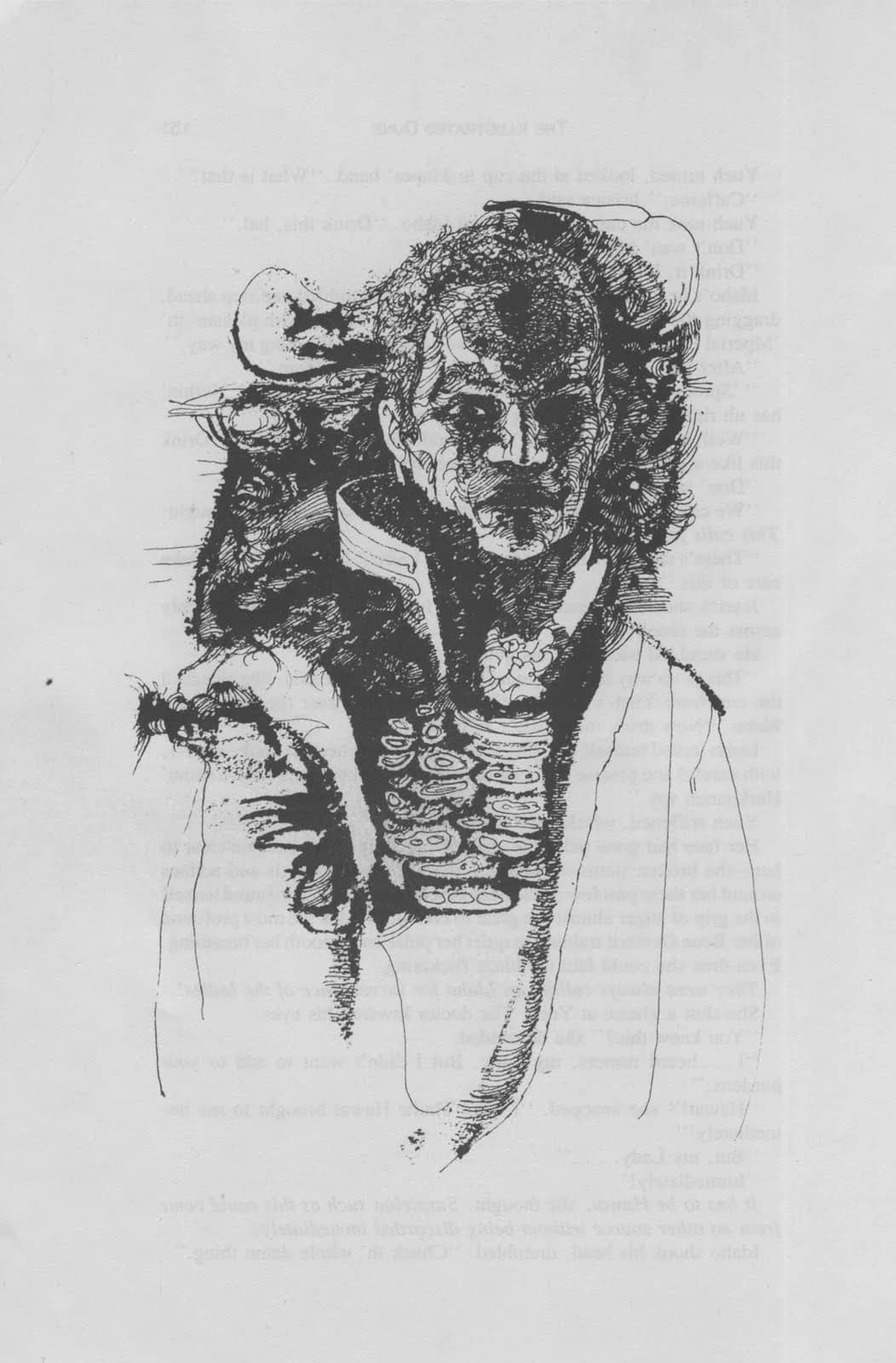
Duncan Idaho: reborn as ghola after ghola
Leto's Swordmaster died on Arrakis in the Desert War. The Tleilaxu brought him back again and again, serving the Atreides for five thousand years.
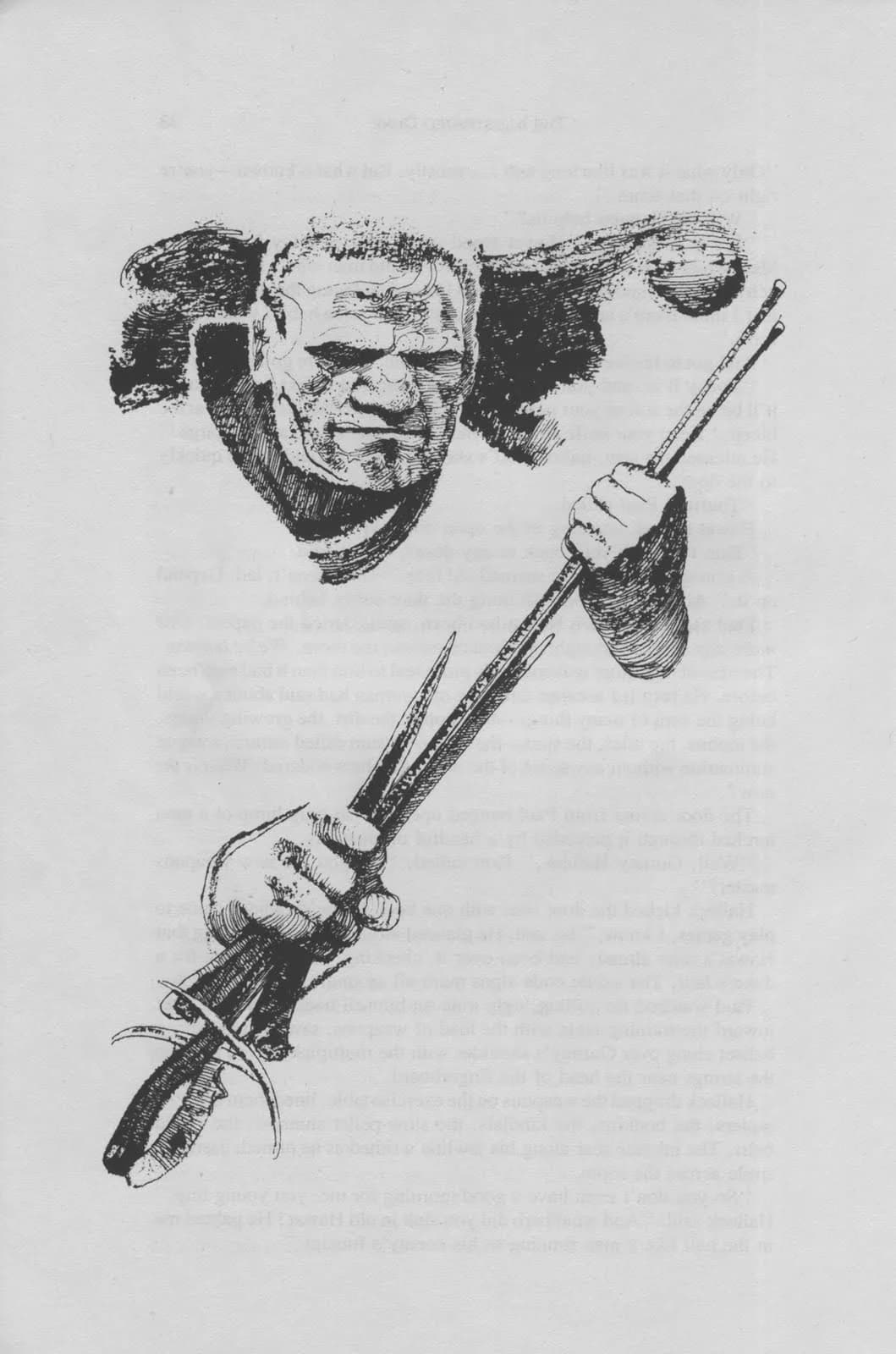
Gurney Halleck
Gurney Halleck was the Warmaster of House Atreides under Duke Leto and later his son Paul, and one of Paul's principal teachers. A warrior, minstrel, and implacable enemy of the Harkonnens, he served the Atreides line from Caladan to the reign of Leto II.
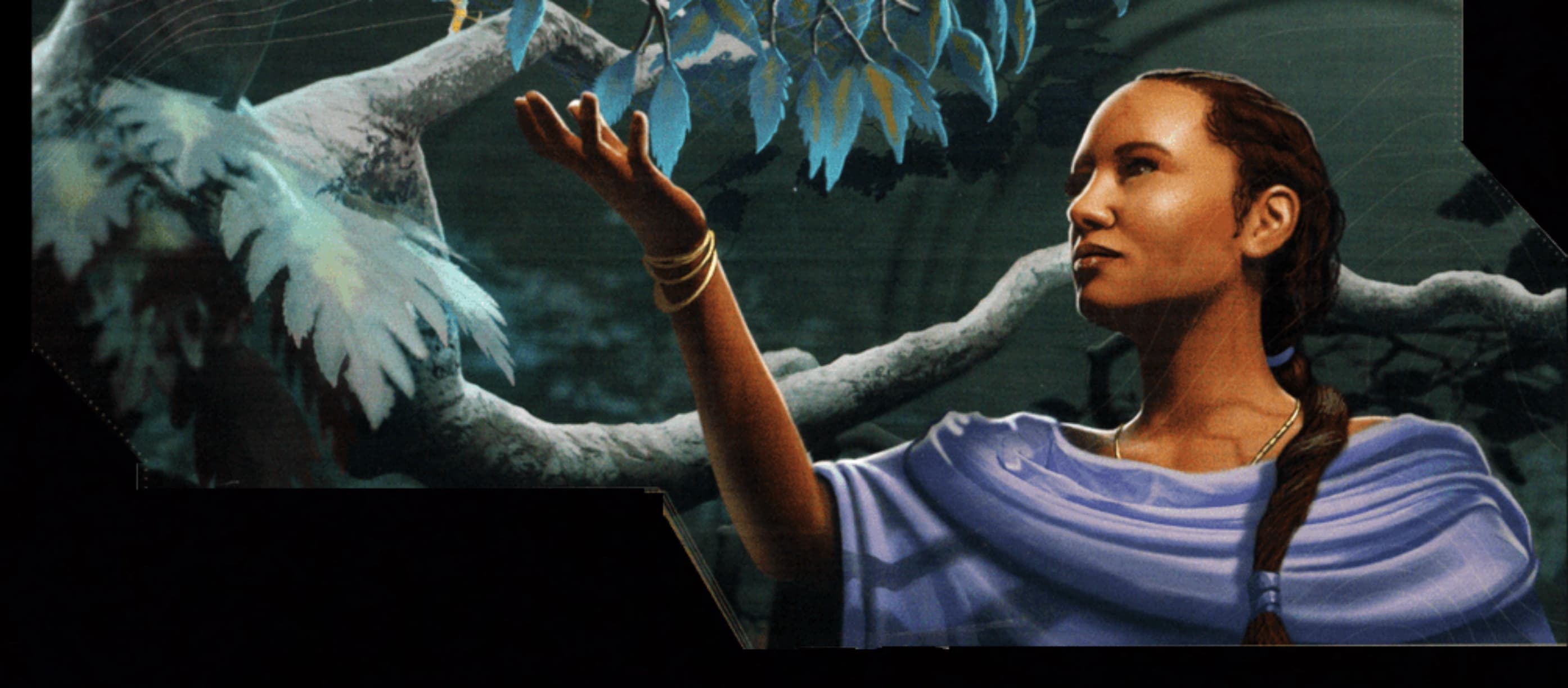
Ilesa Ecaz
Ilesa Ecaz was the last surviving daughter of Archduke Armand Ecaz and the intended bride of Duke Leto Atreides I of Caladan. She was killed at her own wedding in the War of Assassins of 10187 AG.
Princess Irulan: chronicler of the Atreides Imperium
Princess Royal Irulan Corrino was the eldest daughter of Emperor Shaddam IV and the wife in title only of Emperor Paul Atreides. A historian of Paul's rise, she eventually turned from House Corrino to become guardian of his children.

Ix
Ix was the ninth planet of its star system and the great center of machine manufacture in the Known Universe. Its workshops produced the Imperium's most advanced technology, often skirting the proscriptions left by the Butlerian Jihad.
Mentioned in4 entries
Dune Timeline: from the thinking machines to the end of Kralizec
A dated chronology of the Dune universe, from the first age of space travel and the Butlerian Jihad to Paul Atreides, the God Emperor, the Scattering and the last war with the machines. Events run oldest first, era by era, and every entry says which book it comes from.
Qizarate: the Priesthood of Muad'Dib in Dune Messiah
The Qizarate was the priesthood of Paul Atreides's religion, Fremen priests who turned Muad'Dib into a god and carried his faith across the Imperium behind the armies of the jihad. By Dune Messiah it had become a wealthy bureaucracy that Paul himself could barely steer, and some of its leaders plotted his death.
Rhombur Vernius
Rhombur Vernius was the last true Earl of Ix, a lifelong friend of Duke Leto Atreides who survived an assassination attempt through cybernetic reconstruction, retook his occupied homeworld, and died shielding a planetary governor on Balut.
What Happened in the Twelve Years Between Dune and Dune Messiah
Frank Herbert skips twelve years between Dune and Dune Messiah, and they are the bloodiest in the saga. Here is what the novels say happened: the holy war and its toll, the priesthood that grew around Paul, and the empire he was left ruling.
Get new articles in your inbox
No spam. New lore drops, canon conflicts, and deep dives only when they’re worth reading.
Some links on Lore Fortress are affiliate links. If you buy through them we earn a small commission at no extra cost to you.