Fremen
the people of Arrakis
The Fremen were a culture of humans descended from the Zensunni Wanderers who made the desert planet Arrakis their home. Hardened by water scarcity and generations of persecution, they became the finest fighters in the Known Universe and the foot soldiers of Paul Atreides and his jihad.
The Fremen were a culture of humans descended from the Zensunni Wanderers who considered the desert planet Arrakis their home. They formed an integral part in the establishment of the Atreides Empire and the jihad of Muad'Dib launched by Paul Atreides, their adopted leader. Shaped by the merciless environment of the deep desert and by generations of persecution, they emerged as the most formidable fighters in the Known Universe, judged superior even to the Imperial Sardaukar. (Dune; Dune Messiah)
Origins#
The Fremen's record of their past before their arrival on Arrakis was patchy. Arrakis was the final stop on the forced migration of the Zensunni Wanderers, and many Wanderers held the planet Poritrin to be their place of origin, though clues in their dialect and mythology pointed to far older planetary roots. Long before their adoption of House Atreides, they endured years of harsh Harkonnen rule and dealings with imperial agents, which left them deeply distrustful of outsiders. (Dune)
Alliance with House Atreides#
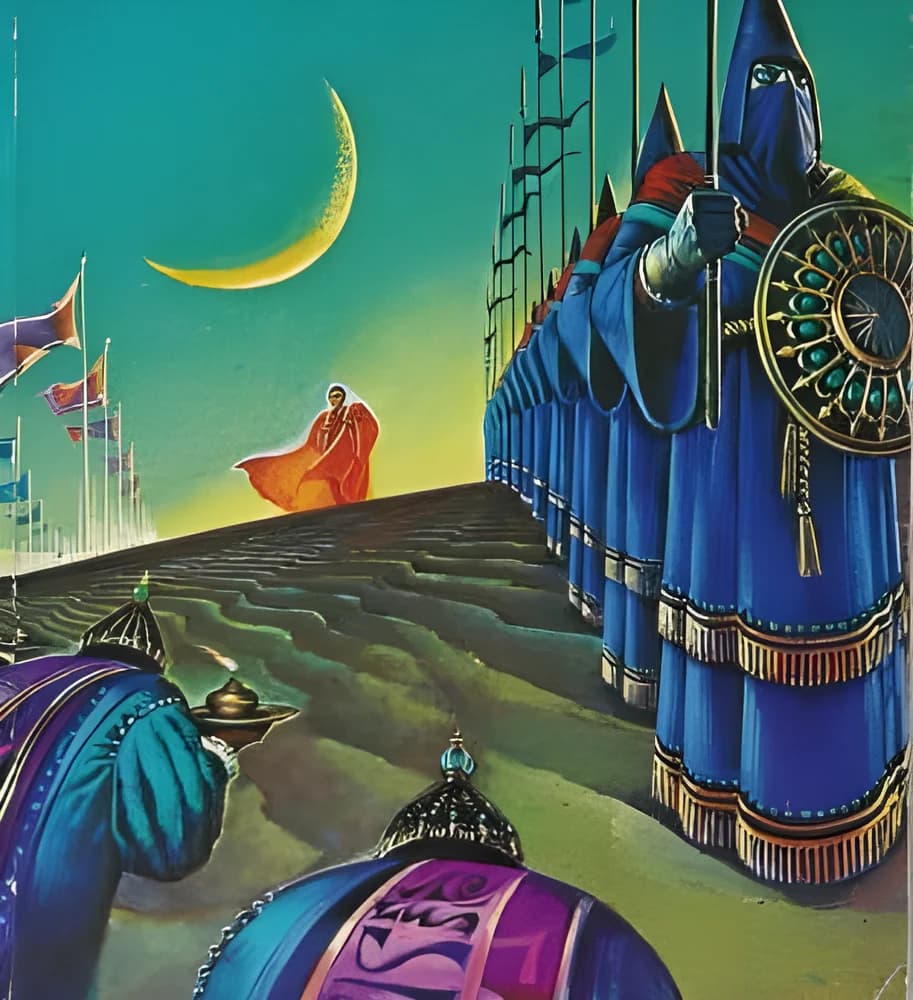
When Emperor Shaddam IV ordered House Atreides to replace their enemies, House Harkonnen, in the administration of Arrakis. On arrival, House Atreides under Duke Leto Atreides I sought to befriend the Fremen. At first the Fremen were wary, but the Duke's even-handedness and generosity won them over, and his envoy, the Swordmaster Duncan Idaho, gained their trust through his prowess as a warrior. The Duke quickly learned that the Fremen were a powerful force with which to align his House. When the Harkonnens and Corrinos invaded Arrakis, House Atreides went renegade and sought refuge among them. (Dune)
The rise of Muad'Dib#
After the Fremen adopted the Duke's son Paul Atreides and his mother Jessica, they saw a rapid and dramatic change in their fortunes. Determining that Paul was their Mahdi, their prophetic savior, they readily followed his leadership and waged guerrilla warfare against imperial elements on Arrakis. Years of surviving the harsh environment and attrition wars against the Harkonnens had given them fighting abilities deemed superior even to the Corrino Sardaukar. Within a few years they passed from being perpetually harassed by elements of the Corrino Empire to being the foot soldiers of the Atreides Empire and Paul's jihad. In twelve Standard Years the Fremen overran the Imperium. (Dune; Dune Messiah)
Culture and society#
For the Fremen, the fight for survival had long dominated their cultural identity. The brutal environment of Arrakis demanded frugal use of energy and resources, above all water, while their history of persecution mandated combat knowledge. Together these forces made them efficient and hardy warriors who used their skills and their desert to defeat off-world opponents who often held far superior technology and training. The Fremen lived in patriarchal collectives called sietches, each set within one of the rocky formations that dotted the sands and each led by a Naib. Collectively all Fremen belonged to the Ichwan Bedwine, the broad brotherhood. Polygamy was commonplace, with prominent men taking several wives. Central to each community was its Reverend Mother, created after she drank the Water of Life and changed the poison so that her sietch could share it. (Dune)
Water and the stillsuit#
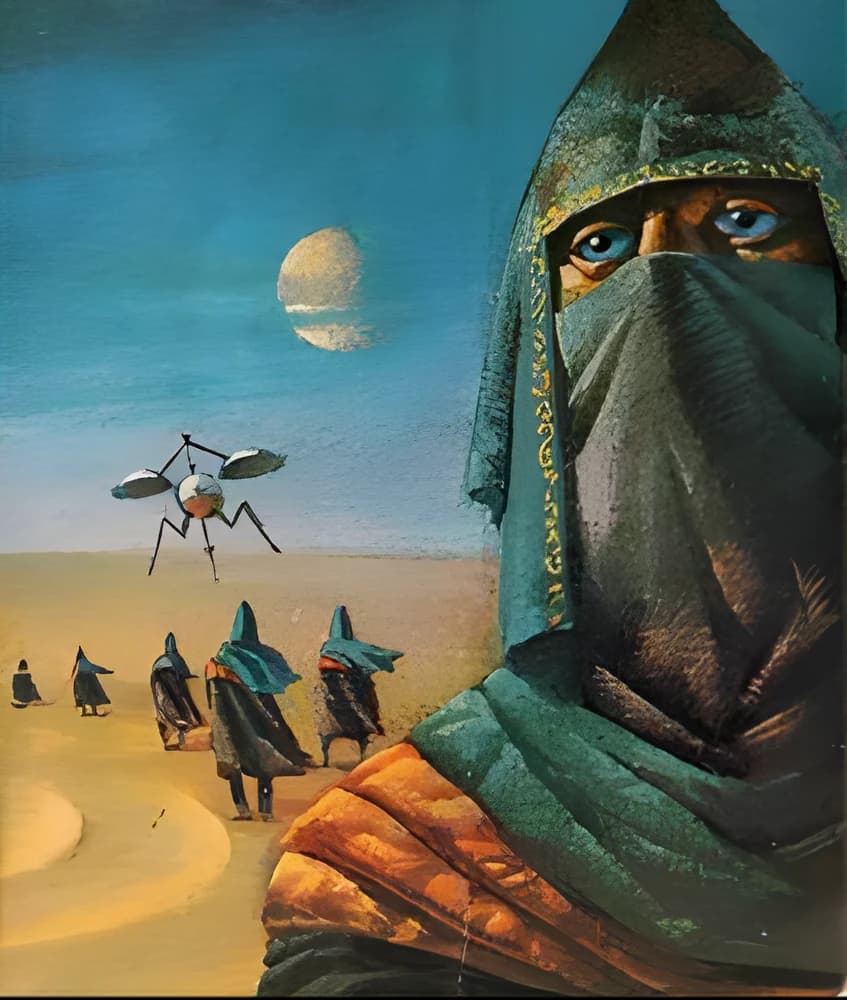
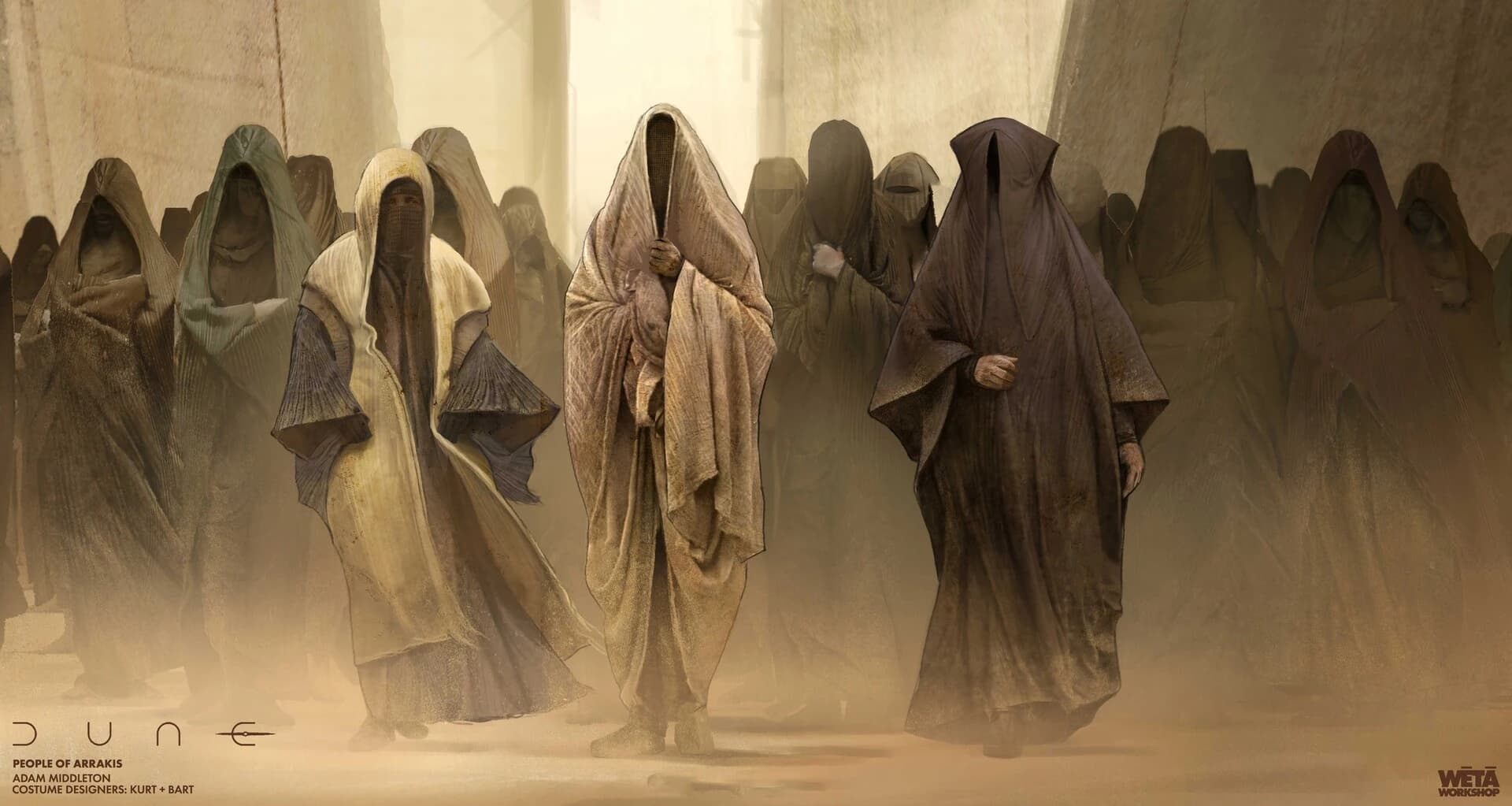
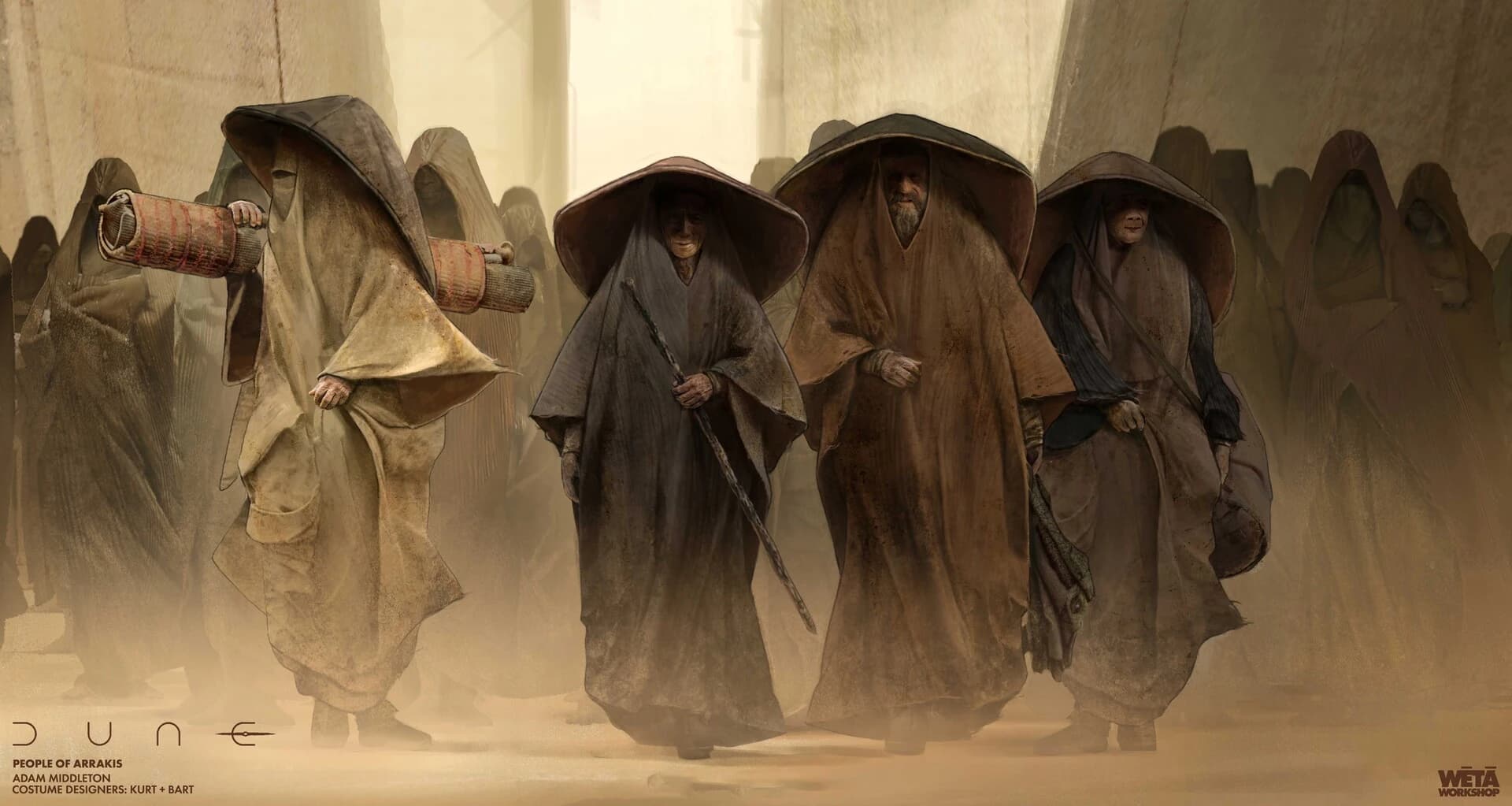
Water was the heart of Fremen culture, for to the Fremen water was life. To guard against its loss, they wore complex full-body filtration garments called stillsuits, which reclaimed the body's moisture. Specialized headgear prevented loss through the scalp and forehead, while masks and noseplugs reclaimed moisture from the breath. Gloves were available, though many Fremen instead rubbed the juice of the creosote bush on their hands to inhibit perspiration. With a stillsuit in proper working order, the wearer lost only about a thimbleful of water a day. By Fremen rule, one's water belonged to the tribe. When a Fremen died, the body was rendered down into water rather than buried or cremated. When a challenge was fought to the death, as Paul fought Jamis, the loser's water went to the tribe and his water rings passed to the victor. (Dune)
Religion#
The Fremen were deeply spiritual, to the point of superstition. Before the coming of Muad'Dib they practiced a religion whose roots in the Maometh Saari were plain to any scholar, with extensive borrowings from other faiths. The most common example was the Hymn to Water, copied directly from the Orange Catholic Liturgical Manual and calling for rain clouds that Arrakis had never seen, though deeper accords existed between the Fremen Kitab al-Ibar and other scriptures. Over the centuries they adapted their blend of Zensunni faith to the desert and adopted the sandworm, which they called Shai-Hulud, as a physical manifestation of a god. This, with the scarcity of natural resources, made the spice melange integral to their diet and culture. Like many mystic traditions, the Fremen faith relied heavily on prophecy, which was exploited by the Bene Gesserit and others to further their own ends. (Dune)
Physical appearance#
Living on Arrakis gave the typical Fremen the look of a sinewy human with leathery, tanned skin, effects less pronounced among those who dwelt in cities such as Arrakeen. Their most distinctive mark was the Eyes of Ibad, eyes colored wholly blue by their heavy ingestion of the spice melange. (Dune)
Decline#
From the time of the God Emperor Leto Atreides II onward, the cultural impact of the Fremen ebbed, due in no small part to the terraforming of Arrakis. By the time of the God Emperor's death the Fremen had been reduced to little more than museum pieces, their ancient and purposeful traditions diluted into honorary forms without meaning. After the Scattering and during the time of the Honored Matres they retained little of their old identity, though a few individuals, such as Sheeana, still adhered to some of the old attitudes and traditions. It is believed that most, if not all, of the Fremen, excepting Sheeana, were killed during the Honored Matre attack that all but destroyed Rakis, roughly 1,500 Standard Years after the death of Leto II. (God Emperor of Dune; Heretics of Dune; Chapterhouse: Dune)
Frequently asked questions
- Who are the Fremen in Dune?
- The Fremen were a culture of humans descended from the Zensunni Wanderers who considered the desert planet Arrakis their home. Shaped by the merciless environment of the deep desert and generations of persecution, they emerged as the most formidable fighters in the Known Universe, judged superior even to the Imperial Sardaukar.
- Why were the Fremen such good fighters?
- Years of surviving the harsh environment of Arrakis and attrition wars against the Harkonnens gave the Fremen fighting abilities deemed superior even to the Corrino Sardaukar. Their history of persecution mandated combat knowledge, making them efficient and hardy warriors who used their skills and their desert to defeat off-world opponents who often held superior technology.
- How did the Fremen conserve water on Arrakis?
- Water was the heart of Fremen culture, and they wore complex full-body filtration garments called stillsuits that reclaimed the body's moisture, losing only about a thimbleful of water a day when the suit worked properly. By Fremen rule one's water belonged to the tribe, and when a Fremen died the body was rendered down into water rather than buried or cremated.
- What did the Fremen believe about Paul Atreides?
- After House Atreides went renegade, the Fremen adopted Paul and his mother Jessica and determined that Paul was their Mahdi, their prophetic savior. They readily followed his leadership and became the foot soldiers of his jihad, overrunning the Imperium in twelve Standard Years.
- What happened to the Fremen?
- From the time of the God Emperor Leto Atreides II onward, the cultural impact of the Fremen ebbed due in large part to the terraforming of Arrakis, until their traditions had been diluted into honorary forms without meaning. It is believed that most, if not all, of the Fremen, excepting Sheeana, were killed during the Honored Matre attack that all but destroyed Rakis.
Gallery
Images via Dune Wiki
Sources
- BookDune, Frank Herbert, Chilton Books, 1965
- BookDune Messiah, Frank Herbert, G. P. Putnam's Sons, 1969
- BookGod Emperor of Dune, Frank Herbert, G. P. Putnam's Sons, 1981
- BookHeretics of Dune, Frank Herbert, G. P. Putnam's Sons, 1984
- BookChapterhouse: Dune, Frank Herbert, G. P. Putnam's Sons, 1985
Spotted a factual error or a primary source we missed? Email a correction. Every flagged claim gets reviewed.
Followed from this entry
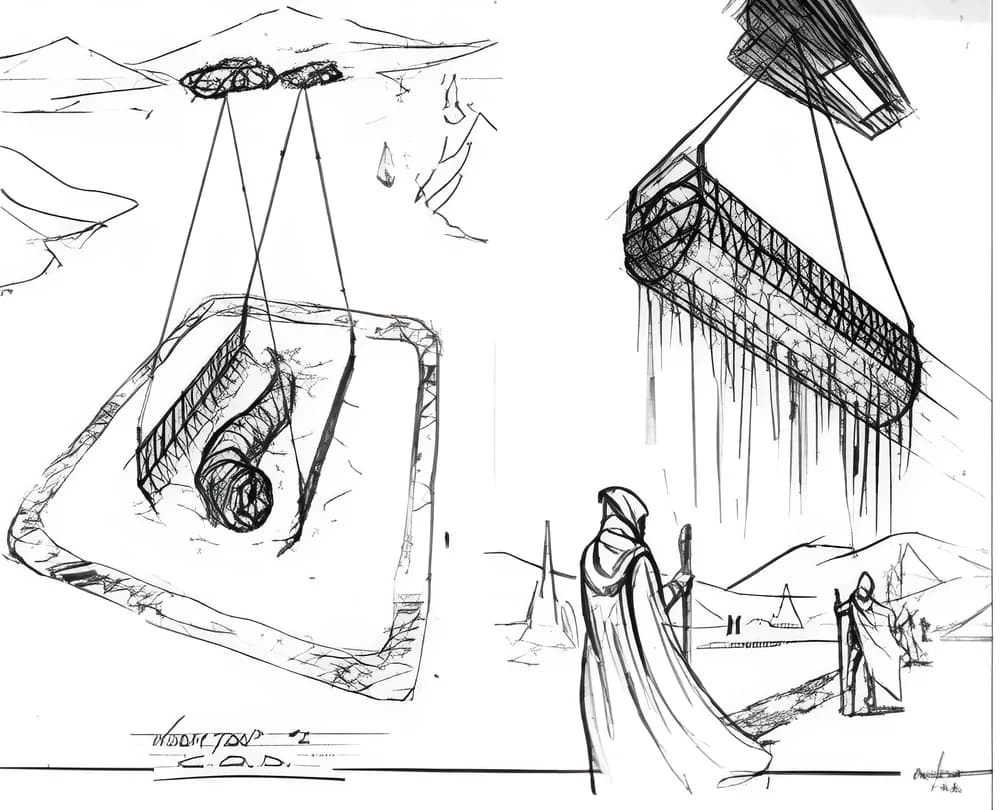
Sandworm
The sandworm was the colossal autotrophic animal of the deserts of Arrakis, honored by the Fremen as Shai-Hulud and feared across the Imperium. As the central organism in the lifecycle that produced the spice melange, it shaped the economy, religion, and history of the known universe.

Eyes of Ibad: the blue-within-blue mark of melange addiction
The Eyes of Ibad were the blue-within-blue eyes produced by a diet high in melange, in which the whites and irises alike turned a deep blue. Universal among the Fremen of Arrakis and seen in spice addicts everywhere, the mark told any observer at a glance how deeply its bearer depended on the spice.
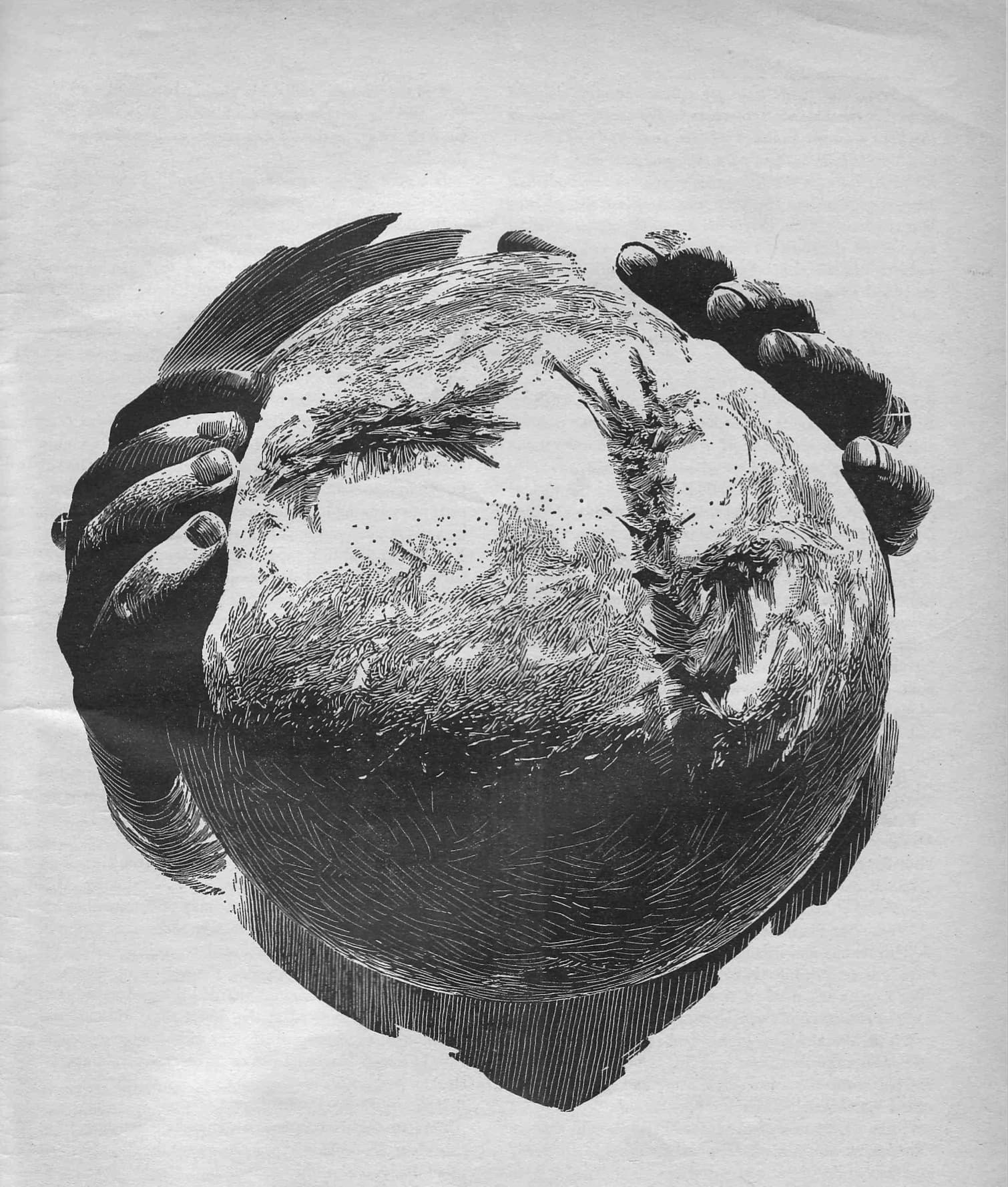
Arrakis
Arrakis, known as Dune and later as Rakis, was a harsh desert world in the Canopus system and the only natural source of the spice melange. Home to the Fremen and the sandworms, it became the seat of the Atreides empire and the center of the known universe.
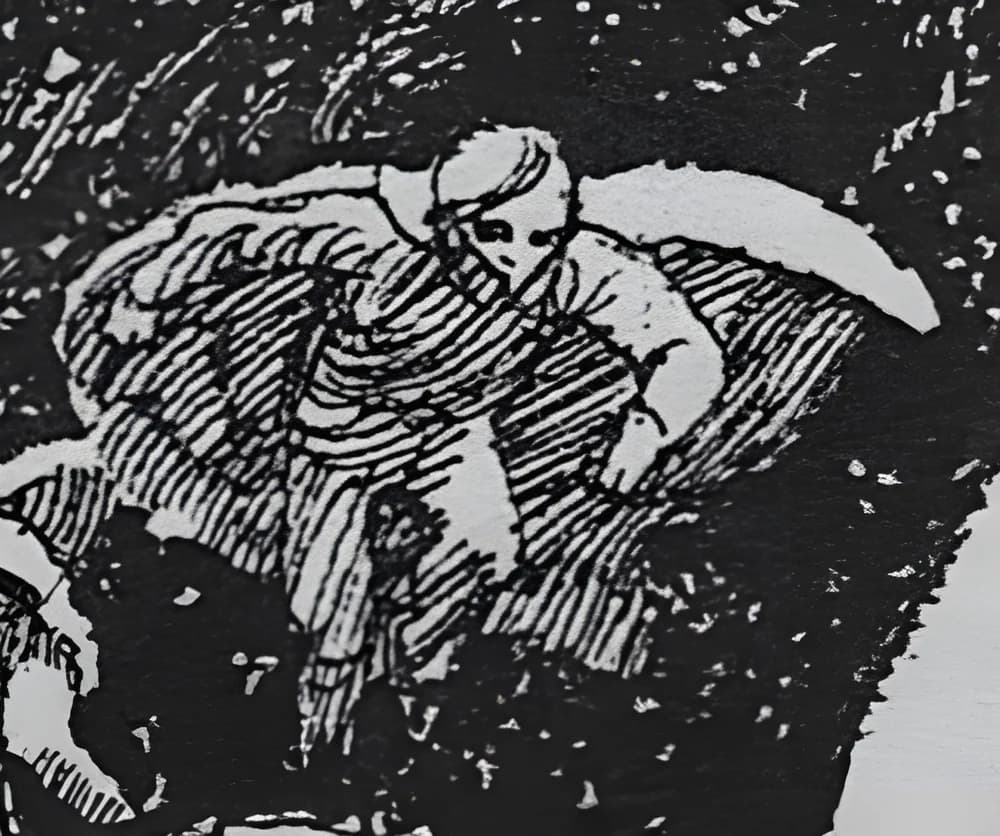
Leto Atreides II
Leto Atreides II was the third and final ruler of the Atreides Empire and its first and only God Emperor. The pre-born son of Paul Muad'Dib, he bonded with a colony of sandtrout to gain near-immortality and ruled mankind for thirty five hundred years to set humanity upon the Golden Path.
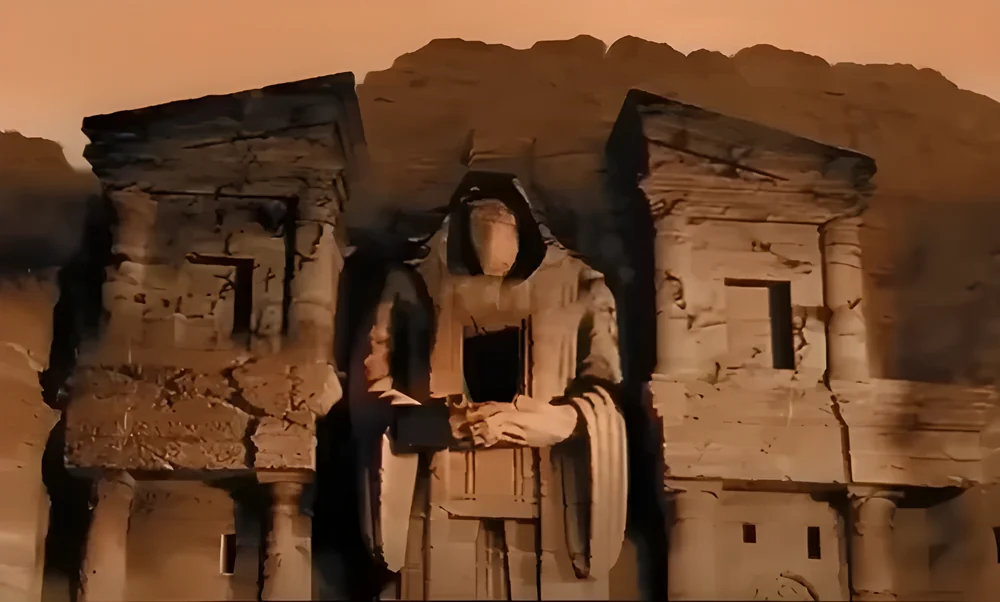
Mahdi
Mahdi was the Fremen name for the savior foretold in their messianic legend, the one who would lead them to paradise and be aware of things others could not see. The prophecy, seeded by the Missionaria Protectiva, settled upon Paul Atreides after he joined the Fremen of Arrakis.
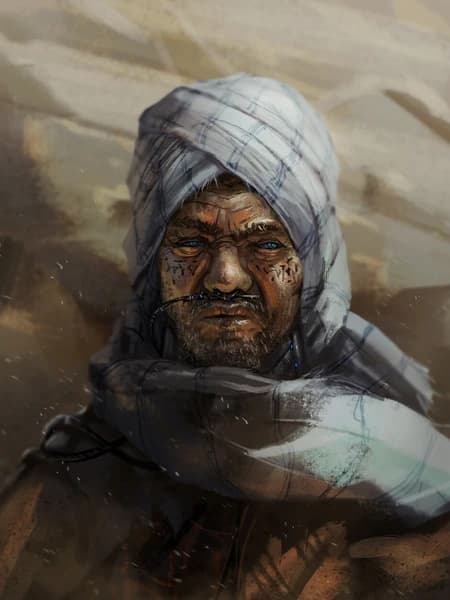
Naib: leader of a Fremen sietch
Naib was the Fremen title borne by the leader of a sietch. The word carried the meaning of one who had sworn never to be taken alive by the enemy, and in older usage it signified a servant of the sietch. By custom a man became Naib by fighting and killing the leader who came before him.
Mentioned in130 entries
Alia Atreides
Alia Atreides was the preborn daughter of Duke Leto Atreides and Lady Jessica, sister to Paul. Granted full ancestral memory in the womb, she ruled the Atreides Empire as Regent before succumbing to possession by her Harkonnen grandfather and taking her own life.
Alia's Temple: the fane of St. Alia of the Knife
Alia's Temple, also called Alia's Fane, was the colossal temple in Arrakeen dedicated to the worship of St. Alia of the Knife. Raised beside Paul's Keep as one of the wonders of the universe, it drew pilgrims from across the Imperium, hid dungeons beneath its maze of corridors, and became the stage for the fall of the Regent Alia Atreides.
Arrakeen conservatory
The Arrakeen conservatory was a luxurious private garden built on the roof of the government mansion at Arrakeen, crowded with exotic wet-climate plants and a wasteful fountain. To the Fremen it was anathema, a weirding room, yet it came to embody Liet-Kynes' dream of a green Arrakis.
Arrakeen governor's palace: the Residency of Arrakis
The Arrakeen governor's palace, known as the Arrakeen Residency, was the great house in Arrakeen from which Arrakis was governed. It passed from the Fenrings to House Atreides, fell to the Harkonnens in the Siege of Arrakeen, and was retaken by Paul Atreides.
Arrakeen: the first city built on Arrakis
Sheltered by the Shield Wall near the northern pole, it held the Emperor's officials, House Atreides, then Muad'Dib's empire, then Leto II's festival city Onn.
Arrakis
Arrakis, known as Dune and later as Rakis, was a harsh desert world in the Canopus system and the only natural source of the spice melange. Home to the Fremen and the sandworms, it became the seat of the Atreides empire and the center of the known universe.
Arrakis Revolt
The Arrakis Revolt was the uprising of the Fremen of Arrakis under Paul Atreides in the closing stage of the Desert War. Waged as a guerrilla campaign against the Harkonnen occupiers, it crippled spice production, drew in the Padishah Emperor, and ended with the fall of House Corrino.
Atomics: the forbidden arsenals of the Great Houses
Atomics was the Imperial term for nuclear weapons of mass destruction, the fission devices every Great House hoarded but almost never dared to use. The Great Convention made their offensive use against human targets grounds for planetary annihilation, yet the Houses kept their family arsenals in reserve, and history recorded the terrible occasions on which the ban failed.
Atreides-Harkonnen feud
The Atreides-Harkonnen feud was the ancient blood vendetta between the two Houses, born of a betrayal at the Battle of Corrin and ended ten thousand years later with the annihilation of the Harkonnens on Arrakis.
Baron Vladimir Harkonnen: the architect of the Atreides fall
Siridar-Baron Vladimir Harkonnen was the penultimate ruler of House Harkonnen and the chief architect of the downfall of Duke Leto Atreides. A gluttonous and cruel schemer, he conspired to seize Arrakis and the Golden Lion Throne before his House was destroyed in the war for Arrakis.
Battle of Arrakeen
The Battle of Arrakeen was the pivotal engagement of the Arrakis Revolt, fought between Muad'Dib Paul Atreides's Fremen and the Sardaukar of Padishah Emperor Shaddam Corrino IV. The Fremen routed the Imperial forces, and in the surrender that followed Paul won control of the known universe.
Bela Tegeuse
Bela Tegeuse was the fifth planet of the Kuentsing star system and reputedly the third stopping place of the Zensunni forced migration. Generations later it was conquered by the Honored Matres.
+ 118 more
Get new articles in your inbox
No spam. New lore drops, canon conflicts, and deep dives only when they’re worth reading.
Some links on Lore Fortress are affiliate links. If you buy through them we earn a small commission at no extra cost to you.