How Many People Did Paul Atreides Kill?
By his own conservative estimate in Dune Messiah, Paul's jihad killed sixty-one billion people. He says it himself, in a scene with Stilgar and the priest Korba. Here is exactly what the book says, what it doesn't, and what the films show.
By his own count, Paul Atreides killed sixty-one billion people. In Dune Messiah, twelve years into his reign, Paul says that at a conservative estimate he has killed sixty-one billion, sterilised ninety planets, completely demoralised five hundred others and wiped out the followers of forty religions. Those deaths are the cost of Muad'Dib's Jihad, fought by his Fremen in his name. (Dune Messiah)
Exactly what Dune Messiah says#
The scene comes early in Dune Messiah. Paul has just let the Guild Navigator Edric question him at length, which angers his old friend Stilgar. Then Korba, the Panegyrist of Paul's priesthood, brings material on the Golden Age of Earth, and Paul turns it into a lesson for Stilgar. (Dune Messiah)
He tells Stilgar to read about Genghis Khan, who didn't kill his millions himself but by sending out his legions, which is how Paul says he kills too. He names another emperor to note in passing, Hitler, who killed more than six million, pretty good for those days, as Paul puts it. (Dune Messiah)
Then he gives his own figures, and calls them statistics. At a conservative estimate, he says, he has killed sixty-one billion, sterilised ninety planets, completely demoralised five hundred others, and wiped out the followers of forty religions. (Dune Messiah)
Korba cries out that they were unbelievers, all of them. Paul tells him no, they were believers. Korba, assuming his lord is joking, says the jihad has brought ten thousand worlds into the shining light. Paul corrects him: into the darkness. He says it will take a hundred generations to recover, and that he finds it hard to imagine anyone ever surpassing what he has done. (Dune Messiah)
What the numbers do and don't cover#
Be careful with the figure. It is Paul's own estimate, and he calls it conservative, so the real toll in the story could be higher. It counts the jihad's dead across twelve years, not people Paul killed with his own hands. And the book never gives a breakdown by world or by year. The novels name only a few campaigns, through veterans who fought in them. (Dune Messiah)
The "ten thousand worlds" is Korba's number, and it counts worlds brought into the faith, not deaths. (Dune Messiah)
Some retellings say Paul gave these figures to the ghola Hayt. In the book he gives them to Stilgar and Korba, and it is Korba who answers him. (Dune Messiah)
Why Paul takes the blame#
Paul didn't fight most of the jihad. His Fremen legions did, in his name, carrying his religion from world to world. Yet he says "I've killed", and he lines himself up with Genghis Khan and Hitler. Since Dune, he has seen the jihad coming in his visions and searched for a way round it, and he knows that even his death would not stop it, because his followers would fight on for a martyr. The page on why Paul started the jihad covers that choice. (Dune; Dune Messiah)
Our reading is that the speech is Paul punishing himself in front of the one man, Korba, who is proudest of what was done. It also sits at the centre of the long argument over whether Paul Atreides is evil. (Dune Messiah)
Paul's own kills#
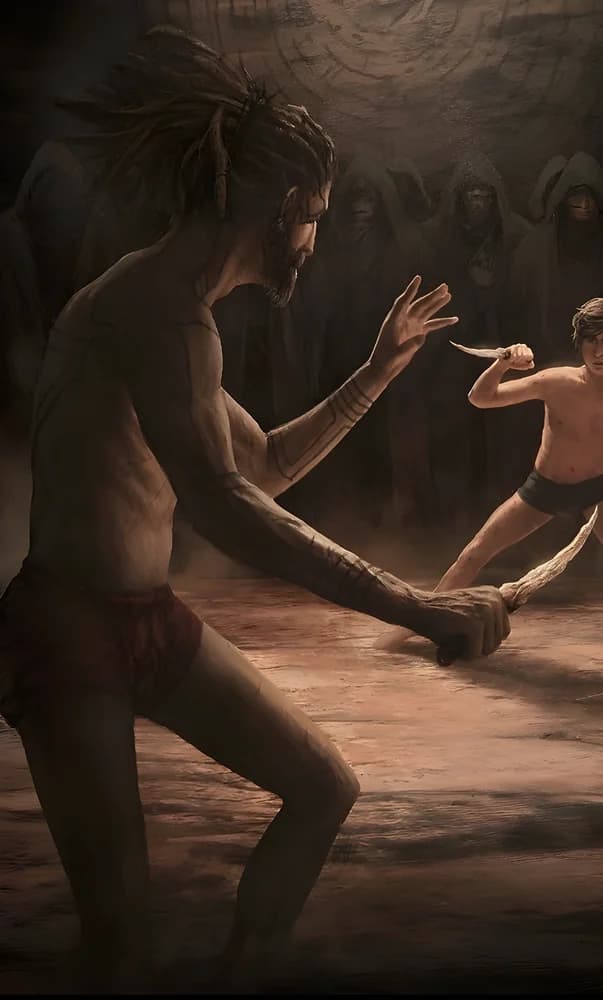
In Dune itself, the killings that matter most are personal. His first duel among the Fremen is with Jamis, a Fremen who challenges him, and Paul kills him and weeps for him. At the end he kills Feyd-Rautha in single combat in front of the Emperor. Earlier, during their escape into the desert, Paul and Jessica kill the two Harkonnen soldiers sent to leave them there to die. (Dune)
In the films#
Denis Villeneuve's films keep Paul's duels with Jamis and Feyd-Rautha, and Dune: Part Two adds one: Paul kills Baron Harkonnen himself, a death the novel gives to his sister Alia. Part Two ends as the jihad begins, with Paul sending the Fremen against the Great Houses, so no death toll has been given on screen. The film adaptation of Dune Messiah is Dune: Part Three. (Dune: Part One; Dune: Part Two)
Frequently asked questions
- Where does the sixty-one billion figure come from?
- From Paul himself, in Dune Messiah. Talking with Stilgar and the priest Korba, he says that at a conservative estimate he has killed sixty-one billion, sterilised ninety planets and completely demoralised five hundred others.
- Did Paul kill sixty-one billion people himself?
- No. His Fremen legions did the killing in his name during the jihad. Paul takes the blame anyway, saying he kills the way Genghis Khan did, by sending out his legions.
- How many people does Paul kill in the films?
- The films give no death toll. Dune: Part Two ends with Paul sending the Fremen to war, so the jihad's cost is still to come on screen.
- Who did Paul kill personally?
- In the novel Dune, his two most important kills are Jamis, in a knife duel, and Feyd-Rautha Harkonnen, in the duel at the end. Dune: Part Two also has him kill Baron Harkonnen, who in the book dies at Alia's hand.
Sources
- BookDune, Frank Herbert, 1965
- BookDune Messiah, Frank Herbert, 1969
- VideoDune: Part One, Film, directed by Denis Villeneuve; Legendary Pictures and Warner Bros. Pictures, 2021
- VideoDune: Part Two, Film, directed by Denis Villeneuve; Legendary Pictures and Warner Bros. Pictures, 2024
Spotted a factual error or a primary source we missed? Email a correction. Every flagged claim gets reviewed.
Followed from this entry
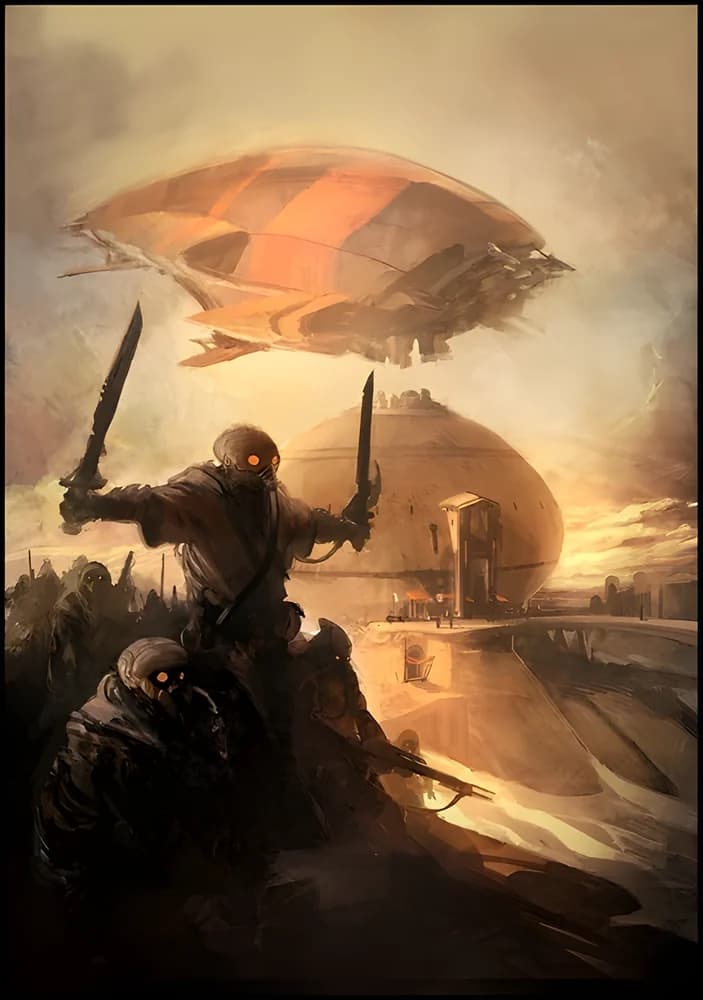
Why Did Paul Atreides Start the Jihad?
Paul didn't want the jihad. He foresaw it for most of Dune, searched for a way to stop it, and decided it would happen even if he died. Once he was Emperor he let it run, because every future he could see without it was worse.
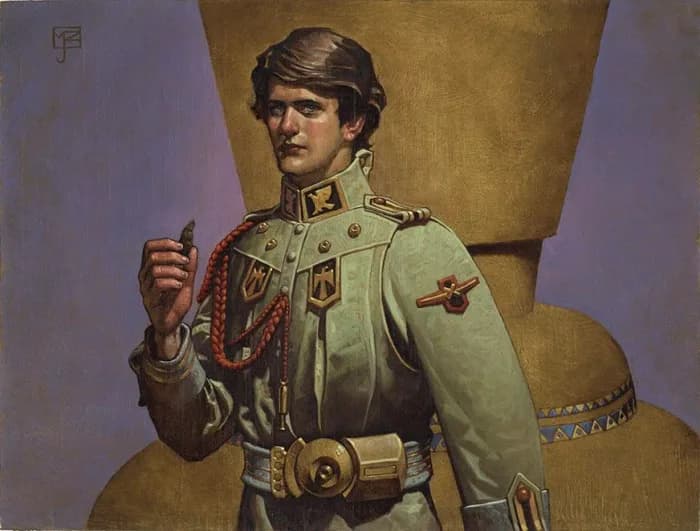
Is Paul Atreides Evil? Hero, Villain and What Frank Herbert Intended
Paul doesn't want the holy war fought in his name, and he lets it happen anyway. Here's what the books say he did, what he tried to do instead, and what Frank Herbert said he meant by it.
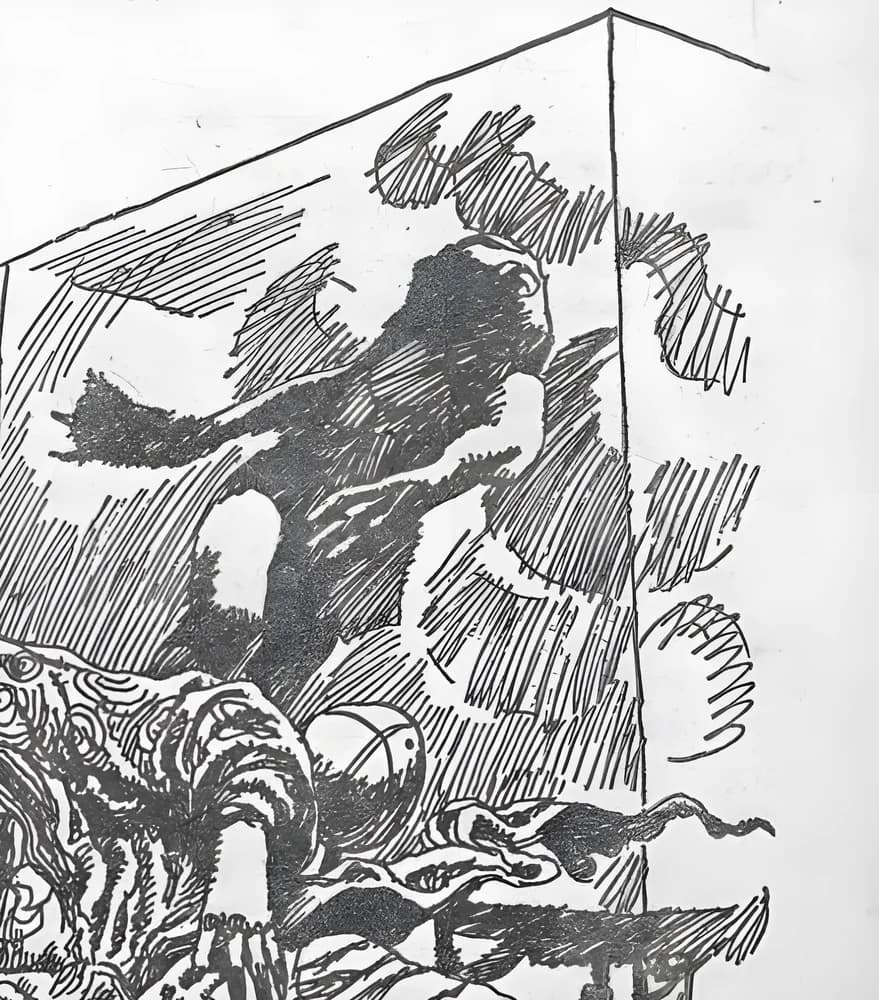
Edric
Edric was a third-stage Spacing Guild Navigator and ambassador who joined the failed conspiracy to assassinate Emperor Paul-Muad'Dib. His prescience shielded the plot from the Emperor's foresight, and he delivered the Hayt ghola to Arrakis before the scheme collapsed and he was executed.
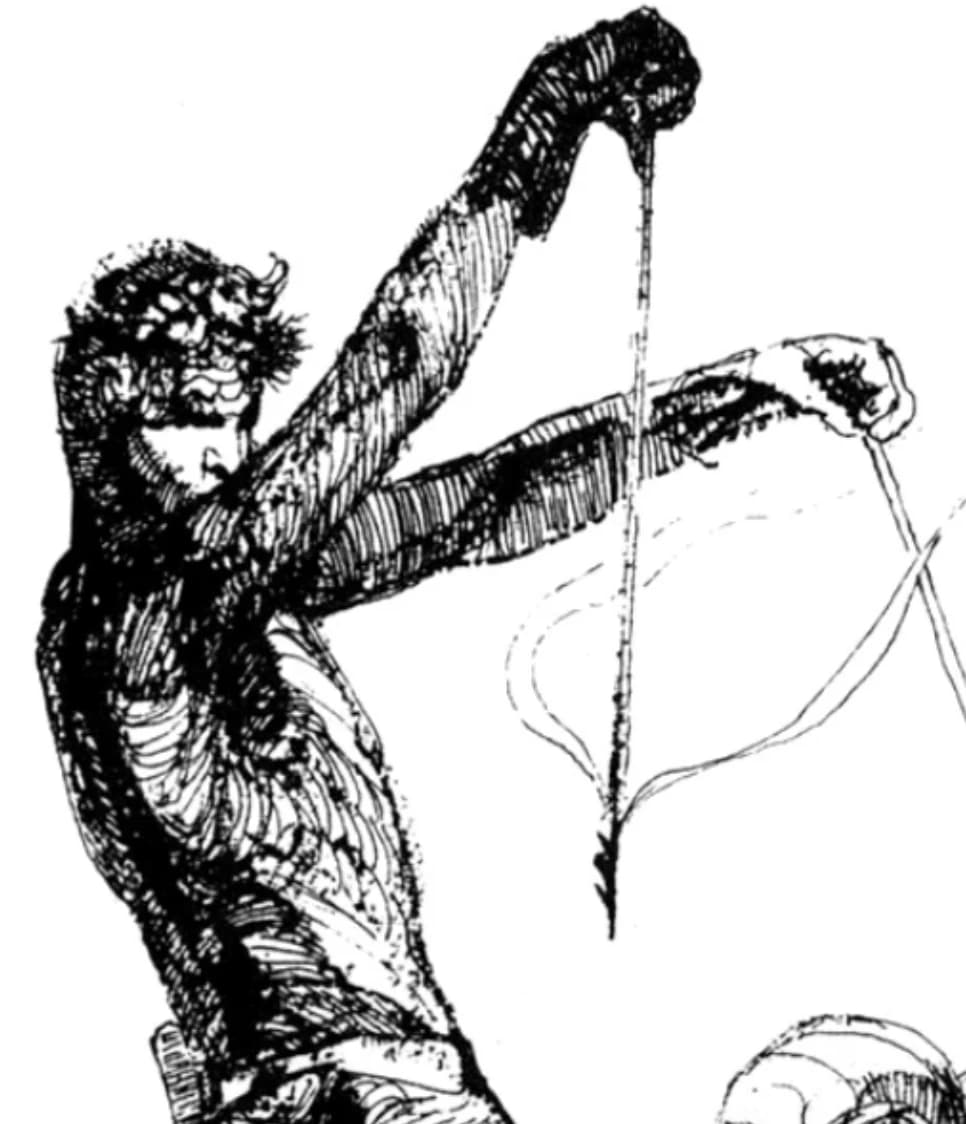
Feyd-Rautha Harkonnen: the na-Baron who died on Paul's blade
Feyd-Rautha Harkonnen was the na-Baron and heir of Vladimir Harkonnen. Charismatic, cunning, and vicious, he was groomed to inherit House Harkonnen and to win the Imperial throne, but was killed in a duel with Paul Atreides shortly after the Battle of Arrakeen.
Jamis
Jamis was a fierce Fremen warrior of Sietch Tabr who challenged the young Paul Atreides to ritual combat when Paul and his mother first sought sanctuary among the Fremen. His death won Paul his sietch name and his place among the tribe.
Korba
Korba was a Fremen follower of Paul Muad'Dib who rose from the original Fedaykin to become Panegyrist and Priest of the Qizarate, before turning against his Emperor in a conspiracy to martyr him and meeting death at the hands of Stilgar.
Mentioned in3 entries
Muad'Dib's Jihad: the holy war that remade the Imperium
Muad'Dib's Jihad is the holy war fought by the Fremen legions in Paul Atreides's name. Paul foresees it all through Dune, and when Dune Messiah opens twelve years later it is still being fought, with sixty-one billion dead by his own count.
What Happened in the Twelve Years Between Dune and Dune Messiah
Frank Herbert skips twelve years between Dune and Dune Messiah, and they are the bloodiest in the saga. Here is what the novels say happened: the holy war and its toll, the priesthood that grew around Paul, and the empire he was left ruling.
Why Did Paul Atreides Start the Jihad?
Paul didn't want the jihad. He foresaw it for most of Dune, searched for a way to stop it, and decided it would happen even if he died. Once he was Emperor he let it run, because every future he could see without it was worse.
Get new articles in your inbox
No spam. New lore drops, canon conflicts, and deep dives only when they’re worth reading.
Some links on Lore Fortress are affiliate links. If you buy through them we earn a small commission at no extra cost to you.