Why Did Paul Atreides Start the Jihad?
Paul didn't want the jihad. He foresaw it for most of Dune, searched for a way to stop it, and decided it would happen even if he died. Once he was Emperor he let it run, because every future he could see without it was worse.
Paul Atreides didn't start the jihad because he wanted a holy war. He saw it coming for years, searched for a way to stop it, and decided it couldn't be stopped, not even by his own death. Once he took the throne, he let it run, because every future his prescience showed him without it was worse. (Dune; Dune Messiah)
The vision Paul couldn't escape#
The jihad begins as something Paul sees, not something he plans. After the Harkonnens take Arrakis and his father dies, Paul and his mother flee into the desert. That night, in a stilltent, the spice opens his prescience, and one future keeps coming back: fanatic legions carrying the green and black Atreides banner across the stars, killing in his name. (Dune)
He is horrified by it. Through the rest of Dune Paul keeps looking for a path through time that avoids the jihad, the way someone might look for a pass through mountains. (Dune)
Why the Fremen were ready to follow#
The war needed believers, and the Fremen were primed. Long before Paul arrived, the Bene Gesserit had planted legends on Arrakis through their Missionaria Protectiva, so that one of their own could survive there if needed. Among them was the prophecy of the Lisan al-Gaib, a messiah from off-world. (Dune)
Paul and Jessica use those legends to stay alive among the Fremen. Then Paul becomes the leader the legend describes. He trains the Fremen to fight, rides the sandworm, survives the Water of Life, and leads them to victory over the Emperor's Sardaukar. Each step makes him more of a god to them. (Dune)
Why he let it happen#
By the end of Dune, Paul has his answer, and it is a grim one. There is no path that avoids the jihad. Even if he died, his followers would fight on in the name of a martyr, and the war would still come, just without him to limit it. (Dune)
So when he beats Shaddam IV and takes the throne, he lets the Fremen go. The book ends before the fighting starts, but Paul has already seen what is coming. (Dune)
Dune Messiah shows the result. Twelve years into his reign the jihad is still being fought. Paul could end it, in the sense of giving the order, but every path he can see that stops the war leads somewhere worse. He gives his priest Korba the cost at a conservative estimate: sixty-one billion people killed, ninety planets sterilised, five hundred others completely demoralised, the followers of forty religions wiped out. (Dune Messiah)
Dune: Part Two's version#
Villeneuve's film keeps Paul's dread and sharpens the turn. Paul avoids going south for most of the film, because his visions show the holy war starting there. When he finally goes and drinks the Water of Life, he stands before the southern Fremen and claims the prophecy for himself. (Dune: Part Two)
At the end, the Great Houses in orbit refuse to accept him as Emperor. Paul sends the Fremen against them, and the war begins on screen, watched by a Chani who refuses to bow. The Dune: Part Two ending explained covers the changes from the book. (Dune: Part Two)
So whose fault was it?#
Herbert leaves that open on purpose. Paul didn't invent the legend, and he didn't want the war. But he chose to ride the legend to power, and he chose the throne knowing what would follow. (Dune; Dune Messiah)
Our reading is that the question is the point. Herbert wrote Messiah partly as a warning about charismatic leaders, and Paul is his example: a decent man who sees the horror clearly and still can't get off the path, because too many people need him to be a god. The argument over how much blame he carries is on is Paul Atreides evil? (Dune Messiah)
Frequently asked questions
- Did Paul want the jihad?
- No. From his first visions in the desert he dreads it, and he spends much of Dune looking for a way to avoid it. He accepts it only once he sees no path where it doesn't happen.
- How many people died in Paul's jihad?
- By Paul's own conservative count in Dune Messiah, sixty-one billion dead, ninety planets sterilised, five hundred more completely demoralised, and the followers of forty religions wiped out.
- Could Paul have stopped the jihad by dying?
- He decides not. By the end of Dune he sees that if he died, his followers would fight on in the name of a martyr, and the war would be just as bloody without him to steer it.
- Why does Paul start the holy war in Dune: Part Two?
- When the Great Houses in orbit refuse to accept him as Emperor, Paul sends the Fremen against them. The film shows it as the moment he gives in to the future he had feared.
Sources
- BookDune, Frank Herbert, 1965
- BookDune Messiah, Frank Herbert, 1969
- VideoDune: Part Two, Film, directed by Denis Villeneuve; Legendary Pictures and Warner Bros. Pictures, 2024
Spotted a factual error or a primary source we missed? Email a correction. Every flagged claim gets reviewed.
Followed from this entry
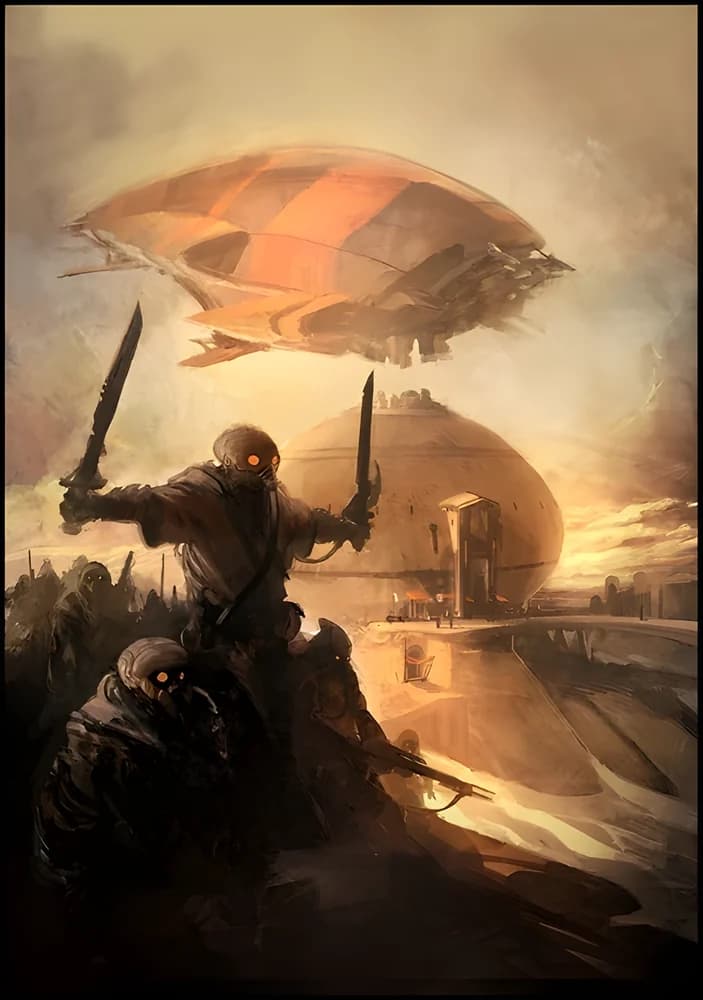
How Many People Did Paul Atreides Kill?
By his own conservative estimate in Dune Messiah, Paul's jihad killed sixty-one billion people. He says it himself, in a scene with Stilgar and the priest Korba. Here is exactly what the book says, what it doesn't, and what the films show.
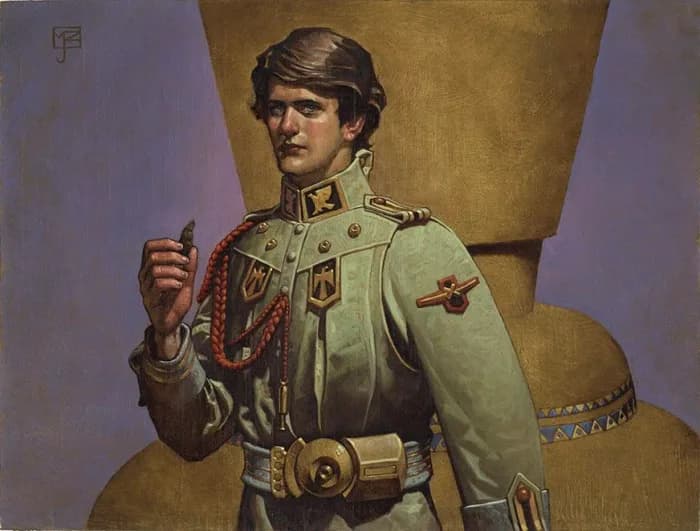
Is Paul Atreides Evil? Hero, Villain and What Frank Herbert Intended
Paul doesn't want the holy war fought in his name, and he lets it happen anyway. Here's what the books say he did, what he tried to do instead, and what Frank Herbert said he meant by it.
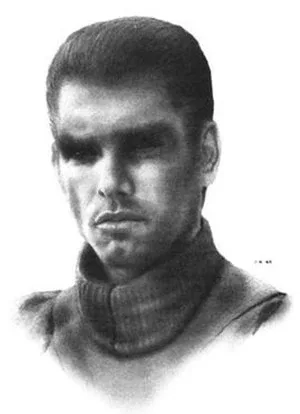
Dune Messiah Explained: Plot Summary and Ending
The full plot of Frank Herbert's Dune Messiah in order, from the conspirators' meeting to Paul's walk into the desert, with the ending explained: why Paul leaves, what happens to Alia and the twins, and how Children of Dune picks it up.
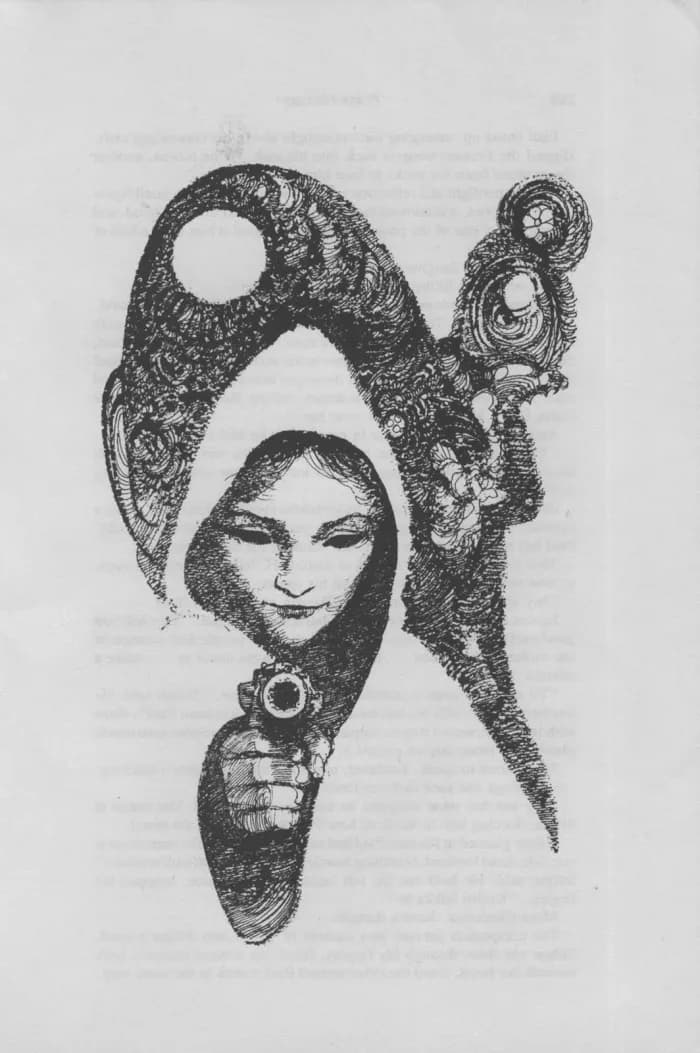
Dune: Part Two Ending Explained
The full story of Denis Villeneuve's Dune: Part Two in order, from Paul's first days with the Fremen to the duel with Feyd-Rautha and the start of the holy war, with the ending explained and the main ways it differs from Frank Herbert's novel.
Chani
Chani was a Fremen warrior and Sayyadina, daughter of the planetologist Liet-Kynes, and the royal concubine and only true love of Emperor Paul Muad'Dib Atreides. She mothered his children before dying in childbirth at Sietch Tabr.
Korba
Korba was a Fremen follower of Paul Muad'Dib who rose from the original Fedaykin to become Panegyrist and Priest of the Qizarate, before turning against his Emperor in a conspiracy to martyr him and meeting death at the hands of Stilgar.
Mentioned in2 entries
How Many People Did Paul Atreides Kill?
By his own conservative estimate in Dune Messiah, Paul's jihad killed sixty-one billion people. He says it himself, in a scene with Stilgar and the priest Korba. Here is exactly what the book says, what it doesn't, and what the films show.
Muad'Dib's Jihad: the holy war that remade the Imperium
Muad'Dib's Jihad is the holy war fought by the Fremen legions in Paul Atreides's name. Paul foresees it all through Dune, and when Dune Messiah opens twelve years later it is still being fought, with sixty-one billion dead by his own count.
Get new articles in your inbox
No spam. New lore drops, canon conflicts, and deep dives only when they’re worth reading.
Some links on Lore Fortress are affiliate links. If you buy through them we earn a small commission at no extra cost to you.