Hoenir: the silent god of the Aesir
Hoenir was the Aesir god of silence, indecision, mystery, and avoidance, a kind but simple minded young god who needed constant care. Odin sent him to Vanaheim under the guise of a cultural exchange, and the Vanir families welcomed him as one of their own. When Hoenir learned that the All-Father had sent him away out of disgust, he took his own life.
Hoenir was one of the Aesir of Asgard, remembered in later retellings of the myths as a god of silence and indecision. By the account of Mimir, he was a kind, sweet, but simple minded young man who required constant care to keep him from hurting himself. Odin sent him to Vanaheim under the banner of a cultural exchange between the realms, though the All-Father's true purpose was simply to be rid of him. The Vanir families of Vanaheim took Hoenir in and cared for him together, honouring him with a family crest of their own. His story ended in grief: when he learned why he had truly been sent away, Hoenir took his own life. (God of War Ragnarök; Heimskringla)
The god of silence#
Later retellings of the Norse myths call Hoenir a god of silence and indecision, a picture that goes back to the Ynglinga saga, where he would decide nothing without Mimir at his side and answered every hard question by telling others to decide. The old poems give him a grander part too: in the Völuspá he is one of the gods who help Odin give life to the first humans. (Heimskringla; Poetic Edda)
God of War says little of his place among the Aesir, and it never makes clear whether he belonged to the Aesir royal family at all. What Mimir did make clear was his nature. He remembered Hoenir as kind and sweet, a gentle soul among the gods of Asgard, but also simple minded, a young man who needed constant watching to keep him from coming to harm. (God of War Ragnarök)
The exchange between Asgard and Vanaheim#
In the years when Asgard and Vanaheim sought to bind their peace, the two realms arranged a cultural exchange, each sending one of their own to live among the other tribe. The Vanir meant to honour the agreement in good faith. They chose a young bladesmith named Sturla and sent him to Asgard, offering the Aesir a craftsman whose skill spoke well of his people. (God of War Ragnarök)
Odin's choice revealed a different intent. The All-Father sent Hoenir to Vanaheim, and it soon became apparent that he had done so simply as a means of getting rid of him. Hoenir required constant care to keep him from hurting himself, and Odin had no patience for such a charge. What the realms were told was diplomacy was, in truth, a quiet act of abandonment, the disposal of a young god whom the master of Asgard considered a burden. (God of War Ragnarök)
A ward of the Vanir families#
Whatever Odin's purpose, the Vanir did not treat Hoenir as a burden. The various families of Vanaheim welcomed the young god and came together to care for him, sharing the watchfulness his condition required among many households rather than leaving it to one. In time they gave him the highest token of belonging they had: a Vanir family crest of his own, marking him as kin among the people to whom he had been sent away. (God of War Ragnarök)
That gift set Hoenir's crest alongside those of Vanaheim's own honoured names. Long afterward, family crests bearing the marks of Skirnir, Hylli, Kvasir, Freya, and even Odin could be found across the land, and Hoenir's lay among them in Noatun's Garden, resting in a quiet corner of that place. The crest endured as proof of what the Vanir had chosen to do for him: a god discarded by Asgard had been claimed as family by the people who took him in. (God of War Ragnarök)
The truth and his death#
Hoenir's peace in Vanaheim did not survive the truth. By accident he overheard one of his caretakers discussing the All-Father's clear disgust for him, and with those words the kindness of his new home was poisoned by the knowledge of why he had come to it. He had not been sent as an honoured guest of the exchange. He had been thrown away. (God of War Ragnarök)
Distraught at the revelation, Hoenir was found the next morning having taken his own life. He died in Vanaheim, among the families who had cared for him, undone not by any enemy of the realms but by the contempt of the god who should have protected him. His death left its stain on Odin rather than on the Vanir, for the households of Vanaheim had done all that compassion asked of them, and the crest they had given him remained behind as the record of it. (God of War Ragnarök)
In the accounts of Mimir#
Hoenir never walked through the recorded struggles of the Norse realms, but his name survived in the tellings of Mimir. In the account known as the Lost Pages of Norse Myth, Mimir placed Hoenir among the gods who witnessed the First Great War between the Aesir and the Vanir, standing alongside Idunn, Hodr, and Heimdall. In the same telling, when Freyr was set aflame, he caught sight of Hoenir, Bragi, and Sif drunk among the company. (The Lost Pages of Norse Myth)
It was Mimir, too, who preserved the truth of Hoenir's exile and death, remembering him as the kind, sweet, simple minded young man that Odin cast off and the Vanir embraced. Beside the long wars and murders that filled the histories of Asgard, the fate of the Silent god was a small sorrow, but it was among the plainest measures of the All-Father's character: even a gentle son of Asgard who threatened no one was not safe from Odin's contempt. (God of War Ragnarök)
Sources
- GameGod of War Ragnarök, Santa Monica Studio, 2022
- BookThe Lost Pages of Norse Myth, Santa Monica Studio, 2018
- BookPoetic Edda, Völuspá; anonymous, compiled 13th century
- BookHeimskringla, Snorri Sturluson, c. 1230; Ynglinga saga
Spotted a factual error or a primary source we missed? Email a correction. Every flagged claim gets reviewed.
Followed from this entry
The Aesir
The Aesir were one of the two tribes of Norse gods, natives of Asgard known for their war-like nature and their hunger for knowledge. Descended from the slain primordial Ymir and ruled by Odin, they claimed dominion over all creation, waging genocide upon the Jotnar and war upon the Vanir before their fall in Ragnarok.

Freya
Freya was the Vanir goddess of love, war, and magic who married Odin to end the Aesir-Vanir War and was cursed to remain in Midgard. Once the Witch of the Woods, she aided Kratos and Atreus, swore vengeance after the death of her son Baldur, and at last turned her wrath on Odin himself.
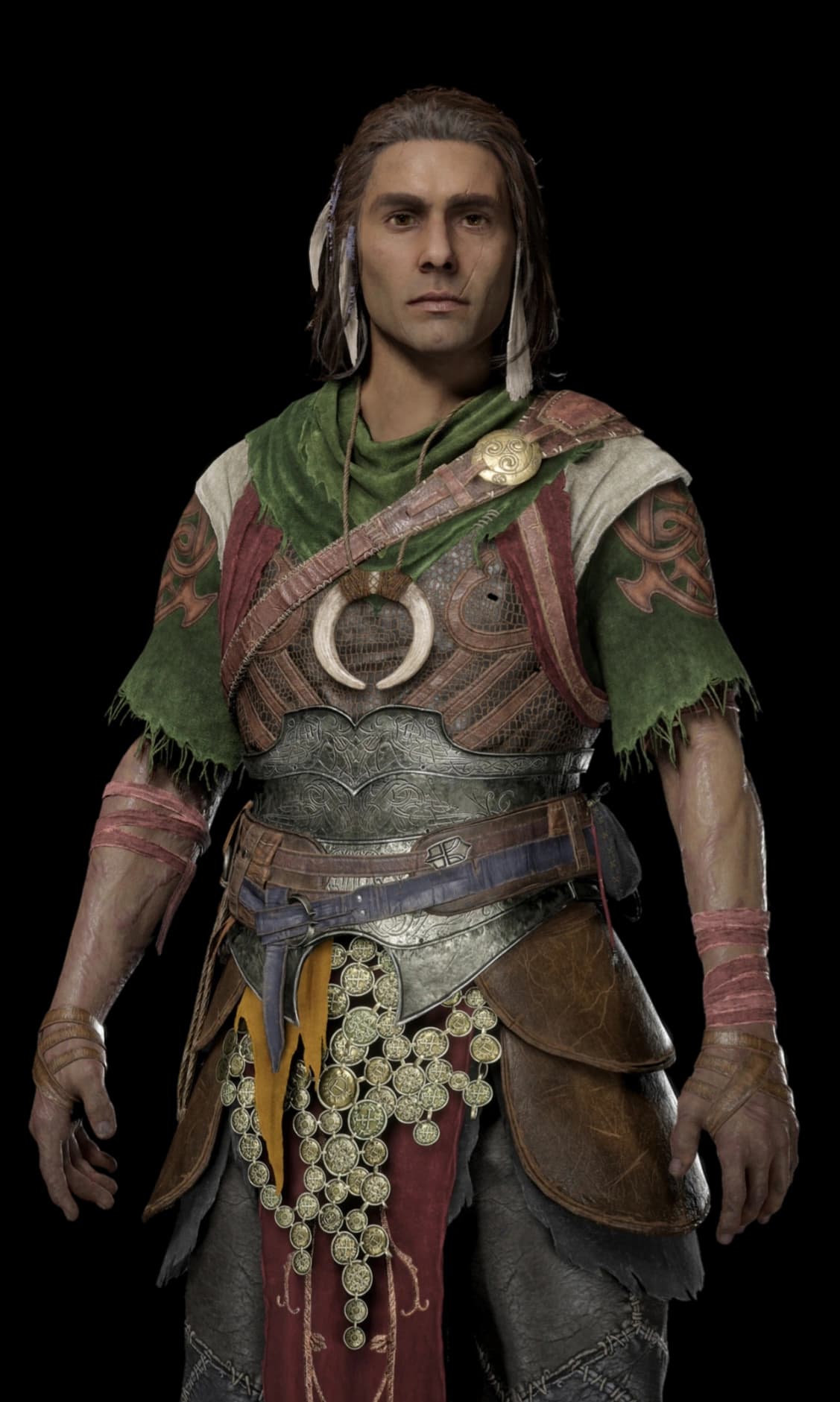
Freyr: Freya's twin, killed at Ragnarok
Freyr led the Vanir resistance against Odin from a camp in Vanaheim. He died holding back the fire giant so that his allies could escape Asgard.
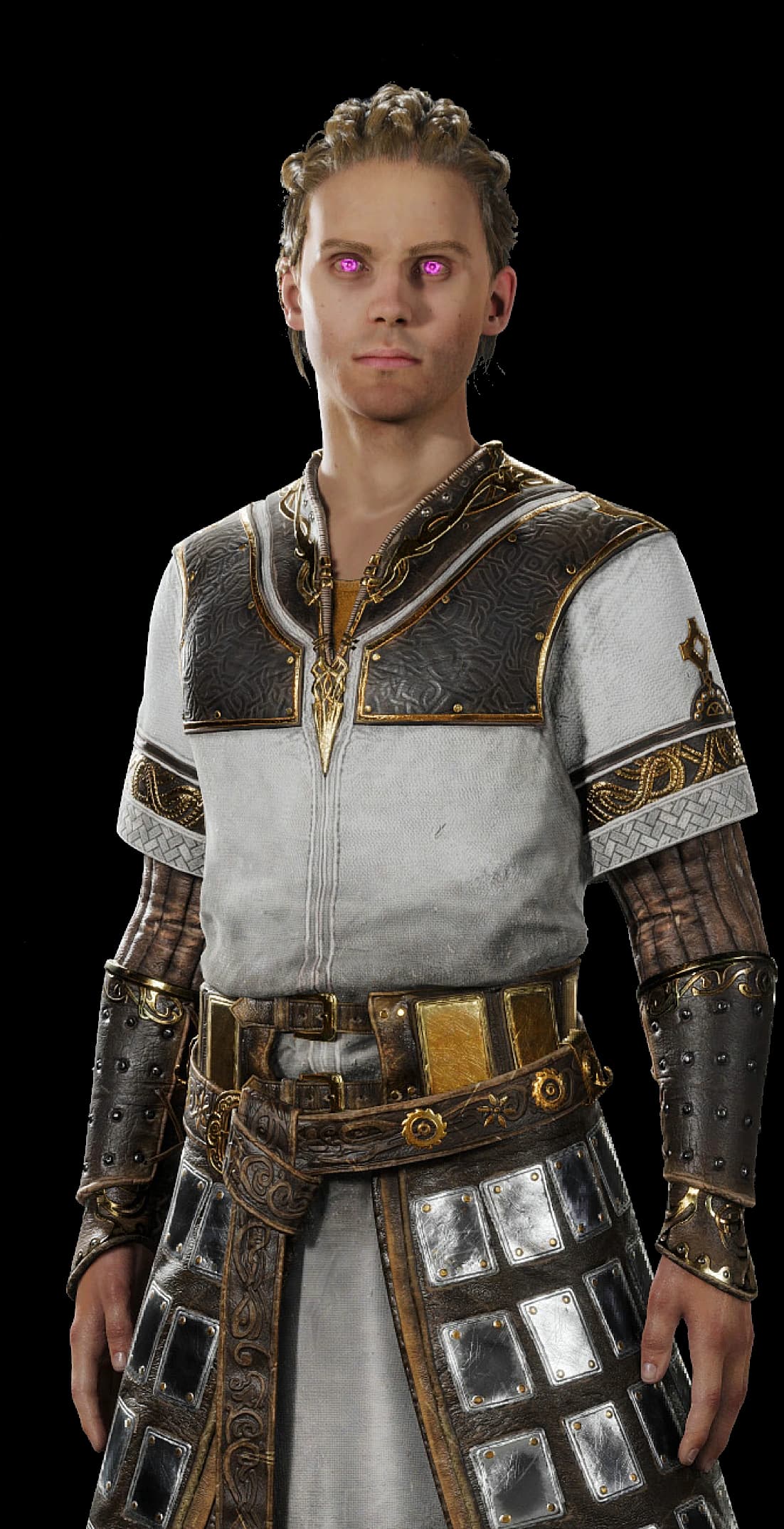
Heimdall: the watchman who saw every attack
Heimdall's foresight let him read minds and dodge any blow, until Brok worked out it could be overwhelmed. The Draupnir Spear got past it, and Kratos killed him.
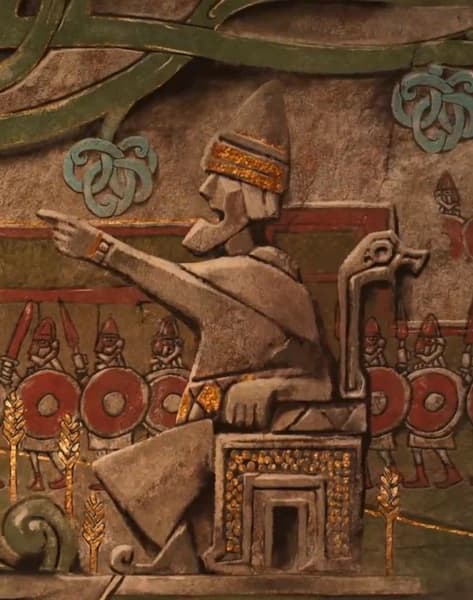
Hodr: the Blind God
Hodr was an Aesir god of Asgard, the blind god of the old Norse myths. He was remembered in the lost pages of Norse myth as one of the gods who witnessed the great war between the Aesir and the Vanir.
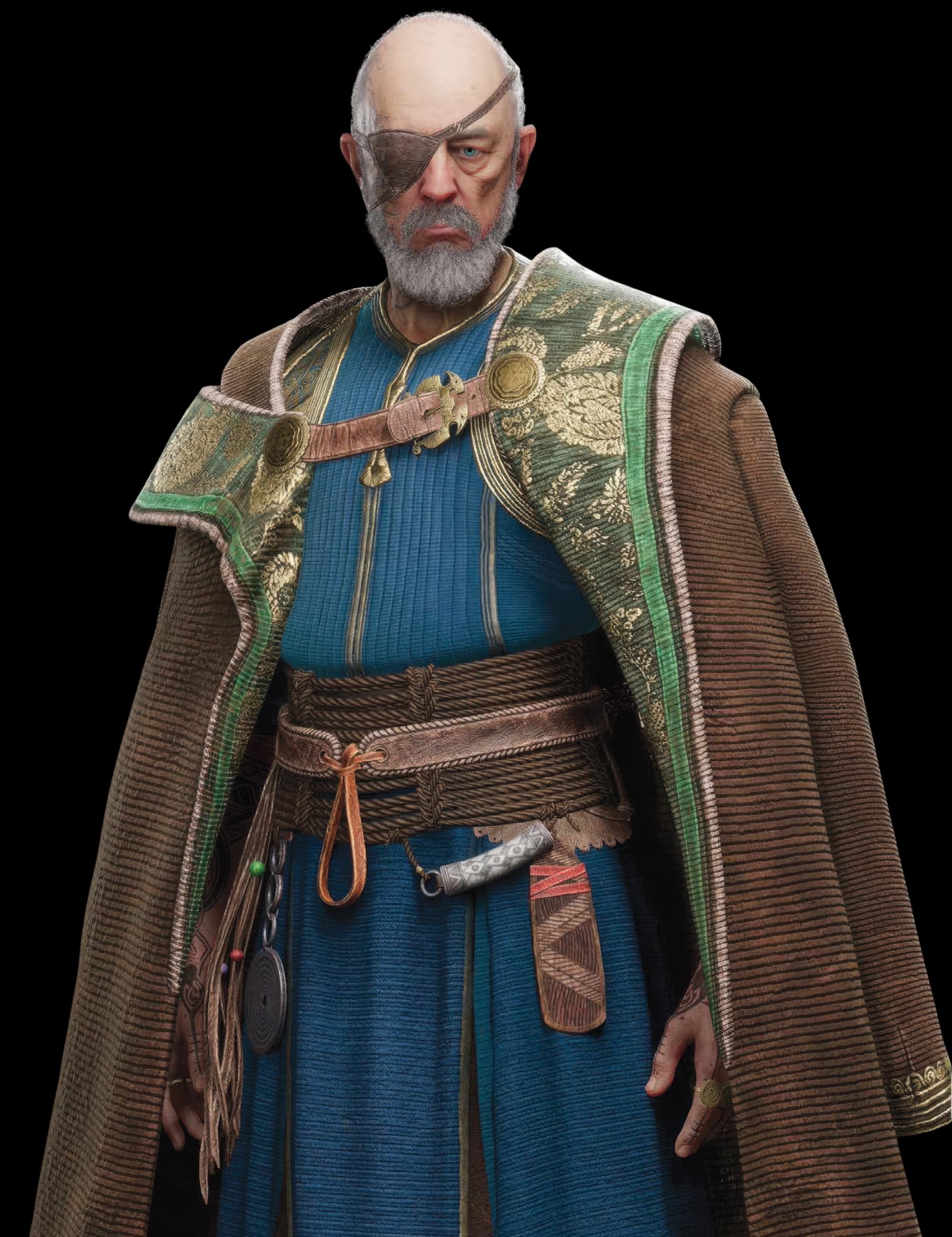
Odin
Odin was the King of the Aesir and ruler of the Nine Realms, the All-Father who slew the first giant Ymir to found Asgard. Obsessed with knowledge and terrified of his own prophesied death, he waged war across the realms and orchestrated the events that brought Ragnarok to his doorstep.
Mentioned in2 entries
Bragi
Bragi was one of the Aesir of Asgard, the god of poetry in Norse myth and husband of Idunn. He never appears in the games, but Mimir names him among the drunken Aesir who jeered as Freyr burned, the insult that helped start the First Great War.
Norse Gods: the pantheon of the Nine Realms
The Norse Gods were the pantheon that ruled over Scandinavia, the lands known in their own cosmos as the Nine Realms of Yggdrasil. Divided into the warlike Aesir of Asgard and the nature-bound Vanir of Vanaheim, they counted among the most powerful races of the realms and were held to be the protectors of Midgard and humanity.
Get new articles in your inbox
No spam. New lore drops, canon conflicts, and deep dives only when they’re worth reading.
Some links on Lore Fortress are affiliate links. If you buy through them we earn a small commission at no extra cost to you.