The Nornir: the Norse goddesses of fate
The Nornir were the three Norse goddesses of fate, Urd, Verdandi, and Skuld, who dwelt at the hidden Well of Urd. The Norse counterparts of the Greek Sisters of Fate, they offered cryptic wisdom to those who reached them and insisted that no such thing as destiny truly existed.
The Nornir were the three Norse goddesses of fate, who dwelt at the hidden Well of Urd and held a supernatural insight into the choices of gods and mortals alike. They were the Norse counterparts of the Greek Sisters of Fate, and when Kratos first learned of them through Atreus, the memory of the Greek Fates led him to declare that nothing good ever came from such beings. (God of War (2018); God of War Ragnarök)
The goddesses of fate#
The Nornir were three in number: Urd, the eldest, a tall and sturdy old woman with horns and golden eyes who carried a long wooden staff; Verdandi, a woman of middle years; and Skuld, the youngest, a short girl. All three bore small horns, slightly yellow skin, and glowing golden eyes, and their belts were marked with the phases of the moon. They were counted as the Norse reflection of the Greek goddesses of fate, holding the same dominion over destiny that the Sisters of Fate had held in the south. (God of War Ragnarök; God of War II)
Insight and the denial of fate#
The Nornir possessed a supernatural understanding of the nature and past choices of others, which let them speak of what was to come. Yet they held that their predictions held true only because the choices of others were predictable, and they admitted that there was no destiny or grand design at work, not even their own. They could cast powerful illusions, looking into a person's mind and shaping visions so strong they became real, and they spoke to one another and to their visitors through thought alone. According to Freya, they also controlled the place where their home stood, and they lacked the power the Greek Fates had wielded to alter destiny or erase a being from existence. (God of War Ragnarök)
Unlike the Sisters of Fate, who toyed with and mocked those who sought them, the Nornir offered their wisdom to any who managed to reach them. They professed that no one could change their fate so long as they refused to change themselves, and to that end they often told a seeker a discomforting future simply to see how he would react. (God of War Ragnarök; God of War II)
The Well of Urd#
In search of answers, Kratos, Freya, and Mimir journeyed to the Well of Urd, the hidden home of the Nornir. After they passed the goddesses' test, a Kelpie carried the three to them. The Nornir confirmed that Atreus was in Asgard and revealed that Heimdall intended to kill him. Learning this, Kratos resolved to slay Heimdall before the deed could be done. Of all the goddesses of fate Kratos met across his long life, the Nornir alone were left alive when he departed. (God of War Ragnarök; God of War II)
Frequently asked questions
- Who were the Nornir in God of War?
- The Nornir were the three Norse goddesses of fate, named Urd, Verdandi, and Skuld. They were the Norse counterparts of the Greek Sisters of Fate, and they dwelt at the hidden Well of Urd, offering cryptic wisdom to those who managed to reach them.
- Did Kratos kill the Nornir?
- No. Of all the goddesses of fate Kratos encountered across the Greek and Norse worlds, the Nornir were the only ones he did not kill. He, Freya, and Mimir sought them out to learn where Atreus had gone and left them unharmed.
- What did the Nornir tell Kratos?
- When Kratos, Freya, and Mimir reached the Well of Urd, the Nornir confirmed that Atreus was in Asgard and revealed that Heimdall planned to kill him. This warning led Kratos to set out to slay Heimdall and prevent his son's death.
Sources
- GameGod of War II, Santa Monica Studio, 2007
- GameGod of War (2018), Santa Monica Studio, 2018
- GameGod of War Ragnarök, Santa Monica Studio, 2022
Spotted a factual error or a primary source we missed? Email a correction. Every flagged claim gets reviewed.
Followed from this entry

Freya
Freya was the Vanir goddess of love, war, and magic who married Odin to end the Aesir-Vanir War and was cursed to remain in Midgard. Once the Witch of the Woods, she aided Kratos and Atreus, swore vengeance after the death of her son Baldur, and at last turned her wrath on Odin himself.
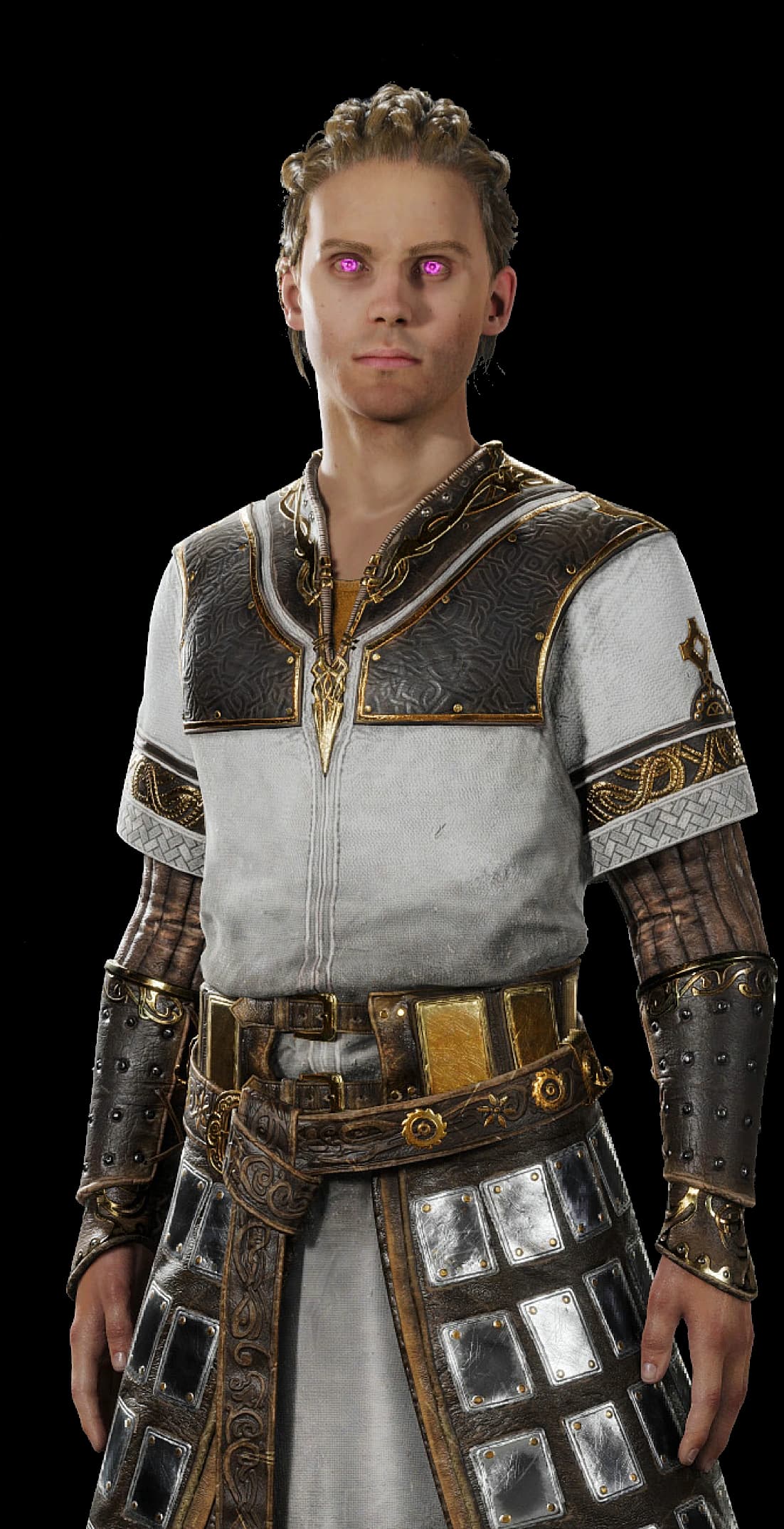
Heimdall: the watchman who saw every attack
Heimdall's foresight let him read minds and dodge any blow, until Brok worked out it could be overwhelmed. The Draupnir Spear got past it, and Kratos killed him.
Asgard
Asgard was the realm of the Aesir gods, perched in the crown of Yggdrasil and ruled by Odin from the hall of Gladsheim. Behind the great wall of Hrimthur it stood as a fortress against the prophesied doom of Ragnarok, until Kratos breached it and the realm fell.
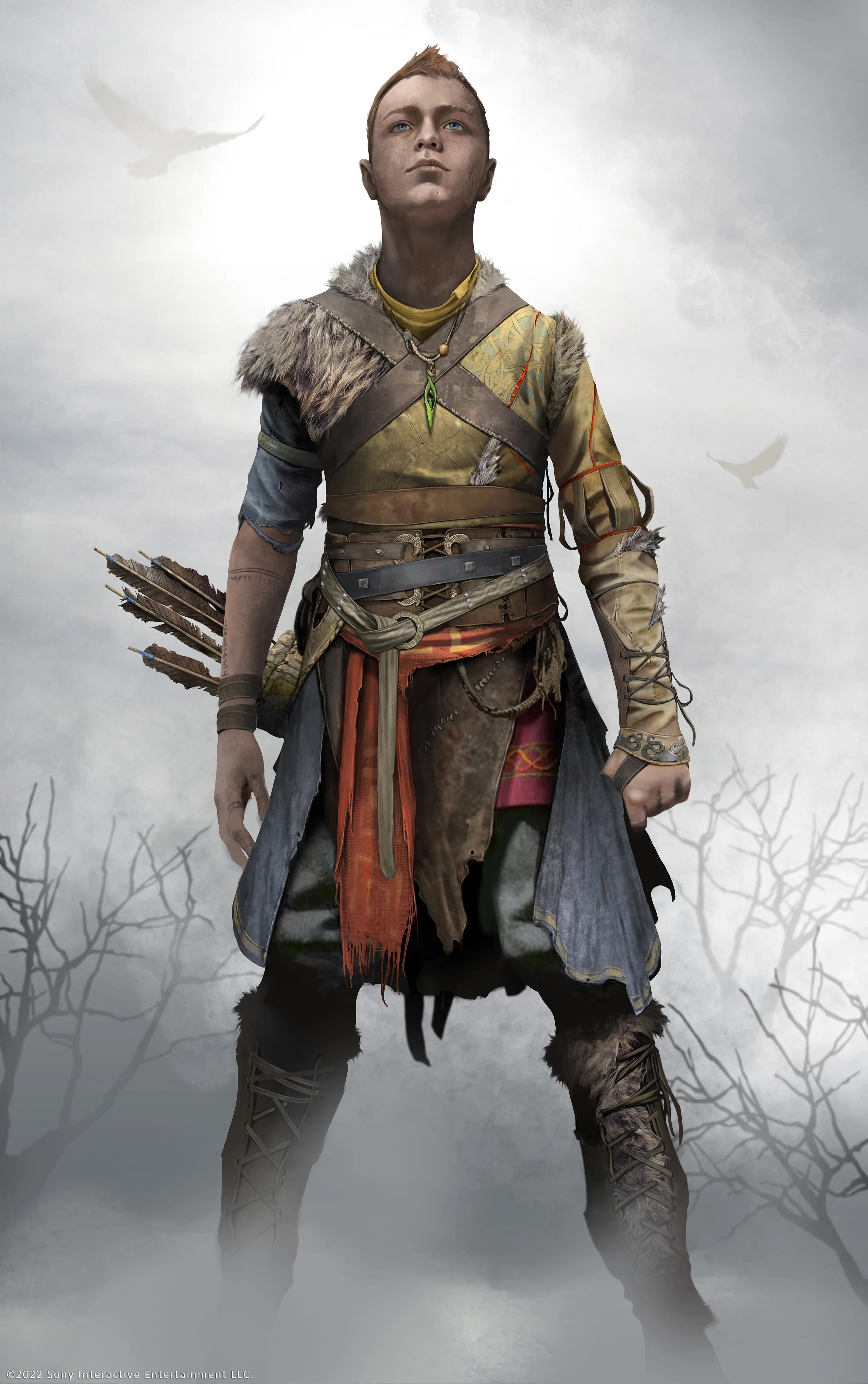
Atreus (Loki): Kratos's Son and the Truth of His Name
Atreus was the son of Kratos and the Jotunn Faye, born in Midgard and given the hidden name Loki. Across two great journeys he grew from a sickly boy into the prophesied champion of the Giants, the god of mischief whose fate was bound to Ragnarok.
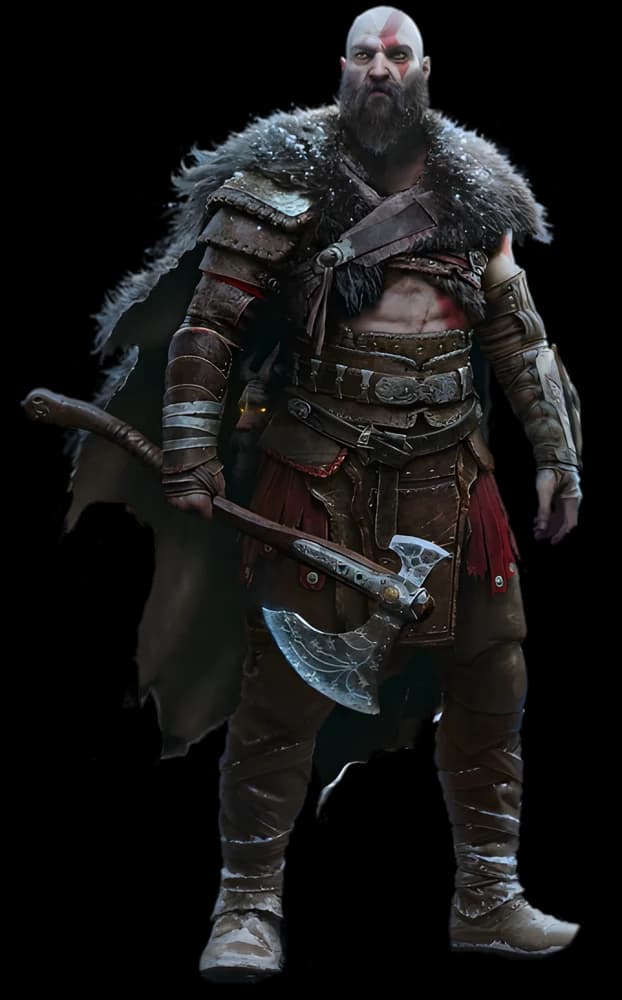
Kratos
Kratos was the demigod son of Zeus who rose from a Spartan general to the Greek God of War, destroyed the pantheon of Olympus in a quest for vengeance, and then began again in the Norse realms as a father seeking to leave his bloody past behind.
Mimir
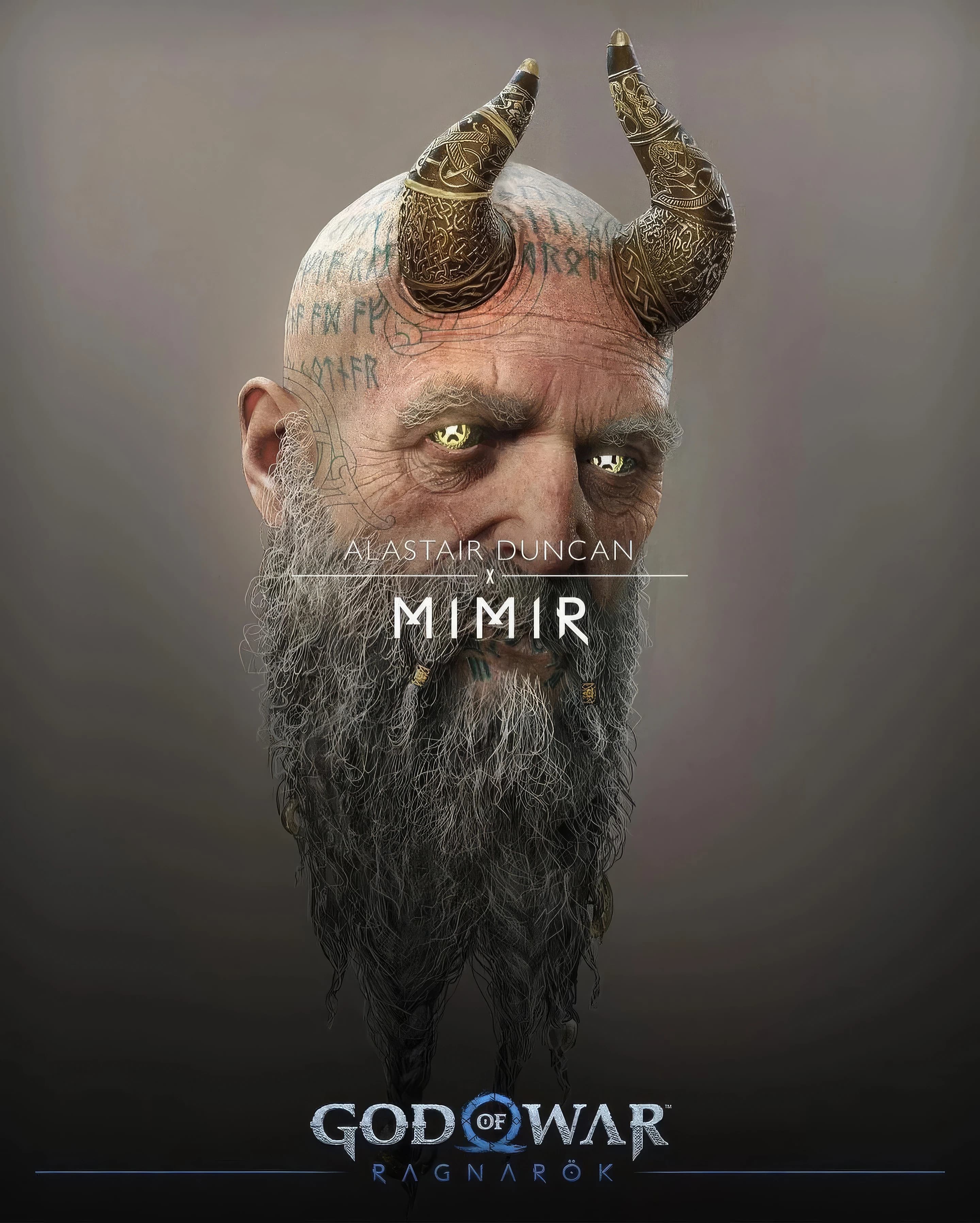
Mimir was a Celtic fae who rose to become Odin's advisor and the ambassador of the Aesir before the All-Father imprisoned him for over a century. Freed and reanimated as a disembodied head by Kratos and Atreus, he became their guide, conscience, and friend across the Nine Realms.
Mentioned in3 entries
Foothills: The Wooded Approach to the Mountain of Midgard
The Foothills was a region of hilly, forested wilderness in Midgard that climbed from the Lake of Nine to the base of the Mountain, the highest peak in the land. Its slopes held Sindri's shop and Sky Mover, a Hidden Chamber of Odin where the Valkyrie Geirdriful lay sealed, and old treasures locked behind runes, Scorn Poles, and the Winds of Hel.
God of War Ragnarök Ending Explained: the Full Story and What It Means
The whole plot of God of War Ragnarök in order, then the ending explained. Odin is destroyed, Thor and Freyr die, Asgard falls, Kratos survives the prophecy, and Atreus leaves to find the last of the giants.
Norse Gods: the pantheon of the Nine Realms
The Norse Gods were the pantheon that ruled over Scandinavia, the lands known in their own cosmos as the Nine Realms of Yggdrasil. Divided into the warlike Aesir of Asgard and the nature-bound Vanir of Vanaheim, they counted among the most powerful races of the realms and were held to be the protectors of Midgard and humanity.
Get new articles in your inbox
No spam. New lore drops, canon conflicts, and deep dives only when they’re worth reading.
Some links on Lore Fortress are affiliate links. If you buy through them we earn a small commission at no extra cost to you.