The Sisters of Fate
the weavers of all destiny
The Sisters of Fate were three Primordial sisters who held absolute power over time and the destiny of every mortal, god, and Titan. Loyal to Zeus, they stood between Kratos and the Loom of Fate, until he slew them and seized the power to change his own past.
The Sisters of Fate, also called the Moirai, were three Primordial sisters, in the old myths daughters of Nyx, the Night, who held power over time itself and the destiny of every mortal, god, and Titan. They were Clotho, who wove the threads of fate and began all life, Lahkesis, who measured the threads to set the span of a life, and Atropos, who cut the threads to end it. Fiercely loyal to Zeus, they were slain by Kratos during his quest for revenge. (Theogony; God of War II)
The weavers of destiny#
The three Sisters of Fate determined the destiny of every mortal, god, and Titan. Clotho wove the Threads of Fate to begin all life, Lahkesis measured each thread to set the length and course of a life, and Atropos cut the threads to bring life to its end. The Sisters' designs reflected their duties: Clotho, the largest yet youngest, resembled a bloated silkworm; Lahkesis bore the form of a winged priestess and was the most involved in speaking with the outside world; and Atropos, the cutter, had massive talons upon her fingers. (God of War II)
Their power was said to surpass that of the gods, the Titans, and anyone in the mythological world. As Primordials they were immortal, possessing superhuman strength, durability, and agility, and they could fly, save for the immobile Clotho. Above all they held omniscience over past, present, and future, omnipresence across the ages, and the ability to shape fate, manipulate birth and lifespan, and travel through time using the Loom of the Fates. By Lahkesis's account, it was she who decided the Olympians would win the First Titanomachy and who allowed Kratos to kill Ares. (God of War II)
Foreshadowed across the ages#
The Sisters were spoken of long before Kratos sought them. After the death of Persephone, the Titan Atlas told the Spartan that they would meet again, for the Fates had deemed it. Before another battle, the death god Thanatos told Kratos and his brother Deimos that none of the choices they made were their own, that the gods made the choices and the Sisters of Fate made them so. (God of War: Chains of Olympus; God of War: Ghost of Sparta)
The Loom of Fate#
After Zeus betrayed and killed Kratos, the Spartan fought his way out of the Underworld with the aid of the Titan Gaia, yet returned mortal and unable to reach Olympus to take his revenge. His only path was to change the way events had played out, and so he traveled to the Island of Creation to find the Loom of Fate, which held power over time and could let him alter his past. To reach it he had to defeat the three Sisters, who were utterly loyal to Zeus and bent on denying him, fearing the doom the Ghost of Sparta would bring upon Greece. That climb to the Loom is the spine of the God of War II plot. (God of War II)
The fall of the Sisters#
Lahkesis confronted Kratos first, and when bested she summoned Atropos from within a mirror. Atropos carried Kratos back in time to his final battle with Ares and threatened to destroy the Blade of the Gods, which would erase him from existence, but he protected the sword and defeated her. Desperate, Lahkesis and Atropos fought him together until he hurled them into one of their dimensional mirrors and shattered it, trapping them for good. Believing them dead, he pressed on to the Loom Chamber, where the deformed and immobile Clotho awaited. Kratos disabled her many arms, climbed to her head, and impaled her through the skull with a great swinging blade, killing her. With all three vanquished, he claimed the power to control time and change the past. (God of War II)
Echoes in the Norse age#
The Sisters were not forgotten in the years after their defeat. When Kratos's son Atreus explained that the runes of a Nornir chest symbolized the three Norse fates, Kratos, recalling his history with their Grecian counterparts, remarked that no good came from them. Later, when the head Mimir asked about the fates of his homeland, Kratos recounted how the Sisters had abused their power, including his journey back in time to undo his death at the hands of Zeus. Freya judged such power the most irresponsible thing she had heard, and Mimir observed that had Odin held it, their plight would have been far worse. (God of War (2018); God of War Ragnarök)
Frequently asked questions
- Who were the Sisters of Fate?
- The Sisters of Fate, also called the Moirai, were three Primordial sisters, daughters of Nyx in the old myths, who held power over time and the destiny of every mortal, god, and Titan. They were Clotho, who wove the threads of fate, Lahkesis, who measured them, and Atropos, who cut them to end life.
- What powers did the Sisters of Fate hold?
- Their power was said to surpass that of the gods, the Titans, and anyone in the mythological world. As Primordials they were immortal, and they held omniscience over past, present, and future, the ability to shape fate and manipulate lifespan, and the power to travel through time using the Loom of the Fates.
- Why did Kratos seek out the Sisters of Fate?
- After Zeus betrayed and killed Kratos, the Spartan returned mortal and unable to reach Olympus for his revenge. His only path was to change how events had played out, so he traveled to the Island of Creation to find the Loom of Fate, which could let him alter his past, and to reach it he had to defeat the three Sisters.
- How did Kratos defeat the Sisters of Fate?
- Lahkesis confronted Kratos first and summoned Atropos when bested. After the two fought him together, Kratos hurled them into one of their dimensional mirrors and shattered it, then pressed on to the Loom Chamber, where he climbed the immobile Clotho and impaled her through the skull, killing her and claiming the power to change the past.
- How were the Sisters of Fate remembered in the Norse age?
- When Atreus explained that a Nornir chest symbolized the three Norse fates, Kratos remarked that no good came from them. He later recounted how the Sisters had abused their power, and Freya judged such power the most irresponsible thing she had heard.
Sources
- GameGod of War II, Santa Monica Studio, 2007
- GameGod of War: Chains of Olympus, Ready at Dawn, 2008
- GameGod of War: Ghost of Sparta, Ready at Dawn, 2010
- GameGod of War (2018), Santa Monica Studio, 2018
- GameGod of War Ragnarök, Santa Monica Studio, 2022
- BookTheogony, Hesiod, c. 700 BC
Spotted a factual error or a primary source we missed? Email a correction. Every flagged claim gets reviewed.
Followed from this entry
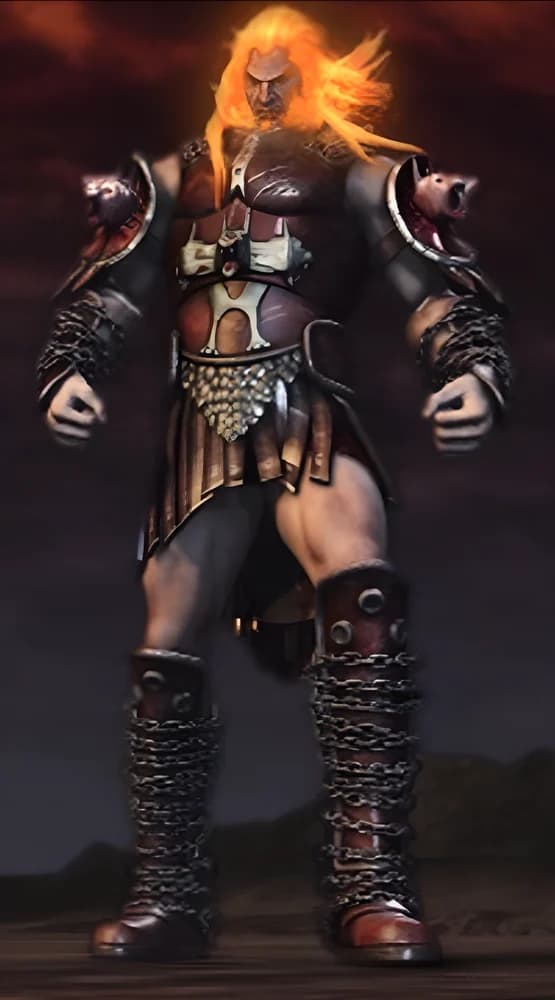
Ares: the god who made Kratos a killer
Ares tricked Kratos into slaughtering his own wife and daughter to bind him as a weapon. Kratos killed him at Athens and took his place as God of War.
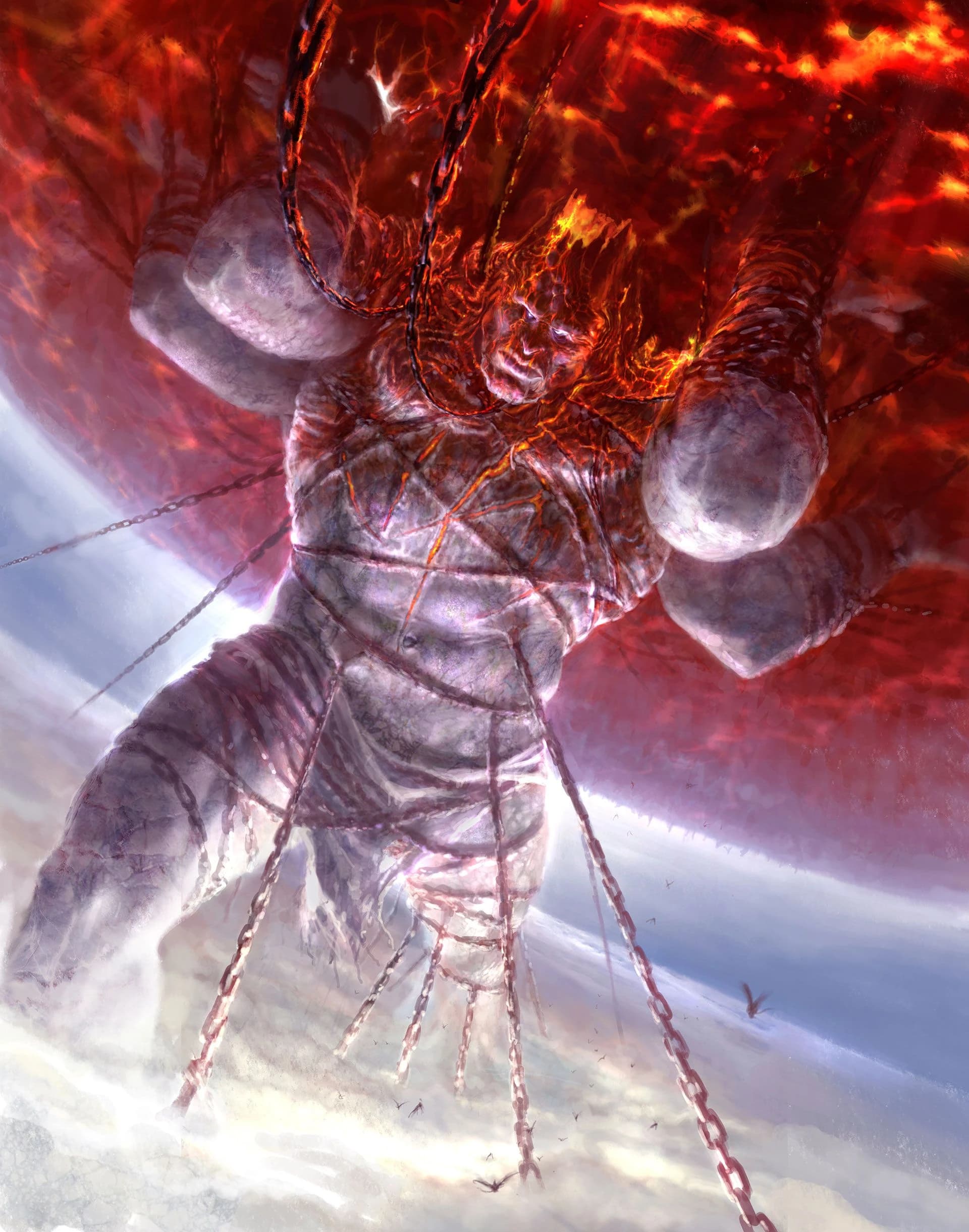
Atlas: the Titan who holds up the world
Four-armed general of the Titans and the strongest of them. Kratos condemned him to carry the world on the Pillar of the World, then took his help.
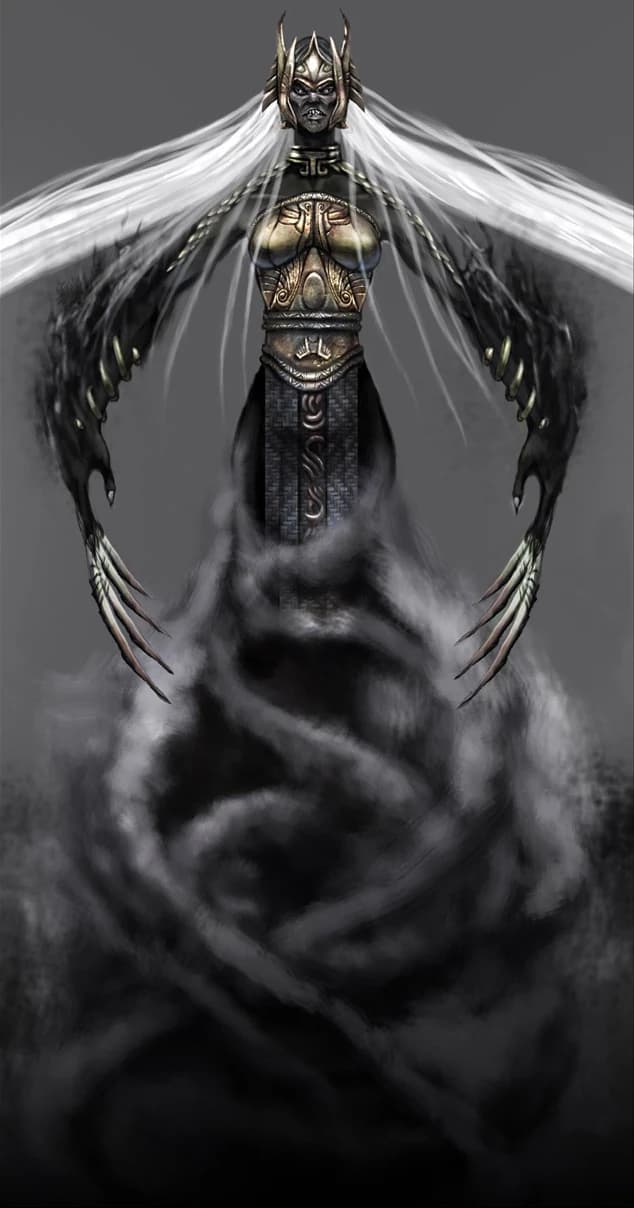
Atropos
Atropos was the eldest and cruelest Sister of Fate, the cutter who ended every life with her razor claws. She dragged Kratos into his own past to undo him, but the Spartan turned her sisters against one another and sealed her within a shattered mirror.
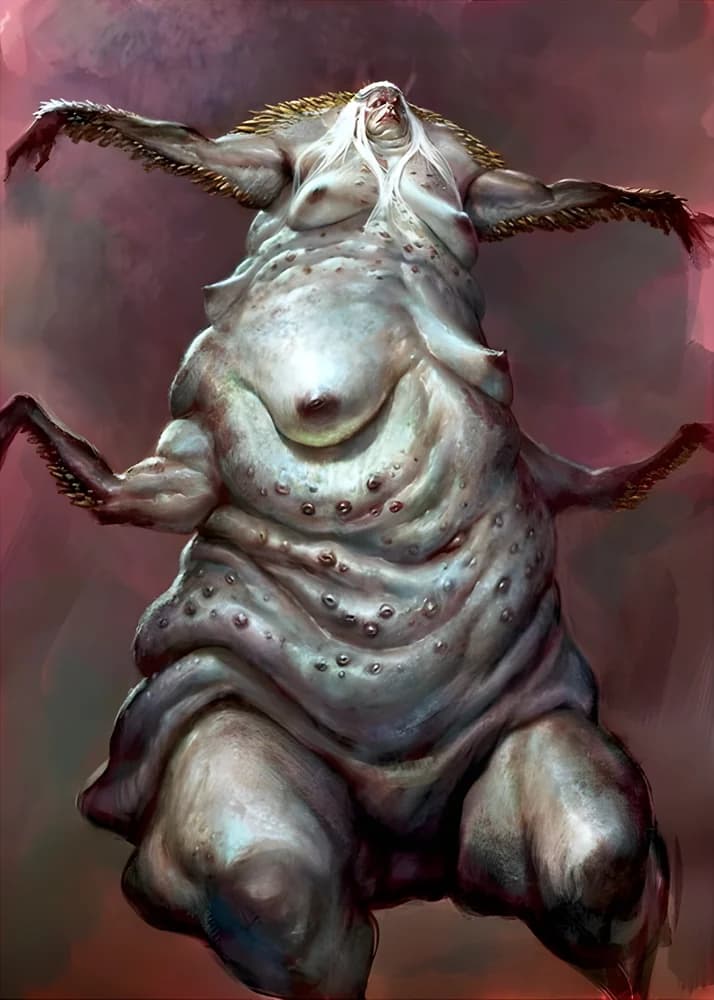
Clotho
Clotho was the youngest of the three Sisters of Fate, the spinner who began each life and decided who would be born. Dwelling in the Loom Chamber of the Palace of the Fates, she warned Kratos against tampering with destiny, and when he defied her she became the only sister he killed in the flesh.
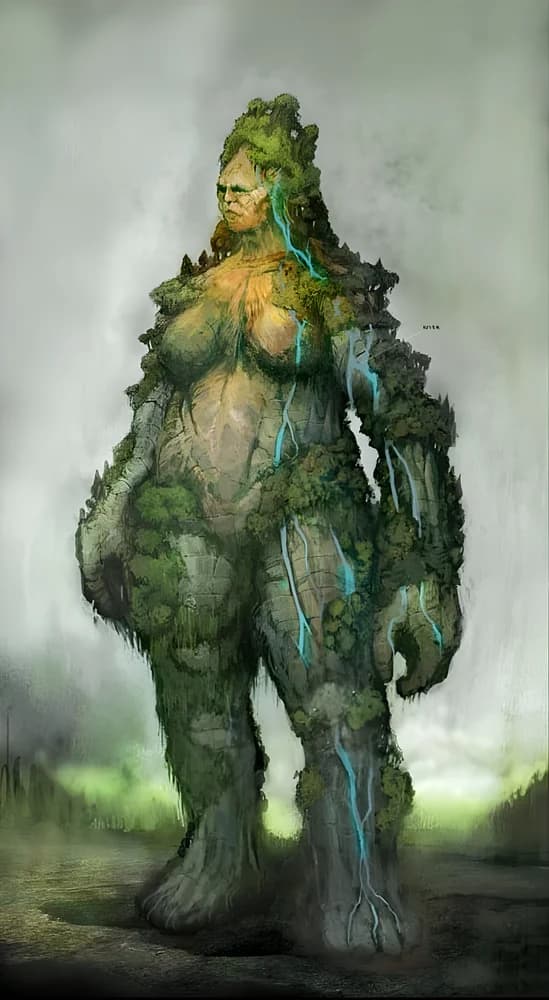
Gaia: Mother Earth, betrayed by Kratos
Gaia bore the Titans, hid the infant Zeus from Cronos, and allied with Kratos against Olympus. He ran the Blade of Olympus through her heart.
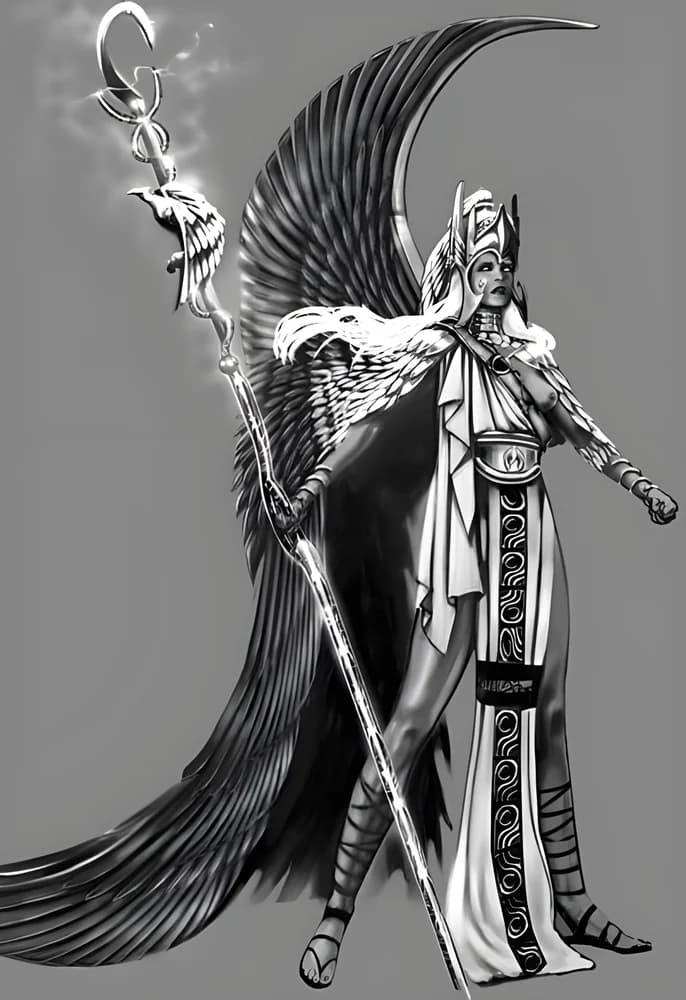
Lahkesis
Lahkesis was the middle Sister of Fate, the measurer who determined the length and course of every life. Loyal to Zeus, she barred Kratos from the Loom of Fate and fought him alongside her sister Atropos before being trapped within a shattered mirror.
Mentioned in29 entries
Alrik
Alrik, the Barbarian King, was the leader of the Barbarian horde from the east and one of Kratos' oldest enemies. His assault drove Kratos to pledge his soul to Ares, beginning the Spartan's tragedy, and his hatred outlasted even death.
Ariadne: the Cretan princess who became a goddess
Ariadne was a princess of Crete, daughter of King Minos, who gave Theseus the thread that carried him out of the Cretan maze. Taken from the hero by Dionysus, she was raised to godhood as his wife, while the man she once saved gave the rest of his life to the hope of winning her back.
Atropos
Atropos was the eldest and cruelest Sister of Fate, the cutter who ended every life with her razor claws. She dragged Kratos into his own past to undo him, but the Spartan turned her sisters against one another and sealed her within a shattered mirror.
Blade of the Gods
The Blade of the Gods was a colossal sword forged by the gods, set into the ground outside Athens as a footbridge to a great statue of Athena. Grown to the size of a god, Kratos wrenched it free and used it to kill Ares, claiming the mantle of God of War for himself.
Clotho
Clotho was the youngest of the three Sisters of Fate, the spinner who began each life and decided who would be born. Dwelling in the Loom Chamber of the Palace of the Fates, she warned Kratos against tampering with destiny, and when he defied her she became the only sister he killed in the flesh.
Dark Rider: the Warrior of Destiny
The Dark Rider, called the Warrior of Destiny in the novelization, was the leader of the Griffin Riders who guarded the skies around the Island of Creation. Armed by the Sisters of Fate with the Spear of Destiny, he intercepted Kratos on his flight to the island and died in a duel fought on the back of his own Griffin.
Dionysus: the Olympian god of wine
Dionysus was the Olympian god of wine, fertility, festivity, and revelry. Known for his lack of fidelity, he stole the love of Ariadne from the hero Theseus and set in motion the chain of grief that bound Theseus to the service of the Sisters of Fate.
Erebus: the Primordial of Darkness
Erebus was the Primordial entity of Darkness, one of the first deities born from Chaos in the Void and the brother and consort of Nyx, the Night. His dark mists filled the deep hollows of the earth, his name clung to the netherworld of the dead, and later writers counted the ferryman Charon and the Fates among his children. His own end was never recorded.
Euryale
Euryale was an immortal Gorgon and the sister of Medusa, who took the throne of the Gorgons after Kratos slew her kin. From her temple on the Island of Creation she sought to sacrifice the Ghost of Sparta to the Sisters of Fate, until he cut off her head and turned it against his enemies.
God of War II Story Explained: Plot Summary and Ending
The whole story of God of War II in order, from Zeus's betrayal at Rhodes to the Titans climbing Mount Olympus. Then the ending in plain terms: why Athena died, what she told Kratos about his father, and how it sets up God of War III.
God of War Story Explained: the Whole Saga from Sparta to Ragnarök
The full God of War story in order, one main game at a time. Kratos serves Ares, kills him, destroys Olympus, starts again in the Norse lands and finally ends Odin, with the Valhalla epilogue as the last word.
God of War Timeline: every major event from the Primordials to Valhalla
The full in-universe chronology of God of War, from the war of the Primordials and the fall of the Titans to Kratos's life in Sparta, his war on Olympus, and the end of the Aesir at Ragnarök. The games give almost no calendar years, so events are ordered by story sequence and grouped into eras, with notes wherever the games' own placement is vague.
+ 17 more
Get new articles in your inbox
No spam. New lore drops, canon conflicts, and deep dives only when they’re worth reading.
Some links on Lore Fortress are affiliate links. If you buy through them we earn a small commission at no extra cost to you.