Titans: the elder gods Zeus cast down
the elder race that ruled before Olympus
Born to Gaia and Ouranos, the Titans ruled the Golden Age under Cronos until Zeus buried them in Tartarus. Kratos later raised them one last time.
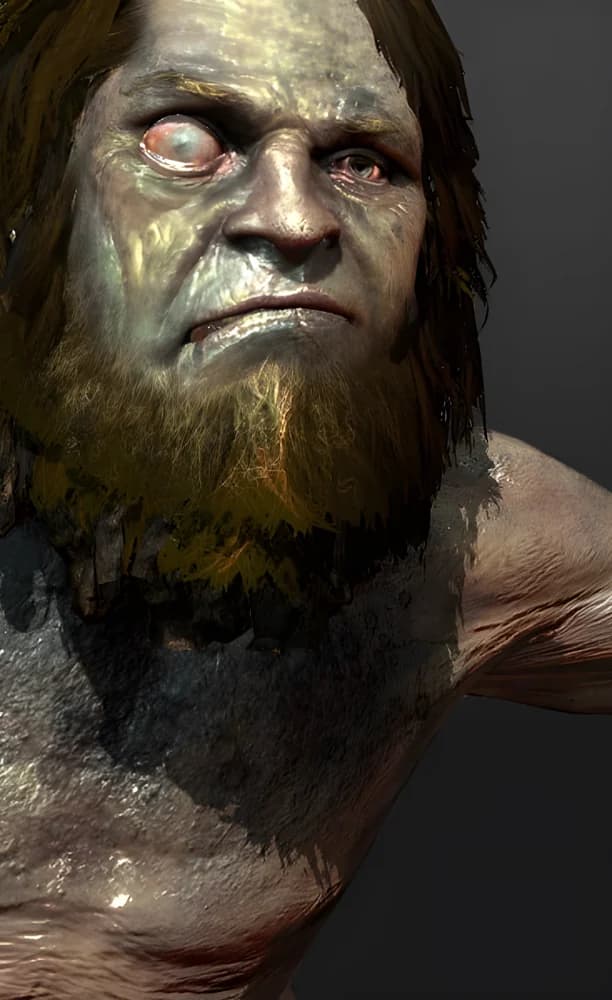
The Titans were the second generation of Greek deities, who ruled the cosmos before the Olympians and after the Primordials. Born on the Island of Creation to Gaia the Earth and Ouranos the Sky, they reigned through the Golden Age under their king Cronos until Zeus and his siblings overthrew them and banished them to Tartarus. Ages later, guided by Gaia, they answered the call of Kratos and marched against Olympus one final time. (God of War II; God of War III)
Birth on the Island of Creation#
Hesiod counts twelve elder Titans, the children of Gaia and Ouranos, and in God of War their roots lay on the Island of Creation, home to the Sisters of Fate. Their father ruled with growing tyranny, and the Titans came to stand for parts of the young cosmos: the Sun and Moon, divine law and order, and finally the youngest, Cronos, who would one day seize his father's throne. (Theogony; God of War II)
The Titans were tolerated by their father on the face of the Earth, unlike their elder brothers the Elder Cyclopes and the Hecatonchires, whom Ouranos banished into the primordial abyss for their hideousness. (Theogony)
The Golden Age#
Under the rule of the Titans came the Golden Age. Atlas remembered it as a time of peace and prosperity for mankind, and Hesiod tells of a golden race of mortals who lived at ease in the days of Cronos and became kindly spirits when they died rather than passing into the dark Underworld. The Titans ruled over the cosmos and its domains, the vast Oceanus reigning over the seas and the beaming Hyperion presiding over the Sun. Many younger Titans, among them Perses, Atlas, and Helios, were born and took their place in the divine order. (God of War II; Works and Days; Theogony)
But it was prophesied that Cronos, like his own father before him, would be overthrown by his children. He gifted the Sisters of Fate the Steeds of Time, yet they refused to alter his destiny, and so he devoured each child his wife Rhea bore him. Unable to bear a sixth loss, Rhea hid the infant Zeus away and gave Cronos a stone wrapped in cloth in his place. Raised in secret by Gaia, Zeus came of age, freed his swallowed siblings, and the Great War began. (God of War II; Theogony)
The Great War and the downfall#
The war for supremacy of the cosmos lasted for centuries of brutal combat that forged the mortal world itself. The Titans loyal to Cronos were led by the general Atlas, with the five elder brothers of Cronos and many of their children standing beside their king. Several Titans, however, betrayed their kin and joined the Olympians, among them Prometheus and Helios. The Olympians grew stronger as they fought, and Zeus freed the Elder Cyclopes and Hecatonchires from Tartarus to aid him. (God of War II; God of War II (novel); Theogony)
In the final battle the Titans made a last desperate assault but could not break the Olympian lines. As Hades moved to consume the soul of Cronos, Atlas saved his king by hurling rocks and was captured in his place. Zeus then channeled the Heavens, the Earth, the Seas, and the Afterlife with his own blood and lightning to forge the Blade of Olympus, and with its power he cast the Titans into the foulest pit of the Underworld, Tartarus. The Golden Age had ended. (God of War II)
Imprisonment in Tartarus#
In Tartarus the Titans were stripped of their domains and divine power so that they could never escape, and Hephaestus forged the Gauntlet of Zeus to bind them to its walls. Cronos was condemned to wander the Desert of Lost Souls with Pandora's Temple chained to his back until the wind and sand tore at his flesh. The storm Titan Typhon was sealed within a mountain, and on that same mountain the defector Prometheus was bound to have his liver devoured each day by an eagle for the crime of giving fire to mankind. Atlas was later chained by Kratos beneath the world, made to bear it upon his shoulders. Those who had sided with Zeus, such as Helios, were instead accepted into the new Olympian pantheon. (God of War: Chains of Olympus; God of War (2005); God of War II)
Alliance with Kratos#
Long after, when Kratos was being dragged to the Underworld, Gaia saved him and set him on the path to destroy Zeus. The Spartan gathered power from the imprisoned Titans: he blinded Typhon and took his bow, burned Prometheus into the Fires of Olympus to claim the Rage of the Titans, received Cronos' Rage from the wandering king, and gained the Atlas Quake and knowledge of the Great War from Atlas. Within the volcano outside Atlantis he also freed the Titaness Thera. After defeating the Sisters of Fate, Kratos severed the threads of the Titans with the Spear of Destiny and traveled back to the final minutes of the Great War. He saved the Titans from banishment and carried them into his own time, where together they climbed Mount Olympus to bring down the Olympians. (God of War II; God of War: Ghost of Sparta)
The end of the Titans#
The assault on Olympus turned to ruin for both sides. The Olympians met the Titans on the mountain: Hades dislodged Oceanus, and Poseidon leapt down to blast through Epimetheus and pull other Titans into the sea before Kratos and Gaia slew him. When Zeus blasted Kratos and Gaia from the mountain, Gaia abandoned the Spartan, revealing that he had only ever been her pawn, and the Titans became his enemies as much as the Gods. In the war that followed, Helios was crushed by Perses, Perses himself was hurled from the mountain by Kratos, and the wandering Cronos was slain in Tartarus when Kratos cut his way out of the Titan's belly. At the last, Gaia returned to interrupt the final duel between father and son, and Kratos killed her by driving the Blade of Olympus through Zeus and into her heart. With Gaia's destruction the Titans were all but ended, only Atlas certainly left alive, still holding the world upon his shoulders. (God of War III)
Nature and powers#
The Titans were as large as mountains and mostly elemental in form, ancient and primal where the Olympians appeared more human, though a few such as Rhea, Prometheus, Eos, and Helios looked more godlike in stature. All of them possessed superhuman strength, stamina, durability, immortality, and the power to heal. Many embodied and manipulated the element of their domain, Oceanus wreathed in water and Perses covered in lava, and they held awareness over the events occurring within their element, as Gaia watched over the deeds of Kratos from afar. After their defeat in the Great War they were dispossessed of these divine powers and domains so that they could never break free of their prisons. (God of War III; God of War II (novel))
Frequently asked questions
- Who were the Titans in God of War?
- The Titans were the second generation of Greek deities, born to Gaia and Ouranos on the Island of Creation. They ruled the cosmos before the Olympians and after the Primordials, reigning through the Golden Age under their king Cronos.
- How were the Titans defeated by Zeus?
- In the final battle of the Great War the Titans made a last desperate assault but could not break the Olympian lines. Zeus forged the Blade of Olympus by channeling the Heavens, Earth, Seas, and Afterlife with his own blood and lightning, and used its power to cast the Titans into Tartarus.
- What happened to the Titans after they were cast into Tartarus?
- In Tartarus the Titans were stripped of their domains and divine power so they could never escape. Cronos was condemned to wander the Desert of Lost Souls with Pandora's Temple chained to his back, Typhon was sealed within a mountain, and Atlas was made to hold the sky upon his shoulders.
- How did the Titans ally with Kratos?
- After defeating the Sisters of Fate, Kratos severed the threads of the Titans with the Spear of Destiny and traveled back to the final minutes of the Great War. He saved the Titans from banishment and carried them into his own time, where together they climbed Mount Olympus to bring down the Olympians.
- What ended the Titans for good?
- The assault on Olympus turned to ruin for both sides, and Gaia abandoned Kratos, revealing he had only been her pawn, which made the Titans his enemies as well. Helios, Perses, and Cronos were killed in the war that followed, and Kratos killed Gaia by driving the Blade of Olympus through Zeus and into her heart, leaving only Atlas certainly alive.
Sources
- GameGod of War: Chains of Olympus, Ready at Dawn, 2008
- GameGod of War (2005), Santa Monica Studio, 2005
- GameGod of War: Ghost of Sparta, Ready at Dawn, 2010
- GameGod of War II, Santa Monica Studio, 2007
- GameGod of War III, Santa Monica Studio, 2010
- BookGod of War II (novel), Robert E. Vardeman, Del Rey, 2013
- BookTheogony, Hesiod, around 700 BC
- BookWorks and Days, Hesiod, around 700 BC
Spotted a factual error or a primary source we missed? Email a correction. Every flagged claim gets reviewed.
Followed from this entry
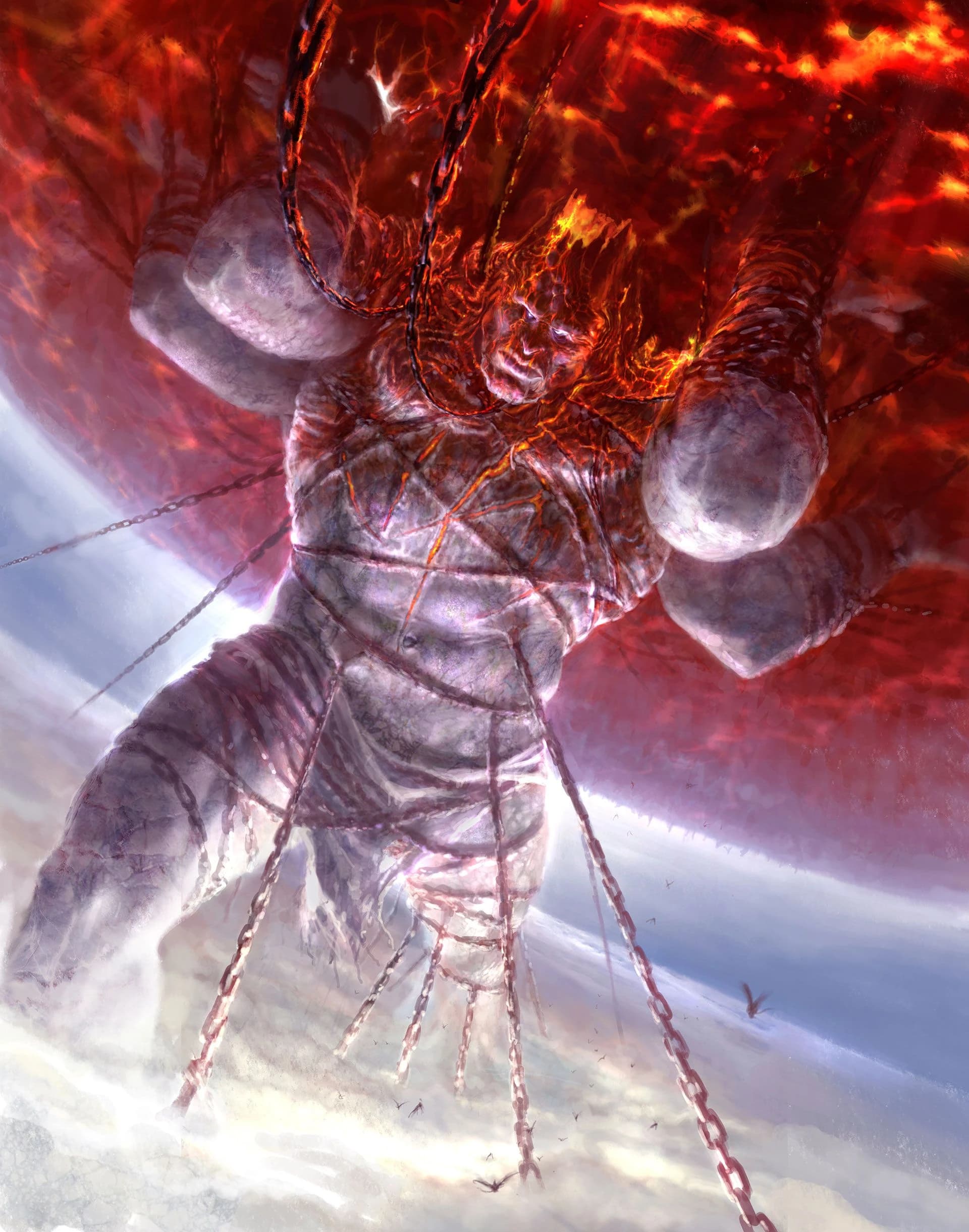
Atlas: the Titan who holds up the world
Four-armed general of the Titans and the strongest of them. Kratos condemned him to carry the world on the Pillar of the World, then took his help.
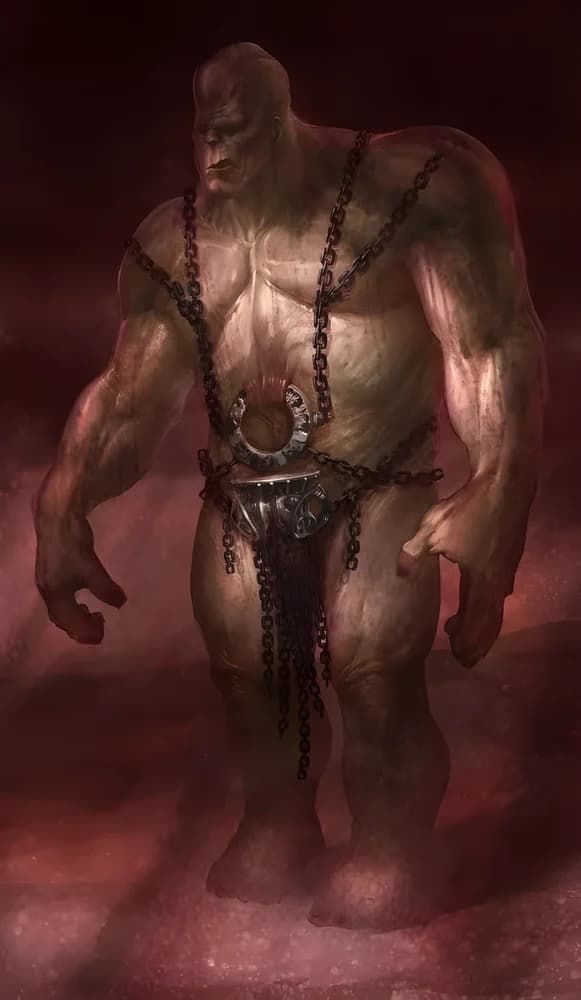
Cronos: the Titan who ate his children
Warned that his own children would depose him, Cronos swallowed each at birth. Rhea hid Zeus, Zeus deposed him anyway, and Kratos finished him.
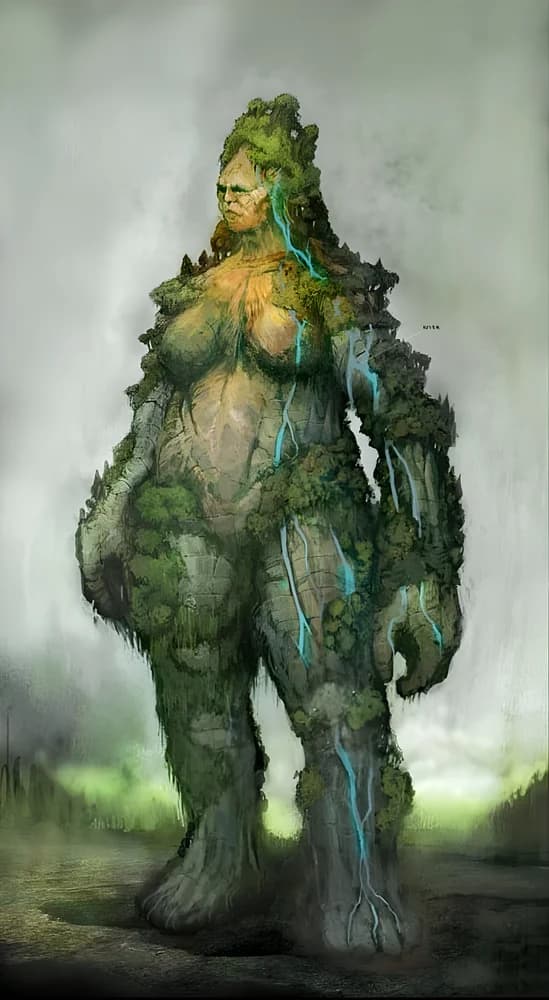
Gaia: Mother Earth, betrayed by Kratos
Gaia bore the Titans, hid the infant Zeus from Cronos, and allied with Kratos against Olympus. He ran the Blade of Olympus through her heart.
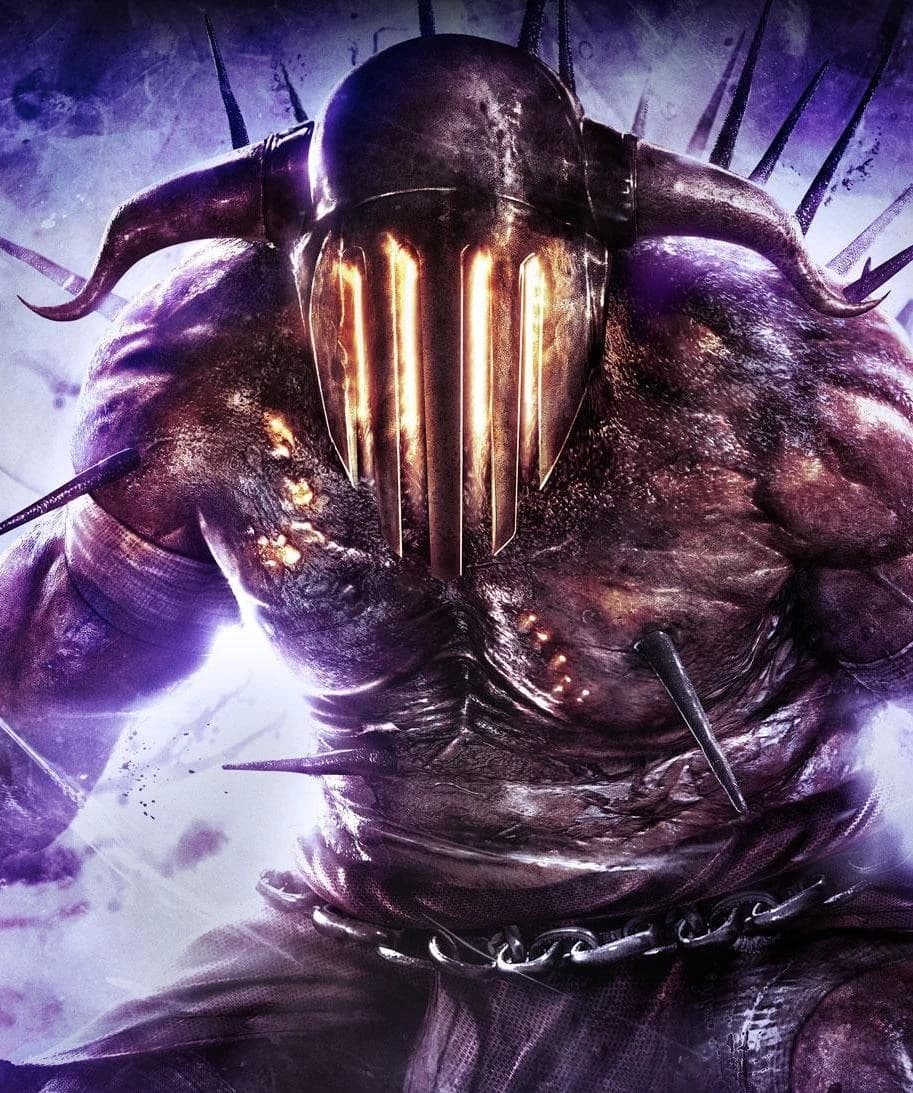
Hades: the god whose soul Kratos tore out
Eldest son of Cronos, Hades ruled the Underworld and held life and death in balance. Kratos turned the Claws of Hades on him and ripped his soul out.

Helios: the sun god Kratos beheaded
Kratos once saved Helios from the Titan Atlas. Years later he tore the sun god's head from his body and carried it through Olympus as a lantern.
Hephaestus: the smith who made the Blades
He forged Pandora's Box for Zeus and the Blades of Chaos for Ares, and lost everything for it. Kratos killed him in the Underworld, defending his daughter.
Mentioned in68 entries
Adrasteia: the griffin who raised Zeus
Adrasteia was a nymph in the service of Gaia who, with her sisters, hid and raised the infant Zeus beyond the reach of Cronos. For shielding the child she was cursed into the shape of a griffin and imprisoned within Mount Taygetos, until Kratos and Deimos set her free.
Aegaeon: the Hecatonchires made a prison
Aegaeon was one of the three Hecatonchires, a giant of many hands who broke a blood oath with Zeus and was punished by the Furies. His vast body was transformed into the living dungeon called the Prison of the Damned, in which Kratos was once chained.
Ares: the god who made Kratos a killer
Ares tricked Kratos into slaughtering his own wife and daughter to bind him as a weapon. Kratos killed him at Athens and took his place as God of War.
Artemis
Artemis was the Olympian Goddess of the Hunt, daughter of Zeus and twin sister of Apollo. When Ares besieged Athens, she turned the beasts of the wild against his armies, and later gave Kratos the Blade of Artemis, a weapon she had wielded against the Titans, to aid him in the conquest of Pandora's Temple.
Athena: from Kratos' guide to his enemy
Athena set Kratos against Ares to save Athens, then turned on him when his reign grew worse. She died taking a blow meant for Zeus, and named Kratos his son.
Athens: Athena's city, besieged by Ares
Ares laid siege to Athens out of hatred for his sister Athena. Kratos was sent to save it, and killed Ares there to become the new God of War.
Atlas: the Titan who holds up the world
Four-armed general of the Titans and the strongest of them. Kratos condemned him to carry the world on the Pillar of the World, then took his help.
Atropos
Atropos was the eldest and cruelest Sister of Fate, the cutter who ended every life with her razor claws. She dragged Kratos into his own past to undo him, but the Spartan turned her sisters against one another and sealed her within a shattered mirror.
Blade of Olympus: Zeus' god-killing sword
Zeus forged the Blade of Olympus from the heavens and the earth to banish the Titans to Tartarus. It could kill gods and Titans, and it killed Zeus himself.
Boots of Hermes: the Winged Boots Kratos Cut from Hermes in God of War III
The Boots of Hermes are the messenger god's winged greaves, which Kratos takes by cutting off Hermes's legs in God of War III. They let him sprint, dash and run on certain walls, and they are one of the few things Zeus fails to take from him.
Claws of Hades
The Claws of Hades were chained weapons wielded by Hades, god of the Underworld, who used their magic to tear the souls from his enemies. Kratos stole them in battle, claimed the god's own soul with them, and carried them as a means of ripping and summoning the souls of the dead.
Clotho
Clotho was the youngest of the three Sisters of Fate, the spinner who began each life and decided who would be born. Dwelling in the Loom Chamber of the Palace of the Fates, she warned Kratos against tampering with destiny, and when he defied her she became the only sister he killed in the flesh.
+ 56 more
Get new articles in your inbox
No spam. New lore drops, canon conflicts, and deep dives only when they’re worth reading.
Some links on Lore Fortress are affiliate links. If you buy through them we earn a small commission at no extra cost to you.