Blade of Olympus: Zeus' god-killing sword
the sword that ended the Great War
Zeus forged the Blade of Olympus from the heavens and the earth to banish the Titans to Tartarus. It could kill gods and Titans, and it killed Zeus himself.
The Blade of Olympus was a sword of immense power, forged by Zeus during the Great War to banish the Titans to Tartarus. Created from the heavens and the earth, it was likely the most powerful weapon of the Greek age, able to slay both gods and Titans. For a time it held the entire godly power that Kratos had carried as the God of War, and it would be used to kill some of the mightiest beings in the world before passing out of his hands. (God of War II; God of War III)
Forging and the Great War#
The Blade of Olympus was created during the First Titanomachy by Zeus as the means to end the war against the Titans. After the defeat of Atlas, Zeus returned to the battlefield and wielded the new weapon, declaring that he banished the Titans to the depths of Tartarus before driving the blade deep into the earth. This opened an enormous vortex that engulfed the battlefield and carried the Titans down to Tartarus, where they remained chained. The blade was a large golden and white sword brimming with bluish energy, and according to the Titan Atlas it was made of the heavens and the earth. Though Hephaestus was the smith of Olympus, it was Zeus himself who made this weapon. (God of War II)
The draining of Kratos#
The blade was used again at Rhodes, when Zeus sent it down to help Kratos destroy the Colossus of Rhodes. Unknown to Kratos, Zeus had tricked him into draining all of his godly power into the blade, supposedly to grant him the strength to destroy all who defied the gods. Severely weakened by the loss of his power, Kratos was struck down by the falling hand of the Colossus, and when he reached for the blade Zeus arrived to retrieve it, denying him the chance to reclaim his strength. Zeus then drove the blade into the Spartan's abdomen and killed him. (God of War II)
Vengeance and the death of Athena#
Kratos escaped death and traveled back through time to confront Zeus once more, regaining the Blade of Olympus and nearly killing his father atop the Summit of Sacrifice. As he thrust the blade toward Zeus, Athena interposed herself, and Kratos killed the goddess instead. The blade would later serve a further role in his war: planted on the back of the Titan Gaia during the siege of Mount Olympus, then lost into the Underworld when both Kratos and Gaia fell. (God of War II; God of War III)
The fall of Olympus#
Reclaiming the blade from a statue of Pandora in the depths of Hades, Kratos wielded it as part of the Rage of Sparta, the only means by which he used it. With the blade he slew the Titans Cronos and Perses as he fought his way through the Underworld and Olympus, and in the final battle he used it to kill both Zeus and Gaia. At the end Kratos turned the blade on himself, stabbing his own body to release the power of Hope that dwelt within him, and with it the power within the blade itself. The spent weapon, no longer glowing, was last seen abandoned in the ground of the arena where he fought Zeus, following his disappearance from Olympus. (God of War III)
Powers and legacy#
The Blade of Olympus, forged from the heavens and the earth, was likely the most powerful weapon of the Greek age. It possessed godly power that allowed its wielder to kill deities and those infused with divine might, as Kratos used it to slay the Colossus of Rhodes, Athena, Perses, Cronos, Zeus, and Gaia. It could release blasts of energy strong enough to destroy armies in a single swing, and could serve as a conduit through which a god channeled their own power, as Zeus channeled his lightning through it. Long after the fall of Olympus, the blade reappeared in Valhalla, manifested from Kratos' own memories through the Spartan Rage ability called Legacy, the blade summoned forth to cut through ranks of undead legionnaires. (God of War II; God of War III; God of War Ragnarök: Valhalla)
Frequently asked questions
- What is the Blade of Olympus?
- The Blade of Olympus was a sword of immense power forged by Zeus during the Great War to banish the Titans to Tartarus. Created from the heavens and the earth, it was likely the most powerful weapon of the Greek age, able to slay both gods and Titans.
- How did Zeus use the Blade of Olympus to end the Great War?
- After the defeat of Atlas, Zeus wielded the new weapon and declared that he banished the Titans before driving the blade deep into the earth. This opened an enormous vortex that engulfed the battlefield and carried the Titans down to Tartarus, where they remained chained.
- How did Zeus trick Kratos with the Blade of Olympus?
- At Rhodes, Zeus tricked Kratos into draining all of his godly power into the blade, supposedly to grant him the strength to destroy all who defied the gods. Severely weakened, Kratos was struck down, and Zeus retrieved the blade and drove it into the Spartan's abdomen, killing him.
- Who did Kratos kill with the Blade of Olympus?
- Kratos used the blade to slay the Colossus of Rhodes, Athena, Perses, Cronos, Zeus, and Gaia. Athena was killed by mistake when she interposed herself as Kratos thrust the blade toward Zeus.
- What happened to the Blade of Olympus at the end?
- In the final battle Kratos used the blade to kill Zeus and Gaia, then turned it on himself, stabbing his own body to release the power of Hope. The spent weapon was last seen abandoned in the ground of the arena, though it later reappeared in Valhalla, manifested from Kratos' memories through the Spartan Rage ability Legacy.
Gallery
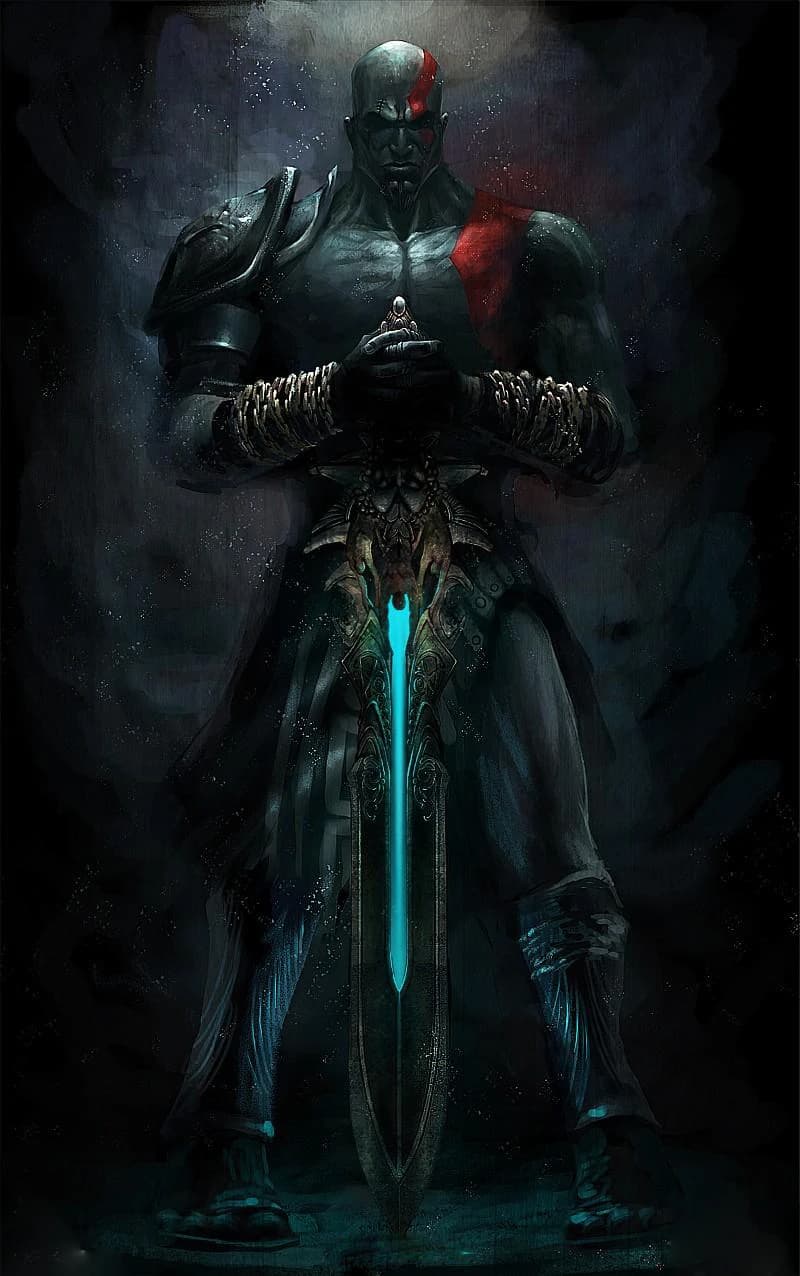
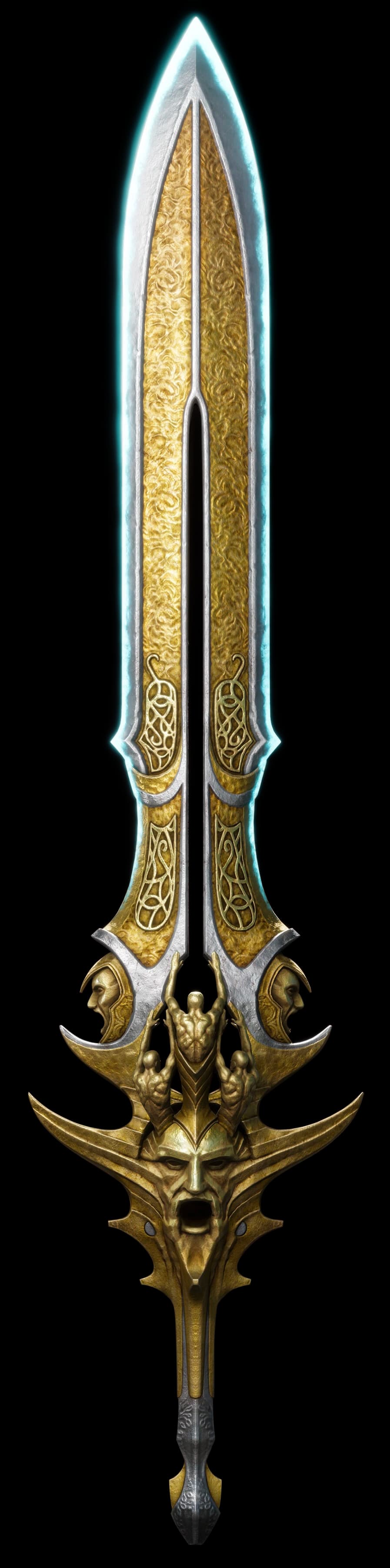
Images via God of War Wiki
Sources
- GameGod of War II, Santa Monica Studio, 2007
- GameGod of War III, Santa Monica Studio, 2010
- GameGod of War Ragnarök: Valhalla, Santa Monica Studio, 2023
Spotted a factual error or a primary source we missed? Email a correction. Every flagged claim gets reviewed.
Followed from this entry
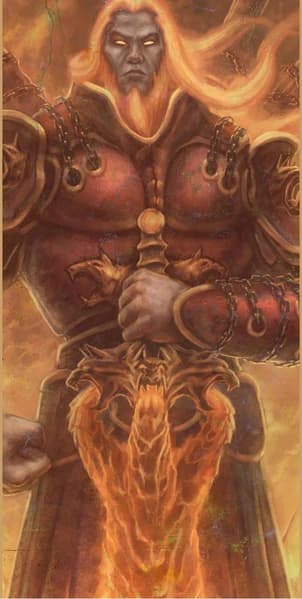
God of War: the divine title
The God of War was a title held by a deity unmatched in battle, wielding peerless combat skill and brutal godly power. It passed from Ares to Kratos in the Greek age, while the Norse realms knew their own God of War in Tyr.
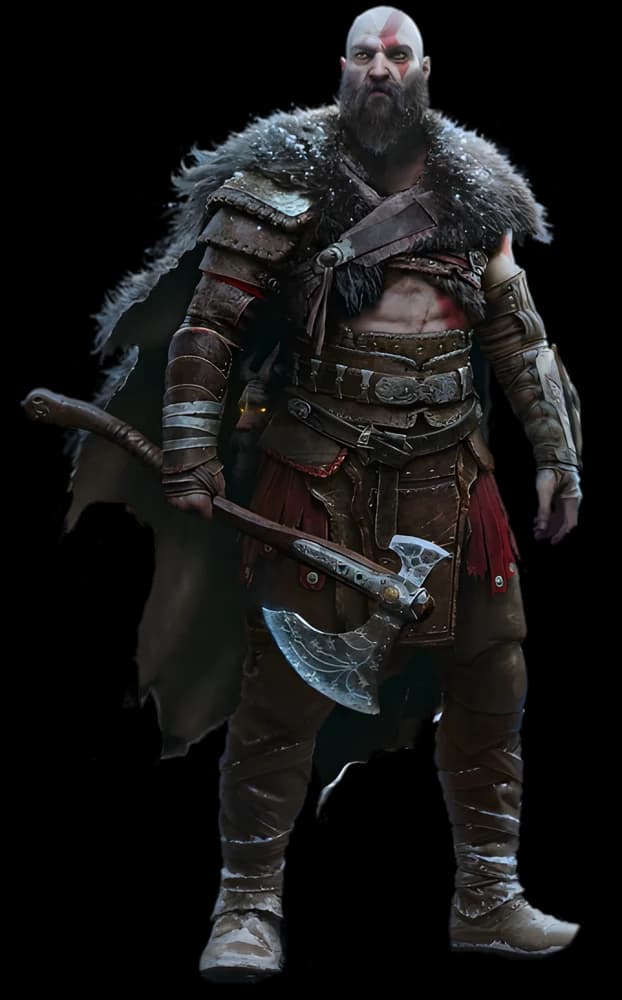
Kratos
Kratos was the demigod son of Zeus who rose from a Spartan general to the Greek God of War, destroyed the pantheon of Olympus in a quest for vengeance, and then began again in the Norse realms as a father seeking to leave his bloody past behind.
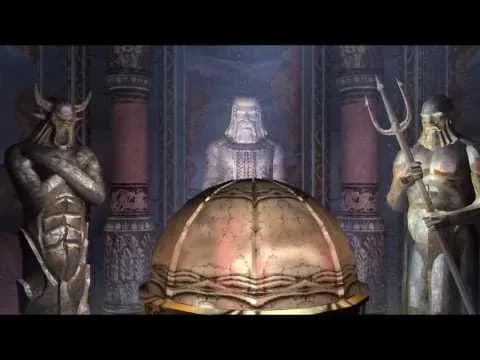
God of War III Story and Ending Explained: Plot Summary
The whole story of God of War III in order, from the Titans' climb up Mount Olympus to the death of Zeus. Then the ending in plain terms: why Kratos drove the Blade of Olympus into himself, what Athena wanted, and where that trail of blood leads.

God of War Weapons List: the Name of Every Weapon Kratos Has Used
Kratos has carried two dozen weapons across two lifetimes, from a Spartan spear to a spear built from a ring that copies itself. This list runs through them in the order he got them, Greek era first, then Norse.
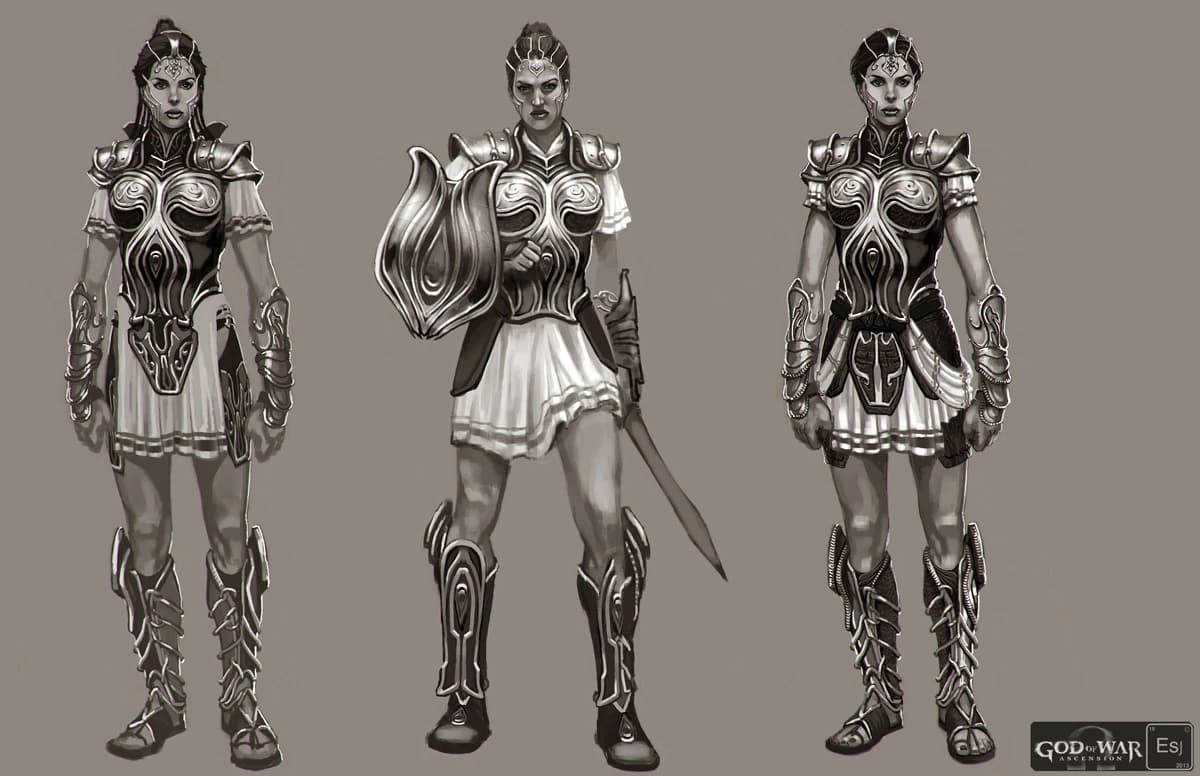
Athena: from Kratos' guide to his enemy
Athena set Kratos against Ares to save Athens, then turned on him when his reign grew worse. She died taking a blow meant for Zeus, and named Kratos his son.
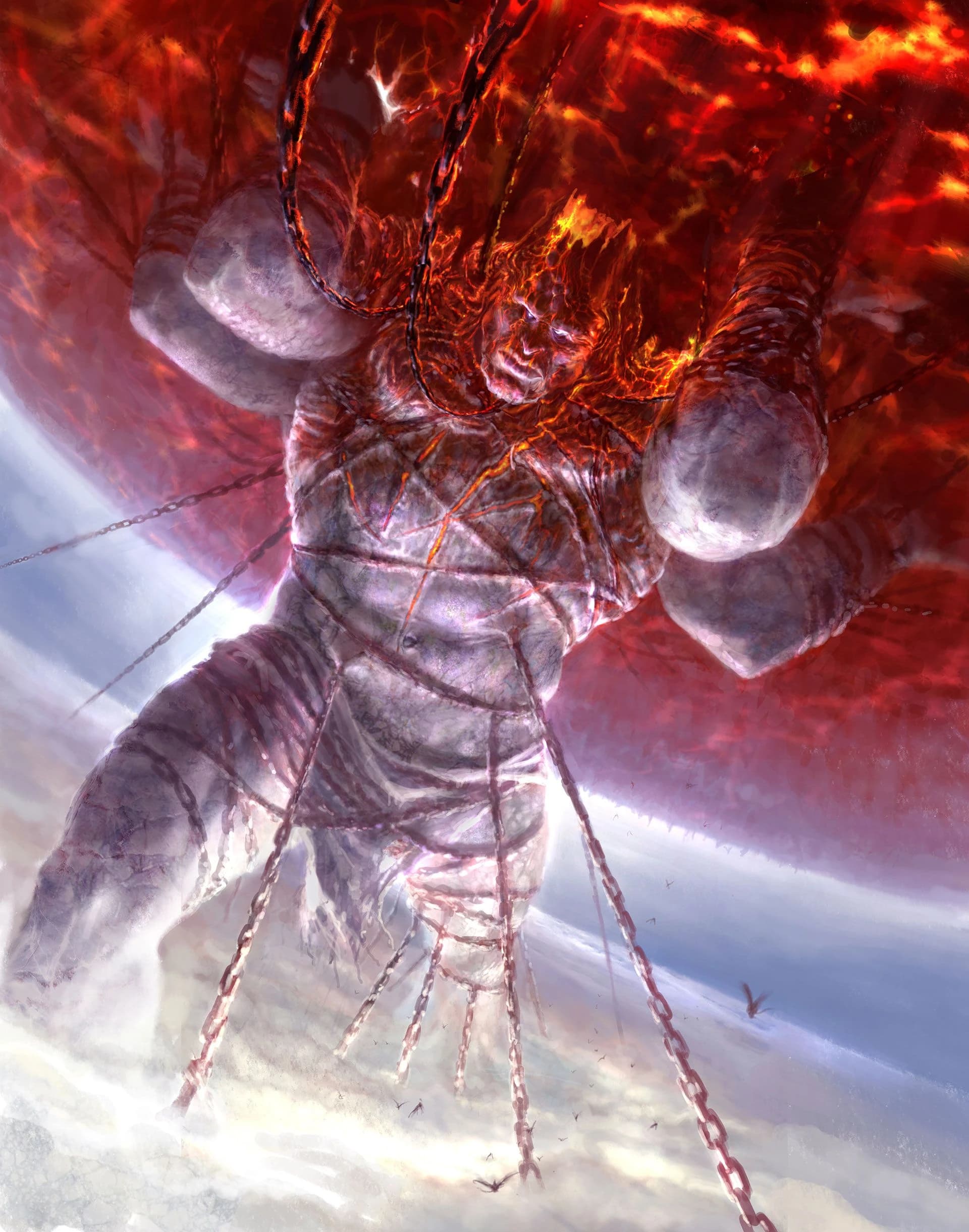
Atlas: the Titan who holds up the world
Four-armed general of the Titans and the strongest of them. Kratos condemned him to carry the world on the Pillar of the World, then took his help.
Mentioned in41 entries
Astral Form: the higher existence of the gods
The Astral Form was a rare state in which a god existed without a physical body, appearing as a higher, transcendent version of themselves. Only Athena and, briefly, Zeus ever achieved it, and each reached it by a different road, she through selfless sacrifice and he through the evil of Fear.
Athena: from Kratos' guide to his enemy
Athena set Kratos against Ares to save Athens, then turned on him when his reign grew worse. She died taking a blow meant for Zeus, and named Kratos his son.
Blades of Athena
The Blades of Athena were the chained blades the goddess Athena bestowed upon Kratos when he became the God of War. They served as his primary weapons during and after his reign on Olympus, until they were ruined in the River Styx and reforged into the Blades of Exile.
Bow of Apollo
The Bow of Apollo was a fire-imbued bow named for the sun god Apollo. Kratos took it from Peirithous, the doomed lover of Persephone, who was imprisoned in the Underworld within a cage of brambles.
Claws of Hades
The Claws of Hades were chained weapons wielded by Hades, god of the Underworld, who used their magic to tear the souls from his enemies. Kratos stole them in battle, claimed the god's own soul with them, and carried them as a means of ripping and summoning the souls of the dead.
Colossus of Rhodes
The Colossus of Rhodes was a towering bronze statue of the sun god Helios that stood over the port of Rhodes. Animated by Zeus to destroy Kratos, it tore through the city in pursuit of the Spartan, and its fall left him a mortal once more.
Cronos: the Titan who ate his children
Warned that his own children would depose him, Cronos swallowed each at birth. Rhea hid Zeus, Zeus deposed him anyway, and Kratos finished him.
Gaia: Mother Earth, betrayed by Kratos
Gaia bore the Titans, hid the infant Zeus from Cronos, and allied with Kratos against Olympus. He ran the Blade of Olympus through her heart.
God of War II Story Explained: Plot Summary and Ending
The whole story of God of War II in order, from Zeus's betrayal at Rhodes to the Titans climbing Mount Olympus. Then the ending in plain terms: why Athena died, what she told Kratos about his father, and how it sets up God of War III.
God of War III Story and Ending Explained: Plot Summary
The whole story of God of War III in order, from the Titans' climb up Mount Olympus to the death of Zeus. Then the ending in plain terms: why Kratos drove the Blade of Olympus into himself, what Athena wanted, and where that trail of blood leads.
God of War Story Explained: the Whole Saga from Sparta to Ragnarök
The full God of War story in order, one main game at a time. Kratos serves Ares, kills him, destroys Olympus, starts again in the Norse lands and finally ends Odin, with the Valhalla epilogue as the last word.
God of War Timeline: every major event from the Primordials to Valhalla
The full in-universe chronology of God of War, from the war of the Primordials and the fall of the Titans to Kratos's life in Sparta, his war on Olympus, and the end of the Aesir at Ragnarök. The games give almost no calendar years, so events are ordered by story sequence and grouped into eras, with notes wherever the games' own placement is vague.
+ 29 more
Get new articles in your inbox
No spam. New lore drops, canon conflicts, and deep dives only when they’re worth reading.
Some links on Lore Fortress are affiliate links. If you buy through them we earn a small commission at no extra cost to you.