Hermes: the swift god Kratos crippled
Messenger of the Gods
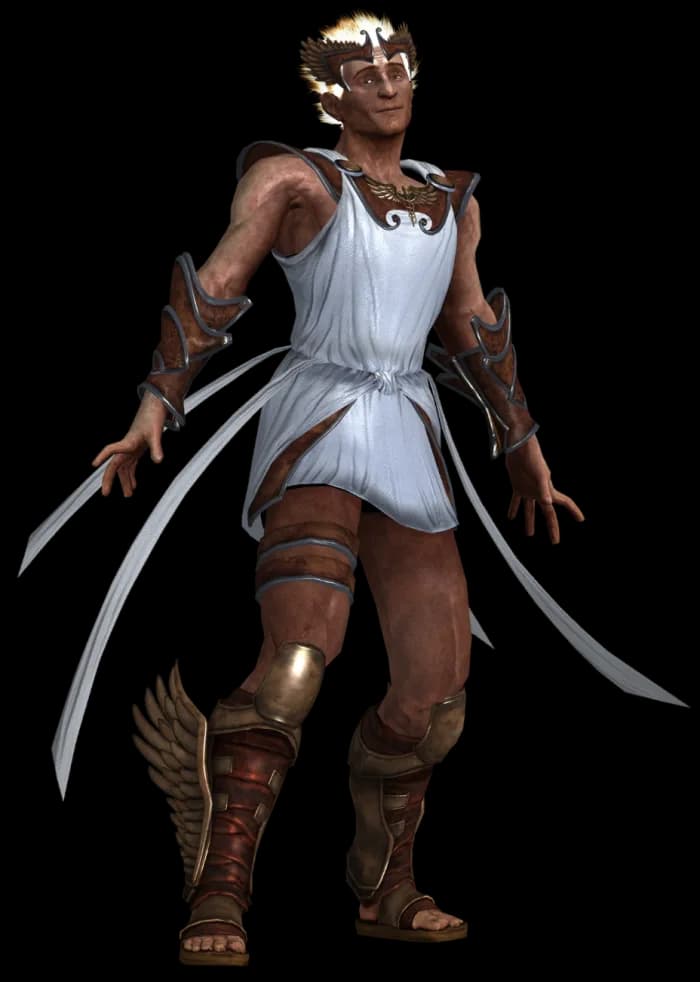
Hermes taunted Kratos through a long chase across Olympus. The Spartan cornered him, severed his legs at the knee and took the winged boots for himself.
Hermes was the Olympian God of Travelers, Messengers, Thieves, and Speed, a son of Zeus. Famed as the Messenger of Mount Olympus and the swiftest of the Gods, he served his father dutifully even as his arrogance and vanity set him apart from his more powerful half-siblings. He met his end during Kratos's assault on Olympus, cornered after a long chase and stripped of the winged boots that gave him his speed. (God of War III)
Messenger of Olympus#
In the Great War, Hermes fought as a soldier in his father's cause against the Titans, and he was among the gods who saw Zeus forge and wield the Blade of Olympus to banish them to Tartarus. After the victory of the Gods, Hermes served as the chief bearer of messages among the Olympians. (God of War II)
In the 2010 comic series he competed in the Wager of the Gods, the contest in which each god backed a mortal in the search for Ambrosia, putting up the warrior Danaus and boasting of victory, though Danaus ultimately fell to Alrik, the man Hades had chosen. (God of War (2010 comic))
The chase and death#
When Kratos and the Titans assaulted Mount Olympus, Hermes was among the Gods who fought them, leaping from a balcony and running straight down the mountain itself. He was not seen again until Kratos entered the Labyrinth, where Hermes confronted him directly, taunting him over his quest for vengeance and boasting of his own speed before racing up the Chain of Balance with Kratos in pursuit. (God of War III)
Reappearing in the Chamber of the Flame, Hermes again mocked Kratos's slowness and led him on a perilous chase around the outside of the Olympian Citadel. Kratos finally cornered him by launching a boulder from a catapult, chaining himself to it as it smashed into a statue of Athena on which Hermes had perched, bringing both crashing down. Injured and exhausted, unable to flee, Hermes chose to fight, relying on his speed and agility but forced to pause for breath. Upon his defeat he mocked Kratos a final time, declaring that the Spartan would in the end betray only himself. Kratos overpowered him and severed his legs to claim the winged Boots of Hermes. With his death, Hermes's corpse dissolved into a swarm of disease-carrying flies that spread across Olympus, sowing pestilence and killing many of its servants. Long after, in the Norse lands, Kratos told Atreus the tale of the tortoise and the hare, in which the proud, swift hare loses to the steady tortoise, a story that echoes his own race with Hermes. (God of War III; God of War (2018))
Frequently asked questions
- Who is Hermes in God of War?
- Hermes was the Olympian God of Travelers, Messengers, Thieves, and Speed, a son of Zeus. Famed as the Messenger of Mount Olympus and the swiftest of the Gods, he served his father even as his arrogance and vanity set him apart from his more powerful half-siblings.
- What did Hermes do in the Great War?
- Hermes fought the Titans in his father's cause and was there when Zeus forged the Blade of Olympus and used it to banish the Titans to Tartarus. After the Gods won, he served as their messenger.
- How did Kratos catch Hermes?
- After a long chase across Olympus, Kratos cornered Hermes by launching a boulder from a catapult and chaining himself to it. The boulder smashed into a statue of Athena on which Hermes had perched, bringing both crashing down and leaving the god injured and unable to flee.
- How did Hermes die in God of War?
- After cornering and overpowering him, Kratos severed Hermes's legs to claim the winged Boots of Hermes. With his death, Hermes's corpse dissolved into a swarm of disease-carrying flies that spread pestilence across Olympus and killed many of its servants.
- What was the Wager of the Gods that Hermes competed in?
- In the 2010 comic series, the Wager of the Gods was a contest in which each god backed a mortal champion in the search for Ambrosia. Hermes championed the warrior Danaus and boasted of victory, though Danaus ultimately fell to Hades's champion, Alrik.
Gallery
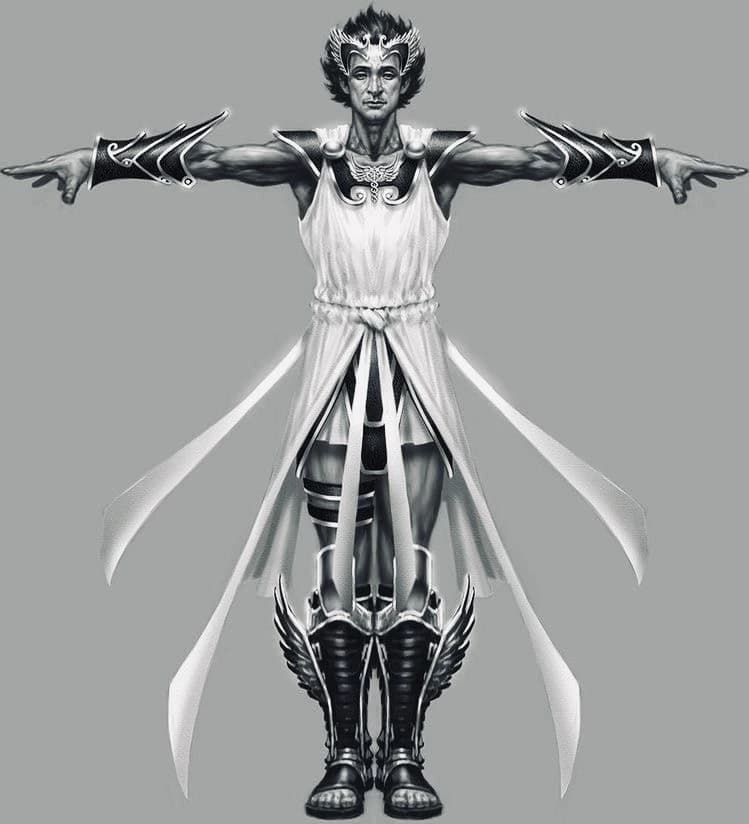
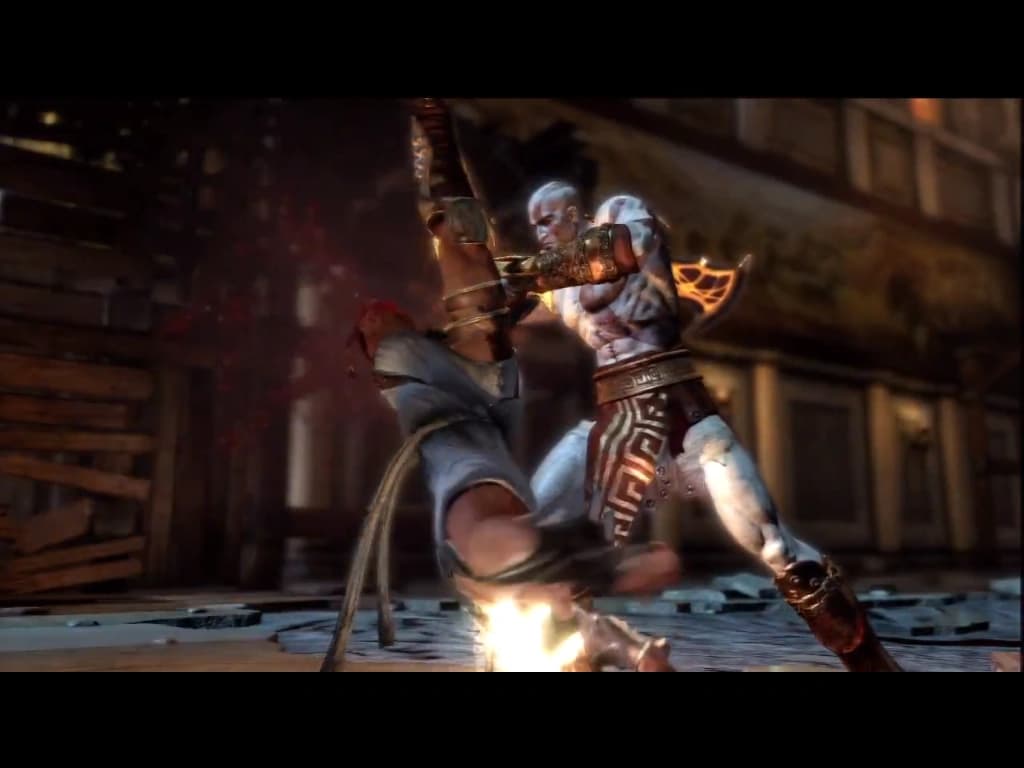
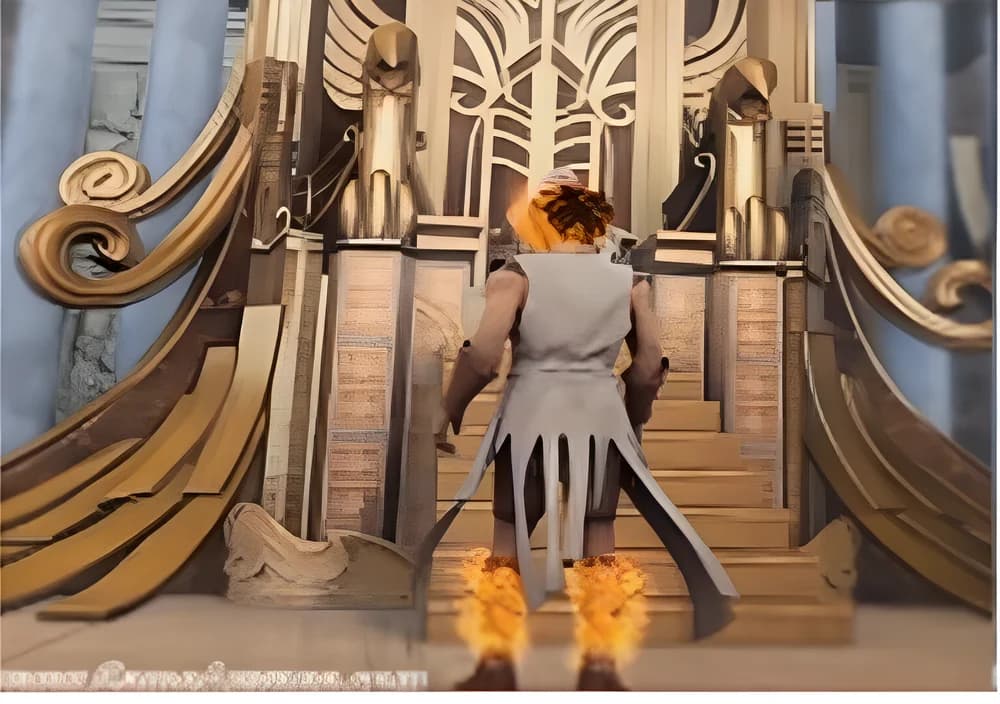
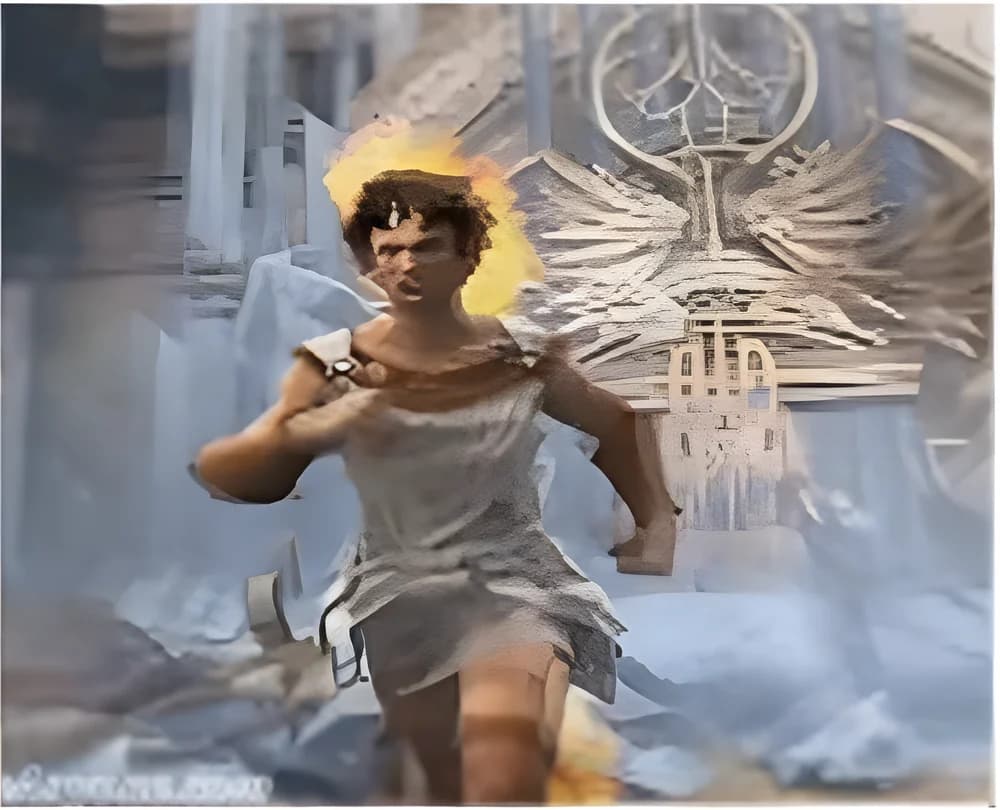
Images via God of War Wiki
Sources
- GameGod of War II, Santa Monica Studio, 2007
- GameGod of War III, Santa Monica Studio, 2010
- GameGod of War (2018), Santa Monica Studio, 2018
- ComicGod of War (2010 comic), Marv Wolfman and Andrea Sorrentino, WildStorm/DC Comics, 2010 to 2011
Spotted a factual error or a primary source we missed? Email a correction. Every flagged claim gets reviewed.
Followed from this entry
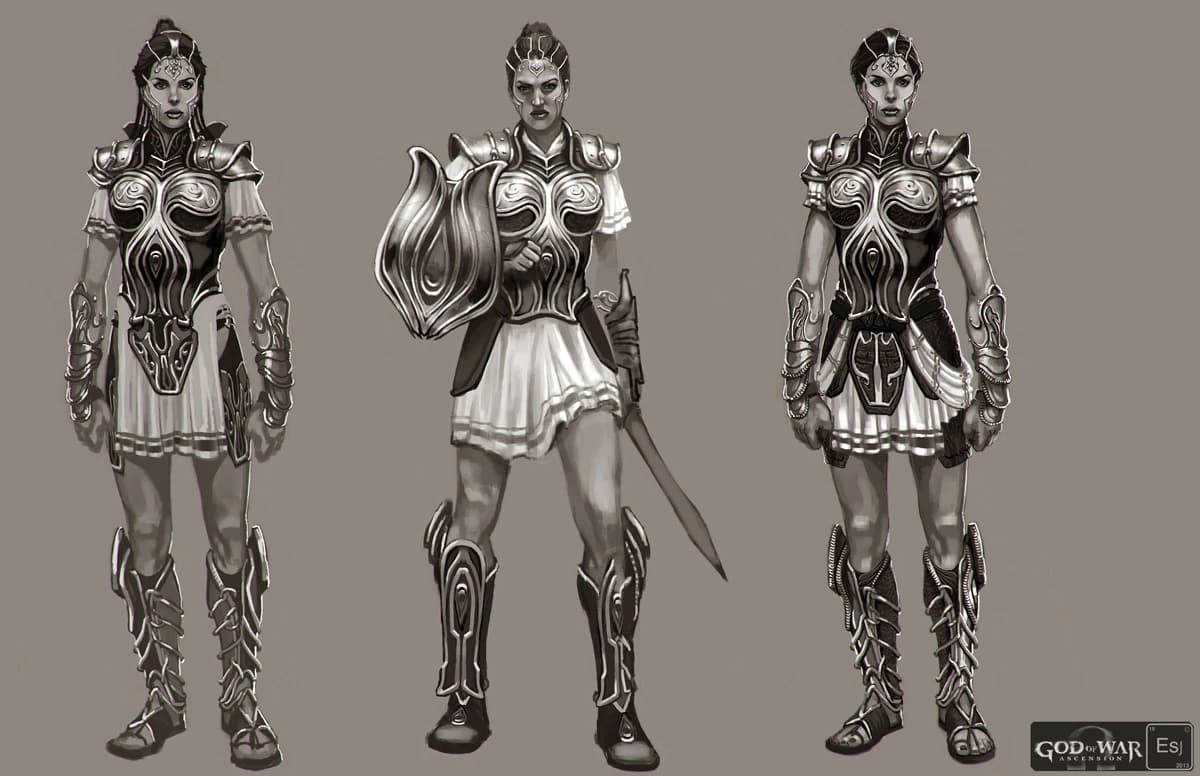
Athena: from Kratos' guide to his enemy
Athena set Kratos against Ares to save Athens, then turned on him when his reign grew worse. She died taking a blow meant for Zeus, and named Kratos his son.
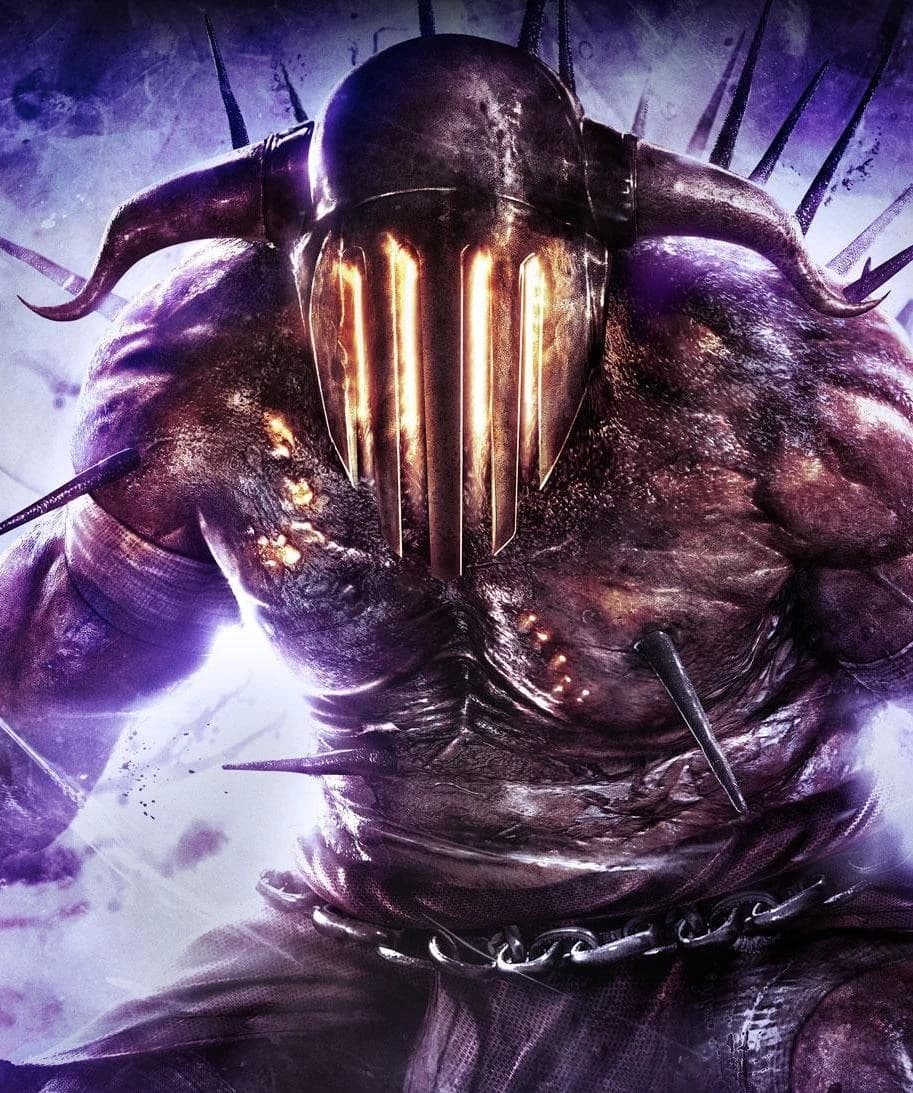
Hades: the god whose soul Kratos tore out
Eldest son of Cronos, Hades ruled the Underworld and held life and death in balance. Kratos turned the Claws of Hades on him and ripped his soul out.
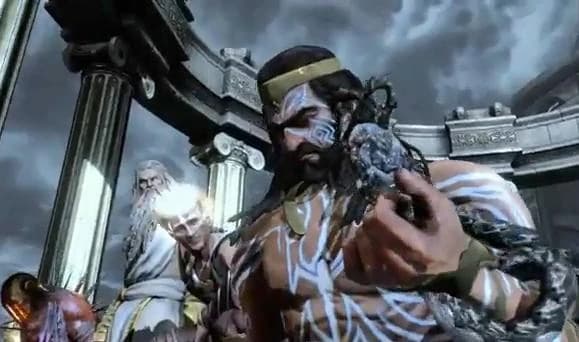
Olympians: the gods Kratos killed off
Zeus led the third generation of Greek gods to victory over the Titans. Kratos then destroyed almost every one of them, and Greece fell with them.
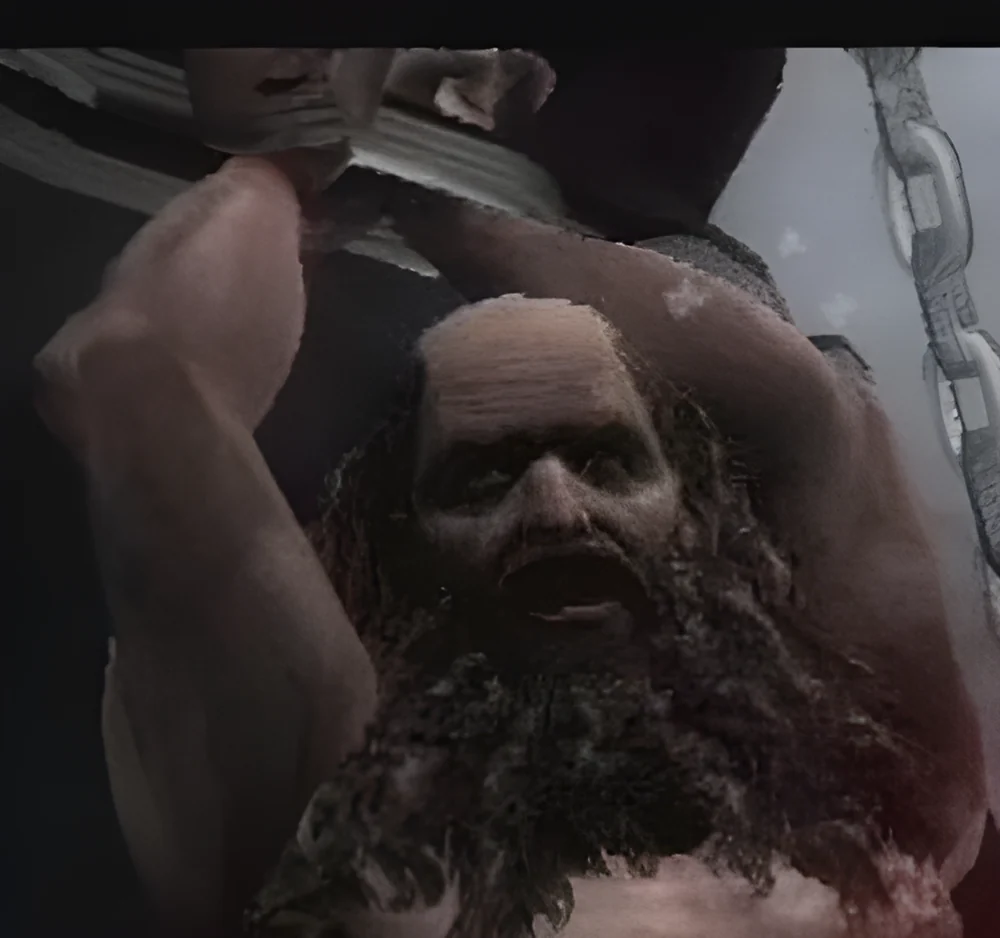
Titans: the elder gods Zeus cast down
Born to Gaia and Ouranos, the Titans ruled the Golden Age under Cronos until Zeus buried them in Tartarus. Kratos later raised them one last time.

Zeus
Zeus was the King of Olympus and ruler of the Greek Pantheon, the youngest son of Cronos who freed his siblings, ended the Great War, and claimed the heavens. Father of Kratos, he became the great antagonist of the Greek age and fell at last to the very son he had tried to destroy.
Boots of Hermes: the Winged Boots Kratos Cut from Hermes in God of War III
The Boots of Hermes are the messenger god's winged greaves, which Kratos takes by cutting off Hermes's legs in God of War III. They let him sprint, dash and run on certain walls, and they are one of the few things Zeus fails to take from him.
Mentioned in25 entries
Aeetes: the king of Colchis
Aeetes was the king of Colchis, a son of the sun god Helios and the father of the sorceress Medea. The Golden Fleece came to rest in his kingdom as a gift of gratitude, and its theft by Jason of the Argonauts cost the king his daughter, his son, and the greatest treasure of his house.
Alrik
Alrik, the Barbarian King, was the leader of the Barbarian horde from the east and one of Kratos' oldest enemies. His assault drove Kratos to pledge his soul to Ares, beginning the Spartan's tragedy, and his hatred outlasted even death.
Aphrodite's Handmaidens
Aphrodite's Handmaidens were two mortal women who served and attended the Goddess of Love in her chamber upon Olympus. Among the few mortals who showed no fear of Kratos, and they stayed in her chamber while plague spread across Olympus.
Apollo: the Olympian who escaped Kratos
Apollo never faced Kratos in the flesh. His Flame lit the way to the Tree of Life, his Bow lay in the Underworld, and he survived the slaughter.
Athens: Athena's city, besieged by Ares
Ares laid siege to Athens out of hatred for his sister Athena. Kratos was sent to save it, and killed Ares there to become the new God of War.
Boots of Hermes: the Winged Boots Kratos Cut from Hermes in God of War III
The Boots of Hermes are the messenger god's winged greaves, which Kratos takes by cutting off Hermes's legs in God of War III. They let him sprint, dash and run on certain walls, and they are one of the few things Zeus fails to take from him.
Bow of Apollo
The Bow of Apollo was a fire-imbued bow named for the sun god Apollo. Kratos took it from Peirithous, the doomed lover of Persephone, who was imprisoned in the Underworld within a cage of brambles.
Ceryx
Ceryx was a demigod son of Hermes and a messenger of Olympus. Sent by Zeus to halt Kratos' pursuit of the truth behind the assassination of Argos, he fell to the Ghost of Sparta.
God of War Characters: Every Major Character, Greek and Norse
Every major God of War character in one place, from Kratos and the Olympians of the Greek games to Atreus, Freya, Odin and the Aesir of the Norse saga. Each entry says who they are, what they do in the story and how it ends for them.
God of War III Story and Ending Explained: Plot Summary
The whole story of God of War III in order, from the Titans' climb up Mount Olympus to the death of Zeus. Then the ending in plain terms: why Kratos drove the Blade of Olympus into himself, what Athena wanted, and where that trail of blood leads.
God of War Story Explained: the Whole Saga from Sparta to Ragnarök
The full God of War story in order, one main game at a time. Kratos serves Ares, kills him, destroys Olympus, starts again in the Norse lands and finally ends Odin, with the Valhalla epilogue as the last word.
God of War Timeline: every major event from the Primordials to Valhalla
The full in-universe chronology of God of War, from the war of the Primordials and the fall of the Titans to Kratos's life in Sparta, his war on Olympus, and the end of the Aesir at Ragnarök. The games give almost no calendar years, so events are ordered by story sequence and grouped into eras, with notes wherever the games' own placement is vague.
+ 13 more
Get new articles in your inbox
No spam. New lore drops, canon conflicts, and deep dives only when they’re worth reading.
Some links on Lore Fortress are affiliate links. If you buy through them we earn a small commission at no extra cost to you.