Mount Olympus: Zeus' seat, torn down
Home of the Greek Gods
The golden mountain became the seat of the gods after the first Titanomachy, and none but a god could set foot on it. Kratos brought the whole thing down.
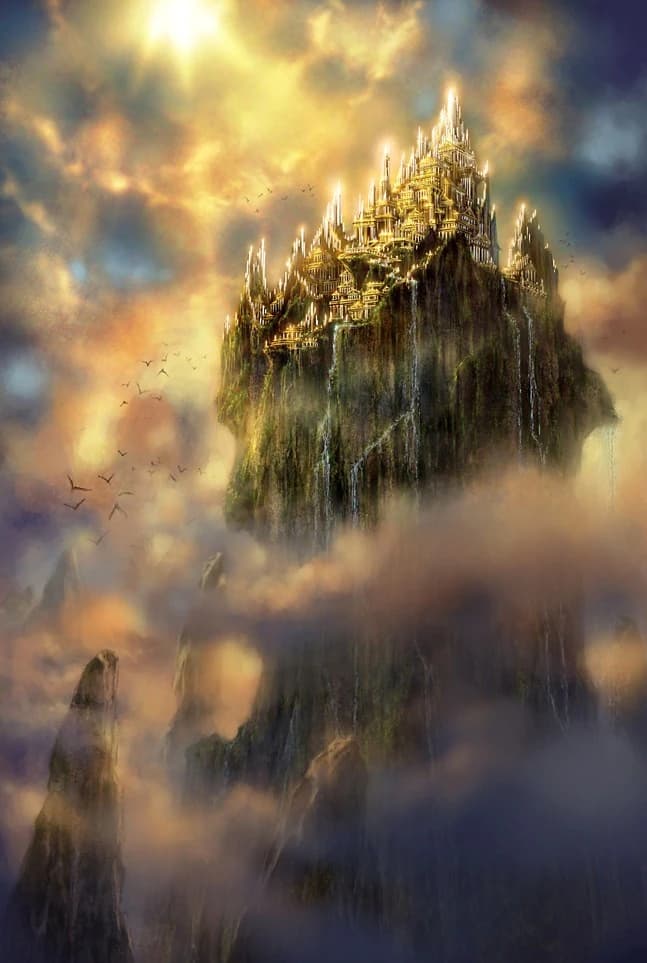
Mount Olympus was the famed home of the Olympian gods and the sacred mountain from where they ruled over all of Greece. After the first Titanomachy it became the symbol of the might and opulence of the Olympians. A sanctuary beyond the reach of all but the gods themselves, only those invited could set foot in its golden halls. It was the seat of Zeus, the throne for a time of Kratos as God of War, and ultimately the place of its own destruction when Kratos turned against the gods. (God of War (2005); God of War II; God of War III)
The mountain of the gods#
Mount Olympus became the seat of the Olympians after the first Titanomachy, the great war in which they overthrew the Titans. Atop it stood a large solid gold palace housing the various deities, and upon the mountain lay the city of Olympia, home to many mortals who worshipped the Olympians. The mountain and its temples were heavily defended by creatures that served Olympus, among them undead sentries, archers, guardians, centaurs, cyclopes, harpies, and gorgons. Within its halls were rooms filled with relics and shrines dedicated to the gods, the chambers of Poseidon and Aphrodite in the upper gardens, the Flame of Olympus, and the throne room of Zeus at the peak. The portal to Olympus could be reached from Suicide Bluffs. (God of War (2005); God of War II; God of War III)
Kratos enthroned#
After Kratos killed Ares in a legendary duel, the death of the god left an empty throne in Olympus, which was offered to the Spartan in recognition of his services. Kratos became the new God of War for a time, and from his throne room he waged endless wars across Greece for the glory of Sparta. But his warlike and disdainful conduct toward his fellow gods wore on the pantheon. As he was about to deal the final blow to yet another Greek city, Athena intervened on the pantheon's behalf, and Zeus himself stripped Kratos of all his godly powers, leaving the seat of the God of War vacant once more. (God of War (2005); God of War II)
The Second Titanomachy and the fall#
Robbed of his power, Kratos sought vengeance. With the help of the Titans, eager for revenge of their own, and after defeating the Sisters of Fate, he changed the course of history by preventing the Titans' defeat in the Great War and bringing them forward into his own time to assault Olympus. The Second Titanomachy raged across the mountain, tearing Greece apart and killing the overwhelming majority of its inhabitants. The Titans attempted to ascend the mountain, but many were pulled off and cast down during the climb. Gaia herself was knocked from the slopes, and Perses was among the Titans who died there. (God of War II; God of War III)
As Kratos pulled the Labyrinth up the mountain, it destroyed much of the structure's inner supports. When the Titan Gaia died, her body crumbled into boulders that fell upon Olympus, destroying most of its buildings and part of the mountain itself, and the death of Zeus shook the mountain further. The Olympians fell one after another at the hands of the vengeful Spartan, and with Zeus slain, Kratos released Hope to mankind amid the Chaos that followed. Mount Olympus was destroyed, leaving nothing but a field of ruins where one of the most flourishing pantheons had stood. Kratos then left Olympus and headed north, eventually reaching Midgard. (God of War III; God of War (2018))
Frequently asked questions
- What is Mount Olympus in God of War?
- Mount Olympus was the home of the Olympian gods and the sacred mountain from where they ruled over all of Greece. Atop it stood a large solid gold palace housing the deities, and upon the mountain lay the city of Olympia, home to mortals who worshipped the Olympians.
- Where did Mount Olympus come from?
- Mount Olympus became the seat of the Olympians after the first Titanomachy, the great war in which they overthrew the Titans. It became the symbol of the might and opulence of the Olympians.
- How did Kratos become ruler of Mount Olympus?
- After Kratos killed Ares in a duel, the dead god's empty throne was offered to the Spartan in recognition of his services, making him the new God of War. From his throne room he waged endless wars across Greece for the glory of Sparta until Athena intervened and Zeus stripped him of his godly powers.
- How was Mount Olympus destroyed?
- Kratos allied with the Titans and led a Second Titanomachy that raged across the mountain. When the Titan Gaia died, her body crumbled into boulders that fell upon Olympus and destroyed most of its buildings and part of the mountain, and the death of Zeus shook it further, leaving nothing but a field of ruins.
- What happened to Kratos after Mount Olympus fell?
- With Zeus slain, Kratos released Hope to mankind amid the Chaos that followed. He then left Olympus and headed north, eventually reaching Midgard.
Gallery
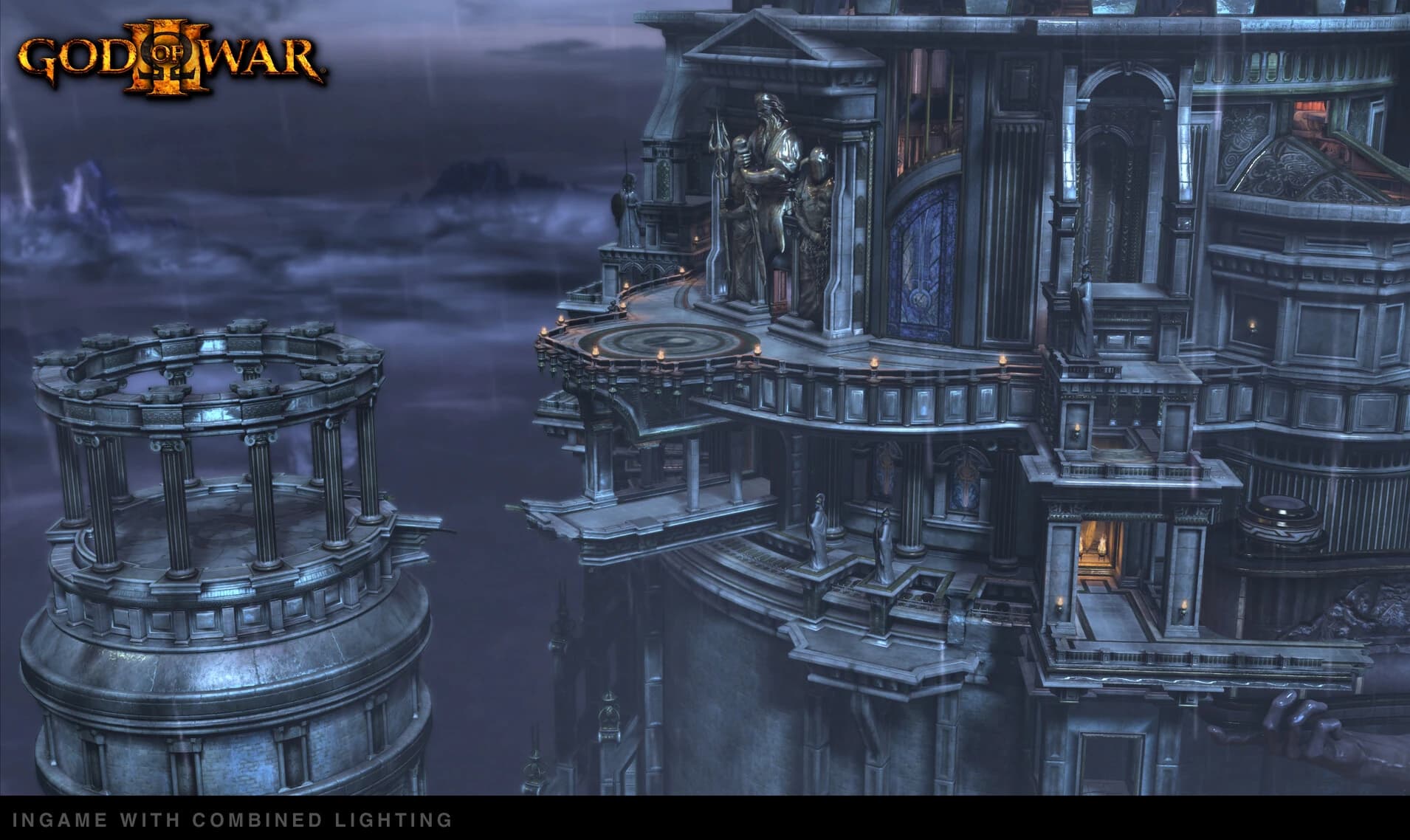
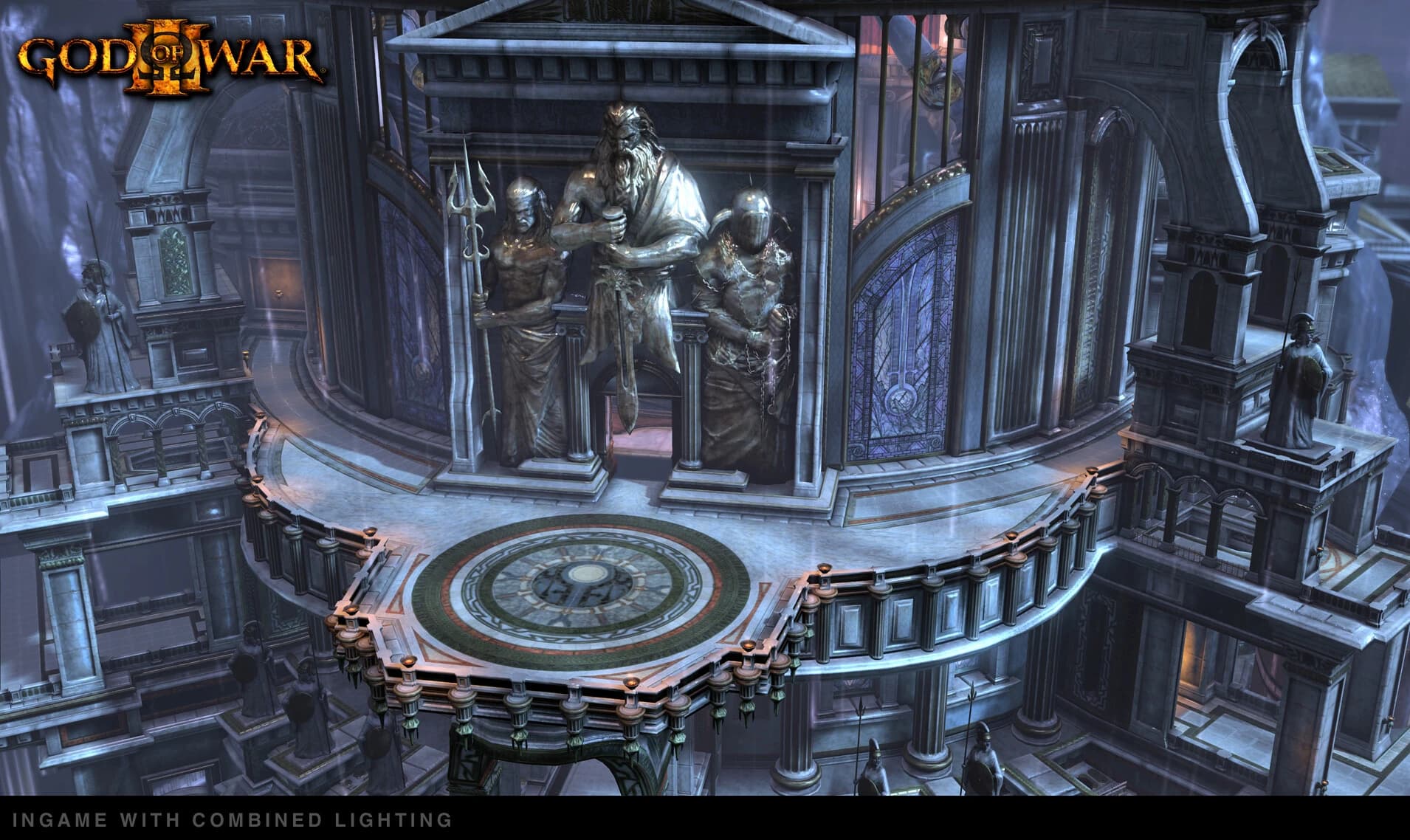
Images via God of War Wiki
Sources
- GameGod of War (2005), Santa Monica Studio, 2005
- GameGod of War II, Santa Monica Studio, 2007
- GameGod of War III, Santa Monica Studio, 2010
- GameGod of War (2018), Santa Monica Studio, 2018
Spotted a factual error or a primary source we missed? Email a correction. Every flagged claim gets reviewed.
Followed from this entry
Sparta: Kratos' city, razed by Zeus
Sparta raised Kratos, worshipped Ares, then took Kratos himself as its patron god. Zeus destroyed the city in revenge for the Spartan's defiance.
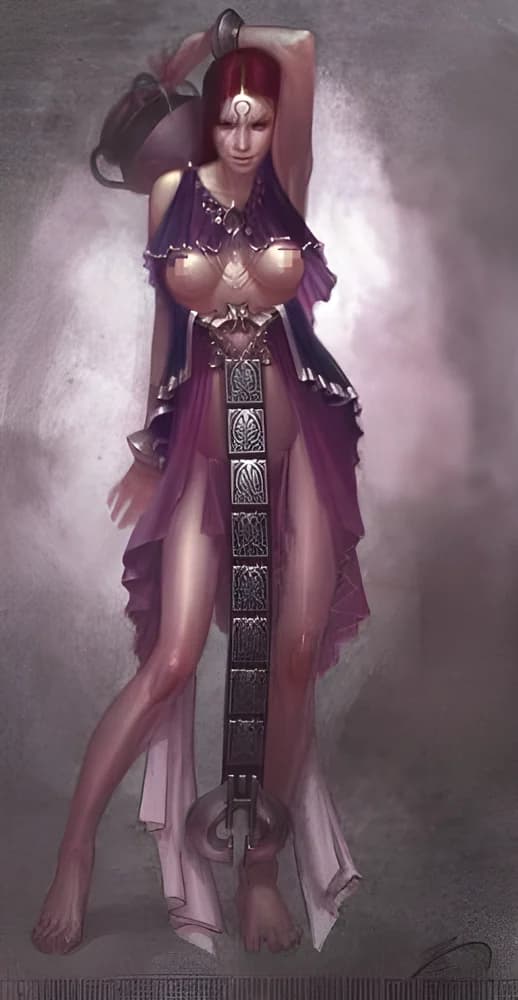
Aphrodite: Hephaestus' wife, lover of Ares
Aphrodite was married to the smith Hephaestus but had no love for him. In myth she took Ares as a lover, and in the games she gave Kratos Medusa's gaze.
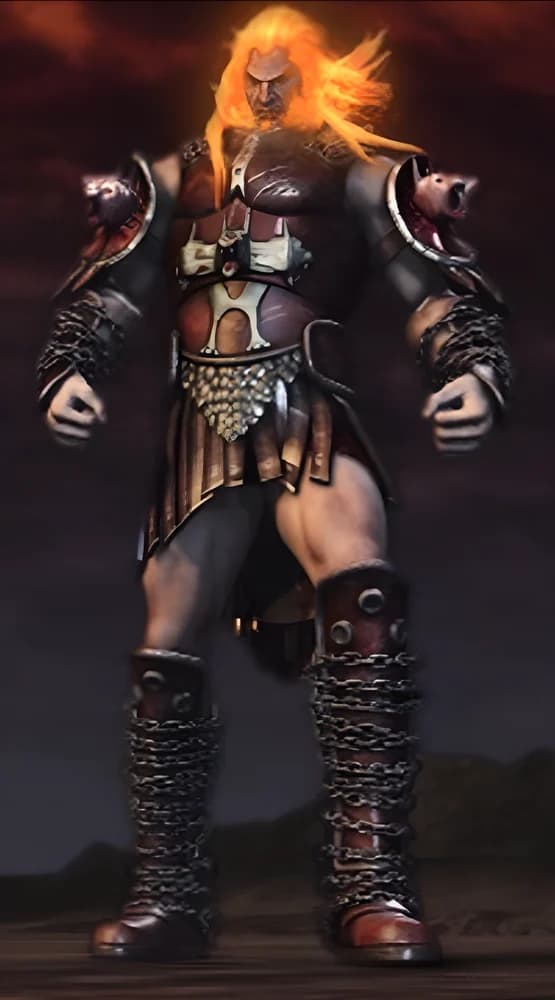
Ares: the god who made Kratos a killer
Ares tricked Kratos into slaughtering his own wife and daughter to bind him as a weapon. Kratos killed him at Athens and took his place as God of War.
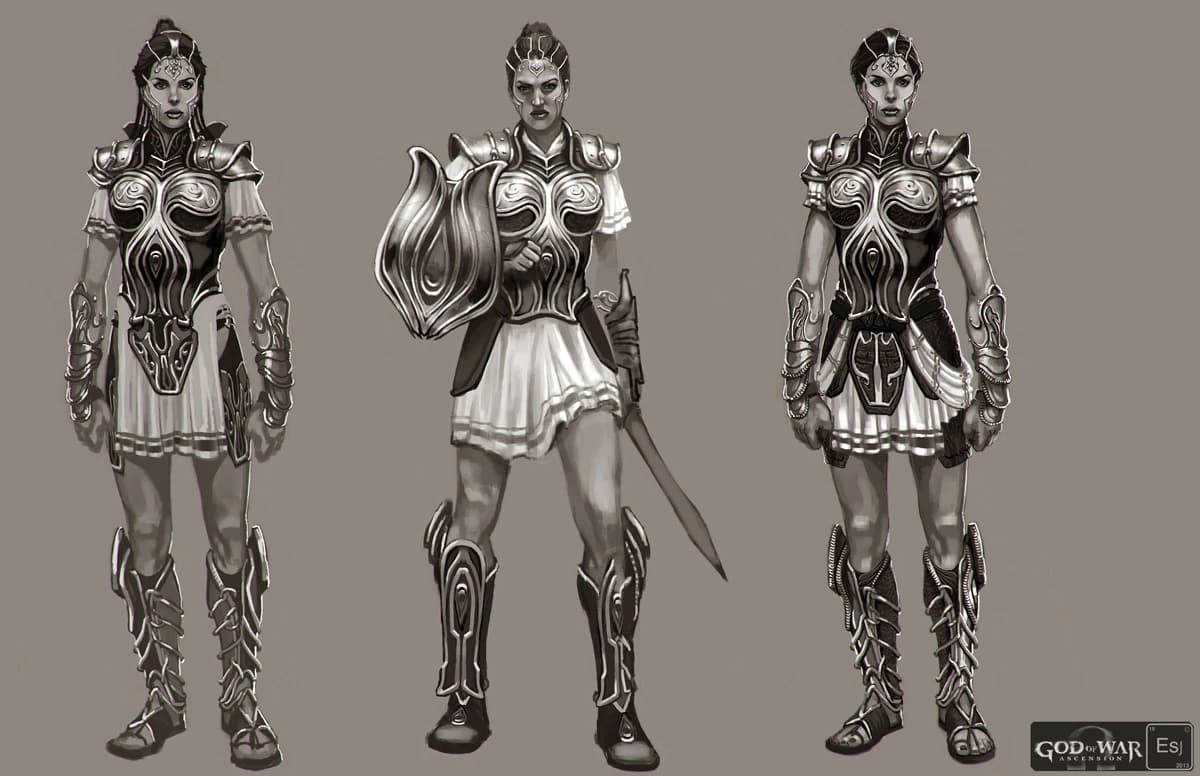
Athena: from Kratos' guide to his enemy
Athena set Kratos against Ares to save Athens, then turned on him when his reign grew worse. She died taking a blow meant for Zeus, and named Kratos his son.
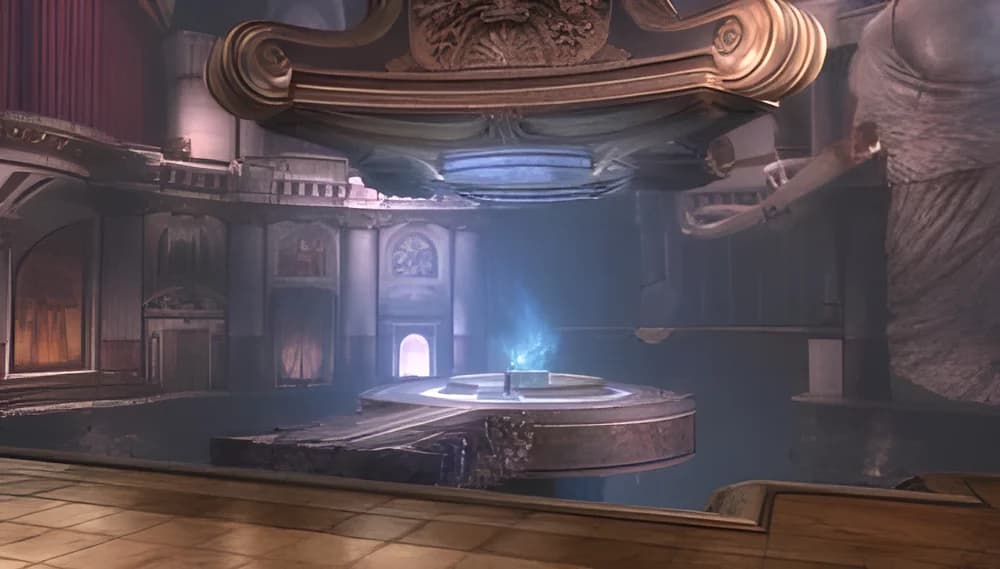
Flame of Olympus
The Flame of Olympus was an absolute power, mightier than the gods themselves and lethal to any who touched it. Within it Pandora's Box was hidden, and only by extinguishing the flame could the King of the Gods be made to fall.
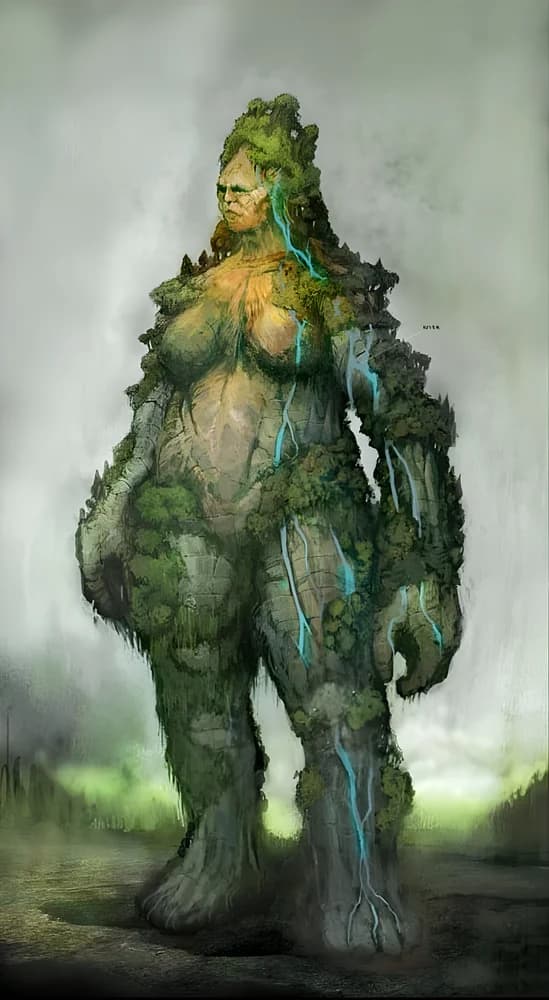
Gaia: Mother Earth, betrayed by Kratos
Gaia bore the Titans, hid the infant Zeus from Cronos, and allied with Kratos against Olympus. He ran the Blade of Olympus through her heart.
Mentioned in49 entries
Ares: the god who made Kratos a killer
Ares tricked Kratos into slaughtering his own wife and daughter to bind him as a weapon. Kratos killed him at Athens and took his place as God of War.
Ariadne: the Cretan princess who became a goddess
Ariadne was a princess of Crete, daughter of King Minos, who gave Theseus the thread that carried him out of the Cretan maze. Taken from the hero by Dionysus, she was raised to godhood as his wife, while the man she once saved gave the rest of his life to the hope of winning her back.
Blade of Olympus: Zeus' god-killing sword
Zeus forged the Blade of Olympus from the heavens and the earth to banish the Titans to Tartarus. It could kill gods and Titans, and it killed Zeus himself.
Boots of Hermes: the Winged Boots Kratos Cut from Hermes in God of War III
The Boots of Hermes are the messenger god's winged greaves, which Kratos takes by cutting off Hermes's legs in God of War III. They let him sprint, dash and run on certain walls, and they are one of the few things Zeus fails to take from him.
Cerberus Mongrel: the lesser hounds of the Underworld
The Cerberus Mongrels were the weakest breed of the Cerberi, gaunt three-headed hounds that served the lord of the dead. Kratos beat them into submission across two eras of his life, riding them as living weapons and turning the fire of one upon Peirithous to claim the Bow of Apollo.
Deimos: the brother Kratos failed to save
Ares and Athena seized Deimos as a boy because his birthmark matched the prophecy of the Marked Warrior. Thanatos crushed him at Suicide Bluffs.
Demeter
Demeter was the Olympian Goddess of the Harvest and Agriculture, a sister of Zeus and mother of Persephone. She held dominion over plants and grain, and her grief at the abduction of her daughter by Hades brought barren winter upon the earth.
Dionysus: the Olympian god of wine
Dionysus was the Olympian god of wine, fertility, festivity, and revelry. Known for his lack of fidelity, he stole the love of Ariadne from the hero Theseus and set in motion the chain of grief that bound Theseus to the service of the Sisters of Fate.
Eos
Eos was the goddess of the dawn, sister of Helios and daughter of the Titan Hyperion. When her brother vanished and the world fell to endless sleep, she sent Kratos to find him, her own powers fading with the missing sun.
Epimetheus
Epimetheus was a Titan of Hindsight and Afterthought, cast down to Tartarus after the Great War. He marched on Mount Olympus during the second Titanomachy and was slain by Poseidon.
Flame of Olympus
The Flame of Olympus was an absolute power, mightier than the gods themselves and lethal to any who touched it. Within it Pandora's Box was hidden, and only by extinguishing the flame could the King of the Gods be made to fall.
Gaia: Mother Earth, betrayed by Kratos
Gaia bore the Titans, hid the infant Zeus from Cronos, and allied with Kratos against Olympus. He ran the Blade of Olympus through her heart.
+ 37 more
Get new articles in your inbox
No spam. New lore drops, canon conflicts, and deep dives only when they’re worth reading.
Some links on Lore Fortress are affiliate links. If you buy through them we earn a small commission at no extra cost to you.