Demeter
Goddess of the Harvest
Demeter was the Olympian Goddess of the Harvest and Agriculture, a sister of Zeus and mother of Persephone. She held dominion over plants and grain, and her grief at the abduction of her daughter by Hades brought barren winter upon the earth.
Demeter was the Olympian Goddess of the Harvest and Agriculture, a sister of Zeus and the mother of Persephone. She held dominion over the growing things of the earth, and her sorrows shaped the turning of the seasons. (God of War: Chains of Olympus; Theogony)
Daughter of Cronos#
Demeter was a goddess of Mount Olympus, born of the Titan Cronos. Like most of her siblings she was swallowed by her father shortly after her birth, and she was freed only when Zeus rescued them all. She then joined her brother to wage the Great War against the Titans. After the fall of the Titans she took dominion over plants and agriculture, and grain above all, but she rarely entered into the quarrels of the gods and featured in few of their stories. (Theogony)
The loss of Persephone#
The most famous of Demeter's tales was the abduction of her daughter Persephone by her brother Hades, lord of the dead. Unable to find her child, Demeter searched the whole of the earth until at last she asked Helios, the all-seeing sun. The Sun God revealed the truth to her, and Demeter fell into a deep despair, so that the earth itself went barren. To prevent all living things from starving, Zeus struck a bargain with Hades, that Persephone would pass two thirds of the year with her mother and one third with her husband below. From that day, Demeter's joy at her daughter's return to Olympus brought the green growth of spring, and her grief at Persephone's descent to the Underworld brought the lifeless cold of winter. (God of War: Chains of Olympus)
In the age of Kratos#
Demeter rarely appeared in the events of the later saga, though she was named in the deeds of Kratos' service to the gods. In the novelisation of God of War II she came with her sister Hestia, the eldest of the first Olympians, and there she showed her contempt for Kratos and his conquest of cities, declaring that her worshippers starved because of him. When she noticed the Ghost of Sparta watching them, she took her sister's hand and departed. (God of War II (novel))
Frequently asked questions
- Who is Demeter in God of War?
- Demeter was the Olympian Goddess of the Harvest and Agriculture, a sister of Zeus and the mother of Persephone. She held dominion over plants, vegetation, and grain, and rarely involved herself in the quarrels of the other gods.
- What is the story of Demeter and Persephone?
- When her daughter Persephone was carried off to the Underworld by Hades, Demeter searched the earth in vain until Helios revealed the truth. Her grief turned the world barren, and only a bargain struck by Zeus, dividing Persephone's year, restored the seasons.
- Does Demeter appear in the God of War games?
- Demeter rarely featured in the events of the saga and was mentioned in the tale of Chains of Olympus. She appeared with her sister Hestia in the God of War II novelisation, where she scorned Kratos for the cities he had conquered and the worshippers left to starve.
Sources
- GameGod of War: Chains of Olympus, Ready at Dawn, 2008
- BookTheogony, Hesiod, around 700 BC
- BookGod of War II (novel), Robert E. Vardeman, Del Rey, 2013
Spotted a factual error or a primary source we missed? Email a correction. Every flagged claim gets reviewed.
Followed from this entry
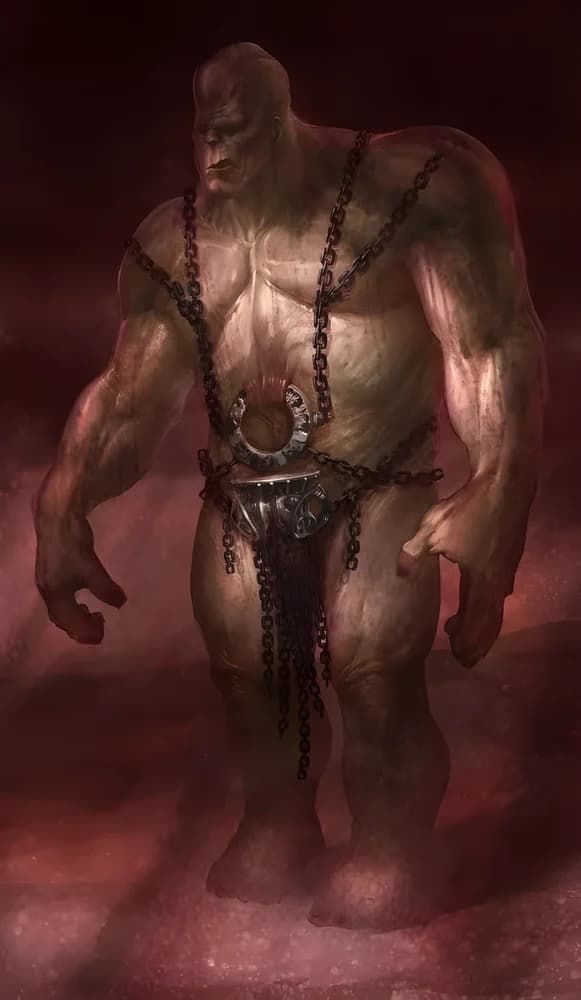
Cronos: the Titan who ate his children
Warned that his own children would depose him, Cronos swallowed each at birth. Rhea hid Zeus, Zeus deposed him anyway, and Kratos finished him.
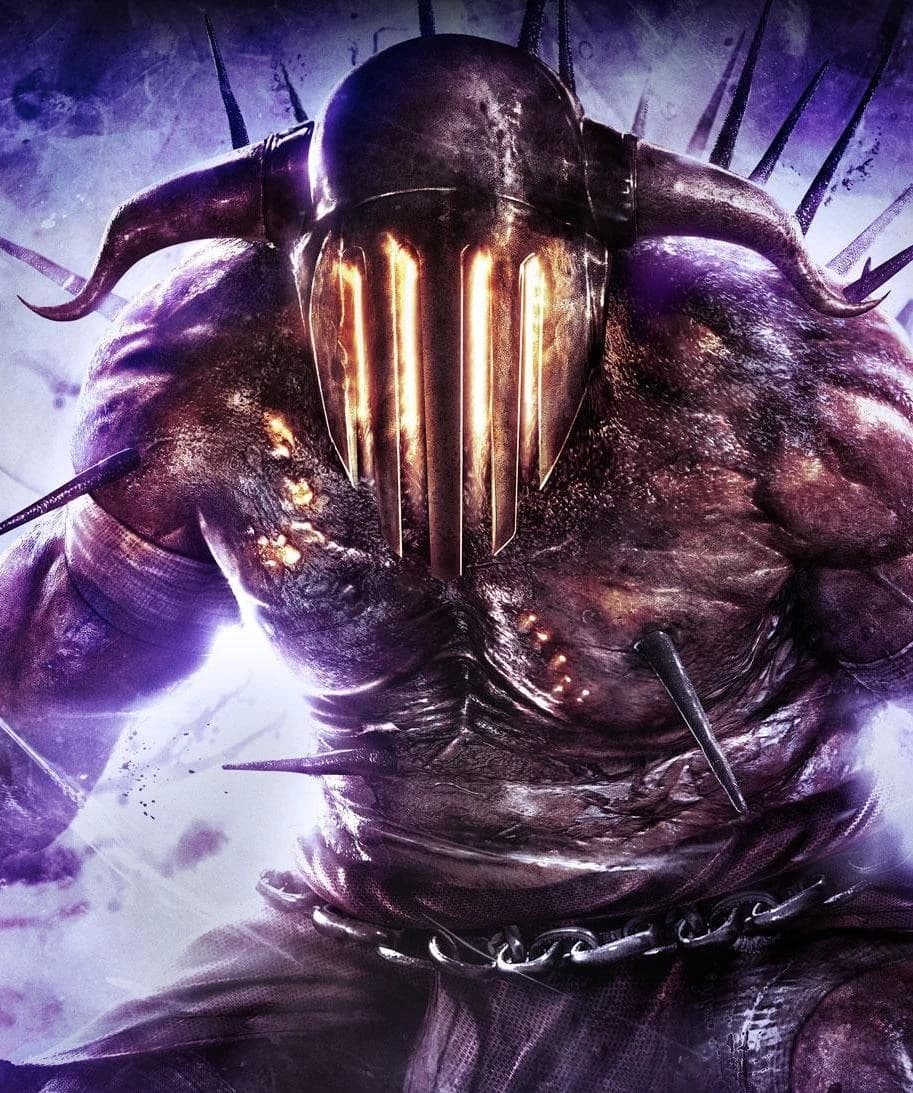
Hades: the god whose soul Kratos tore out
Eldest son of Cronos, Hades ruled the Underworld and held life and death in balance. Kratos turned the Claws of Hades on him and ripped his soul out.

Helios: the sun god Kratos beheaded
Kratos once saved Helios from the Titan Atlas. Years later he tore the sun god's head from his body and carried it through Olympus as a lantern.
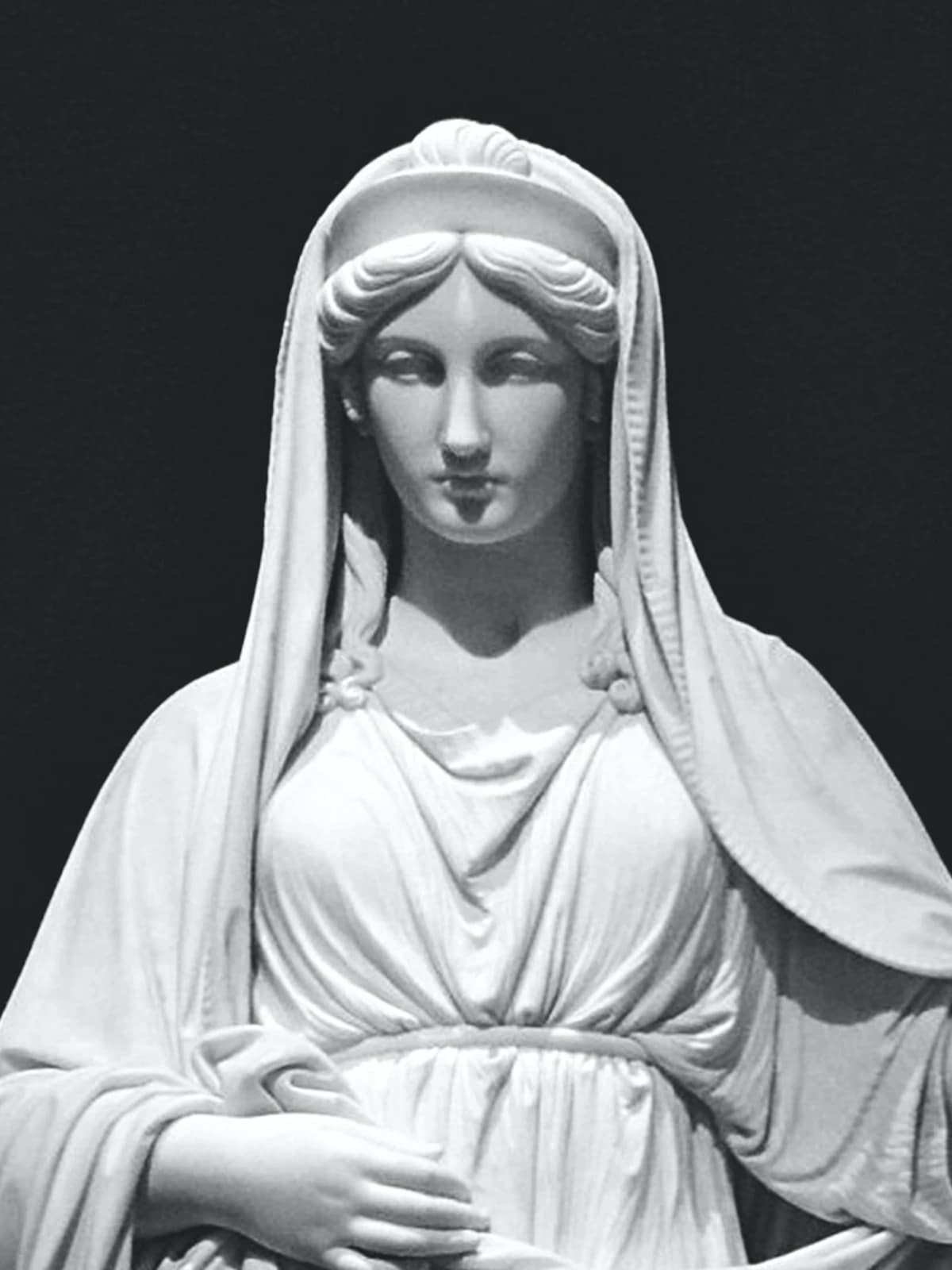
Hestia
Hestia was the Olympian Goddess of the Hearth, Fire, and Family, the firstborn child of Cronos and Rhea. A virgin goddess who tended the royal hearth of Olympus, she never appears in the games, but in the God of War II novelisation she voices her contempt for the destruction Kratos and his Spartan armies brought upon the worshipers of the gods.
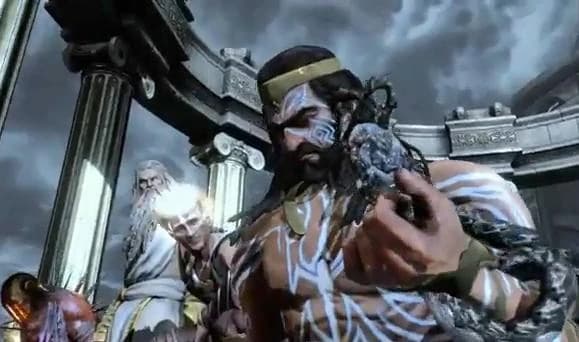
Olympians: the gods Kratos killed off
Zeus led the third generation of Greek gods to victory over the Titans. Kratos then destroyed almost every one of them, and Greece fell with them.

Persephone: the queen who wanted it over
Forced into marriage with Hades, Persephone set out to end the Greek world and herself with it. Kratos struck her down at the Pillar of the World.
Mentioned in9 entries
Eleonora
Eleonora was a Spartan temple maiden charged with the care of the interconnected temples of Laconia. Born to a family bound to that service, she tended the shrines of the gods and questioned the path her duty had denied her.
Greek Gods
The Greek Gods were the pantheon that ruled over Greece across three generations, the Primordials, the Titans, and the Olympians. Once the masters of mortals, monsters, and the natural world, they were brought to near extinction by Kratos in his war of vengeance against Olympus.
Hades: the god whose soul Kratos tore out
Eldest son of Cronos, Hades ruled the Underworld and held life and death in balance. Kratos turned the Claws of Hades on him and ripped his soul out.
Hera
Hera was the Olympian Goddess of Marriage and Queen of the Gods, the sister and wife of Zeus and mother of Ares. Embittered by her husband's affairs and her withering garden, she set Hercules against Kratos before the Spartan snapped her neck and the world's flora died with her.
Hestia
Hestia was the Olympian Goddess of the Hearth, Fire, and Family, the firstborn child of Cronos and Rhea. A virgin goddess who tended the royal hearth of Olympus, she never appears in the games, but in the God of War II novelisation she voices her contempt for the destruction Kratos and his Spartan armies brought upon the worshipers of the gods.
Omphalos Stone: the rock Cronos swallowed instead of the infant Zeus
The Omphalos Stone is the stone swapped for the newborn Zeus and swallowed by Cronos. Kratos cut it out of the Titan's stomach in God of War III, and Hephaestus forged it into the Nemesis Whip.
Persephone: the queen who wanted it over
Forced into marriage with Hades, Persephone set out to end the Greek world and herself with it. Kratos struck her down at the Pillar of the World.
Siren
The Sirens were female monsters whose enchanting song lured sailors to crash their ships upon the rocks. Beautiful from afar yet decayed beneath their guise, they wielded magical powers and were found in the deserts, temples, and shores of the Greek world.
Zeus
Zeus was the King of Olympus and ruler of the Greek Pantheon, the youngest son of Cronos who freed his siblings, ended the Great War, and claimed the heavens. Father of Kratos, he became the great antagonist of the Greek age and fell at last to the very son he had tried to destroy.
Get new articles in your inbox
No spam. New lore drops, canon conflicts, and deep dives only when they’re worth reading.
Some links on Lore Fortress are affiliate links. If you buy through them we earn a small commission at no extra cost to you.