Hestia
Goddess of the Hearth
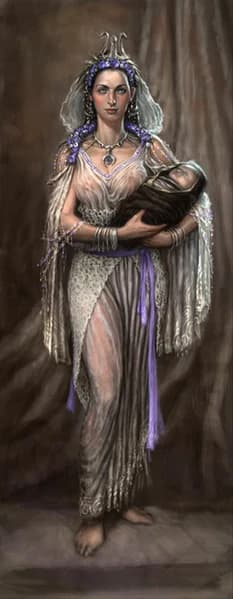
Hestia was the Olympian Goddess of the Hearth, Fire, and Family, the firstborn child of Cronos and Rhea. A virgin goddess who tended the royal hearth of Olympus, she never appears in the games, but in the God of War II novelisation she voices her contempt for the destruction Kratos and his Spartan armies brought upon the worshipers of the gods.
Hestia was the Olympian Goddess of the Hearth, Fire, Architecture, and Family, the firstborn child of Cronos and Rhea. Among the eldest of the gods and a sister to Zeus, she kept herself apart from the wars and conquests of Greece, yet she did not hide her disdain for the ruin that Kratos and his armies visited upon the faithful. (Theogony; God of War II (novel))
The eldest of the Kronides#
Hestia was the firstborn child of the Titans Cronos and Rhea, and the virgin goddess of the hearth, of both the private home and the public sanctuary. In the myths, she received a share of the offerings made to the gods in every temple and was honoured in every home. (Theogony; Homeric Hymn to Aphrodite)
Like her siblings she was swallowed by her father Cronos at her birth. When Zeus later forced the old Titan to disgorge his children, Hestia, the first to be swallowed, was the last to be brought forth again, and so was reckoned both the eldest and the youngest of the six Kronides. When both Poseidon and Apollo later sought her hand in marriage, Hestia refused them and asked Zeus to let her remain forever a virgin. He agreed, and she took her place at his royal hearth. (Theogony; Homeric Hymn to Aphrodite)
Contempt for the conquest#
Hestia never appears in the games, and she plays no part in the campaigns of Kratos. In one brief moment of the God of War II novelisation, however, she is seen within the halls of Olympus speaking with her sister Demeter. When the Ghost of Sparta stepped into the room the two daughters of Cronos withdrew, and as they did they shared their disregard for the conquests and the destruction that Kratos and his Spartan armies had brought upon Greece, slaughtering the worshipers of the gods. In the novelisation of the first game, Athena says the sisters of Zeus are owed great respect among the Olympians. (God of War (novel); God of War II (novel))
Frequently asked questions
- Who is Hestia in God of War?
- Hestia was the Olympian Goddess of the Hearth, Fire, Architecture, and Family, and the firstborn child of the Titans Cronos and Rhea. A sister to Zeus, she was a virgin goddess of both the private home and the public sanctuary, and she kept herself apart from the wars and conquests of Greece.
- Why is Hestia called both the eldest and youngest of the Kronides?
- Like her siblings, Hestia was swallowed by her father Cronos at birth. When Zeus forced Cronos to disgorge his children, Hestia, the first swallowed, was the last brought forth again, so she was reckoned both the eldest and the youngest of the six Kronides.
- Why did Hestia remain a virgin goddess?
- When both Poseidon and Apollo sought her hand in marriage, Hestia refused them and asked Zeus to let her remain forever a virgin. He agreed, and she took her place at his royal hearth.
- Does Hestia appear during Kratos's campaign?
- Hestia never appears in the games. In one brief moment of the God of War II novelisation she is seen within the halls of Olympus speaking with her sister Demeter, and as the two daughters of Cronos withdrew they shared their disregard for the conquests and destruction Kratos and his Spartan armies had brought upon Greece.
Sources
- BookGod of War (novel), Matthew Stover and Robert E. Vardeman, Del Rey, 2010
- BookGod of War II (novel), Robert E. Vardeman, Del Rey, 2013
- BookTheogony, Hesiod, around 700 BC
- BookHomeric Hymn to Aphrodite, Anonymous, around the 7th or 6th century BC
Spotted a factual error or a primary source we missed? Email a correction. Every flagged claim gets reviewed.
Followed from this entry
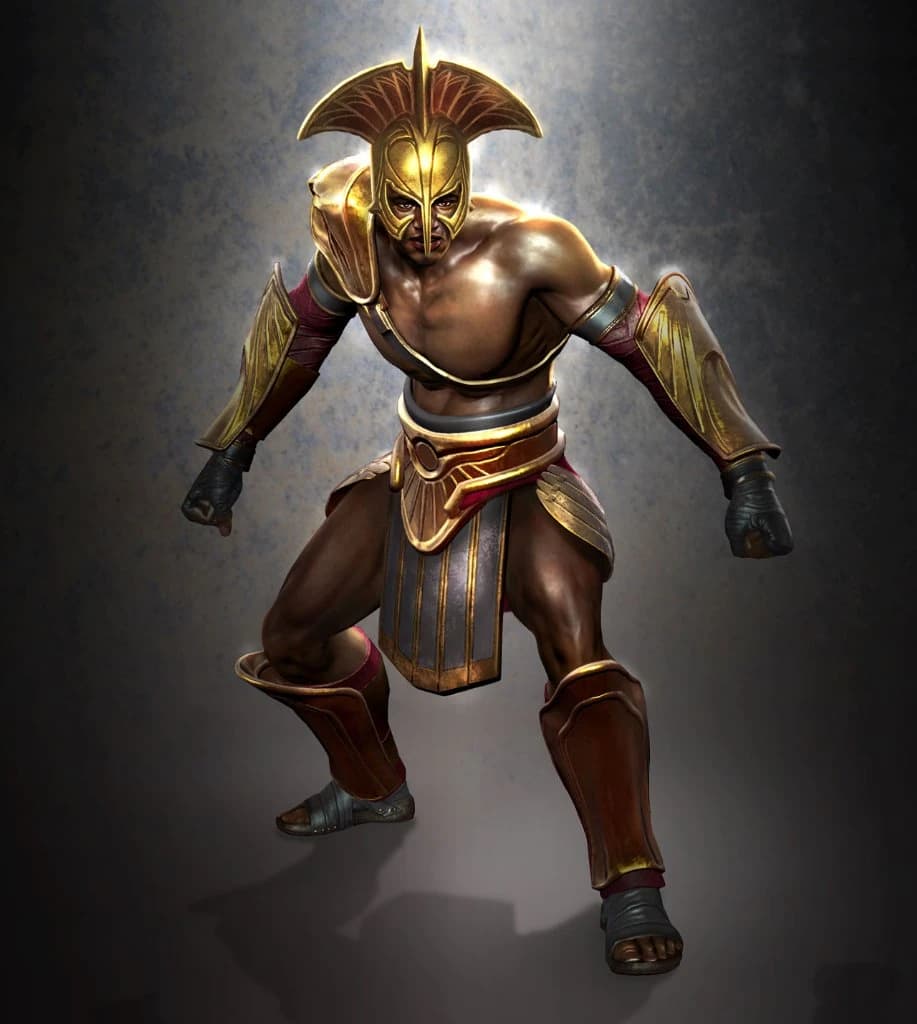
Apollo: the Olympian who escaped Kratos
Apollo never faced Kratos in the flesh. His Flame lit the way to the Tree of Life, his Bow lay in the Underworld, and he survived the slaughter.
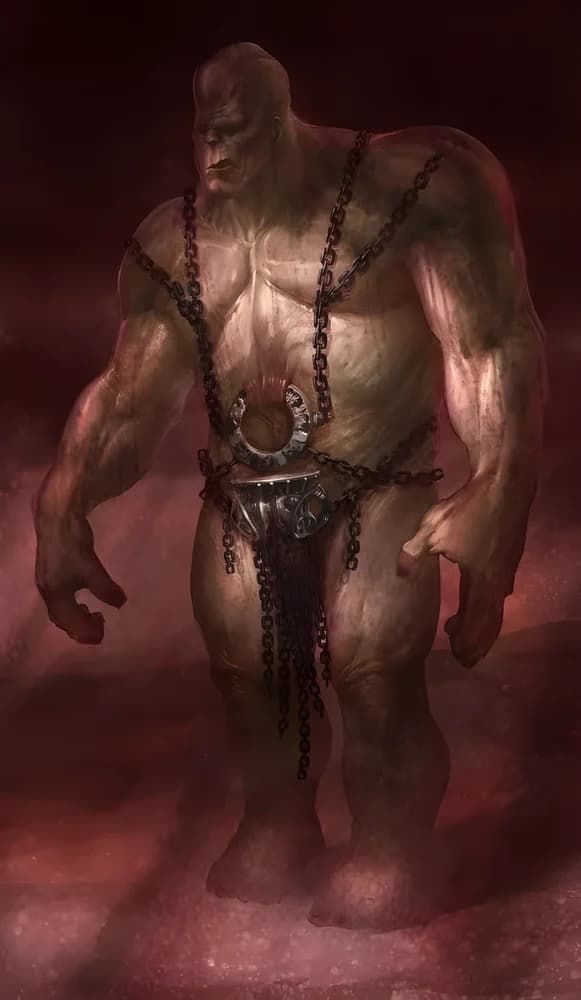
Cronos: the Titan who ate his children
Warned that his own children would depose him, Cronos swallowed each at birth. Rhea hid Zeus, Zeus deposed him anyway, and Kratos finished him.
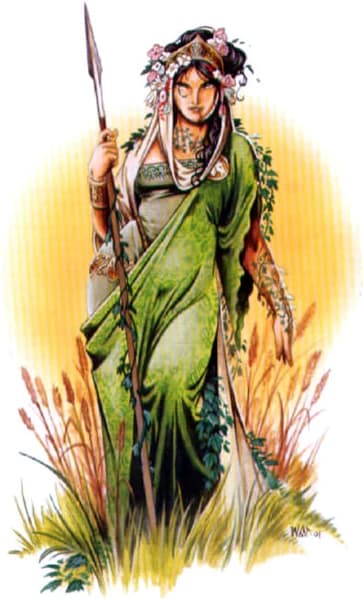
Demeter
Demeter was the Olympian Goddess of the Harvest and Agriculture, a sister of Zeus and mother of Persephone. She held dominion over plants and grain, and her grief at the abduction of her daughter by Hades brought barren winter upon the earth.
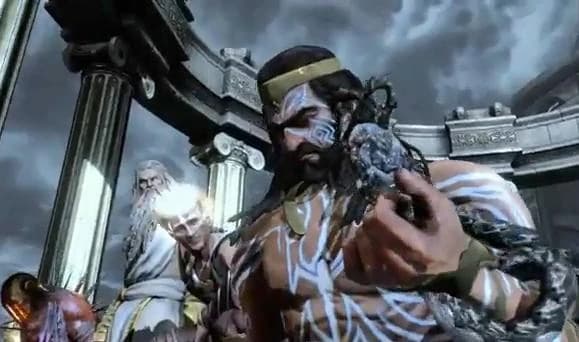
Olympians: the gods Kratos killed off
Zeus led the third generation of Greek gods to victory over the Titans. Kratos then destroyed almost every one of them, and Greece fell with them.

Poseidon: the sea god who drowned Greece
Brother to Zeus and Hades, Poseidon was second only to the King of Olympus. Kratos gouged out his eyes and broke his neck, and the seas swallowed Greece.
Rhea
Rhea was a Titaness, the wife of Cronos and the mother of the first six Olympian gods. When her husband devoured their children one by one, she hid her sixth child away and gave Cronos a stone in his place, setting in motion the war that would end the reign of the Titans.
Mentioned in6 entries
Demeter
Demeter was the Olympian Goddess of the Harvest and Agriculture, a sister of Zeus and mother of Persephone. She held dominion over plants and grain, and her grief at the abduction of her daughter by Hades brought barren winter upon the earth.
Eleonora
Eleonora was a Spartan temple maiden charged with the care of the interconnected temples of Laconia. Born to a family bound to that service, she tended the shrines of the gods and questioned the path her duty had denied her.
Greek Gods
The Greek Gods were the pantheon that ruled over Greece across three generations, the Primordials, the Titans, and the Olympians. Once the masters of mortals, monsters, and the natural world, they were brought to near extinction by Kratos in his war of vengeance against Olympus.
Hera
Hera was the Olympian Goddess of Marriage and Queen of the Gods, the sister and wife of Zeus and mother of Ares. Embittered by her husband's affairs and her withering garden, she set Hercules against Kratos before the Spartan snapped her neck and the world's flora died with her.
Omphalos Stone: the rock Cronos swallowed instead of the infant Zeus
The Omphalos Stone is the stone swapped for the newborn Zeus and swallowed by Cronos. Kratos cut it out of the Titan's stomach in God of War III, and Hephaestus forged it into the Nemesis Whip.
Zeus
Zeus was the King of Olympus and ruler of the Greek Pantheon, the youngest son of Cronos who freed his siblings, ended the Great War, and claimed the heavens. Father of Kratos, he became the great antagonist of the Greek age and fell at last to the very son he had tried to destroy.
Get new articles in your inbox
No spam. New lore drops, canon conflicts, and deep dives only when they’re worth reading.
Some links on Lore Fortress are affiliate links. If you buy through them we earn a small commission at no extra cost to you.