Titanomachy
the Great War of gods and Titans
The Titanomachy, also called the Great War, was the long war between the Titans led by Cronos and the Olympians led by Zeus for mastery of Greece and all mortals. It ended in victory for the gods and the imprisonment of the Titans.
The Titanomachy, also called the Great War and remembered as the Ancient War, was the long and ruinous conflict between the Titans led by Cronos and the Olympians led by Zeus, waged for mastery of Greece and all mortals. It ended in victory for the young gods and the imprisonment of the elder powers, and Atlas later tells Kratos that the war shaped the land of the mortal world. (God of War II; God of War III)
The prophecy and the hidden child#
The Sisters of Fate had deemed that the mighty king of the Titans, Cronos, would one day be overthrown by his children, just as he had raised his hand against his own sire Ouranos and deposed him. To stop the prophecy, Cronos first sought to win the Sisters with the Steeds of Time, but they took the gift and refused to change his fate. He then began to swallow his children one by one at birth. His wife Rhea, unable to bear another loss, summoned an eagle to carry the newborn Zeus to Gaia to be raised, and gave Cronos a stone wrapped in cloth, which he foolishly swallowed in the child's place. (God of War II)
The war of two generations#
Raised in secret by Gaia, who nurtured his desire to free his siblings, Zeus grew with the intent not only to free his brothers and sisters but to defeat the Titans and seize his father's throne. When the time came, he freed his now full-grown siblings and declared war upon the Titans, who saw the young gods' hunger to rule over mortals as intolerable. Among the Titans who fought were Gaia, Cronos, Atlas and Perses, whom Kratos meets on the battlefield of that age when he travels back through time. Against them stood Zeus and his brothers Poseidon and Hades. (God of War II)
In the myths the games draw on, the tide turned when Zeus freed the Cyclopes and the Hecatonchires from below the earth. The Cyclopes gave Zeus his thunder and lightning, Poseidon his trident and Hades his helmet of invisibility, while the Hecatonchires buried the Titans under a hail of rocks. Hesiod says the war had lasted ten full years before that. (Theogony; Library (Bibliotheca))
In the games Atlas remembers it as a war the Titans had to win, because losing meant the end of the golden age of Titan rule. The struggle shaped the very land of the mortal world. (God of War II)
The fate of the Titans#
As the war closed, Atlas was captured through the combined efforts of Hades and Poseidon, while Zeus forged a terrible weapon from the heavens and the earth, the Blade of Olympus, and used its power to banish most of the Titans into Tartarus for eternity. Some were spared Tartarus only to suffer worse: Atlas was made to hold up the sky, Cronos was cursed to wander the Desert of Lost Souls with Pandora's Temple chained to his back, and Prometheus, punished later for giving fire to mortals, was chained to have his liver devoured each day by an eagle. (God of War (2005); God of War II; God of War III)
In myth the brothers then divided the world among themselves by lot: Zeus took the heavens and became king of the gods, Poseidon became ruler of the seas, and Hades became lord of the Underworld. (Library (Bibliotheca))
The games keep that split, with Hades guarding the Underworld and the Titans imprisoned beneath it. The war had not been without cost, for evils had been born in its aftermath, and Zeus sealed them within Pandora's Box, where Athena hid the power of Hope to counter them. Gaia, ever within the Earth, schemed to restore the Titans, and the strife she sowed would one day rise again in the Second Titanomachy, when the Ghost of Sparta turned the Titans against Olympus. The war sits near the very start of the God of War timeline, long before Kratos was born. (God of War: Chains of Olympus; God of War II; God of War III)
Frequently asked questions
- What was the Titanomachy in God of War?
- The Titanomachy, also called the Great War, was the fabled war between the two generations of Greek gods, the Titans led by Cronos and the Olympians led by Zeus, fought for control over Greece and all mortals. It ended in victory for the Olympians.
- How did the Titanomachy begin?
- The war began when Zeus, secretly raised by Gaia, freed his brothers and sisters from the belly of Cronos and declared war on the Titans. The Titans saw the young gods' desire to rule over mortals as intolerable and rose to stop them.
- How did the Olympians win the Great War?
- In the myths the games draw on, the young gods gained the upper hand after Zeus freed the Cyclopes and the Hecatonchires. The Cyclopes armed Zeus with thunder and lightning, Poseidon with his trident and Hades with his helmet, while the Hecatonchires buried the Titans under rocks. In the games, Zeus ended the war with the Blade of Olympus.
- What happened to the Titans after the Titanomachy?
- Most Titans were banished to Tartarus, while others received harsh punishments. Atlas was made to hold up the sky, Cronos was cursed to wander the Desert of Lost Souls, and Prometheus was chained to have his liver eaten.
Sources
- GameGod of War (2005), Santa Monica Studio, 2005
- GameGod of War II, Santa Monica Studio, 2007
- GameGod of War III, Santa Monica Studio, 2010
- GameGod of War: Chains of Olympus, Ready at Dawn, 2008
- BookTheogony, Hesiod, around 700 BC
- BookLibrary (Bibliotheca), Pseudo-Apollodorus, 1st or 2nd century AD
Spotted a factual error or a primary source we missed? Email a correction. Every flagged claim gets reviewed.
Followed from this entry
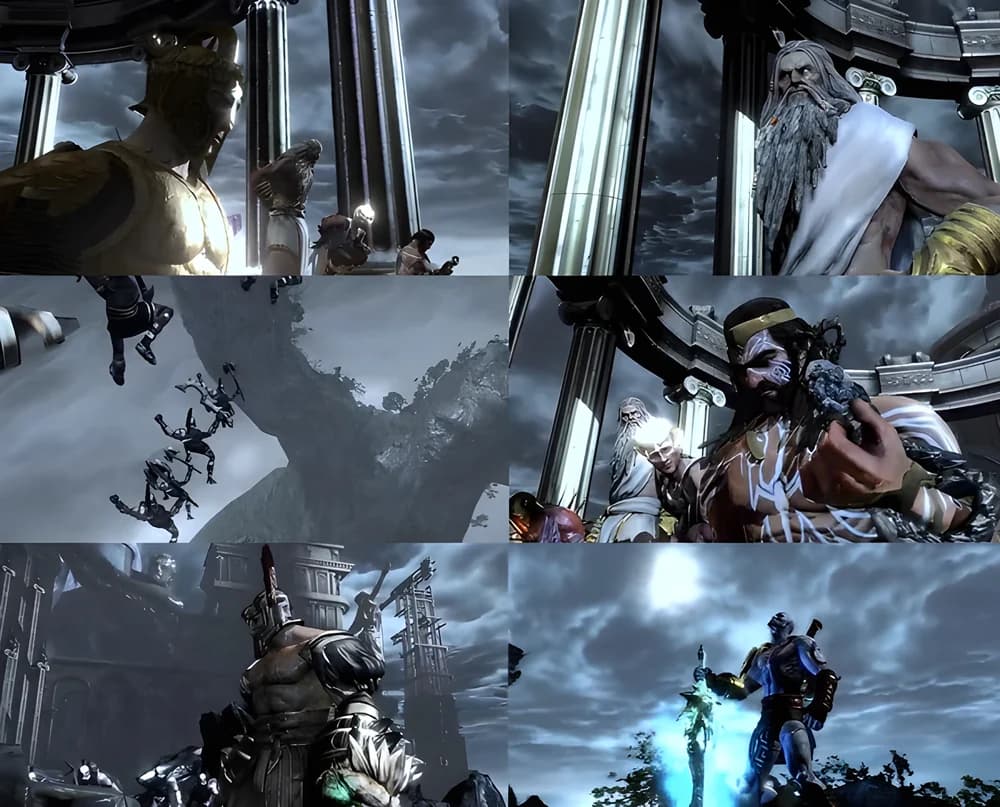
Second Titanomachy
The Second Titanomachy was the war Kratos set in motion against the Olympian Gods, when he led the Titans up Mount Olympus to take his vengeance on Zeus. It ended with the death of nearly every god and Titan and the ruin of Greece.
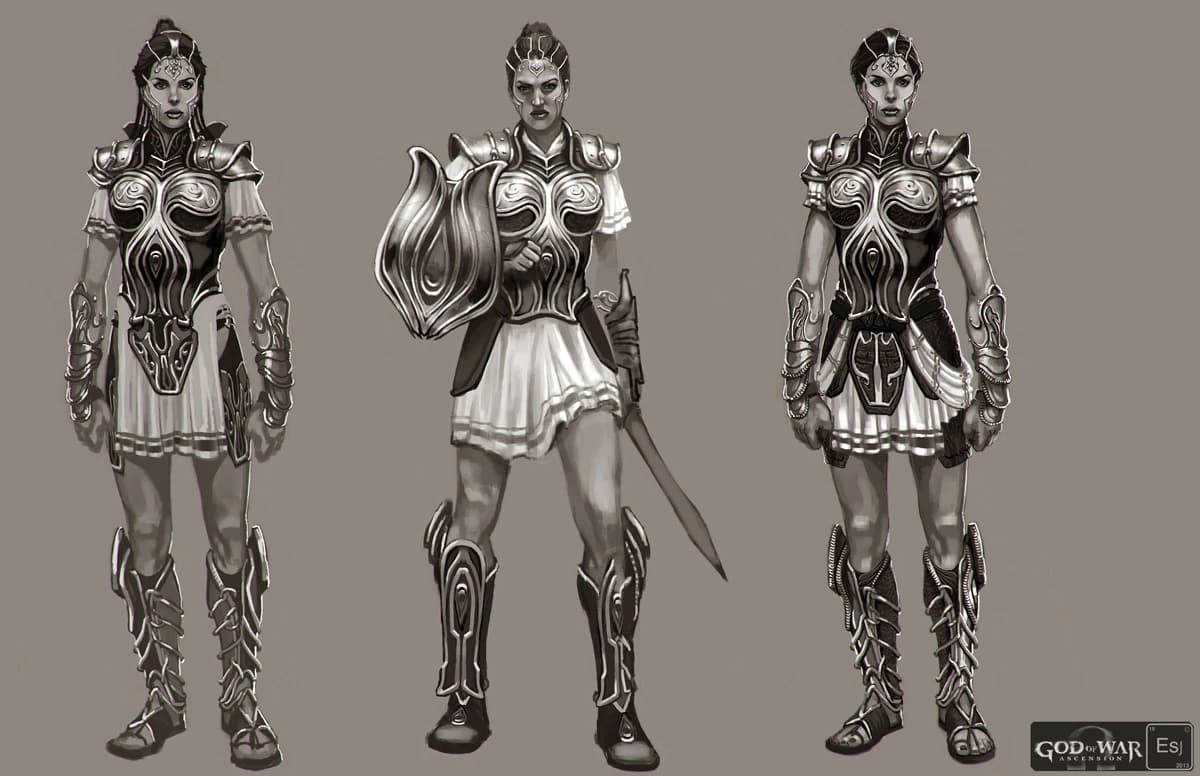
Athena: from Kratos' guide to his enemy
Athena set Kratos against Ares to save Athens, then turned on him when his reign grew worse. She died taking a blow meant for Zeus, and named Kratos his son.
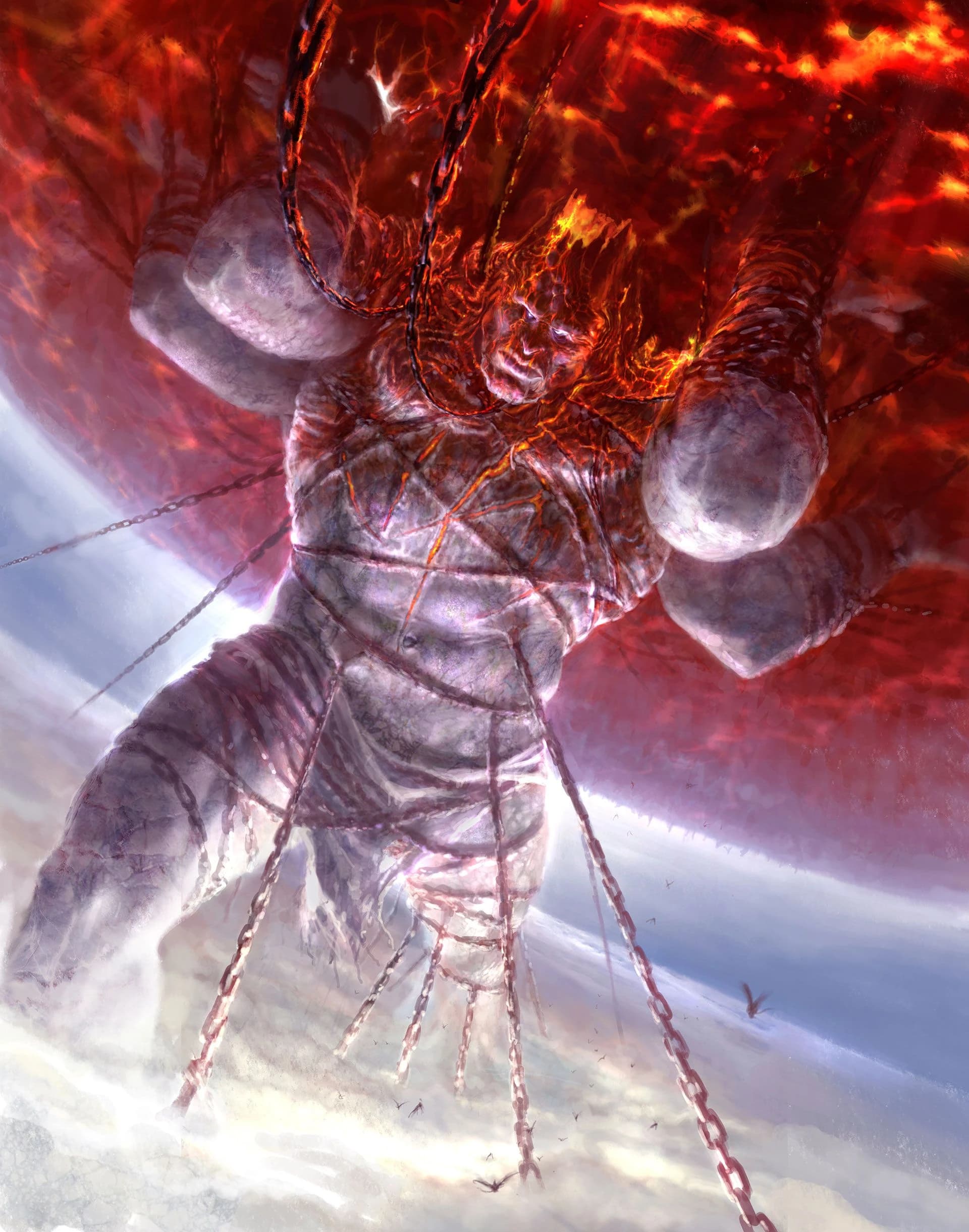
Atlas: the Titan who holds up the world
Four-armed general of the Titans and the strongest of them. Kratos condemned him to carry the world on the Pillar of the World, then took his help.
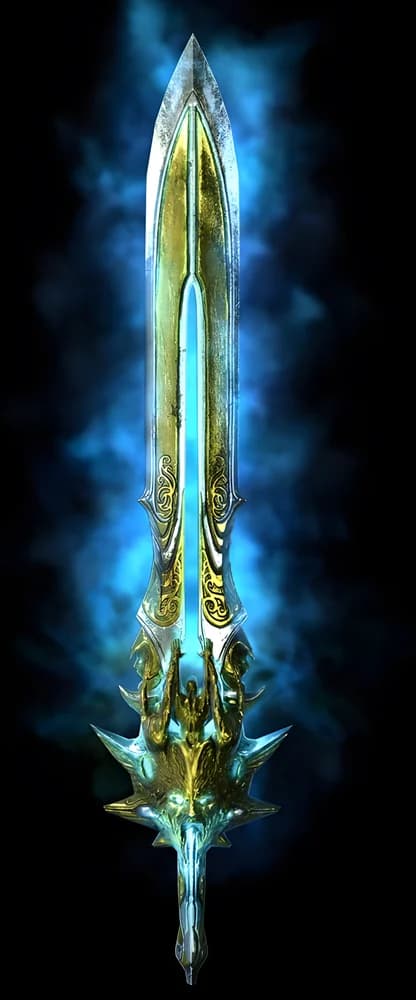
Blade of Olympus: Zeus' god-killing sword
Zeus forged the Blade of Olympus from the heavens and the earth to banish the Titans to Tartarus. It could kill gods and Titans, and it killed Zeus himself.
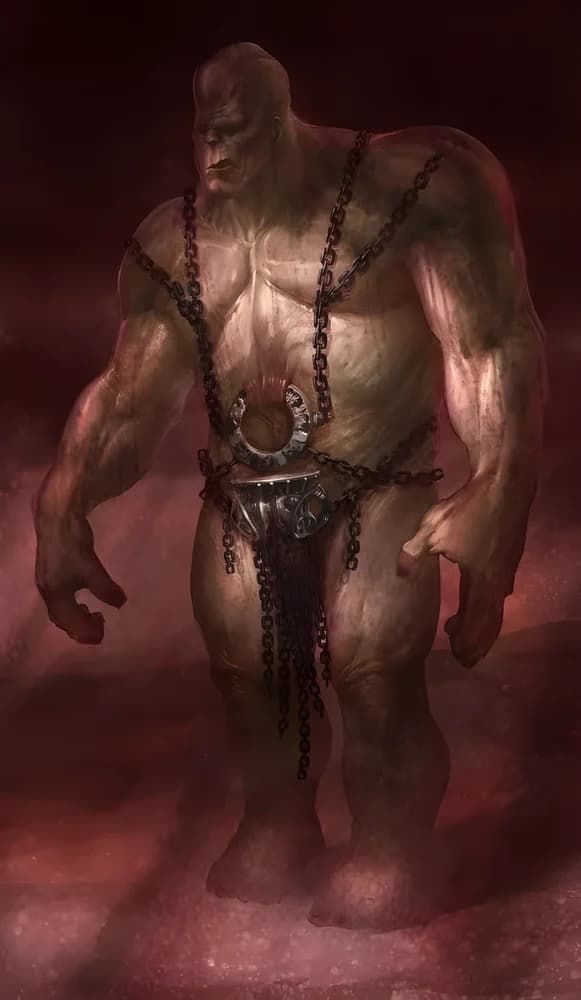
Cronos: the Titan who ate his children
Warned that his own children would depose him, Cronos swallowed each at birth. Rhea hid Zeus, Zeus deposed him anyway, and Kratos finished him.
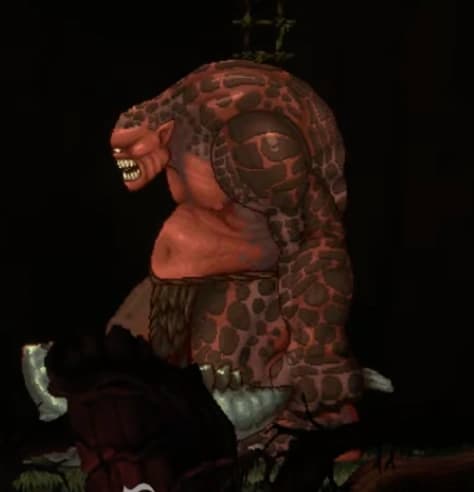
Cyclopes: the one-eyed giants of Greece
The Cyclopes were a race of burly, one-eyed giants of the Greek world. Once peaceful shepherds, they were dragged into the first War of the Titans and used thereafter as beasts of war in the armies of the gods.
Mentioned in21 entries
Blade of Olympus: Zeus' god-killing sword
Zeus forged the Blade of Olympus from the heavens and the earth to banish the Titans to Tartarus. It could kill gods and Titans, and it killed Zeus himself.
Claws of Hades
The Claws of Hades were chained weapons wielded by Hades, god of the Underworld, who used their magic to tear the souls from his enemies. Kratos stole them in battle, claimed the god's own soul with them, and carried them as a means of ripping and summoning the souls of the dead.
Cyclopes: the one-eyed giants of Greece
The Cyclopes were a race of burly, one-eyed giants of the Greek world. Once peaceful shepherds, they were dragged into the first War of the Titans and used thereafter as beasts of war in the armies of the gods.
Desert of Lost Souls: the wasteland east of Athens
The Desert of Lost Souls was a vast, monster haunted desert far to the east of Athens, the place where Zeus condemned the Titan Cronos to wander with Pandora's Temple chained to his back. Kratos crossed its sands in his quest for Pandora's Box, and there Ares struck him down with a pillar hurled from the ruins of Athens.
God of War II Story Explained: Plot Summary and Ending
The whole story of God of War II in order, from Zeus's betrayal at Rhodes to the Titans climbing Mount Olympus. Then the ending in plain terms: why Athena died, what she told Kratos about his father, and how it sets up God of War III.
God of War Timeline: every major event from the Primordials to Valhalla
The full in-universe chronology of God of War, from the war of the Primordials and the fall of the Titans to Kratos's life in Sparta, his war on Olympus, and the end of the Aesir at Ragnarök. The games give almost no calendar years, so events are ordered by story sequence and grouped into eras, with notes wherever the games' own placement is vague.
God of War: Chains of Olympus Story Explained
The plot of Chains of Olympus in order, from the Persian attack on Attica to Kratos holding his daughter in Elysium and letting her go. Then the ending explained: what Persephone wanted, why Atlas holds up the world, and where it leaves Kratos.
Greek Gods
The Greek Gods were the pantheon that ruled over Greece across three generations, the Primordials, the Titans, and the Olympians. Once the masters of mortals, monsters, and the natural world, they were brought to near extinction by Kratos in his war of vengeance against Olympus.
Hope: the greatest weapon in the world
Hope was a blessed power strong enough to kill a god, hidden by Athena at the bottom of Pandora's Box as a counterweight to the evils sealed there after the Great War. Kratos absorbed it without knowing when he opened the Box to slay Ares, awakened it through forgiveness to destroy Zeus, and released it to mankind on the point of the Blade of Olympus.
Lahkesis
Lahkesis was the middle Sister of Fate, the measurer who determined the length and course of every life. Loyal to Zeus, she barred Kratos from the Loom of Fate and fought him alongside her sister Atropos before being trapped within a shattered mirror.
Mount Olympus: Zeus' seat, torn down
The golden mountain became the seat of the gods after the first Titanomachy, and none but a god could set foot on it. Kratos brought the whole thing down.
Nike
Nike was the Olympian goddess of victory, daughter of the Titan Pallas and the water goddess Styx. Though she never crossed Kratos' path in the flesh, her likeness was honored across Greece in statues, carvings, and murals raised to celebrate triumph in war.
+ 9 more
Get new articles in your inbox
No spam. New lore drops, canon conflicts, and deep dives only when they’re worth reading.
Some links on Lore Fortress are affiliate links. If you buy through them we earn a small commission at no extra cost to you.