Hyperion
the Titan of light
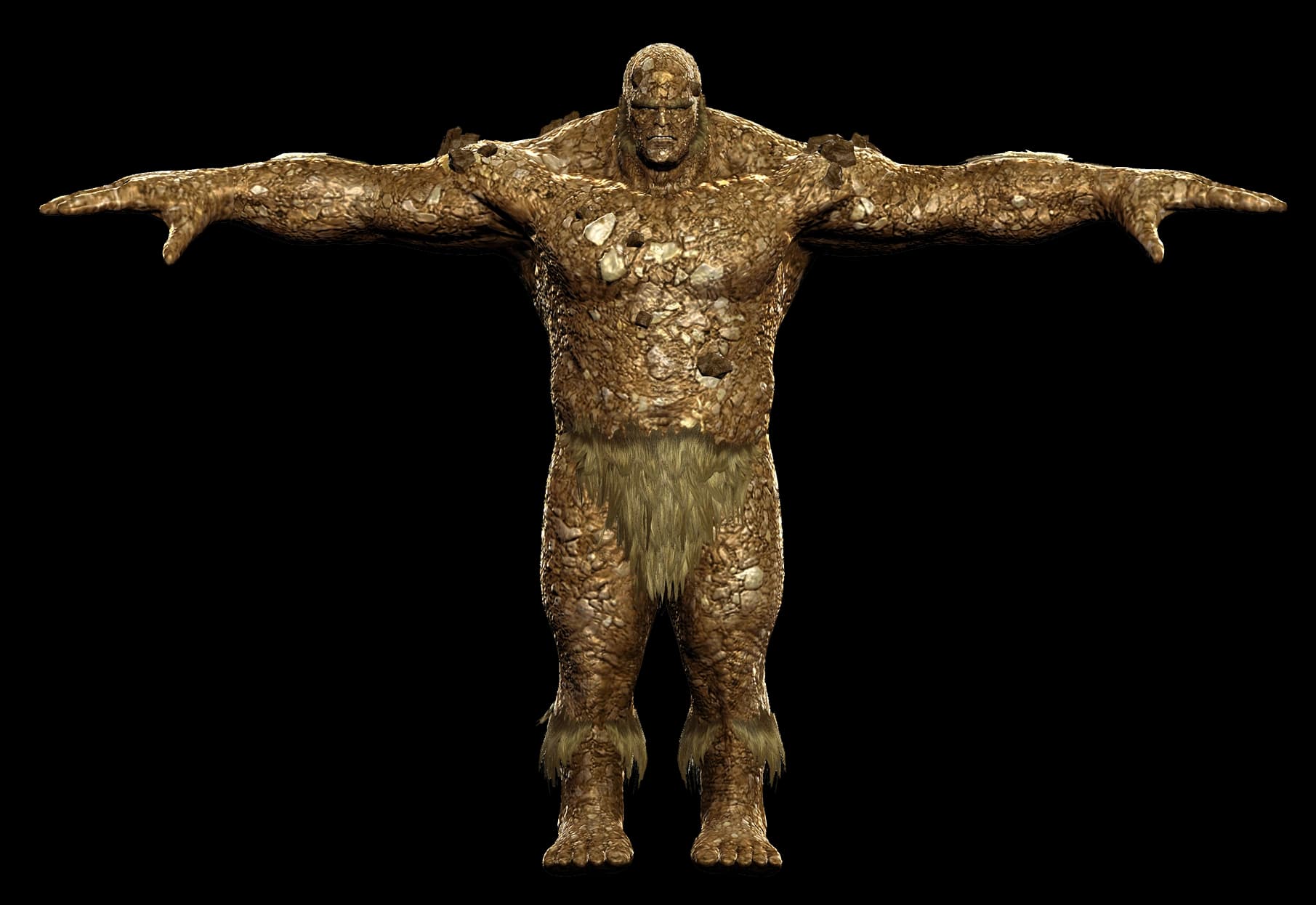
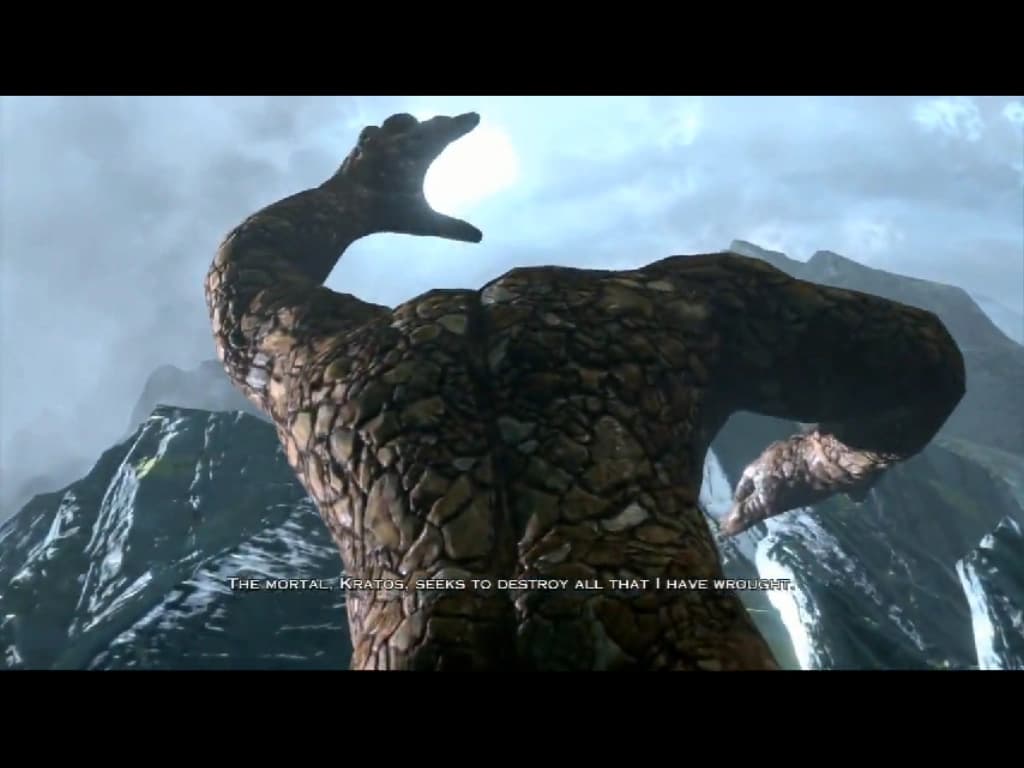
Hyperion was the Titan of the Sun and Light, who embodied the sun before his son Helios took it over. He fell with his kind in the great war and was chained in Tartarus, and the gates that bear his name still cross the world.
Hyperion was one of the mighty Titans, the Titan who embodied the sun before his son Helios. When the Titans fell to Zeus, the sun passed to Helios, who served the Olympians, and Hyperion was cast down into Tartarus. (God of War: Chains of Olympus; God of War II; God of War III)
The Titan in myth#
In Hesiod, Hyperion is one of the Titan children of Ouranos and Gaia, and so a brother of Cronos. With his sister Theia he fathers great Helios, bright Selene and Eos, the sun, the moon and the dawn. (Theogony)
The games keep the family link that matters most: Hyperion is the sun's first master, and Helios inherits the role. (God of War II; God of War III)
Master of the Sun#
Hyperion embodied the sun itself before Helios did, and his pride in his own radiance was fierce. When the Phoenix burned brighter than he did, his anger drove him to strike the creature down, but the Sisters of Fate revived the Phoenix to show that their will was greater than that of the Titans. (God of War II)
Within the burning core of his domain he forged a mighty spear, the Hyperion Spear, a weapon said to bear the weight of the cosmos. (God of War: Ascension)
Fall and legacy#
When the Titans were defeated by Zeus, the sun passed to his son Helios, who sided with the Olympians and drove the Sun Chariot for them. Hyperion himself was chained in the depths of Tartarus, and there Kratos climbed up and around the weary Titan on his way out of the pit, loosening the chains that bound him without the Titan even seeming to notice. (God of War: Chains of Olympus; God of War III)
Though Hyperion fell, his name endured across the world. The Hyperion Gates that let travellers cross great distances bear his name. One such gate stood in the kingdom of Hades and could be opened only by the soul of a god, while another linked the chamber of Aphrodite to the forge of Hephaestus. (God of War III)
Frequently asked questions
- Who is Hyperion in God of War?
- Hyperion is one of the Titans, the Titan who embodied the sun before his son Helios did. Kratos passes him chained in the depths of Tartarus in Chains of Olympus.
- Is Hyperion in God of War III?
- Not for certain. His name is all over the game, on the Hyperion Gates and on attack names, but no Titan in the assault on Olympus is ever named as him.
- Why did Hyperion strike down the Phoenix?
- God of War II says the Phoenix burned brighter than he did, and in his anger he struck it down. The Sisters of Fate revived the bird to show that their will was greater than that of the Titans.
- What happened to Hyperion after the Titans fell?
- When the Titans were defeated by Zeus, Hyperion was chained in the depths of Tartarus, and the sun passed to his son Helios, who served the Olympians. Kratos later climbs up and around the weary Titan on his way out of the pit.
Gallery
Images via God of War Wiki
Sources
- GameGod of War: Chains of Olympus, Ready at Dawn, 2008
- GameGod of War II, Santa Monica Studio, 2007
- GameGod of War III, Santa Monica Studio, 2010
- GameGod of War: Ascension, Santa Monica Studio, 2013
- BookTheogony, Hesiod, around 700 BC
Spotted a factual error or a primary source we missed? Email a correction. Every flagged claim gets reviewed.
Followed from this entry
Aphrodite: Hephaestus' wife, lover of Ares
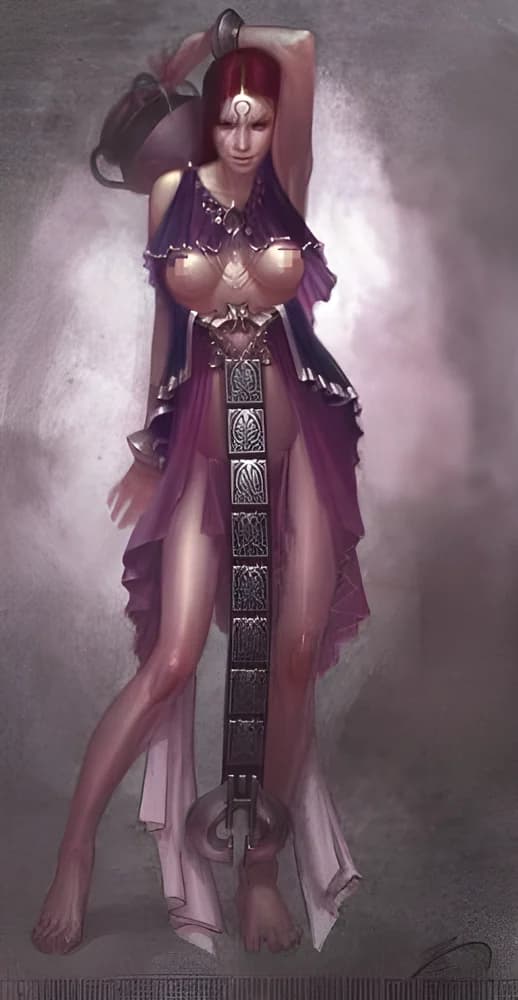
Aphrodite was married to the smith Hephaestus but had no love for him. In myth she took Ares as a lover, and in the games she gave Kratos Medusa's gaze.
Cronos: the Titan who ate his children
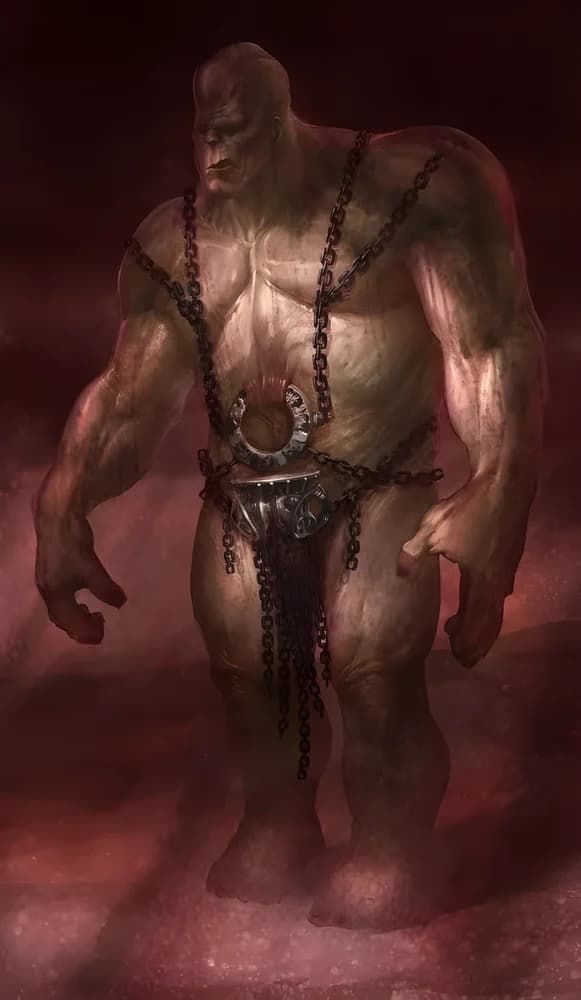
Warned that his own children would depose him, Cronos swallowed each at birth. Rhea hid Zeus, Zeus deposed him anyway, and Kratos finished him.
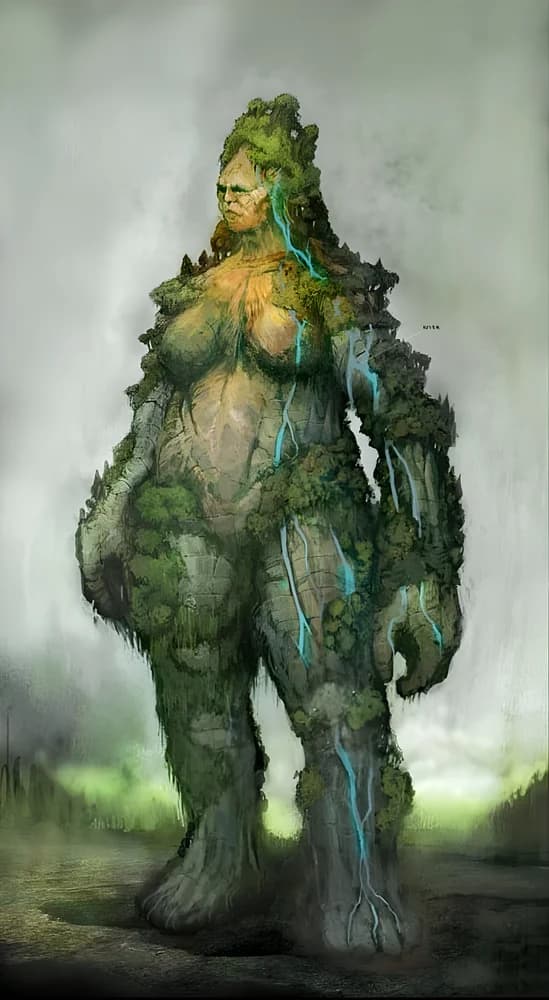
Gaia: Mother Earth, betrayed by Kratos
Gaia bore the Titans, hid the infant Zeus from Cronos, and allied with Kratos against Olympus. He ran the Blade of Olympus through her heart.
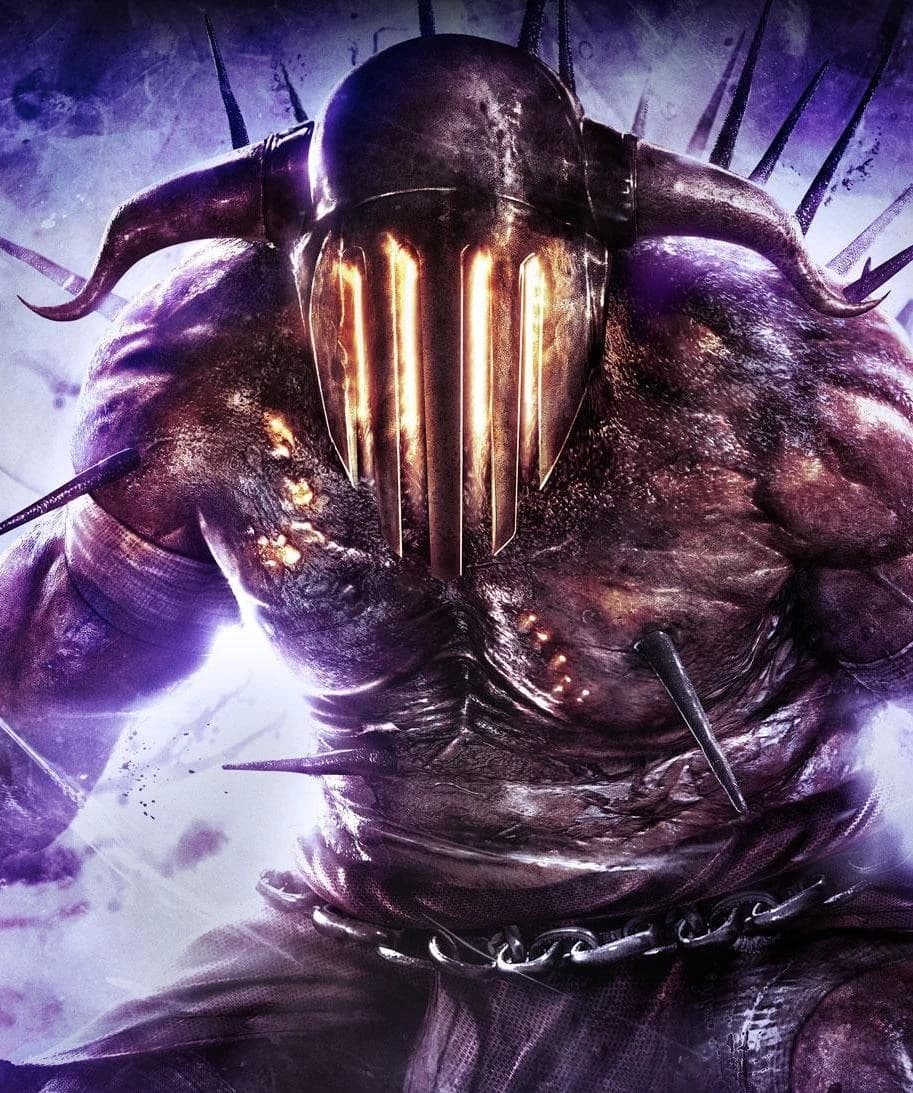
Hades: the god whose soul Kratos tore out
Eldest son of Cronos, Hades ruled the Underworld and held life and death in balance. Kratos turned the Claws of Hades on him and ripped his soul out.

Helios: the sun god Kratos beheaded
Kratos once saved Helios from the Titan Atlas. Years later he tore the sun god's head from his body and carried it through Olympus as a lantern.
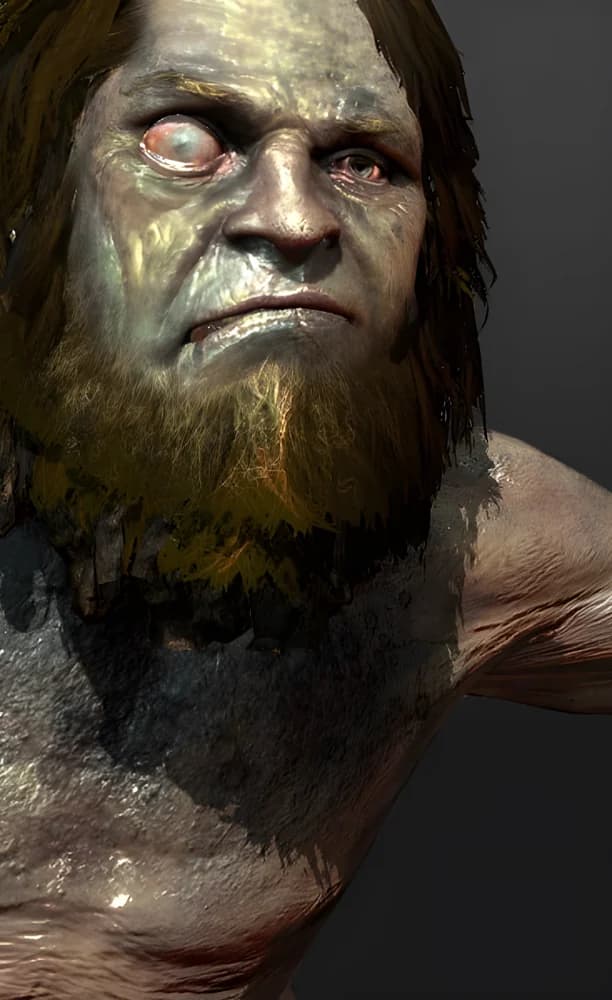
Hephaestus: the smith who made the Blades
He forged Pandora's Box for Zeus and the Blades of Chaos for Ares, and lost everything for it. Kratos killed him in the Underworld, defending his daughter.
Mentioned in4 entries
Eos
Eos was the goddess of the dawn, sister of Helios and daughter of the Titan Hyperion. When her brother vanished and the world fell to endless sleep, she sent Kratos to find him, her own powers fading with the missing sun.
Helios: the sun god Kratos beheaded
Kratos once saved Helios from the Titan Atlas. Years later he tore the sun god's head from his body and carried it through Olympus as a lantern.
Second Titanomachy
The Second Titanomachy was the war Kratos set in motion against the Olympian Gods, when he led the Titans up Mount Olympus to take his vengeance on Zeus. It ended with the death of nearly every god and Titan and the ruin of Greece.
Titans: the elder gods Zeus cast down
Born to Gaia and Ouranos, the Titans ruled the Golden Age under Cronos until Zeus buried them in Tartarus. Kratos later raised them one last time.
Get new articles in your inbox
No spam. New lore drops, canon conflicts, and deep dives only when they’re worth reading.
Some links on Lore Fortress are affiliate links. If you buy through them we earn a small commission at no extra cost to you.