Helios: the sun god Kratos beheaded
God of the Sun
Kratos once saved Helios from the Titan Atlas. Years later he tore the sun god's head from his body and carried it through Olympus as a lantern.
Helios was the God of the Sun and Guardian of Oaths, born a Titan yet welcomed into the Olympian pantheon as one of its major gods. Son of Hyperion and Theia, he drove the Sun Chariot across the sky each day and saw all that passed beneath it. Kratos twice crossed his path: first as the Spartan who rescued him from the Titan Atlas, and later as the destroyer who tore his head from his body during the war against Zeus. His death plunged Greece into darkness and storm. (God of War: Chains of Olympus; God of War III)
Origins and the first war#
In the old myth Helios was the son of the Titans Hyperion and Theia, and brother to Selene and Eos. In the games he sided with the Olympians against his own kind in the first war between the gods and the Titans, and Atlas's memory of that war shows him fighting the Titans beside Hermes. The games never say what drove him to turn on his father's generation. (Theogony; God of War II)
God of the Sun#
Zeus welcomed the Sun God into the pantheon. Each day Helios drove the Sun Chariot across the sky, and the sun he carried did more than light the world: while it shone, the dream god Morpheus could not take hold of it. In the myths his daughter Circe was a famous witch. (God of War: Chains of Olympus; Theogony)
The abduction by Atlas#
The goddess Persephone, bitter at being bound to the Underworld, ordered the Titan Atlas to tear Helios from the sky as part of a scheme to destroy the world. With the sun gone, the dream god Morpheus seized the mortal world and cast the gods into slumber, and Atlas began to use Helios's captured power against the Pillar of the World. Before the plan could be completed, Kratos defeated Persephone and chained Atlas in the Pillar's place. During that battle the light radiating from the captive Helios was turned against Persephone to weaken her. Helios, grateful to be returned to the sky, showed pity for Kratos's sacrifices, though Athena overruled any further aid. (God of War: Chains of Olympus)
Death and the severed head#
When Kratos later turned against Olympus, Helios mounted his Sun Chariot to battle the rising Titans, hurling fire at Gaia and at the Titan Perses. Kratos used a ballista to damage the Chariot, sending Helios crashing into Perses, who crushed him and flung him far into the city. Gravely wounded and unable to lift himself, Helios was found by Kratos amid the ruins. (God of War III)
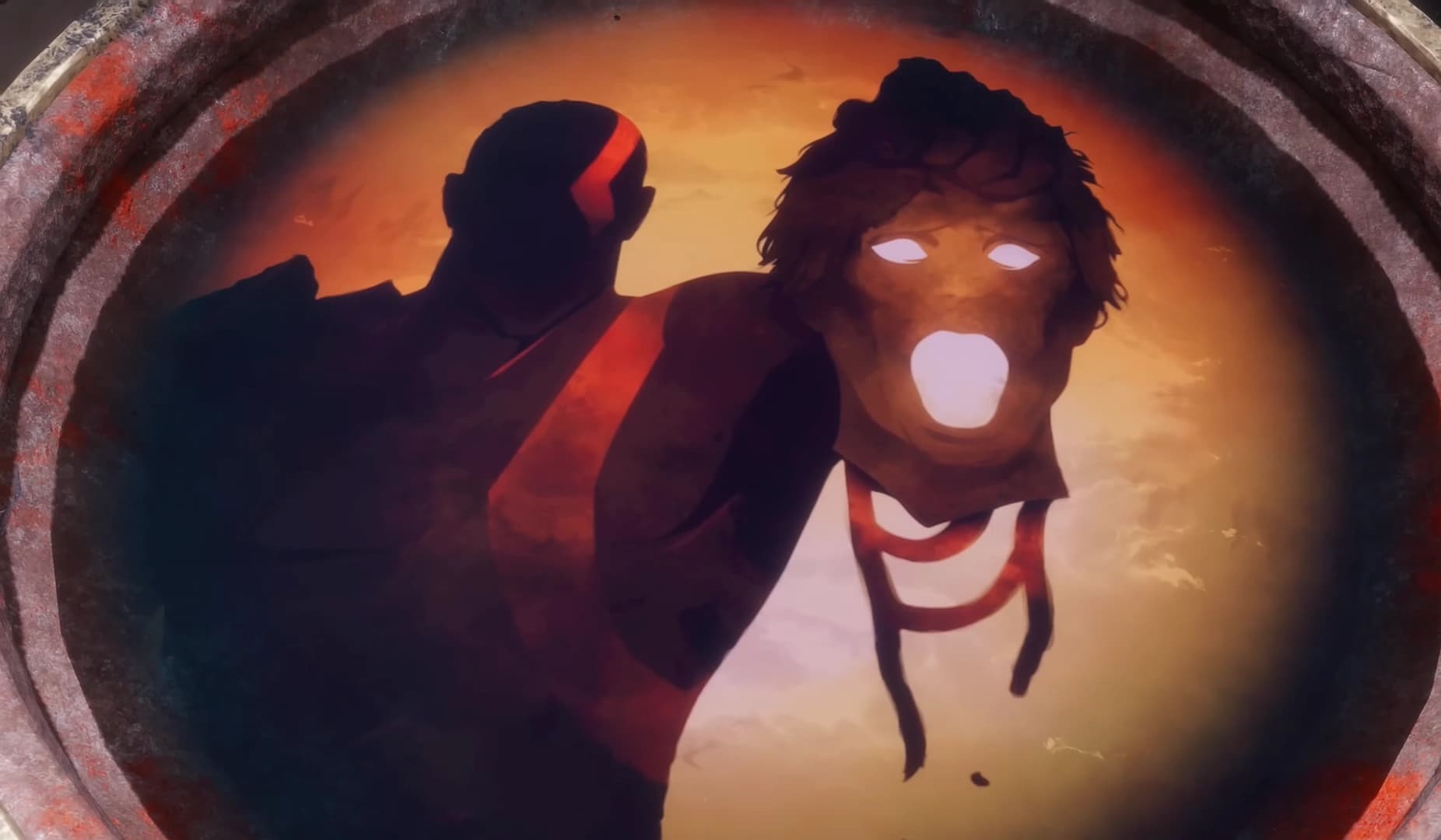
Pleading for his life, Helios reminded Kratos of the debt owed for his rescue from Atlas and tried to deceive him, claiming that bathing in the Flame of Olympus would grant its power. Kratos saw through the lie, trusting instead the warning of Hephaestus that the Flame killed all who touched it. With a final defiant gaze, Helios was seized by the head, his neck broken, and his head torn from his body. With his death, clouds blocked the sun and darkness, rain, and storms swept across Greece, and the loss of the sun ruined the crops and brought famine. Kratos carried the severed head onward, using it to blind enemies, light dark paths, and twice blind the Titan Cronos in battle. (God of War III; God of War Ragnarök: Valhalla)
Frequently asked questions
- Who is Helios in God of War?
- Helios was the God of the Sun and Guardian of Oaths, born a Titan yet welcomed into the Olympian pantheon as one of its major gods. Son of Hyperion and Theia, he drove the Sun Chariot across the sky each day and saw all that passed beneath it.
- How did Helios become a god of Olympus?
- Though Titan-born, Helios fought on the side of the gods in the first war against the Titans. Once Cronos and his kin were beaten, Zeus welcomed him into the pantheon, and he drove the Sun Chariot across the sky each day.
- How did Kratos first save Helios?
- Persephone ordered the Titan Atlas to tear Helios from the sky as part of a scheme to destroy the world, blacking out the sun so Morpheus could put the gods to sleep. Kratos defeated Persephone and chained Atlas in the Pillar of the World's place, returning Helios to the sky.
- How did Helios die in God of War 3?
- When Kratos turned against Olympus, Helios was crushed by the Titan Perses and flung into the city. Kratos found the wounded Sun God, saw through his lie about the Flame of Olympus, and tore his head from his body.
- What happened after Helios was killed?
- With Helios's death, clouds blocked the sun and darkness, rain, and storms swept across Greece, and the loss of the sun ruined the crops and brought famine. Kratos carried the severed head onward, using it to blind enemies, light dark paths, and twice blind the Titan Cronos in battle.
Gallery
Images via God of War Wiki
Sources
- GameGod of War II, Santa Monica Studio, 2007
- GameGod of War III, Santa Monica Studio, 2010
- GameGod of War: Chains of Olympus, Ready at Dawn, 2008
- GameGod of War Ragnarök: Valhalla, Santa Monica Studio, 2023
- BookTheogony, Hesiod, around 700 BC
Spotted a factual error or a primary source we missed? Email a correction. Every flagged claim gets reviewed.
Followed from this entry
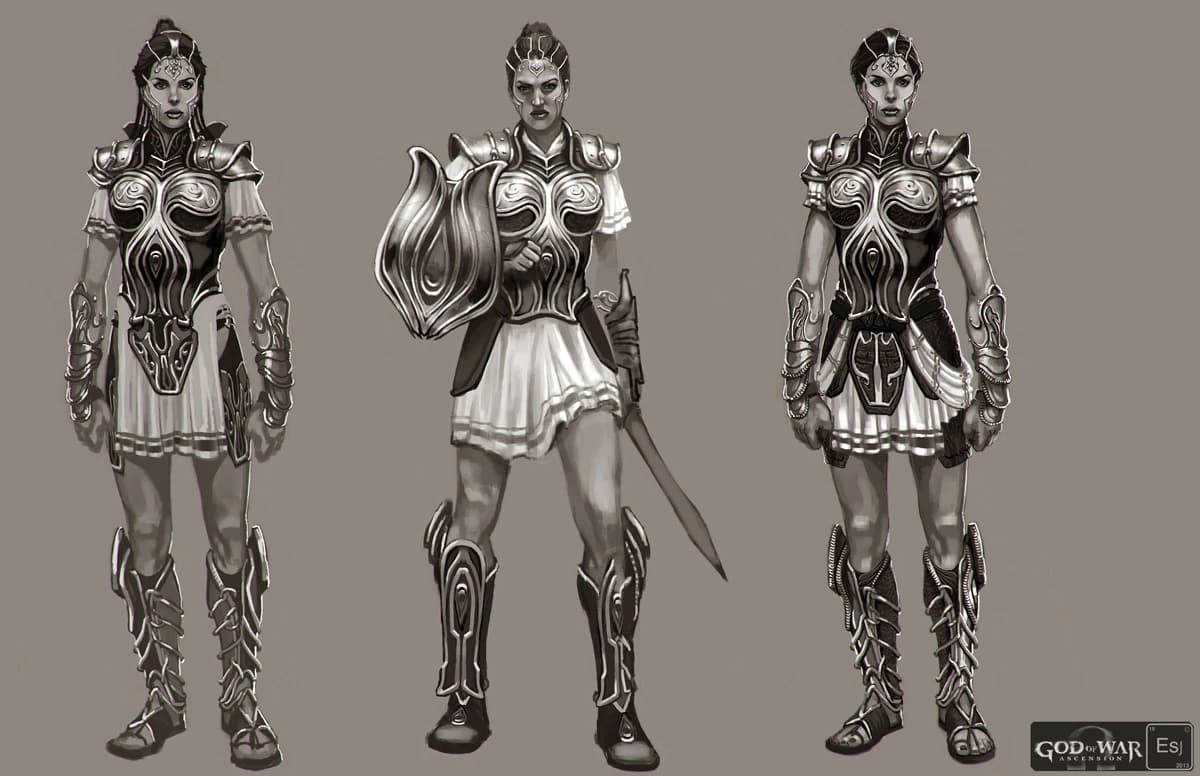
Athena: from Kratos' guide to his enemy
Athena set Kratos against Ares to save Athens, then turned on him when his reign grew worse. She died taking a blow meant for Zeus, and named Kratos his son.
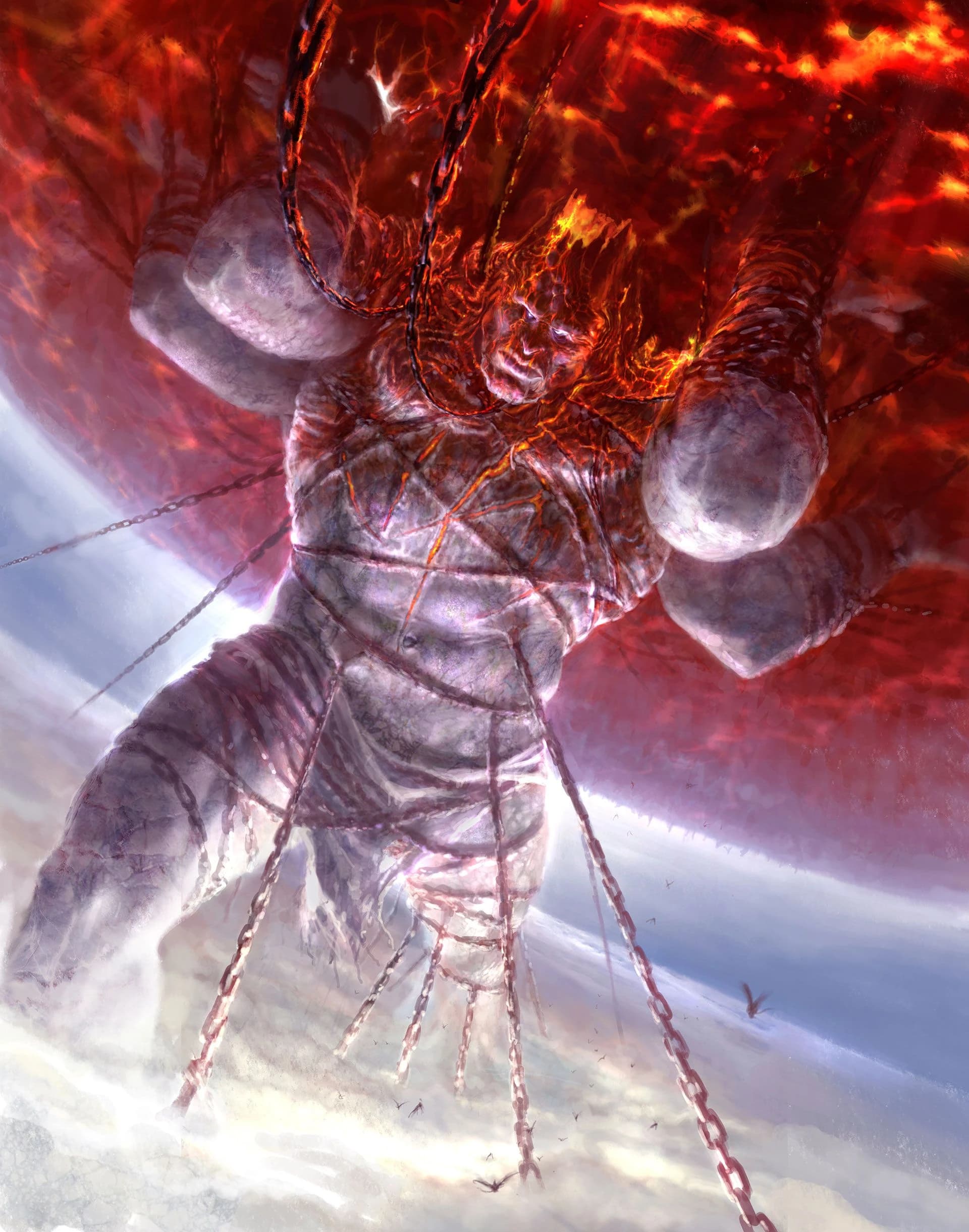
Atlas: the Titan who holds up the world
Four-armed general of the Titans and the strongest of them. Kratos condemned him to carry the world on the Pillar of the World, then took his help.
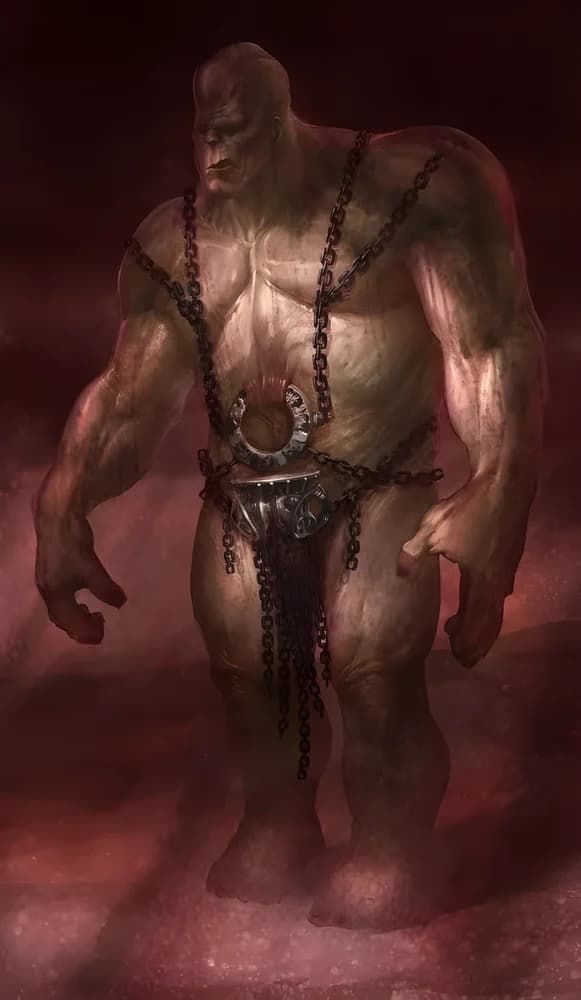
Cronos: the Titan who ate his children
Warned that his own children would depose him, Cronos swallowed each at birth. Rhea hid Zeus, Zeus deposed him anyway, and Kratos finished him.
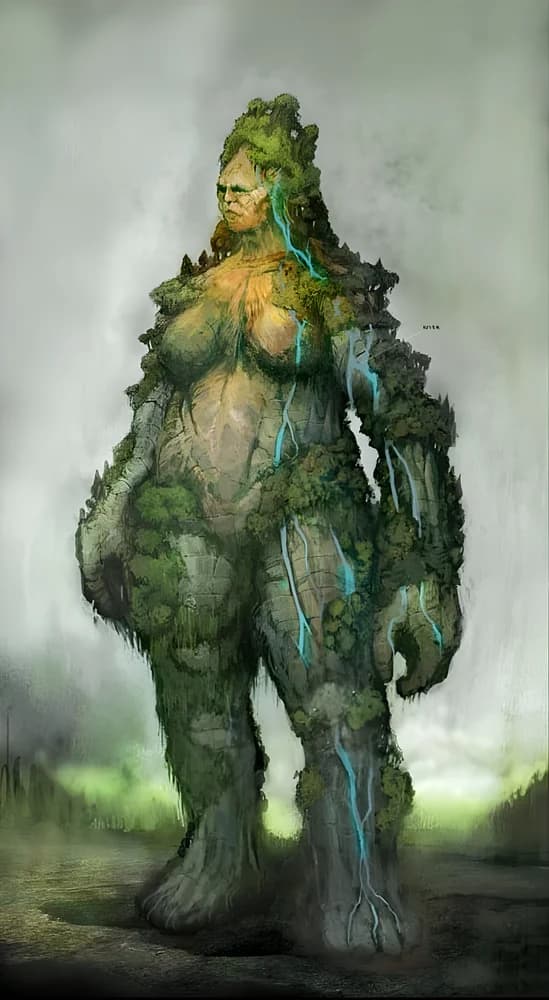
Gaia: Mother Earth, betrayed by Kratos
Gaia bore the Titans, hid the infant Zeus from Cronos, and allied with Kratos against Olympus. He ran the Blade of Olympus through her heart.
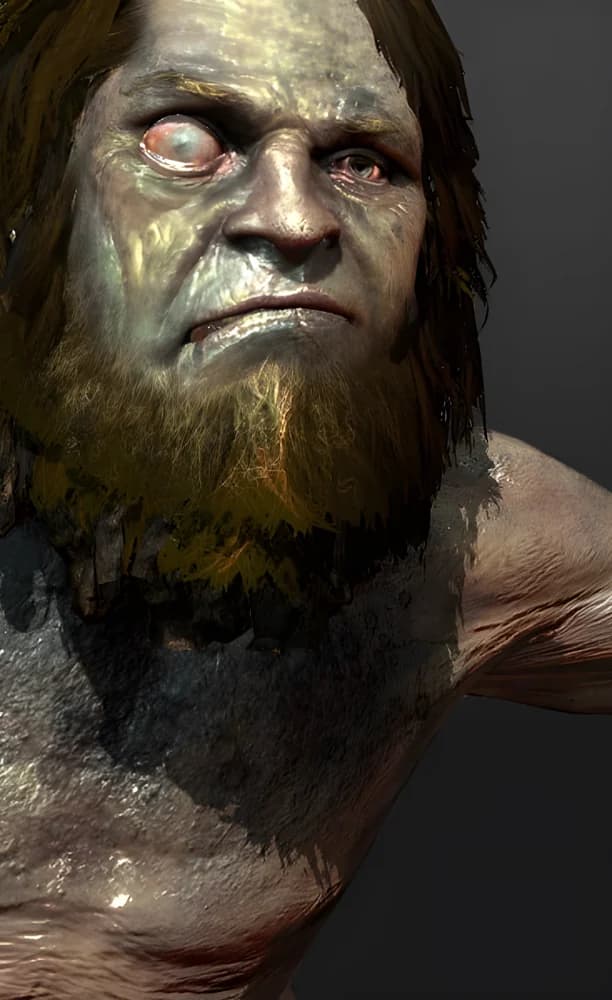
Hephaestus: the smith who made the Blades
He forged Pandora's Box for Zeus and the Blades of Chaos for Ares, and lost everything for it. Kratos killed him in the Underworld, defending his daughter.

Hermes: the swift god Kratos crippled
Hermes taunted Kratos through a long chase across Olympus. The Spartan cornered him, severed his legs at the knee and took the winged boots for himself.
Mentioned in48 entries
Aeetes: the king of Colchis
Aeetes was the king of Colchis, a son of the sun god Helios and the father of the sorceress Medea. The Golden Fleece came to rest in his kingdom as a gift of gratitude, and its theft by Jason of the Argonauts cost the king his daughter, his son, and the greatest treasure of his house.
Alrik
Alrik, the Barbarian King, was the leader of the Barbarian horde from the east and one of Kratos' oldest enemies. His assault drove Kratos to pledge his soul to Ares, beginning the Spartan's tragedy, and his hatred outlasted even death.
Aphrodite: Hephaestus' wife, lover of Ares
Aphrodite was married to the smith Hephaestus but had no love for him. In myth she took Ares as a lover, and in the games she gave Kratos Medusa's gaze.
Ariadne: the Cretan princess who became a goddess
Ariadne was a princess of Crete, daughter of King Minos, who gave Theseus the thread that carried him out of the Cretan maze. Taken from the hero by Dionysus, she was raised to godhood as his wife, while the man she once saved gave the rest of his life to the hope of winning her back.
Atlas: the Titan who holds up the world
Four-armed general of the Titans and the strongest of them. Kratos condemned him to carry the world on the Pillar of the World, then took his help.
Ballista: siege engine of the Greek world
The ballista was a great crossbow of the Greek world, fixed to the ground or mounted on a moving platform and built to hurl huge wooden bolts against ships and city walls. In the hands of Kratos, these engines sank a Persian warship, drove off the Basilisk, struck the Colossus of Rhodes, slew Pandora's Guardian, and knocked the sun god Helios from the sky.
Blades of Chaos: chained to Kratos' arms
The Blades of Chaos were forged in the Underworld for Ares, who seared their chains onto Kratos' forearms. They burn with the fire of Tartarus.
Boreas
Boreas was the Olympian God of the North Wind, Storms, and Winter, who led the Chariot of Helios across the sky as the Devouring One. Awakened by Kratos to find the captive Sun God, he lent his name and his frozen power to shrines, weapons, and beasts scattered across the snowbound reaches of Greece.
Calliope
Calliope was the beloved daughter of Kratos and Lysandra, a gentle and innocent child of Sparta. Killed by her father during a frenzy contrived by Ares, she found rest in the Elysium Fields, only for Kratos to be forced to abandon her there to save the world.
Chimera
The Chimera was a great three-natured monster, bearing the heads of a goat and a lion and a serpent for a tail. Loosed as a minion of Olympus, it breathed fire and venom against Kratos in the temples and ruins of Greece.
Colossus of Rhodes
The Colossus of Rhodes was a towering bronze statue of the sun god Helios that stood over the port of Rhodes. Animated by Zeus to destroy Kratos, it tore through the city in pursuit of the Spartan, and its fall left him a mortal once more.
Cyclops Berserker
The Cyclops Berserker was the largest and fiercest breed of Cyclops, a club-wielding giant often loosed upon the field by the Beast Lords who rode upon its shoulders. Kratos broke many of these brutes across Greece and faced them again in the trials of Valhalla.
+ 36 more
Get new articles in your inbox
No spam. New lore drops, canon conflicts, and deep dives only when they’re worth reading.
Some links on Lore Fortress are affiliate links. If you buy through them we earn a small commission at no extra cost to you.