Persephone: the queen who wanted it over
Queen of the Underworld
Forced into marriage with Hades, Persephone set out to end the Greek world and herself with it. Kratos struck her down at the Pillar of the World.
Persephone was the Olympian Goddess of Spring and the Queen of the Underworld, daughter of Zeus and Demeter. Abducted and bound to the Lord of the Dead Hades, she grew so embittered by the life forced upon her that she sought to end not only her own existence but the entire Greek world. Her scheme freed the Titan Atlas to destroy the Pillar of the World, and it was Kratos who stopped her, at the cost of his own reunion with his dead daughter. (God of War: Chains of Olympus)
Abduction and bitterness#
Born of the union of Zeus and Demeter, Persephone shared her mother's love of nature, and her beauty drew the attention of many gods. The most persistent was Hades, Lord of the Dead, who ruled alone over his vast kingdom. Knowing that Demeter would never consent to the marriage, Hades schemed with Zeus to abduct Persephone into the Underworld and claim her as his wife. (God of War: Chains of Olympus)
Demeter, distraught, made the Earth infertile in her grief until the Sun God Helios revealed the truth and she demanded her daughter's return. Hades complied, but only after deceiving Persephone into tasting the pomegranate of his garden, which bound her to spend part of each year below. The seasons were born of her mother's sorrow and joy at her leaving and returning. Though Hades's love for her was true and he granted her rule over the Elysian Fields, Persephone resented her fate. In time her nature darkened and she mastered the magical arts of the Underworld, dreaming of escape. (God of War: Chains of Olympus)
The plot to end the world#
Worn down by her forced marriage and her duties over the fallen, Persephone resolved to destroy the world along with herself. She allied with the dream god Morpheus and the Titan Atlas, freeing the Titan from Tartarus without any god noticing. Morpheus, with the gods asleep, took hold of the mortal world, while Atlas tore Helios from the sky, plunging the world into darkness, and began to destroy the Pillar of the World that held the Earth and Olympus in place. (God of War: Chains of Olympus)
Calliope and the trap#
Kratos, then a servant of the gods, descended into the Underworld in pursuit of his dead daughter Calliope. Persephone met him and told him that to reach Calliope in the Elysian Fields he would have to surrender his power and weapons. When Kratos was at last reunited with his daughter, the goddess revealed her plot and mocked him, knowing she had disarmed him through his love. Kratos gave up his chance to remain with Calliope in order to reclaim his powers and stop her. Her trap is the last act of God of War: Chains of Olympus, the prequel that sent Kratos after the missing sun. (God of War: Chains of Olympus)
Death at the Pillar#
Taking a winged and armored form, Persephone flew up the Pillar of the World, which Atlas was already breaking. Kratos latched onto her with his blades and gave chase, battling her atop the Pillar while Atlas fought at her side. The ray of light from the captive Helios, held in the Titan's hand, was used to weaken her, and Kratos crushed her with the Gauntlet of Zeus. In her last breath she told him his suffering would never end, and her body disintegrated in a great release of energy. Her death foreshadowed the vengeance Kratos would one day take against the gods himself. (God of War: Chains of Olympus)
Frequently asked questions
- Who is Persephone in God of War?
- Persephone was the Olympian Goddess of Spring and Queen of the Underworld, daughter of Zeus and Demeter. Abducted and bound to Hades, she grew so embittered by the life forced upon her that she sought to end her own existence and the entire Greek world with it.
- How was Persephone abducted into the Underworld?
- Hades, Lord of the Dead, loved Persephone but knew Demeter would never consent to a marriage, so he schemed with Zeus to abduct her into the Underworld. When Demeter demanded her return, Hades complied only after deceiving Persephone into tasting the pomegranate of his garden, which bound her to spend part of each year below.
- What was Persephone's plot to destroy the world?
- Persephone allied with the dream god Morpheus and the Titan Atlas, freeing Atlas from Tartarus without any god noticing. While Morpheus put the gods to sleep, Atlas tore Helios from the sky and began to destroy the Pillar of the World that held the Earth and Olympus in place.
- How did Persephone trap Kratos?
- When Kratos descended into the Underworld in pursuit of his dead daughter Calliope, Persephone told him he would have to surrender his power and weapons to reach her in the Elysian Fields. Once he was reunited with Calliope, the goddess revealed her plot, knowing she had disarmed him through his love.
- How did Persephone die?
- Persephone took a winged and armored form and flew up the Pillar of the World as Atlas broke it. Kratos gave chase, used the ray of light from the captive Helios to weaken her, and crushed her with the Gauntlet of Zeus, after which her body disintegrated in a great release of energy.
Sources
- GameGod of War: Chains of Olympus, Ready at Dawn, 2008
Spotted a factual error or a primary source we missed? Email a correction. Every flagged claim gets reviewed.
Followed from this entry
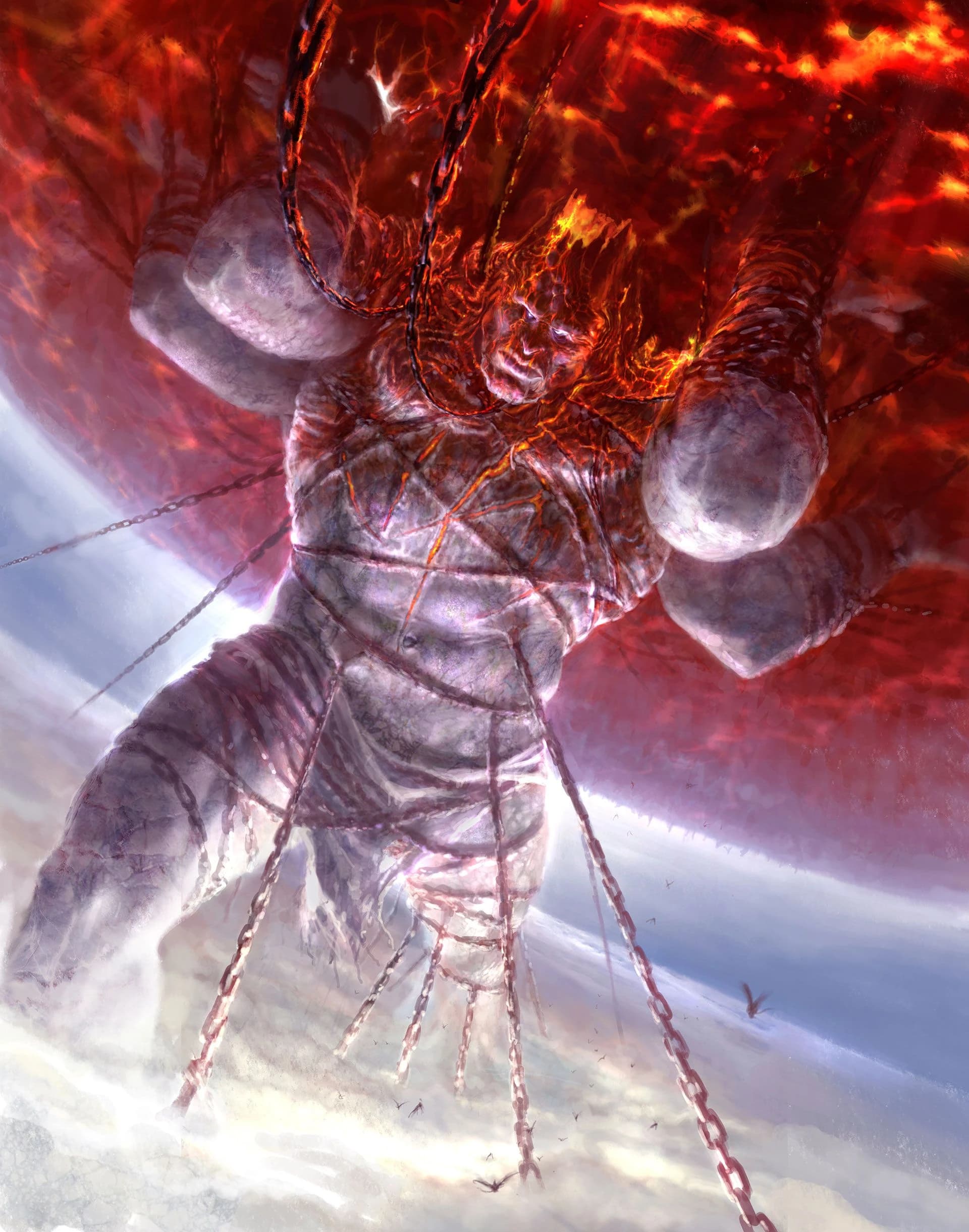
Atlas: the Titan who holds up the world
Four-armed general of the Titans and the strongest of them. Kratos condemned him to carry the world on the Pillar of the World, then took his help.
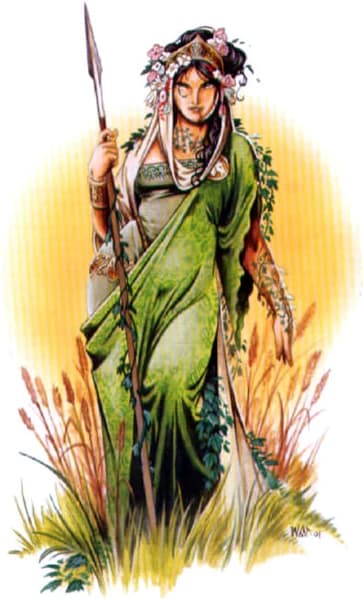
Demeter
Demeter was the Olympian Goddess of the Harvest and Agriculture, a sister of Zeus and mother of Persephone. She held dominion over plants and grain, and her grief at the abduction of her daughter by Hades brought barren winter upon the earth.
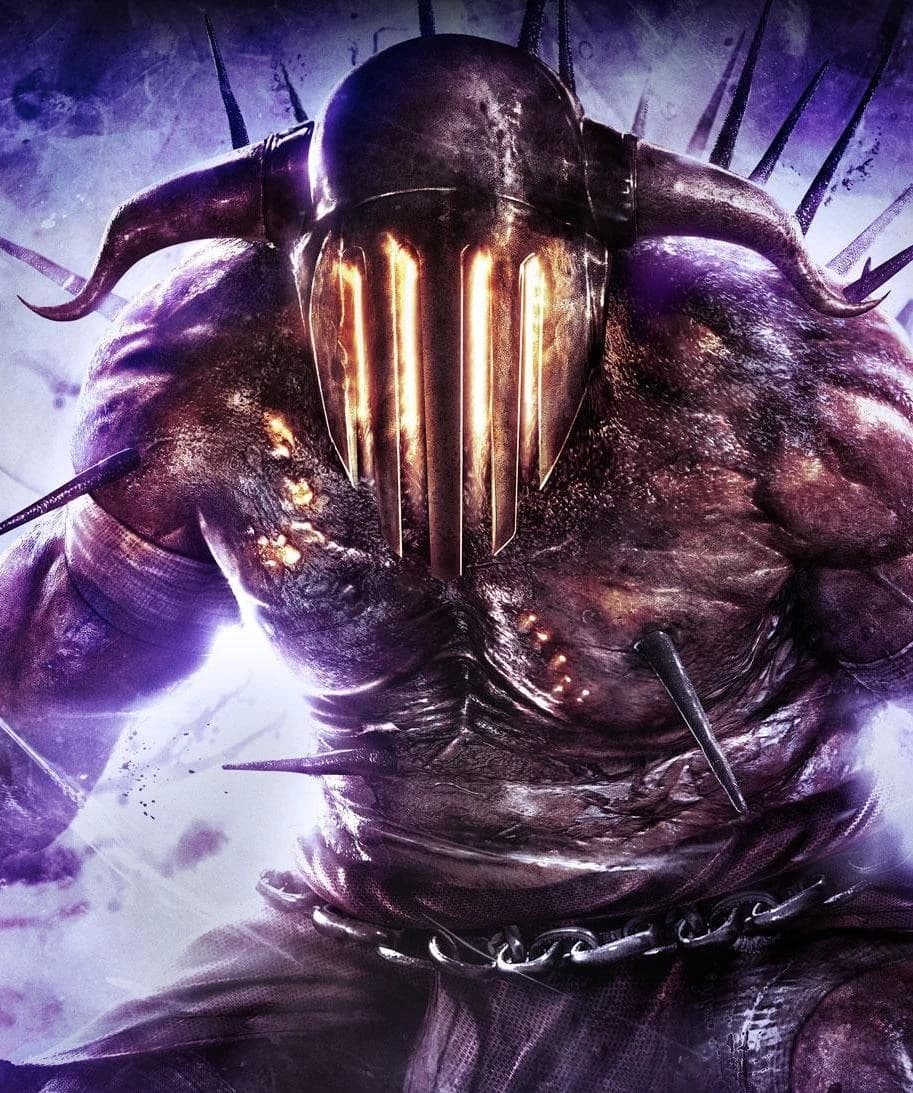
Hades: the god whose soul Kratos tore out
Eldest son of Cronos, Hades ruled the Underworld and held life and death in balance. Kratos turned the Claws of Hades on him and ripped his soul out.

Helios: the sun god Kratos beheaded
Kratos once saved Helios from the Titan Atlas. Years later he tore the sun god's head from his body and carried it through Olympus as a lantern.
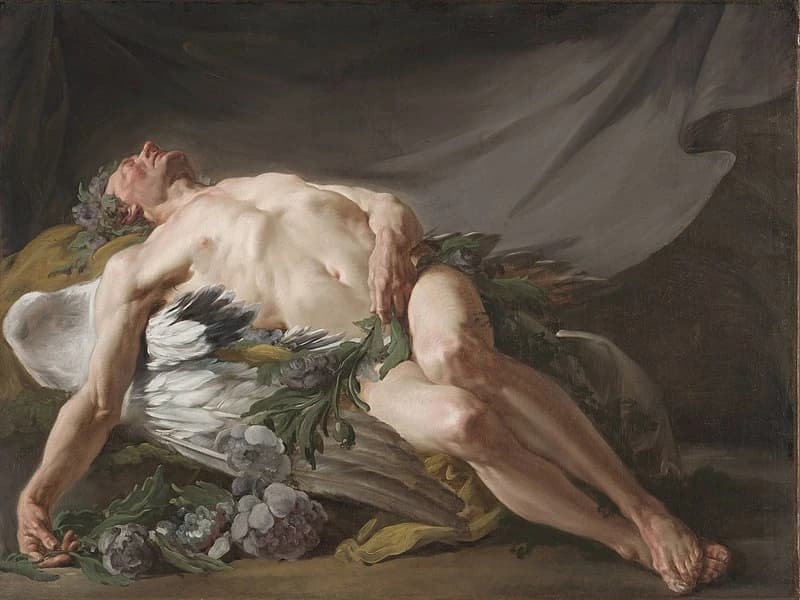
Morpheus
Morpheus was the Greek God of Dreams, a power of night who ruled the Realm of Dreams. When Helios was torn from the sky, he seized his chance to cast the gods and mortals into slumber and wrap the world in black fog, retreating only when Kratos returned the sun to the heavens.

Zeus
Zeus was the King of Olympus and ruler of the Greek Pantheon, the youngest son of Cronos who freed his siblings, ended the Great War, and claimed the heavens. Father of Kratos, he became the great antagonist of the Greek age and fell at last to the very son he had tried to destroy.
Mentioned in30 entries
Atlas: the Titan who holds up the world
Four-armed general of the Titans and the strongest of them. Kratos condemned him to carry the world on the Pillar of the World, then took his help.
Bow of Apollo
The Bow of Apollo was a fire-imbued bow named for the sun god Apollo. Kratos took it from Peirithous, the doomed lover of Persephone, who was imprisoned in the Underworld within a cage of brambles.
Calliope
Calliope was the beloved daughter of Kratos and Lysandra, a gentle and innocent child of Sparta. Killed by her father during a frenzy contrived by Ares, she found rest in the Elysium Fields, only for Kratos to be forced to abandon her there to save the world.
Charon
Charon was the ferryman who carried the souls of the dead across the River Styx, a servant of Hades and Persephone. When Kratos came to his docks still living, Charon refused him passage and cast him into Tartarus before the Spartan returned to kill him.
Demeter
Demeter was the Olympian Goddess of the Harvest and Agriculture, a sister of Zeus and mother of Persephone. She held dominion over plants and grain, and her grief at the abduction of her daughter by Hades brought barren winter upon the earth.
Gauntlet of Zeus
The Gauntlet of Zeus was a colossal gauntlet forged by Hephaestus and used by Zeus to chain the Titans in the depths of Tartarus. Recovered by Kratos from the Temple of Zeus, it became the weapon with which he slew Persephone.
God of War Characters: Every Major Character, Greek and Norse
Every major God of War character in one place, from Kratos and the Olympians of the Greek games to Atreus, Freya, Odin and the Aesir of the Norse saga. Each entry says who they are, what they do in the story and how it ends for them.
God of War Story Explained: the Whole Saga from Sparta to Ragnarök
The full God of War story in order, one main game at a time. Kratos serves Ares, kills him, destroys Olympus, starts again in the Norse lands and finally ends Odin, with the Valhalla epilogue as the last word.
God of War Timeline: every major event from the Primordials to Valhalla
The full in-universe chronology of God of War, from the war of the Primordials and the fall of the Titans to Kratos's life in Sparta, his war on Olympus, and the end of the Aesir at Ragnarök. The games give almost no calendar years, so events are ordered by story sequence and grouped into eras, with notes wherever the games' own placement is vague.
God of War Weapons List: the Name of Every Weapon Kratos Has Used
Kratos has carried two dozen weapons across two lifetimes, from a Spartan spear to a spear built from a ring that copies itself. This list runs through them in the order he got them, Greek era first, then Norse.
God of War: Chains of Olympus Story Explained
The plot of Chains of Olympus in order, from the Persian attack on Attica to Kratos holding his daughter in Elysium and letting her go. Then the ending explained: what Persephone wanted, why Atlas holds up the world, and where it leaves Kratos.
Gorgon
The Gorgons were a serpentine race of female monsters whose gaze turned the living to stone. Ruled by three matriarchs, Medusa, Euryale, and Stheno, they marched in the army of Ares and were hunted across Greece by Kratos, who claimed their severed heads as weapons.
+ 18 more
Get new articles in your inbox
No spam. New lore drops, canon conflicts, and deep dives only when they’re worth reading.
Some links on Lore Fortress are affiliate links. If you buy through them we earn a small commission at no extra cost to you.