Charon
the ferryman of the Underworld
Charon was the ferryman who carried the souls of the dead across the River Styx, a servant of Hades and Persephone. When Kratos came to his docks still living, Charon refused him passage and cast him into Tartarus before the Spartan returned to kill him.
Charon was the ferryman of the Underworld, the gaunt and masked figure who carried the souls of the dead across the River Styx in service to Hades and Persephone. When Kratos arrived at his docks while still among the living, Charon refused him passage, bested him, and hurled him into the depths of Tartarus, only for the Spartan to return and beat the ferryman to death. (God of War: Chains of Olympus)
The ferryman of the Styx#
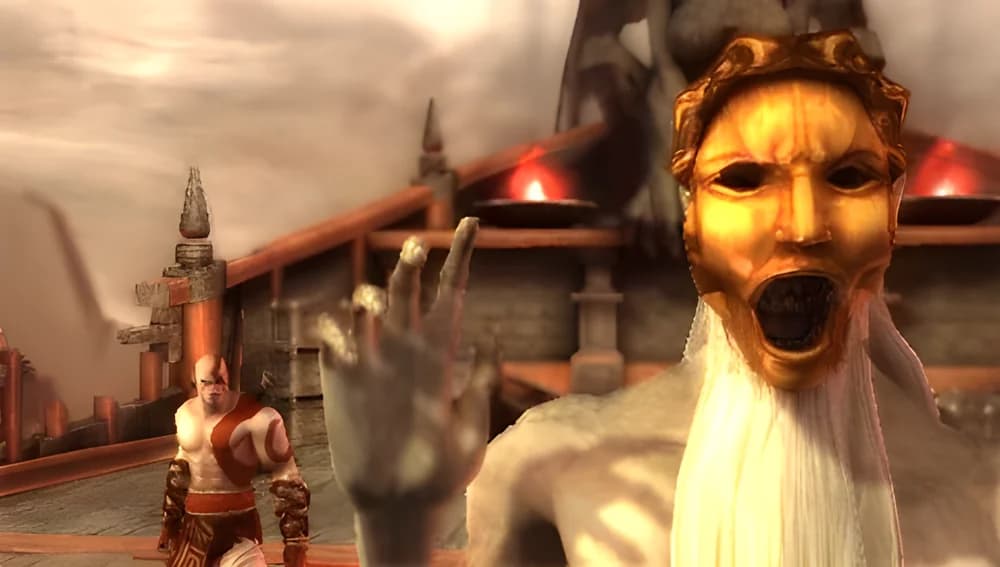
Charon was the ferryman of the Underworld, who carried the souls of the dead across the River Styx in service to Hades and Persephone, the King and Queen of the dead. He was a tall and gaunt figure with pale skin, robed in dark cloth hung with severed heads, his skull-like face hidden behind a golden mask. For a weapon he carried a great scythe that he also leaned upon as a walking stick. By his own admission he despised his endless office of ferrying the dead. (God of War: Chains of Olympus)
The first crossing#
Kratos came to Charon's docks upon the River Styx while still among the living. The ferryman refused him passage, for he was not dead, and the two fought for control of the ship. Charon moved with great speed, dissipating into the ground to reappear elsewhere, hurling green orbs, blasting ravenous green flame from his mask, and charging his scythe to loose shockwaves into the ground. He could even command his ferry to wash a wave of energy across the deck that killed all in its path. After a short battle the ferryman struck Kratos unconscious and cast him down into the depths of Tartarus, one of the rare few ever to best the Spartan in a fair fight. (God of War: Chains of Olympus)
The second meeting and death#
Kratos obtained the Gauntlet of Zeus and used it to climb back out of Tartarus, and there he encountered Charon a second time. The ferryman drew strength from three pillars to restore his health, so Kratos destroyed them, weakening him, and then impaled him upon his own scythe. Charon survived even that, and so Kratos seized hold of him and beat his face until he died, ending the ferryman for good. From the body Kratos took the golden mask, which granted him the power of Charon's Wrath. Long after, a carving of the ferryman could still be seen upon the gate to Persephone's shrine. (God of War: Chains of Olympus; God of War III)
Frequently asked questions
- Who is Charon in God of War?
- Charon was the ferryman of the Underworld, who carried the souls of the dead across the River Styx in service to Hades and Persephone. He was a tall and gaunt figure with pale skin, robed in dark cloth hung with severed heads, his skull-like face hidden behind a golden mask.
- Why did Charon refuse Kratos passage?
- Kratos came to Charon's docks upon the River Styx while still among the living, and the ferryman refused him passage because he was not dead. The two then fought for control of the ship.
- How did Charon defeat Kratos the first time?
- After a short battle the ferryman struck Kratos unconscious and cast him down into the depths of Tartarus. He was one of the rare few ever to best the Spartan in a fair fight.
- How did Kratos kill Charon?
- Kratos climbed back out of Tartarus using the Gauntlet of Zeus and met Charon a second time. He destroyed the three pillars the ferryman used to restore his strength, impaled him upon his own scythe, and then beat his face until he died.
- What did Kratos gain from Charon?
- From the body Kratos took Charon's golden mask, which granted him the power of Charon's Wrath.
Gallery
Images via God of War Wiki
Sources
- GameGod of War: Chains of Olympus, Ready at Dawn, 2008
- GameGod of War III, Santa Monica Studio, 2010
Spotted a factual error or a primary source we missed? Email a correction. Every flagged claim gets reviewed.
Followed from this entry
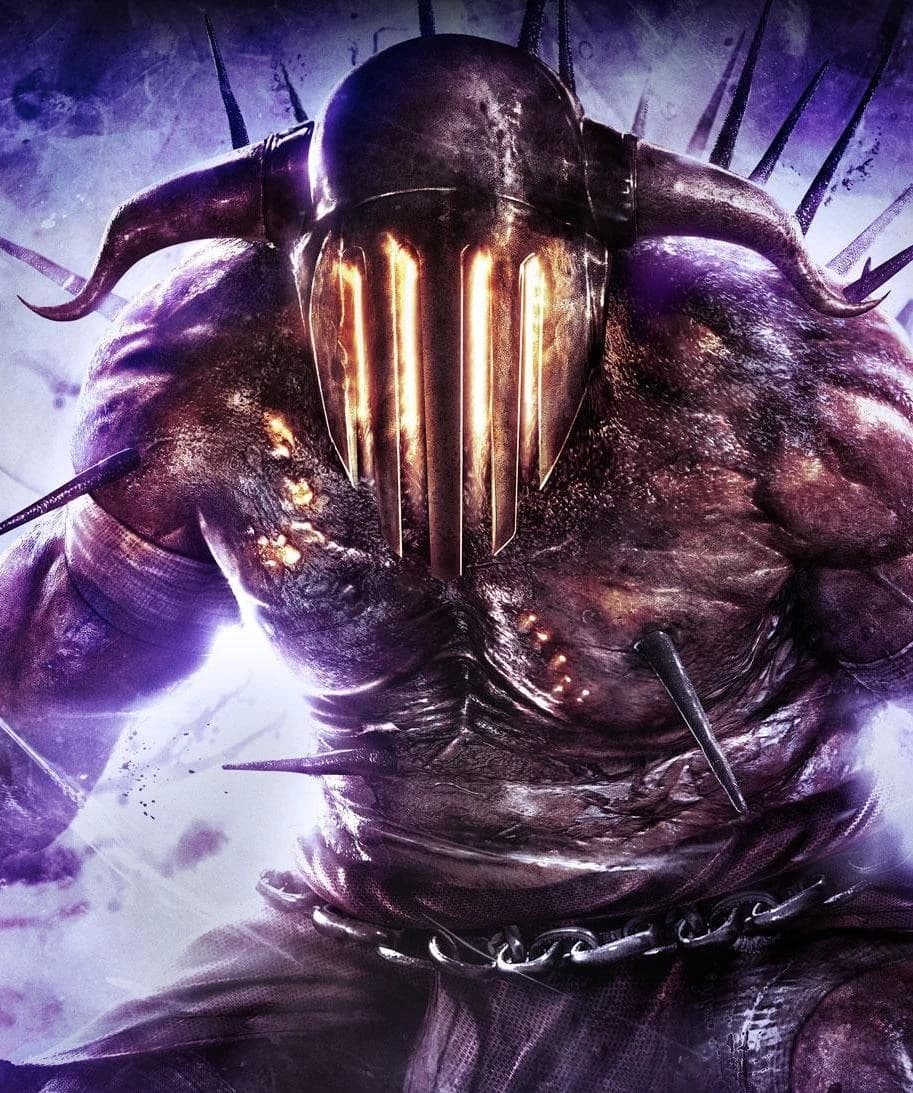
Hades: the god whose soul Kratos tore out
Eldest son of Cronos, Hades ruled the Underworld and held life and death in balance. Kratos turned the Claws of Hades on him and ripped his soul out.

Persephone: the queen who wanted it over
Forced into marriage with Hades, Persephone set out to end the Greek world and herself with it. Kratos struck her down at the Pillar of the World.
River Styx: the river of hatred beneath Greece
The River Styx was the great river of the Greek Underworld, a barrier that killed the living on contact and carried the souls of the dead toward judgement. Charon ferried across it, the Path of Hades bridged it, and Kratos crossed, fell into and finally swam it more times than any mortal.
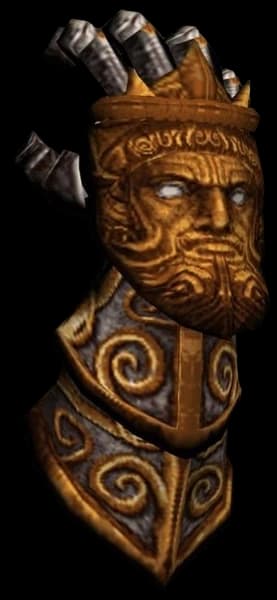
Gauntlet of Zeus
The Gauntlet of Zeus was a colossal gauntlet forged by Hephaestus and used by Zeus to chain the Titans in the depths of Tartarus. Recovered by Kratos from the Temple of Zeus, it became the weapon with which he slew Persephone.
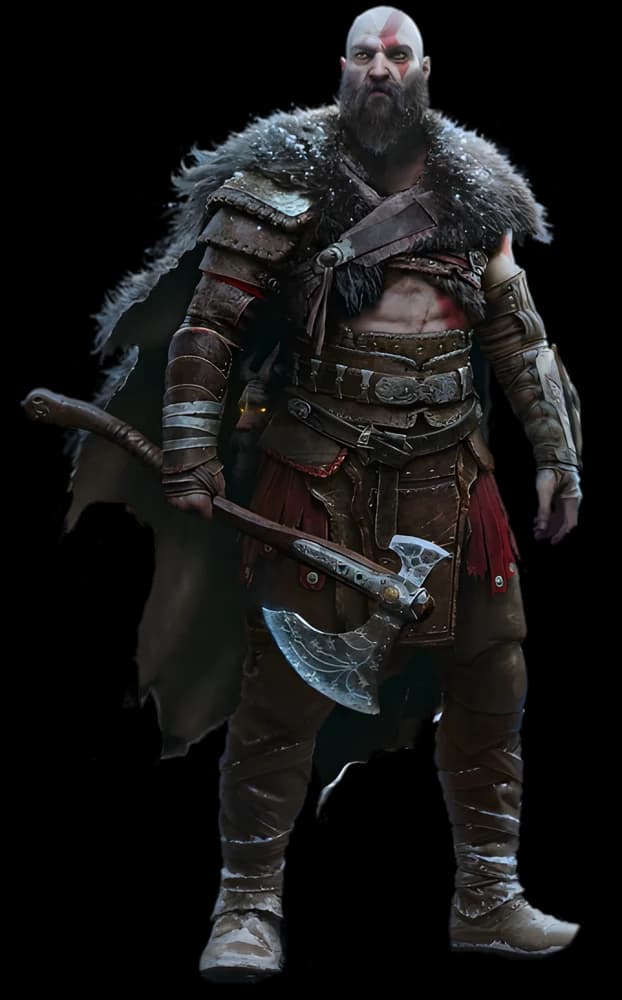
Kratos
Kratos was the demigod son of Zeus who rose from a Spartan general to the Greek God of War, destroyed the pantheon of Olympus in a quest for vengeance, and then began again in the Norse realms as a father seeking to leave his bloody past behind.

Tartarus: the abyss that caged the Titans
Tartarus was the deepest pit of the Underworld, and in Greek myth one of the first beings. Zeus bound the Titans there, and Kratos killed Cronos in its depths.
Mentioned in9 entries
Body Burner: the cursed keeper of Pandora's Gate
The Body Burner was the first mortal to enter Pandora's Temple and, by his own account, the first to die there. Cursed by the gods for his failure, he kept watch year after year on the cliff beyond Pandora's Bridge, burning the corpses of every challenger who followed him, until Kratos passed his gate and carried Pandora's Box out of the temple.
Erebus: the Primordial of Darkness
Erebus was the Primordial entity of Darkness, one of the first deities born from Chaos in the Void and the brother and consort of Nyx, the Night. His dark mists filled the deep hollows of the earth, his name clung to the netherworld of the dead, and later writers counted the ferryman Charon and the Fates among his children. His own end was never recorded.
God of War: Chains of Olympus Story Explained
The plot of Chains of Olympus in order, from the Persian attack on Attica to Kratos holding his daughter in Elysium and letting her go. Then the ending explained: what Persephone wanted, why Atlas holds up the world, and where it leaves Kratos.
Nyx
Nyx was the Primordial of Night, one of the first beings born from Chaos and the sister-consort of Erebus. From the darkness she brought forth a host of lesser primordial gods, drawing her cloak of night across the Greek heavens before withdrawing to her own world of eternal gloom.
Primordials: the First Beings in Existence
The Primordials were the first beings to come into existence at the dawn of creation, ancient cosmic forces who predated the Titans and Olympians of Greece and the Jotnar, Aesir, and Vanir of the Nine Realms. From their wars and unions the worlds themselves were formed.
River Styx: the river of hatred beneath Greece
The River Styx was the great river of the Greek Underworld, a barrier that killed the living on contact and carried the souls of the dead toward judgement. Charon ferried across it, the Path of Hades bridged it, and Kratos crossed, fell into and finally swam it more times than any mortal.
Tartarus: the abyss that caged the Titans
Tartarus was the deepest pit of the Underworld, and in Greek myth one of the first beings. Zeus bound the Titans there, and Kratos killed Cronos in its depths.
The Undead: the dead who would not rest
The Undead were the dead returned to motion, raised by curse, godly power, or magic to serve the masters of the afterlife. In Greece they marched as soulless corpses in the armies of Ares and Hades, while in the Nine Realms the Draugr, Hel-Walkers, and Einherjar overran the living world as Ragnarok drew near.
The Underworld
The Underworld was the realm of the dead in Greece, a hellish landscape below the living world where the River Styx carried mortal souls to their rest. It was ruled by Hades until his death, and Kratos descended into it many times across his Greek campaigns.
Get new articles in your inbox
No spam. New lore drops, canon conflicts, and deep dives only when they’re worth reading.
Some links on Lore Fortress are affiliate links. If you buy through them we earn a small commission at no extra cost to you.