The Underworld
Realm of the Greek Dead
The Underworld was the realm of the dead in Greece, a hellish landscape below the living world where the River Styx carried mortal souls to their rest. It was ruled by Hades until his death, and Kratos descended into it many times across his Greek campaigns.
The Underworld was the land of the dead in Greece, where all mortals went after they died, ruled by Hades until his death at the hands of Kratos. It was a hellish place directly below the living world, where the River Styx carried even the strongest mortal to an eternal resting place. The Underworld was divided into different parts, including the paradise of the Elysium Fields, the River Styx, and the deep pit of Tartarus. Kratos journeyed into it many times across his campaigns, sometimes by choice and sometimes by death, but always made his way back out. (God of War (2005); God of War II; God of War: Chains of Olympus; God of War III)
The kingdom of Hades#
The Underworld was the destination of all mortals after death. Below the falling souls ran the River Styx, a current so strong that even the most powerful mortal could not escape it. It was split into parts: the fields of Elysium where the good and virtuous dwelt, the River Styx, and the pit of Tartarus where the wicked and the imprisoned Titans were held. Heroes of ancient times dwelt in Elysium, while Hades ruled it as its god, with Persephone as its queen. (God of War: Chains of Olympus; God of War III)
The search for Calliope#
In his quest to reach his daughter Calliope, Kratos was carried into the Underworld and met Charon on his boat along the River Styx. Charon overpowered him and cast him into the Pit of Tartarus, where the Titans were held, and there Kratos discovered that the prison of Atlas had been emptied. After escaping Tartarus, he defeated Charon and took his ferry, following the sunlight of Helios down the Styx to the Temple of Persephone, where he glimpsed Calliope. At the entrance to the Elysium Fields, Persephone told him he would have to surrender all his powers to enter and embrace his child. He did so, but their reunion was cut short when Persephone revealed her plan to destroy the Pillar of the World using Atlas. Forced to leave his daughter, Kratos slew the virtuous souls of Elysium to regain his powers, then pursued Persephone to the top of the pillar, defeated her, and bound Atlas to what remained of it, leaving the Titan to hold up the world forever. (God of War: Chains of Olympus)
Death and return#
After Kratos retrieved Pandora's Box, Ares hurled a pillar across the Desert of Lost Souls that pierced him through the chest, and he fell into the Underworld among many other souls. He seized the captain of the ship he had once sailed on, climbed past him, and fought his way upward through flame-wreathed creatures, demonic minotaurs, and screeching harpies until he escaped and was rescued by the Grave Digger. Later, when Zeus killed him with the Blade of Olympus, the Arms of Hades reached up and dragged his corpse down, but Gaia met him there and gave him the chance to resurface and change his fate, healing the wound that the blade had left. (God of War (2005); God of War II)
The death of Hades#
In his final war against the gods, Kratos was cast aside by Gaia and fell into the River Styx, losing the Blade of Olympus and being stripped of his godly powers as the souls of the dead drained his strength. The ghost of Athena appeared and reforged his ruined blades into the Blades of Exile, telling him how to destroy the Flame of Olympus. Traveling deeper, Kratos came upon Peirithous, tortured by Hades in a cage of bramble, and took the Bow of Apollo before completing the Trials of Erebus to gain an audience with the Three Judges. At the Palace of Hades, Kratos fought the god, stole his claws, and used them to tear out Hades' own soul, killing him. With their master dead, the souls cast his corpse into the Styx and escaped to the mortal world. The kingdom that had been his became a desolate place where hopeless spirits roamed forever, never judged and never at peace, for the Three Judges had been destroyed. (God of War III)
Frequently asked questions
- What was the Underworld in God of War?
- The Underworld was the realm of the dead in Greece, a hellish landscape directly below the living world where all mortals went after they died. It was ruled by Hades, with Persephone as its queen, and was divided into parts including the Elysium Fields, the River Styx, and the deep pit of Tartarus.
- Why did Kratos go to the Underworld searching for Calliope?
- In his quest to reach his daughter Calliope, Kratos was carried into the Underworld and cast into the Pit of Tartarus by Charon. He escaped, took Charon's ferry, and followed the sunlight of Helios down the Styx to the Temple of Persephone, where he glimpsed Calliope.
- How did Kratos stop Persephone in the Underworld?
- Persephone revealed her plan to destroy the Pillar of the World using Atlas, forcing Kratos to leave his daughter. He slew the virtuous souls of Elysium to regain his powers, pursued Persephone to the top of the pillar, defeated her, and bound Atlas to what remained of it to hold up the world forever.
- How did Hades die in God of War?
- In his final war against the gods, Kratos reached the Palace of Hades, fought the god, and stole his claws, using them to tear out Hades' own soul and kill him. With their master dead, the souls cast his corpse into the Styx and escaped to the mortal world.
- What happened to the Underworld after Hades died?
- With Hades dead and the Three Judges destroyed, the realm that had been his became a desolate place where hopeless spirits roamed forever. The souls of the dead were left unjudged and never at peace.
Sources
- GameGod of War (2005), Santa Monica Studio, 2005
- GameGod of War II, Santa Monica Studio, 2007
- GameGod of War: Chains of Olympus, Ready at Dawn, 2008
- GameGod of War III, Santa Monica Studio, 2010
Spotted a factual error or a primary source we missed? Email a correction. Every flagged claim gets reviewed.
Followed from this entry
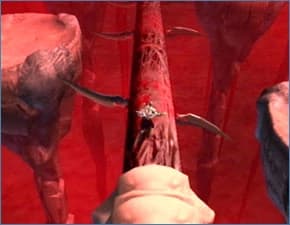
River Styx: the river of hatred beneath Greece
The River Styx was the great river of the Greek Underworld, a barrier that killed the living on contact and carried the souls of the dead toward judgement. Charon ferried across it, the Path of Hades bridged it, and Kratos crossed, fell into and finally swam it more times than any mortal.
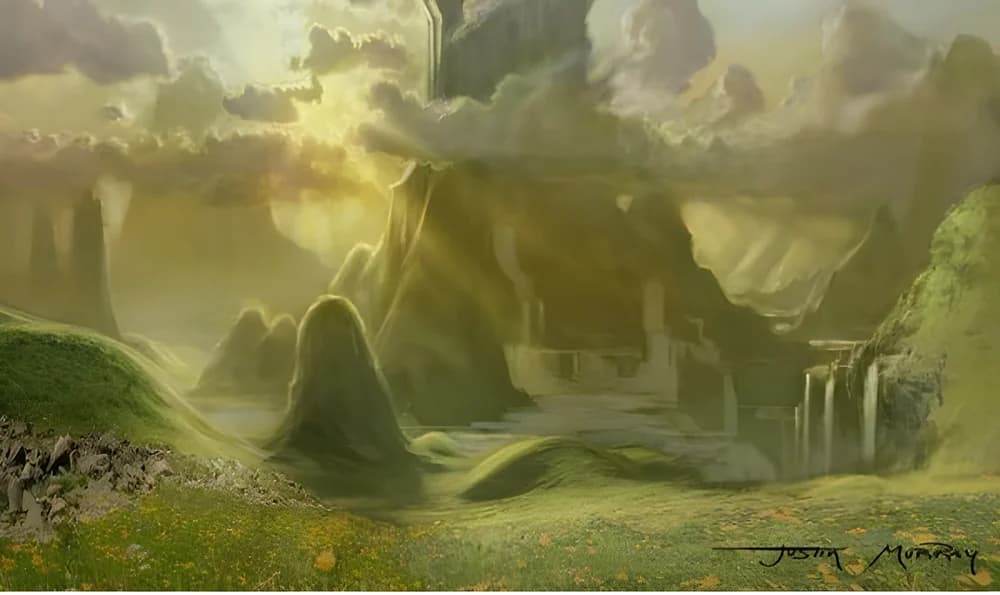
The Elysium Fields
The Elysium Fields were the part of the Underworld where the souls of the good and pure dwelt, a paradise that held the Pillar of the World. There Kratos was reunited with his daughter Calliope, and there he was forced to give her up again to stop Persephone.
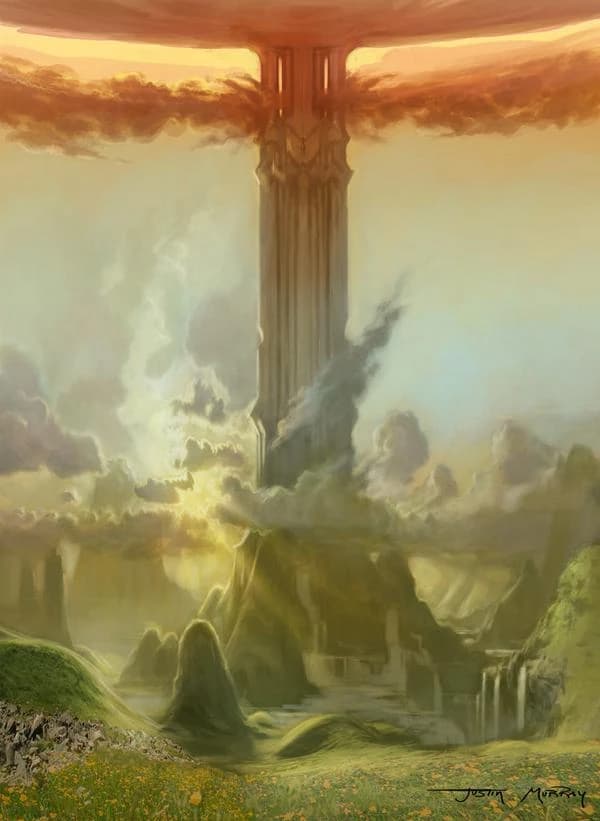
Pillar of the World
The Pillar of the World was a great column in the Underworld that held up the Greek world and kept it from collapse. Partly broken in the battle between Kratos and Persephone, it became the eternal burden of the Titan Atlas.
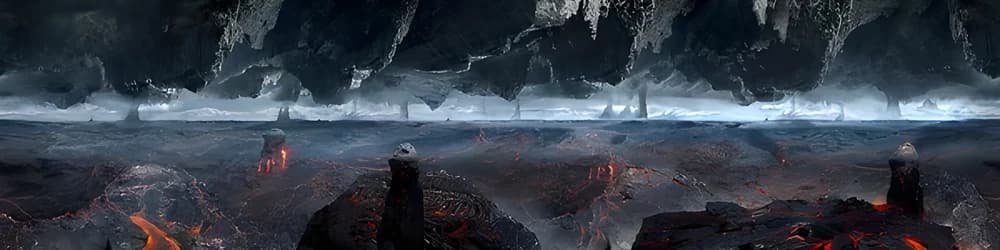
Tartarus: the abyss that caged the Titans
Tartarus was the deepest pit of the Underworld, and in Greek myth one of the first beings. Zeus bound the Titans there, and Kratos killed Cronos in its depths.
Erebus: the Primordial of Darkness
Erebus was the Primordial entity of Darkness, one of the first deities born from Chaos in the Void and the brother and consort of Nyx, the Night. His dark mists filled the deep hollows of the earth, his name clung to the netherworld of the dead, and later writers counted the ferryman Charon and the Fates among his children. His own end was never recorded.
Ares: the god who made Kratos a killer
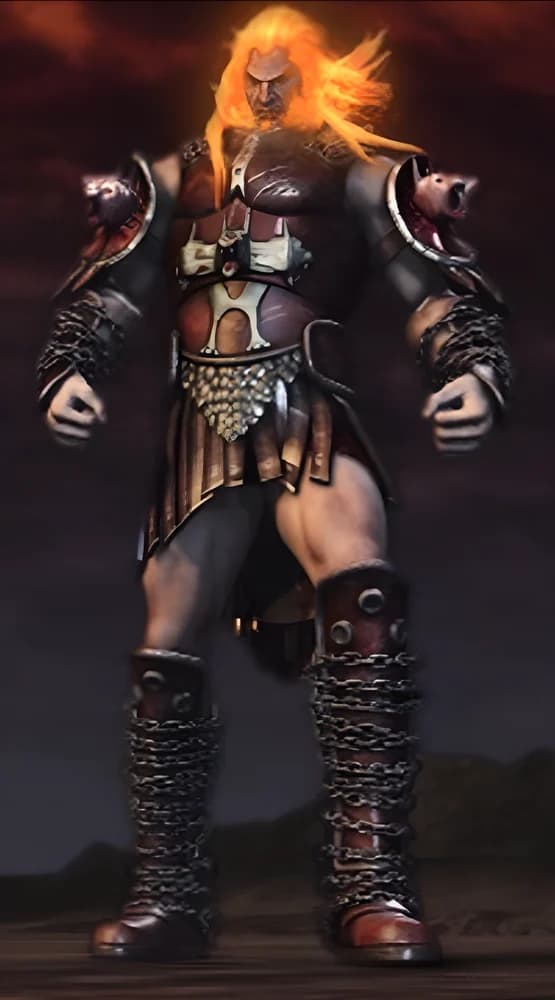
Ares tricked Kratos into slaughtering his own wife and daughter to bind him as a weapon. Kratos killed him at Athens and took his place as God of War.
Mentioned in28 entries
Astral Form: the higher existence of the gods
The Astral Form was a rare state in which a god existed without a physical body, appearing as a higher, transcendent version of themselves. Only Athena and, briefly, Zeus ever achieved it, and each reached it by a different road, she through selfless sacrifice and he through the evil of Fear.
Athens: Athena's city, besieged by Ares
Ares laid siege to Athens out of hatred for his sister Athena. Kratos was sent to save it, and killed Ares there to become the new God of War.
Body Burner: the cursed keeper of Pandora's Gate
The Body Burner was the first mortal to enter Pandora's Temple and, by his own account, the first to die there. Cursed by the gods for his failure, he kept watch year after year on the cliff beyond Pandora's Bridge, burning the corpses of every challenger who followed him, until Kratos passed his gate and carried Pandora's Box out of the temple.
Cerberus Mongrel: the lesser hounds of the Underworld
The Cerberus Mongrels were the weakest breed of the Cerberi, gaunt three-headed hounds that served the lord of the dead. Kratos beat them into submission across two eras of his life, riding them as living weapons and turning the fire of one upon Peirithous to claim the Bow of Apollo.
Cerberus: the multi-headed hounds of Hades
The Cerberi were a race of fierce multi-headed hounds, most of them kept as the beasts of Hades in the Underworld. Kratos faced them across many of his journeys, from the breeders of Pandora's Temple to the Mole Cerberus that had swallowed Jason and the Golden Fleece.
Cursed Remains: the rising bones of the dead
The Cursed Remains were animated skeletons that rose from scattered piles of bone to fight the living. Encountered across the Greek lands, they were weak alone but dangerous in numbers, collapsing and reforming to escape a final death.
Dark Rider: the Warrior of Destiny
The Dark Rider, called the Warrior of Destiny in the novelization, was the leader of the Griffin Riders who guarded the skies around the Island of Creation. Armed by the Sisters of Fate with the Spear of Destiny, he intercepted Kratos on his flight to the island and died in a duel fought on the back of his own Griffin.
Desert of Lost Souls: the wasteland east of Athens
The Desert of Lost Souls was a vast, monster haunted desert far to the east of Athens, the place where Zeus condemned the Titan Cronos to wander with Pandora's Temple chained to his back. Kratos crossed its sands in his quest for Pandora's Box, and there Ares struck him down with a pillar hurled from the ruins of Athens.
Erebus: the Primordial of Darkness
Erebus was the Primordial entity of Darkness, one of the first deities born from Chaos in the Void and the brother and consort of Nyx, the Night. His dark mists filled the deep hollows of the earth, his name clung to the netherworld of the dead, and later writers counted the ferryman Charon and the Fates among his children. His own end was never recorded.
Flame of Olympus
The Flame of Olympus was an absolute power, mightier than the gods themselves and lethal to any who touched it. Within it Pandora's Box was hidden, and only by extinguishing the flame could the King of the Gods be made to fall.
God of War (2005) Story Explained: Plot Summary and Ending
The whole story of the first God of War in order, from the Hydra in the Aegean to the death of Ares at Athens. Then the ending in plain terms: why Kratos jumped from the cliff, why Athena saved him, and how he ended up on Ares's throne.
God of War II Story Explained: Plot Summary and Ending
The whole story of God of War II in order, from Zeus's betrayal at Rhodes to the Titans climbing Mount Olympus. Then the ending in plain terms: why Athena died, what she told Kratos about his father, and how it sets up God of War III.
+ 16 more
Get new articles in your inbox
No spam. New lore drops, canon conflicts, and deep dives only when they’re worth reading.
Some links on Lore Fortress are affiliate links. If you buy through them we earn a small commission at no extra cost to you.