Bow of Apollo
the flame bow taken from the Underworld
The Bow of Apollo was a fire-imbued bow named for the sun god Apollo. Kratos took it from Peirithous, the doomed lover of Persephone, who was imprisoned in the Underworld within a cage of brambles.
The Bow of Apollo was a bow imbued with the power of fire, named for the sun god Apollo. It was claimed by Kratos during his descent through the Underworld in his campaign against Zeus, taken from the imprisoned lover of Persephone. (God of War III)
A weapon of the Underworld#
The Bow of Apollo was the second weapon Kratos took up in his final war against the gods, after the Blades of Exile. He claimed it within the Underworld after killing Peirithous, the mortal lover of Persephone. Peirithous had been imprisoned by Hades and condemned to spend eternity trapped within a cage of brambles. How Peirithous had come to possess a weapon named for the sun god was never revealed. (God of War III)
Power#
The Bow loosed arrows of fire rather than ordinary shafts. It could be drawn in two ways: a rapid mode that sent a flurry of flaming arrows in quick succession, and a charged mode that built up its power to release a single scorching shot. Its arrows seemed unaffected by gravity, flying straight where ordinary arrows would fall. Alone among Kratos's weapons, the Bow could set alight the dry brambles that grew across the Underworld and barred his way, burning them to open his path. It proved especially deadly against Harpies, Olympus Sentries and human foes. (God of War III)
End#
The Bow of Apollo did not survive Kratos's war on the gods. It was lost after the astral form of Zeus attacked Kratos during their final confrontation, sharing the fate of nearly all of Kratos's arms and equipment, save the Blades of Exile, the Blade of Olympus, and the Boots of Hermes. (God of War III)
Frequently asked questions
- What is the Bow of Apollo?
- The Bow of Apollo was a bow imbued with the power of fire, named for the sun god Apollo. Kratos claimed it during his descent through the Underworld in his final war against Zeus.
- Where did Kratos get the Bow of Apollo?
- Kratos took the bow from Peirithous, the mortal lover of Persephone, after killing him in the Underworld. Peirithous had been imprisoned by Hades and condemned to spend eternity trapped within a cage of brambles, though how he came to possess the weapon was never revealed.
- What can the Bow of Apollo do?
- The Bow loosed arrows of fire and could be drawn in a rapid mode that sent a flurry of flaming arrows or a charged mode that built up a single scorching shot, with arrows that seemed unaffected by gravity. Alone among Kratos' weapons, it could set alight the dry brambles that barred his path and burn them away.
- What happened to the Bow of Apollo?
- The Bow of Apollo was destroyed by the astral form of Zeus during their final confrontation. It shared the fate of nearly all of Kratos' arms, save the Blades of Exile, the Blade of Olympus, and the Boots of Hermes.
Sources
- GameGod of War III, Santa Monica Studio, 2010
Spotted a factual error or a primary source we missed? Email a correction. Every flagged claim gets reviewed.
Followed from this entry
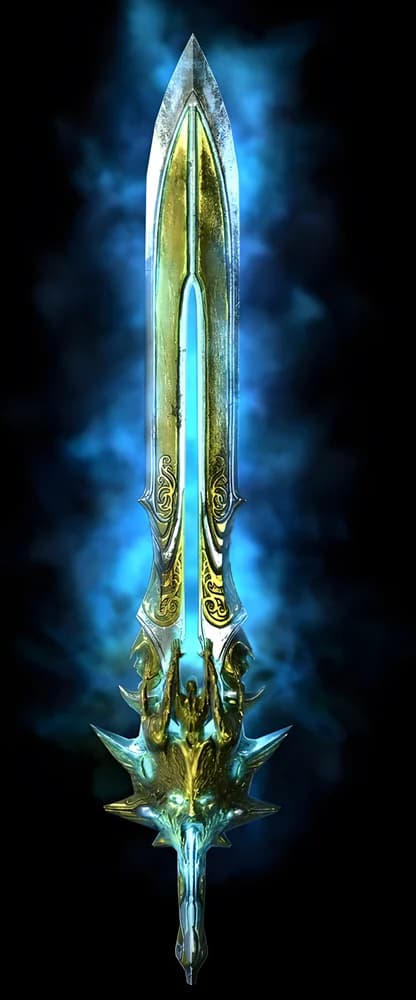
Blade of Olympus: Zeus' god-killing sword
Zeus forged the Blade of Olympus from the heavens and the earth to banish the Titans to Tartarus. It could kill gods and Titans, and it killed Zeus himself.
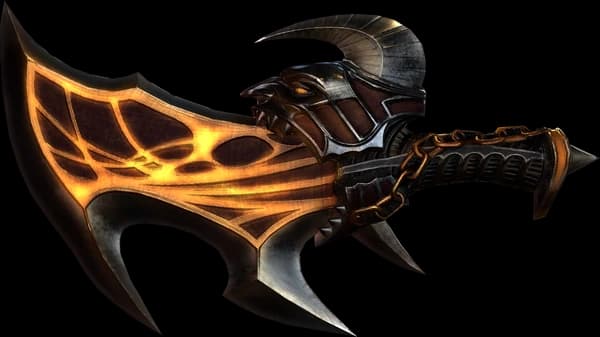
Blades of Exile
The Blades of Exile were a refashioned form of the Blades of Athena, the third and final set of chained blades that Kratos wielded in Greece. Created by the astral form of Athena from his ruined weapons, they carried him through his last war against Olympus.

God of War Weapons List: the Name of Every Weapon Kratos Has Used
Kratos has carried two dozen weapons across two lifetimes, from a Spartan spear to a spear built from a ring that copies itself. This list runs through them in the order he got them, Greek era first, then Norse.
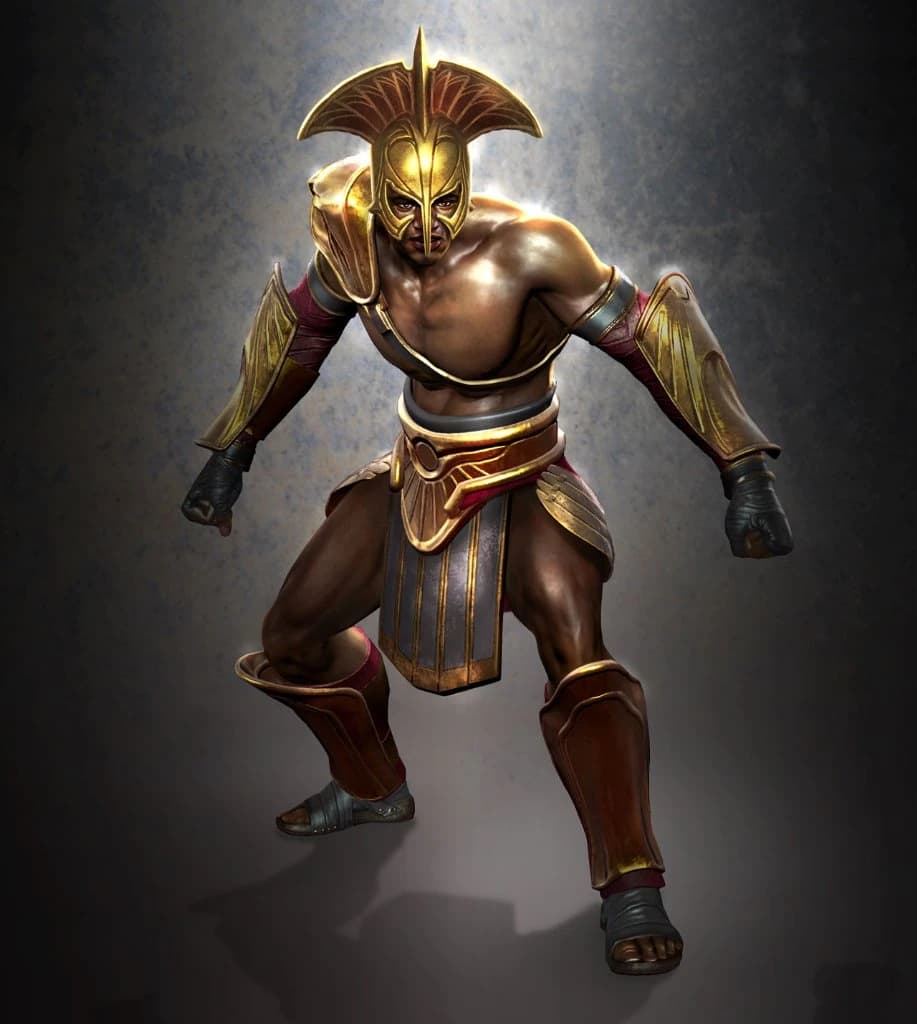
Apollo: the Olympian who escaped Kratos
Apollo never faced Kratos in the flesh. His Flame lit the way to the Tree of Life, his Bow lay in the Underworld, and he survived the slaughter.
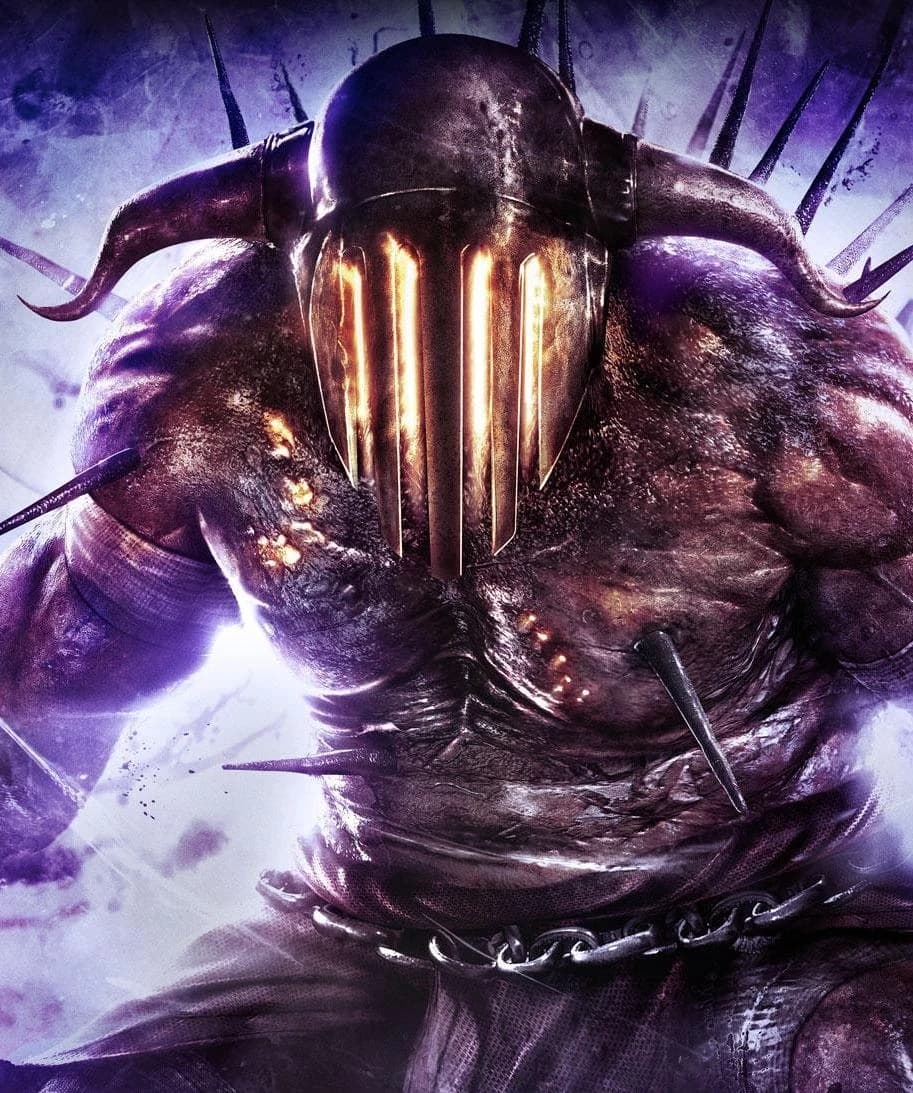
Hades: the god whose soul Kratos tore out
Eldest son of Cronos, Hades ruled the Underworld and held life and death in balance. Kratos turned the Claws of Hades on him and ripped his soul out.
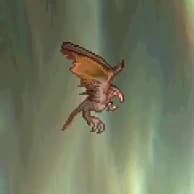
Harpies
Harpies were monstrous winged creatures of the Greek world, part woman and part bird or bat, that hunted in flocks across Greece and the Underworld. They served the God of War Ares and were the beasts that first carried the Blades of Chaos to Kratos.
Mentioned in5 entries
Cerberus Mongrel: the lesser hounds of the Underworld
The Cerberus Mongrels were the weakest breed of the Cerberi, gaunt three-headed hounds that served the lord of the dead. Kratos beat them into submission across two eras of his life, riding them as living weapons and turning the fire of one upon Peirithous to claim the Bow of Apollo.
God of War III Story and Ending Explained: Plot Summary
The whole story of God of War III in order, from the Titans' climb up Mount Olympus to the death of Zeus. Then the ending in plain terms: why Kratos drove the Blade of Olympus into himself, what Athena wanted, and where that trail of blood leads.
God of War Weapons List: the Name of Every Weapon Kratos Has Used
Kratos has carried two dozen weapons across two lifetimes, from a Spartan spear to a spear built from a ring that copies itself. This list runs through them in the order he got them, Greek era first, then Norse.
Peirithous
Peirithous was a demigod of Thessaly who descended into the Underworld to claim Persephone and was condemned by Hades to eternal suffering. Caged behind brambles, he bargained the Bow of Apollo for his freedom and burned to death at Kratos' hand.
The Underworld
The Underworld was the realm of the dead in Greece, a hellish landscape below the living world where the River Styx carried mortal souls to their rest. It was ruled by Hades until his death, and Kratos descended into it many times across his Greek campaigns.
Get new articles in your inbox
No spam. New lore drops, canon conflicts, and deep dives only when they’re worth reading.
Some links on Lore Fortress are affiliate links. If you buy through them we earn a small commission at no extra cost to you.