Blades of Exile
the last chained blades of Kratos in Greece
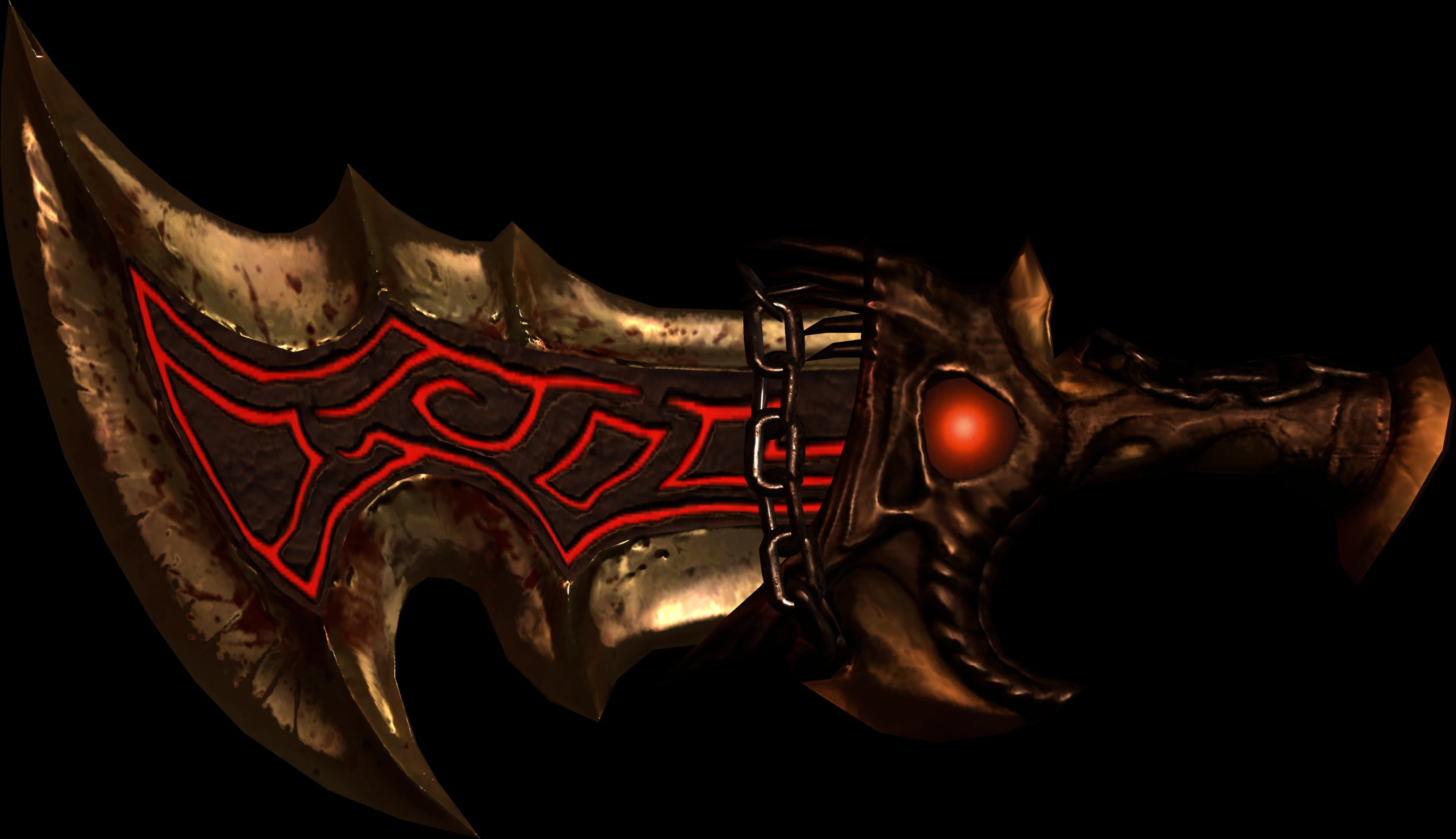
The Blades of Exile were a refashioned form of the Blades of Athena, the third and final set of chained blades that Kratos wielded in Greece. Created by the astral form of Athena from his ruined weapons, they carried him through his last war against Olympus.
The Blades of Exile were a refashioned form of the Blades of Athena, the third and last set of chained blades that Kratos carried through his time in Greece. They came into his hands at the lowest point of his final war against Olympus, made anew from his ruined weapons by the goddess Athena, and they served him as his staple arm through the destruction that followed. (God of War III)
Forged from ruin#
The Blades of Exile were born of disaster. After the Blades of Athena were ruined by Kratos' fall into the River Styx, the astral form of Athena appeared to him in his despair. She took up the ruined weapons and transformed them into the Blades of Exile, gifting them to Kratos so that he might press on against Zeus. In doing so she also set him toward the source of Zeus' strength, the Flame of Olympus, that he might find the means to destroy his father. They were the only one of the three sets of chained blades Kratos wielded that had no long history behind them, forged anew and given to him in the moment of his need. (God of War III)
Form and power#
The blades resembled their predecessors in the way they moved, but their appearance was their own. Tormented demonic faces with curved horn-like spikes rose from the heads on their hilts, pronounced hooks ran along their lower edges, and intricate patterns of shimmering orange stripes covered their flat sides, casting fire whenever the blades were swung. Beyond their reach as twin chained weapons, the Blades of Exile granted Kratos the power known as Army of Sparta, summoning a phalanx of shields and spears to drive back his enemies, as well as the ability to grapple foes and pull himself toward them. (God of War III)
Fate after Olympus#
What became of the Blades of Exile after the end of Kratos' war was never fully told. They were last seen discarded by Kratos once he had forced the soul of Zeus back into his body, his quest and theirs complete, the chains on his arms loosened with the death of his enemy. Long after Greece had fallen and Kratos had made his way to the Norse realms, a depiction of the Blades of Exile appeared upon a vase kept within the vault of Týr, a faint echo of the weapons that had carried him through the fall of the gods. (God of War III; God of War (2018))
Frequently asked questions
- What were the Blades of Exile?
- The Blades of Exile were a refashioned version of the Blades of Athena and the third and last set of chained blades that Kratos wielded during his time in Greece. They served as his staple weapon through his final war against the gods of Olympus.
- Where did the Blades of Exile come from?
- After Kratos' fall into the River Styx ruined the Blades of Athena, the astral form of Athena appeared to him, took up the ruined weapons, and transformed them into the Blades of Exile, gifting them to him so he could continue his quest against Zeus.
- What did the Blades of Exile do?
- Beyond serving as twin chained blades that emitted fire when swung, the Blades of Exile granted Kratos the power known as Army of Sparta and the ability to grapple his enemies. They were his main weapon for the whole of his last war on Olympus.
- What happened to the Blades of Exile after the fall of Olympus?
- The blades were last seen discarded by Kratos after he forced the soul of Zeus back into his body, his quest complete. Long afterward, in the Norse realms, a depiction of the Blades of Exile appeared upon a vase kept within Týr's vault.
Sources
- GameGod of War III, Santa Monica Studio, 2010
- GameGod of War (2018), Santa Monica Studio, 2018
Spotted a factual error or a primary source we missed? Email a correction. Every flagged claim gets reviewed.
Followed from this entry
Blades of Athena
The Blades of Athena were the chained blades the goddess Athena bestowed upon Kratos when he became the God of War. They served as his primary weapons during and after his reign on Olympus, until they were ruined in the River Styx and reforged into the Blades of Exile.

God of War Weapons List: the Name of Every Weapon Kratos Has Used
Kratos has carried two dozen weapons across two lifetimes, from a Spartan spear to a spear built from a ring that copies itself. This list runs through them in the order he got them, Greek era first, then Norse.
River Styx: the river of hatred beneath Greece
The River Styx was the great river of the Greek Underworld, a barrier that killed the living on contact and carried the souls of the dead toward judgement. Charon ferried across it, the Path of Hades bridged it, and Kratos crossed, fell into and finally swam it more times than any mortal.
Athena: from Kratos' guide to his enemy
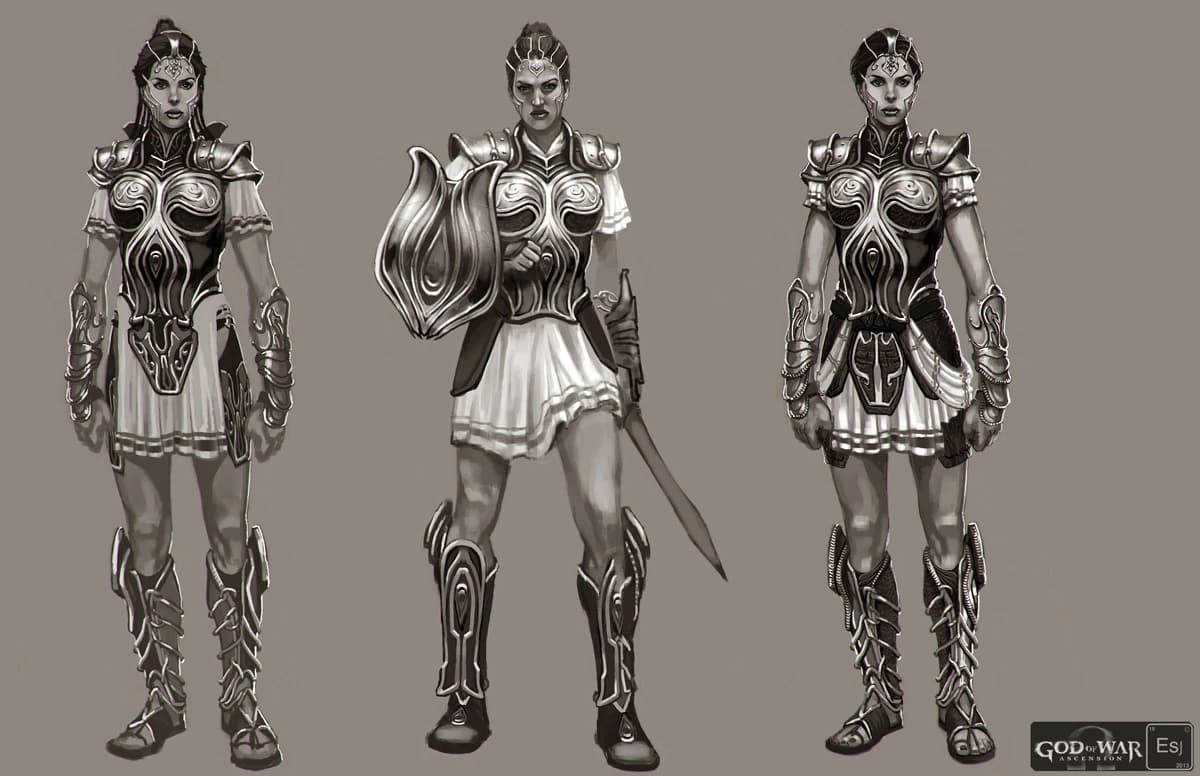
Athena set Kratos against Ares to save Athens, then turned on him when his reign grew worse. She died taking a blow meant for Zeus, and named Kratos his son.
Flame of Olympus
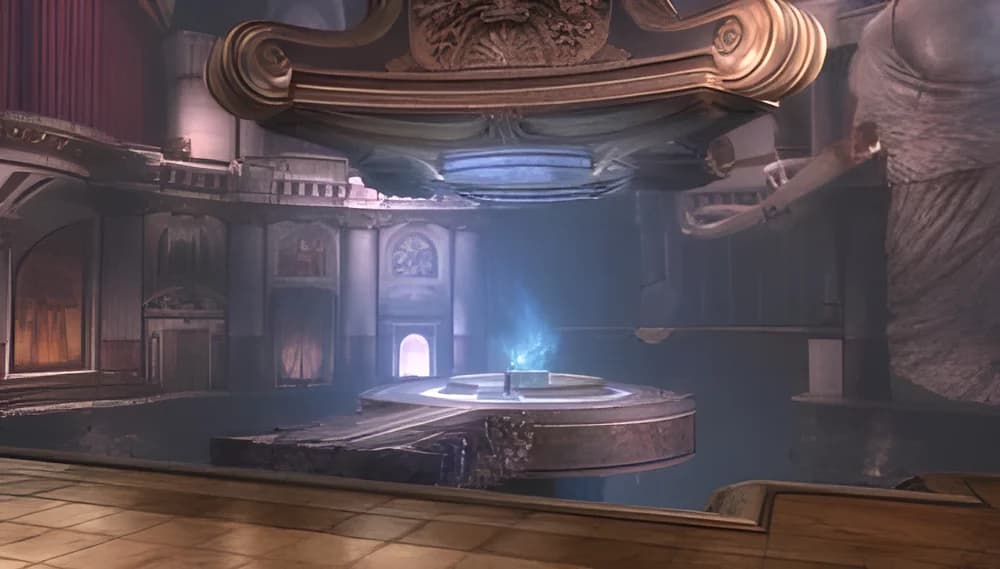
The Flame of Olympus was an absolute power, mightier than the gods themselves and lethal to any who touched it. Within it Pandora's Box was hidden, and only by extinguishing the flame could the King of the Gods be made to fall.
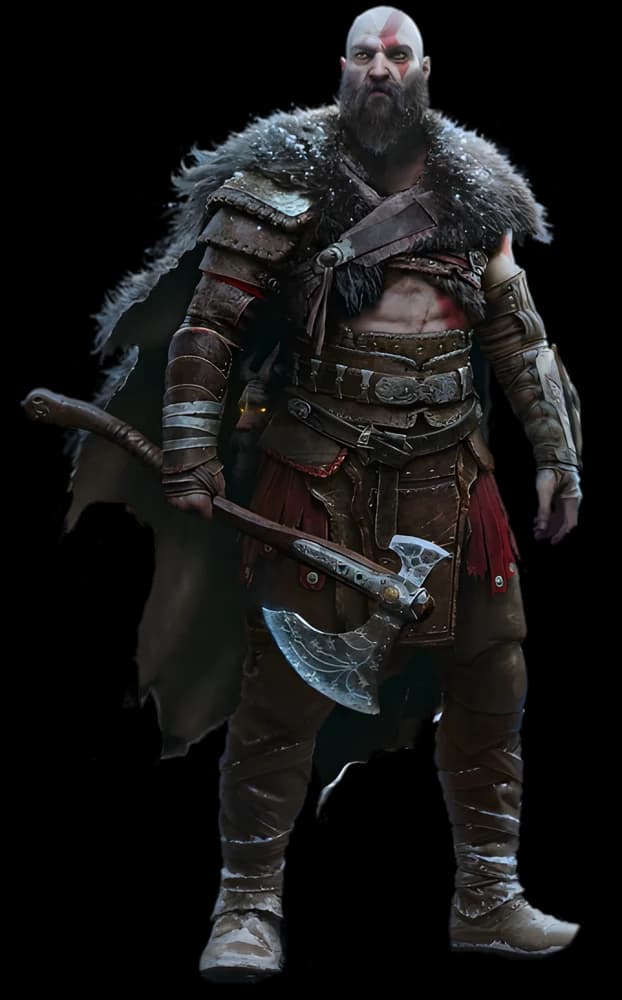
Kratos
Kratos was the demigod son of Zeus who rose from a Spartan general to the Greek God of War, destroyed the pantheon of Olympus in a quest for vengeance, and then began again in the Norse realms as a father seeking to leave his bloody past behind.
Mentioned in10 entries
Astral Form: the higher existence of the gods
The Astral Form was a rare state in which a god existed without a physical body, appearing as a higher, transcendent version of themselves. Only Athena and, briefly, Zeus ever achieved it, and each reached it by a different road, she through selfless sacrifice and he through the evil of Fear.
Athena: from Kratos' guide to his enemy
Athena set Kratos against Ares to save Athens, then turned on him when his reign grew worse. She died taking a blow meant for Zeus, and named Kratos his son.
Blades of Athena
The Blades of Athena were the chained blades the goddess Athena bestowed upon Kratos when he became the God of War. They served as his primary weapons during and after his reign on Olympus, until they were ruined in the River Styx and reforged into the Blades of Exile.
Bow of Apollo
The Bow of Apollo was a fire-imbued bow named for the sun god Apollo. Kratos took it from Peirithous, the doomed lover of Persephone, who was imprisoned in the Underworld within a cage of brambles.
Claws of Hades
The Claws of Hades were chained weapons wielded by Hades, god of the Underworld, who used their magic to tear the souls from his enemies. Kratos stole them in battle, claimed the god's own soul with them, and carried them as a means of ripping and summoning the souls of the dead.
Flame of Olympus
The Flame of Olympus was an absolute power, mightier than the gods themselves and lethal to any who touched it. Within it Pandora's Box was hidden, and only by extinguishing the flame could the King of the Gods be made to fall.
God of War III Story and Ending Explained: Plot Summary
The whole story of God of War III in order, from the Titans' climb up Mount Olympus to the death of Zeus. Then the ending in plain terms: why Kratos drove the Blade of Olympus into himself, what Athena wanted, and where that trail of blood leads.
God of War Weapons List: the Name of Every Weapon Kratos Has Used
Kratos has carried two dozen weapons across two lifetimes, from a Spartan spear to a spear built from a ring that copies itself. This list runs through them in the order he got them, Greek era first, then Norse.
Second Titanomachy
The Second Titanomachy was the war Kratos set in motion against the Olympian Gods, when he led the Titans up Mount Olympus to take his vengeance on Zeus. It ended with the death of nearly every god and Titan and the ruin of Greece.
The Underworld
The Underworld was the realm of the dead in Greece, a hellish landscape below the living world where the River Styx carried mortal souls to their rest. It was ruled by Hades until his death, and Kratos descended into it many times across his Greek campaigns.
Get new articles in your inbox
No spam. New lore drops, canon conflicts, and deep dives only when they’re worth reading.
Some links on Lore Fortress are affiliate links. If you buy through them we earn a small commission at no extra cost to you.