Blades of Athena
the gift of the goddess
The Blades of Athena were the chained blades the goddess Athena bestowed upon Kratos when he became the God of War. They served as his primary weapons during and after his reign on Olympus, until they were ruined in the River Styx and reforged into the Blades of Exile.
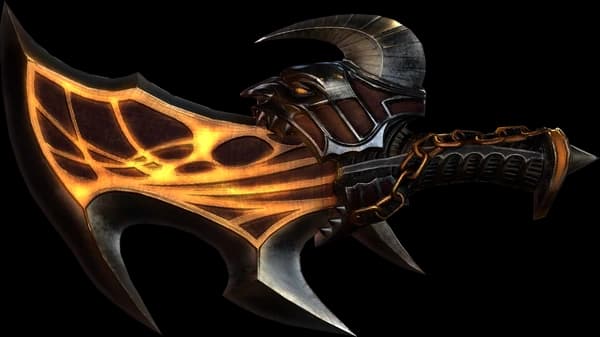
The Blades of Athena were the second set of chained blades that Kratos wielded in Greece. The goddess Athena bestowed them upon him after he slew Ares and took the empty throne of the God of War, setting aside the Blades of Chaos he had carried as Ares' servant. They served as Kratos' main arms during his reign as a god and for years afterward, until they were destroyed and reforged into the Blades of Exile. (God of War; God of War II; God of War: Ghost of Sparta; God of War III)
Gift of a goddess#
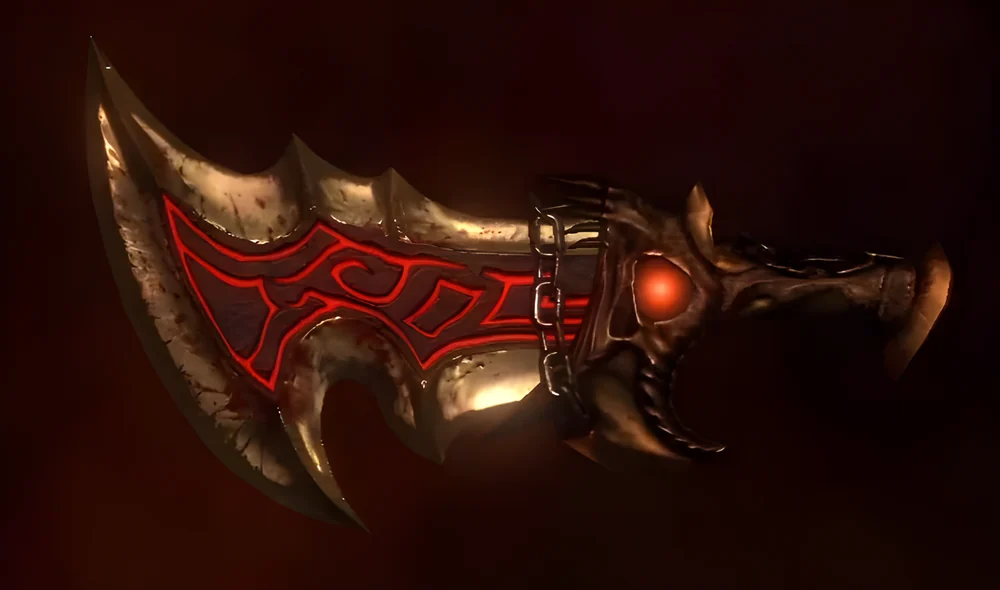
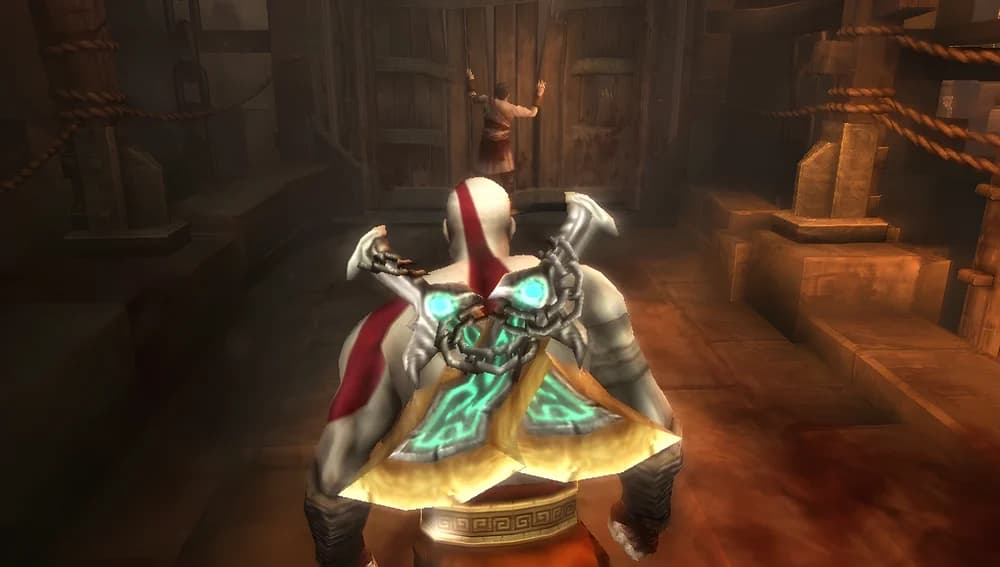
Also known as Athena's Blades, the weapons were given to Kratos by Athena after he killed the former God of War, Ares, and claimed the throne of Olympus. They served as his main weapons during his reign as a god and for years after. While Kratos held godly power the blades gave off a yellow aura and were gold in color with blue glyphs, a sign of the divine magic that emanated from them. They carried none of the emotional weight of the Blades of Chaos, the cursed weapons Kratos had used as Ares' servant, and the new God of War carried them in place of his old blades. (God of War; God of War II; God of War: Ghost of Sparta)
Loss and restoration of power#
When Kratos drained the remainder of his godly powers into the Blade of Olympus during his battle against the Colossus of Rhodes, the Blades of Athena reverted to a plain steel form with only a faint aura. Over the course of his renewed quest they were restored, gradually regaining their gold color until, at their strongest, they emitted a red flaming glow with red glyphs. The shifting color of the blades tracked Kratos' own state: golden during his triumphant time as a god, and red once he had lost his godhood and set out for vengeance against Zeus. (God of War II)
Destruction and the Blades of Exile#
Kratos still carried the Blades of Athena at the beginning of his final campaign against Olympus. When he fell into the River Styx, however, the souls that swarmed and attacked him drained him of his power, and in the same ordeal the blades were ruined and rusted by the assault. Afterward the astral form of Athena took up the ruined weapons and transformed them into the Blades of Exile, which Kratos carried through the remainder of his war on Olympus. (God of War III)
Frequently asked questions
- What are the Blades of Athena?
- The Blades of Athena, also called Athena's Blades, were the second set of chained blades that Kratos wielded in Greece. The goddess Athena bestowed them upon him after he slew Ares and took the empty throne of the God of War.
- How are the Blades of Athena different from the Blades of Chaos?
- The Blades of Athena carried none of the emotional weight of the Blades of Chaos, the cursed weapons Kratos had used as Ares' servant. The new God of War carried them in place of his old blades.
- Why do the Blades of Athena change color?
- The shifting color of the blades tracked Kratos' own state. While he held godly power they shone gold with blue glyphs, but after he drained his power into the Blade of Olympus they reverted to plain steel, and at their strongest during his campaigns of vengeance they emitted a red flaming glow with red glyphs.
- What happened to the Blades of Athena?
- Kratos still carried the Blades of Athena at the beginning of his final campaign against Olympus. When he fell into the River Styx, the souls that swarmed him drained his power and ruined the blades, after which the astral form of Athena transformed them into the Blades of Exile.
Gallery
Images via God of War Wiki
Sources
- GameGod of War, Santa Monica Studio, 2005
- GameGod of War II, Santa Monica Studio, 2007
- GameGod of War: Ghost of Sparta, Ready at Dawn, 2010
- GameGod of War III, Santa Monica Studio, 2010
Spotted a factual error or a primary source we missed? Email a correction. Every flagged claim gets reviewed.
Followed from this entry
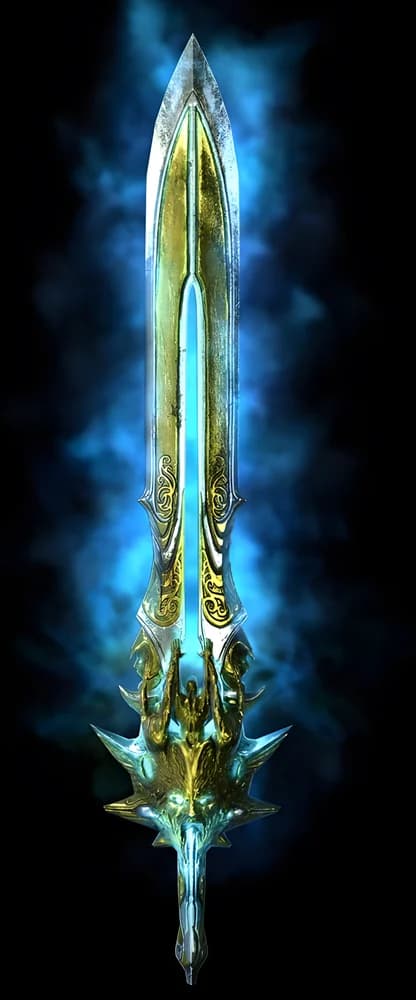
Blade of Olympus: Zeus' god-killing sword
Zeus forged the Blade of Olympus from the heavens and the earth to banish the Titans to Tartarus. It could kill gods and Titans, and it killed Zeus himself.
Blades of Chaos: chained to Kratos' arms
The Blades of Chaos were forged in the Underworld for Ares, who seared their chains onto Kratos' forearms. They burn with the fire of Tartarus.
Blades of Exile
The Blades of Exile were a refashioned form of the Blades of Athena, the third and final set of chained blades that Kratos wielded in Greece. Created by the astral form of Athena from his ruined weapons, they carried him through his last war against Olympus.

God of War Weapons List: the Name of Every Weapon Kratos Has Used
Kratos has carried two dozen weapons across two lifetimes, from a Spartan spear to a spear built from a ring that copies itself. This list runs through them in the order he got them, Greek era first, then Norse.
River Styx: the river of hatred beneath Greece
The River Styx was the great river of the Greek Underworld, a barrier that killed the living on contact and carried the souls of the dead toward judgement. Charon ferried across it, the Path of Hades bridged it, and Kratos crossed, fell into and finally swam it more times than any mortal.
Ares: the god who made Kratos a killer
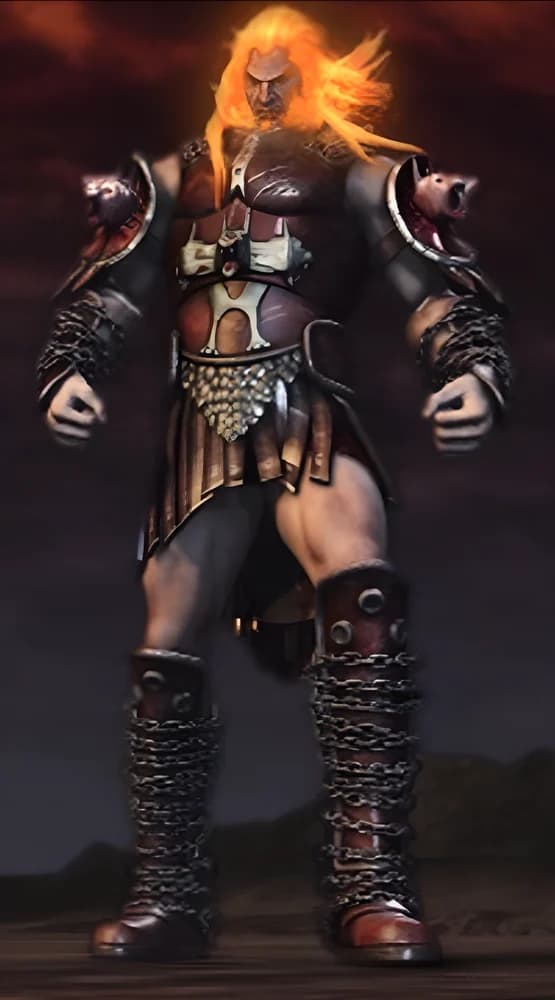
Ares tricked Kratos into slaughtering his own wife and daughter to bind him as a weapon. Kratos killed him at Athens and took his place as God of War.
Mentioned in10 entries
Astral Form: the higher existence of the gods
The Astral Form was a rare state in which a god existed without a physical body, appearing as a higher, transcendent version of themselves. Only Athena and, briefly, Zeus ever achieved it, and each reached it by a different road, she through selfless sacrifice and he through the evil of Fear.
Athena: from Kratos' guide to his enemy
Athena set Kratos against Ares to save Athens, then turned on him when his reign grew worse. She died taking a blow meant for Zeus, and named Kratos his son.
Blades of Chaos: chained to Kratos' arms
The Blades of Chaos were forged in the Underworld for Ares, who seared their chains onto Kratos' forearms. They burn with the fire of Tartarus.
Blades of Exile
The Blades of Exile were a refashioned form of the Blades of Athena, the third and final set of chained blades that Kratos wielded in Greece. Created by the astral form of Athena from his ruined weapons, they carried him through his last war against Olympus.
Dark Rider: the Warrior of Destiny
The Dark Rider, called the Warrior of Destiny in the novelization, was the leader of the Griffin Riders who guarded the skies around the Island of Creation. Armed by the Sisters of Fate with the Spear of Destiny, he intercepted Kratos on his flight to the island and died in a duel fought on the back of his own Griffin.
Erinys
Erinys was the goddess of vengeance and death, daughter and messenger of Thanatos. She hunted Kratos across Greece after the fall of Atlantis, killing Spartans as a warning, until he slew her in the Mounts of Aroania.
God of War (2005) Story Explained: Plot Summary and Ending
The whole story of the first God of War in order, from the Hydra in the Aegean to the death of Ares at Athens. Then the ending in plain terms: why Kratos jumped from the cliff, why Athena saved him, and how he ended up on Ares's throne.
God of War Weapons List: the Name of Every Weapon Kratos Has Used
Kratos has carried two dozen weapons across two lifetimes, from a Spartan spear to a spear built from a ring that copies itself. This list runs through them in the order he got them, Greek era first, then Norse.
God of War: Ghost of Sparta Story Explained
The plot of Ghost of Sparta in order, from Kratos's visions of his mother to the death of his brother Deimos in the Domain of Death. Then the ending explained: the marked warrior prophecy, Athena's apology, and why Kratos leaves at war with Olympus.
River Styx: the river of hatred beneath Greece
The River Styx was the great river of the Greek Underworld, a barrier that killed the living on contact and carried the souls of the dead toward judgement. Charon ferried across it, the Path of Hades bridged it, and Kratos crossed, fell into and finally swam it more times than any mortal.
Get new articles in your inbox
No spam. New lore drops, canon conflicts, and deep dives only when they’re worth reading.
Some links on Lore Fortress are affiliate links. If you buy through them we earn a small commission at no extra cost to you.