Colossus of Rhodes
The Bronze Giant of Helios
The Colossus of Rhodes was a towering bronze statue of the sun god Helios that stood over the port of Rhodes. Animated by Zeus to destroy Kratos, it tore through the city in pursuit of the Spartan, and its fall left him a mortal once more.
The Colossus of Rhodes was a vast bronze statue of the sun god Helios that stood over the port of the city of Rhodes. For most of its existence it was only a monument, but Zeus gave it terrible life to destroy Kratos, and the animated giant tore through the city in pursuit of the Spartan. Its fall would mark the moment Kratos was stripped of his godhood and brought to the edge of death. (God of War II)
The bronze giant of the harbor#
The Colossus was a colossal bronze figure cast in the likeness of Helios, the god of the sun, and it loomed over the port of Rhodes as a wonder of the Greek world. While Kratos led his Spartan army against the city as the God of War, Zeus chose the great statue as the instrument of the Spartan's destruction. Descending in the form of an eagle, the King of the Gods drained nearly all of Kratos' godly power and transferred it into the bronze, and the stolen divinity gave the Colossus life. (God of War II)
The battle for Rhodes#
Newly animated, the Colossus broke free of its moorings and strode into the city of Rhodes. As Kratos fought his way through the streets, the giant opposed him at every turn, smashing through buildings and channeling raw godly energy through the broken seams of its body in bursts of blue flame. Kratos struck back again and again, stabbing out the statue's right eye, slashing its cheeks, and blasting off its left hand. In the novelization of God of War II, the Colossus did not tire. It grew stronger and more cunning by the moment, feeding on the very power Zeus had taken from the Spartan, until Kratos found himself outmatched, fighting without the full strength of a god he had come to rely upon. (God of War II; God of War II (novel))
The fall and its price#
Pressed to the brink, Kratos accepted the Blade of Olympus that Zeus offered him and drained the last of his divinity into the weapon. With its power he blasted a hole in the Colossus' side, climbed inside the statue, and drew out all of the godly energy that animated it. Stripped of its power, the great bronze figure began to collapse, and Kratos escaped through its mouth onto a platform below. The Colossus achieved its purpose only in death. Its falling hand crushed the now mortal Spartan, weakening him so completely that Zeus was able to run him through with the Blade of Olympus and leave him for dead. What Kratos did next, from Gaia's rescue to the Loom of Fate, is the rest of the God of War II story. (God of War II)
Frequently asked questions
- What was the Colossus of Rhodes in God of War?
- The Colossus of Rhodes was a giant bronze statue of the sun god Helios that stood over the port of the city of Rhodes. Zeus gave it life in order to destroy Kratos, and it broke free of its moorings and strode into the city to hunt him down.
- How was the Colossus of Rhodes brought to life?
- Zeus, in the form of an eagle, drained nearly all of Kratos' godly power and transferred it into the statue. The stolen divinity animated the bronze giant and gave it a single purpose, to destroy the God of War.
- How was the Colossus of Rhodes defeated?
- Kratos battled the Colossus through the streets of Rhodes, blinding one eye and blasting off a hand, but it grew stronger as it drew on his divine power. Only after Zeus offered him the Blade of Olympus, into which Kratos poured the last of his godhood, was he able to drain the power animating the statue and bring it crashing down.
- How did the Colossus weaken Kratos?
- In its dying moments the collapsing Colossus achieved its purpose. Its falling hand crushed the now mortal Kratos, leaving him so weakened that Zeus was able to strike him down with the Blade of Olympus and seemingly kill him.
Sources
- GameGod of War II, Santa Monica Studio, 2007
- BookGod of War II (novel), Robert E. Vardeman, Del Rey, 2013
Spotted a factual error or a primary source we missed? Email a correction. Every flagged claim gets reviewed.
Followed from this entry
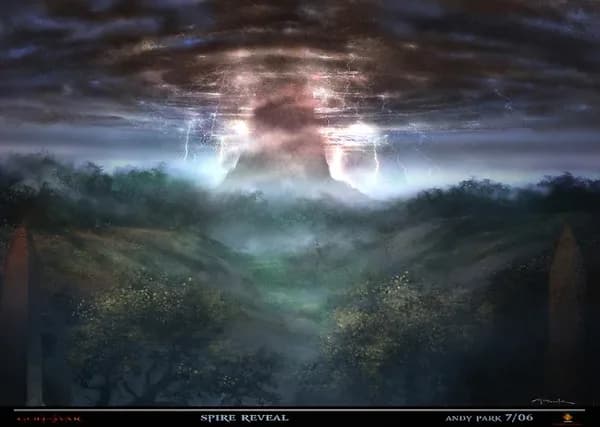
God of War II Story Explained: Plot Summary and Ending
The whole story of God of War II in order, from Zeus's betrayal at Rhodes to the Titans climbing Mount Olympus. Then the ending in plain terms: why Athena died, what she told Kratos about his father, and how it sets up God of War III.
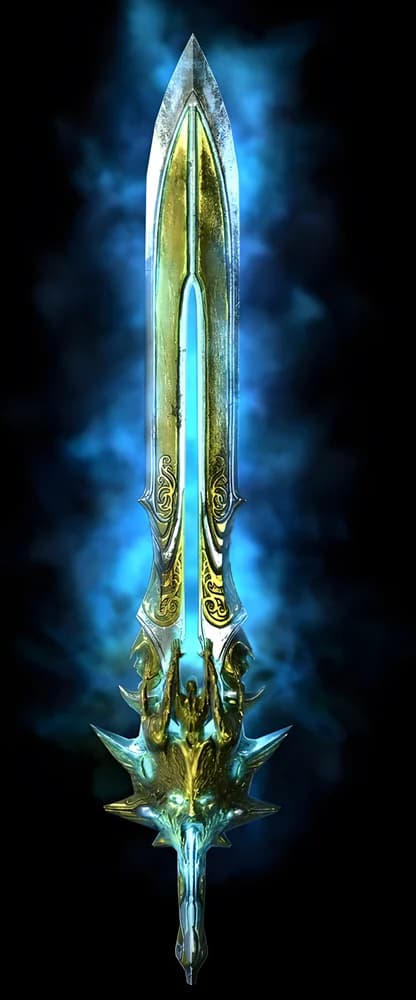
Blade of Olympus: Zeus' god-killing sword
Zeus forged the Blade of Olympus from the heavens and the earth to banish the Titans to Tartarus. It could kill gods and Titans, and it killed Zeus himself.
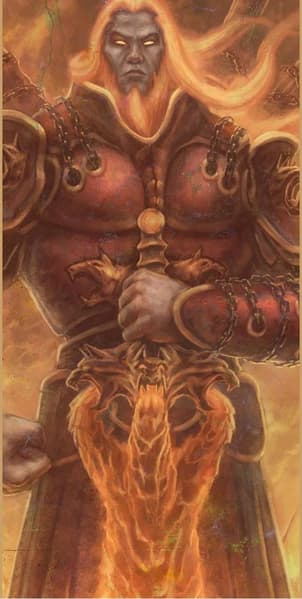
God of War: the divine title
The God of War was a title held by a deity unmatched in battle, wielding peerless combat skill and brutal godly power. It passed from Ares to Kratos in the Greek age, while the Norse realms knew their own God of War in Tyr.

Helios: the sun god Kratos beheaded
Kratos once saved Helios from the Titan Atlas. Years later he tore the sun god's head from his body and carried it through Olympus as a lantern.
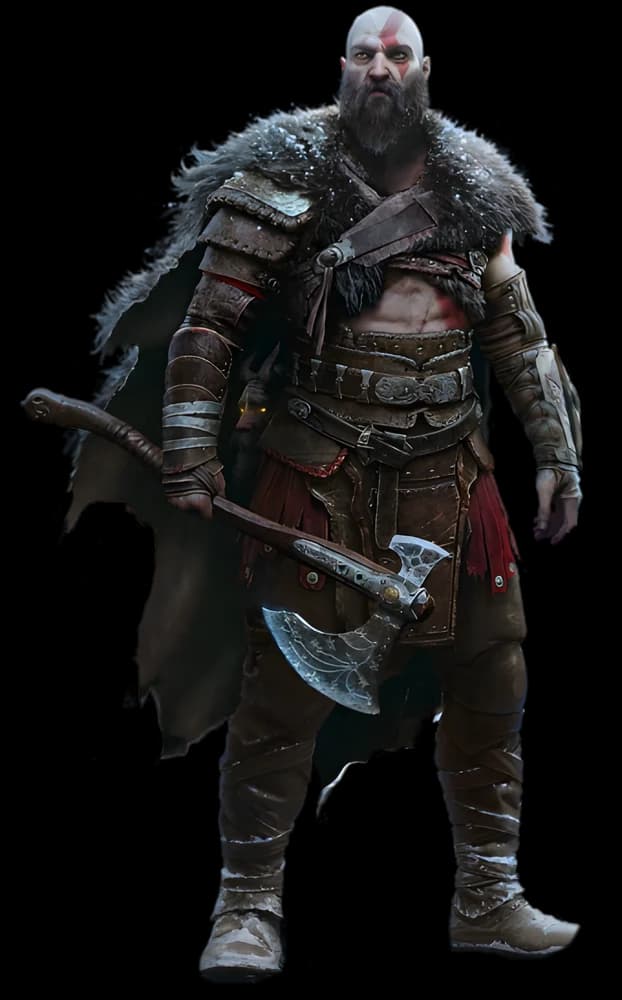
Kratos
Kratos was the demigod son of Zeus who rose from a Spartan general to the Greek God of War, destroyed the pantheon of Olympus in a quest for vengeance, and then began again in the Norse realms as a father seeking to leave his bloody past behind.
Rhodes
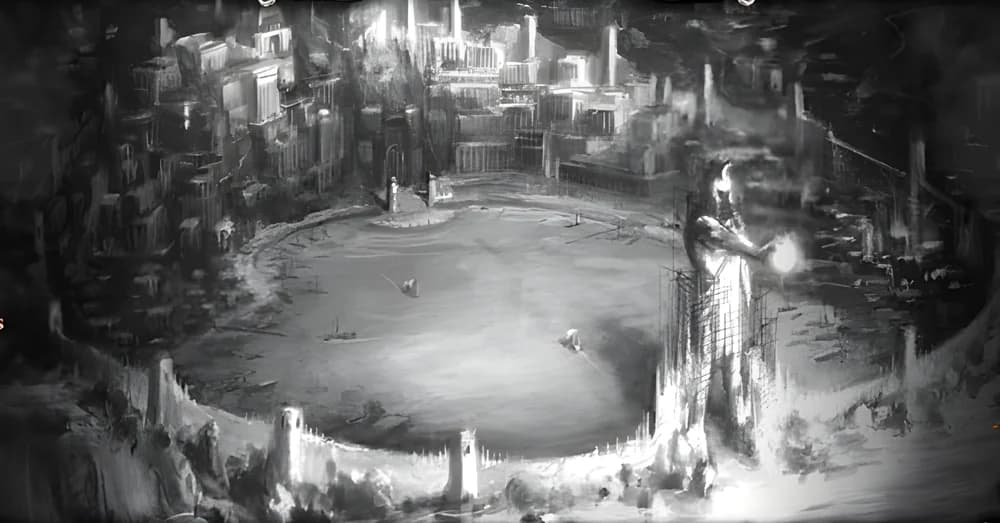
Rhodes was the great harbor city of ancient Greece and home of the legendary Colossus. It was the last city-state to fall in Kratos' Spartan conquest, and the place where Zeus betrayed him with the Blade of Olympus.
Mentioned in9 entries
Ballista: siege engine of the Greek world
The ballista was a great crossbow of the Greek world, fixed to the ground or mounted on a moving platform and built to hurl huge wooden bolts against ships and city walls. In the hands of Kratos, these engines sank a Persian warship, drove off the Basilisk, struck the Colossus of Rhodes, slew Pandora's Guardian, and knocked the sun god Helios from the sky.
Blade of Olympus: Zeus' god-killing sword
Zeus forged the Blade of Olympus from the heavens and the earth to banish the Titans to Tartarus. It could kill gods and Titans, and it killed Zeus himself.
Blades of Athena
The Blades of Athena were the chained blades the goddess Athena bestowed upon Kratos when he became the God of War. They served as his primary weapons during and after his reign on Olympus, until they were ruined in the River Styx and reforged into the Blades of Exile.
God of War II Story Explained: Plot Summary and Ending
The whole story of God of War II in order, from Zeus's betrayal at Rhodes to the Titans climbing Mount Olympus. Then the ending in plain terms: why Athena died, what she told Kratos about his father, and how it sets up God of War III.
God of War Story Explained: the Whole Saga from Sparta to Ragnarök
The full God of War story in order, one main game at a time. Kratos serves Ares, kills him, destroys Olympus, starts again in the Norse lands and finally ends Odin, with the Valhalla epilogue as the last word.
God of War Timeline: every major event from the Primordials to Valhalla
The full in-universe chronology of God of War, from the war of the Primordials and the fall of the Titans to Kratos's life in Sparta, his war on Olympus, and the end of the Aesir at Ragnarök. The games give almost no calendar years, so events are ordered by story sequence and grouped into eras, with notes wherever the games' own placement is vague.
Rhodes
Rhodes was the great harbor city of ancient Greece and home of the legendary Colossus. It was the last city-state to fall in Kratos' Spartan conquest, and the place where Zeus betrayed him with the Blade of Olympus.
Siege of Rhodes
The Siege of Rhodes was a Spartan assault on the Greek city of Rhodes, waged under Kratos during his reign as the God of War. It was at Rhodes that Zeus stripped his son of divine power and struck him down, the betrayal that began Kratos' war against Olympus.
Zeus
Zeus was the King of Olympus and ruler of the Greek Pantheon, the youngest son of Cronos who freed his siblings, ended the Great War, and claimed the heavens. Father of Kratos, he became the great antagonist of the Greek age and fell at last to the very son he had tried to destroy.
Get new articles in your inbox
No spam. New lore drops, canon conflicts, and deep dives only when they’re worth reading.
Some links on Lore Fortress are affiliate links. If you buy through them we earn a small commission at no extra cost to you.