Rhodes
The Harbor City and Site of the Colossus
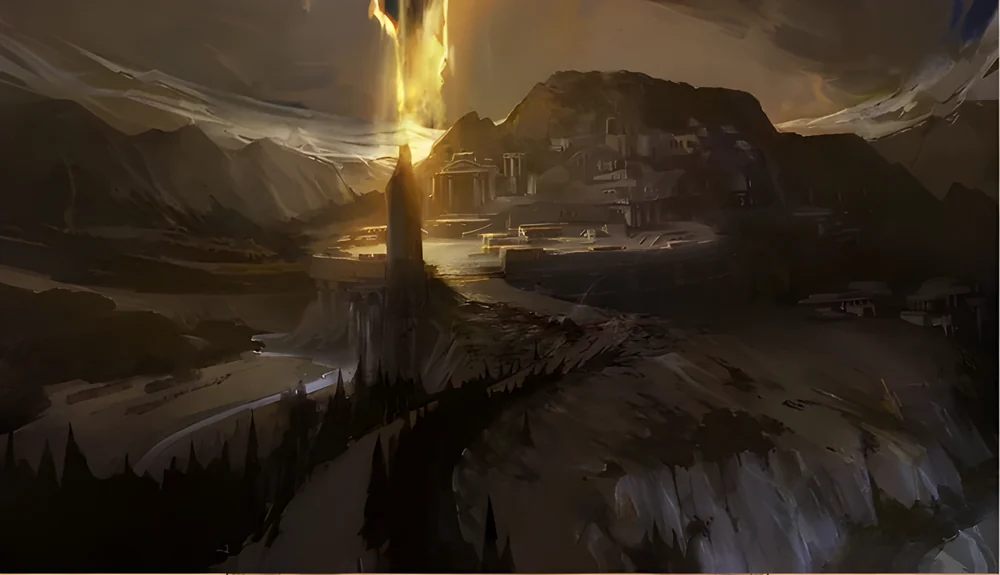
Rhodes was the great harbor city of ancient Greece and home of the legendary Colossus. It was the last city-state to fall in Kratos' Spartan conquest, and the place where Zeus betrayed him with the Blade of Olympus.
Rhodes was the great harbor city of ancient Greece and the site of the legendary Colossus of Rhodes. It was the last city-state left standing in Greece, all others having been destroyed by the Spartan conquest waged in the name of Kratos. It was at Rhodes that Kratos fought the reanimated Colossus, accepted the Blade of Olympus from Zeus, and was then betrayed and struck down by the King of the Gods, beginning his long war against Olympus. (God of War II)
The last city-state#
Rhodes was the great harbor city of Greece and the home of the legendary Colossus of Rhodes. By the time Kratos came to it as the new God of War, it was the last city-state left standing, every other having been destroyed and ruined by the relentless Spartan conquest waged in his name. The Spartan armies had besieged the city, and Kratos went to deliver the final blow. (God of War II)
The battle with the Colossus#
As Kratos joined the siege, an eagle struck him with lightning and brought the Colossus of Rhodes to life, animating the great statue with his own divine power. The battle between Kratos and the reanimated Colossus proved difficult and destructive, while the Spartan army met increasing resistance and lost ground to the defenders. Zeus intervened from above and offered Kratos the Blade of Olympus, the weapon with which to slay the Colossus and prove himself once and for all. Kratos accepted, and with the supreme blade swiftly defeated the statue, but the price of wielding it was the surrender of his divinity and power into the blade. (God of War II)
The betrayal of Zeus#
Now mortal once more, Kratos was gravely wounded by the falling hand of the Colossus, having set the blade aside. Zeus then revealed himself as the eagle that had stolen his power, and offered the Ghost of Sparta a chance to repent and pledge himself to eternal servitude, which Kratos spitefully rejected. Enraged, Zeus impaled him with the Blade of Olympus, offering one last chance to relent, which Kratos again denied. The King of the Gods declared that everything the Spartan had ever known would now suffer for his defiance, and told his son that he would never rule Olympus. The Battle of Rhodes became the start of Kratos' journey to the Island of Creation and his war against the gods, for he was rescued by Gaia, an ancient enemy of Zeus, who guided him toward the Sisters of Fate. Following the death of Poseidon, Rhodes was presumed wiped out by the flood that covered all of Greece. (God of War II; God of War III)
Frequently asked questions
- What is Rhodes in God of War?
- Rhodes was the great harbor city of ancient Greece and the site of the legendary Colossus of Rhodes. By the time Kratos came to it as the new God of War, it was the last city-state left standing, every other having been destroyed by the Spartan conquest waged in his name.
- What happened during the battle with the Colossus of Rhodes?
- As Kratos joined the siege, an eagle struck him with lightning and brought the Colossus of Rhodes to life, animating the statue with his own divine power. Zeus then offered Kratos the Blade of Olympus to slay the Colossus, but wielding it required surrendering his divinity and power into the blade.
- How did Zeus betray Kratos at Rhodes?
- After Kratos defeated the Colossus and was left mortal and gravely wounded, Zeus revealed himself as the eagle that had stolen his power and offered him eternal servitude, which Kratos rejected. The enraged King of the Gods then impaled him with the Blade of Olympus.
- Why is the Battle of Rhodes important?
- The Battle of Rhodes became the start of Kratos' journey to the Island of Creation and his war against the gods. After Zeus struck him down, Kratos was rescued by Gaia, an ancient enemy of Zeus, who guided him toward the Sisters of Fate.
- What happened to Rhodes?
- Following the death of Poseidon, Rhodes was presumed wiped out by the flood that covered all of Greece.
Sources
- GameGod of War II, Santa Monica Studio, 2007
- GameGod of War III, Santa Monica Studio, 2010
Spotted a factual error or a primary source we missed? Email a correction. Every flagged claim gets reviewed.
Followed from this entry
Sparta: Kratos' city, razed by Zeus
Sparta raised Kratos, worshipped Ares, then took Kratos himself as its patron god. Zeus destroyed the city in revenge for the Spartan's defiance.
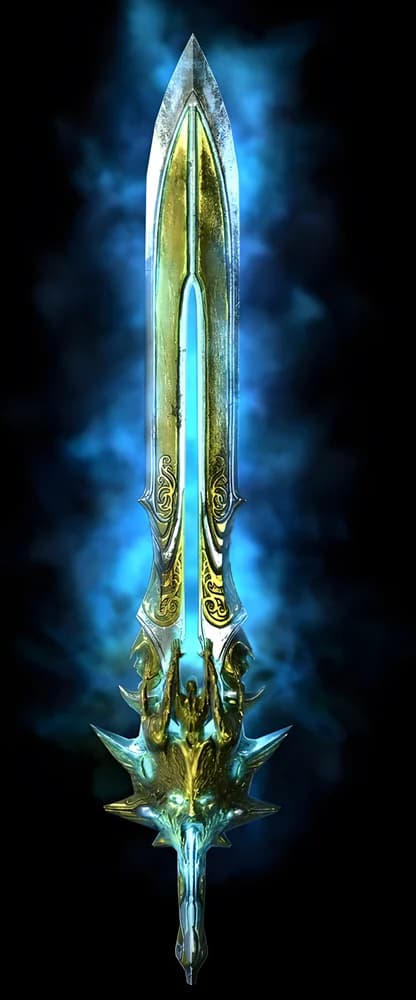
Blade of Olympus: Zeus' god-killing sword
Zeus forged the Blade of Olympus from the heavens and the earth to banish the Titans to Tartarus. It could kill gods and Titans, and it killed Zeus himself.
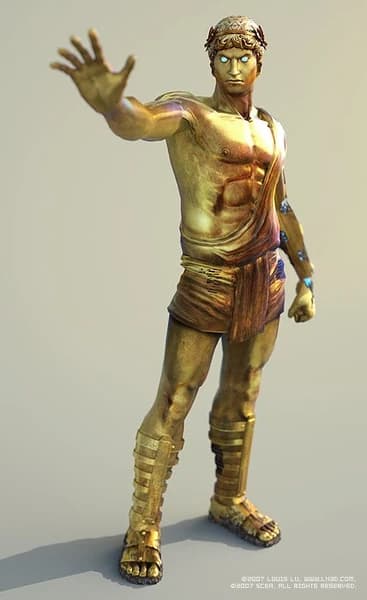
Colossus of Rhodes
The Colossus of Rhodes was a towering bronze statue of the sun god Helios that stood over the port of Rhodes. Animated by Zeus to destroy Kratos, it tore through the city in pursuit of the Spartan, and its fall left him a mortal once more.
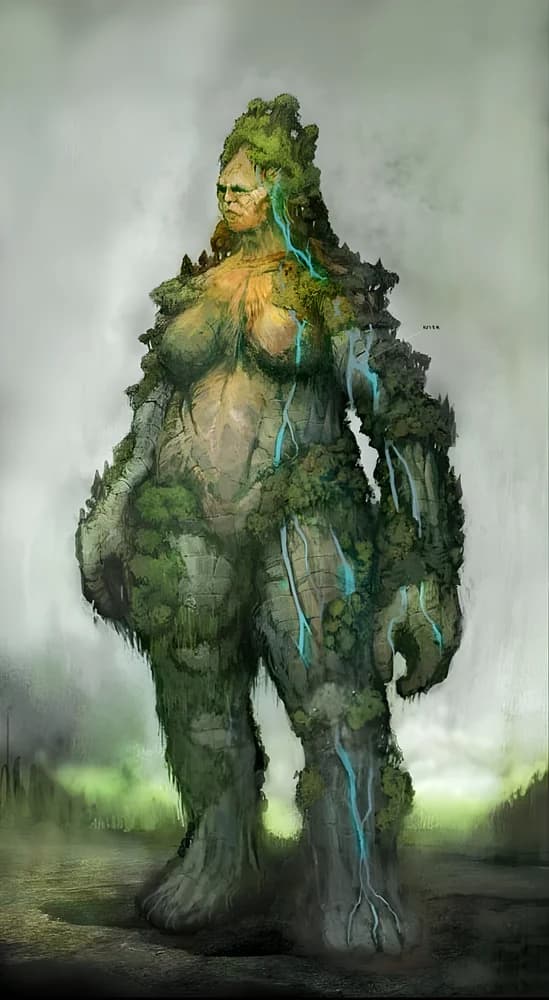
Gaia: Mother Earth, betrayed by Kratos
Gaia bore the Titans, hid the infant Zeus from Cronos, and allied with Kratos against Olympus. He ran the Blade of Olympus through her heart.
God of War: the divine title
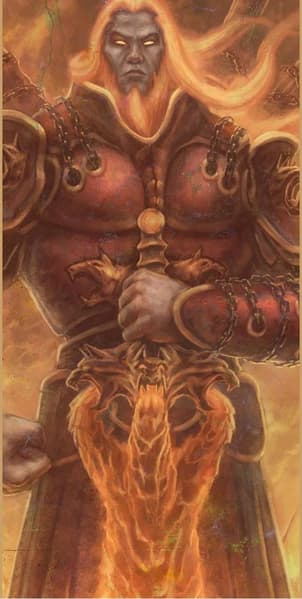
The God of War was a title held by a deity unmatched in battle, wielding peerless combat skill and brutal godly power. It passed from Ares to Kratos in the Greek age, while the Norse realms knew their own God of War in Tyr.
Kratos
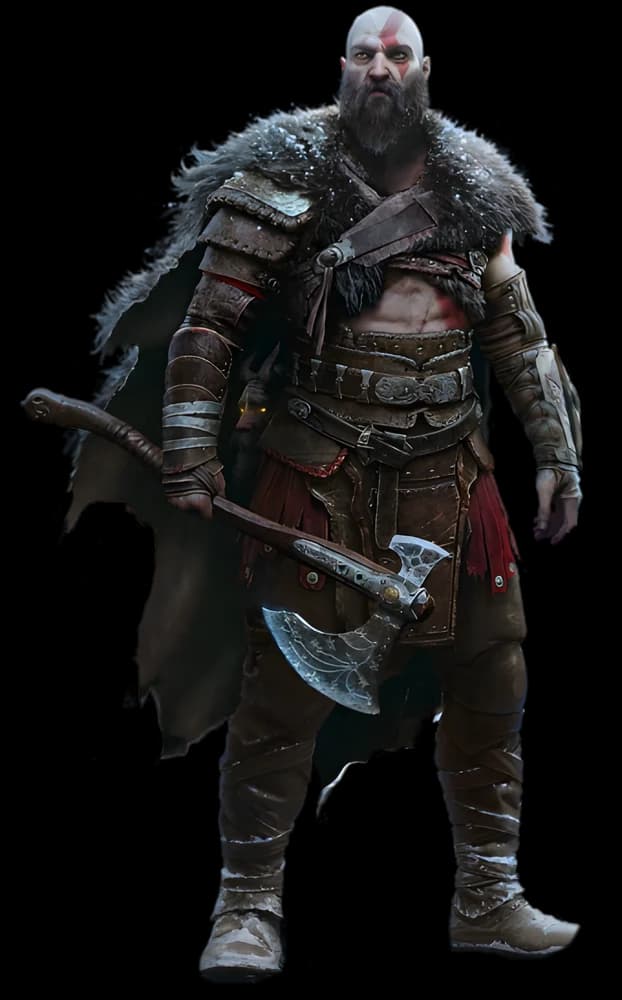
Kratos was the demigod son of Zeus who rose from a Spartan general to the Greek God of War, destroyed the pantheon of Olympus in a quest for vengeance, and then began again in the Norse realms as a father seeking to leave his bloody past behind.
Mentioned in12 entries
Athena: from Kratos' guide to his enemy
Athena set Kratos against Ares to save Athens, then turned on him when his reign grew worse. She died taking a blow meant for Zeus, and named Kratos his son.
Ballista: siege engine of the Greek world
The ballista was a great crossbow of the Greek world, fixed to the ground or mounted on a moving platform and built to hurl huge wooden bolts against ships and city walls. In the hands of Kratos, these engines sank a Persian warship, drove off the Basilisk, struck the Colossus of Rhodes, slew Pandora's Guardian, and knocked the sun god Helios from the sky.
Blade of Olympus: Zeus' god-killing sword
Zeus forged the Blade of Olympus from the heavens and the earth to banish the Titans to Tartarus. It could kill gods and Titans, and it killed Zeus himself.
Colossus of Rhodes
The Colossus of Rhodes was a towering bronze statue of the sun god Helios that stood over the port of Rhodes. Animated by Zeus to destroy Kratos, it tore through the city in pursuit of the Spartan, and its fall left him a mortal once more.
God of War II Story Explained: Plot Summary and Ending
The whole story of God of War II in order, from Zeus's betrayal at Rhodes to the Titans climbing Mount Olympus. Then the ending in plain terms: why Athena died, what she told Kratos about his father, and how it sets up God of War III.
God of War Weapons List: the Name of Every Weapon Kratos Has Used
Kratos has carried two dozen weapons across two lifetimes, from a Spartan spear to a spear built from a ring that copies itself. This list runs through them in the order he got them, Greek era first, then Norse.
God of War: Ghost of Sparta Story Explained
The plot of Ghost of Sparta in order, from Kratos's visions of his mother to the death of his brother Deimos in the Domain of Death. Then the ending explained: the marked warrior prophecy, Athena's apology, and why Kratos leaves at war with Olympus.
Siege of Rhodes
The Siege of Rhodes was a Spartan assault on the Greek city of Rhodes, waged under Kratos during his reign as the God of War. It was at Rhodes that Zeus stripped his son of divine power and struck him down, the betrayal that began Kratos' war against Olympus.
Sparta: Kratos' city, razed by Zeus
Sparta raised Kratos, worshipped Ares, then took Kratos himself as its patron god. Zeus destroyed the city in revenge for the Spartan's defiance.
Spartans
The Spartans were the warrior people of the city of Sparta, a hardened army whose ruthless discipline made them feared across Greece. Under Kratos, their greatest general, they conquered city after city, and they remained loyal to him long after he rose to become the God of War.
The Last Spartan
The Last Spartan was a young Spartan commander loyal to Kratos, the only mortal to survive the destruction of Sparta by Zeus. He kept the Arms of Sparta for his absent lord and later died at Kratos's own hand in the Palace of the Fates, neither warrior knowing the other in the dark.
Zeus
Zeus was the King of Olympus and ruler of the Greek Pantheon, the youngest son of Cronos who freed his siblings, ended the Great War, and claimed the heavens. Father of Kratos, he became the great antagonist of the Greek age and fell at last to the very son he had tried to destroy.
Get new articles in your inbox
No spam. New lore drops, canon conflicts, and deep dives only when they’re worth reading.
Some links on Lore Fortress are affiliate links. If you buy through them we earn a small commission at no extra cost to you.