God of War: the divine title
the mantle of war held by Ares, Kratos, and Tyr
The God of War was a title held by a deity unmatched in battle, wielding peerless combat skill and brutal godly power. It passed from Ares to Kratos in the Greek age, while the Norse realms knew their own God of War in Tyr.
The God of War was a title held by a deity who had no equal in battle, whose skill and brutal godly power few could stand against. In the Greek age the mantle passed from Ares to Kratos, the demigod who slew him, while the Norse realms knew their own God of War in Tyr. (God of War (2005); God of War (2018))
The mantle in Greece#
The title of God of War was first held by Ares, who was overthrown and killed by Kratos in vengeance for the role Ares had played in the deaths of his family. Kratos then became a god himself, the new God of War. After Zeus stripped him of his powers and struck him down, the title was left empty. Yet Kratos returned to life and exacted his revenge upon Zeus and the rest of the Olympians, slaying nearly all the gods of Greece. He survived even his own attempt to give away the power of Hope by impaling himself with the Blade of Olympus, leaving him the only surviving Greek God of War before he migrated to the Norse realms. (God of War (2005); God of War II; God of War III; God of War (2018))
Powers of the title#
The powers of the God of War were those of the mightiest gods, but more brutal and violent in their nature. Ares could grow to the size of a Titan and lay waste to Athens with the creatures of the Underworld at his back, and Kratos, as the new God of War, strode into battle at Rhodes at giant size beside his Spartans. The novelisation of the first game describes both Ares and Kratos holding war itself as a kingdom over which they had total dominion, their favour making their armies all but unbeatable, and the first game closes on Kratos watching over wars across the ages from his throne. (God of War (2005); God of War II; God of War (novel))
The Norse God of War#
The Norse realms held their own God of War in Tyr, who differed wholly from his Greek counterparts. A pacifist and a diplomat, Tyr did not kindle conflict but used his gifts to prevent it, even proposing that all the races of the Nine Realms cooperate to ensure lasting peace and to forestall Ragnarok. In time Tyr invited Kratos to Valhalla to prepare him to take up the mantle of God of War in the Norse lands. There Kratos confronted his past and, after repeated trials, reconciled with it and agreed to Freya's proposal to become the God of War of the Norse realms. Such a role appeared to be one of duty, the maintaining of peace among the realms, rather than the conceptual dominion over war itself that he had held as part of the ruling pantheon of Olympus. (God of War (2018); God of War Ragnarök: Valhalla)
Frequently asked questions
- What was the title of God of War?
- The God of War was the title of a deity unparalleled in battle tactics and combat skill, wielding godly power more brutal and violent in nature than that of other gods. It was first held by Ares and passed to Kratos after Ares' death.
- What powers did the God of War hold?
- The God of War held the brutal extreme of divine power: setting whole armies aflame and shielding them with fire, destroying cities on a whim, and immortality. Their favor made their armies all but unbeatable, and both Ares and Kratos could grow to the size of a Titan.
- How did the Norse God of War differ?
- In the Norse realms the title belonged to Tyr, who, unlike the Greek war gods, was a pacifist and diplomat who used his gifts to prevent conflict. After Tyr, Kratos agreed to take up the mantle as God of War of the Norse lands.
Sources
- GameGod of War (2005), Santa Monica Studio, 2005
- GameGod of War II, Santa Monica Studio, 2007
- GameGod of War III, Santa Monica Studio, 2010
- GameGod of War (2018), Santa Monica Studio, 2018
- GameGod of War Ragnarök: Valhalla, Santa Monica Studio, 2023
- BookGod of War (novel), Matthew Stover and Robert E. Vardeman, Del Rey, 2010
Spotted a factual error or a primary source we missed? Email a correction. Every flagged claim gets reviewed.
Followed from this entry
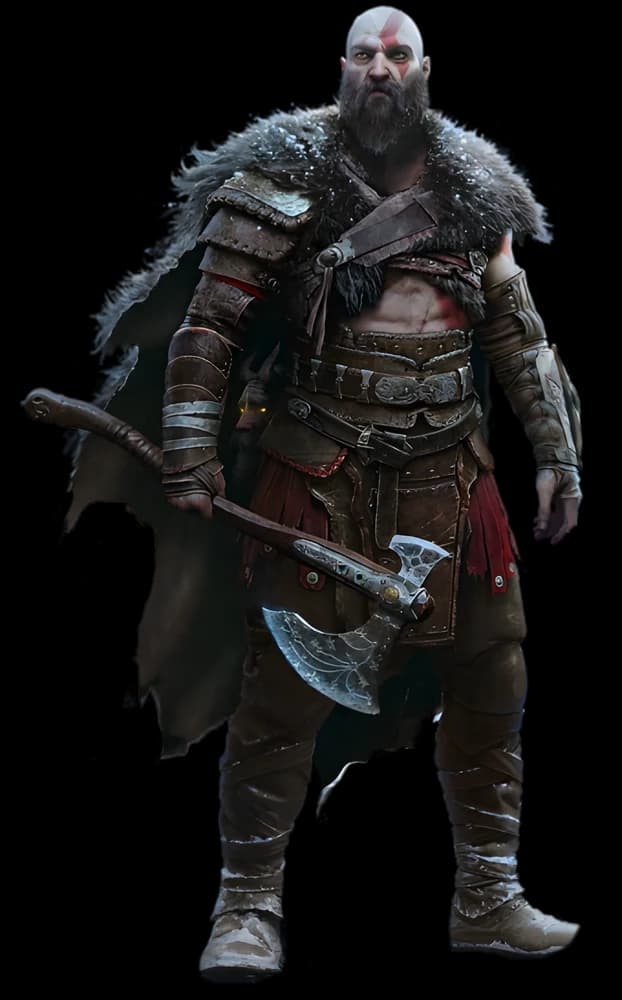
Is Kratos Immortal?
Kratos is a god, so he won't die of age or illness, but he isn't unkillable. He has been killed more than once and come back, and he has survived things that should have ended him. Here is what the games show about how hard he is to kill.
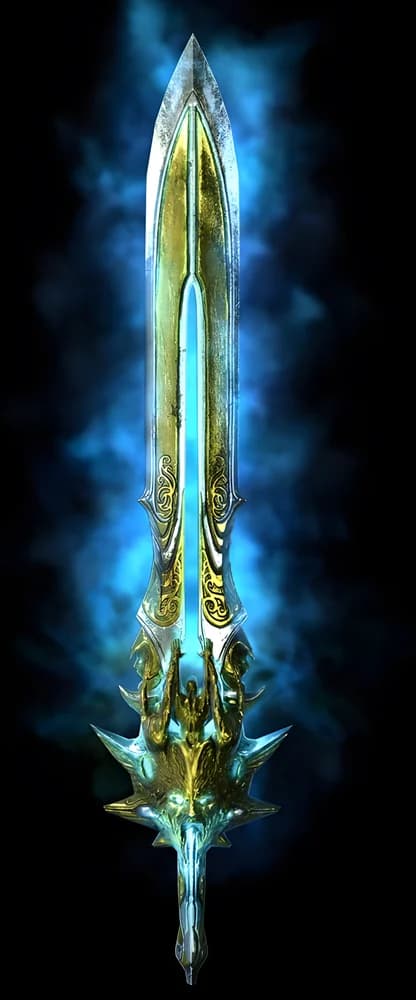
Blade of Olympus: Zeus' god-killing sword
Zeus forged the Blade of Olympus from the heavens and the earth to banish the Titans to Tartarus. It could kill gods and Titans, and it killed Zeus himself.
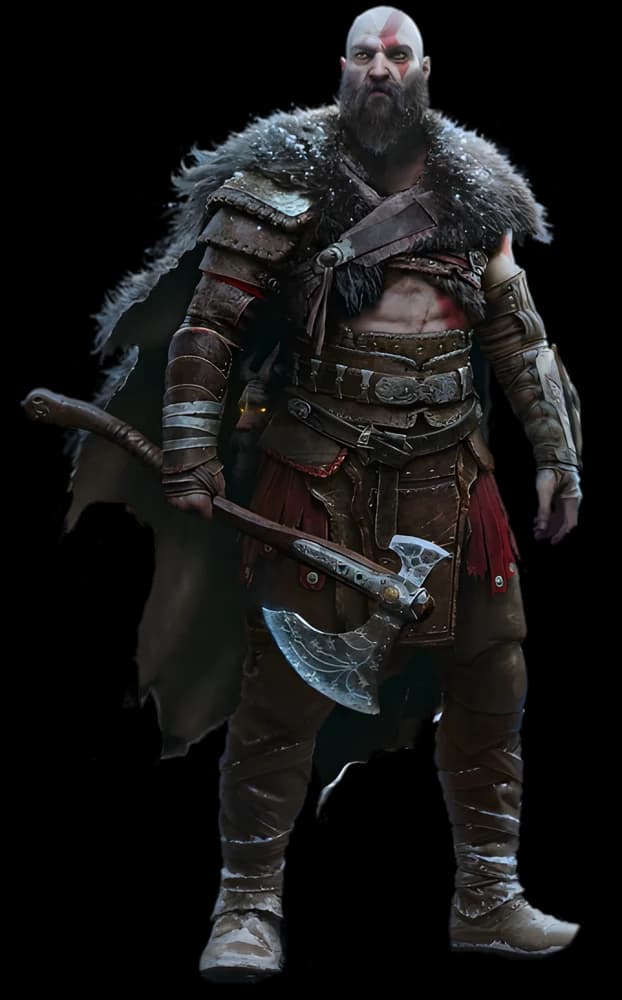
Kratos
Kratos was the demigod son of Zeus who rose from a Spartan general to the Greek God of War, destroyed the pantheon of Olympus in a quest for vengeance, and then began again in the Norse realms as a father seeking to leave his bloody past behind.
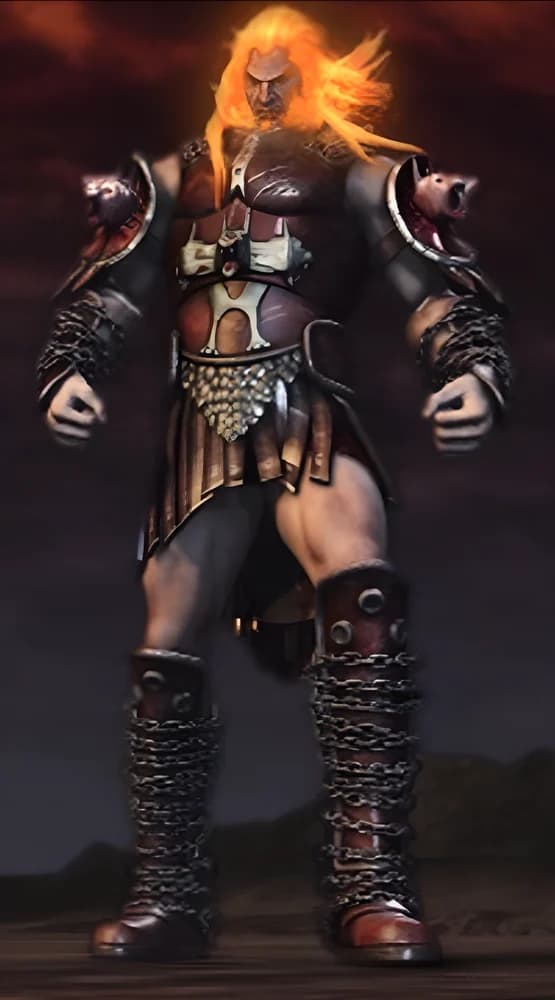
Ares: the god who made Kratos a killer
Ares tricked Kratos into slaughtering his own wife and daughter to bind him as a weapon. Kratos killed him at Athens and took his place as God of War.

Athens: Athena's city, besieged by Ares
Ares laid siege to Athens out of hatred for his sister Athena. Kratos was sent to save it, and killed Ares there to become the new God of War.

Freya
Freya was the Vanir goddess of love, war, and magic who married Odin to end the Aesir-Vanir War and was cursed to remain in Midgard. Once the Witch of the Woods, she aided Kratos and Atreus, swore vengeance after the death of her son Baldur, and at last turned her wrath on Odin himself.
Mentioned in53 entries
Aegaeon: the Hecatonchires made a prison
Aegaeon was one of the three Hecatonchires, a giant of many hands who broke a blood oath with Zeus and was punished by the Furies. His vast body was transformed into the living dungeon called the Prison of the Damned, in which Kratos was once chained.
Aesir Royal Family: the Ruling Dynasty of Asgard
The Aesir Royal Family was the ruling dynasty of gods who reigned from Asgard over the Nine Realms. Descended from the first god Buri and led by Odin the Allfather, the line counted Odin's brothers Vili and Ve and his sons Thor, Tyr, Heimdall, and Baldur among its most prominent members.
Alrik
Alrik, the Barbarian King, was the leader of the Barbarian horde from the east and one of Kratos' oldest enemies. His assault drove Kratos to pledge his soul to Ares, beginning the Spartan's tragedy, and his hatred outlasted even death.
Ares: the god who made Kratos a killer
Ares tricked Kratos into slaughtering his own wife and daughter to bind him as a weapon. Kratos killed him at Athens and took his place as God of War.
Athena: from Kratos' guide to his enemy
Athena set Kratos against Ares to save Athens, then turned on him when his reign grew worse. She died taking a blow meant for Zeus, and named Kratos his son.
Athens: Athena's city, besieged by Ares
Ares laid siege to Athens out of hatred for his sister Athena. Kratos was sent to save it, and killed Ares there to become the new God of War.
Blade of Artemis
The Blade of Artemis was a great curved sword once wielded by the Goddess of the Hunt to slay a Titan. Bestowed upon Kratos during his war against Ares, it carried him through that campaign and beyond before returning to its mistress.
Blade of Olympus: Zeus' god-killing sword
Zeus forged the Blade of Olympus from the heavens and the earth to banish the Titans to Tartarus. It could kill gods and Titans, and it killed Zeus himself.
Blade of the Gods
The Blade of the Gods was a colossal sword forged by the gods, set into the ground outside Athens as a footbridge to a great statue of Athena. Grown to the size of a god, Kratos wrenched it free and used it to kill Ares, claiming the mantle of God of War for himself.
Blades of Athena
The Blades of Athena were the chained blades the goddess Athena bestowed upon Kratos when he became the God of War. They served as his primary weapons during and after his reign on Olympus, until they were ruined in the River Styx and reforged into the Blades of Exile.
Blades of Chaos: chained to Kratos' arms
The Blades of Chaos were forged in the Underworld for Ares, who seared their chains onto Kratos' forearms. They burn with the fire of Tartarus.
Calliope
Calliope was the beloved daughter of Kratos and Lysandra, a gentle and innocent child of Sparta. Killed by her father during a frenzy contrived by Ares, she found rest in the Elysium Fields, only for Kratos to be forced to abandon her there to save the world.
+ 41 more
Get new articles in your inbox
No spam. New lore drops, canon conflicts, and deep dives only when they’re worth reading.
Some links on Lore Fortress are affiliate links. If you buy through them we earn a small commission at no extra cost to you.