Athens: Athena's city, besieged by Ares
The City of Athena
Ares laid siege to Athens out of hatred for his sister Athena. Kratos was sent to save it, and killed Ares there to become the new God of War.
Athens was a great Greek city, the city of the goddess Athena and a hub of Greek culture and worship. When Ares laid siege to it out of his hatred for Athena, Kratos was sent by the gods of Olympus to save the city, a quest that drove him to the Underworld and to Pandora's Box. His journey through Athens ended in his duel with Ares and his rise as the new God of War. (God of War (2005))
The city of Athena#
Athens was the city of the goddess Athena, won by her in an ancient dispute with Poseidon over its patronage. The novelization of the first game recalls that its citizens preferred Athena's olive tree to Poseidon's salt spring, and to soothe the wrath of the Sea God they made many sacrifices and tributes to him, which helped them become a mighty naval power. Athens was a hub of Greek culture, and its people devoted worship to Athena, to Poseidon, and to Zeus, the father of Athena and King of the Gods. (God of War (2005); God of War (novel))
The Siege of Athens#
Ares laid siege to the city, an event known as the Siege of Athens, driven, the novelization says, mostly by his hatred for Athena and his bitterness at having been tricked by her out of the lordship over the armies of humanity. The gods of Olympus asked Kratos to save the city from the God of War. In the novel, not all the gods were moved by Ares' onslaught; Zeus was conflicted over the insult to himself as his temples were destroyed, Artemis was more concerned with her own domain, and Hermes found the agony of the city amusing. Poseidon, despite the city's long tributes, held it in special disregard, telling Ares he could burn it to the ground for all he cared. (God of War (2005); God of War (novel))
Kratos, a Spartan who held the Athenians in next to no regard, fought through the burning city against the minions of Ares, glad, in the novel's telling, that his quest was to save the city and not its people. Among the Athenians he encountered were a woman who fell to her death from a balcony rather than face him, a cowardly bridgeman whom Kratos struck down to release a bridge, and the armed Athenian soldiers who assaulted him and were slain. Most important was the Oracle of Athens, whom Kratos rescued and who in turn opened the gate to the Desert of Lost Souls and told him of Pandora's Box. (God of War (2005); God of War (novel))
The death of Ares and after#
When Kratos returned from the Underworld with the Box, he found the Oracle badly wounded, claiming that Ares had won and that there was no hope. Within the city, Kratos battled and killed Ares, becoming the new God of War. Athens did not vanish at once. In the novelization of God of War II it survived the costly siege in ruin and undertook a hard reconstruction, its people fearful that the new power of Sparta under Kratos might bring them the same fate Ares had. In the desolation that followed, some Athenians built modest shrines to Gaia and the Titans, a thing Athena noticed and chose to conceal from her fellow Olympians for fear of Zeus' wrath falling upon the city. Following the death of Poseidon, Athens was presumed wiped out by the flood that covered all of Greece. (God of War (2005); God of War II (novel); God of War III)
Frequently asked questions
- What is Athens in God of War?
- Athens was a great Greek city, the city of the goddess Athena and a hub of Greek culture and worship. Its people devoted worship to Athena, Poseidon, and Zeus.
- How did Athena win Athens?
- Athena won the city in an ancient dispute with Poseidon over its patronage. Its citizens preferred Athena's olive tree to Poseidon's salt spring, and to soothe the wrath of the Sea God they made many sacrifices, which helped them become a mighty naval power.
- Why did Ares lay siege to Athens?
- Ares laid siege to the city driven mostly by his hatred for Athena and his bitterness at having been tricked by her out of the lordship over the armies of humanity. The gods of Olympus then asked Kratos to save the city from the God of War.
- What happened when Kratos fought through Athens?
- Kratos fought through the burning city against the minions of Ares and rescued the Oracle of Athens, who opened the gate to the Desert of Lost Souls and told him of Pandora's Box. After returning from the Underworld with the Box, he battled and killed Ares within the city and became the new God of War.
- What happened to Athens after the siege?
- Athens survived the siege in ruin and undertook a hard reconstruction, its people fearful of Sparta's new power under Kratos. Following the death of Poseidon, Athens was presumed wiped out by the flood that covered all of Greece.
Gallery
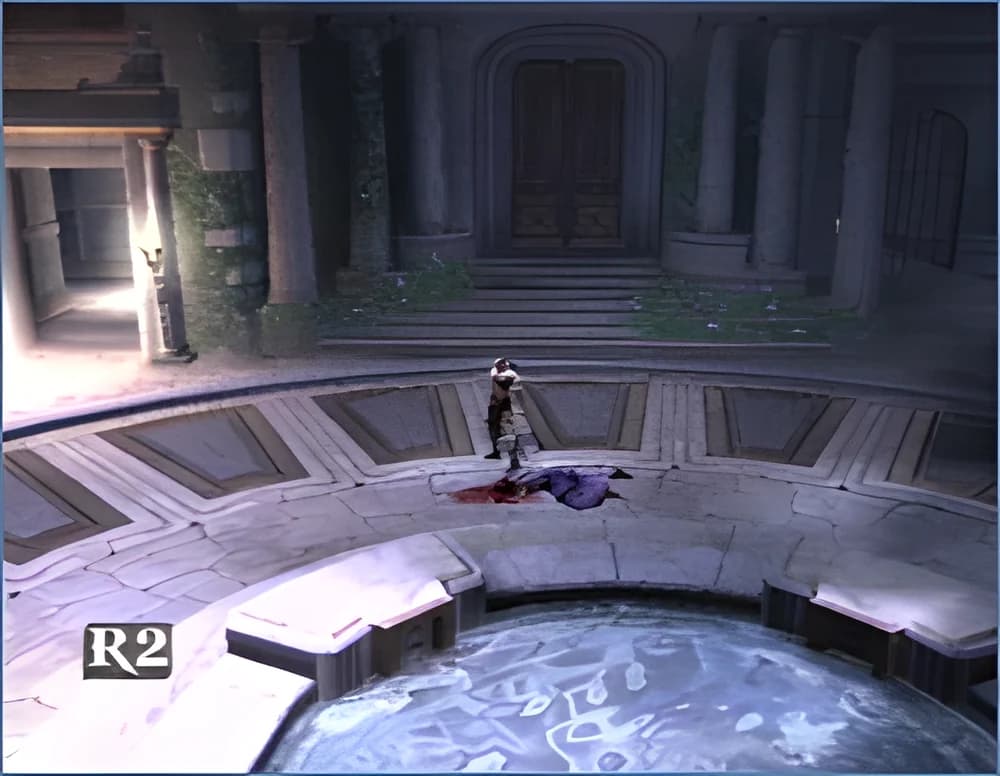
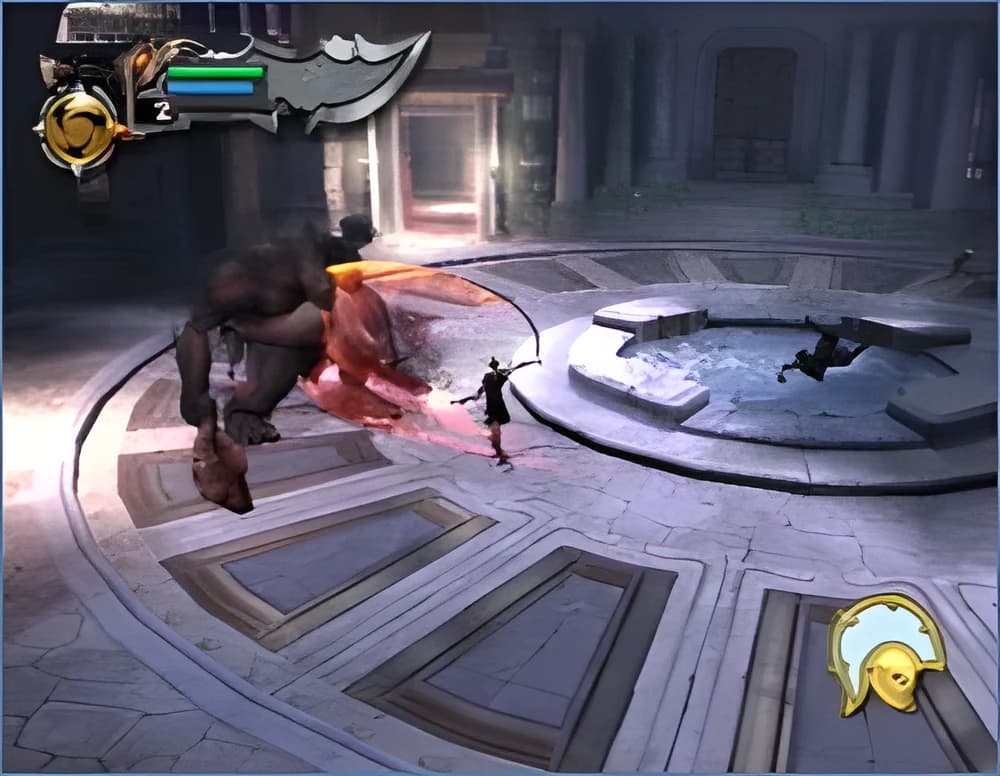
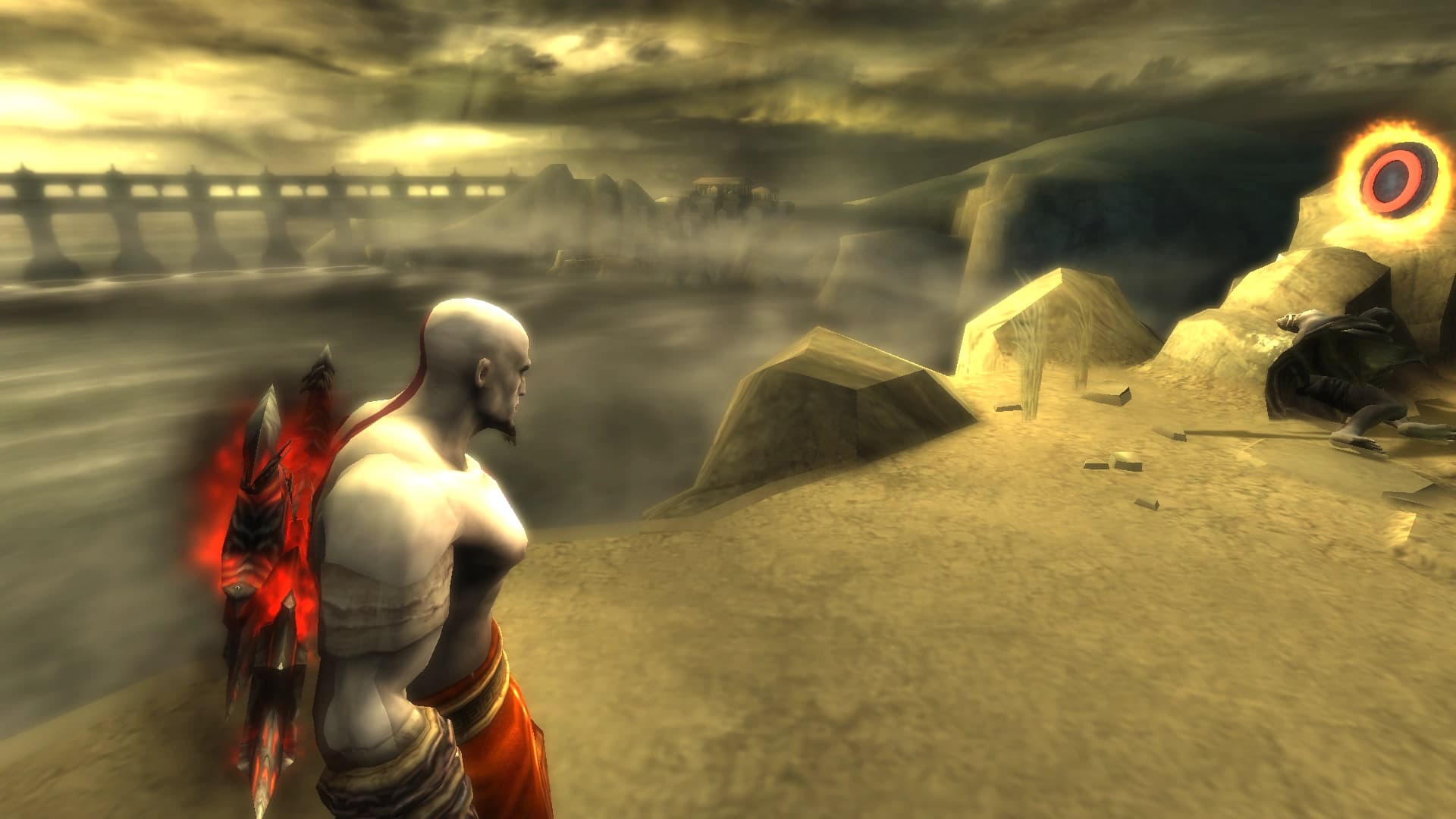
Images via God of War Wiki
Sources
- GameGod of War (2005), Santa Monica Studio, 2005
- GameGod of War III, Santa Monica Studio, 2010
- BookGod of War (novel), Matthew Stover and Robert E. Vardeman, Del Rey, 2010
- BookGod of War II (novel), Robert E. Vardeman, Del Rey, 2013
Spotted a factual error or a primary source we missed? Email a correction. Every flagged claim gets reviewed.
Followed from this entry
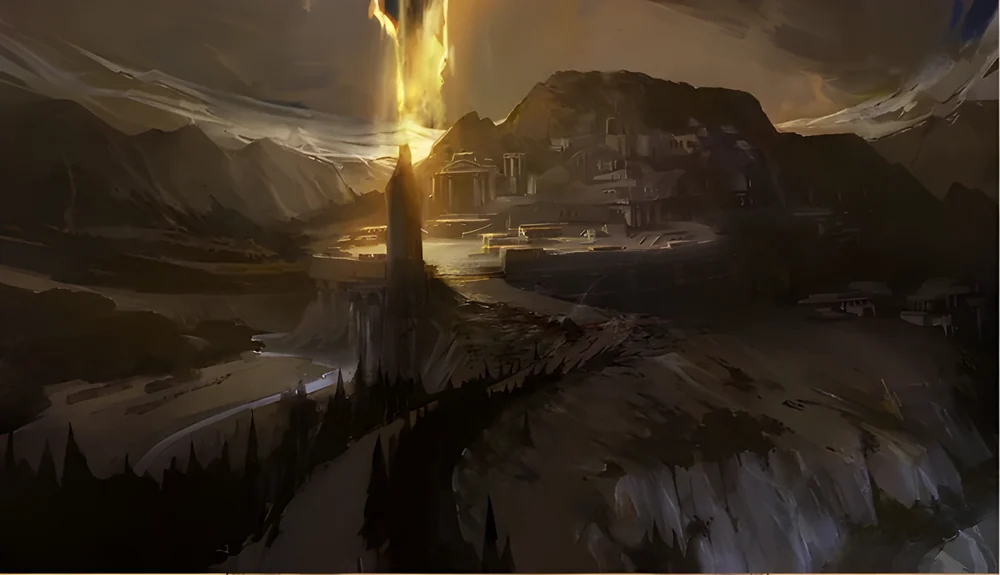
Sparta: Kratos' city, razed by Zeus
Sparta raised Kratos, worshipped Ares, then took Kratos himself as its patron god. Zeus destroyed the city in revenge for the Spartan's defiance.

The Underworld
The Underworld was the realm of the dead in Greece, a hellish landscape below the living world where the River Styx carried mortal souls to their rest. It was ruled by Hades until his death, and Kratos descended into it many times across his Greek campaigns.
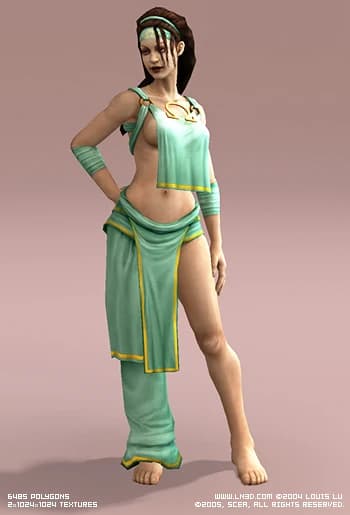
Oracle of Athens: seer of the besieged city
The Oracle of Athens was the mortal seer of Athena's city, gifted with foresight and the power to read the memories of any being. During the siege of Athens she alone held the secret of how a god could be killed, and she set Kratos on the road to Pandora's Box.
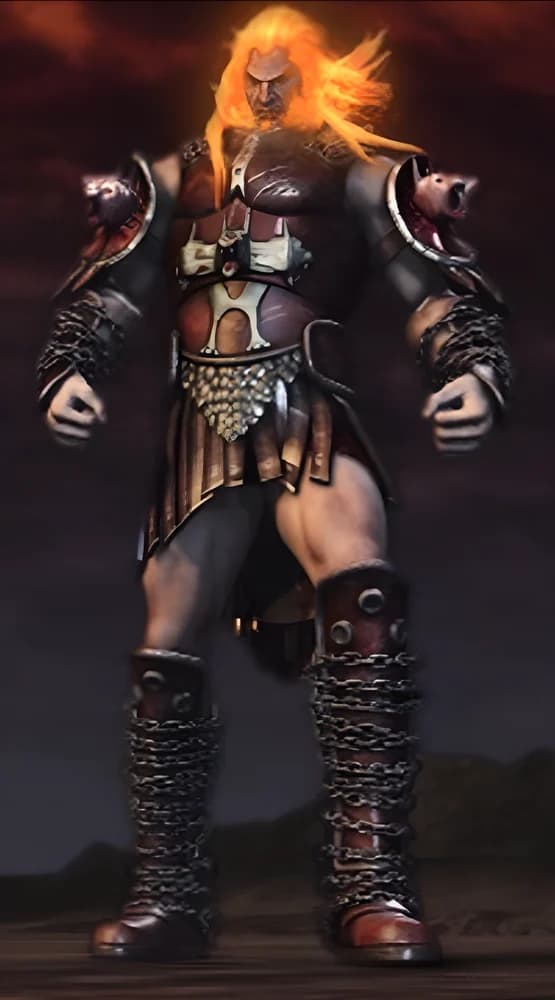
Ares: the god who made Kratos a killer
Ares tricked Kratos into slaughtering his own wife and daughter to bind him as a weapon. Kratos killed him at Athens and took his place as God of War.

Artemis
Artemis was the Olympian Goddess of the Hunt, daughter of Zeus and twin sister of Apollo. When Ares besieged Athens, she turned the beasts of the wild against his armies, and later gave Kratos the Blade of Artemis, a weapon she had wielded against the Titans, to aid him in the conquest of Pandora's Temple.
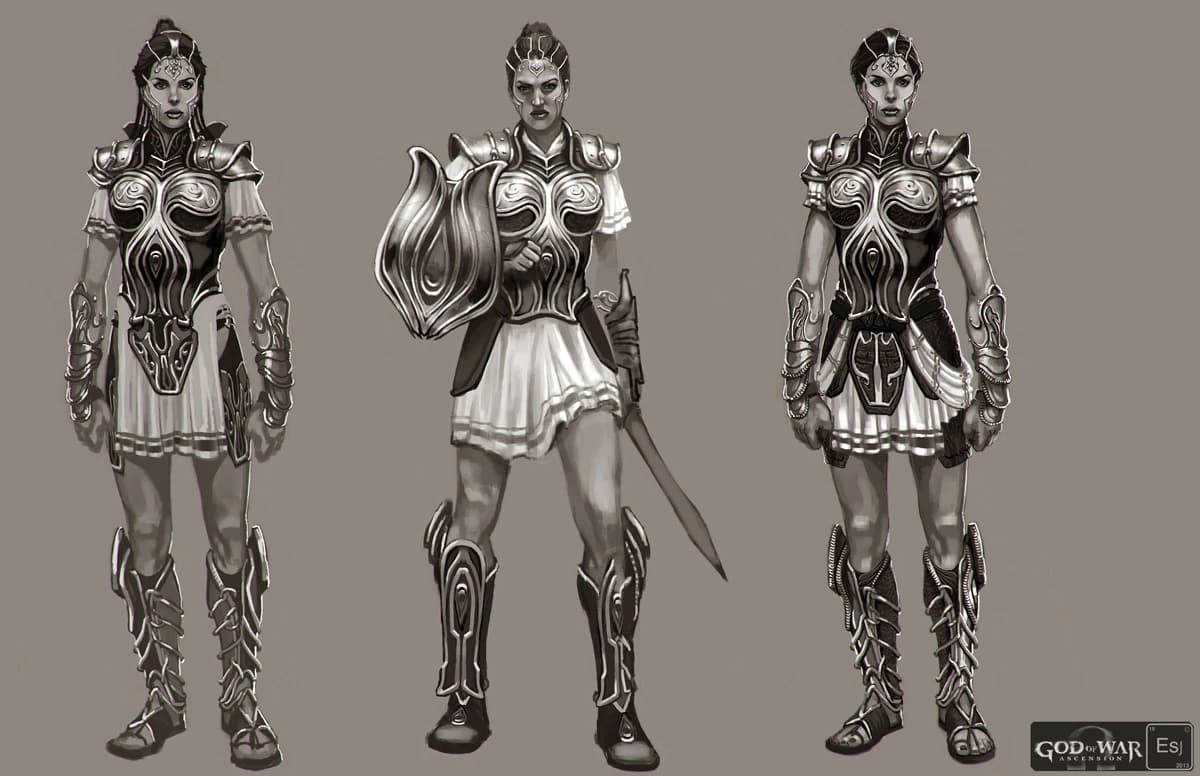
Athena: from Kratos' guide to his enemy
Athena set Kratos against Ares to save Athens, then turned on him when his reign grew worse. She died taking a blow meant for Zeus, and named Kratos his son.
Mentioned in36 entries
Aphrodite: Hephaestus' wife, lover of Ares
Aphrodite was married to the smith Hephaestus but had no love for him. In myth she took Ares as a lover, and in the games she gave Kratos Medusa's gaze.
Ares: the god who made Kratos a killer
Ares tricked Kratos into slaughtering his own wife and daughter to bind him as a weapon. Kratos killed him at Athens and took his place as God of War.
Artemis
Artemis was the Olympian Goddess of the Hunt, daughter of Zeus and twin sister of Apollo. When Ares besieged Athens, she turned the beasts of the wild against his armies, and later gave Kratos the Blade of Artemis, a weapon she had wielded against the Titans, to aid him in the conquest of Pandora's Temple.
Athena: from Kratos' guide to his enemy
Athena set Kratos against Ares to save Athens, then turned on him when his reign grew worse. She died taking a blow meant for Zeus, and named Kratos his son.
Ballista: siege engine of the Greek world
The ballista was a great crossbow of the Greek world, fixed to the ground or mounted on a moving platform and built to hurl huge wooden bolts against ships and city walls. In the hands of Kratos, these engines sank a Persian warship, drove off the Basilisk, struck the Colossus of Rhodes, slew Pandora's Guardian, and knocked the sun god Helios from the sky.
Blade of the Gods
The Blade of the Gods was a colossal sword forged by the gods, set into the ground outside Athens as a footbridge to a great statue of Athena. Grown to the size of a god, Kratos wrenched it free and used it to kill Ares, claiming the mantle of God of War for himself.
Blades of Chaos: chained to Kratos' arms
The Blades of Chaos were forged in the Underworld for Ares, who seared their chains onto Kratos' forearms. They burn with the fire of Tartarus.
Cyclopes: the one-eyed giants of Greece
The Cyclopes were a race of burly, one-eyed giants of the Greek world. Once peaceful shepherds, they were dragged into the first War of the Titans and used thereafter as beasts of war in the armies of the gods.
Cyclops
The Cyclopes were burly, one-eyed giants who fought as beasts of war across the Greek games, from Ares's siege of Athens to the fall of Olympus. In the old myth the series draws on, they were sons of Heaven and Earth whom Zeus freed to fight the Titans.
Daedalus
Daedalus was the master craftsman of Athens who built the great Labyrinth for Zeus in return for the promise of his lost son Icarus. Driven to madness in years of servitude and chained within his own creation, he was crushed when Kratos set the Labyrinth turning, and died grateful at last to be free.
Desert of Lost Souls: the wasteland east of Athens
The Desert of Lost Souls was a vast, monster haunted desert far to the east of Athens, the place where Zeus condemned the Titan Cronos to wander with Pandora's Temple chained to his back. Kratos crossed its sands in his quest for Pandora's Box, and there Ares struck him down with a pillar hurled from the ruins of Athens.
Euryale
Euryale was an immortal Gorgon and the sister of Medusa, who took the throne of the Gorgons after Kratos slew her kin. From her temple on the Island of Creation she sought to sacrifice the Ghost of Sparta to the Sisters of Fate, until he cut off her head and turned it against his enemies.
+ 24 more
Get new articles in your inbox
No spam. New lore drops, canon conflicts, and deep dives only when they’re worth reading.
Some links on Lore Fortress are affiliate links. If you buy through them we earn a small commission at no extra cost to you.