Daedalus
Architect of the Labyrinth
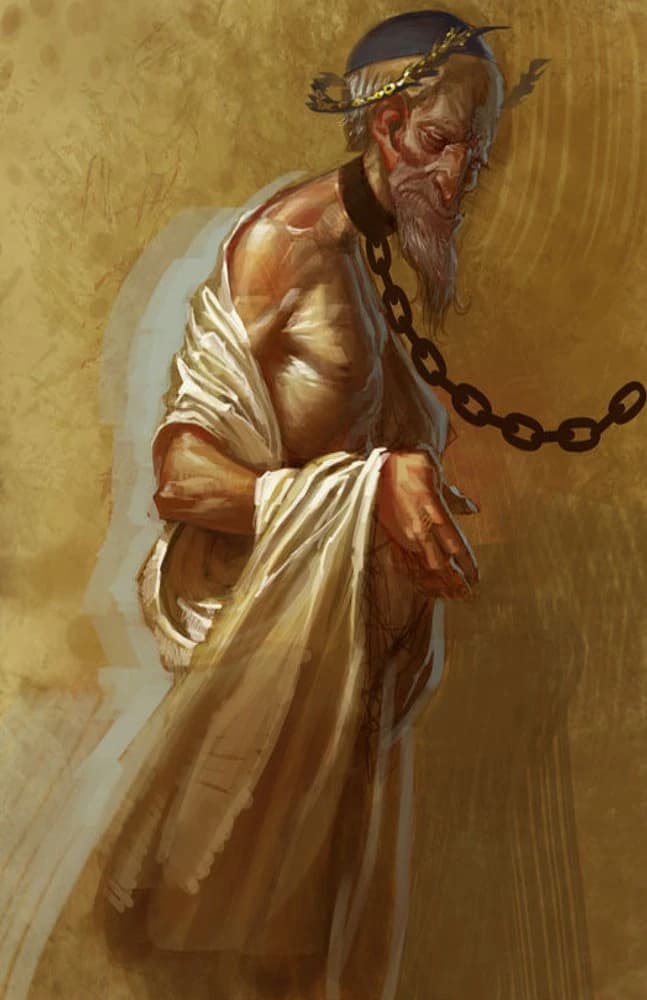
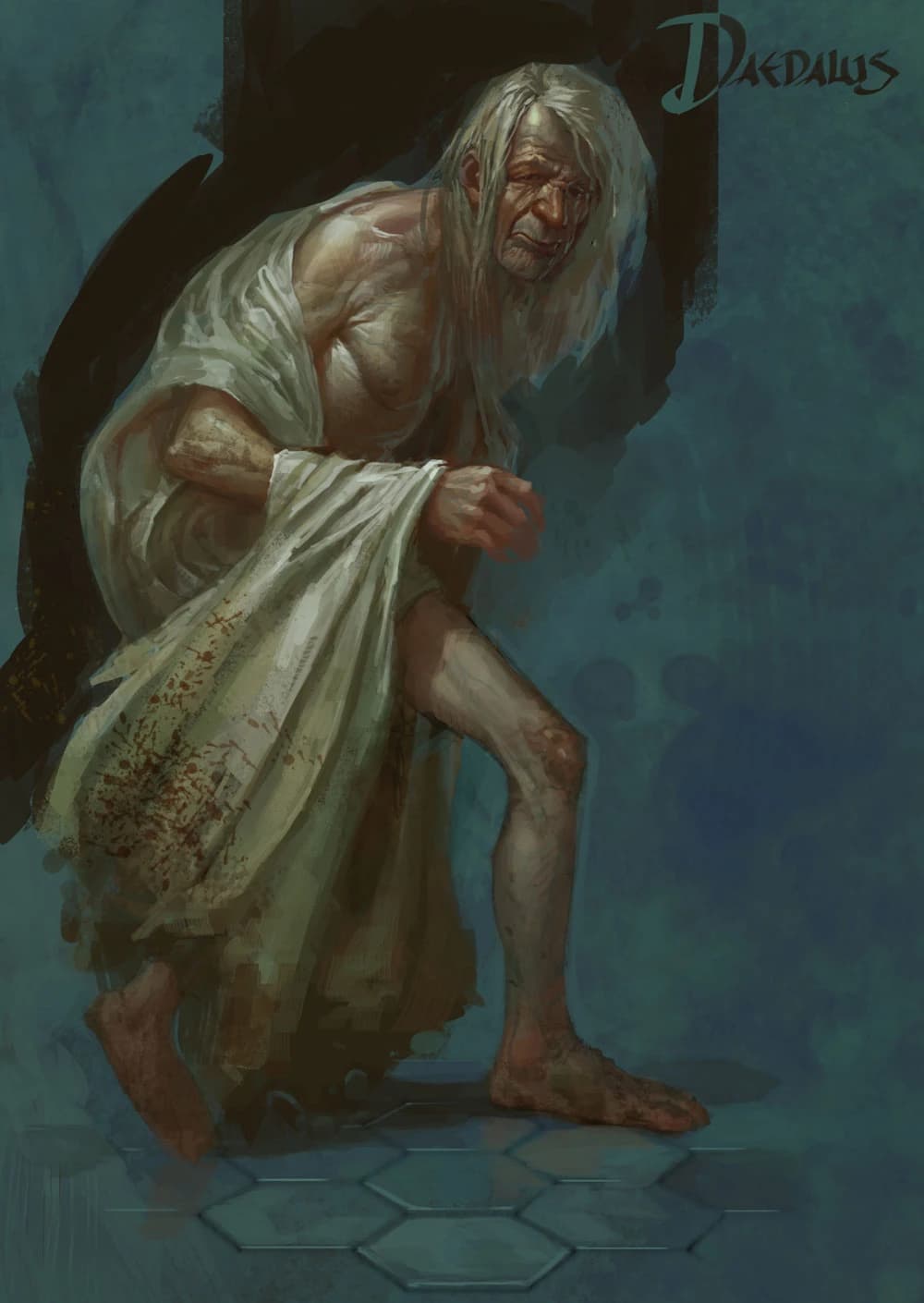
Daedalus was the master craftsman of Athens who built the great Labyrinth for Zeus in return for the promise of his lost son Icarus. Driven to madness in years of servitude and chained within his own creation, he was crushed when Kratos set the Labyrinth turning, and died grateful at last to be free.
Daedalus was the master craftsman of Athens, the architect who raised the great Labyrinth at the command of Zeus. Like the tortured builders before him, he was used and discarded by the gods of Olympus, and when Kratos set the Labyrinth into motion the old engineer perished within his own work, mourning to the last his lost son Icarus. (God of War III)
The craftsman of Athens#
Daedalus was a craftsman and artisan of unmatched cunning, an Athenian whose skill the gods themselves prized. In the old tales he was the maker of the dancing-ground for Ariadne and the builder of the Labyrinth on Crete that held the Minotaur, the maze through which Theseus found his way by Ariadne's thread. He was also the father of Icarus, the boy who flew too near the sun and fell into the sea. (Iliad; Metamorphoses)
The bargain with Zeus#
In the age of Kratos, Daedalus was set to a far greater work. He built the Labyrinth for Zeus, and in return the King of the Gods promised to restore to him his son Icarus. The Labyrinth was raised in part to imprison Pandora within it, after Hephaestus confessed her existence, and its heart was made to serve as both lock and key, with the Judges of Hades as the final latch. But Zeus never meant to honor his end of the bargain. Bound in endless labor, Daedalus left behind a written warning that if he did not get his son, all the Labyrinth unlocked would be destruction and chaos. (God of War III)
Like Pathos Verdes III and Archimedes, Daedalus was an architect of the gods broken by their cruelty. Year upon year of toil and the loss of Icarus drove him to madness, and he was enchained within the very maze he had created, mumbling of his boy and of the inventions that had made the work possible. (God of War III; God of War (2005); God of War: Ascension)
Death in the Labyrinth#
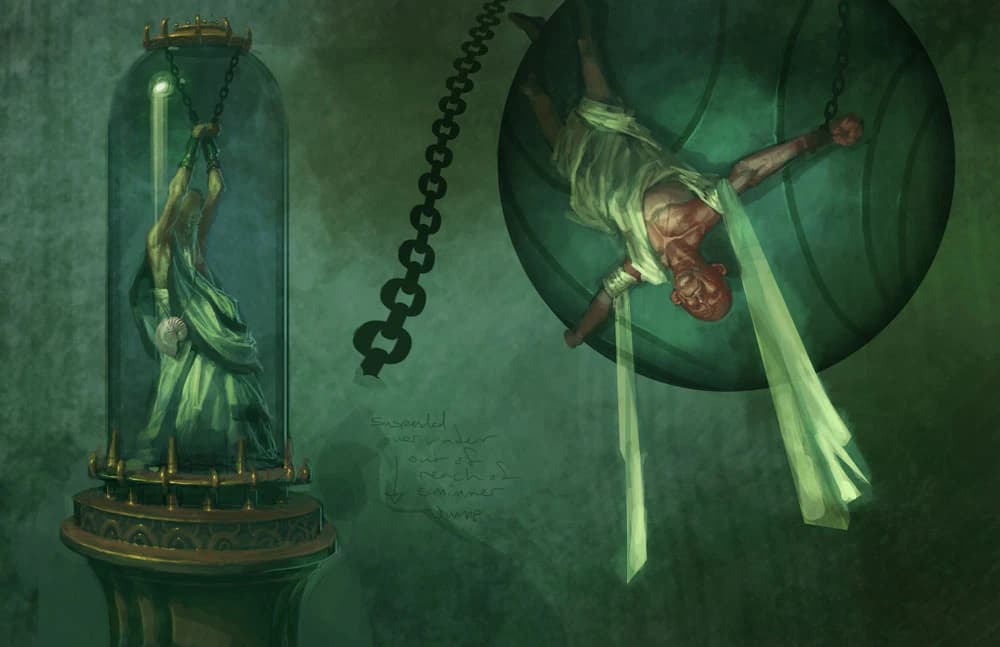
When Kratos came upon the chained and insane Daedalus, the old man took the Spartan for his lost son and called out to Icarus, until Kratos stepped into the light and the architect saw his error. On learning of Icarus's death, Daedalus was left distraught. Heedless of the old man's pleas not to do so, Kratos went on to activate the Labyrinth, wielding Boreas' Icestorm to set its mechanisms turning while Daedalus was caught in the middle of them, and so killed him. At the final challenge of the maze Kratos found the architect's still-chained body, and with it a last note written in Daedalus's own blood. Even in his ending, Daedalus was grateful to the Spartan, for he had found his freedom at last and could rest with his son in eternity. (God of War III)
Frequently asked questions
- Who is Daedalus in God of War?
- Daedalus was the master craftsman of Athens, an artisan of unmatched cunning whose skill the gods prized. He was the architect who raised the great Labyrinth at the command of Zeus, and the father of Icarus.
- Why did Daedalus build the Labyrinth?
- Daedalus built the Labyrinth for Zeus, who promised in return to restore his son Icarus to him. The maze was raised in part to imprison Pandora, but Zeus never meant to honor his end of the bargain.
- How did Daedalus die?
- Kratos activated the Labyrinth despite the old man's pleas, wielding Boreas' Icestorm to set its mechanisms turning while Daedalus was caught in the middle of them, and so killed him. Even in death the architect was grateful, for he had found his freedom and could rest with his son in eternity.
- Why did Daedalus go mad?
- Bound in endless labor and chained within the very maze he had created, Daedalus was driven to madness by years of toil and the loss of Icarus. He mumbled of his boy and of the inventions that had made the work possible.
- What happened when Daedalus first met Kratos?
- When Kratos came upon the chained and insane Daedalus, the old man took the Spartan for his lost son and called out to Icarus, until Kratos stepped into the light and Daedalus saw his error. On learning of Icarus's death, Daedalus was left distraught.
Gallery
Images via God of War Wiki
Sources
- GameGod of War III, Santa Monica Studio, 2010
- GameGod of War (2005), Santa Monica Studio, 2005
- GameGod of War: Ascension, Santa Monica Studio, 2013
- BookIliad, Homer, around 750 BC
- BookMetamorphoses, Ovid, AD 8
Spotted a factual error or a primary source we missed? Email a correction. Every flagged claim gets reviewed.
Followed from this entry
Icarus
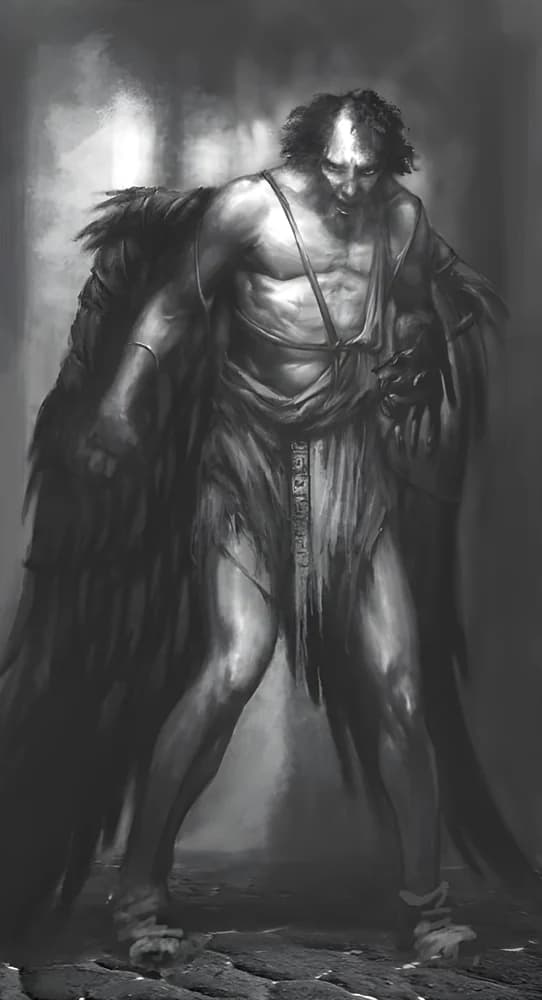
Icarus was the son of the inventor Daedalus, who fell to his death and was driven mad in the Underworld. Decades of crude repairs let him graft wings to his own flesh and escape, and he sought the Sisters of Fate to undo his fate, until Kratos tore the wings from his back at the Great Chasm.
Kratos
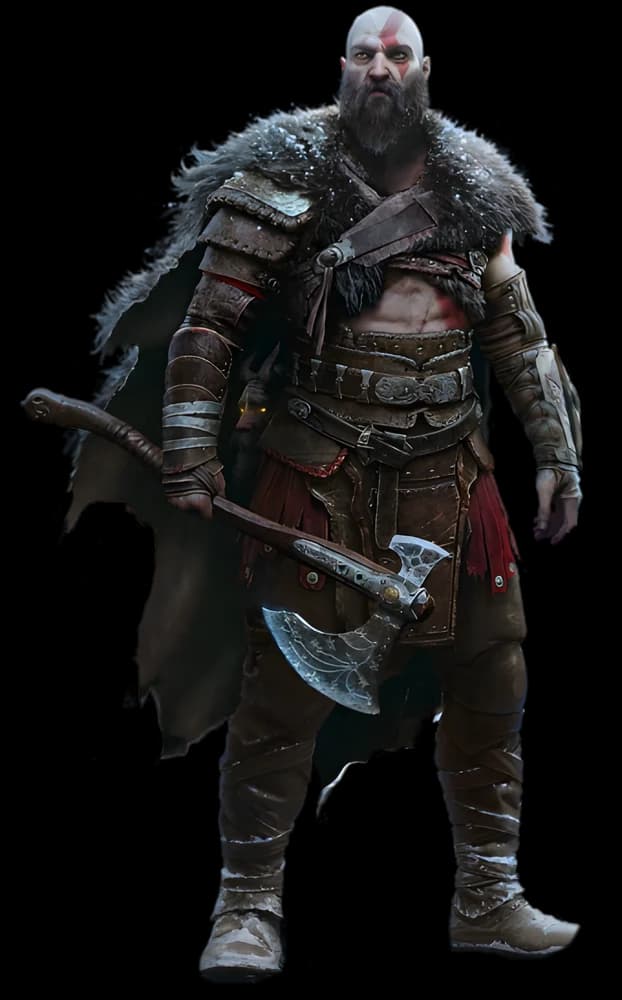
Kratos was the demigod son of Zeus who rose from a Spartan general to the Greek God of War, destroyed the pantheon of Olympus in a quest for vengeance, and then began again in the Norse realms as a father seeking to leave his bloody past behind.
Pandora: the living key to Pandora's Box
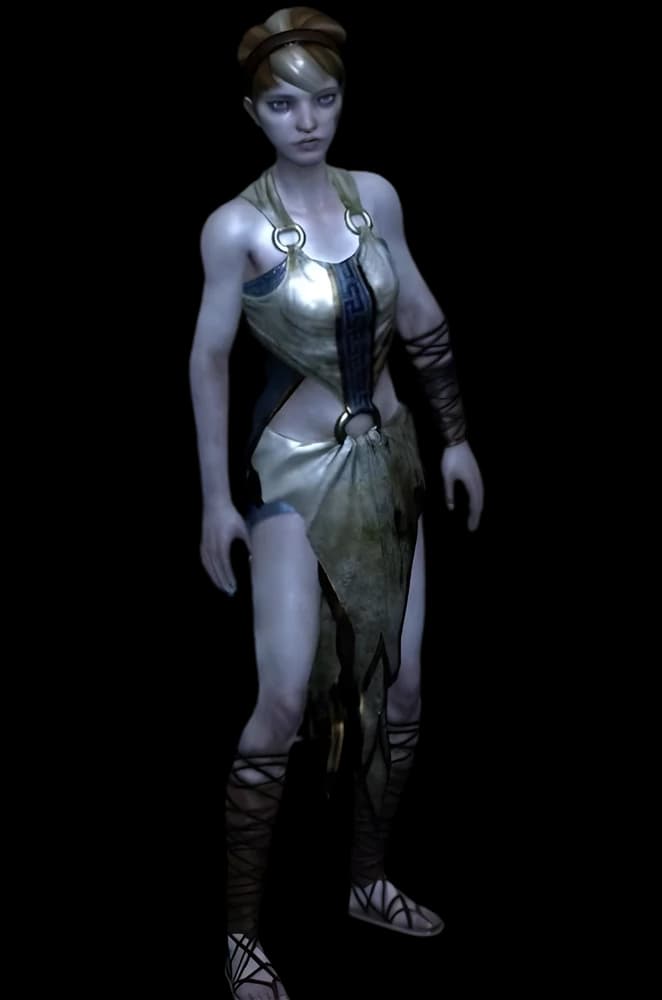
Hephaestus made Pandora as the living key to Pandora's Box, and Zeus hid her in a labyrinth. She gave her life in the Flame of Olympus to reach it.
Pathos Verdes III
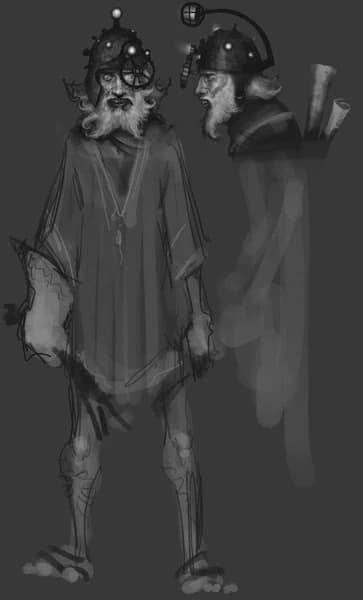
Pathos Verdes III was the mortal architect chosen by the Olympian gods to raise Pandora's Temple upon the back of the bound Titan Cronos. Driven mad by grief and zeal, he turned the temple into a maze of lethal traps before taking his own life and cursing the gods he had served.
Theseus
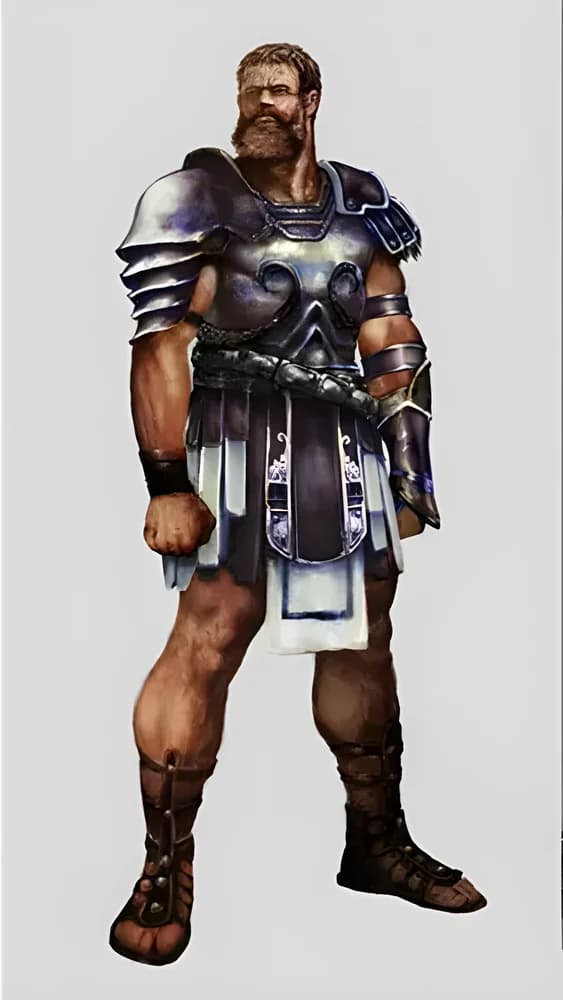
Theseus was a Greek demigod, son of Poseidon and former hero-king of Athens, celebrated for slaying the Minotaur. Worn down by old griefs, he gave himself to the service of the Sisters of Fate as Keeper of the Horse Key, guarding the Steeds of Time until Kratos cut him down to claim the way forward.
Ariadne: the Cretan princess who became a goddess
Ariadne was a princess of Crete, daughter of King Minos, who gave Theseus the thread that carried him out of the Cretan maze. Taken from the hero by Dionysus, she was raised to godhood as his wife, while the man she once saved gave the rest of his life to the hope of winning her back.
Mentioned in12 entries
Aphrodite: Hephaestus' wife, lover of Ares
Aphrodite was married to the smith Hephaestus but had no love for him. In myth she took Ares as a lover, and in the games she gave Kratos Medusa's gaze.
Aphrodite's Handmaidens
Aphrodite's Handmaidens were two mortal women who served and attended the Goddess of Love in her chamber upon Olympus. Among the few mortals who showed no fear of Kratos, and they stayed in her chamber while plague spread across Olympus.
Ariadne: the Cretan princess who became a goddess
Ariadne was a princess of Crete, daughter of King Minos, who gave Theseus the thread that carried him out of the Cretan maze. Taken from the hero by Dionysus, she was raised to godhood as his wife, while the man she once saved gave the rest of his life to the hope of winning her back.
Ballista: siege engine of the Greek world
The ballista was a great crossbow of the Greek world, fixed to the ground or mounted on a moving platform and built to hurl huge wooden bolts against ships and city walls. In the hands of Kratos, these engines sank a Persian warship, drove off the Basilisk, struck the Colossus of Rhodes, slew Pandora's Guardian, and knocked the sun god Helios from the sky.
God of War III Story and Ending Explained: Plot Summary
The whole story of God of War III in order, from the Titans' climb up Mount Olympus to the death of Zeus. Then the ending in plain terms: why Kratos drove the Blade of Olympus into himself, what Athena wanted, and where that trail of blood leads.
God of War Timeline: every major event from the Primordials to Valhalla
The full in-universe chronology of God of War, from the war of the Primordials and the fall of the Titans to Kratos's life in Sparta, his war on Olympus, and the end of the Aesir at Ragnarök. The games give almost no calendar years, so events are ordered by story sequence and grouped into eras, with notes wherever the games' own placement is vague.
Icarus
Icarus was the son of the inventor Daedalus, who fell to his death and was driven mad in the Underworld. Decades of crude repairs let him graft wings to his own flesh and escape, and he sought the Sisters of Fate to undo his fate, until Kratos tore the wings from his back at the Great Chasm.
Minotaur
The Minotaurs were a species of towering bull-headed warriors first bred by Ares as brutes for his armies. From the labyrinth-bound Asterion of legend to the armored guardian of Pandora's Temple, they served as beasts of war across Greece and were a recurring foe of Kratos.
Monster: the beasts of the mythic world
Monsters, also called Beasts, were the hostile creatures of the mythic world, beings that could be counted neither as mortals nor as gods or Titans. From the minotaurs and gorgons of Greece to the trolls and dragons of the Norse realms, they haunted every land that Kratos ever walked.
Nemesis Whip
The Nemesis Whip was a weapon of paired chains tipped with claw-like daggers, crafted by Hephaestus from the Omphalos Stone. Intended to kill Kratos, it was instead turned against its maker and wielded by the Ghost of Sparta.
Pandora: the living key to Pandora's Box
Hephaestus made Pandora as the living key to Pandora's Box, and Zeus hid her in a labyrinth. She gave her life in the Flame of Olympus to reach it.
The Labyrinth: the prison Zeus built for Pandora
The Labyrinth was a shifting maze of stone cubes raised inside Mount Olympus by the Athenian craftsman Daedalus at the command of Zeus, built for the sole purpose of holding Pandora away from the Flame of Olympus. Its heart hung from the Chain of Balance and the Three Judges of the dead served as the final latch of its lock.
Get new articles in your inbox
No spam. New lore drops, canon conflicts, and deep dives only when they’re worth reading.
Some links on Lore Fortress are affiliate links. If you buy through them we earn a small commission at no extra cost to you.