Minotaur
the bull-warriors of Ares
The Minotaurs were a species of towering bull-headed warriors first bred by Ares as brutes for his armies. From the labyrinth-bound Asterion of legend to the armored guardian of Pandora's Temple, they served as beasts of war across Greece and were a recurring foe of Kratos.
The Minotaurs were a species of towering, bull-headed warriors that stalked the lands of Greece, first bred by Ares to serve as brutes in his armies. Walking upright, they carried massive axes and blades into battle, and from the siege of Athens to the armored guardian of Pandora's Temple and beyond they were a recurring enemy of Kratos. (God of War; God of War Ragnarök: Valhalla)
Nature and origin#
The Minotaurs were a species of bull-headed brutes that walked upon their hind legs and carried a variety of massive war axes and blades. In the journal Kratos keeps in Valhalla, he writes that it was Ares who first bred several Minotaurs to serve as war brutes, and they came to make up much of the War God's army. Many different breeds were developed to fill different roles. Kratos himself never employed them in his own forces, judging them far too dim-witted, yet unpredictable, to be trusted. (God of War Ragnarök: Valhalla)
In the legends of Greece, the Minotaur was held to be the offspring of King Minos of Crete's wife and a sacred white bull, a creature part man and part bull locked away in the heart of the Labyrinth built by the architect Daedalus. Every nine years seven young men and seven maidens were sent from Athens to be sacrificed to it, until the hero Theseus, aided by Minos' daughter Ariadne, slew the beast. Legend names this one Minotaur Asterion and treats it as unique, but in the God of War games the Minotaurs are a whole species. (Apollodorus, Library; Plutarch, Life of Theseus)
Beasts of war#
The Minotaurs served wherever the gods loosed them. During the siege of Athens they formed a large part of the army of Ares, and within the Underworld the burning Hades Minotaurs patrolled the depths. In Pandora's Temple, Kratos faced a unique foe in the Challenge of Hades: a giant, immensely strong, partially undead Minotaur clad in steaming armor, known as Pandora's Guardian, which served as the final trial. The Spartan destroyed its armor and impaled it against the wall. (God of War)
As Kratos' journeys carried him across Greece and to the Island of Creation, he met ever more dangerous breeds. The Erebus Minotaurs were wreathed in ice and could be summoned by other warriors, as Theseus did in his duel upon the Steeds of Time. Larger and stronger Hades Minotaurs appeared on the Island, and in places such as the Bog of the Forgotten and the Catacombs of the Fallen Kratos confronted colossal Minotaurs composed of solid volcanic stone, the Titan Minotaurs. In the final fall of Olympus the beasts fought once more as minions of the gods, including powerful breeds such as the Minotaur Elite and the Labrys Minotaur. (God of War II; God of War III)
Endurance through the ages#
The Minotaurs proved among the most persistent monsters of the Greek world, recurring through every stage of Kratos' war against the gods, from his first campaigns and the siege of Athens to the destruction of Olympus. Long after the fall of Greece, in the Norse lands, the dead-strewn halls of Valhalla materialized Minotaurs once more to test Kratos, conjuring the old enemies of his homeland to stand against him again. (God of War; God of War: Chains of Olympus; God of War: Ghost of Sparta; God of War III; God of War Ragnarök: Valhalla)
Frequently asked questions
- What are the Minotaurs in God of War?
- The Minotaurs were a species of towering, bull-headed warriors that stalked the lands of Greece. They walked upright on their hind legs, and carried massive war axes and blades.
- Who created the Minotaurs?
- In the journal Kratos keeps in God of War Ragnarök: Valhalla, he writes that Ares first bred the Minotaurs to serve as war brutes, and they came to make up much of the War God's army. Many different breeds were developed to fill different roles.
- Why did Kratos never use Minotaurs in his own army?
- Kratos judged the Minotaurs far too dim-witted, yet unpredictable, to be trusted, so he never employed them in his own forces.
- Who was Asterion the Minotaur?
- In Greek legend, Asterion was the offspring of King Minos of Crete's wife and a sacred white bull, locked away in a labyrinth built by Daedalus. The hero Theseus, aided by Minos' daughter Ariadne, slew the beast. In the God of War games, though, Minotaurs are a whole species.
- What was Pandora's Guardian?
- Pandora's Guardian was a giant, immensely strong, partially undead Minotaur clad in steaming armor that Kratos faced in the Challenge of Hades inside Pandora's Temple. It served as the final trial, and Kratos destroyed its armor and impaled it against the wall.
Sources
- GameGod of War, Santa Monica Studio, 2005
- GameGod of War II, Santa Monica Studio, 2007
- GameGod of War: Chains of Olympus, Ready at Dawn, 2008
- GameGod of War III, Santa Monica Studio, 2010
- GameGod of War: Ghost of Sparta, Ready at Dawn, 2010
- GameGod of War Ragnarök: Valhalla, Santa Monica Studio, 2023 (DLC)
- BookLibrary (Bibliotheca), Pseudo-Apollodorus, 1st or 2nd century AD
- BookLife of Theseus, Plutarch, around AD 100
Spotted a factual error or a primary source we missed? Email a correction. Every flagged claim gets reviewed.
Followed from this entry
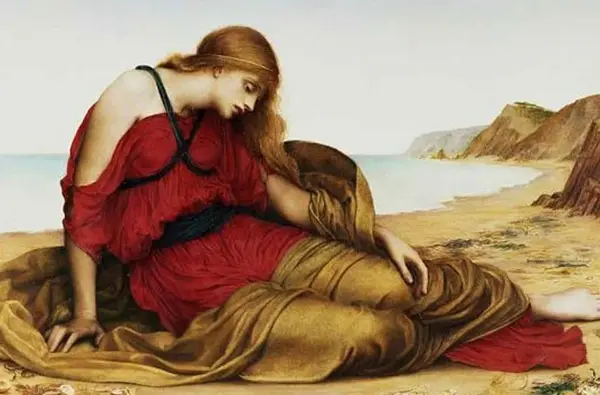
Ariadne: the Cretan princess who became a goddess
Ariadne was a princess of Crete, daughter of King Minos, who gave Theseus the thread that carried him out of the Cretan maze. Taken from the hero by Dionysus, she was raised to godhood as his wife, while the man she once saved gave the rest of his life to the hope of winning her back.
Erebus: the Primordial of Darkness
Erebus was the Primordial entity of Darkness, one of the first deities born from Chaos in the Void and the brother and consort of Nyx, the Night. His dark mists filled the deep hollows of the earth, his name clung to the netherworld of the dead, and later writers counted the ferryman Charon and the Fates among his children. His own end was never recorded.
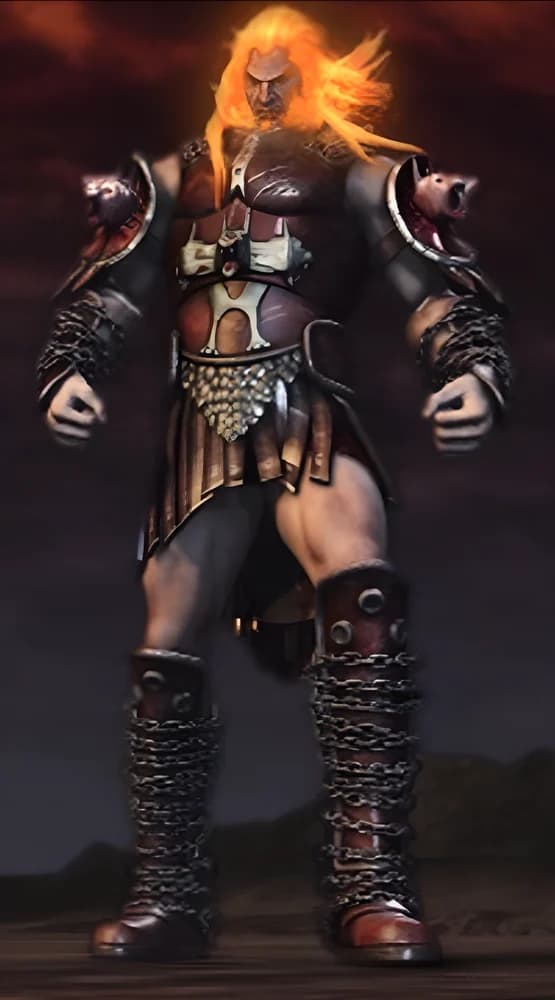
Ares: the god who made Kratos a killer
Ares tricked Kratos into slaughtering his own wife and daughter to bind him as a weapon. Kratos killed him at Athens and took his place as God of War.

Athens: Athena's city, besieged by Ares
Ares laid siege to Athens out of hatred for his sister Athena. Kratos was sent to save it, and killed Ares there to become the new God of War.
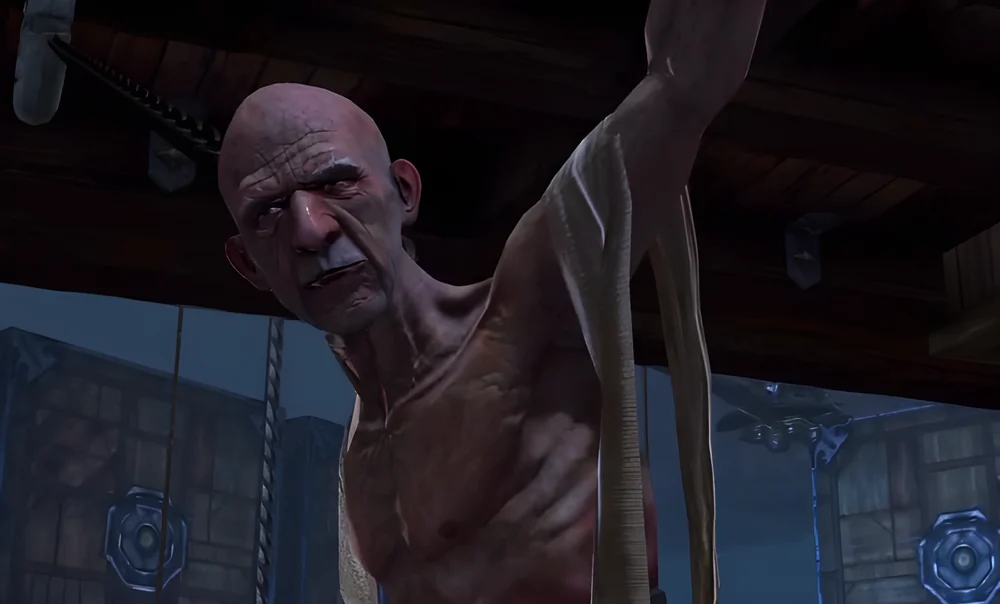
Daedalus
Daedalus was the master craftsman of Athens who built the great Labyrinth for Zeus in return for the promise of his lost son Icarus. Driven to madness in years of servitude and chained within his own creation, he was crushed when Kratos set the Labyrinth turning, and died grateful at last to be free.
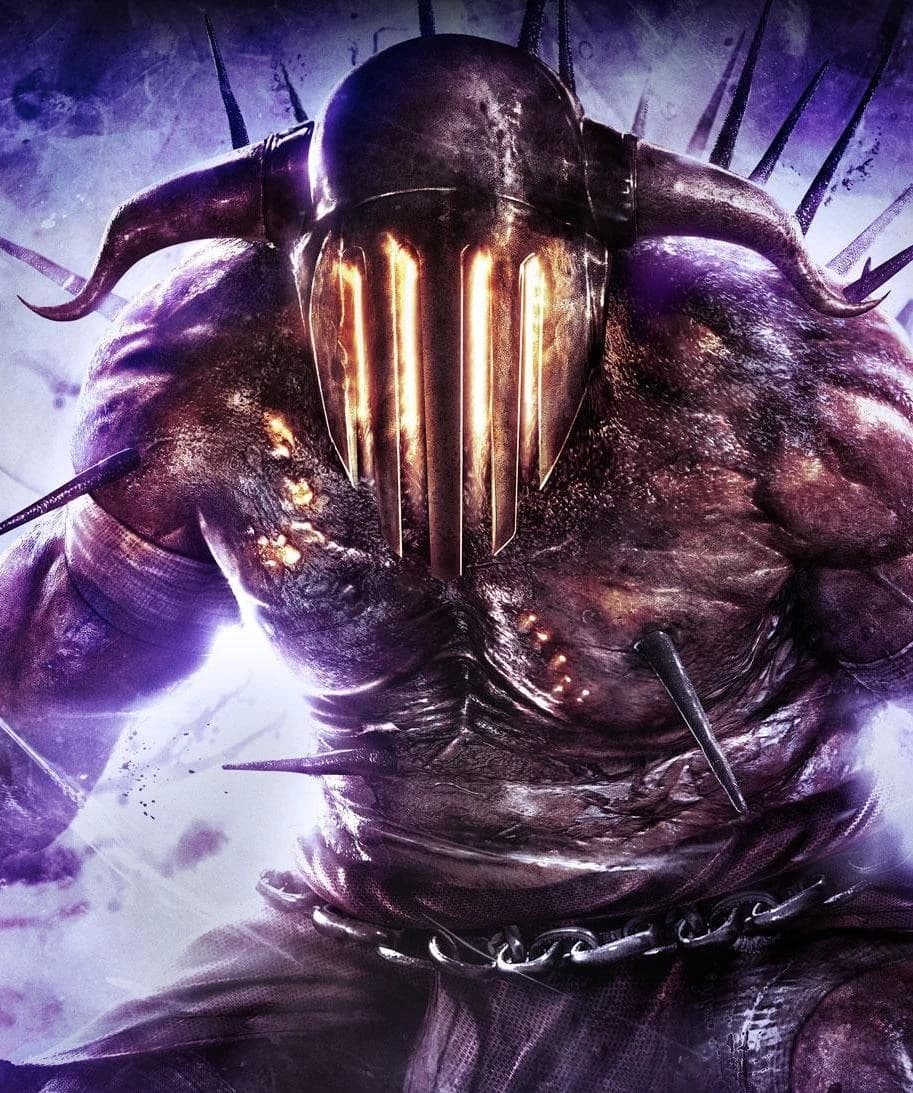
Hades: the god whose soul Kratos tore out
Eldest son of Cronos, Hades ruled the Underworld and held life and death in balance. Kratos turned the Claws of Hades on him and ripped his soul out.
Mentioned in13 entries
Ariadne: the Cretan princess who became a goddess
Ariadne was a princess of Crete, daughter of King Minos, who gave Theseus the thread that carried him out of the Cretan maze. Taken from the hero by Dionysus, she was raised to godhood as his wife, while the man she once saved gave the rest of his life to the hope of winning her back.
Ballista: siege engine of the Greek world
The ballista was a great crossbow of the Greek world, fixed to the ground or mounted on a moving platform and built to hurl huge wooden bolts against ships and city walls. In the hands of Kratos, these engines sank a Persian warship, drove off the Basilisk, struck the Colossus of Rhodes, slew Pandora's Guardian, and knocked the sun god Helios from the sky.
Cerberus Mongrel: the lesser hounds of the Underworld
The Cerberus Mongrels were the weakest breed of the Cerberi, gaunt three-headed hounds that served the lord of the dead. Kratos beat them into submission across two eras of his life, riding them as living weapons and turning the fire of one upon Peirithous to claim the Bow of Apollo.
Daedalus
Daedalus was the master craftsman of Athens who built the great Labyrinth for Zeus in return for the promise of his lost son Icarus. Driven to madness in years of servitude and chained within his own creation, he was crushed when Kratos set the Labyrinth turning, and died grateful at last to be free.
God of War (2005) Story Explained: Plot Summary and Ending
The whole story of the first God of War in order, from the Hydra in the Aegean to the death of Ares at Athens. Then the ending in plain terms: why Kratos jumped from the cliff, why Athena saved him, and how he ended up on Ares's throne.
Icarus
Icarus was the son of the inventor Daedalus, who fell to his death and was driven mad in the Underworld. Decades of crude repairs let him graft wings to his own flesh and escape, and he sought the Sisters of Fate to undo his fate, until Kratos tore the wings from his back at the Great Chasm.
Juggernaut
The Juggernaut, once called the Elephantaur, was a towering elephant-shaped monster that walked upright and bore Persian war-armor. Met from Kirra to Delos, it stood among the heaviest beasts Kratos faced in his hunt for the Furies.
Monster: the beasts of the mythic world
Monsters, also called Beasts, were the hostile creatures of the mythic world, beings that could be counted neither as mortals nor as gods or Titans. From the minotaurs and gorgons of Greece to the trolls and dragons of the Norse realms, they haunted every land that Kratos ever walked.
Pandora: the living key to Pandora's Box
Hephaestus made Pandora as the living key to Pandora's Box, and Zeus hid her in a labyrinth. She gave her life in the Flame of Olympus to reach it.
River Styx: the river of hatred beneath Greece
The River Styx was the great river of the Greek Underworld, a barrier that killed the living on contact and carried the souls of the dead toward judgement. Charon ferried across it, the Path of Hades bridged it, and Kratos crossed, fell into and finally swam it more times than any mortal.
The Labyrinth: the prison Zeus built for Pandora
The Labyrinth was a shifting maze of stone cubes raised inside Mount Olympus by the Athenian craftsman Daedalus at the command of Zeus, built for the sole purpose of holding Pandora away from the Flame of Olympus. Its heart hung from the Chain of Balance and the Three Judges of the dead served as the final latch of its lock.
The Undead: the dead who would not rest
The Undead were the dead returned to motion, raised by curse, godly power, or magic to serve the masters of the afterlife. In Greece they marched as soulless corpses in the armies of Ares and Hades, while in the Nine Realms the Draugr, Hel-Walkers, and Einherjar overran the living world as Ragnarok drew near.
+ 1 more
Get new articles in your inbox
No spam. New lore drops, canon conflicts, and deep dives only when they’re worth reading.
Some links on Lore Fortress are affiliate links. If you buy through them we earn a small commission at no extra cost to you.