Pandora: the living key to Pandora's Box
the living key
Hephaestus made Pandora as the living key to Pandora's Box, and Zeus hid her in a labyrinth. She gave her life in the Flame of Olympus to reach it.
Pandora, whose name meant "all gifts," was the living key and adoptive daughter of the smith god Hephaestus, crafted by his hand to unseal the mythical Pandora's Box. Sheltered from Zeus in her youth and later imprisoned within the Labyrinth, she was freed by Kratos and ultimately gave her life in the Flame of Olympus so that the power of Hope might be loosed against the tyranny of the gods. (God of War III; Hesiod, Works and Days)
Creation and imprisonment#
Pandora was crafted by the smith god Hephaestus to serve as the key to Pandora's Box, said to hold the power to end the world. She was an object neither living nor dead, yet Hephaestus grew fond of her and considered her his daughter, sheltering her from Zeus and suggesting the Titan Cronos as the perfect guardian for the Box, since no mortal could best a Titan. After Kratos used the Box to defeat Ares, Zeus came to fear its power and tortured Hephaestus until he revealed Pandora's whereabouts. Zeus then hid the Box within the Flame of Olympus so that only Pandora could unseal it, took her prisoner, and had Daedalus build a Labyrinth to hold her, much as Daedalus had built one for the Minotaur in the old legend. (God of War III)
The journey to the Flame#
Pandora was able to reach Kratos through bronze statues fashioned in her likeness, appearing within a small blue flame in their hands, and she appeared to him several times to beg for her freedom and hint at her location. Within the Labyrinth Kratos at last found her trapped at its very core. She guided him along its shifting cubes and through grates too small for him to pass, while he in turn saved her from its traps and defended her from monsters. As they traveled she spoke of how fear consumed the gods, a fear of her and of the Marked Warrior, and confessed how she hated herself for having seen Hephaestus tortured on her account. Kratos told her that Hephaestus had done what every father should and protected his child. When her fear rose, she said, it was replaced by hope, and though Kratos held that hope was for the weak, she insisted it was what everyone clung to when all else was lost. (God of War III)
Sacrifice#
Kratos brought Pandora at last to the Flame of Olympus, destroying much of the Chamber of the Flame in the process. He could not bring himself to use her to unseal the Box, and tried to stop her by vowing to find another way, even as she stood willing to sacrifice herself. Zeus then appeared, and as the two battled, Kratos buried the King of Olympus beneath rubble and seized Pandora's hand to keep her from the Flame. Zeus demanded he hold on; Pandora demanded he let go. In the end Kratos' hatred of Zeus overcame his desire to protect her, and as he lashed out at his father he released her arm, and Pandora vanished into the Flame. Her sacrifice extinguished the fire, and Kratos found the Box empty. (God of War III)
Yet her spirit endured. When Zeus' spirit later trapped Kratos in chaos and darkness, Pandora appeared to him as a ball of flame and guided him free, and through her he unlocked the power of Hope sealed within his own soul, with which he finally destroyed Zeus. (God of War III)
Nature and bond with Kratos#
Though a construct, Pandora was a person in her own right: innocent, fearful, yet selfless and stubbornly hopeful. She showed no fear of Kratos despite his reputation, cared for him, and was incensed when he dismissed her as a child. She appeared as a young girl. (God of War III)
She reminded Kratos powerfully of his own daughter Calliope; when he first heard her voice he mistook it for his daughter's. At first he saw her as no more than a tool in his revenge, but after Hera crudely insulted her, his anger flared and he killed the goddess. Repeatedly calling Pandora "child," he came to look on her almost as his own, and could not bear to lose her as he had lost his family. Zeus warned him not to confuse her with his own flesh and blood, but it was too late. Long afterward, in the Norse afterlife of Valhalla, Kratos recounted her tale to Mimir and Tyr, naming her where Tyr knew her only as the blacksmith's daughter, and saying that she had been innocent and had deserved better than to be a pawn sacrificed in a game played by gods. (God of War III; God of War Ragnarök: Valhalla)
Frequently asked questions
- Who is Pandora in God of War?
- Pandora was the living key and adoptive daughter of the smith god Hephaestus, crafted by his hand to unseal Pandora's Box. Her name meant "all gifts," and though she was an object neither living nor dead, she became a person in her own right.
- How did Pandora die?
- Pandora cast herself into the Flame of Olympus, extinguishing it. As Kratos battled Zeus, his hatred broke his grip on her hand, and she vanished into the Flame, sacrificing herself so the power of Hope could be loosed against the gods.
- Why did Zeus imprison Pandora?
- After Kratos used Pandora's Box to defeat Ares, Zeus came to fear its power and tortured Hephaestus until he revealed Pandora's whereabouts. Zeus hid the Box within the Flame of Olympus so that only Pandora could unseal it, took her prisoner, and ordered Daedalus to build a labyrinth to hold her.
- Why couldn't Kratos sacrifice Pandora?
- Pandora reminded Kratos powerfully of his own dead daughter Calliope, and when he first heard her voice he mistook it for his daughter's. He came to look on her almost as his own child and could not bear to lose her as he had lost his family, vowing to find another way.
- What happened to Pandora's spirit after she died?
- Her spirit endured. When Zeus's spirit later trapped Kratos in chaos and darkness, Pandora appeared as a ball of flame and guided him free, and through her he unlocked the power of Hope sealed within his own soul, with which he finally destroyed Zeus.
Sources
- GameGod of War III, Santa Monica Studio, 2010
- GameGod of War Ragnarök: Valhalla, Santa Monica Studio, 2023 (DLC)
- BookWorks and Days, Hesiod, around 700 BC
Spotted a factual error or a primary source we missed? Email a correction. Every flagged claim gets reviewed.
Followed from this entry

Calliope
Calliope was the beloved daughter of Kratos and Lysandra, a gentle and innocent child of Sparta. Killed by her father during a frenzy contrived by Ares, she found rest in the Elysium Fields, only for Kratos to be forced to abandon her there to save the world.
Daedalus
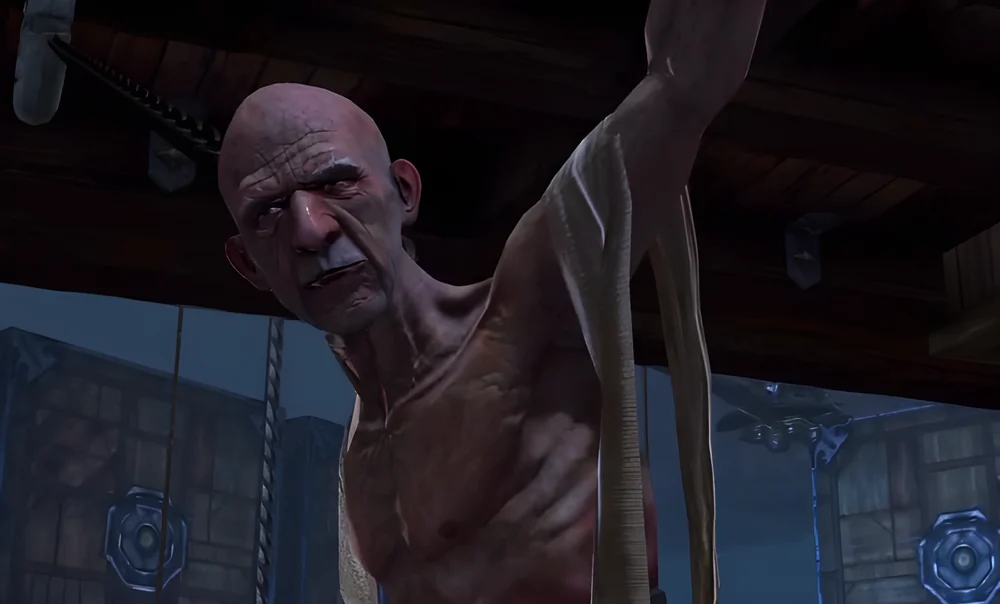
Daedalus was the master craftsman of Athens who built the great Labyrinth for Zeus in return for the promise of his lost son Icarus. Driven to madness in years of servitude and chained within his own creation, he was crushed when Kratos set the Labyrinth turning, and died grateful at last to be free.
Kratos
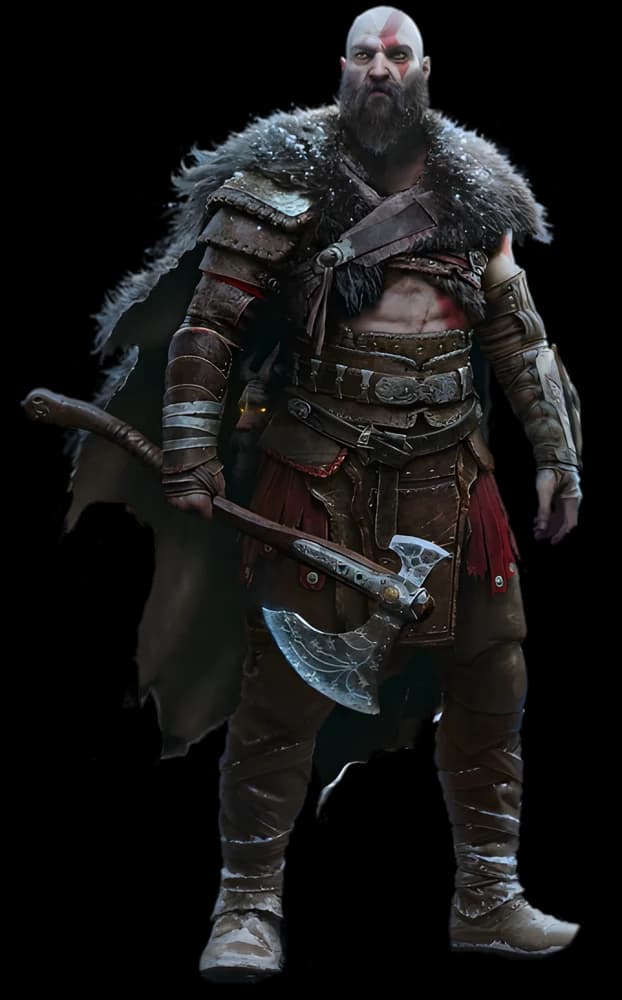
Kratos was the demigod son of Zeus who rose from a Spartan general to the Greek God of War, destroyed the pantheon of Olympus in a quest for vengeance, and then began again in the Norse realms as a father seeking to leave his bloody past behind.
Ares: the god who made Kratos a killer
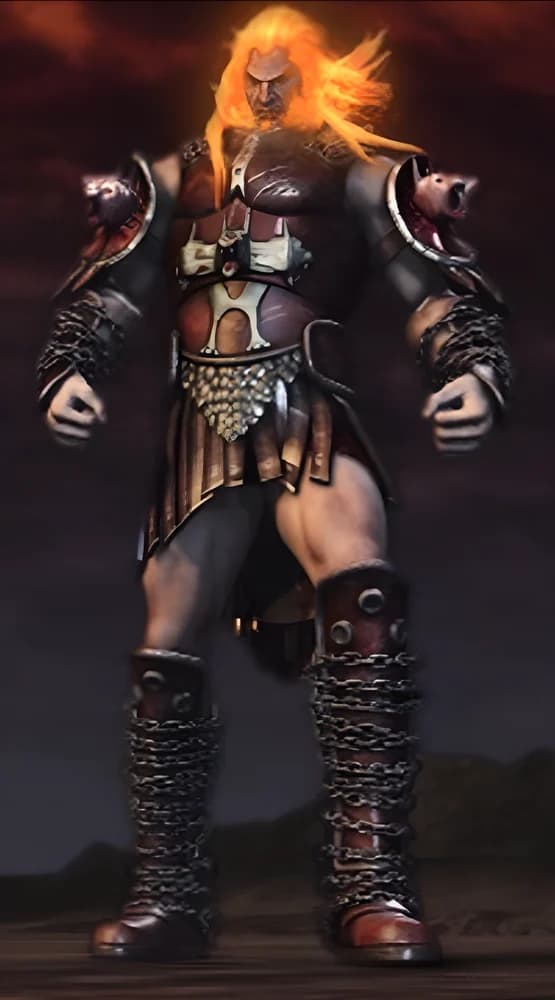
Ares tricked Kratos into slaughtering his own wife and daughter to bind him as a weapon. Kratos killed him at Athens and took his place as God of War.
Cronos: the Titan who ate his children
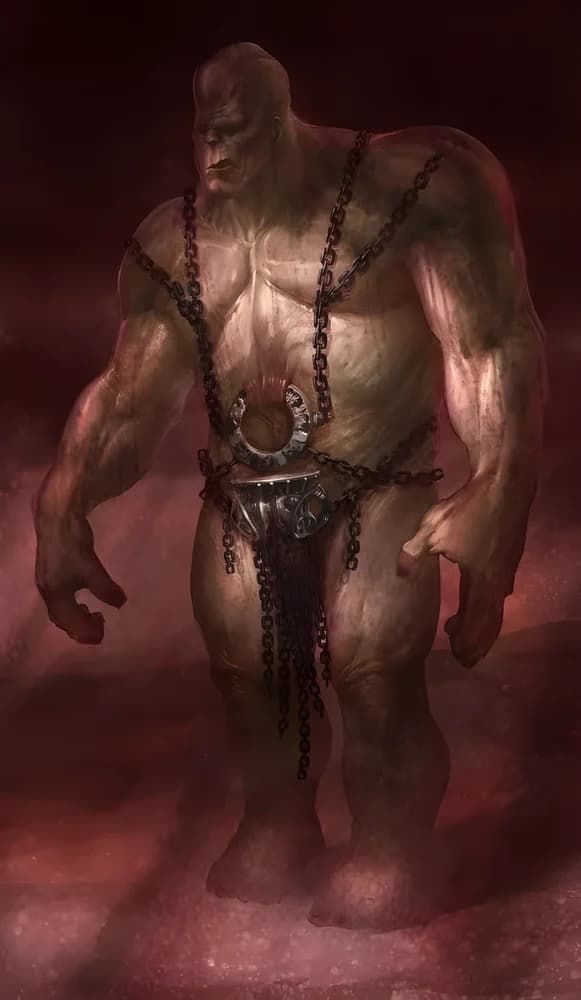
Warned that his own children would depose him, Cronos swallowed each at birth. Rhea hid Zeus, Zeus deposed him anyway, and Kratos finished him.
Flame of Olympus
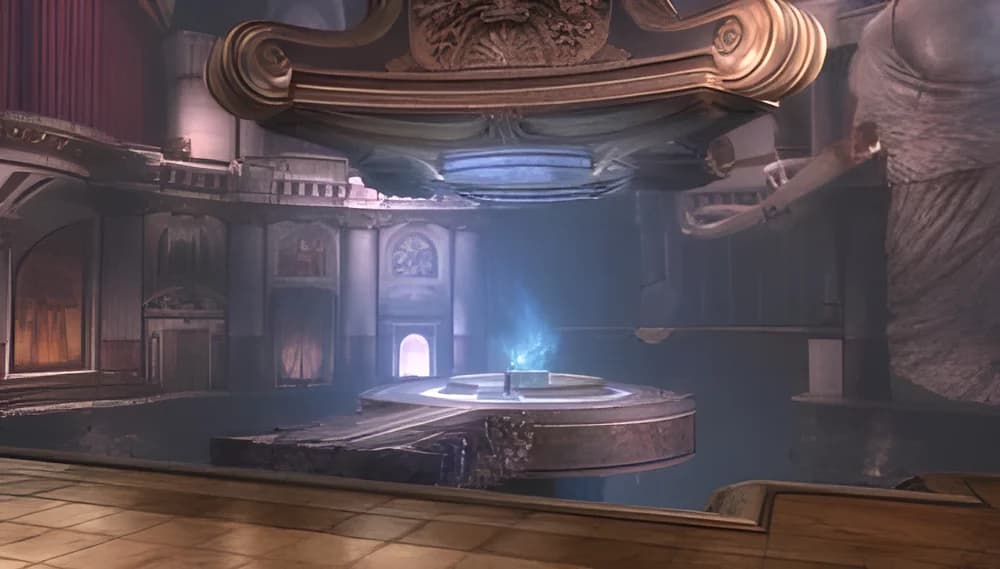
The Flame of Olympus was an absolute power, mightier than the gods themselves and lethal to any who touched it. Within it Pandora's Box was hidden, and only by extinguishing the flame could the King of the Gods be made to fall.
Mentioned in30 entries
Ares: the god who made Kratos a killer
Ares tricked Kratos into slaughtering his own wife and daughter to bind him as a weapon. Kratos killed him at Athens and took his place as God of War.
Astral Form: the higher existence of the gods
The Astral Form was a rare state in which a god existed without a physical body, appearing as a higher, transcendent version of themselves. Only Athena and, briefly, Zeus ever achieved it, and each reached it by a different road, she through selfless sacrifice and he through the evil of Fear.
Blade of Olympus: Zeus' god-killing sword
Zeus forged the Blade of Olympus from the heavens and the earth to banish the Titans to Tartarus. It could kill gods and Titans, and it killed Zeus himself.
Blades of Chaos: chained to Kratos' arms
The Blades of Chaos were forged in the Underworld for Ares, who seared their chains onto Kratos' forearms. They burn with the fire of Tartarus.
Calliope
Calliope was the beloved daughter of Kratos and Lysandra, a gentle and innocent child of Sparta. Killed by her father during a frenzy contrived by Ares, she found rest in the Elysium Fields, only for Kratos to be forced to abandon her there to save the world.
Daedalus
Daedalus was the master craftsman of Athens who built the great Labyrinth for Zeus in return for the promise of his lost son Icarus. Driven to madness in years of servitude and chained within his own creation, he was crushed when Kratos set the Labyrinth turning, and died grateful at last to be free.
Desert of Lost Souls: the wasteland east of Athens
The Desert of Lost Souls was a vast, monster haunted desert far to the east of Athens, the place where Zeus condemned the Titan Cronos to wander with Pandora's Temple chained to his back. Kratos crossed its sands in his quest for Pandora's Box, and there Ares struck him down with a pillar hurled from the ruins of Athens.
Erebus: the Primordial of Darkness
Erebus was the Primordial entity of Darkness, one of the first deities born from Chaos in the Void and the brother and consort of Nyx, the Night. His dark mists filled the deep hollows of the earth, his name clung to the netherworld of the dead, and later writers counted the ferryman Charon and the Fates among his children. His own end was never recorded.
Flame of Olympus
The Flame of Olympus was an absolute power, mightier than the gods themselves and lethal to any who touched it. Within it Pandora's Box was hidden, and only by extinguishing the flame could the King of the Gods be made to fall.
God of War Characters: Every Major Character, Greek and Norse
Every major God of War character in one place, from Kratos and the Olympians of the Greek games to Atreus, Freya, Odin and the Aesir of the Norse saga. Each entry says who they are, what they do in the story and how it ends for them.
God of War III Story and Ending Explained: Plot Summary
The whole story of God of War III in order, from the Titans' climb up Mount Olympus to the death of Zeus. Then the ending in plain terms: why Kratos drove the Blade of Olympus into himself, what Athena wanted, and where that trail of blood leads.
God of War Ragnarök: Valhalla Story Explained
The story of Valhalla, the 2023 epilogue to God of War Ragnarök, in order. Tyr's letter, Kratos's trials among his memories of Greece, the head of Helios, and why the ending has him take up the title of God of War again.
+ 18 more
Get new articles in your inbox
No spam. New lore drops, canon conflicts, and deep dives only when they’re worth reading.
Some links on Lore Fortress are affiliate links. If you buy through them we earn a small commission at no extra cost to you.