Flame of Olympus
the immortal fire of the gods
The Flame of Olympus was an absolute power, mightier than the gods themselves and lethal to any who touched it. Within it Pandora's Box was hidden, and only by extinguishing the flame could the King of the Gods be made to fall.
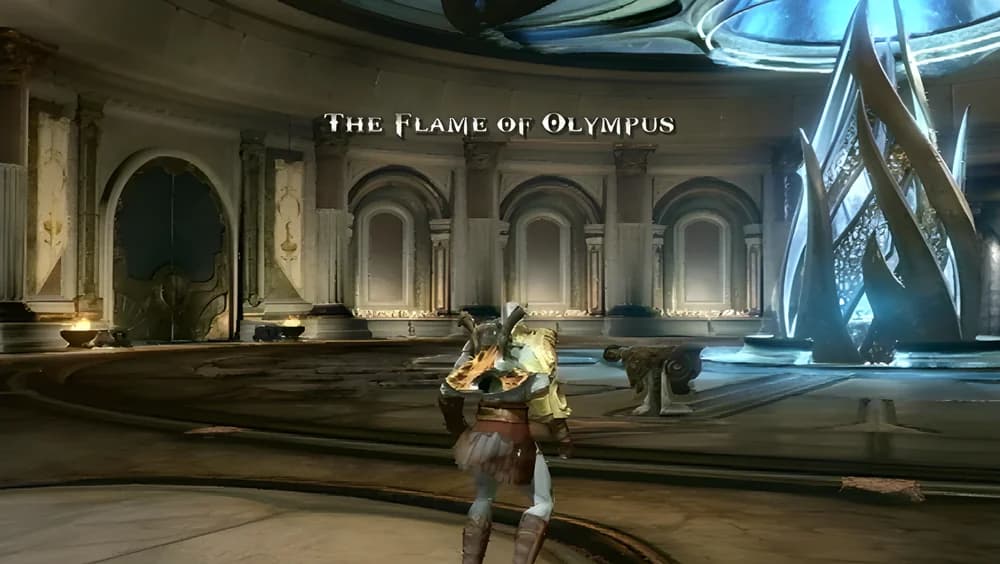
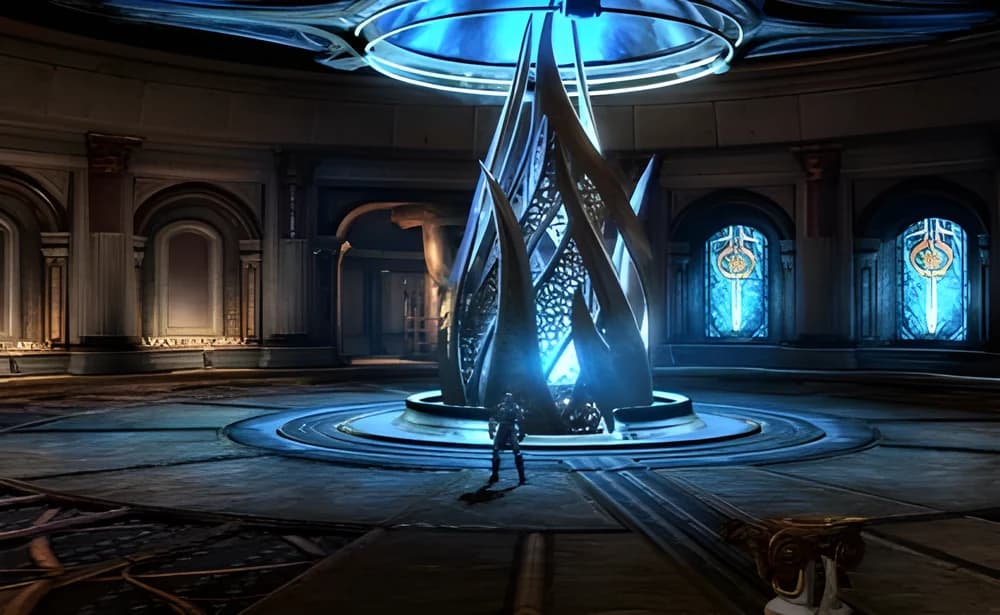
The Flame of Olympus was an absolute power, greater than the gods of Mount Olympus themselves, and despite its alluring glow it was lethal to any who touched it, divine or mortal alike. It was meant from the first to be the lock of Pandora's Box, and within it Hephaestus hid the box that held the evils of the world. So long as the flame burned, Zeus could not die, and only by extinguishing it could the King of the Gods be brought low. (God of War III)
The intended lock#
The Flame of Olympus was meant from the first to serve as the lock of Pandora's Box. To pacify the fire and reach anything sealed within it, a key was required, and that key would have to be sacrificed to the flame. Hephaestus had forged the key out of the very heart of the Flame: his daughter Pandora. To spare her, the smith god lied to Zeus, convincing him that the back of the Titan Cronos would be a safer place for the box than the Flame, and so the box was bound upon the Titan rather than left in the fire. (God of War III)
The box remained upon Cronos until Kratos opened it to gain the power he needed to destroy Ares, the former God of War. Afterward the box was returned to its first intended lock, the Flame of Olympus, where the fire would keep all from touching it, or the box within, unless Pandora herself were used to quell the flames. (God of War (2005); God of War III)
The source of Zeus's strength#
The Flame of Olympus was the source of Zeus's strength, and the King of the Gods could not die so long as it burned. After Gaia betrayed Kratos and let him fall into the depths of the Underworld, the ghost of Athena returned to aid the de-powered Spartan, gifting him the Blades of Exile and guiding him toward the one thing that could fell a god. She told him that the Flame was the only way to defeat any god, the King of Olympus included, and that to extinguish it he must venture back up the mountain. (God of War III)
Helios tried to turn the Flame's lethal nature against Kratos, claiming that he would receive its power if he stepped into the fire. But Kratos, already warned by Hephaestus of the flame's deadly touch, saw through the Sun God's lie at once. (God of War III)
The extinguishing#
When Kratos reached the Chamber of the Flame, he discovered Pandora's Box at the fire's heart, the same box he had once used to slay Ares. Athena explained that the true power to kill a god rested within, but that to reach it he must first seek out Pandora, the key born of the Flame, who alone could pacify the fire. (God of War III)
Kratos rescued Pandora from the Labyrinth and, working a great mechanism, raised it through the caverns beneath the mountain so that he might bring her to the Flame, while the foundations of Mount Olympus crumbled around them. In the struggle that followed, Pandora moved to enter the Flame herself, but Kratos seized her and tried to pull her back, with Zeus urging him to save the girl. The King of the Gods soon turned his words to taunts of Kratos's failures, and in his rage the Spartan released Pandora into the fire to strike at Zeus. Her sacrifice extinguished the Flame of Olympus and granted Kratos the box at last, though when he opened it he found it empty. (God of War III)
Frequently asked questions
- What was the Flame of Olympus?
- The Flame of Olympus was an absolute power, greater than the gods of Mount Olympus themselves, and lethal to any who touched it, divine or mortal alike. It was meant from the first to serve as the lock of Pandora's Box, and so long as it burned Zeus could not die.
- Why was Pandora's Box not originally kept in the Flame of Olympus?
- Hephaestus had forged the key to the Flame out of its very heart, his daughter Pandora, and reaching the box would have required sacrificing her to the fire. To spare her, the smith god lied to Zeus, convincing him that the back of the Titan Cronos was a safer place for the box, so it was bound upon the Titan instead.
- Why did Kratos need the Flame of Olympus to kill Zeus?
- The Flame of Olympus was the source of Zeus's strength, and the King of the Gods could not die while it burned. The ghost of Athena told the de-powered Kratos that the Flame was the only way to defeat any god, the King of Olympus included.
- Who was Pandora and why was she needed at the Flame?
- Pandora was the key born of the heart of the Flame of Olympus, the only thing that could pacify the fire and allow Pandora's Box to be reached. Athena told Kratos he must first seek out Pandora, whom he rescued from the Labyrinth and brought to the Flame.
- How was the Flame of Olympus extinguished?
- At the Chamber of the Flame, Pandora moved to enter the fire herself and Kratos tried to pull her back, but in his rage at Zeus's taunts he released her into the flames. Her sacrifice extinguished the Flame and granted Kratos the box, though when he opened it he found it empty.
Gallery
Images via God of War Wiki
Sources
- GameGod of War (2005), Santa Monica Studio, 2005
- GameGod of War III, Santa Monica Studio, 2010
Spotted a factual error or a primary source we missed? Email a correction. Every flagged claim gets reviewed.
Followed from this entry
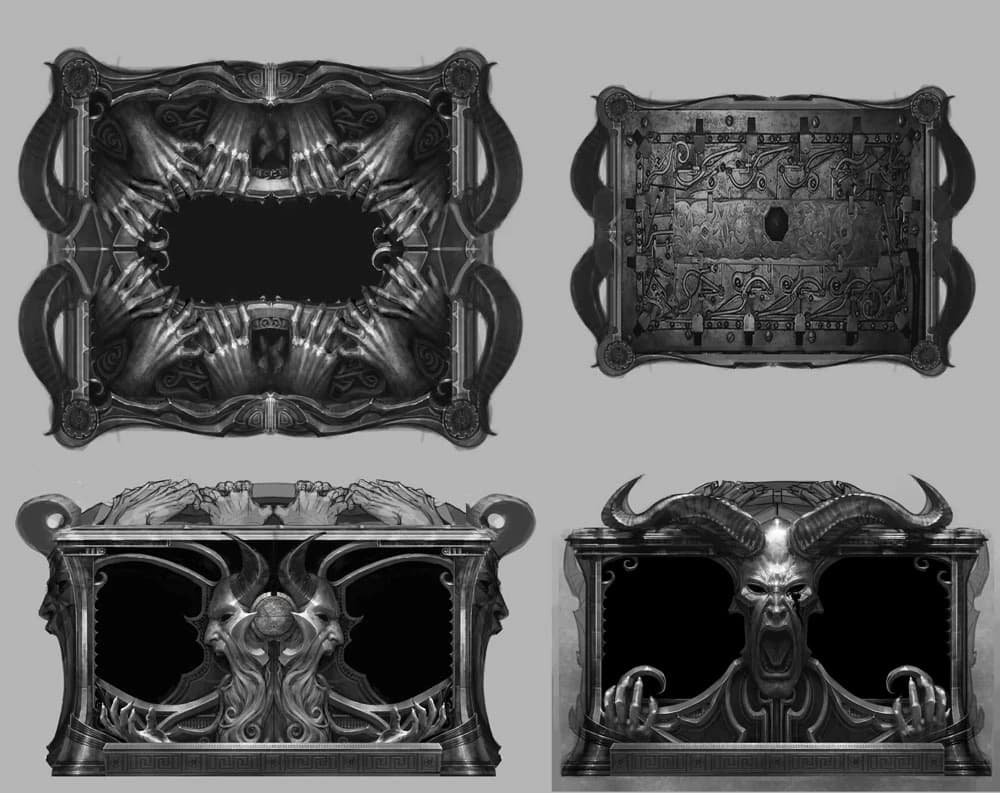
Pandora's Box: the vessel of Olympus's evils and the power of Hope
Pandora's Box was an artifact forged by Hephaestus on Zeus's order to contain the Evils unleashed by the Titanomachy. It was the only means by which a mortal could gain the power to slay a god, and it carried within it the hidden power of Hope.
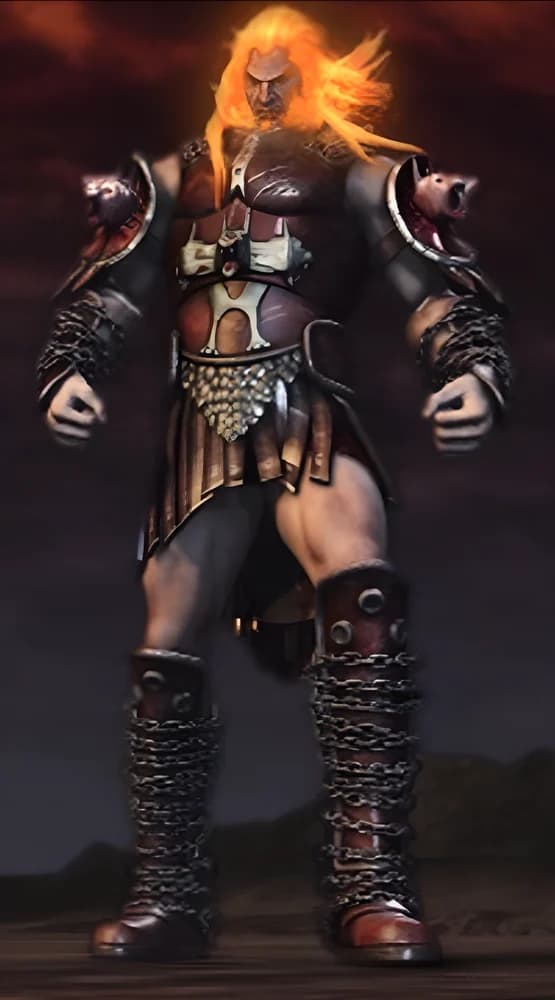
Ares: the god who made Kratos a killer
Ares tricked Kratos into slaughtering his own wife and daughter to bind him as a weapon. Kratos killed him at Athens and took his place as God of War.
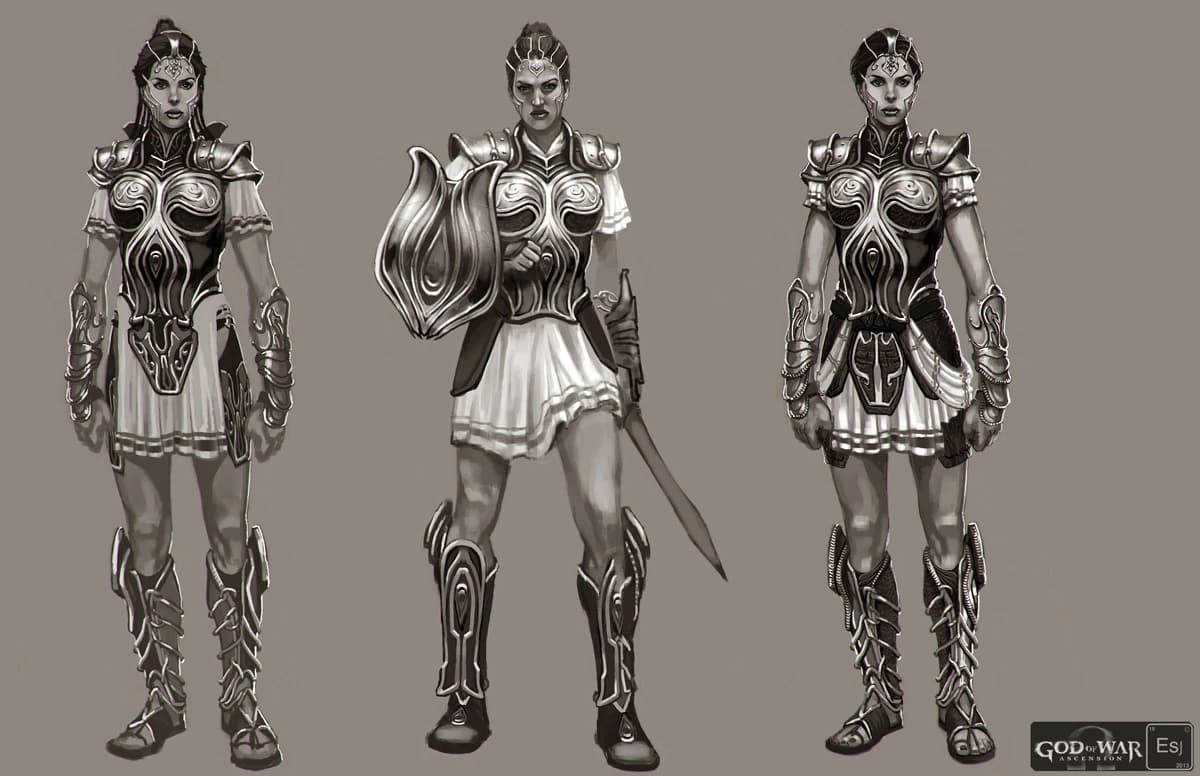
Athena: from Kratos' guide to his enemy
Athena set Kratos against Ares to save Athens, then turned on him when his reign grew worse. She died taking a blow meant for Zeus, and named Kratos his son.
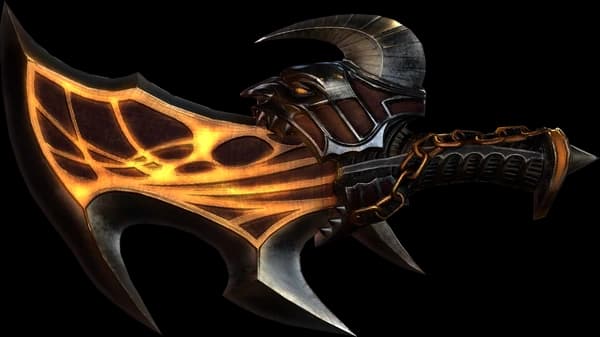
Blades of Exile
The Blades of Exile were a refashioned form of the Blades of Athena, the third and final set of chained blades that Kratos wielded in Greece. Created by the astral form of Athena from his ruined weapons, they carried him through his last war against Olympus.
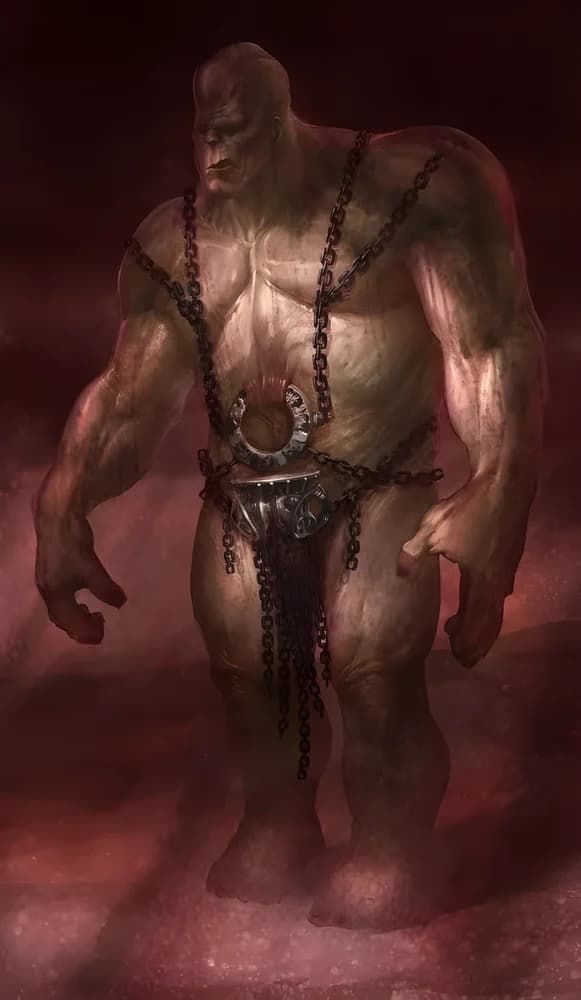
Cronos: the Titan who ate his children
Warned that his own children would depose him, Cronos swallowed each at birth. Rhea hid Zeus, Zeus deposed him anyway, and Kratos finished him.

Gaia: Mother Earth, betrayed by Kratos
Gaia bore the Titans, hid the infant Zeus from Cronos, and allied with Kratos against Olympus. He ran the Blade of Olympus through her heart.
Mentioned in20 entries
Astral Form: the higher existence of the gods
The Astral Form was a rare state in which a god existed without a physical body, appearing as a higher, transcendent version of themselves. Only Athena and, briefly, Zeus ever achieved it, and each reached it by a different road, she through selfless sacrifice and he through the evil of Fear.
Athena: from Kratos' guide to his enemy
Athena set Kratos against Ares to save Athens, then turned on him when his reign grew worse. She died taking a blow meant for Zeus, and named Kratos his son.
Blades of Exile
The Blades of Exile were a refashioned form of the Blades of Athena, the third and final set of chained blades that Kratos wielded in Greece. Created by the astral form of Athena from his ruined weapons, they carried him through his last war against Olympus.
Cronos: the Titan who ate his children
Warned that his own children would depose him, Cronos swallowed each at birth. Rhea hid Zeus, Zeus deposed him anyway, and Kratos finished him.
God of War III Story and Ending Explained: Plot Summary
The whole story of God of War III in order, from the Titans' climb up Mount Olympus to the death of Zeus. Then the ending in plain terms: why Kratos drove the Blade of Olympus into himself, what Athena wanted, and where that trail of blood leads.
God of War Story Explained: the Whole Saga from Sparta to Ragnarök
The full God of War story in order, one main game at a time. Kratos serves Ares, kills him, destroys Olympus, starts again in the Norse lands and finally ends Odin, with the Valhalla epilogue as the last word.
God of War Timeline: every major event from the Primordials to Valhalla
The full in-universe chronology of God of War, from the war of the Primordials and the fall of the Titans to Kratos's life in Sparta, his war on Olympus, and the end of the Aesir at Ragnarök. The games give almost no calendar years, so events are ordered by story sequence and grouped into eras, with notes wherever the games' own placement is vague.
Greek Gods
The Greek Gods were the pantheon that ruled over Greece across three generations, the Primordials, the Titans, and the Olympians. Once the masters of mortals, monsters, and the natural world, they were brought to near extinction by Kratos in his war of vengeance against Olympus.
Head of Helios: the Severed Lantern Kratos Carried in God of War III
The Head of Helios is the sun god's own head, torn off by Kratos in God of War III and carried as a lantern. It lights dark places, uncovers hidden paths and chests, and blinds anything it shines on, Cronos included.
Helios: the sun god Kratos beheaded
Kratos once saved Helios from the Titan Atlas. Years later he tore the sun god's head from his body and carried it through Olympus as a lantern.
Hephaestus: the smith who made the Blades
He forged Pandora's Box for Zeus and the Blades of Chaos for Ares, and lost everything for it. Kratos killed him in the Underworld, defending his daughter.
Hera
Hera was the Olympian Goddess of Marriage and Queen of the Gods, the sister and wife of Zeus and mother of Ares. Embittered by her husband's affairs and her withering garden, she set Hercules against Kratos before the Spartan snapped her neck and the world's flora died with her.
+ 8 more
Get new articles in your inbox
No spam. New lore drops, canon conflicts, and deep dives only when they’re worth reading.
Some links on Lore Fortress are affiliate links. If you buy through them we earn a small commission at no extra cost to you.