Pandora's Box: the vessel of Olympus's evils and the power of Hope
Pandora's Box was an artifact forged by Hephaestus on Zeus's order to contain the Evils unleashed by the Titanomachy. It was the only means by which a mortal could gain the power to slay a god, and it carried within it the hidden power of Hope.
Pandora's Box was among the most consequential artifacts in the history of the Greek world, a vessel created to imprison the Evils born from the Titanomachy and, in secret, to hold the power of Hope set against them. It was sought, claimed, and opened by Kratos, whose use of it allowed a mortal to gain power enough to kill the gods. Its opening reshaped the fate of Olympus, corrupting Zeus and the other Olympians and setting in motion the long war between Kratos and the gods. (God of War (2005); God of War III)
Creation#
After the Titanomachy, the great war between the gods and Titans, the Evils that the conflict had created threatened both gods and mortals. Zeus ordered Hephaestus to forge a vessel to contain them. The smith god found that no mere metal could hold such power, and so he forged the Box out of a force greater than that of the gods themselves: the Flame of Olympus. The Flame was as lethal as it was beautiful, killing all who dared touch it, which made it a perfect safeguard for the Box. (God of War III)
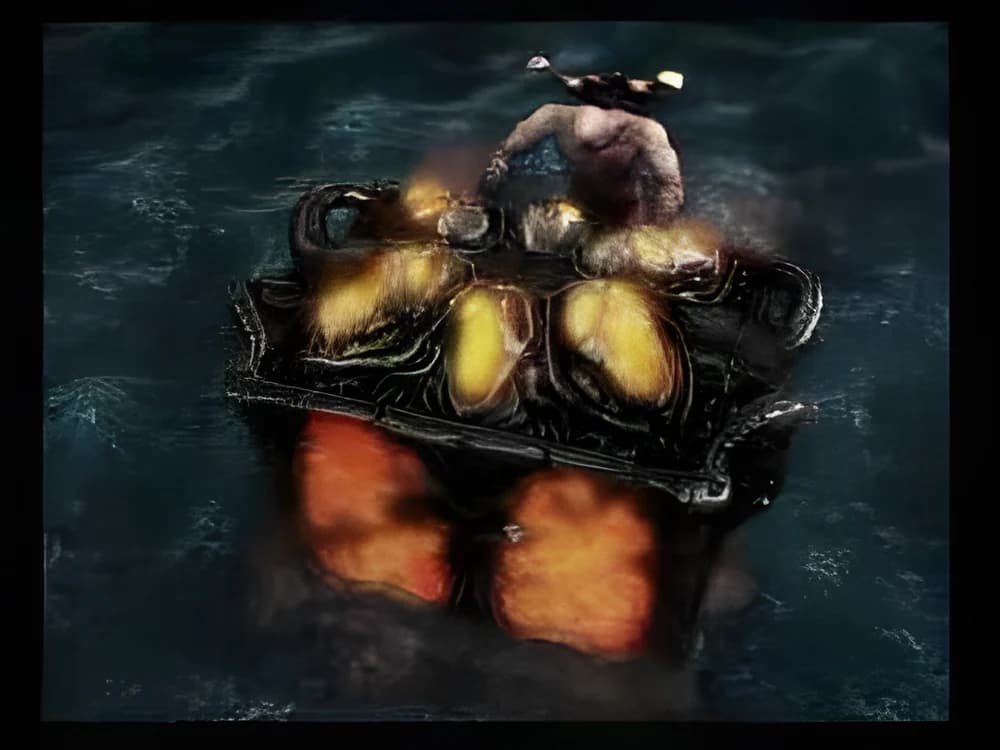
To pacify the Flame, Hephaestus created a child from the Flame itself, a girl named Pandora. Fearing that Zeus would take her from him, Hephaestus deceived Zeus into believing that the safest hiding place for the Box was upon the back of the Titan Cronos, thereby concealing Pandora's true importance and condemning Cronos to a life of agony bearing the Box across the desert. (God of War III)
The temple and the first claiming#
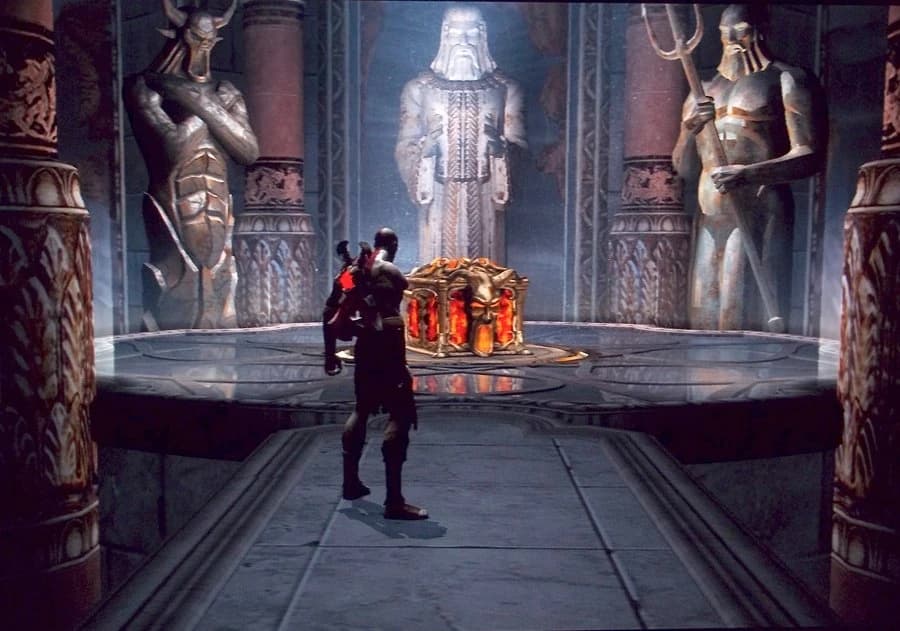
The architect Pathos Verdes III was tasked with raising a temple to house the Box and to ensure that none could reach it. Over the years the architect descended into madness, and the puzzles of Pandora's Temple grew more vicious and elaborate. He eventually took his own life, leaving the temple unfinished. Many would-be heroes and treasure seekers perished in its traps. (God of War (2005))
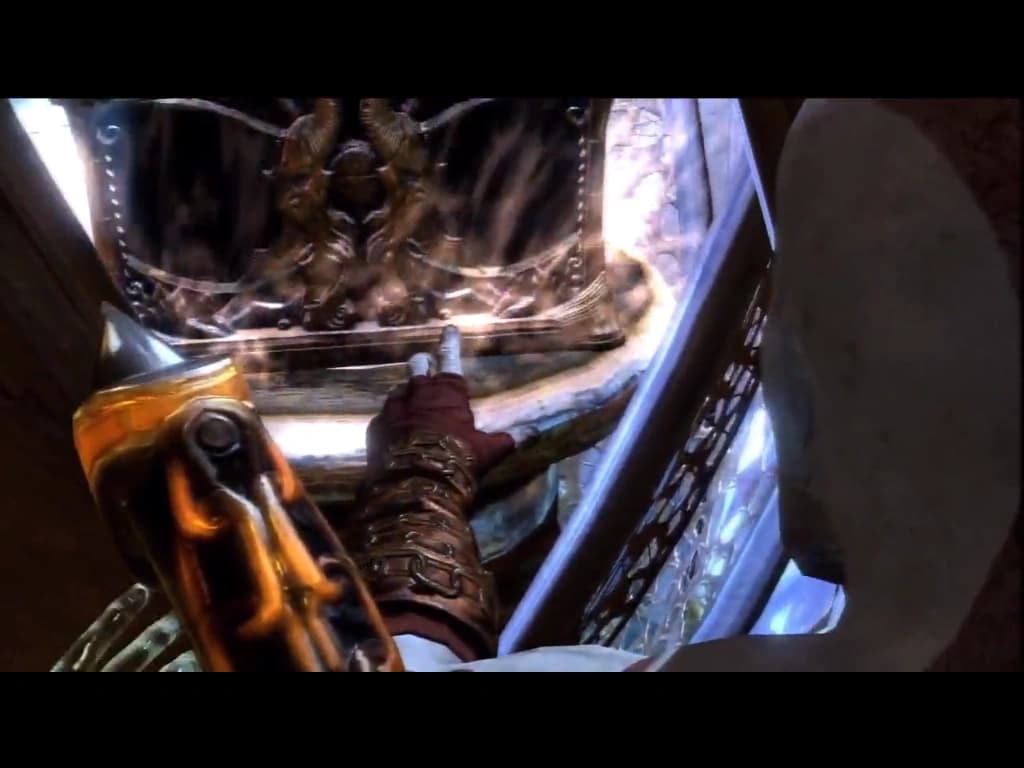
Only Kratos succeeded in claiming the Box, seeking it so that he might gain the power to kill Ares. No sooner had he found it than it was carried off by Harpies, and Ares struck Kratos down. The God of War chained the Box to his wrist and threatened to loose its power upon Mount Olympus. Aided by a mysterious Grave Digger, Kratos returned from the Underworld, reclaimed the Box, and at last opened it. Drawing upon its power, he grew to the stature of a god and slew Ares with the Blade of the Gods. (God of War (2005))
The corruption of the gods#
The opening of the Box carried grave consequences that Kratos did not understand. The Evils of the Titanomachy escaped and infected the gods, magnifying their worst traits to all-consuming levels. Zeus fell prey to Fear and grew obsessed with the prophecy that foretold the fall of Olympus at mortal hands, which drove his campaign to destroy Kratos. Other Olympians, from Poseidon to Hades, were likewise swallowed by their own worst traits. The Norse god Tyr, gazing into the past long afterward, judged that the Evils latched onto those who already harbored such traits and multiplied them, and that with or without the Box every being held the capacity to act upon fear, hate, love, and hope. (God of War III; God of War Ragnarök: Valhalla)
The empty Box and the power of Hope#
Years later, Kratos sought the Box a final time to gain the strength to kill Zeus and bring down Olympus. He found it set within the Flame of Olympus and was told by Athena's astral form to seek out Pandora to calm the Fires. After much bloodshed Kratos dispelled the Flame, sacrificing Pandora in the act, only to find the Box empty. Zeus mocked the discovery as another failure. (God of War III)
In truth the Box was not empty of all things. Athena revealed that when Zeus had first gathered the Evils, she had placed within the Box the power of Hope to counter them. When Kratos first opened the Box to kill Ares, it was Hope that he had unknowingly drawn into himself, while the Evils escaped to corrupt the gods. That power had lain buried beneath his hatred, guilt, and grief. Only after confronting his past within his own mind, guided by the spirit of Pandora, was Kratos able to free Hope and use it to destroy Zeus at last. When Athena demanded the power for herself, Kratos instead impaled himself on the Blade of Olympus and released Hope to the mortals of Greece, allowing the survivors to rebuild without the gods. (God of War III)
Powers#
According to Athena and Hephaestus, the Box contained the Evils of the world, born in the wake of the Titanomachy, potent enough to destroy both mortals and gods if left unchecked. Beyond holding these Evils, the Box granted divine power to whoever opened it. Kratos gained the size and strength of a god after opening it, which allowed him to meet and kill gods in battle, though it was Olympian-forged weapons such as the Blade of Olympus and the Blade of the Gods that delivered the killing blows. The Box was, alongside such weapons, among the only known means by which a mortal could slay a god. (God of War (2005); God of War III)
Frequently asked questions
- What is Pandora's Box in God of War?
- Pandora's Box was a vessel forged by Hephaestus on Zeus's order to contain the Evils born from the Titanomachy, and in secret to hold the power of Hope set against them. It granted divine power to whoever opened it and was among the only known means by which a mortal could slay a god.
- Why was Pandora's Box made from the Flame of Olympus?
- Hephaestus found that no mere metal could hold the Evils released during the war between gods and Titans, so he forged the Box from the Flame of Olympus, a force greater than that of the gods. The Flame killed all who touched it, which made it a perfect safeguard for the Box.
- How did opening Pandora's Box corrupt the gods?
- When Kratos opened the Box to kill Ares, the Evils of the Titanomachy escaped and infected the gods, magnifying their worst traits to all-consuming levels. Zeus fell prey to Fear, and the other Olympians were swallowed by their own worst traits.
- Why was Pandora's Box empty when Kratos opened it the second time?
- When Kratos first opened the Box to kill Ares, the Evils escaped while he unknowingly drew the power of Hope into himself. Athena had placed Hope inside the Box to counter the Evils, so by the second time the Box held nothing more to give, with Hope already buried beneath his hatred, guilt, and grief.
- What did Kratos do with the power of Hope?
- After confronting his past within his own mind, guided by the spirit of Pandora, Kratos freed Hope and used it to destroy Zeus. When Athena demanded the power for herself, Kratos instead impaled himself on the Blade of Olympus and released Hope to the mortals of Greece.
Gallery
Images via God of War Wiki
Sources
- GameGod of War (2005), Santa Monica Studio, 2005
- GameGod of War III, Santa Monica Studio, 2010
- GameGod of War Ragnarök: Valhalla, Santa Monica Studio, 2023
Spotted a factual error or a primary source we missed? Email a correction. Every flagged claim gets reviewed.
Followed from this entry
Flame of Olympus
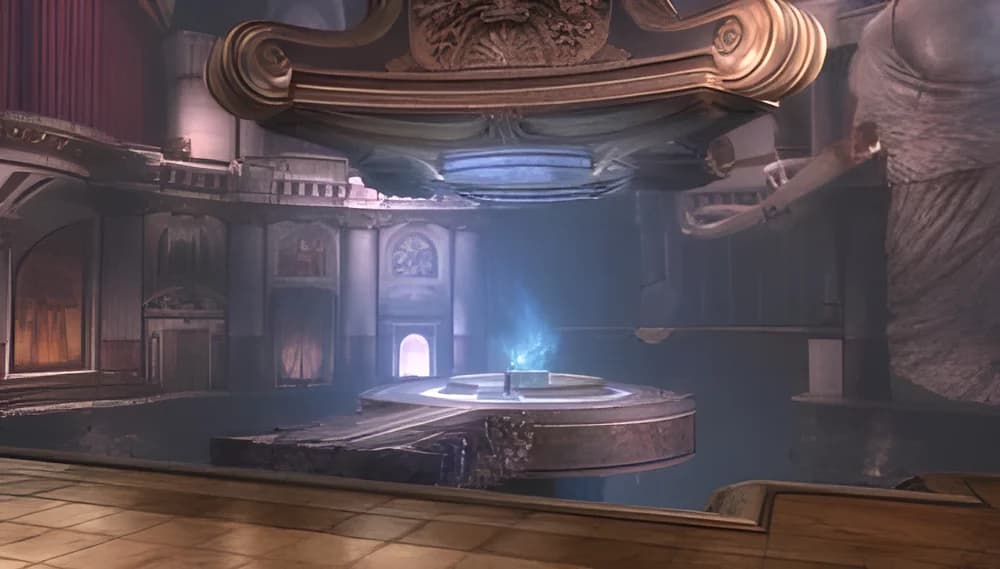
The Flame of Olympus was an absolute power, mightier than the gods themselves and lethal to any who touched it. Within it Pandora's Box was hidden, and only by extinguishing the flame could the King of the Gods be made to fall.
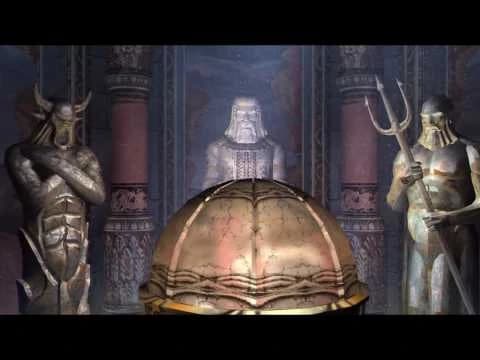
Pandora's Box: the power to kill a god
Hephaestus forged Pandora's Box from the Flame of Olympus to hold the Evils of the Great War. Opening it let Kratos kill Ares, and loosed the Evils on the gods.
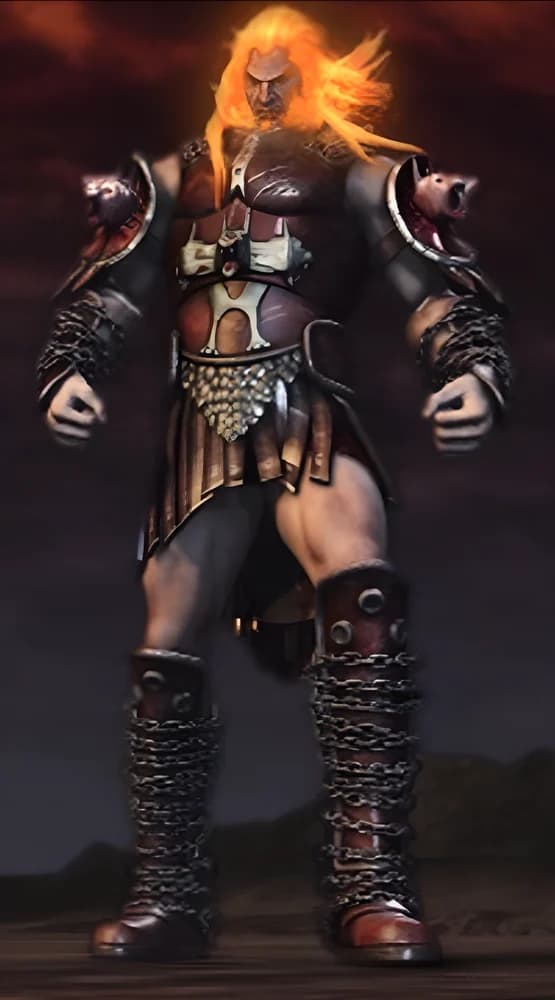
Ares: the god who made Kratos a killer
Ares tricked Kratos into slaughtering his own wife and daughter to bind him as a weapon. Kratos killed him at Athens and took his place as God of War.
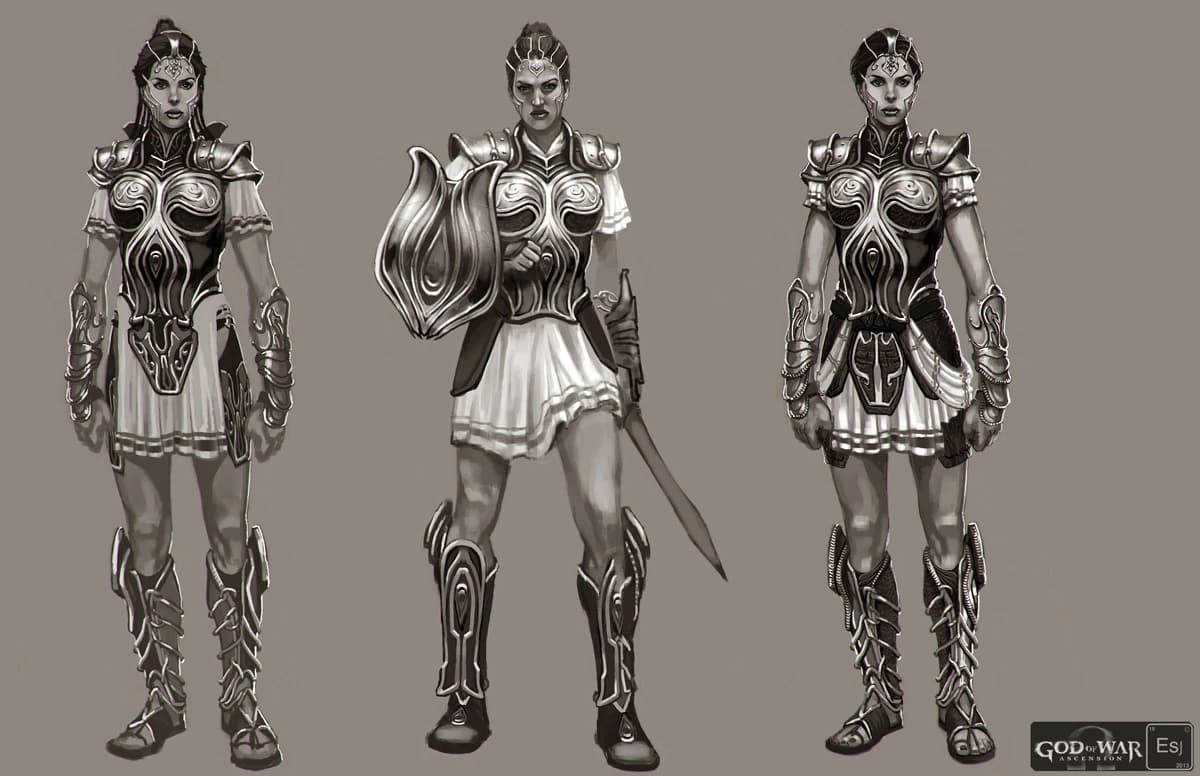
Athena: from Kratos' guide to his enemy
Athena set Kratos against Ares to save Athens, then turned on him when his reign grew worse. She died taking a blow meant for Zeus, and named Kratos his son.
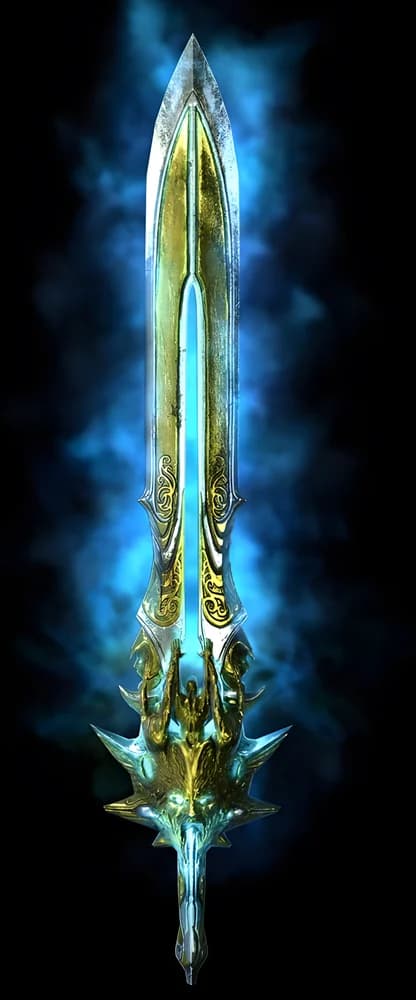
Blade of Olympus: Zeus' god-killing sword
Zeus forged the Blade of Olympus from the heavens and the earth to banish the Titans to Tartarus. It could kill gods and Titans, and it killed Zeus himself.
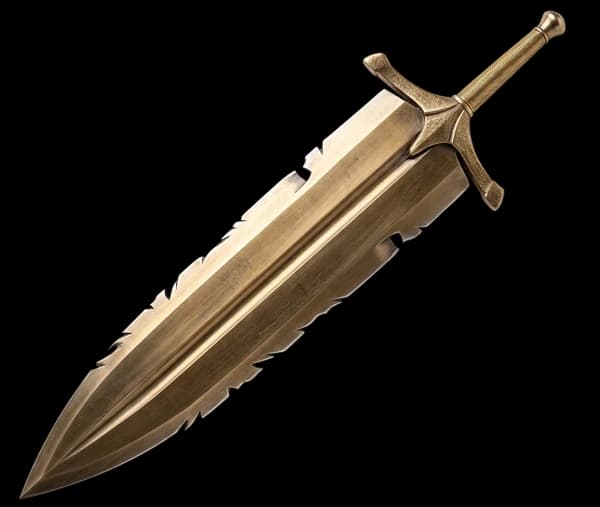
Blade of the Gods
The Blade of the Gods was a colossal sword forged by the gods, set into the ground outside Athens as a footbridge to a great statue of Athena. Grown to the size of a god, Kratos wrenched it free and used it to kill Ares, claiming the mantle of God of War for himself.
Mentioned in18 entries
Astral Form: the higher existence of the gods
The Astral Form was a rare state in which a god existed without a physical body, appearing as a higher, transcendent version of themselves. Only Athena and, briefly, Zeus ever achieved it, and each reached it by a different road, she through selfless sacrifice and he through the evil of Fear.
Athena: from Kratos' guide to his enemy
Athena set Kratos against Ares to save Athens, then turned on him when his reign grew worse. She died taking a blow meant for Zeus, and named Kratos his son.
Athens: Athena's city, besieged by Ares
Ares laid siege to Athens out of hatred for his sister Athena. Kratos was sent to save it, and killed Ares there to become the new God of War.
Body Burner: the cursed keeper of Pandora's Gate
The Body Burner was the first mortal to enter Pandora's Temple and, by his own account, the first to die there. Cursed by the gods for his failure, he kept watch year after year on the cliff beyond Pandora's Bridge, burning the corpses of every challenger who followed him, until Kratos passed his gate and carried Pandora's Box out of the temple.
Cronos: the Titan who ate his children
Warned that his own children would depose him, Cronos swallowed each at birth. Rhea hid Zeus, Zeus deposed him anyway, and Kratos finished him.
Desert of Lost Souls: the wasteland east of Athens
The Desert of Lost Souls was a vast, monster haunted desert far to the east of Athens, the place where Zeus condemned the Titan Cronos to wander with Pandora's Temple chained to his back. Kratos crossed its sands in his quest for Pandora's Box, and there Ares struck him down with a pillar hurled from the ruins of Athens.
Flame of Olympus
The Flame of Olympus was an absolute power, mightier than the gods themselves and lethal to any who touched it. Within it Pandora's Box was hidden, and only by extinguishing the flame could the King of the Gods be made to fall.
Greek Gods
The Greek Gods were the pantheon that ruled over Greece across three generations, the Primordials, the Titans, and the Olympians. Once the masters of mortals, monsters, and the natural world, they were brought to near extinction by Kratos in his war of vengeance against Olympus.
Hephaestus: the smith who made the Blades
He forged Pandora's Box for Zeus and the Blades of Chaos for Ares, and lost everything for it. Kratos killed him in the Underworld, defending his daughter.
Hope: the greatest weapon in the world
Hope was a blessed power strong enough to kill a god, hidden by Athena at the bottom of Pandora's Box as a counterweight to the evils sealed there after the Great War. Kratos absorbed it without knowing when he opened the Box to slay Ares, awakened it through forgiveness to destroy Zeus, and released it to mankind on the point of the Blade of Olympus.
How Did Kratos Become the God of War?
Kratos became the God of War by killing the last one. After ten years serving Olympus, he used Pandora's Box to grow to a god's size, killed Ares with the Blade of the Gods, and was given his empty throne. Decades later he took the title again in the north.
Kratos in Greek Mythology vs God of War: the Real Myth Behind the Ghost of Sparta
Kratos was a real figure in Greek myth: the god of strength, son of Pallas and Styx, and the enforcer who chained Prometheus to a rock. Here's what the old poems say about him, what Santa Monica kept for its Spartan, and where Atreus and the series' other borrowed names come from.
+ 6 more
Get new articles in your inbox
No spam. New lore drops, canon conflicts, and deep dives only when they’re worth reading.
Some links on Lore Fortress are affiliate links. If you buy through them we earn a small commission at no extra cost to you.