Pathos Verdes III
The Mad Architect of Pandora's Temple
Pathos Verdes III was the mortal architect chosen by the Olympian gods to raise Pandora's Temple upon the back of the bound Titan Cronos. Driven mad by grief and zeal, he turned the temple into a maze of lethal traps before taking his own life and cursing the gods he had served.
Pathos Verdes III was the mortal architect chosen by the Olympian gods to build Pandora's Temple, the vast structure raised to contain Pandora's Box. A zealot devoted to Olympus, he gave his life and his family to the work, and the temple became a monument to the madness that consumed him before he died cursing the very gods he had served. (God of War (2005))
Servant of the gods#
Pathos Verdes III was a fervent worshipper of Olympus with a wife and two sons. The gods appeared before him and charged him with a single task: to build a temple worthy of housing Pandora's Box, the most powerful weapon a mortal could wield. Loyal without question, he accepted the commission and set to drawing his plans. (God of War (2005))
Building upon Cronos#
To raise so great a structure, the gods themselves intervened. With their aid, along with that of Pegasi and their riders, the Titan Cronos was subdued, and Pathos began to build the temple upon the Titan's back. His earliest designs were straightforward, but as the work wore on they grew steadily more intricate and dangerous. (God of War (2005))
Descent into madness#
The architect's mind broke under grief. While the temple was still rising, his younger son died, and soon after the elder followed. Their deaths shattered his faith and his reason. He began to incorporate his dead sons' bodies into the temple's traps, and the snares he devised grew crueler and more elaborate as his madness deepened. Heroes who entered the temple in those years met their deaths in his designs. (God of War (2005))
The unraveling reached his own hearth. The use of his sons' corpses brought him to a bitter quarrel with his wife, and in his rage he stabbed her through the chest and killed her. With his family gone, Pathos could not bring himself to continue. He took his own life within the temple, cursing the gods he had served so faithfully. (God of War (2005))
The Architect's Tomb#
Pandora's Temple grew more treacherous the deeper one travelled into it, a record in stone of the insanity that had overtaken its maker. The work was never wholly finished; unfinished sections remained near the heights of the Cliffs of Madness, suggesting Pathos had meant to extend the temple further still. When Kratos passed through in search of Pandora's Box, he came at last to the Architect's Tomb, where he found the bodies of Pathos and his wife together with the final message the architect had left before his death. (God of War (2005))
Frequently asked questions
- Who was Pathos Verdes III in God of War?
- Pathos Verdes III was the mortal architect commanded by the Olympian gods to build Pandora's Temple, the structure raised to house Pandora's Box. A zealous servant of Olympus, he descended into madness during the work and ultimately killed himself within the temple he had created.
- Why did Pathos Verdes III go mad?
- His descent began with the deaths of his two sons during the temple's construction. Grief and his desperate desire to please the gods unbalanced his mind, and he came to use his own sons' corpses in the temple's traps. In an argument he killed his wife as well, and unable to continue alone, he took his own life.
- How does Pandora's Temple reflect its architect?
- The temple's deadly traps and corridors grew steadily more elaborate and cruel the deeper they ran, mirroring the progression of Pathos Verdes III's insanity as he built it. Kratos found the architect's final message and the bodies of Pathos and his wife in the Architect's Tomb.
Sources
- GameGod of War (2005), Santa Monica Studio, 2005
Spotted a factual error or a primary source we missed? Email a correction. Every flagged claim gets reviewed.
Followed from this entry
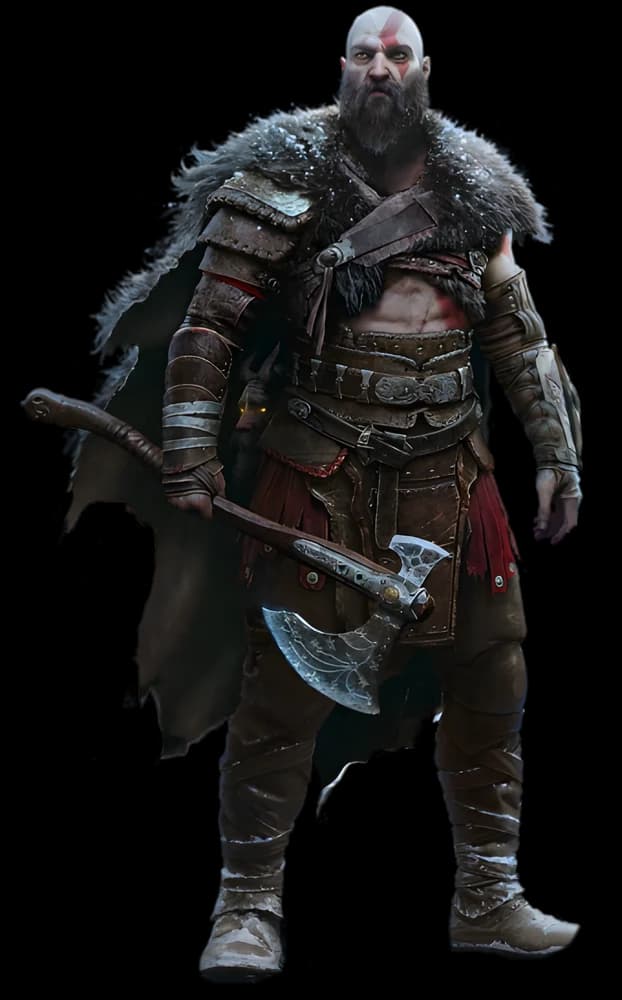
Kratos
Kratos was the demigod son of Zeus who rose from a Spartan general to the Greek God of War, destroyed the pantheon of Olympus in a quest for vengeance, and then began again in the Norse realms as a father seeking to leave his bloody past behind.
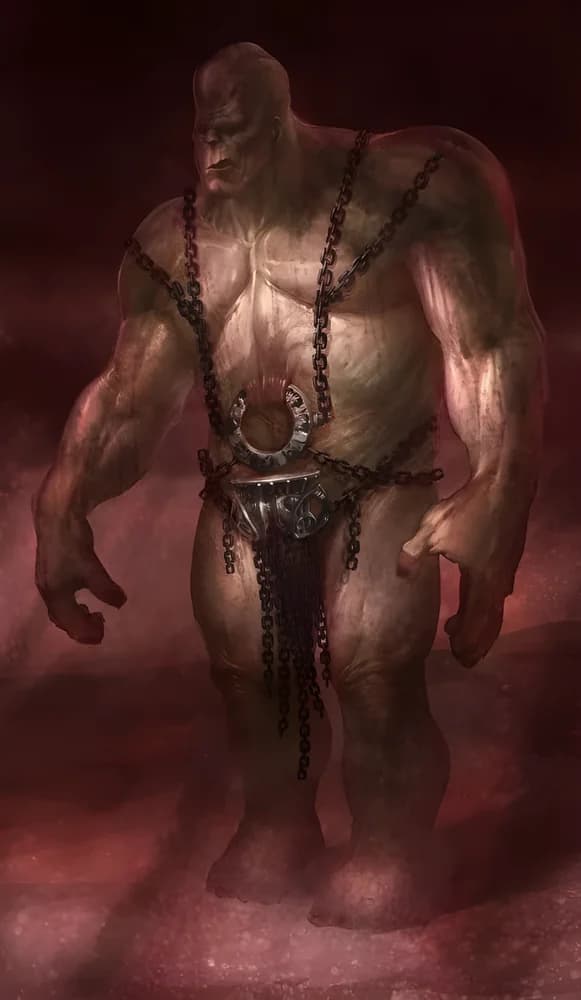
Cronos: the Titan who ate his children
Warned that his own children would depose him, Cronos swallowed each at birth. Rhea hid Zeus, Zeus deposed him anyway, and Kratos finished him.
Pandora's Box: the power to kill a god
Hephaestus forged Pandora's Box from the Flame of Olympus to hold the Evils of the Great War. Opening it let Kratos kill Ares, and loosed the Evils on the gods.
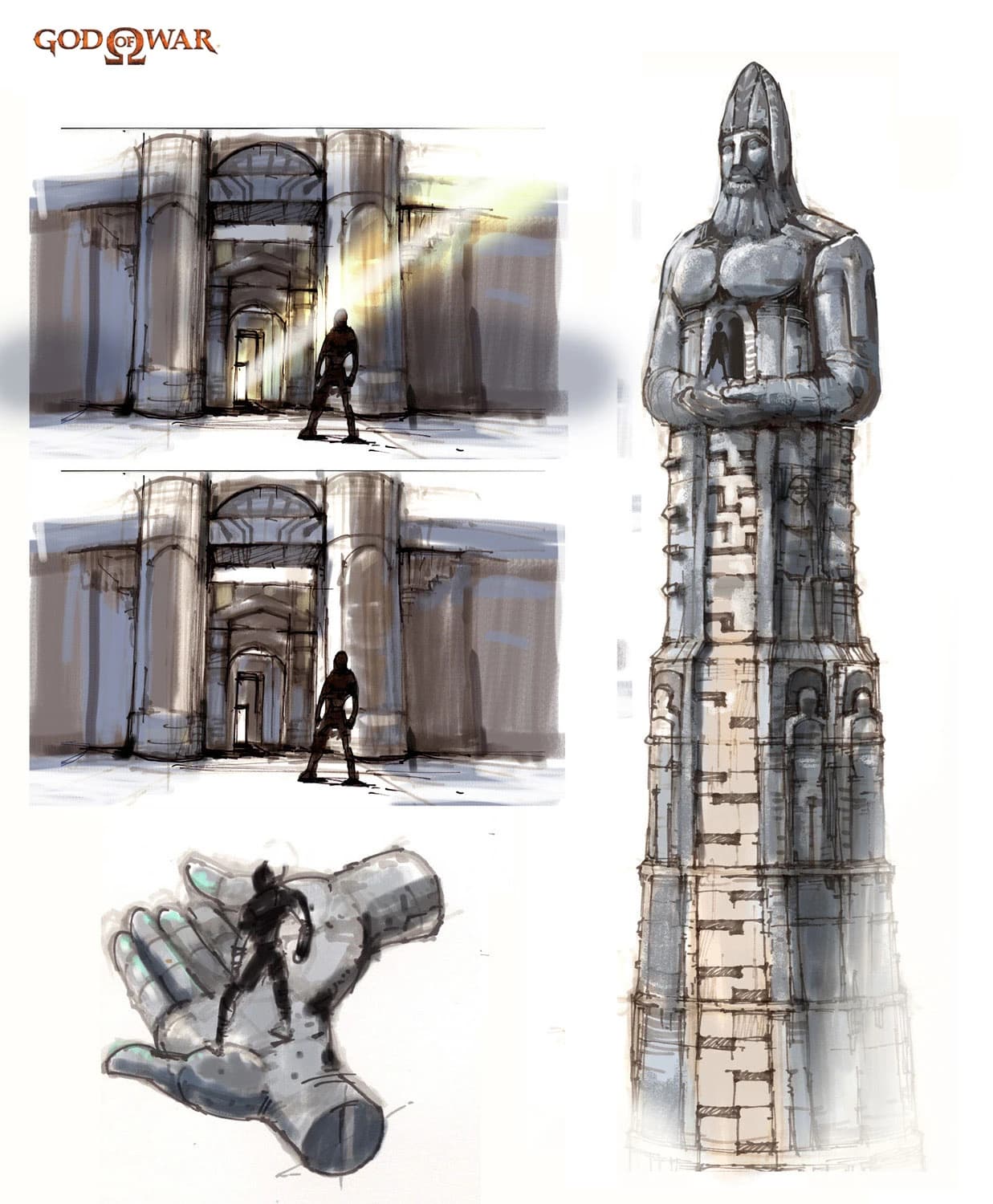
Pandora's Temple: The Vault of Pandora's Box
Pandora's Temple was a vast trap-laden temple built upon the back of the wandering Titan Cronos to house Pandora's Box and keep it from the enemies of Olympus. After failed attempts by countless heroes, Kratos became the only mortal to reach the Box within.
Also in Greek Era
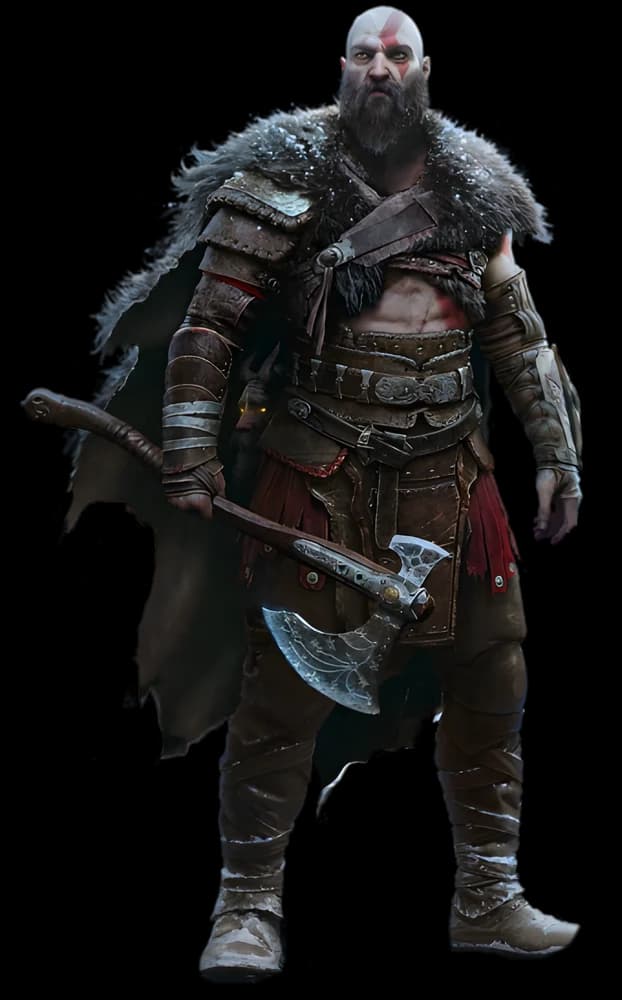
Is Kratos Immortal?
Kratos is a god, so he won't die of age or illness, but he isn't unkillable. He has been killed more than once and come back, and he has survived things that should have ended him. Here is what the games show about how hard he is to kill.
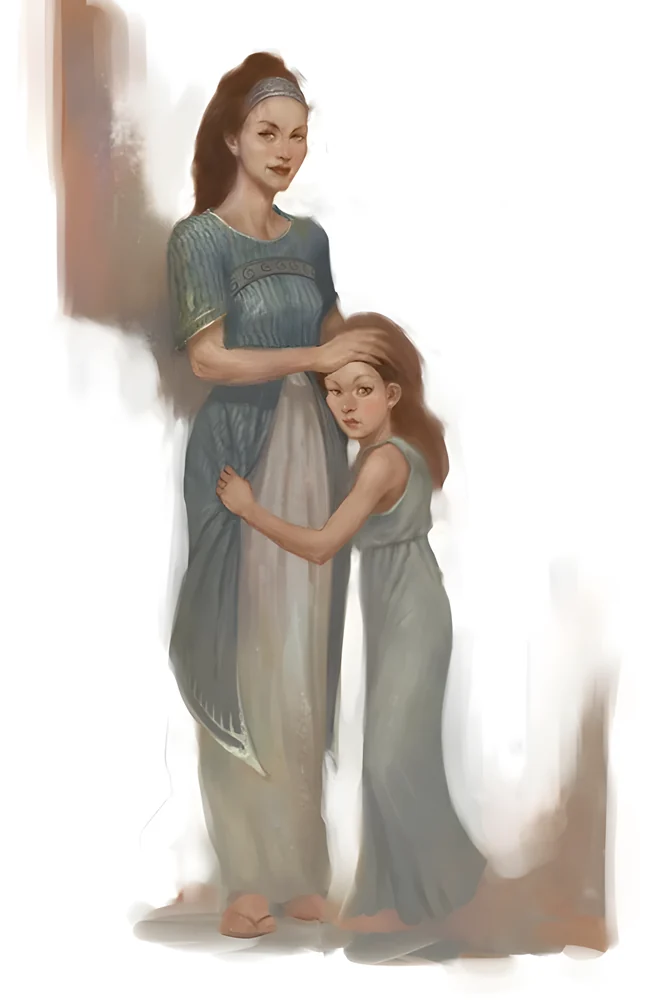
Kratos's Wives: Lysandra and Faye
Kratos has had two wives. Lysandra, his Spartan first wife, died by his own hand in a temple Ares sent him to burn. Faye, the giant Laufey, married him in Midgard, raised Atreus and planned her own funeral. Here is each marriage, how each ended, and how they shaped him.
Mentioned in8 entries
Body Burner: the cursed keeper of Pandora's Gate
The Body Burner was the first mortal to enter Pandora's Temple and, by his own account, the first to die there. Cursed by the gods for his failure, he kept watch year after year on the cliff beyond Pandora's Bridge, burning the corpses of every challenger who followed him, until Kratos passed his gate and carried Pandora's Box out of the temple.
Cronos: the Titan who ate his children
Warned that his own children would depose him, Cronos swallowed each at birth. Rhea hid Zeus, Zeus deposed him anyway, and Kratos finished him.
Daedalus
Daedalus was the master craftsman of Athens who built the great Labyrinth for Zeus in return for the promise of his lost son Icarus. Driven to madness in years of servitude and chained within his own creation, he was crushed when Kratos set the Labyrinth turning, and died grateful at last to be free.
Desert of Lost Souls: the wasteland east of Athens
The Desert of Lost Souls was a vast, monster haunted desert far to the east of Athens, the place where Zeus condemned the Titan Cronos to wander with Pandora's Temple chained to his back. Kratos crossed its sands in his quest for Pandora's Box, and there Ares struck him down with a pillar hurled from the ruins of Athens.
Greek Gods
The Greek Gods were the pantheon that ruled over Greece across three generations, the Primordials, the Titans, and the Olympians. Once the masters of mortals, monsters, and the natural world, they were brought to near extinction by Kratos in his war of vengeance against Olympus.
Pandora's Box: the power to kill a god
Hephaestus forged Pandora's Box from the Flame of Olympus to hold the Evils of the Great War. Opening it let Kratos kill Ares, and loosed the Evils on the gods.
Pandora's Box: the vessel of Olympus's evils and the power of Hope
Pandora's Box was an artifact forged by Hephaestus on Zeus's order to contain the Evils unleashed by the Titanomachy. It was the only means by which a mortal could gain the power to slay a god, and it carried within it the hidden power of Hope.
Pandora's Temple: The Vault of Pandora's Box
Pandora's Temple was a vast trap-laden temple built upon the back of the wandering Titan Cronos to house Pandora's Box and keep it from the enemies of Olympus. After failed attempts by countless heroes, Kratos became the only mortal to reach the Box within.
Get new articles in your inbox
No spam. New lore drops, canon conflicts, and deep dives only when they’re worth reading.
Some links on Lore Fortress are affiliate links. If you buy through them we earn a small commission at no extra cost to you.