Hades: the god whose soul Kratos tore out
Lord of the Underworld
Eldest son of Cronos, Hades ruled the Underworld and held life and death in balance. Kratos turned the Claws of Hades on him and ripped his soul out.
Hades was the Olympian God of the Dead and Ruler of the Underworld, the eldest son of the Titan Cronos and the goddess Rhea, and brother to Zeus and Poseidon. Husband of Persephone and uncle to Kratos, he held total dominion over the souls of the dead, a power that made him feared among mortals even as it kept the balance of life and death in the Greek world. Though he aided Kratos in earlier days, the Spartan's slaughter of his kin and his queen turned Hades against him, and the Lord of the Dead met his end at his nephew's hands. (God of War (2005); God of War: Chains of Olympus; God of War III)
The First Titanomachy#
When Cronos was warned that one of his children would rise against him, the Titan King swallowed his offspring, and Hades was the first to endure this fate. Freed at last by his younger brother Zeus, Hades willingly joined the rebellion against the Titans and played a decisive part in the Great War. (God of War II; God of War III; Theogony)
During the war he fought Cronos directly, attempting to take the Titan King's soul, until Atlas struck him to save Cronos. Turning his attention to Atlas, Hades was aided by Poseidon, whose lightning brought the Titan low, and Hades seized Atlas's soul into himself, defeating the general of the Titans. When the Olympians triumphed and divided the world, the heavens and seas went to his brothers and Hades took dominion over the Underworld and the dead. (God of War II; God of War III)
Lord of the Dead#
Hades ruled the Underworld with a sinister relish for the suffering of his subjects, yet his command over the souls of the dead preserved the balance of life and death across the Greek world. He took Persephone, daughter of Demeter, as his queen, though she did not love him and longed to be free of his dark kingdom. Her despair would later drive her to free the Titan Atlas and command him to destroy the Pillar of the World, a plot Kratos undid, at the cost of Persephone's life. (God of War: Chains of Olympus; God of War III)
Despite the death of his queen at the hands of Kratos years earlier, Hades nonetheless aided his nephew during the quest for Pandora's Box, manifesting in translucent form within Pandora's Temple and granting him the magic known as the Army of Hades. He worked largely from the shadows in these years, a background power whose undead legions and beasts twice rose to bar Kratos's path. (God of War (2005))
The Second Titanomachy and death#
When Kratos and the Titans assaulted Mount Olympus, Hades was among the congregation of Gods who answered Zeus's call to unite. He dropped into the battle alongside Hermes and Helios and dislodged his uncle, the Titan Oceanus, from the mountain, presumably finishing him before returning to his own domain. (God of War III)
Kratos confronted Hades within the Underworld, where the Lord of the Dead first commented on the Spartan's progress in a taunting voice before turning hostile in his palace. Hades named the wrongs done to him: the killing of his niece Athena, the killing of his brother Poseidon, and the butchering of his beloved queen Persephone, and swore to make Kratos suffer and claim his soul. An intense battle followed, the two fighting with their chain blades until they became entangled and Hades sought to drag Kratos into the River Styx. (God of War III)
Gaining the upper hand, Kratos formed a noose with the entangled blades, slammed Hades into the ceiling, and knocked him into the Styx, claiming the Claws of Hades and the power to steal souls. A larger Hades burst from the river, sustained by the souls within it, his skull cracked and devilish. After a fierce duel, Kratos turned the Lord of the Dead's own Claws against him and tore out his soul, killing him at last. As Hades's rule lifted, the tormented souls of the Styx swarmed his corpse and dragged it into the depths, and with their ruler gone the dead of the Underworld were free to roam, many escaping it entirely. (God of War III)
Frequently asked questions
- Who was Hades in God of War?
- Hades was the Olympian God of the Dead and Ruler of the Underworld, the eldest son of Cronos and Rhea and brother to Zeus and Poseidon. As husband of Persephone and uncle to Kratos, he held total dominion over the souls of the dead and kept the balance of life and death in the Greek world.
- How did Hades get his appearance in God of War?
- Hades was the first of his siblings to be swallowed by Cronos. Zeus later freed him to join the rebellion against the Titans.
- How did Hades become ruler of the Underworld?
- When the Olympians triumphed and divided the world, the heavens and seas went to his brothers and Hades took dominion over the Underworld and the dead.
- Why did Hades want to kill Kratos?
- When Kratos confronted him in the Underworld, Hades named the wrongs done to him: the killing of his niece Athena, the killing of his brother Poseidon, and the butchering of his beloved queen Persephone. He swore to make Kratos suffer and claim his soul.
- How did Hades die in God of War?
- Kratos battled Hades with their chain blades, knocked him into the River Styx, and claimed the Claws of Hades and the power to steal souls. After a fierce duel against a larger Hades sustained by the river's souls, Kratos turned the Lord of the Dead's own Claws against him and tore out his soul, loosing chaos upon the Underworld.
Gallery
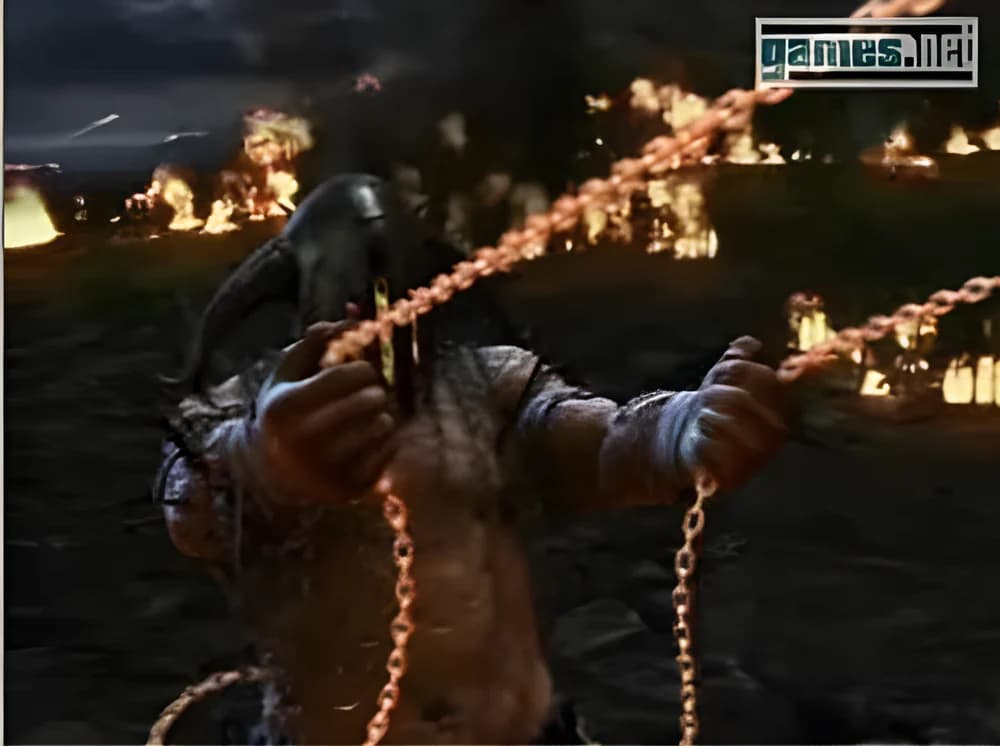
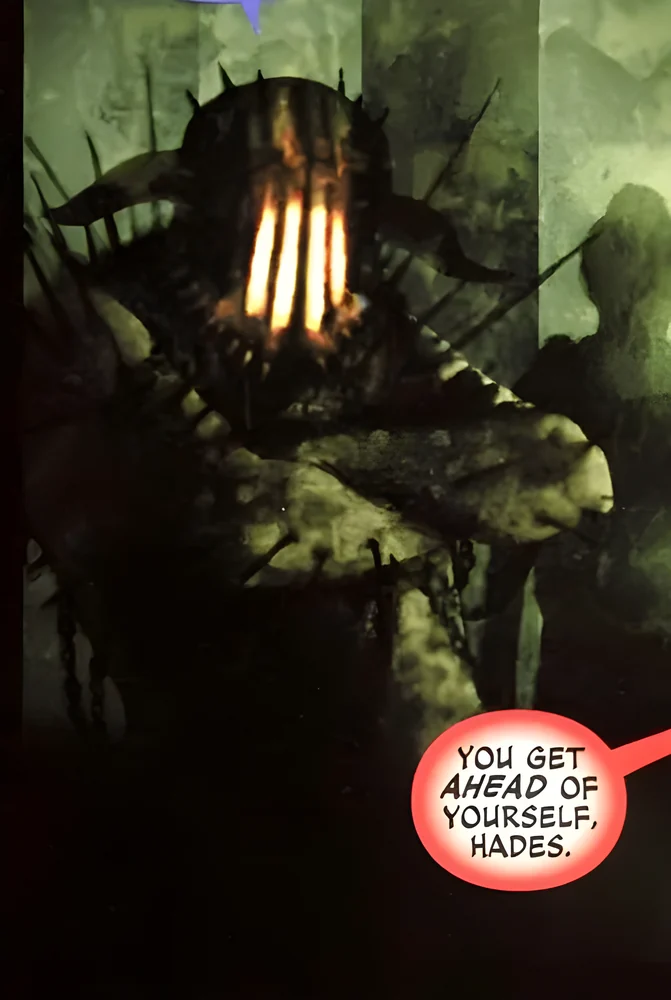
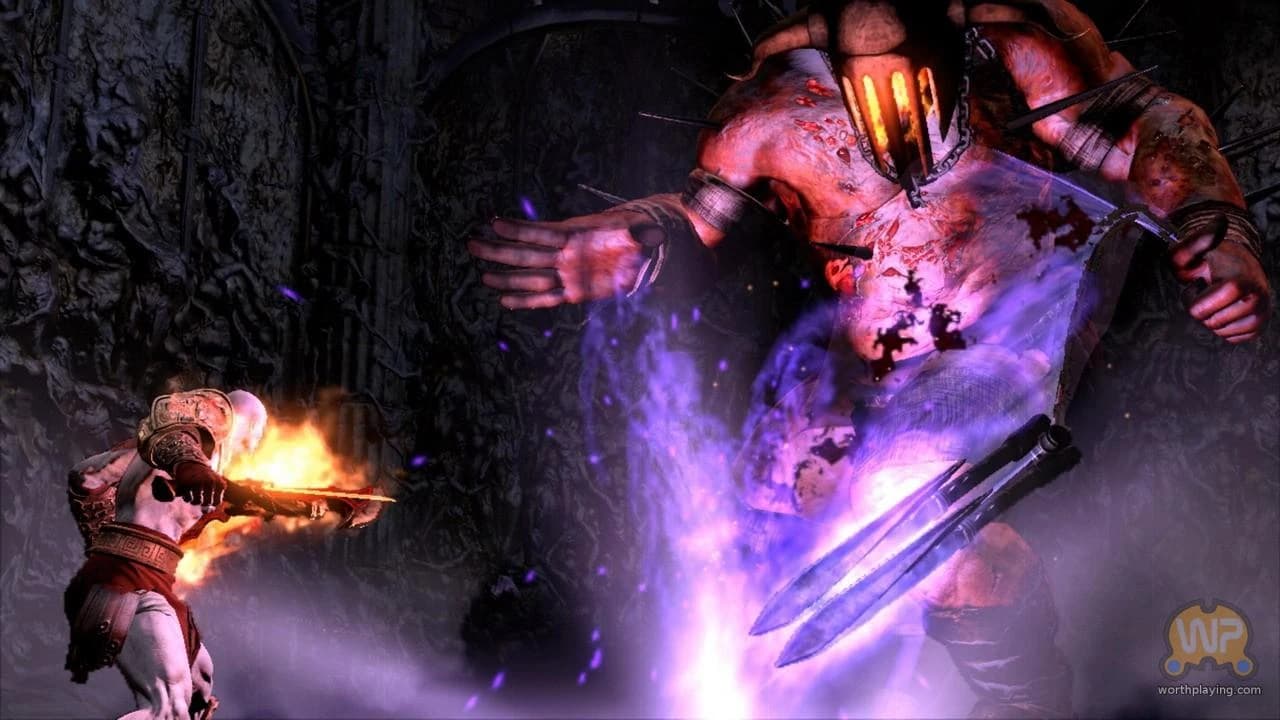
Images via God of War Wiki
Sources
- GameGod of War (2005), Santa Monica Studio, 2005
- GameGod of War: Chains of Olympus, Ready at Dawn, 2008
- GameGod of War II, Santa Monica Studio, 2007
- GameGod of War III, Santa Monica Studio, 2010
- BookTheogony, Hesiod, around 700 BC
Spotted a factual error or a primary source we missed? Email a correction. Every flagged claim gets reviewed.
Followed from this entry
Athena: from Kratos' guide to his enemy
Athena set Kratos against Ares to save Athens, then turned on him when his reign grew worse. She died taking a blow meant for Zeus, and named Kratos his son.
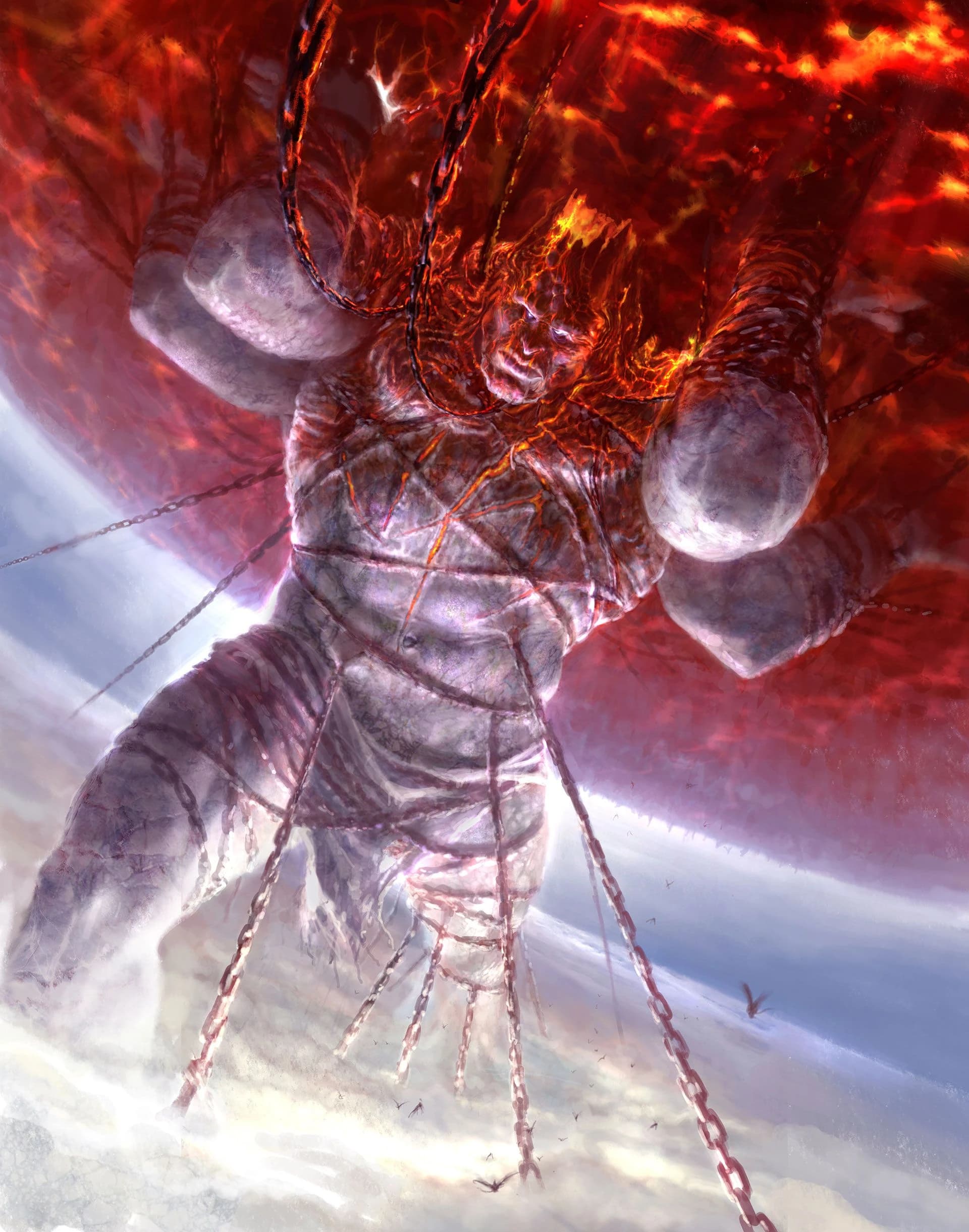
Atlas: the Titan who holds up the world
Four-armed general of the Titans and the strongest of them. Kratos condemned him to carry the world on the Pillar of the World, then took his help.
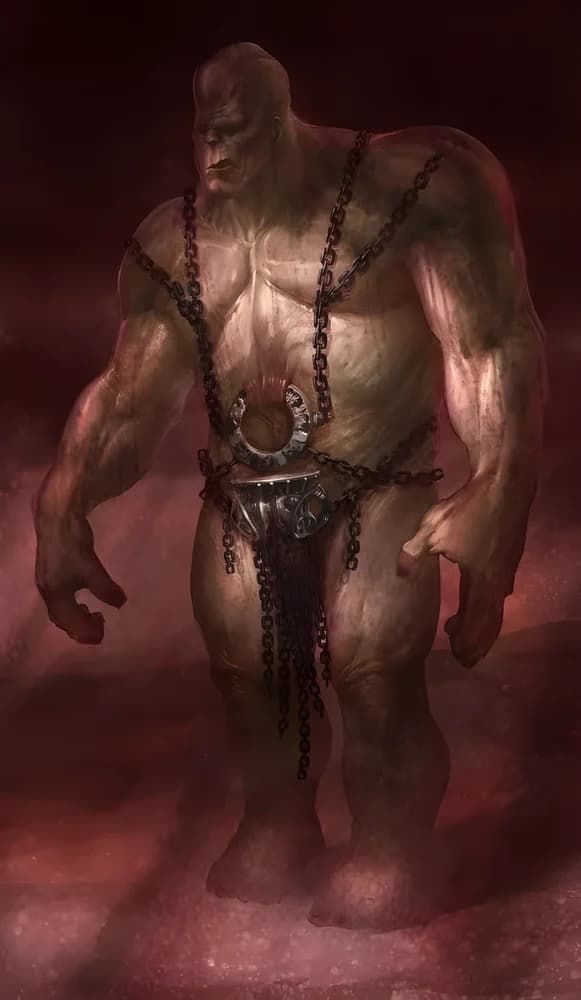
Cronos: the Titan who ate his children
Warned that his own children would depose him, Cronos swallowed each at birth. Rhea hid Zeus, Zeus deposed him anyway, and Kratos finished him.
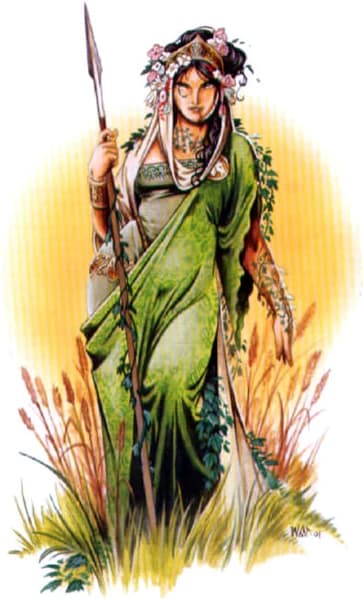
Demeter
Demeter was the Olympian Goddess of the Harvest and Agriculture, a sister of Zeus and mother of Persephone. She held dominion over plants and grain, and her grief at the abduction of her daughter by Hades brought barren winter upon the earth.

Helios: the sun god Kratos beheaded
Kratos once saved Helios from the Titan Atlas. Years later he tore the sun god's head from his body and carried it through Olympus as a lantern.

Hermes: the swift god Kratos crippled
Hermes taunted Kratos through a long chase across Olympus. The Spartan cornered him, severed his legs at the knee and took the winged boots for himself.
Mentioned in57 entries
Alrik
Alrik, the Barbarian King, was the leader of the Barbarian horde from the east and one of Kratos' oldest enemies. His assault drove Kratos to pledge his soul to Ares, beginning the Spartan's tragedy, and his hatred outlasted even death.
Apollo: the Olympian who escaped Kratos
Apollo never faced Kratos in the flesh. His Flame lit the way to the Tree of Life, his Bow lay in the Underworld, and he survived the slaughter.
Ares: the god who made Kratos a killer
Ares tricked Kratos into slaughtering his own wife and daughter to bind him as a weapon. Kratos killed him at Athens and took his place as God of War.
Atlas: the Titan who holds up the world
Four-armed general of the Titans and the strongest of them. Kratos condemned him to carry the world on the Pillar of the World, then took his help.
Blade of Olympus: Zeus' god-killing sword
Zeus forged the Blade of Olympus from the heavens and the earth to banish the Titans to Tartarus. It could kill gods and Titans, and it killed Zeus himself.
Bow of Apollo
The Bow of Apollo was a fire-imbued bow named for the sun god Apollo. Kratos took it from Peirithous, the doomed lover of Persephone, who was imprisoned in the Underworld within a cage of brambles.
Centaur
The Centaurs were monsters of the Greek world, part man and part horse, once renowned for poetry and wine-making in the forests of Mount Pelion. When the Lapiths encroached on their woods they took up arms, and in time were recruited across Greece for their martial prowess.
Cerberus Mongrel: the lesser hounds of the Underworld
The Cerberus Mongrels were the weakest breed of the Cerberi, gaunt three-headed hounds that served the lord of the dead. Kratos beat them into submission across two eras of his life, riding them as living weapons and turning the fire of one upon Peirithous to claim the Bow of Apollo.
Cerberus: the multi-headed hounds of Hades
The Cerberi were a race of fierce multi-headed hounds, most of them kept as the beasts of Hades in the Underworld. Kratos faced them across many of his journeys, from the breeders of Pandora's Temple to the Mole Cerberus that had swallowed Jason and the Golden Fleece.
Charon
Charon was the ferryman who carried the souls of the dead across the River Styx, a servant of Hades and Persephone. When Kratos came to his docks still living, Charon refused him passage and cast him into Tartarus before the Spartan returned to kill him.
Claws of Hades
The Claws of Hades were chained weapons wielded by Hades, god of the Underworld, who used their magic to tear the souls from his enemies. Kratos stole them in battle, claimed the god's own soul with them, and carried them as a means of ripping and summoning the souls of the dead.
Cronos: the Titan who ate his children
Warned that his own children would depose him, Cronos swallowed each at birth. Rhea hid Zeus, Zeus deposed him anyway, and Kratos finished him.
+ 45 more
Get new articles in your inbox
No spam. New lore drops, canon conflicts, and deep dives only when they’re worth reading.
Some links on Lore Fortress are affiliate links. If you buy through them we earn a small commission at no extra cost to you.